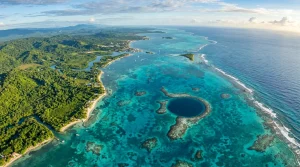
Exploring the vibrant waterways and lush jungles of Belize is an adventure like no other, but have you ever wondered about the wildlife lurking beneath the surface? The presence of crocodiles in Belize’s rivers and lagoons introduces both excitement and caution for travelers. Understanding their behavior and habitat is essential for ensuring your safety while enjoying all that this tropical paradise has to offer. In this wildlife safety guide, we’ll dive into the types of crocodiles you might encounter in Belize, how to enjoy nature responsibly, and tips for minimizing risks. By being informed, you can embrace the wonders of Belize with confidence, enhancing your experience in this enchanting destination. Let’s unravel the mysteries of these fascinating reptiles together!
Are There Crocodiles in Belize? Understanding the Species
Amidst the lush jungles and serene waterways of Belize, the crocodile thrives as one of the country’s most fascinating inhabitants. Visitors may be surprised to learn that two primary species of crocodile inhabit the region: the American crocodile and the Morelet’s crocodile. This mesmerizing connection to nature provides a unique opportunity to observe these ancient creatures in the wild, a thrilling experience for wildlife enthusiasts and casual tourists alike.
The American crocodile, often found in coastal and freshwater habitats, is identifiable by its long, slender snout and olive-green coloration. In contrast, the Morelet’s crocodile, which favors freshwater lakes and swamps, is known for its broader snout and darker appearance. Both species are an integral part of Belize’s ecosystem, helping maintain the balance within their aquatic environments. While both species can be seen basking on riverbanks or quietly swimming in the waters, understanding their differences is crucial for safe wildlife interactions.
Safety is paramount when exploring Belize’s waterscapes. Always be vigilant, particularly in areas commonly inhabited by crocodiles, such as mangroves and lagoons. While these reptiles are often shy and prefer to avoid human contact, it’s wise to exercise caution. Visitors should never feed or attempt to approach crocodiles, as this can provoke aggressive behavior. Instead, taking guided tours with knowledgeable locals can enhance your experience, ensuring both your safety and the welfare of these magnificent animals. With their key role in Belize’s biodiversity, crocodiles indeed weave an exciting narrative into the natural tapestry of this Central American gem.
The Habitats of Crocodiles in Belize
In Belize, the diverse ecosystems provide rich habitats for crocodiles, making them integral to both the environment and local culture. Here, two primary species thrive: the American crocodile and the Morelet’s crocodile. The American crocodile prefers coastal and brackish waters, often found in mangroves, estuaries, and lagoons. These areas not only serve as nesting grounds but also offer ample food sources, such as fish and crustaceans. On the other hand, the Morelet’s crocodile is more frequently located in freshwater environments, favoring rivers, swamps, and lakes. Its habitat can be found throughout Belize’s lush jungles, where the calm waters provide ideal shelter and hunting grounds.
Belize’s unique array of wetlands and coastal regions creates a perfect backdrop for these reptiles. The mangrove swamps on the coast function as nurseries for various marine and terrestrial species while providing crucial nesting habitats for both crocodile species. The intricate root systems of mangroves offer safety from predators for younger crocodiles, enhancing their survival rates. Similarly, the expansive freshwater systems, including rivers and lagoons, nurture the Morelet’s crocodile, which can often be spotted basking on logs or lurking near the water’s edge, awaiting prey.
For those eager to witness these majestic reptiles in their natural settings, guided eco-tours present an excellent opportunity. Local guides are well-versed in the best habitats to explore, ensuring a safe and respectful approach to observing crocodiles. As you traverse Belize’s waterways, be prepared for exciting sightings that reflect the country’s rich ecological tapestry. Whether you’re cruising through the serene waters of the Swasey Bladen Nature Reserve or exploring the depths of the Belize Barrier Reef, each encounter with these ancient creatures enhances your appreciation for Belize’s unique biodiversity. Remember to carry your binoculars and a camera, but always prioritize safety by maintaining a safe distance from the animals to observe them without disrupting their natural behavior.
Recognizing Crocodiles: How to Identify Them Safely
When exploring the stunning habitats of Belize, the sight of a crocodile gliding through the water or sunbathing on the riverbank can be an exhilarating experience. However, familiarity with the features and behaviors of these reptiles is crucial for a safe encounter. Recognizing the American crocodile and Morelet’s crocodile, the two primary species found in Belize, will enhance your wildlife observation while ensuring your safety.
Both species exhibit distinct physical characteristics. The American crocodile is typically lighter in color, with a greenish-grey hue and a V-shaped snout that distinguishes it from its relatives. In contrast, the Morelet’s crocodile boasts a broader snout and a darker complexion, often appearing more robust than its American counterpart. Adult American crocodiles can reach lengths of up to 20 feet, while Morelet’s crocodiles generally average between 6 to 10 feet. It’s also important to note their eyes and nostrils are positioned on top of their heads, allowing them to breathe and see while mostly submerged-a feature that makes them adept ambush predators.
To safely identify these creatures in the wild, consider the following tips:
- Observe from a Distance: Always maintain a safe distance when spotting crocodiles. Use binoculars for a closer view, minimizing stress to the animal and ensuring your safety.
- Look for Basking Behavior: Crocodiles often bask in the sun on riverbanks or logs-recognizing this behavior can help you spot them without disturbing their habitat.
- Identify Their Tracks: If you’re venturing near the water, look for tracks and slide marks in the sand leading to or from the water’s edge, indicating their movement.
- Distinguish Sounds: Listen for their characteristic hissing or growling sounds, particularly during mating season. This can often alert you to their presence before visual contact is made.
Understanding these visual and behavioral cues allows you to enjoy the magic of Belize’s wildlife while respecting the natural world. Whether exploring the mangroves of the coastal areas or the lush rivers of the interior, recognizing and safely observing these ancient reptiles enriches your adventure in Belize’s vibrant ecosystems. Always prioritize wildlife safety, allowing these magnificent creatures to thrive in their natural habitats while delighting your senses.
Crocodile Behavior: What You Need to Know
Crocodiles are fascinating creatures, exhibiting behaviors that reflect their status as ancient predators. Understanding their habits is essential for anyone venturing into the wetlands of Belize, where the American and Morelet’s crocodiles make their homes. These reptiles are primarily ambush hunters, often lurking just below the water’s surface with only their eyes and nostrils exposed, ready to strike at unsuspecting prey. This hunting technique is a testament to their patience and stealth, showcasing just how well-adapted they are to their aquatic environments.
Crocodiles are most active during the cooler parts of the day, such as early morning and late afternoon, when they hunt for fish and small mammals. They tend to bask in the sun to regulate their body temperature, which is crucial given their cold-blooded nature. Observing them basking-often on rocks or riverbanks-is not only a chance to appreciate their beauty but also a moment to maintain a respectful distance. When they feel threatened, their natural instinct is to retreat into the water, though they might also exhibit defensive behaviors, such as hissing or tail-slapping, as warnings to intruders.
During the mating season, which typically spans from April to June, crocodiles become particularly vocal. Males can be heard emitting low growls and hisses to establish territory, while females may respond with softer sounds. This vocalization is crucial for understanding their presence, especially for those eager to spot them in the wild. Pay attention to the sounds around you; they serve as both a signal of their location and a reminder of the delicate balance of nature that exists in Belize’s vibrant ecosystems.
Travelers should always prioritize safety by respecting these incredible animals and their habitats. Approaching them too closely can lead to aggressive behavior, as they will often see humans as a potential threat to themselves or their young, particularly during nesting season. By maintaining a safe distance and observing from afar-perhaps with the aid of binoculars-visitors can safely witness the remarkable behavior of crocodiles without disturbing their natural rhythms. This respectful curiosity fosters both personal safety and a profound appreciation for the wildlife that enriches Belize’s stunning landscapes.
Wildlife Safety Tips: Protecting Yourself from Crocodiles
In the mesmerizing wetlands of Belize, home to crocodiles that have thrived for millions of years, understanding how to protect yourself while observing these magnificent creatures is key to having a safe and exhilarating experience. Crocodiles exemplify both natural beauty and primal instincts; respecting their territory and behavior is essential for safety and enjoyment. When venturing into their habitat, keeping a few important guidelines in mind can help ensure that your wildlife encounters remain rewarding and free from danger.
To start, always maintain a safe distance when observing crocodiles. Their ambush hunting style means they can strike swiftly and powerfully, so using binoculars for a closer view is a wise choice. Approach areas where crocodiles are found-like riverbanks, lakes, and lagoons-with caution, especially during dawn and dusk when they are most active. It’s advisable to stick to marked trails and avoid wandering off into murky waters where visibility is poor. Make note of signs warning of crocodiles, as they are placed for your protection.
Another critical aspect of safety is to never provoke crocodiles. Whether it’s throwing objects into the water or attempting to take a selfie up close, such actions can lead to aggressive responses. It’s important to educate yourself and any children traveling with you about the behaviors of these reptiles; knowing they may hiss or slap their tails as a warning can help foster a sense of caution. If observing crocodiles with a tour guide, actively listen to their advice, as they are experienced in navigating wildlife encounters safely.
Wildlife Safety Tips:
- Always observe from a safe distance, ideally at least 15 to 20 feet away.
- Use binoculars to get a closer look without approaching.
- Avoid feeding crocodiles or attempting to touch them.
- Educate children about the importance of respecting wildlife.
- Stick to designated pathways and avoid entering the water in crocodile habitats.
- Pay attention to wildlife signs and warnings posted in the area.
Remember, habitats teeming with life, like Belize’s wetlands, offer unique reflections of nature’s wonders. By respecting the crocodiles’ space and observing recommended safety practices, you can encounter these extraordinary reptiles in their natural environment while ensuring both your safety and theirs. Celebrate the incredible biodiversity of Belize and cherish the memories fostered through respectful wildlife encounters, knowing that you have played a part in preserving the delicate balance of this vibrant ecosystem.
Best Viewing Spots for Crocodiles in Belize
In the lush and diverse ecosystems of Belize, crocodiles rule the waters with their stealth and majesty. The thrill of spotting these ancient predators in their natural habitat is an unforgettable experience. For those eager to catch a glimpse of these remarkable reptiles, choosing the right viewing spots is essential. Belize boasts several prime locations where the chances of encountering crocodiles are high, allowing visitors to appreciate their beauty while ensuring safety.
Among the best areas to observe crocodiles is the Crocodile Sanctuary at Belize Zoo. This wildlife haven provides a unique opportunity to learn about and view both freshwater and saltwater crocodiles in a safe environment. The sanctuary focuses on education and conservation, making it an excellent choice for families and those seeking a more structured experience. Knowledgeable guides share fascinating insights into the lives of these creatures, ensuring that your visit is both informative and enjoyable.
Another fantastic spot is the Cayes, particularly Ambergris Caye and Caye Caulker. The mangroves surrounding these islands serve as crucial habitats for juvenile crocodiles. Local boat tours often include stops to observe crocodiles sunning themselves in the shallow waters or gliding gracefully between the mangrove roots. Early morning or late afternoon excursions increase your chances of spotting these reptiles as they bask in the sun or engage in social behaviors.
The Belize River is also a notable hotspot for crocodile sightings. Strolling along its riverside paths or taking a canoe ride allows you to view these magnificent creatures in a more rustic setting. Look for their distinctive snouts just above the water’s surface, especially around the more secluded areas where human activity is minimal.
To safely enjoy your crocodile-watching adventure, always remember to follow local guidelines and keep a respectful distance. Equip yourself with good binoculars and a camera with a zoom lens for an unobtrusive view, ensuring you respect their territory while capturing the moment. With a little preparation, your quest to witness Belize’s crocodiles can become an adventure filled with awe and respect for the incredible wildlife inhabiting this beautiful country.
Local Myths and Legends: Crocodiles in Belizean Culture
In the verdant landscapes and shimmering waters of Belize, crocodiles loom large not just in size but also in the cultural fabric of the region. These majestic reptiles are steeped in a rich tapestry of myths and legends that reflect the deep connection between the Belizean people and their natural environment. Folklore tells tales of crocodiles as guardians of the waterways, watched over by powerful spirits. Many fishermen share stories of encountering these ancient beings, which they believe are emissaries of the river gods, bestowing both blessings and warnings about the waters they inhabit.
Among the indigenous cultures, the Maya revered crocodiles for their strength and adaptability. In art and sculpture, they are often portrayed as symbols of power and resilience, embodying the elements of both water and earth. This reverence can be seen in the archaeological site of Xunantunich, where ancient carvings depict crocodile figures, highlighting their significance in rituals and daily life. Local legends often narrate how these creatures have the capability to traverse not only water but also the spiritual realm, acting as intermediaries between humans and the gods.
Belizean Creole folklore also contributes to the mesmerizing narratives surrounding crocodiles. Some tales depict them as cunning tricksters, while others portray them as benevolent protectors of the land and its creatures. These stories serve as cautionary tales for children, warning them to respect the rivers and lakes where these reptiles dwell. They illustrate the moral lessons of cohabitation and respect for nature, teaching future generations to navigate their environment with reverence.
When venturing into areas known for crocodiles, it’s essential to honor these myths and the cultural significance they carry. Understanding the local perspectives can foster a deeper appreciation for Belize’s ecosystem, enhancing your experience while ensuring you recognize the vital role these reptiles play in the balance of nature. Whether you hear enchanting tales from local guides or explore the charms of village life, the legends of crocodiles will surely add an unforgettable layer to your Belizean adventure.
Conservation Efforts: Protecting Belize’s Crocodile Population
Efforts to protect Belize’s crocodile population have become increasingly vital as these remarkable reptiles face threats from habitat loss, hunting, and human encroachment. The Belizean government, alongside local conservation organizations, has initiated various projects aimed at safeguarding these important species, ensuring the balance of both ecosystem and community livelihood remains intact. The most prominent among these is the collaboration with the Wildfowl & Wetlands Trust, which focuses on breeding programs and habitat restoration to help stabilize the population of the American crocodile, a species that is particularly significant to Belize’s biodiversity.
Public awareness campaigns have been instrumental in fostering a sense of responsibility among locals and tourists. By educating the community about the ecological role of crocodiles-ranging from controlling fish populations to serving as indicators of healthy waterways-these initiatives encourage a deeper respect for nature. School programs often include guided ecological tours where students learn firsthand about the behaviors and habitats of crocodiles, helping forge a connection between the next generation and the environment.
Furthermore, sustainable ecotourism plays a pivotal role in conservation efforts. Responsible wildlife tours not only offer tourists unique experiences but also generate funds that can be reinvested back into conservation programs. Local guides, well-versed in respectful wildlife viewing, ensure that excursions strike a balance between adventure and preservation, allowing visitors to appreciate crocodiles in their natural settings while supporting protective measures. Engaging with local communities and promoting their involvement in these conservation initiatives is crucial for fostering long-term stewardship of Belize’s natural heritage.
Belize also enforces strict regulations regarding hunting and trade of crocodiles, bolstering its commitment to protecting these ancient reptiles. Stakeholders remain vigilant in monitoring habitats, working tirelessly to ensure that both crocodiles and their surroundings thrive. This combination of education, community involvement, and strict regulations not only aids in the conservation of crocodiles but also highlights the intricate relationship between wildlife and human activity in Belize, fostering a sustainable future for both.
Crocodiles vs. Alligators: Key Differences Explained
In the lush rivers and swamps of Belize, the majestic American crocodile (Crocodylus acutus) reigns alongside its often-misidentified cousin, the American alligator (Alligator mississippiensis). Understanding the distinctions between these two remarkable reptiles can enrich your wildlife adventures in Belize and enhance your appreciation for the rich biodiversity this country has to offer.
Though both creatures share a similar habitat and appearance, several key differences set them apart. First, consider their physical features: crocodiles are generally lighter in color, showcasing a more olive brown or yellowish hue, while alligators exhibit a darker, almost blackish appearance. In terms of size, crocodiles are typically larger, with adult males reaching lengths of up to 13 feet or more, whereas male alligators usually max out around 11 feet. The shape of their snouts also serves as a primary identification point; crocodiles possess a narrow, pointed snout, while alligators have a broader, U-shaped snout.
| Feature | Crocodiles | Alligators |
|---|---|---|
| Color | Lighter, olive brown/yellowish | Darker, blackish |
| Size | Up to 13 feet | Up to 11 feet |
| Snout Shape | Narrow, pointed | Broad, U-shaped |
| Habitat Preference | Brackish and saltwater | Freshwater |
Another significant difference lies in their habitat preference. Crocodiles thrive in brackish and saltwater environments, making the coastal areas of Belize an ideal home. In contrast, alligators prefer freshwater habitats, such as lakes and ponds. This preference is vital for travelers exploring Belize, as it guides when and where to look for each species.
Understanding these distinctions not only enhances your knowledge but also fosters a deeper respect for these creatures. Whether you’re photographing the sunning crocodiles along the banks of a mangrove or observing a quiet alligator submerged in freshwater, appreciating the unique traits of each species adds richness to your encounters in Belize’s diverse ecosystems. Always keep a safe distance from both, as these captivating reptiles can be unpredictable, embodying the wild spirit of Belize’s natural world.
Engaging with Wildlife: Dos and Don’ts in Belize
In the vibrant landscapes of Belize, where lush jungles meet tranquil rivers, the allure of wildlife is irresistible. However, engaging with this stunning environment comes with a set of essential guidelines to ensure both your safety and the well-being of the animals, particularly the formidable crocodiles that inhabit these waters. Understanding how to interact respectfully and safely with these creatures is critical for anyone wishing to experience the raw beauty of Belize’s ecosystems.
When exploring crocodile habitats, it is vital to observe a few straightforward principles. First, always maintain a safe distance. Never approach a crocodile, whether basking on the shore or gliding through the water. These reptiles can be unpredictable, especially if they feel threatened. Use binoculars or a camera with a zoom lens for an up-close look without encroaching on their territory. Make sure your group keeps noise to a minimum, as loud disturbances can stress wildlife.
Dos for Wildlife Engagement
- Stay on Paths: Stick to marked trails and designated viewing areas to protect both yourself and the habitat.
- Respect Local Customs: Engage with local guides who know the area best. Their expertise can enhance your experience and help keep you safe.
- Practice Leave No Trace: Do not leave trash or disturb the environment. Preserve the beauty of Belize for future visitors and its wildlife.
- Share the Space: Be patient and allow others to enjoy wildlife viewing. Give space to photographers and educators who may need time to capture meaningful moments.
Don’ts for Wildlife Engagement
- Do Not Feed the Animals: Feeding crocodiles can lead them to associate humans with food, which poses significant risks for both parties.
- Don’t Swim in Crocodile Habitats: Always be aware of your surroundings and avoid entering waters known to be inhabited by crocodiles.
- Avoid Annoying Wildlife: Do not attempt to provoke or interact with wildlife for the sake of a photo or thrill. Respect their space and behavior.
- Do Not Use Flash Photography: Bright flashes can startle wildlife. Opt for natural light whenever possible to avoid distressing the animals.
Belize offers a mesmerizing blend of nature and adventure, but enjoying it responsibly is crucial. By following these dos and don’ts, you not only protect yourself but also play an integral role in conserving the wild beauty of Belize for generations to come. The thrill of witnessing crocodiles in their natural habitat, coupled with the responsibility of respecting their world, creates an unforgettable experience in this Central American paradise.
Family Adventures: Exploring Crocodile Territory with Kids
Exploring the enchanting wilderness of Belize with your family is an adventure that sparks curiosity and excitement. The chance to encounter crocodiles in their natural habitat is a thrilling prospect, especially for kids eager to learn about wildlife. However, ensuring a safe and enjoyable experience while educating young explorers about these magnificent creatures is paramount.
Begin your family adventure by participating in guided boat tours in lagoons, like those in the Belize River or near Crooked Tree Wildlife Sanctuary. These tours are led by knowledgeable local guides who can share fascinating insights about crocodiles, their behaviors, and their habitats. Kids will marvel at spotting these reptiles basking on the banks or gliding through the waters while maintaining a safe distance. Encourage them to ask questions to foster a deeper understanding and appreciation for wildlife.
To keep the excitement going, plan activities like educational visits to wildlife sanctuaries or nature reserves. For example, the Belize Zoo offers interactive programs where children can learn about native animals, including the fascinating world of crocodiles. Such experiences make wildlife education fun and memorable, reinforcing safety precautions such as always staying close to adults and maintaining a respectful distance from animals.
As you traverse crocodile territory, instill the importance of respecting wildlife. Teach kids rules like not shouting or making loud noises, which can disturb the animals. Equip them with binoculars and a camera to observe and photograph the creatures without encroaching on their space. Providing practical tools not only enhances their engagement but also emphasizes responsible wildlife interaction.
Belize’s diverse landscapes provide exceptional opportunities to blend adventure with learning for the whole family. With the right guidance and knowledge, your family can safely explore crocodile territory, creating lasting memories while fostering a love and respect for nature.
Preparing for Your Trip: What to Pack for a Wildlife Encounter
To truly immerse yourself in the exotic beauty of Belize and safely explore its vibrant wildlife, careful packing for your adventure is essential. The country is a treasure trove of biodiversity, with the opportunity to spot crocodiles in their natural habitat. Preparing thoroughly not only enhances your experience but also ensures you stay safe while enjoying the lush scenery and exhilarating wildlife encounters.
Start with the basics by including layered clothing. Belize has a tropical climate that can shift from warm and sunny to cool and breezy, especially in the early morning or late evening. Lightweight, long-sleeved shirts and pants will protect you from both the sun and potential insect bites. Consider packing a light rain jacket, too, as tropical showers can surprise you even in the dry season.
Make sure to bring essential items for wildlife observation. Binoculars are invaluable for getting a closer look at crocodiles and other wildlife while maintaining a safe distance. A good camera with a zoom lens will allow you to capture stunning moments without intruding on the animals’ space. Additionally, a compact field guide to local wildlife can deepen your learning and appreciation during your encounters.
Don’t forget to pack sun protection such as biodegradable sunscreen and a wide-brimmed hat to shield yourself from the sun’s rays while exploring. Insect repellent is crucial, particularly when venturing into shaded areas near water bodies where crocodiles are likely found. Lastly, stay hydrated and pack a reusable water bottle. You’ll appreciate having access to water as you trek through Belize’s breathtaking landscapes, whether you’re visiting a wildlife sanctuary, kayaking in lagoons, or simply exploring the many national parks.
By packing thoughtfully and preparing for varied conditions, you can create unforgettable memories in Belize, all while respecting the habitats of the unique wildlife you come to observe.
Q&A
Q: Are there crocodiles in Belize?
A: Yes, crocodiles are found in Belize, particularly in its coastal areas and inland waterways. The most common species is the American crocodile, which can be observed in various wetland habitats throughout the country.
Q: Where are crocodiles commonly seen in Belize?
A: Crocodiles in Belize can commonly be seen in locations such as the Belize River, various lagoons, and mangrove swamps. Popular spots for viewing include the Crooked Tree Wildlife Sanctuary and the Belize Jaguar Preserve.
Q: What precautions should I take for safety around crocodiles in Belize?
A: To stay safe around crocodiles, avoid swimming in areas known for their presence, keep a safe distance when observing them, and never feed or provoke the animals. Follow the wildlife safety tips outlined in our guide for detailed advice.
Q: How can I identify crocodiles in Belize?
A: You can identify crocodiles by their long snouts, external ear openings, and the distinctive V-shaped snouts of the American crocodile. They usually have rough, scaly skin that varies in color from olive to brown.
Q: What time of year are crocodiles most active in Belize?
A: Crocodiles in Belize are most active during the warmer months, typically from April to October. During this time, you’re more likely to see them basking in the sun or swimming in their natural habitats.
Q: Are crocodiles dangerous to humans in Belize?
A: While crocodiles can pose a threat, attacks on humans are rare if proper precautions are taken. It’s essential to respect their space and avoid areas where they are known to congregate.
Q: What do crocodiles in Belize eat?
A: Crocodiles in Belize primarily consume fish, small mammals, and occasionally birds. They are opportunistic feeders and may also scavenge for carrion when available.
Q: What conservation efforts are in place for crocodiles in Belize?
A: Belize has various conservation initiatives aimed at protecting its crocodile populations, including habitat preservation and educational programs to raise awareness about their ecological importance. Interested visitors can learn more in our section on conservation efforts.
In Summary
As you prepare for your Belize adventure, remember that being informed about wildlife safety, including the presence of crocodiles, is crucial for a memorable experience. Take advantage of our guide to navigate potential encounters effectively, ensuring your trip remains both exciting and safe. For further reading on Belize’s spectacular ecosystems, check out our articles on exploring national parks and marine life.
Don’t miss out on other valuable insights: consider signing up for our newsletter to stay updated on the latest travel tips and destination highlights. Share your experiences or questions in the comments below-your stories can help fellow travelers! Now, dive deeper into all that Belize offers, from its stunning beaches to vibrant culture, and create lasting memories on your journey. Safe travels!
Get our latest guides, news, and insights highlighted in your Google Search & AI Overviews.