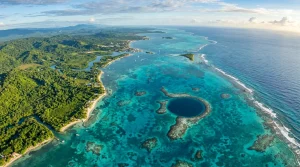
As you explore the lush landscapes of Belize, you may wonder about the majestic wildlife that inhabits this Central American paradise. While the allure of spotting tigers is captivating, it’s essential to understand the reality of big cats in Belize. This journey will uncover the fascinating species you might encounter, from the elusive jaguar-the country’s largest feline-to other stunning wildlife that roam the jungles and rivers. Understanding these magnificent creatures not only enhances your travel experience but also deepens your appreciation for Belize’s rich biodiversity. Join us as we navigate through the jungles, unveiling the secrets of Belize’s big cats and the vibrant ecosystems they inhabit. Your adventure into the wild begins here!
Are There Tigers in Belize? Understanding Big Cats and Their Habitats

In the lush jungles of Belize, the roar of a big cat may resonate through the canopy, but it’s important to clarify that tigers are not part of this vibrant ecosystem. While many may assume that the tropics are home to these majestic felines, the reality is that Belize is primarily a habitat for other big cats such as jaguars and pumas. The absence of tigers here is due not only to geographical constraints but also to the unique ecological niche that these other species occupy.
The jaguar, Belize’s most iconic big cat, commands attention with its powerful physique and distinctive rosettes. These elusive creatures can be spotted in the wild, particularly in areas like the Cockscomb Basin Wildlife Sanctuary, the world’s first jaguar preserve. Jaguars live in a variety of habitats, from rainforests to swamps, demonstrating a remarkable adaptability that allows them to thrive in Belize’s diverse ecosystems. Meanwhile, pumas, also known as cougars, are more elusive and tend to prefer mountainous and wooded areas where they can stealthily maneuver.
Understanding the Habitats
Belize’s dense rainforests and vast wetlands provide an ideal environment for these big cats. The interplay of natural features, such as rivers, dense vegetation, and mountainous regions, allows these predators to hunt and roam with a sense of freedom. The Cockscomb Basin, home to rich biodiversity, offers sanctuary to jaguars, while places like the Mountain Pine Ridge Reserve cater to both pumas and the occasional encounter with jaguars.
Travelers wishing to immerse themselves in the experience of spotting these remarkable animals should consider guided tours led by local experts. These guides not only know the best trails and viewing spots but can also share valuable insights about the behavior and conservation status of big cats in Belize. Whether trekking through thick forest or quietly navigating along rivers, an adventure into the realm of Belize’s big cats is an experience filled with excitement and awe.
Exploring the Myth: Tigers in Central America

In the heart of Central America, the misty jungles and expansive wetlands harbor a rich tapestry of wildlife, often leading to the misconception that tigers lurk among the shadows. A common myth suggests these iconic big cats have strayed into Belizean territory. However, tigers are native to Asia, primarily residing in forests and grasslands across India, Southeast Asia, and parts of Siberia. The geographical barriers and distinct ecological environments of Central America simply do not support the existence of this majestic felid.
Belize, celebrated for its diverse ecosystems, is a sanctuary for other big cats, particularly jaguars and pumas. Jaguars, with their powerful build and stunning rosettes, thrive in the thick rainforests and wetlands, often roaming solo in search of prey. These striking predators are adapted to a variety of habitats, showcasing Belize’s unique ecological diversity. The absence of tigers highlights the remarkable adaptability of its native felines, which have evolved and adapted to occupy their own ecological niches, with jaguars holding a particularly revered status in the local culture.
Travelers venturing into Belize can find an array of opportunities to experience these incredible creatures in their natural habitats. The Cockscomb Basin Wildlife Sanctuary, for instance, provides an optimal setting for spotting jaguars in the wild, while the Mountain Pine Ridge offers a glimpse into the elusive world of pumas. Engaging with local guides enhances the experience, as they share invaluable knowledge not only about the biodiversity of the region but also the cultural significance of these big cats, weaving the narrative of wildlife conservation into the traveler’s journey.
Visitors to Belize should embrace the thrill of exploring its jungles, armed with the understanding that while tigers may not roam these lands, the spirit of wildlife adventure is alive and thriving, waiting to be discovered. Whether it’s the call of the jaguar echoing through the trees or the stealthy presence of a puma, the big cats of Belize offer an enchanting glimpse into the wonders of nature and the crucial role these animals play in maintaining ecological balance.
Popular Big Cat Species Found in Belize
In Belize’s lush rainforests and mountainous terrains, the air is alive with the calls of wildlife, but few creatures command the mystique and awe of the big cats that roam these lands. While no tigers wander through the underbrush, the jaguar reigns as the star of the show, embodying both the power and grace of Belize’s natural heritage. These magnificent felines are not just the largest cats in the Americas; they are also culturally significant, often regarded as spirit guides in local folklore.
The jaguar, with its majestic rosettes and muscle-bound form, effortlessly adapts to a range of environments, from dense jungles to riverine areas. It plays a vital role in controlling the populations of various animals within its habitat, thus maintaining the ecological balance. If you venture into the wilds of Belize, sites like the Cockscomb Basin Wildlife Sanctuary-a designated jaguar preserve-offer unparalleled opportunities to spot these elusive creatures in their natural environment. Known for its successful habitat conservation efforts, Cockscomb is not only a sanctuary for jaguars but also supports a rich diversity of life, making it a must-visit for eco-tourists.
Meanwhile, the puma, also known as the cougar, silently traverses the less-traveled paths of Belize’s jungles. Though more elusive than its jaguar counterpart, pumas are versatile predators, capable of dwelling in varied settings from rainforests to savannahs. Their adaptability often leads them into close proximity with human habitats, making them a fascinating subject for wildlife enthusiasts eager to catch a glimpse of these stealthy hunters.
Additionally, the ocelot, a smaller but equally enchanting big cat, showcases the beauty of Belize’s fauna. Characterized by its striking coat covered in dark spots and stripes, the ocelot is often found in both tropical and subtropical environments. While not as large as the jaguar or puma, this feline’s demeanor and agility make it a captivating sight for those fortunate enough to witness it in the wild.
Visitors to Belize are encouraged to embrace guided tours that specialize in big cat spotting, as local guides offer invaluable insight into these magnificent species and their habitats. Every trek through the jungle is a journey into an unparalleled world of biodiversity, enriching travelers’ experiences and boosting conservation efforts for these remarkable animals. Whether you’re seeking the thrill of a jaguar sighting or the quiet grace of a puma, Belize promises an unforgettable encounter with its iconic big cats.
The Fascinating Habitat of Belize’s Big Cats
In the heart of Belize, the diverse ecosystems create a stunning backdrop for the country’s myriad wildlife, including its majestic big cats. With dense rainforests, wetlands, and rugged mountain terrains, these habitats not only support the thriving jaguar, puma, and ocelot but also present a dynamic interplay of biodiversity. Each environment offers something unique: the lush jungles teem with life, while the various water bodies are crucial to the survival of these enigmatic creatures.
The jaguar, often found along riverbanks and within the thick foliage of forests, relies on water sources for hunting, with its diet predominantly consisting of deer, capybara, and other smaller mammals. As the largest cat in the Americas, its presence is more than just a symbol of strength; it signifies the health of the ecosystem. The Cockscomb Basin Wildlife Sanctuary, a recognized habitat for jaguars, illustrates how effective conservation efforts can create a sanctuary where these cats thrive in the wild. Visitors here might observe jaguars lounging by the water or stealthily prowling through the underbrush.
Similarly, the elusive puma prefers less disturbed areas, showcasing its aptitude for adapting to a range of habitats, from mountainous regions to coastal savannas. Pumas often go unnoticed by travelers due to their solitary nature and preference for secluded territories, making any sighting an extraordinary encounter. These cats play a pivotal role in maintaining the population of medium-sized herbivores, ensuring a balanced ecosystem.
Ocelots, smaller yet equally stunning, inhabit tropical and subtropical environments, where they utilize the dense cover to their advantage. Known for their exquisite coats, spotting an ocelot can be a delightful surprise during a nighttime wildlife tour. With their adaptability and varied diet, they exemplify the intricate balance of species within Belize’s rich geographical tapestry.
To fully appreciate the habitats of these big cats, it’s essential to venture into protected areas like Belize’s national parks and wildlife reserves, which offer interpretive trails and guided tours. Local guides bring invaluable knowledge, ensuring a deeper understanding of the flora and fauna. Engaging in eco-friendly tourism not only enhances your experience but also supports the conservation efforts that protect these magnificent creatures and their habitats. Whether you’re hiking through lush forests or quietly navigating rivers, the chance to witness these regal felines in action makes every moment in Belize an unforgettable adventure.
How to Spot Jaguars and Other Big Cats
In the lush jungles of Belize, the elusive jaguar reigns supreme, captivating those lucky enough to encounter this stunning creature. To increase your chances of spotting not just jaguars but also other magnificent big cats like pumas and ocelots, it’s essential to arm yourself with knowledge and a sense of adventure. Early morning or late afternoon is often the best time for tracking these magnificent felines, as they tend to be more active during these cooler hours. As you venture through the dense foliage, listen carefully-sounds like rustling leaves or sudden splashes may indicate a big cat nearby.
One of the most effective strategies for spotting big cats is to look for signs of their presence rather than trying to catch a glimpse of the animal itself. Keep an eye out for paw prints on muddy trails, scratch marks on trees, or freshly disturbed underbrush that may suggest a cat has passed through. Utilizing binoculars can enhance your viewing experience, allowing you to scan the treetops and riverbanks from a distance. If you can, join a guided wildlife tour with local experts who know the terrain intimately. They can point out subtle signs of big cats, as well as educate you on the unique behaviors and habitats of these stunning creatures.
Timing your visit with the right season can significantly boost your chances of seeing big cats, as they are more active during the dry season from late November to mid-April when visibility is better, and water sources are limited. Additionally, consider visiting protected areas known for their wildlife sightings, such as the Cockscomb Basin Wildlife Sanctuary, which is renowned for jaguar sightings. Here, trails weave through diverse habitats that support prey species, increasing the likelihood of spotting a feline in action. Remember to maintain a respectful distance and appreciate these magnificent predators in their natural environment.
For those with a keen interest in wildlife photography, patience and stealth are key. Blend into the surroundings wear earth-toned clothing, minimize noise, and stay still during your observation. The goal is to become part of the environment, allowing the big cats to feel safe and secure enough to go about their natural behaviors. Whether capturing images of a jaguar prowling by water’s edge or an ocelot darting through the underbrush, the thrill of the chase is just part of the journey, and every moment spent in the presence of these majestic cats is a memory to treasure.
The Role of Big Cats in Belize’s Ecosystem
Big cats are not just majestic creatures roaming the jungles of Belize; they play an essential role in maintaining the delicate balance of the ecosystem. As apex predators, species like the jaguar, puma, and ocelot regulate prey populations, ensuring that herbivores do not overconsume vegetation. This predatory behavior fosters healthier ecosystems by promoting diversity among plant species and supporting various other wildlife that rely on these habitats.
In the tropical forests and wetlands of Belize, big cats influence their environment significantly. For instance, by controlling populations of deer and peccaries, jaguars prevent overgrazing, which could otherwise lead to soil erosion and loss of biodiversity. Furthermore, these big cats are crucial for maintaining healthy populations of smaller carnivores by keeping their numbers in check, thus fostering a diverse and resilient ecosystem.
The presence of big cats is also an indicator of a healthy environment. Their survival depends on large territories filled with abundant prey, clean water, and suitable habitat. Conservation efforts focused on protecting these charismatic mammals consequently benefit numerous other species sharing the same ecosystems. The intertwining of their survival with the health of their environment exemplifies the critical role that big cats, particularly jaguars in Belize, play in the larger web of life.
Protecting big cat populations and their habitats is vital not only for their survival but also for the preservation of the natural beauty that attracts eco-tourists and adventure seekers to Belize. As local communities recognize the value these creatures bring to their environment and economy, there is a growing movement to promote sustainable practices and ecotourism initiatives that celebrate and safeguard the unique biodiversity of this Central American jewel.
Best Wildlife Tours for Big Cat Watching
In the vibrant jungles and wilderness of Belize, a thrilling adventure awaits those seeking the elusive big cats that roam these lush landscapes. While jaguars steal the spotlight as the region’s most iconic feline residents, tours designed to uncover their secretive nature can lead to encounters with pumas, ocelots, and more. These wildlife excursions offer a unique opportunity to not only catch a glimpse of these magnificent creatures but also to learn about their habitats and the ecosystems they help sustain.
For an unforgettable experience, consider embarking on guided tours led by knowledgeable local experts. These guides are adept at tracking the signs of big cats, utilizing their keen observational skills to identify tracks, scat, and feeding sites. Some of the include visits to prominent nature reserves like Cockscomb Basin Wildlife Sanctuary, renowned for its jaguar population. On these tours, you may find yourself hiking through shaded trails while listening to the sounds of the jungle, hoping to hear the low growl of a jaguar or the soft rustle of a furtive ocelot.
Recommended Wildlife Tours
- Cockscomb Basin Wildlife Sanctuary Tours: Experience one of the first conservation areas dedicated to jaguar protection, with various guided hikes and night tours that increase your chances of spotting these majestic cats and other wildlife.
- Bocawina Rainforest Resort Tours: Offering both day and night tours, visitors can explore trails frequented by jaguars and other big cats, guided by local naturalists knowledgeable in the region’s flora and fauna.
- Community-based Ecotours: Engage with local communities through eco-tours that not only focus on wildlife spotting but also support conservation efforts, providing funds to protect their natural surroundings.
While the thrill of spotting a big cat is exhilarating, it’s essential to approach these wildlife excursions with respect for their natural habitats. Keep in mind that these creatures are most active during dawn and dusk, so scheduling your tours during these times can enhance your chances of a sighting. Beyond the thrill of big cat encounters, these tours offer a deeper understanding of Belize’s rich biodiversity, intertwining the conservation narrative with the spirit of adventure that makes this Central American destination so enchanting.
Conservation Efforts for Belize’s Big Cat Species
In the heart of Belize, conservation efforts play a pivotal role in preserving the natural habitats of its magnificent big cats, particularly the jaguar, puma, and ocelot. These feline residents are not only a critical part of the ecosystem, but they also symbolize the wilderness that attracts countless nature enthusiasts. To safeguard these majestic creatures, a variety of initiatives and protected areas have been established to combat habitat loss, illegal poaching, and the broader impacts of climate change.
One of the most notable efforts is the Cockscomb Basin Wildlife Sanctuary, which is the world’s first jaguar reserve, dedicated to protecting jaguar populations and their habitats. This sanctuary serves as a living laboratory and is central to various research and educational programs aimed at understanding big cat behavior and ecology. In addition to research, these areas engage the local community through eco-tourism, allowing residents to benefit economically from conservation efforts while fostering a sense of stewardship over their natural resources.
Strategically, Belize has also partnered with international organizations, such as Panthera, which focus solely on big cat conservation. Their programs include anti-poaching campaigns, habitat restoration projects, and community outreach initiatives. By educating communities about the ecological importance of big cats and involving them in conservation efforts, these organizations help create a more sustainable coexistence between wildlife and human populations.
Moreover, conservationists are using technology to monitor big cat populations and their movement patterns through camera traps and GPS tracking. This data not only aids in scientific research but also informs land management decisions, ensuring that vital corridors for these animals remain intact. With ongoing efforts and support from volunteers, researchers, and tourists alike, Belize is positioned as a leading example of how effective community-based conservation can be in protecting big cats and their incredible jungle homes.
Comparative Guide: Big Cats in Belize vs. Other Regions
The lush jungles and rich ecosystems of Belize harbor an impressive array of big cat species, but when compared to other regions of the Americas, Belize stands out for its unique wildlife composition and distinct conservation efforts. While the mighty tiger dominates the jungles of Asia, in Belize, visitors are more likely to encounter the jaguar, puma, and ocelot. Each of these cats plays a pivotal role in their respective habitats, cultivating a fascinating dynamic that supports the ecological balance.
Unlike the expansive ranges of tigers in Southeast Asia, the jaguar holds a more localized territory, primarily found in Central and South America. These powerful cats are known for their solitary nature and have adapted beautifully to the wetlands, forests, and savannas of Belize. In many respects, the jaguar is a keystone species in the country’s various ecosystems, where efforts are concentrated on education and conservation. Initiatives like the Cockscomb Basin Wildlife Sanctuary, the world’s first jaguar reserve, exemplify how Belize approaches the challenge of preserving its unique biodiversity while ensuring that local communities benefit from eco-tourism.
Meanwhile, other regions like Brazil or the Amazon basin present their own blend of big cats. Brazil’s Pantanal is renowned for its prolific jaguar population, offering some of the best chances to spot these elusive creatures in the wild. However, it also faces threats from habitat destruction and climate change. Comparing this to Belize, where dedicated conservation areas provide safe havens, reveals the importance of policy and community engagement in preserving wildlife. Notably, communities in Belize are increasingly involved in conservation through eco-tourism ventures that create financial incentives for protecting habitats and wildlife.
In exploring the differences in big cat populations, one cannot overlook the challenges they face. In Belize, poaching and habitat loss are significant concerns, paralleling issues faced by jaguars in the Amazon; however, Belize’s proactive measures through education and conservation partnerships could serve as a model for other regions. Understanding these contrasts not only enriches the experience of wildlife enthusiasts visiting Belize but also underscores the global importance of preserving big cat habitats in a world where these magnificent creatures are under constant threat.
Unique Challenges Facing Big Cats in Belize
The enchanting landscapes of Belize, with their dense jungles and expansive wetlands, serve as a haven for remarkable big cat species, yet these majestic animals face a slew of unique challenges that threaten their survival. Chief among these issues is the rapid loss of habitat. As urban development expands and agricultural practices encroach upon natural land, the territories needed by jaguars, pumas, and ocelots become fragmented. This disruption not only forces these predators into closer proximity with human populations but also reduces their hunting grounds, limiting food sources.
Another pressing concern is poaching, which is perpetrated by both local hunters and organized wildlife traffickers. Despite Belize’s robust conservation efforts, illegal hunting of big cats motivated by their skins and body parts poses a grave danger. The illegal wildlife trade not only endangers individual species but also disrupts the ecological balance, as these cats play vital roles in controlling prey populations. Increasing awareness and community involvement in wildlife protection are crucial steps in combatting these heinous activities.
Conservation initiatives like the establishment of reserves and community-based eco-tourism programs have shown promise in addressing these challenges. For instance, the Cockscomb Basin Wildlife Sanctuary acts as a sanctuary for jaguars while providing local employment opportunities through eco-tourism. This model not only safeguards the animals but also encourages local communities to appreciate and protect their rich natural heritage. Additionally, educational programs aimed at local populations foster a greater understanding of the importance of big cats in maintaining ecosystem health.
Moreover, the impacts of climate change pose long-term threats that cannot be overlooked. Changing weather patterns affect the ecosystems in which these big cats thrive, leading to habitat alteration and shifts in prey availability. To truly protect these remarkable creatures, it is essential for local and global communities to work hand in hand, implementing sustainable practices and conservation programs that prioritize the various factors affecting Belize’s big cat populations. The efforts made today will set the stage for a future where the roars of these magnificent animals continue to echo through the jungles of Belize.
Safety Considerations When Encountering Big Cats in the Wild
Encountering big cats in the wild can be both exhilarating and daunting. In Belize, the thrill of spotting a jaguar, puma, or ocelot amid the lush jungles is an unforgettable experience, but it’s essential to be prepared to ensure your safety and the well-being of these magnificent creatures. Understanding their behavior and recognizing how to interact with their habitat can greatly enhance your adventure while minimizing risks.
When heading into the wilderness, it’s crucial to stay with an experienced guide who knows the local terrain and animal behavior. Guides can provide valuable insights into how to behave if you encounter a big cat. Maintain a safe distance, ideally at least 50 yards away, so as not to startle them. Big cats are generally elusive and will often avoid humans, but if one appears nearby, remain calm and quiet. Do not approach or attempt to feed them; this can alter their natural behaviors and create dangerous situations.
If a big cat approaches you, make yourself appear larger and more intimidating. Stand tall, and raise your arms while speaking in a firm voice. Avoid direct eye contact, as this may be perceived as aggressive. Back away slowly rather than turning your back, as this helps prevent startling the animal. Always remember that your safety is paramount, but so is respecting the wildlife of Belize; ensuring that interactions remain non-confrontational is key to coexisting with these majestic beings.
In addition to these behavioral tips, consider practical safety measures such as traveling in groups. There is safety in numbers, and larger groups tend to deter wildlife interactions. It’s also wise to familiarize yourself with the trails in national parks like Cockscomb Basin Wildlife Sanctuary, known for its jaguar population. If you’re hiking or camping, securing provisions and keeping a clean campsite can reduce the chances of attracting wildlife. Knowledge, preparation, and respect for the natural environment are your best allies in enjoying the beauty of Belize while keeping yourself and its incredible wildlife safe.
Wildlife Photography Tips for Capturing Big Cats
Capturing the majestic beauty of big cats in the wild can be one of the most thrilling experiences for a wildlife photographer. In Belize, where the dense jungles are home to elusive species like jaguars and pumas, the opportunity to click that perfect shot is tantalizing. However, mastering wildlife photography in such environments requires a blend of patience, skill, and a deep respect for the animals and their habitats.
Strategically planning your photography sessions can make a significant difference. Start by selecting the right equipment: a camera with a fast shutter speed and a long zoom lens is essential for capturing the fleeting moments of big cats without disturbing their natural behaviors. Aim for lenses of at least 200mm, so you can photograph from a safe distance. Additionally, carry a tripod to stabilize your shots in the low light of the jungle, where shadows play tricks on the eye.
Timing is also crucial. Early morning or late afternoon provides the best natural light, which is essential for highlighting the textures of a cat’s fur and the colors of its surroundings. These times are also when big cats are most active, increasing your chances of a sighting. Patience is key; sometimes, you may wait quietly for hours in the hope of spotting a jaguar slinking through the underbrush.
In your enthusiasm to capture that awe-inspiring image, remember the rules of wildlife ethics-put the animal’s welfare first. Maintain a respectful distance, avoid making loud noises, and never bait animals to elicit behavior. Go in with a mindset of respecting their space while waiting for that magical moment when a cat emerges. You might also want to bring along local wildlife guides who can help track these elusive creatures while ensuring that you’re abiding by the best practices in wildlife photography.
Ultimately, the art of photographing big cats in Belize isn’t just about getting great shots; it’s about building a connection with nature and understanding the critical role these apex predators play in their ecosystem.
Frequently Asked Questions
Q: Are there wild tigers in Belize?
A: No, there are no wild tigers in Belize. The big cat species commonly found in Belize include jaguars and pumas, as tigers are native to Asia and not present in Central America. For more on local wildlife, refer to “Popular Big Cat Species Found in Belize.”
Q: What big cats can I see in Belize?
A: In Belize, you can encounter jaguars, pumas, ocelots, and margays. These species thrive in the rainforests and other natural habitats. To learn how to spot them, check out “How to Spot Jaguars and Other Big Cats.”
Q: Are jaguars and tigers related?
A: Yes, jaguars and tigers are related as they both belong to the Panthera genus, but they are different species with distinct habitats and behaviors. For insights into these majestic cats, see “Comparative Guide: Big Cats in Belize vs. Other Regions.”
Q: Where are the best places to see big cats in Belize?
A: The best places to see big cats in Belize include the Cockscomb Basin Wildlife Sanctuary and the Belize Zoo. These areas offer guided tours that increase your chances of spotting these elusive creatures. Explore “Best Wildlife Tours for Big Cat Watching” for more details.
Q: How do big cats impact the ecosystem in Belize?
A: Big cats, like jaguars, play a vital role in maintaining the balance of their ecosystems by controlling prey populations. They help sustain the health of the forests. For a deeper understanding, see “The Role of Big Cats in Belize’s Ecosystem.”
Q: What threats do big cats face in Belize?
A: Big cats in Belize face threats such as habitat loss due to deforestation, poaching, and human-wildlife conflict. Conservation efforts are crucial to safeguard these species. You can learn more in “Unique Challenges Facing Big Cats in Belize.”
Q: Can you safely observe big cats in the wild?
A: Yes, observing big cats can be safe if done through guided tours with experienced guides who understand their behavior and habitats. Always follow safety protocols when venturing into the wild. Check “Safety Considerations When Encountering Big Cats in the Wild” for tips.
Q: How can I help in the conservation of big cats in Belize?
A: You can help conserve big cats in Belize by supporting local wildlife organizations, participating in eco-tourism, and advocating for sustainable practices that protect their habitats. For more details, see “Conservation Efforts for Belize’s Big Cat Species.”
In Conclusion
While Belize may not have tigers roaming its jungles, the rich tapestry of wildlife-including jaguars and pumas-offers an equally thrilling adventure for nature enthusiasts. Experience the lush landscapes and diverse ecosystems that make Belize a haven for big cat sightings and eco-tourism. Ready to dive deeper into this vibrant destination? Explore our guides on the best outdoor activities, or read up on the Majestic Maya ruins that define this region’s history.
Don’t miss out! Join our newsletter for the latest insights on travel tips, local culture, and eco-experiences in Belize. Whether you’re planning a trip or considering an expat life under the Caribbean sun, there are countless adventures waiting for you. Share your thoughts below or connect with us on social media to keep the conversation going-your next great exploration awaits!
Get our latest guides, news, and insights highlighted in your Google Search & AI Overviews.