The Great Blue Hole of Belize is not just a diver’s paradise; it is a geological marvel steeped in mystery and allure. At over 300 meters across and approximately 124 meters deep, this UNESCO World Heritage Site has captivated explorers and scientists alike, offering a unique glimpse into the Earth’s aquatic wonders. Have you ever wondered what secrets lie beneath its mesmerizing surface? As we delve into the depths of this iconic sinkhole, we’ll uncover not only its staggering dimensions but also its significance to marine biodiversity and eco-tourism. Whether you’re an avid diver, an armchair explorer, or someone simply curious about the beauty of Belize, this journey into the Great Blue Hole promises to be both informative and awe-inspiring. Join us as we unravel the depths of this natural phenomenon and explore why it should be on every traveler’s bucket list.
How Deep is the Great Blue Hole: A Scientific Overview
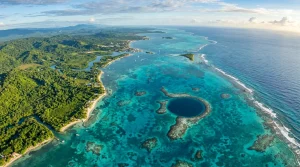
The Great Blue Hole, a mesmerizing marine sinkhole off the coast of Belize, plunges to an astonishing depth of approximately 405 feet (124 meters). This spectacular geological feature, recognized as a UNESCO World Heritage Site, is not only notable for its depth but also for its breathtaking blue hues that stand in stark contrast to the surrounding turquoise waters of the Caribbean Sea. The Great Blue Hole was formed during the last Ice Age when sea levels were much lower. As the ocean rose, the limestone cavern flooded, creating the geological wonder we see today.
Scientific exploration reveals that the depths of this underwater marvel hold secrets about historical climate changes and the evolutionary adaptations of marine life. The deepest sections of the Blue Hole host a unique ecosystem, including stalactites and various rock formations that provide insight into the cave’s formation and age. The fascinating geological structure has made it a subject of interest for scientists and divers alike, enticing adventurers to explore its depths in search of both beauty and knowledge.
Scuba divers venturing into the Great Blue Hole often describe a surreal experience as they navigate the varying depths. At about 90 feet, divers will encounter a dramatic drop-off, where large coral formations provide vital habitats for marine species. The thrill of descending deeper, typically around 130 to 150 feet, offers breathtaking views of the underwater landscapes, attracting divers from around the globe eager to witness this unique diving experience. From the edge, the clarity of the water can be stunning, but preparation is key, as divers need to be aware of the challenges posed by depth and strong currents.
Beyond its impressive depth and geological significance, the Great Blue Hole serves as a vibrant reminder of the necessity for marine conservation efforts. As visitors admire its beauty, it’s crucial to engage in responsible practices that protect this natural wonder for future generations. Understanding its depth not only enriches the experience for travelers but also instills a sense of stewardship for preserving Belize’s remarkable marine ecosystems.
The Geological Formation of the Great Blue Hole

The Great Blue Hole stands as a breathtaking testament to nature’s artistry, captivating all who gaze upon its depths. This monumental marine sinkhole, located within the Belize Barrier Reef Reserve System, was formed during the last Ice Age. At that time, the area’s sea levels were much lower, allowing limestone caverns to develop beneath the surface. As the Ice Age ended and the ocean levels rose, these caverns gradually submerged, resulting in the creation of the Great Blue Hole we see today-a magnificent circular expanse measuring roughly 1,000 feet (305 meters) across and plummeting to a depth of approximately 405 feet (124 meters).
The geological formation of this spectacular site speaks volumes about Earth’s climatic history. The exposed limestone formations, reminiscent of ancient stalactites and stalagmites, reflect the Great Blue Hole’s past and provide critical insights into aquatic ecosystems’ evolutionary adaptations over millennia. While captivating visually, these formations also serve as vital indicators for researchers studying climate change, revealing patterns of water exchange and sedimentation that have occurred since the last glaciation.
Diving into the Blue Hole is not just a plunge into crystal-clear waters; it’s a journey through time, often likened to an underwater cathedral due to the towering walls and dramatic light displays. The varying shades of blue further highlight the depths, creating an enchanting spectacle that enchants seasoned divers and novice adventurers alike. Each descent offers a unique opportunity to witness marine life thriving in this secluded habitat, making the Great Blue Hole not only a geological marvel but also a living laboratory for biologists.
Explorers of the Great Blue Hole encounter a world where geological history mingles with vibrant marine ecosystems. As visitors appreciate the rich biodiversity and stunning natural beauty, it’s vital to respect and protect this ecological treasure, ensuring that its wonders continue to inspire generations to come.
Exploring the Depth: What Scuba Divers Experience

Diving into the Great Blue Hole is an adventure like no other, often described as entering a surreal, underwater cathedral. As you take the plunge into the sapphire depths of this UNESCO World Heritage site, the sights that greet you are nothing short of breathtaking. At around 405 feet (124 meters) deep, the sheer vertical walls of the sinkhole rise dramatically, while sunlight filters through the surface, producing an ethereal play of light and shadow that illuminates the surrounding water. The experience isn’t just about the dive; it’s about immersing yourself in a unique geological history that dates back thousands of years.
For scuba divers, entering the Great Blue Hole is akin to stepping into a vast, marine wonderland. As you descend, you may encounter the remains of ancient stalactites and stalagmites, remnants from when this cavern was above water. These geological formations create an otherworldly landscape, offering refuge to various marine species that have made this remarkable site their home. Divers frequently remark on the thrill of seeing large schools of fish, nurse sharks, and even the occasional majestic manta ray gliding gracefully in the deep blue.
What to Expect on Your Dive
While the depths can be awe-inspiring, divers should be prepared for changes in conditions and visibility as they descend. Here are some key aspects to consider when exploring the Blue Hole:
- Depth and Temperature: With depths reaching over 400 feet, it’s crucial for divers to have proper certification and experience. Temperatures typically range from 74°F to 84°F (23°C to 29°C), so a wetsuit is advisable, especially for longer dives.
- Time Below: Depending on your skill level and dive plan, dive durations usually range from 30 to 45 minutes; however, the rich biodiversity and spectacular views may compel divers to linger.
- Marine Encounter: Look out for the diverse marine life, including blacktip reef sharks and colorful tropical fish. The biodiversity is a primary draw, and seasoned divers often report exhilarating encounters with these magnificent creatures.
- Guided Tours: For those less experienced or seeking a more structured dive, opting for a guided tour can enhance your adventure. Local dive shops offer skilled instructors who can provide valuable insights into the best diving practices and help you navigate the stunning underwater landscape.
The Great Blue Hole invites divers not just to explore its depths but to discover the delicate balance of ecology and human interaction. It’s a space where adventure meets responsibility, offering a remarkable opportunity to appreciate the beauty of Belize’s underwater environment while advocating for its preservation. As you rise back to the surface, you carry with you not just memories of an unparalleled journey but a newfound respect for one of nature’s most captivating wonders.
Marine Life: Unique Species of the Great Blue Hole

As you glide into the captivating waters of the Great Blue Hole, you are not just entering a remarkable diving destination but a vibrant underwater ecosystem teeming with life. This geological marvel is home to an astonishing array of marine species, many of which are uniquely adapted to thrive in its deep and mysterious depths. From the moment you descend, the varied marine life unfolds around you, offering an exhilarating encounter that feels straight out of an oceanic dream.
Among the most mesmerizing inhabitants are the blacktip reef sharks, often seen gracefully navigating the waters. These sleek predators are not only striking in appearance but play a crucial role in maintaining the health of the marine ecosystem. Divers often watch in awe as schools of colorful tropical fish weave in and out of the coral formations that line the walls of the Blue Hole, each species contributing to the rich tapestry of life that defines this unique underwater habitat. Look carefully, and you might also spot the elusive nurse shark lounging on the sandy bottom, a common sight that adds to the diversity of your dive experience.
Unique Marine Species
The Great Blue Hole’s isolation has given rise to a distinctive marine biodiversity that includes not just larger species but also a plethora of smaller creatures vital to the ecosystem’s balance. Here’s a look at some of the unique species you might encounter:
- Stingrays: These graceful creatures can often be seen gliding across the sandy floor, their movements smooth and fluid. Their presence adds to the enchanting atmosphere, as they are often curious about divers.
- Coral Reefs: While the depth of the Blue Hole may limit extensive coral formations, the surrounding areas are home to magnificent reefs. These vibrant displays of life are critical habitats for countless small fish and invertebrates.
- Maintaining Biodiversity: Species such as the majestic manta rays occasionally visit the area, showcasing the dynamic and shifting nature of marine life in response to environmental conditions.
Environmental Importance
The Great Blue Hole offers an invaluable opportunity to appreciate the role of biodiversity and the interconnectedness of marine species. This ecological balance is crucial for nutrient cycling and ecosystem stability, making every dive not just an adventure, but a chance to learn about conservation. As you marvel at the life surrounding you, the importance of preserving such habitats becomes clearer, fueling a sense of responsibility to protect these precious ecosystems for future generations. Every breathtaking moment spent underwater enhances your understanding and appreciation for the wonders of Belize’s marine life, transforming your dive into a profound journey of exploration and stewardship.
The Great Blue Hole and Its Cultural Significance
Formed over millions of years, the Great Blue Hole is not just an awe-inspiring natural wonder but also a site rich in cultural significance. Located near the Belize Barrier Reef, this unique marine landmark has given rise to numerous legends and stories that are deeply woven into the fabric of local Belizean culture. For many indigenous communities, the waters surrounding the Blue Hole have served as a source of sustenance and inspiration, reflecting both the spiritual and practical aspects of their relationship with nature.
The Maya civilization, which thrived in this region long before modern tourism, regarded water as a sacred element, essential for life, agriculture, and spirituality. The Great Blue Hole is often associated with myths of creation, where various deities were believed to inhabit these depths. Such beliefs illustrate the importance of water in Maya cosmology and its influence on their daily lives, highlighting a connection that goes beyond mere survival to encompass reverence and respect.
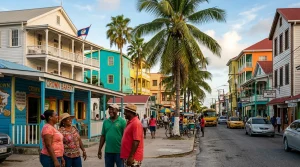
As the tourism industry in Belize soared, the Great Blue Hole transformed into a prominent destination for adventure seekers and photographers alike, drawing attention to Belize’s cultural heritage. Local fishermen, guides, and artisans have found ways to share their knowledge, history, and traditions with visitors. This exchange fosters a greater appreciation for the cultural landscape surrounding the Blue Hole, emphasizing the importance of preserving both the natural environment and indigenous practices.
To engage with the cultural significance of the Great Blue Hole, consider hiring local guides who can share personal stories and insights about the waters and the surrounding areas. Participating in community-based tourism initiatives allows you to support the local economy while gaining a deeper understanding of the rich cultural tapestry of Belize. Moreover, savoring traditional dishes, listening to Garifuna music, or attending local festivals can further enhance your experience, connecting you to the vibrant rhythms of life that thrive near this natural wonder. Whether you’re a diver exploring underwater caves or a cultural enthusiast delving into local folklore, the Great Blue Hole serves as a reminder of Belize’s dynamic interplay between nature and culture, enriching your journey in this beautiful corner of the world.
Diving Safety: Tips for Adventuring in Deep Waters
Diving into the depths of the Great Blue Hole is a thrilling adventure that beckons to divers from around the globe, promising wonder and unparalleled beauty beneath the waves. As you prepare for this once-in-a-lifetime experience, it’s essential to ensure your safety in the deep waters of this magnificent marine enclave. The Great Blue Hole, with its depths reaching over 400 feet (122 meters), presents unique challenges that require careful planning and adherence to safety protocols.
Before even entering the water, consider obtaining proper certification if you’re a beginner. A certification through a recognized agency, like PADI or NAUI, ensures you have the foundational skills required for deep diving. It’s advisable to start with shallower dives before tackling the depths of the Great Blue Hole, allowing you to acclimate and build confidence. When selecting a dive operator, look for experienced guides who understand the marine ecosystem and can provide insights while keeping safety at the forefront.
During your dive, maintaining proper buoyancy is crucial. It not only enhances your safety but also helps protect the delicate coral formations that adorn the area. Practicing controlled ascents and descents will safeguard your health against decompression sickness. The use of dive tables or a dive computer can help track your depths and time underwater, ensuring you stay within safe limits. Communication with your dive buddy or dive group throughout the excursion is vital; establish hand signals beforehand and stay within sight of each other.
Additionally, monitor local weather conditions and currents, as these factors can greatly affect the dive experience. The best diving conditions occur during the dry season, typically from late November to mid-April. Staying alert to changing weather patterns not only enhances safety but also maximizes visibility and enjoyment. Before your adventure, don’t forget to hydrate! Proper hydration benefits both your physical condition and cognitive function, preparing you for the excitement that lies ahead.
Lastly, protecting the delicate ecosystem of the Great Blue Hole is everyone’s responsibility. Avoid touching marine life or coral, and refrain from collecting souvenirs underwater. Engaging with local conservation efforts can enrich your experience by fostering a deeper understanding of the incredible biodiversity that exists within the Blue Hole. With proper preparation and a respectful approach to the underwater environment, your dive into the Great Blue Hole will not only be safe but also unforgettable, immersing you in the breathtaking wonder of Belize’s natural beauty.
Best Times to Visit the Great Blue Hole
Visiting the Great Blue Hole is a mesmerizing experience that many dream of, but timing your trip can significantly enhance your adventure. The dry season, which spans from late November to mid-April, is generally recognized as the best time to explore this stunning underwater wonder. During these months, the weather is typically sunny and dry, offering excellent visibility underwater, which is essential for both scuba divers and snorkelers. Water temperatures during this period hover around a comfortable 78-82°F (25-28°C), making for pleasant diving conditions.
Planning your visit around this prime season will also enable you to avoid the heavy rainfall and possible storms characteristic of Belize’s wet season, which runs from June to November. While the summer months can still provide good diving opportunities, the unpredictable weather and choppy waters can sometimes lead to cancellations or postponements of diving excursions. Additionally, from June to November, the risk of hurricanes poses another factor to consider when scheduling your visit.
For those eager to experience the magic of this natural wonder with fewer crowds, consider planning your dive in the shoulder months of May and November. In May, the weather begins to dry out with the onset of the dry season, offering decent conditions and lesser tourist traffic. November presents a similar opportunity, as the weather remains relatively stable, and you might catch glimpses of the local wildlife more actively gathering before the onset of seasonal rains.
In summary, the ideal times to immerse yourself in the beauty of the Great Blue Hole are from late November through mid-April. However, if you want to enjoy a more tranquil experience, May and November can be excellent alternatives. Whichever time you choose, the allure of the Great Blue Hole promises an unforgettable adventure steeped in the stunning biodiversity and rich culture of Belize.
Local Tours and Travel Options for Visitors
Exploring the Great Blue Hole is not just about the dive; it’s about immersing yourself in a full experience that includes the stunning natural surroundings and vibrant local culture. For visitors eager to take the plunge into this extraordinary underwater abyss, several local tour operators offer specialized excursions tailored to meet diverse interests and skill levels. Whether you’re a seasoned dive master or a curious snorkeler, there’s a tour waiting just for you.
Types of Tours Available
There are primarily two types of tours available: diving excursions and snorkeling trips. Most diving tours cater to certified divers and typically include guided dives into the Great Blue Hole itself, along with surrounding dive sites like the Half Moon Caye and the Lighthouse Reef. Expect professional instruction, equipment rental, and safety briefings from knowledgeable guides who are passionate about marine conservation. On the other hand, snorkeling excursions often attract families and first-time adventurers, showcasing the colorful fish and coral life visible just beneath the surface without the need for extensive training.
Reputable Tour Operators
Numerous reputable operators are based near San Pedro and Caye Caulker, both of which serve as excellent launch points for your underwater adventure. Popular choices include:
- Ambergris Caye Divers: Known for small group sizes and personalized attention, they provide an intimate diving experience.
- Ecologic Divers: A leader in sustainability, their tours focus on eco-friendly practices, ensuring minimal impact on marine life.
- Scuba School Belize: Perfect for beginners, they offer various courses from snorkeling to advanced scuba, ensuring every participant feels comfortable and safe.
Getting to the Sites
Transportation to the Great Blue Hole is typically managed by the tour companies, with options including speedboat and catamaran journeys that allow you to soak in the breathtaking views of Belize’s coastline. Be sure to leave early in the day for the best experience-rushing waters can kick up silt and reduce visibility, especially in the morning.
Planning Your Tour
When planning your tour, consider the seasonality of your visit. As detailed in previous sections, the dry season from late November to mid-April is optimal. Be mindful of safety protocols, including ensuring that your operator has the appropriate certifications and insurance. Always inquire about any specific health and safety measures they take, particularly in light of changing global health circumstances.
In summary, engaging with local tour operators not only enhances your experience of the Great Blue Hole but also supports the Belizean economy and promotes responsible tourism. Combine your diving or snorkeling adventures with a taste of local Belizean culture-perhaps ending the day with a traditional meal of rice and beans alongside fresh ceviche as you revel in the magic of this incredible destination.
Accommodation Recommendations Near the Great Blue Hole
Nestled in the heart of the Caribbean, the Great Blue Hole is not only a diver’s dream but also a hub of vibrant Belizean culture and stunning natural beauty. Choosing the right place to stay enhances your adventure, giving you the chance to enjoy both the underwater wonders and the lush surroundings of this tropical paradise. From budget hostels to luxurious beachfront resorts, there’s a wide range of accommodations to suit every traveler’s needs and preferences.
Top Accommodation Options Near the Great Blue Hole
Ambergris Caye is one of the most popular bases for exploring the Great Blue Hole. Here, visitors can find a mix of luxury and budget-friendly options:
- Rent a Beachfront Villa: For those seeking a luxurious experience, beachfront villas such as Las Terrazas Resort offer stunning views, private pools, and gourmet dining options, ensuring a perfect retreat after a day of diving.
- Cozy Eco-Lodges: Eco-conscious travelers will appreciate places like El Pescador Resort, which prioritizes sustainability while providing comfortable accommodations and easy access to dive shops.
- Family-Run Hostels: For budget travelers, Hostel La Vista offers a welcoming atmosphere, communal spaces, and local insights, making it an excellent choice for adventurous souls.
Caye Caulker is another great option, with its laid-back vibe and charm. Here, you will find:
- Charming Guesthouses: Places like Marble Hill Farms provide a rustic yet cozy setting surrounded by nature, where the focus is on relaxation and adventure in equal measure.
- Affordable Beachfront Cabins: To experience the island’s beauty without breaking the bank, consider Caye Caulker Plaza, which provides clean, comfortable lodging with easy access to local attractions.
Considerations for Your Stay
When selecting your accommodation, consider the proximity to dive shops and tour operators. Being close to the action not only saves travel time but also allows you to take advantage of early-morning diving excursions to the Great Blue Hole. Look for places that offer inclusive diving packages, which can be a cost-effective way to tackle your bucket-list adventure.
Additionally, think about the cultural experiences that each accommodation offers. Engaging with local cuisine-try dishes like freshly caught lobster or a hearty rice and beans meal-can enhance your stay. Many hotels arrange for cooking classes or local tours that provide insight into Belizean culture and traditions.
With its stunning landscapes and vibrant culture, a visit to the Great Blue Hole opens the door to unforgettable experiences. Whether seeking a luxurious escape or an immersive cultural adventure, the right accommodation can turn your trip into a cherished memory.
Engaging with Conservation Efforts in Belize
Belize’s natural treasures, particularly the Great Blue Hole, occupy a place of great ecological and cultural significance, making conservation efforts crucial for preserving this extraordinary destination. Situated in the Belize Barrier Reef, a UNESCO World Heritage Site, the Great Blue Hole is not just a visual marvel; it is also home to diverse marine species, some of which are endangered. Engaging with conservation efforts allows visitors to actively participate in protecting this fragile ecosystem while enjoying unparalleled beauty and adventure.
One of the most impactful ways to get involved is through eco-tourism. Many dive shops and tour operators offer programs that contribute a portion of their proceeds to local conservation initiatives. Opting for eco-conscious tour companies not only enhances your experience but also supports reef preservation, sustainable fishing practices, and recovery programs for endangered species. These experiences often include educational components, where guides share insights about marine conservation, making your dive not only an adventure but also an opportunity to learn and engage with local efforts.
Participating in organized beach clean-ups is another rewarding way to contribute. Various local organizations and NGOs frequently host events aimed at removing debris from the stunning coastlines and ensuring marine habitats remain pristine. This hands-on approach fosters community spirit and deepens your connection to the area, demonstrating that even the smallest actions can lead to significant changes. Moreover, engaging with locals, from fishermen to tour guides, can provide valuable insights into the environmental challenges faced and the initiatives underway to overcome them.
Lastly, consider staying at accommodations that prioritize sustainability. Many hotels and lodges in Belize now employ renewable energy sources, promote recycling, and support local conservation groups. By choosing to stay at these places, you support businesses that are dedicated to preserving the natural environment and enhancing the local economy. Whether it’s participating in a turtle nesting program or simply spreading awareness of conservation issues during your travels, every effort counts in the fight to protect Belize’s incredible ecosystems for future generations.
The Great Blue Hole: A Photographer’s Paradise
Gazing into the depths of the Great Blue Hole is like staring into a vibrant painter’s palette, offering photographers myriad opportunities to capture its breathtaking beauty. This marine location, renowned for its striking blue waters, rich seawater textures, and surrounding islands, presents a scene that’s both challenging and rewarding for photographers. Whether you’re capturing the magnificent contrast of the azure waters against the coral formations or the intricate details of marine life, every click of the shutter is an adventure in itself.
The best time for photography in the Great Blue Hole aligns with optimal diving conditions, typically during the dry season from November to April. During these months, the clarity of the water is at its peak, allowing incredible depths and colors to shine through. To enhance your underwater photography, consider investing in a good underwater camera housing or renting one locally. The vibrant marine life-ranging from schools of fish to majestic reef sharks-offers ample subject matter, while the shadows cast by the sun create a dynamic interplay of light, making for stunning images.
For those looking to capture the Great Blue Hole from above, sunrise or sunset provides a magical backdrop. The changing hues of the sky blend beautifully with the deep blue of the ocean, creating a picturesque view that defines Belize’s natural beauty. Don’t forget to bring a drone for aerial shots; the unique circular shape of the hole, paired with the surrounding crystal-clear waters, can create stunning visual compositions that showcase the hole’s grandeur from above.
Whether you are a seasoned photographer or an avid enthusiast, the Great Blue Hole is undoubtedly a paradise where you can unleash your creativity. Here are some practical tips to help you maximize your photographic experience:
- Use a Polarizing Filter: This can help reduce glare and enhance colors in your underwater shots.
- Plan Your Shots: Research the types of marine life you might encounter and the best times for diving.
- Practice Safety: Always dive with a partner and keep an eye on your air supply to ensure a stress-free photographic adventure.
- Get Local Insight: Consider hiring a local guide who knows the area and can recommend the best spots for photos.
As you embark on your photographic journey at the Great Blue Hole, embrace the unique beauty that Belize has to offer. Each photograph will not only remind you of your adventures but will also serve as a testament to the importance of protecting this extraordinary marine environment.
Planning Your Ideal Trip to Belize’s Natural Wonders
Planning a journey to Belize promises an unforgettable experience, particularly for those drawn to its stunning natural wonders like the Great Blue Hole. This marine sinkhole, famous for its striking depth and vibrant aquatic life, is not just a diving hotspot but an intriguing gateway into Belize’s exploratory riches. When arranging your trip, consider the seamless blend of adventure and culture that defines this Central American paradise.
To get started, think about the best time to visit. The dry season, which runs from November to April, not only offers the most favorable weather for diving but also coincides with numerous local festivities. The Garifuna Settlement Day in November showcases the rich cultural heritage through music and dance, making it a wonderful time to enjoy Belizean culture while you plan your diving excursions.
For accommodation, choices abound based on your preferences and budget. Whether you’re seeking the rustic charm of jungle lodges, the comfort of family-friendly beach resorts, or the unique experience of an overwater bungalow, Belize has something for everyone. Popular areas like San Pedro and Caye Caulker offer easy access to the Great Blue Hole, with plenty of accommodation options ranging from budget hostels to luxurious stays.
Navigating Belize’s transportation is straightforward; local flights and water taxis make it easy to hop between islands and the mainland. Don’t forget to check entry requirements, though! As a visitor from many countries, you’ll find that a visa is not required for short stays, but ensuring your passport is valid for at least six months upon entry is essential.
Furthermore, engage with the local cuisine for a truly immersive experience. Whether savoring freshly caught seafood along the coast or trying traditional dishes like rice and beans served with stewed chicken, the flavors of Belizean Creole culture will enhance your journey. Lastly, remember to pack for the tropics – lightweight clothing, reef-safe sunscreen, and your best snorkeling gear to fully enjoy all that this vibrant destination offers.
With the right planning, your trip to the Great Blue Hole and beyond will be a blend of adventure, cultural richness, and unforgettable memories waiting to unfold.
FAQ
Q: What is the maximum depth of the Great Blue Hole in Belize?
A: The Great Blue Hole reaches a maximum depth of approximately 124 meters (407 feet). This impressive depth makes it one of the world’s deepest marine sinkholes, attracting divers and underwater explorers from around the globe.
Q: Why is the Great Blue Hole significant for divers?
A: The Great Blue Hole is a unique diving site due to its stunning limestone formations, clear waters, and diverse marine life. Divers can explore unique underwater stalactites and geological features that were formed thousands of years ago, making it a once-in-a-lifetime experience.
Q: When is the best time to dive in the Great Blue Hole?
A: The ideal time to dive in the Great Blue Hole is during the dry season, between November and April. During these months, the weather is more predictable, and visibility underwater is optimal, enhancing the diving experience.
Q: What types of marine life can you see in the Great Blue Hole?
A: Visitors to the Great Blue Hole can encounter a variety of marine species, including nurse sharks, Caribbean reef sharks, and various tropical fish. The site’s biodiversity makes it a rich environment for underwater photography and marine exploration.
Q: How does one prepare for diving at the Great Blue Hole?
A: To prepare for diving at the Great Blue Hole, certified divers should ensure they are fit and comfortable in deep water. It’s advisable to complete a refresher course if it has been a while since your last dive. Booking guided tours with reputable dive operators in Belize is also recommended.
Q: What are some safety tips for diving in the Great Blue Hole?
A: Safety is paramount when diving in the Great Blue Hole. Always dive with a buddy, maintain proper buoyancy, and adhere to recommended dive depth limits. Also, ensure your equipment is well-maintained and have a dive plan in place.
Q: Are there any accommodations near the Great Blue Hole?
A: Yes, there are numerous accommodations near the Great Blue Hole, including luxury resorts, eco-lodges, and budget hostels. Many of these options provide easy access to diving tours and other local attractions, making it convenient for visitors.
Q: What should I know about conservation efforts in the Great Blue Hole?
A: The Great Blue Hole is part of the Belize Barrier Reef Reserve System, a UNESCO World Heritage Site. Conservation efforts focus on protecting its marine biodiversity, promoting sustainable tourism, and educating visitors about the importance of marine ecosystems. Joining eco-friendly tours supports these initiatives.
Insights and Conclusions
As you wrap up your journey into the depths of the Great Blue Hole, remember that Belize is a treasure trove of adventure waiting to be explored. This iconic landmark doesn’t just offer a glimpse into the ocean’s mysteries; it opens the door to vibrant marine life, stunning Caribbean beaches, and rich cultural experiences like Garifuna music and Creole cuisine. Don’t miss out-plan your next trip today, and dive deeper into all that Belize has to offer, from family-friendly resorts to thrilling jungle lodges.
For more travel tips and insights, check out our detailed guides on exploring Belize’s breathtaking national parks and uncovering the secrets of ancient Maya ruins. Ensure you’re well-prepared with our resources on travel logistics, safety tips, and local customs to enhance your adventure. Have questions or personal experiences to share? We’d love to hear from you in the comments below. Your next dive into adventure awaits-let it begin now!
Get our latest guides, news, and insights highlighted in your Google Search & AI Overviews.