Is Belize in the Hurricane Belt? Understanding the Risk
Belize, with its stunning coastline and vibrant ecosystems, sits nestled in the Caribbean Sea, making it part of the hurricane belt that affects Central America. This geographical positioning means that the country is indeed susceptible to hurricanes, particularly during the harsh summer months when tropical storms form and travel through the Caribbean region. As travelers consider the allure of Belize’s azure waters and ancient Maya ruins, the risk of these powerful storms cannot be overlooked; understanding this hazard is crucial for anyone planning a visit.While the hurricane season officially runs from June 1 to November 30, the highest risk of intense storms generally peaks from August to October. This timing corresponds with the warmest water temperatures, which fuel many tropical systems. Each year, the exact pathways of storms can be unpredictable, sometimes favoring Belize with minimal impact while other times bringing severe weather. Furthermore, storms can vary widely in their trajectory, leading to differing levels of risk depending on the year.Belize has a history of anticyclonic winds and factors influencing storm formation, making it imperative for travelers to stay informed. This might involve keeping abreast of weather advisories, monitoring local news, and understanding the capabilities for emergency response. The resilience of Belize’s infrastructure and the locals’ preparedness strengthen the country’s ability to face such natural challenges. Many tourist accommodations have emergency plans in place, often including evacuation procedures, which can significantly enhance visitor safety.In embracing the beauty of Belize, travelers should carry an informed perspective on these potentials. With a combination of preparation, awareness, and the inherent charm of this tropical paradise, a visit can still be a rewarding and unforgettable experience, highlighted by its rich cultural tapestry and breathtaking natural wonders.
How Hurricanes Impact Belize’s Weather Patterns
The Caribbean Sea roars with power, especially during hurricane season when tropical storms ripple through its azure expanses, directly impacting Belize’s weather patterns. Storms brewing over the warm waters can bring not only fierce winds and heavy rainfall but also significant changes to the climate in this vibrant Central American gem. This intricate dance of weather phenomena can lead to unpredictable conditions that affect everything from daily life to travel plans, making it crucial for both locals and visitors to stay informed and prepared.From June to November, the weather in Belize shifts dramatically, with patterns heavily influenced by the position and intensity of passing storms. Heavy rainfall often proceeds these storms, which can lead to flooding-especially in low-lying areas. However, hurricanes don’t just bring destruction; they can also rejuvenate the ecosystem. For example, the heavy rains can refill rivers and lagoons, and the winds may promote the growth of certain plant species by aiding seed dispersal. This cyclical nature of storms creates a unique relationship between Belize’s biodiversity and climate.As storms approach, it’s not uncommon to see dramatic weather fluctuations-calm seas can turn into tumultuous waves within hours. The coastal temperature can cool significantly, and cloud cover can obscure the sun for days before and after a storm. Such changes not only impact local weather but also affect the migratory patterns of birds and marine life, ultimately shaping the diverse ecosystems that are quintessential to Belize’s natural beauty. The country’s unique climatic variations are a testament to the resilience and adaptability of its residents, and highlight the importance of disaster preparedness and environmental awareness for anyone considering a visit.In anticipation of these powerful storms, locals have developed a remarkable understanding of weather patterns, often gauged by the behavior of the flora and fauna. Travelers are encouraged to tap into this local knowledge, keeping close tabs on weather alerts and participating in safety drills at accommodations. This ensures not only personal safety but also a deeper appreciation for how Belizeans coexist with the energetic forces of nature, making every trip to this breathtaking land a truly unforgettable experience.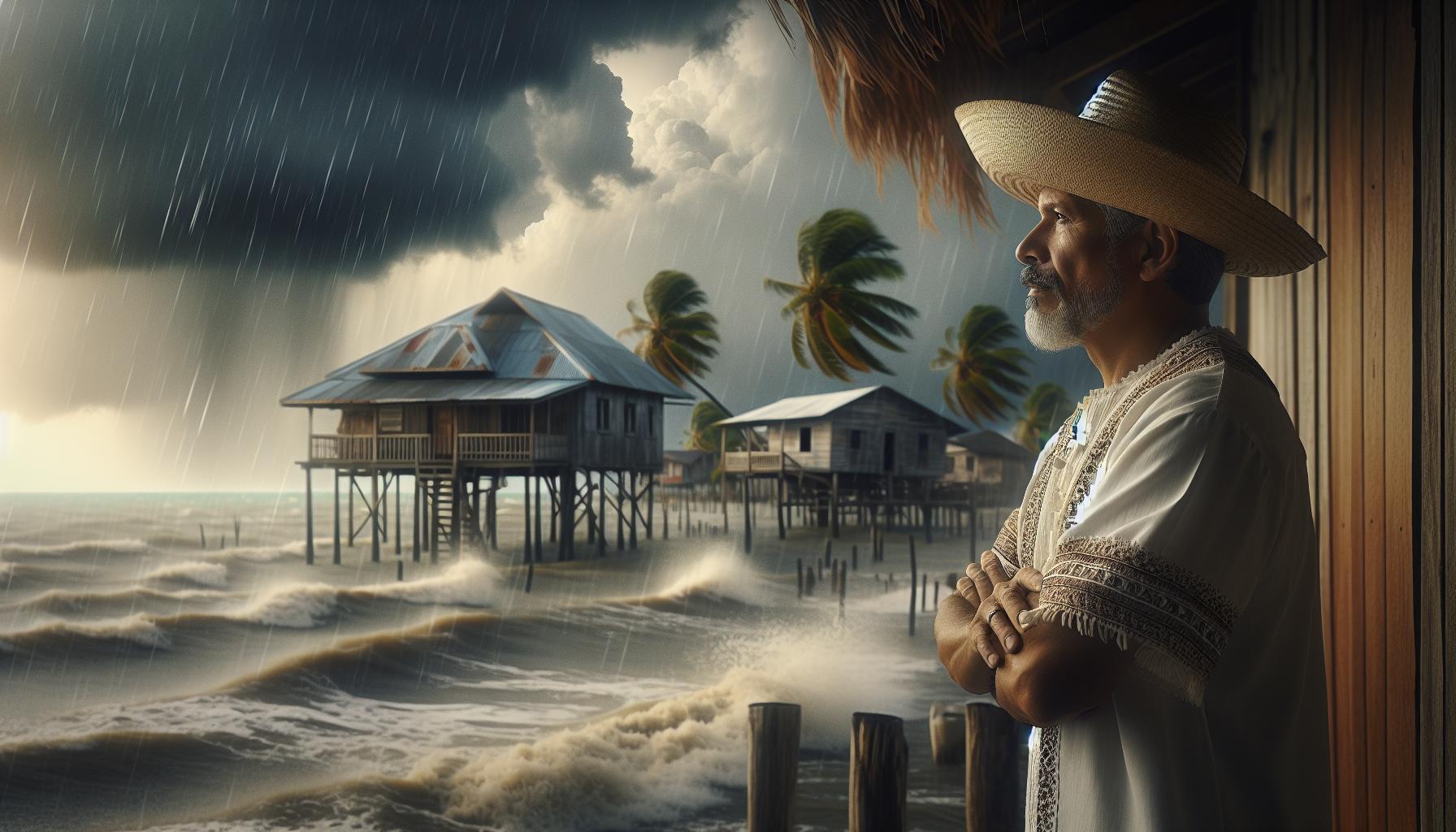
The Hurricane Season in Belize: What Travelers Should Know
The thrill of exploring Belize, with its rich culture and breathtaking natural beauty, comes with an understanding of the realities of the hurricane season. Running from June 1 to November 30, this period is when the likelihood of storms and hurricanes peaks, influenced by the warm waters of the Caribbean Sea. While the thought of storms might seem daunting, visitors can still enjoy this enchanting destination by being well-prepared and informed.As you plan your trip, it’s essential to comprehend the potential weather patterns during these months. While Belize experiences tropical storms, they don’t affect every part of the country uniformly. Coastal areas, especially popular tourist spots like Ambergris Caye and Placencia, are typically more susceptible to heavy rains and winds. Inland, locations like San Ignacio may experience different weather challenges, often less intense during storms. Travelers should stay updated on weather alerts through local channels or apps, ensuring safe travel arrangements and adjustments to their itineraries if necessary.When booking accommodations during hurricane season, consider properties that follow strict safety guidelines and have emergency plans in place. Many hotels and resorts in Belize are equipped to handle storms and provide clear strategies for guests, including evacuation plans if needed. Travelers should also inquire about insurance options that cover weather-related disruptions, giving an added layer of peace of mind.Ultimately, embracing the vibrant Belizean spirit amid potential weather challenges can enrich your travel experience. Engage with local communities and listen to their insights about navigating storm season. They can offer invaluable tips on safe practices and even share stories on how they’ve thrived through past storms. This connection not only enhances your understanding of Belize’s resilience but also deepens the authentic cultural experience that this lovely nation has to offer.
Identifying Safe Travel Periods in Belize
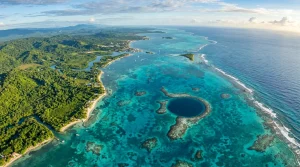
Traveling to Belize amidst the backdrop of its lush jungles, stunning coastline, and rich cultural tapestry can be an exhilarating experience. However, to truly savor this paradise, it’s crucial to navigate your travel schedule with an awareness of the hurricane season, which runs from June 1 to November 30. Understanding safe travel periods not only enhances your trip but also ensures you can enjoy all that Belize has to offer without the stresses associated with stormy weather.For those planning a getaway, the months of late November to early May generally represent the best time to visit. During this period, the weather is typically dry, and the skies are bright, providing ideal conditions for exploring popular destinations like the Great Blue Hole, the ancient Maya ruins, or the vibrant reefs of Ambergris Caye. Not only will you encounter pleasant temperatures and lower humidity, but accommodations and tourist activities tend to be more accessible, allowing for an enjoyable exploration of Belize’s diverse landscapes, from the serene beaches to the enchanting rainforests.However, should your travel plans fall within the hurricane season, being flexible is key. Booking accommodations that have robust safety protocols and emergency measures can greatly enhance your peace of mind. It’s wise to keep an eye on regional weather reports, especially as your travel dates approach. If forecasts indicate potential storms, you might consider adjusting your itinerary or opting for inland explorations, like visiting the ancient cities of Xunantunich or Caracol, which are less affected by coastal weather systems.Above all, embracing the vibrant culture and warmth of the Belizean people can transform your travel experience. Engaging with locals can also provide valuable insights into the best times for visiting specific attractions and activities, ensuring you have a memorable and safe journey in this magnificent Central American jewel.Emergency Preparedness: What to Do During a Hurricane
Being in the heart of the Caribbean, Belize is part of the hurricane belt, making emergency preparedness a vital concern for travelers and residents alike. A hurricane can transform serene coastal vistas into turbulent seas within hours, and knowing what to do can mean the difference between safety and vulnerability. The key to defending yourself against the tempest lies in being proactive; having a robust plan and the right supplies can help you weather the storm.To ensure personal safety and to protect your belongings, it is crucial to remain informed. Keep a close watch on weather updates through local news channels, radio broadcasts, or reliable weather apps. Should a hurricane warning be issued, promptly follow any advice given by local authorities. Here are some critical actions to take:- Secure Accommodation: Choose places known for their hurricane preparedness, ideally those that have solid infrastructure designed to withstand severe weather.
- Gather Supplies: Stock up on essential items such as canned food, bottled water, batteries, first-aid kits, and other personal necessities. It’s advisable to have supplies to last for at least three days.
- Develop an Evacuation Plan: Familiarize yourself with local evacuation routes and know where the nearest shelters are located. Have a contingency plan for your travel companions, including pets.
- Charge Your Devices: Keep mobile phones, laptops, and power banks fully charged to maintain communication. Consider having a portable charger as a backup.
- Know Your Neighbors: Engage with other travelers and locals. In times of crisis, a community network can be incredibly supportive.
Safety Tips for Travelers in Belize During Storm Season
Traveling to Belize during the storm season, while exciting, requires a bit more vigilance and preparation. Nestled along the picturesque coastline, this vibrant nation is not only famed for its breathtaking natural beauty and rich cultures but also sits precariously in the hurricane belt. Thus, understanding safety tips to navigate the unpredictable weather can undoubtedly enhance the overall experience of your adventure.First, staying informed is your best defense. Utilize reliable resources like the local weather stations or popular weather apps to monitor storm developments. If a hurricane watch or warning is issued, take it seriously. Know the evacuation routes and emergency shelters in your area. Whether you are basking on the sandy beaches of Ambergris Caye or exploring the ancient ruins of Xunantunich, knowledge of the local infrastructure will guide you on the best course of action.Selecting secure accommodations is equally crucial. Opt for hotels and lodges that are known for their disaster preparedness. Many establishments in Belize have invested in hurricane-rated structures, ensuring your shelter can withstand strong winds and adverse conditions. Take the time to ask your hosts or check online reviews regarding their emergency procedures.Being proactive about your supplies can make all the difference. Before the season begins, stock up on essentials such as non-perishable foods, water, flashlights, extra batteries, and a first-aid kit. Aim for supplies that can last several days. Consider developing a communication plan with your travel companions, including points to meet and sharing vital contact information. And don’t forget to keep your electronic devices charged; a portable charger may also come in handy when power outages occur.Engaging with locals can provide invaluable insights into coping strategies during the storm season. Their experiences can guide you on how best to adapt your plans while respecting any traditional practices they recommend. This approach not only enhances your safety but also deepens your connection to Belize’s enchanting heritage.Finally, remain flexible with your travel plans. If forecasts predict severe weather, consider adjusting your itinerary. Belize offers a wealth of experiences, from the serene beauty of the Great Blue Hole to jungle treks in the Cayo District; there’s so much to enjoy, even beyond peak hurricane months. By remaining cautious and informed, you can fully embrace the allure of Belize while ensuring your safety during storm season.Understanding Weather Warnings and Alerts in Belize
In a country like Belize, known for its stunning beaches and rich cultural heritage, staying informed about weather alerts is essential for travelers, especially those visiting during hurricane season. The ability to quickly interpret weather warnings can be the difference between a memorable vacation and a potentially hazardous experience. Belize experiences a variety of weather alerts that are issued by its national meteorological authority, and understanding these alerts ensures that visitors can act swiftly and safely.Weather warnings in Belize typically fall into several categories, including Advisories, Watches, and Warnings. Each of these signifies a different level of risk:- Advisory: This means that conditions are favorable for developing hazardous weather but do not yet pose an immediate threat. Travelers can generally continue their activities but should stay alert to changing conditions.
- Watch: A watch indicates that severe weather is possible. For example, a hurricane watch suggests that storm conditions could impact the area within the next 48 hours. This is the time to finalize your emergency preparedness plans.
- Warning: When a warning is issued, it means that severe weather is imminent or already occurring. Action must be taken immediately, such as seeking shelter or evacuating.
Exploring Belize’s Resilient Infrastructure Against Hurricanes
Belize’s picturesque landscapes and vibrant culture showcase a nation that, despite facing the potential threat of hurricanes, has developed a robust infrastructure to minimize the impacts of such natural disasters. With its location within the hurricane belt, Belize has learned to adapt, enhancing building codes and emergency response systems to protect both locals and travelers. The emphasis on resilience is evident in the way modern structures are constructed, often designed to withstand strong winds and heavy rains typical of hurricane conditions.Building Resilience Through Infrastructure
One of the standout features of Belize’s hurricane preparedness is its updated building codes. Many hotels, homes, and public buildings are constructed with materials and designs specifically geared towards withstanding storms. Structures are often elevated, minimizing the risk of flooding, while roof designs are engineered to redirect wind and water. Furthermore, new constructions increasingly incorporate storm-resistant materials, such as concrete and reinforced steel, reflecting a commitment to sustainability and safety.Emergency Operations and Community Engagement
Belize’s emergency management framework revolves around community participation and swift response strategies. The National Emergency Management Organization (NEMO) plays a crucial role in educating communities about hurricane preparedness and response. Regular drills and public information campaigns ensure that everyone-from local residents to tourists-knows what to do in the event of a storm. Moreover, local authorities work together with international organizations to provide relief and rebuild efforts swiftly post-disaster, fostering a spirit of resilience within communities.Adaptation and Recovery Efforts
In addition to infrastructure improvements, Belize also emphasizes environmental conservation and restoration as long-term strategies to mitigate hurricane impacts. Coastal reforestation projects, for instance, have been initiated to create natural barriers against storm surges, helping to protect delicate ecosystems while simultaneously shielding communities. This dual approach not only enhances hurricane resilience but also preserves the natural beauty that attracts countless visitors each year.Understanding the progress that Belize has made in hurricane preparedness offers travelers the confidence to explore its stunning landscapes, from the breathtaking Great Blue Hole to the ancient Maya ruins, knowing that they can enjoy the beauty of this remarkable country with a level of safety and assurance. Engaging with the local culture during your stay, especially in discussing their historical experiences with hurricanes, enriches your visit and helps weave a deeper connection to this vibrant destination.Accommodations in Belize: Safety Ratings and Recommendations
There’s a certain magic in staying in accommodations that combine comfort with safety, especially in a place like Belize, which lies within the hurricane belt. Understanding what makes a property resilient against storms can provide peace of mind as you explore lush landscapes, ancient ruins, and vibrant coastal life. While every traveler desires a cozy place to lay their head, prioritizing safety, especially in hurricane season, enhances the adventure.Many hotels and lodges adopt stringent safety measures to protect their guests from potential hurricanes. Here are some recommended safety standards to consider when selecting accommodation in Belize:- Building Materials: Look for properties constructed with storm-resistant materials, such as reinforced concrete and elevated structures designed to minimize flooding risks.
- Emergency Protocols: Choose accommodations that have clear emergency plans, including routes to evacuation shelters and access to supplies like water and first aid kits.
- Local Knowledge: Prefer establishments that keep guests informed about weather patterns and alerts, ensuring that you feel secure and prepared throughout your stay.
- Reputation and Reviews: Research guest reviews for insights into how properties handled past hurricanes or storms; feedback from previous travelers can reveal how effectively accommodations prioritize safety.
Local Insights: Belizeans’ Experiences with Hurricanes
The stories of hurricanes in Belize are as intertwined with its vibrant culture as its lush jungles and stunning coastlines. Locals often recount tales that echo through generations, illustrating not just the ferocity of storms but also the resilience of the Belizean spirit. For instance, many Belizeans remember Hurricane Felix in 2007, which swept through the country with immense power. Residents rallied together, supporting each other while sharing their experiences. These anecdotes are not only about survival but also showcase community cohesion-a reminder that in adversity, they find strength and solidarity.From the bustling streets of Belize City to the serene shores of the cayes, locals have learned to adapt and prepare. Belizeans emphasize the importance of keeping up with weather reports and community alerts, particularly during hurricane season from June to November. Many share practical tips, such as always having an emergency kit prepared, knowing the location of designated safe shelters, and registering with local emergency services. These preparations also extend to their homes; resilient construction practices are commonly adopted, with many using materials resistant to high winds and flooding.The perspective of Belizeans provides valuable wisdom for travelers venturing into this tropical paradise. Local insights often lead to the discovery of seasonal events that coincide with hurricane preparation-such as art fairs and cultural gatherings-adding richness to travel experiences. Engaging in conversations with residents not only amplifies understanding of the local customs regarding hurricanes but also enhances the overall connection to Belize. This unique blend of caution and celebration is a testament to how the community transforms potential calamity into opportunities for unity and support.Finally, Belizeans highlight that while hurricanes pose a risk, the beauty of their homeland lies in its ability to recover and thrive. After severe weather events, the land replenishes, bringing forth vibrant flora and fauna that make the country an ecotourism gem. The local perspective is clear: while storms may come and go, the spirit of Belize endures, celebrating the culture and natural wonders that define this Central American treasure. Travelers are invited to embrace both the beauty and the realities of the environment, ensuring a journey that is as enriching as it is safe.Nature and Wildlife: Recovering from Hurricane Impacts
The landscape of Belize is as vibrant and diverse as its wildlife, but it’s a land often touched by the forces of nature, particularly hurricanes. After such storms, the resilience of Belize’s ecosystems comes to the forefront, showcasing nature’s incredible ability to recover and flourish. From the idyllic beaches to the lush jungles, the aftermath of hurricane events provides an opportunity for travelers to witness the restorative power of nature firsthand.Belize’s unique geography, with its extensive barrier reefs and tropical forests, plays a crucial role in its ecological recovery. Coastal areas, significantly impacted by storm surges, often see marine life bouncing back vigorously. Events such as coral spawning occur shortly after such disturbances, creating a spectacular underwater display. Popular snorkeling and diving spots like the Great Blue Hole offer divers an unparalleled view of this vibrant resurgence. Additionally, land-based ecosystems, including the rainforests and national parks, thrive post-hurricane as they experience a rejuvenation-a cycle of growth where endangered species, such as the jaguar and various bird species, benefit from the cleared canopies and renewed sunlight.Local Conservation Efforts
Dedicated environmental groups and the Belizean government work tirelessly to protect these critical habitats. Initiatives focused on reforestation and coral restoration not only help the environment but also involve the community in sustainable practices. Travelers can participate in programs that engage in these conservation efforts, allowing them a unique experience to contribute positively while exploring the lush tapestries of Belize’s natural world. Such efforts bolster the resilience of local wildlife, enabling species to adapt and thrive even in the face of climate challenges.A Rich Biodiversity Awaits
For wildlife enthusiasts, Belize’s recovery process reveals an astonishing variety of species. As the ecosystems recuperate, birdwatchers can delight in observing migratory species returning to their habitats. Locations like Crooked Tree Wildlife Sanctuary and the Cockscomb Basin Wildlife Sanctuary become particularly vibrant, presenting unique opportunities to witness avian activities during the post-hurricane rebuilding phase.Overall, Belize’s nature and wildlife embody a story of resilience and rebirth, inviting travelers to explore not just a land of beauty but a narrative of endurance. Whether venturing through ancient Maya ruins entwined with nature or diving into the depths of its pristine waters, visitors are greeted with the remarkable sights of wildlife and a landscape that continually rises from the challenges faced. Thus, embracing a journey through Belize during times of ecological recovery not only enriches the travel experience but also connects the visitor to the soul of a nation that harmonizes beautifully with its vibrant natural rhythm.Planning Your Belize Adventure: What to Expect Weather-wise
When venturing to Belize, a country celebrated for its stunning landscapes and rich cultural tapestry, understanding the weather is essential, especially given its position within the hurricane belt. Situated along the northeastern coast of Central America, Belize typically experiences its hurricane season from June through November. However, the good news is that not every part of this tropical paradise is equally susceptible to hurricanes, and with some preparation, you can enjoy a worry-free adventure.Travelers should keep in mind that while hurricane activity can disrupt plans, the beauty of Belize lies in its adaptability and the resilience of its environments. The country boasts a diverse climate ranging from coastal beaches to dense jungles, which can affect weather conditions significantly. While the central and southern regions are more prone to severe weather impacts, the northern areas and many of the cayes enjoy relatively milder conditions. To navigate potential inconveniences caused by storms, consider planning your visit during the shoulder months of late April to early June or February to April, which often see fewer weather-related disruptions.Weather in Belize is also characterized by its distinct wet and dry seasons. The dry season from December to April typically offers the best weather for outdoor activities, snorkeling, and exploration of ancient Maya ruins like those at Xunantunich. Be sure to pack light, breathable clothing, and sun protection, as the tropical sun can be intense even during the cooler months. As you plan your activities, remember that the rainiest months-June to November-can bring afternoon downpours, but these sudden showers often give way to sunny skies, creating the perfect opportunity for exciting rainforest hikes or birdwatching expeditions.Travelers should remain informed about local weather conditions and any potential hurricane warnings. Checking resources like the Belize National Meteorological Service will provide timely updates. Additionally, staying in accommodations that prioritize safety and have hurricane preparedness in place enhances your peace of mind. Hotels and lodges often have backup power, emergency supplies, and well-trained staff ready to assist guests during weather emergencies. No matter when you decide to visit, your experience in Belize will be filled with breathtaking natural beauty, vibrant cultures, and unforgettable adventures-weather permitting, of course.Frequently asked questions
Q: Is Belize considered part of the hurricane belt? A: Yes, Belize is located in the hurricane belt, which means it can experience hurricanes from June to November. Travelers should be aware of the risks and plan their visits accordingly, keeping an eye on weather forecasts during this period.Q: When is hurricane season in Belize? A: The hurricane season in Belize runs from June 1 to November 30, peaking from August to October. It’s important for travelers to stay informed about storm activity during this time and consider travel insurance options.Q: What safety precautions should travelers take during hurricane season in Belize? A: Travelers should monitor local weather reports, have emergency contact information ready, and identify nearby shelters. It’s advisable to book accommodations that have a good safety record and are resilient to storms.Q: How do hurricanes affect travel plans in Belize? A: Hurricanes can cause flight cancellations, hotel closures, and disruptions in transportation. Travelers should flexible with their itineraries and stay informed about any travel advisories issued by local authorities.Q: What are the safest months to visit Belize regarding weather risks? A: The safest months to visit Belize for good weather and minimal hurricane risk are December through April. This period offers dry conditions and lower chances of storms, ideal for outdoor activities and exploration.Q: Are there emergency services available for tourists during hurricanes in Belize? A: Yes, Belize has emergency services and protocols in place for tourists during hurricanes. Local authorities issue alerts and provide assistance; however, travelers should familiarize themselves with emergency plans and locations beforehand.Q: How does the Belizean infrastructure withstand hurricanes? A: Belize has invested in improving its infrastructure to better withstand hurricanes, including reinforced buildings and improved drainage systems. Check accommodations for their safety ratings and resilience measures in place.Q: Can hurricanes impact Belize’s wildlife and natural attractions? A: Yes, hurricanes can significantly impact Belize’s biodiversity and natural attractions like the Great Blue Hole. Recovery may take time, so it’s wise to check the condition of specific sites before visiting post-storm.To Conclude
As you plan your adventure to Belize, understanding the weather risks, including its position in the hurricane belt, is crucial for a safe and enjoyable trip. This fascinating country rewards travelers with breathtaking landscapes, rich culture, and vibrant wildlife, all waiting to be explored. Don’t let weather worries hold you back! Prepare yourself by checking out our guide on Belize’s stunning destinations, from the Great Blue Hole to the ancient Maya ruins, ensuring you’re informed and ready for any season.For peace of mind and to stay updated, consider signing up for our newsletter, where we share the latest travel tips, seasonal forecasts, and exclusive offers. Explore more of what Belize has to offer by diving into our articles about Creole cuisine, eco-tourism, and accommodation options from beachfront bungalows to jungle lodges. Your Belizean experience awaits-let’s embark on this journey together!Comprehensive Guide and In-Depth Analysis: Is Belize In The Hurricane Belt
When exploring the details surrounding is belize in the hurricane belt, understanding the practical, environmental, and cultural dynamics of Belize is essential for making informed travel or investment decisions. Belize stands out in Central America for its English-speaking heritage, British Common Law legal stability, and world-class ecotourism infrastructure.
Whether navigating mainland rainforest corridors, consulting local authorities, or exploring marine conservation zones along the Belize Barrier Reef, having verified, comprehensive information regarding is belize in the hurricane belt ensures seamless execution.
| Key Evaluation Pillar | Standards & Conditions in Belize | Actionable Best Practices |
|---|---|---|
| Regional Specifics | Variations between northern districts, central cayes, and southern rainforests | Align plans with specific district infrastructure and seasonal weather |
| Regulatory & Legal Framework | Belize Tourism Board (BTB) regulations and national conservation laws | Always work with licensed local professionals and certified guides |
| Logistics & Practical Costs | Fixed 2:1 BZD-to-USD currency peg; accessible transport via air and water | Plan budget with cash buffer for remote destinations and transfers |
For visitors and residents alike, engaging with is belize in the hurricane belt through authorized, sustainable practices contributes directly to local community development and the preservation of Belize’s pristine marine and terrestrial ecosystems.
Frequently Asked Questions: Is Belize In The Hurricane Belt
Why is understanding is belize in the hurricane belt important for Belize visitors?
It provides essential context for choosing the right regional destinations, understanding local pricing, and ensuring full compliance with environmental and tourism standards.
How do seasonal factors affect is belize in the hurricane belt in Belize?
The dry season (December through May) offers calm seas and sunny weather, while the green season brings lower rates and lush jungle scenery.
Get our latest guides, news, and insights highlighted in your Google Search & AI Overviews.