Imagine exploring a land where ancient Maya ruins entwine with vibrant Caribbean culture, and lush jungles cradle exceptional wildlife. “A History of Belize: 7 Fascinating Eras That Shaped This Nation” takes you on a captivating journey through the diverse influences that have molded this Central American gem. Discover how its rich past, from indigenous civilizations to colonial legacies, continues to resonate today. Whether you’re a curious traveler, an aspiring expat, or simply intrigued by cultural heritage, understanding Belize’s historical tapestry unveils the essence of a nation renowned for its natural beauty and warm hospitality. Dive in to explore the eras that define Belize, and find out how they enrich your experience in this extraordinary destination, promising adventure and connection every step of the way.
The Pre-Columbian Era: Mayan Civilization in Belize
Long before the arrival of European explorers, the verdant landscapes of Belize were cradled by the vibrant and sophisticated Maya civilization. This ancient society carved out magnificent cities amidst the lush jungles, establishing a remarkable legacy that endures in modern Belize’s cultural fabric. As you explore this enchanting region today, remnants of the Mayan empire provide a tangible link to its incredible past, with ruins like Caracol and Xunantunich offering a breathtaking glimpse into this highly advanced civilization.
The Maya thrived in Belize from around 2000 BC, reaching their peak between 250 and 900 AD, a period characterized by remarkable achievements in architecture, astronomy, and hieroglyphic writing. Key cities served not just as political centers but also as hubs of trade and religious activity. The ceremonial sites are adorned with intricately carved stelae that narrate stories of their rulers, deities, and historical events. Visitors can wander through sprawling ruins where the echoes of ancient rituals still reverberate, imagining the vibrant life that once filled these skeletal structures.
Beyond their architectural prowess, the Maya were deeply connected to their environment. They developed sophisticated agricultural techniques, including slash-and-burn farming and the cultivation of maize, beans, and squash, which not only sustained their population but also allowed their society to flourish. The rich biodiversity of Belize’s jungles played a vital role in supporting this civilization, offering an abundance of resources that remain foundational to Belizean culture today.
As you delve into the wonders of Belize, don’t miss the opportunity to engage with the living legacy of the Maya. Local guides often share compelling narratives about traditional practices, ceremonies, and their enduring connection to the land. Festivals, such as the Mayan Blue Moon Festival, celebrate this rich heritage, inviting visitors to immerse themselves in ceremonial dances and rituals that pay homage to the ancestors. In this enchanting land where history and nature intertwine, the spirit of the Maya continues to flourish, inviting all to explore its profound influence on the vibrant tapestry of Belizean culture.
The Arrival of European Explorers and Conquistadors

As the sun set behind the palm-fringed coasts of Belize, the first European explorers arrived, forever altering the course of the nation’s history. The allure of gold, spices, and new territories led Spanish conquistadors to venture into these uncharted waters in the 16th century, with Hernán Cortés paving the way for further exploration in Central America. This moment marked the beginning of a complex relationship between the indigenous populations and the European invaders, primarily driven by ambition and the search for resources.
Spanish expeditions first laid eyes on Belize in the early 1500s, encountering the thriving Maya civilization flourishing under the canopy of vibrant jungles. However, despite their vivid encounters with this ancient society, the Spanish were more focused on other lucrative regions, such as Mexico, where they found gold. As a result, Belize remained largely overshadowed, only receiving fleeting interest from the Spanish who established a few settlements, predominantly for the purpose of securing hunting grounds for lumber and resourcing agricultural needs.
The true transformation began in the 17th century when pirates and loggers from Britain started to arrive, driven by the lucrative mahogany trade. This marked a shift in power and control, leading to conflicts between Spanish forces, the British settlers, and the various indigenous groups that originally inhabited the land. Notably, this struggle for control over the valuable mahogany resources shaped much of the early colonial tension, giving way to a new population that was to profoundly influence the cultural landscape of Belize.
For travelers today, exploring Belize offers a glimpse into this fascinating era of exploration and conquest. Visitors can delve into the history by visiting the remnants of colonial settlements, such as the historic sites in Belize City, or take a guided tour to understand the narratives of both the indigenous Maya and European settlers. The ruins of Altun Ha and Lamanai not only resonate with pre-Columbian history but also speak to the resilience of a nation that has blended various cultures, evidenced through its vibrant festivals, local cuisines, and an overwhelmingly rich heritage. Whether you are seeking the thrill of adventure through outdoor exploration or aiming to soak in rich historical contexts, Belize’s past continues to be a captivating allure for every wanderer.
Colonial Rule: The Struggle for Control in Belize
The struggle for control in Belize during the colonial era paints a vivid picture of ambition, conflict, and resilience. As Spanish expeditions began to give way to British incursions, Belize transformed into a battleground for European powers vying for lucrative resources, particularly mahogany. The presence of pirates and illegitimate loggers complicated an already volatile situation, leading to skirmishes that would shape the socio-political landscape of the region. Notably, the British officially laid claim to the territory in the 17th century, marking the beginning of a significant colonial presence that would last for centuries.
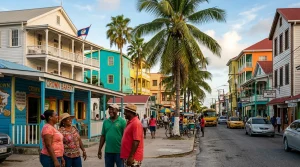
The British settlers, many of whom were drawn to the region for the rich timber, established a logging industry that not only influenced economic growth but also threatened indigenous populations and the social order. Towns such as Belize City emerged, serving both as economic hubs and points of cultural amalgamation. The tension between colonial powers and indigenous peoples created a challenging environment; however, it also laid the groundwork for a unique blend of cultures that persists today. Travelers venturing into the remnants of old towns can witness this cultural infusion firsthand in local markets, architectural designs, and the vibrant street life.
Beyond timber, the colonial era also introduced the harsh realities of slavery, as enslaved Africans were brought to work in the growing agricultural sector. Their struggles and stories have become integral to Belizean identity, giving rise to a rich Creole culture that combines African, European, and indigenous influences. Visitors can engage with this history through cultural experiences, such as food tours that explore Creole cuisine, which features flavors from diverse traditions, or by attending lively celebrations that feature Garifuna music and dance, showcasing the resilience and creativity that arose from this tumultuous period.
Understanding the colonial struggle for control in Belize enables visitors to appreciate the depth of its historical narrative. As you explore this breathtaking country, from the serene beaches of the Caribbean to the mysterious ruins of ancient Mayan cities, recognize that every moment spent here is a dialogue with a past characterized by both hardship and hope. Embrace this unique tapestry of cultures and histories, and let it enhance your travel experience as you navigate through Belize’s diverse landscapes and stories.
The Influence of Slavery and the Creole Culture

The harsh realities of slavery profoundly shaped Belizean society, carving a lasting legacy that blends African, European, and indigenous influences into a rich Creole culture. History tells us that enslaved Africans were forcibly brought to Belize to work on plantations that produced sugar and mahogany, driving the economy and drastically altering the cultural landscape. The painful stories of these men and women echo in the vibrant cultural practices and celebrations that define modern Belize-each festival and dish a testament to their enduring spirit.
Today, the impact of slavery can be witnessed through the resilient Creole culture, characterized by its distinct culinary traditions, language, and musical styles. Creole cuisine offers a delightful fusion of flavors, where traditional African cooking methods merge with British and Caribbean influences. Visitors can savor dishes such as rice and beans, stewed chicken, and the iconic fry jack-each bite connecting you to the narratives of the past. Engaging in food tours that explore local markets not only tantalizes your taste buds but also educates you on the cultural narratives that have woven themselves into Belize’s identity.
Celebrating Cultural Heritage
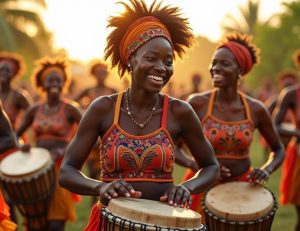
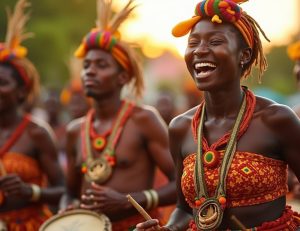
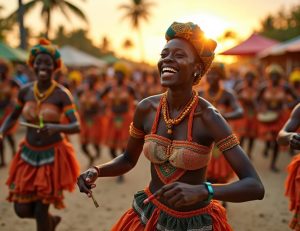
Music and dance are also crucial aspects of Creole culture in Belize. The lively rhythms of Garifuna music, rooted in African traditions, celebrate the resilience and creativity of enslaved peoples. Festivals such as Garifuna Settlement Day, held annually on November 19th, showcase traditional drumming, dancing, and storytelling, inviting both locals and visitors to join in the vibrant celebrations of heritage and history. Participating in these festivities allows for an authentic experience that fosters connection and deeper understanding of Belize’s complex narrative.
As you navigate through Belize, the influence of the past is palpable in its communities and celebrations. Grasping the significance of slavery and its role in shaping Creole culture enriches your travel experience, urging you to appreciate the nation’s diverse roots. From the stunning landscapes of the Caribbean Sea to the intricate details of street art and architecture, Belize is not just a destination but a living museum of its historical journey-a fusion of cultures thriving in every corner of its beautiful land.
The Age of Wood: The Rise and Fall of the Logging Industry
As the sun rises over Belize’s lush landscapes, it illuminates the remnants of an industry that once defined its economy: logging. The logging industry, especially the harvesting of mahogany, was fundamental in shaping the social and economic fabric of Belize from the late 18th century through the mid-20th century. This era, often referred to as “The Age of Wood,” saw the rise of timber as a major export, bringing both prosperity and challenges to the region.
For centuries, Belize’s rich forests were a treasure trove of valuable hardwoods, particularly mahogany. This sought-after wood was ideal for shipbuilding and furniture making, leading to a booming export trade with Europe and North America. By the late 1800s, Belize (then British Honduras) had become the world’s most significant mahogany exporter, attracting loggers from various backgrounds and even giving rise to entrepreneurial ventures that aimed to capitalize on this natural wealth. However, this rapid exploitation led to significant ecological and social consequences.
Impact on Society and Environment
Logging operations often led to the displacement of local communities and indigenous groups, who relied on the forests for their livelihoods. While the influx of wealth bolstered infrastructure development, it also fostered a culture of inequality and environmental degradation. Significant deforestation and loss of biodiversity became pressing concerns as heavy machinery replaced traditional, sustainable harvesting practices. By the mid-20th century, as mahogany resources dwindled, the logging industry’s impact was increasingly recognized, prompting discussions about sustainable practices.
Today, Belize is at a crossroads, balancing the legacy of the logging industry with a commitment to environmental conservation. Initiatives focused on sustainable forestry practices and eco-tourism are gaining traction. Visitors can participate in eco-tours that explore protected areas like the Belize Barrier Reef and Cockscomb Basin Wildlife Sanctuary, offering a glimpse of the country’s natural beauty while supporting conservation efforts. Accommodations ranging from eco-lodges to luxury retreats provide diverse experiences that cater to travelers’ varied interests while emphasizing sustainability.
Belize’s journey from its lumber-centric past to its present illustrates the adaptability of its economy and culture. While the logging industry may have waned, the beauty and rich biodiversity of Belize remain-and the ongoing efforts towards conservation and eco-tourism provide a promising path forward, inviting travelers to experience its enchanting landscapes and vibrant culture responsibly. Whether exploring the ruins of ancient Mayan cities or enjoying the breathtaking vistas of rainforests, every adventure in Belize pays homage to its storied past while celebrating its potential for a sustainable future.
Belize’s Path to Independence: The Road to Nationhood
The journey toward independence for Belize, a small Central American nation nestled between Mexico and Guatemala, is a rich tapestry woven with resilience and cultural pride. After centuries of colonial rule, the people of Belize-initially inhabited by the Maya civilization-began to forge a path toward self-determination, fueled by the desire for autonomy and the recognition of their distinct identity.
In the early 20th century, there was a burgeoning sense of nationalism among Belizeans. The British colonial rule, which had established the region as British Honduras, was characterized by strict governance and economic exploitation, primarily focused on logging and agricultural exports. As the waves of decolonization swept through Latin America post-World War II, Belizeans were inspired to claim their rights and autonomy. From the 1940s to the 1960s, this momentum led to intensified political activism and the formation of political parties, such as the People’s United Party (PUP) founded in 1950, which united various societal sectors in promoting independence.
In 1964, Belize achieved self-government, marking a significant milestone on its road to full independence. This transitional phase was not without challenges; the tensions with Guatemala, which maintained territorial claims over Belizean land, added urgency to the independence movement. The social fabric of Belize-rich in diversity and cultural influences from the Creole, Maya, Garifuna, and other communities-played a vital role in uniting the populace in their quest for nationhood.
The culmination of these efforts came on September 21, 1981, when Belize officially gained independence from British rule. It was a defining moment celebrated across the nation with parades, cultural exhibitions, and heartfelt expressions of national pride. The new government set out to address the legacies of colonialism, focusing on building a national identity that embraced its multifaceted heritage while navigating challenges such as economic development and environmental conservation.
As modern Belize embraces its identity, the spirit of independence resonates through its vibrant culture, festivals, and traditions. From the colorful celebrations of Garifuna Settlement Day to the lively rhythms of Creole music, Belize continues to honor its past while looking toward a sustainable future. Travelers venturing into this beautiful nation can experience not only its stunning natural vistas, like the Great Blue Hole and lush rainforests, but also engage with a people who cherish their independence and warmly share their diverse heritage.
Cultural Melting Pot: The Diverse Heritage of Belize

Belize is a vibrant mosaic of cultures, where the past shapes the present in beautifully intricate ways. This Central American jewel is home to a diverse population, comprised of various ethnic groups, each contributing to a rich tapestry of languages, traditions, and culinary delights. From the ancient Mayans who first inhabited these lush landscapes to the descendants of African slaves, and from East Indian communities to the Garifuna people-each group has left an indelible mark on the cultural identity of Belize.
One cannot explore Belize without indulging in its culinary offerings, which reflect the country’s melting pot heritage. Creole cuisine is perhaps the most famous, blending influences from British, African, and Caribbean flavors. Dishes such as rice and beans accompanied by stewed chicken and flavorful spices exemplify the delicious results of this blend, providing a taste of Belize’s historical narratives. Additionally, the Garifuna culture adds a unique twist with its signature dishes like hudut, a fish and plantain concoction that embodies the community’s connection to the sea and the land.
The rhythm of life in Belize is punctuated by the sounds of Garifuna music and dance, celebrated during vibrant festivals throughout the year. Events like Garifuna Settlement Day honor the arrival of the Garifuna people, featuring traditional drumming, dancing, and music that showcases their rich history. These celebrations invite locals and visitors alike to immerse themselves in the culture and community spirit, fostering a sense of unity and pride in Belize’s diverse heritage.
For travelers seeking a deeper understanding of Belize’s cultural landscape, engaging with local artisans and exploring traditional craft markets offers a glimpse into the country’s artistic soul. From handcrafted pottery to vibrant textiles, these artisans draw from their cultural backgrounds, creating works that tell stories of their heritage. Furthermore, festivals such as the Maya Day, dedicated to honoring the ancient Mayan culture, provide a window into the past, showcasing traditional ceremonies, dances, and rituals that continue to resonate today.
Overall, Belize is not just a destination but a living cultural experience. The harmonious coexistence of its various ethnic groups exemplifies the strength of community in shaping a nation that honors its past while embracing the future. Adventurers and cultural enthusiasts alike will find Belize a place where they can revel in the diversity and richness of its heritage, guaranteeing experiences that are both meaningful and memorable.
Environmental Conservation: Protecting Belize’s Natural Wonders
Exploring Belize offers more than just a glimpse of its vibrant culture; it provides an opportunity to witness one of Central America’s most spectacular ecosystems. Home to over 600 species of birds, ancient coral reefs, lush rainforests, and unique wildlife, Belize’s natural wonders necessitate a strong commitment to environmental conservation. This commitment is not merely an act of good stewardship; it is essential for sustaining the rich biodiversity that attracts adventurers and nature lovers from around the globe.
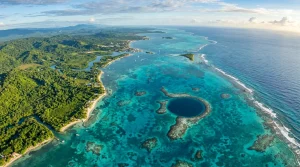
To help protect these precious resources, several national parks and protected areas have been established throughout Belize. The famous Great Blue Hole, a UNESCO World Heritage Site, not only serves as a diver’s dream but also plays a critical role in marine conservation. Regulations on fishing and tourism in the area ensure the health of the marine ecosystem, allowing vibrant coral reefs to thrive. Likewise, the Belize Barrier Reef, the second largest coral reef system in the world, is a hotspot for biodiversity and a focal point for conservation efforts aimed at preserving marine habitats and the species that inhabit them, such as manatees, sea turtles, and dolphins.
Community involvement is a key component of environmental conservation in Belize. Local organizations, including The Belize Audubon Society and the Friends of Nature, actively engage residents and visitors alike in awareness programs and sustainable practices that support conservation efforts. Ecotourism initiatives provide visitors with first-hand experiences in sustainable practices, ranging from birdwatching tours in protected reserves to wildlife conservation workshops. This encourages visitors not only to enjoy Belize’s natural beauty but also to actively participate in its preservation.
Striking the right balance between development and conservation can be challenging in Belize, where tourism plays a vital role in the economy. However, travelers can contribute positively by choosing eco-friendly accommodations, participating in clean-up drives, and supporting local businesses dedicated to sustainable practices. Options range from cozy jungle lodges to eco-resorts that utilize renewable energy and promote biodiversity within their properties.
Ultimately, Belize’s natural wonders thrive thanks to a collaborative effort among conservationists, local communities, and responsible travelers. By understanding the significance of these efforts, visitors can contribute to securing a future where Belize’s breathtaking landscapes and rich biodiversity continue to enchant generations to come. Immerse yourself in the beauty of Belize while honoring the very elements that make it a destination unlike any other.
Modern Belize: Economic Growth and Challenges Ahead
Emerging from a rich tapestry of history, modern Belize stands as a testament to resilience and potential. With its lush landscapes and inviting coastlines, Belize doesn’t just entice tourists; it is a burgeoning hub for economic growth that promises exciting opportunities and complex challenges alike. Positioned strategically between the Caribbean Sea and the Mesoamerican rainforest, Belize attracts a diverse range of industries, from tourism to agriculture, all of which contribute significantly to its GDP. As the country moves forward, these sectors continue to evolve, reflecting changing market demands and global trends.
In recent years, tourism has emerged as a driving force behind Belize’s economy. Tourists flock to witness the awe-inspiring Great Blue Hole, explore ancient Maya ruins, and indulge in the culinary delights of Creole and Garifuna cuisines. The tourism sector not only supports local businesses but also fosters job creation in hospitality, guiding, and related services. Eco-tourism, in particular, is gaining momentum as travelers seek sustainable experiences that protect Belize’s rich biodiversity. Investing in eco-friendly accommodations and responsible travel practices has become essential for maintaining the delicate balance between tourism growth and environmental conservation.
However, Belize faces considerable challenges as it navigates this path of growth. Dependence on a limited range of export products, particularly sugar, banana, and citrus, poses vulnerabilities to the economy. Market fluctuations and climate dependencies put pressure on farmers and producers. Diversifying the agricultural sector is crucial not only for economic stability but also for ensuring food security. Moreover, the effects of climate change are increasingly apparent. Rising sea levels and unpredictable weather patterns threaten both coastal and inland communities, emphasizing the urgent need for adaptive strategies.
As potential expats or travelers ponder their place in this dynamic landscape, understanding local customs, regulations, and the cost of living is vital. The Belizean government actively promotes foreign investment, offering incentives in tourism and renewable energy sectors. With a lower cost of living than many Western nations, Belize presents an attractive option for those seeking a new lifestyle amidst stunning natural beauty. From comfortable beachfront condominiums to vibrant jungle lodges, the housing market caters to a variety of preferences.
For those planning to visit or invest in Belize, reliable information about visas, transportation, and currency is essential. Belize Dollar (BZD) is the national currency, and visitors will find that US Dollars are also widely accepted. Public transport is accessible, but renting a vehicle is often recommended for exploring more remote areas. Engaging with local culture through festivals and community events enriches the travel experience and creates connections with the diverse groups that inhabit this beautiful country.
Navigating the complexities of modern Belize requires both an appreciation for its rich past and a forward-looking perspective. With every adventure and investment made, travelers and newcomers alike contribute to weaving the next chapter in Belize’s vibrant history, ensuring its natural wonders and cultural treasures thrive for generations to come.
Festivals and Traditions: Celebrating Belizean Identity
In Belize, festivals and traditions serve as vibrant expressions of national identity, weaving together the rich cultural tapestry formed by its diverse populations. Picture the streets alive with music, the aroma of traditional foods wafting through the air, and the visual spectacle of colorful costumes during celebratory events. These occasions not only commemorate historical milestones but also reflect the unique blends of Indigenous, Creole, Garifuna, Mestizo, and other cultures that coexist harmoniously within this central American gem.
One of the most significant events is Independence Day, celebrated on September 21st. This vibrant celebration includes parades, music, and dance that engage communities across the nation. Festivities often kick off early in the morning, with the sound of marching bands filling the air, followed by a display of floats representing different local districts. Community participation is key, as schools, organizations, and families come together to partake in the day’s events, fostering camaraderie and national pride.
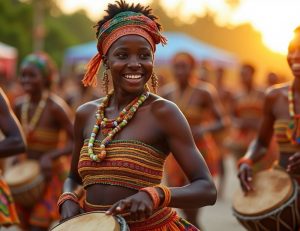
The Garifuna Settlement Day on November 19th stands out as another major cultural celebration. It honors the Garifuna people, who are descendants of the Indigenous Carib and Arawak peoples along with enslaved Africans. This festival features traditional music, dance, and food, notably the delicious hudut (a fish stew served with plantains). Participants dress in traditional attire, and the rhythm of Garifuna drumming reverberates through the communities, creating a lively atmosphere that invites both locals and travelers to join in the festivities.
Belize also embraces the Day of the Dead, where families gather to remember their ancestors. This celebration is marked by altars adorned with photos, favorite foods of the deceased, and marigold flowers, inviting a moment of reflection and connection with the past. The colorful traditions associated with this observance showcase the country’s deep-rooted customs, offering visitors an authentic glimpse into Belize’s spiritual life.
Travelers will find that joining these festivals can significantly enrich their experience. Engaging with local celebrations provides invaluable perspectives on Belizean culture while allowing for genuine interactions with the community. Accommodations during these busy times can fill up quickly, so it’s wise to plan ahead, utilizing options ranging from local guesthouses to resorts that offer immersive cultural experiences.
In addition to participating in festivals, savoring Belizean cuisine is a must. The country’s food reflects its diverse heritage, with Creole dishes like rice and beans, slow-cooked stews, and spicy chicken embodying the unique flavors of the region. Many festivals and local events showcase these dishes, offering visitors a delicious opportunity to experience the culture firsthand.
Visiting Belize during a festival not only celebrates its identity but also catalyzes connections between people, fostering appreciation for its multifaceted history and bright future. Whether you’re a solo traveler seeking adventure or an expat looking to embrace a new lifestyle, engaging with the festivities found throughout this vibrant nation will undoubtedly leave an indelible mark on your journey.
Key Turning Points in Belize’s Recent History
In the recent history of Belize, several pivotal events have shaped the country’s identity, governance, and socio-economic landscape, leading to the vibrant nation we see today. One of the most significant turning points occurred in the 1970s when Belize, then known as British Honduras, pushed fiercely for independence from British colonial rule. The culmination of this movement was the achievement of full sovereignty on September 21, 1981, marking not just the birth of a nation but also an opportunity for self-determination and national pride that continues to resonate.
Following independence, Belize faced numerous challenges, including economic fluctuations and political instability. The 1980s were particularly turbulent, marked by a surge in crime and socio-political unrest. However, these struggles paved the way for significant reforms and the strengthening of democratic processes. The establishment of a new constitution in 1981 laid the groundwork for civil rights and governance in Belize, leading to the elections that followed, which helped stabilize the country politically.
Another key moment in Belize’s recent history involves the 1998 Belize-Guatemala dispute resolution. Having struggled with territorial claims from Guatemala since colonial times, Belize finally addressed this sensitive issue with a commitment to peaceful negotiations and international arbitration. This effort not only fostered a sense of national unity but also positioned Belize as an advocate for diplomacy in Central America, enhancing its international relations.
The turn of the 21st century brought with it an increasing focus on environmental conservation as well. As awareness grew regarding the importance of preserving Belize’s rich biodiversity, including the Great Blue Hole and numerous national parks, the government and local communities united in efforts to protect these natural treasures. This has led to a burgeoning eco-tourism industry, showcasing Belize’s unique environment and cultural heritage while providing economic opportunities for locals.
Throughout these transformative years, Belize has maintained its commitment to embracing diversity, as seen in its multicultural population and rich cultural traditions. Engaging with Belize’s history isn’t just about understanding its past-it’s also about appreciating the energetic spirit and resilience of its people, reflected in vibrant festivals, traditional cuisine, and the stunning beauty of its landscapes. With each of these turning points, Belize has continued to carve out its place on the global stage, offering both visitors and residents a unique blend of adventure and cultural richness.
Belize Today: A Nation of Adventure and Diversity
Belize is a treasure trove of adventure, where pristine wilderness meets vibrant culture, offering an unforgettable experience for every type of traveler. Imagine diving into the stunning depths of the Great Blue Hole, a UNESCO World Heritage Site, where the kaleidoscope of marine life captivates divers from around the globe. Alternatively, one can explore the ancient Maya ruins scattered throughout the jungle, such as the awe-inspiring Caracol, where towering temples whisper stories of an advanced civilization that once thrived. Each corner of Belize weaves a tale of its rich history, breathtaking landscapes, and dynamic communities, making it a destination that keeps adventurers returning for more.
Accommodation Choices for Every Budget
With a diverse array of accommodations, Belize caters to travelers of all tastes and budgets. For those seeking adventure on a shoestring, budget hostels can be found in bustling cities like Belize City and San Pedro. Families might prefer the comfort of resorts that overlook the Caribbean, such as the luxurious Royal Caribbean Resort, which provides activities for all ages. For a truly unique experience, consider an overwater bungalow at Cayo Espanto, where the gentle waves rock you to sleep against a backdrop of stunning sunsets. Jungle lodges, like the acclaimed Chaa Creek, offer a unique chance to immerse in the rainforest while enjoying luxury and eco-friendly practices.
Travel Essentials for an Unforgettable Stay
Traveling to Belize is straightforward, but being aware of logistics can enhance your visit. Visa requirements vary depending on nationality, but many travelers can enjoy a visa-free stay of up to 30 days. The Belize dollar, pegged to the US dollar, makes currency exchanges simple, as US dollars are widely accepted. For health and safety, tap water is generally safe, but it’s best to drink bottled water, especially in rural areas. Transportation within the country includes buses, shuttles, and domestic flights that connect to popular destinations, making it easy to explore Belize’s diverse regions.
Embracing the Cultural Mosaic of Belize
Culinary experiences in Belize reflect its multicultural heritage, where flavors of Garifuna, Creole, and Mestizo cultures come together. Try traditional dishes like rice and beans, served with stewed chicken or fish, for a taste of local life. The vibrant music scene, especially with Garifuna drumming and dancing during festivals, unites communities and draws visitors into the cultural tapestry of the nation. Throughout the year, annual celebrations like Garifuna Settlement Day and the Belize Carnival infuse the atmosphere with lively colors, music, and flavors, showcasing the spirit of Belizean identity.
A Call to Eco-Tourism and Adventure
Environmental conservation is a priority in Belize, with significant efforts dedicated to preserving its natural wonders. The Belize Barrier Reef, the second-longest reef system in the world, is a haven for snorkeling and scuba diving enthusiasts who wish to see its rich biodiversity firsthand. National parks, such as the Mountain Pine Ridge and Cockscomb Basin Wildlife Sanctuary, offer trails and opportunities for wildlife spotting, including magnificent jaguars and vibrant bird species. By choosing eco-tourism, travelers help protect these breathtaking ecosystems while experiencing the thrill of Belize’s adventure offerings.
In Belize, every moment offers a chance to forge a deeper connection with nature and culture, resulting in a truly enriching travel experience. Whether you’re an adventurous spirit scaling limestone cliffs, a history enthusiast exploring Maya ruins, or a foodie savoring local cuisine, Belize invites you to uncover its diverse treasures.
Frequently Asked Questions
Q: What were the major influences on Belize’s culture and identity?
A: Belize’s culture is shaped by a blend of influences, including the Indigenous Maya, Creole, Garifuna, and Mestizo communities. This diversity is reflected in traditions, cuisine, and languages spoken. To explore more, visit the section on “Cultural Melting Pot: The Diverse Heritage of Belize.”
Q: How did Guatemala’s territorial claims impact Belize’s history?
A: Guatemala’s persistent claims over Belizean territory have strained relations since the 19th century, affecting Belize’s diplomatic initiatives and policies. This issue continues to influence Belize’s international standing today. For more, check out the “Path to Independence” section.
Q: When did Belize gain full independence, and what were the implications?
A: Belize gained full independence from the United Kingdom on September 21, 1981. This transition marked the beginning of self-governance and has allowed Belize to pursue sovereignty while facing economic and social challenges, as discussed in “Belize’s Path to Independence.”
Q: What role did the logging industry play in Belize’s economic development?
A: The logging industry was crucial during the colonial period, providing significant revenue and employment. However, its decline led to economic shifts and environmental concerns. For further insights, read about “The Age of Wood” in the article.
Q: What are Belize’s significant historical milestones in recent years?
A: Significant milestones include Belize’s independence in 1981, the establishment of the Belize Barrier Reef Reserve System as a UNESCO World Heritage Site in 1996, and ongoing cultural preservation efforts. These turning points are key to understanding Belizean identity today.
Q: How do Belizean festivals reflect the country’s history?
A: Belizean festivals, such as Garifuna Settlement Day and Independence Day, celebrate the nation’s diverse heritage and historical events. These traditions foster community pride and reflect the complex narrative of Belize’s past, highlighted in the “Festivals and Traditions” section.
Q: What were the effects of slavery on Belize’s society?
A: The influence of slavery greatly contributed to the formation of the Creole culture in Belize, shaping social structures, language, and traditions. The historical context surrounding slavery is crucial to understanding present-day Belize, explored in “The Influence of Slavery and the Creole Culture.”
Q: How does Belize’s geography influence its historical development?
A: Belize’s geographical features-coastlines, rivers, and jungles-have historically facilitated trade and settlement, influencing both Indigenous civilizations and European explorers. These elements of geography are essential in shaping Belize’s commercial and cultural evolution throughout history.
To Conclude
As you’ve journeyed through “A History of Belize: 7 Fascinating Eras That Shaped This Nation,” we hope you have gained a deeper appreciation for the rich tapestry of Belize’s past. From ancient Maya civilizations to contemporary cultural influences, understanding this history not only enriches your travel experience but also connects you to the heart of Belizean identity. Don’t let the adventure stop here-explore more about Belize’s top attractions, including the breathtaking Great Blue Hole and the majestic Maya ruins, which you can discover in our guides on Top Ten Things To Do in Belize and Best Places to See in Belize.
Ready to plan your next trip? Dive into our comprehensive travel resources, covering everything from practical information about visas and transportation to insights on Belize’s vibrant culture through Creole cuisine and Garifuna music. Your travel dreams await-sign up for our newsletter for insider tips and exclusive content that will enhance your Belizean adventure. Share your thoughts and experiences in the comments below, and don’t forget to explore related articles that celebrate the beauty and biodiversity of Belize.
Get our latest guides, news, and insights highlighted in your Google Search & AI Overviews.