Belize is a vibrant tapestry of cultures, yet many travelers and potential expats often grapple with a pivotal question: Are Belizeans considered Latino? Delving into Belize’s rich history reveals a unique blend of ethnicities, languages, and traditions that shape its cultural identity. Understanding this complex identity is not merely an academic exercise; it enhances how we appreciate and engage with the diverse communities that call Belize home. As you explore the colorful streets, hear the rhythms of Garifuna music, and savor Creole cuisine, it becomes clear that appreciating these nuances elevates your experience. Join us on this insightful journey as we unravel the layers of Belizean culture and discover what it truly means to be Latino in this stunning Central American paradise. Your adventure into this cultural mystery promises to be as enriching as Belize’s breathtaking landscapes.
Understanding Belize’s Cultural Heritage and Diversity
Belize, a small gem nestled on the Caribbean coast, is a vibrant tapestry of cultures that beckons explorers and expatriates alike. Home to a rich historical narrative shaped by the convergence of indigenous, African, and European influences, the cultural heritage of Belize is a unique blend that defines its identity. Each ethnic group adds a layer to this complexity, contributing to a society that celebrates diversity with pride. From the ancient Maya civilization, whose ruins still echo the past, to the lively Creole and Garifuna communities, every facet of Belizean culture tells a story that resonates with warmth and hospitality.
One cannot overlook the significance of language in understanding Belize’s cultural landscape. While English is the official language, a variety of languages and dialects are spoken across the country. Kriol, a Creole language, serves as a primary mode of communication for many Belizeans, fostering a sense of unity among diverse ethnic groups. Meanwhile, Spanish is widely spoken, reflecting Belize’s ties to the Latin American region. The multilingual nature of Belize underscores its multifaceted identity, offering a glimpse into how cultural exchanges shape community interactions.
Furthermore, Belize’s varied festivals encapsulate its cultural essence. Whether it’s the vibrant Carnival, celebrated with music and dance, or Garifuna Settlement Day, honoring the Afro-Indigenous Garifuna heritage, these events showcase the community’s collective spirit and reverence for traditions. Cuisine, too, is a pivotal element of cultural expression in Belize, with dishes like rice and beans, tamales, and seafood reflecting a fusion that speaks to the country’s diverse heritage. This culinary landscape invites travelers to not just taste but to experience the essence of Belizean identity.
As globalization influences cultural identity, Belize stands at a crossroads where tradition and modernity coexist. The young generation, steeped in the rich heritage of their ancestors, is navigating this landscape with creativity and resilience. They are redefining what it means to be Belizean in a rapidly changing world, blending traditional customs with contemporary influences while keeping the heart of their culture alive. This exhilarating evolution promises a future where Belize’s cultural identity continues to flourish, inviting all who visit to partake in its vibrant story.
The Role of Language in Belize’s Identity
In a land where the Caribbean meets the jungles of Central America, language serves as a vibrant thread in the fabric of Belizean identity. Although English is the official language, the linguistic landscape of Belize is a colorful mosaic reflecting its diverse heritage. Here, some 40% of the population speaks Kriol, a dynamic Creole language that melds English with African dialects and local influences. This language not only facilitates daily communication but also fosters a sense of community and belonging among Belizeans, making it an essential part of their cultural expression.
Moreover, Spanish holds significant prominence in Belize, spoken by a large portion of the population due to historical ties with neighboring Latin American countries. This bilingual environment enriches interactions, providing visitors and locals alike with opportunities to engage in meaningful exchanges rooted in cultural sensitivity. The presence of multiple languages, including Mayan dialects like Q’eqchi’ and Mopan, attests to the country’s deep-seated connection to its indigenous roots, adding yet another layer to its cultural identity.
Within this multilingual framework, the way Belizeans navigate their identities becomes apparent. Young people experiment with different languages, creating a hybrid communication style that reflects their multifaceted upbringing. This adaptability is crucial, especially as Belize continues to engage with global cultural trends while honoring its rich traditions. In daily conversations and artistic expressions, language in Belize is not just a means of communication; it is a celebration of heritage, unity, and resilience.
For travelers eager to delve deeper into Belizean life, learning a few Kriol phrases or engaging in conversations in Spanish can open doors to richer experiences and deeper connections. Whether it’s enjoying a meal of rice and beans, discussing art at a local gallery, or participating in vibrant festivals, the language of Belize is an invitation to experience its essence, creating bonds that transcend the barriers of culture and tradition.
Ethnic Groups in Belize: An Exploration
In Belize, a country celebrated for its stunning natural beauty and rich cultural heritage, the fabric of identity is woven from a tapestry of ethnic groups that reflect its complex history. From the indigenous Maya and Garifuna communities to the mestizos who have cultivated their identity through a blend of cultures, the diversity of Belizean ethnic groups offers travelers a unique opportunity to explore the nation’s multifaceted cultural landscape.
The indigenous Maya, one of the most prominent groups, have inhabited Belize for thousands of years. Their historical significance is evident in the remarkable Maya ruins scattered across the country, such as Caracol and Lamanai. Visitors can immerse themselves in their ancient traditions through authentic experiences, such as guided tours led by local Maya, who share insights into their customs, spiritual beliefs, and traditional crafts. Joining in a traditional Maya ceremony not only enhances understanding but also fosters respect for their enduring legacy.
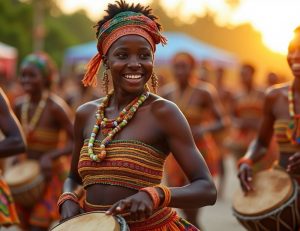
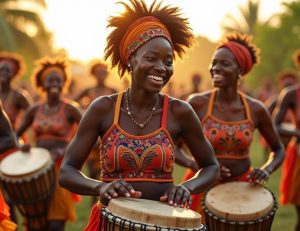
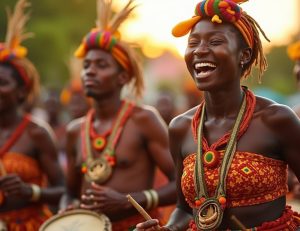
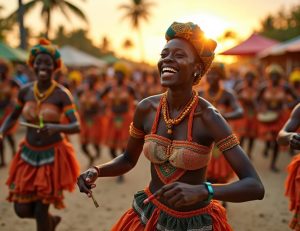
Equally vibrant are the Garifuna people, known for their lively music and dance that echoes Belize’s African heritage. Celebrated during the Garifuna Settlement Day on November 19, this festival showcases rhythmic drumming, colorful costumes, and traditional food, creating a vivid atmosphere that invites visitors to join the revelry. Engaging with Garifuna culture provides travelers with a deeper appreciation for their unique contributions to Belizean society, marked by a blend of African, Arawak, and Carib influences.
Mestizos, a mix of European and indigenous roots, account for a significant portion of Belize’s population. Their cultural identity is shaped by the Spanish influence evident in the cuisine, dances, and celebrations throughout the country. The vibrant annual fiesta of San Pedro, for instance, is a testament to this cultural blend, featuring colorful parades, traditional meals, and lively music that invite everyone to partake in the celebrations. Travelers can savor local quinceañera celebrations or taste the dishes that showcase the melding of flavors, such as tamales and rice and beans.
To truly experience the essence of Belize, visitors should explore different regions, where the cultural influences of these ethnic groups come alive. A journey through the rolling hills of Cayo or the coastal towns reveals a rich array of experiences, from guided historical walks to culinary adventures that celebrate the diversity of Belize’s restaurants and street vendors.
As you navigate Belize’s unique cultural terrain, remember that engaging with its ethnic groups is not just about observing; it’s about connecting. By participating in local events, trying your hand at crafts, or sharing in communal meals, you contribute to the preservation and appreciation of Belize’s vibrant heritage. This journey is a chance to embrace a diverse culture that is as welcoming as it is intriguing, making for unforgettable memories and connections that transcend borders.
Belize’s Connection to Latin America
Belize, nestled on the northeastern coast of Central America, serves as a fascinating crossroads of cultures and identities, making its connection to Latin America both unique and complex. While it maintains a distinct cultural identity rooted in its diverse ethnic groups, Belize also embodies the influences of its Latin American neighbors. Its history as part of the Central American region, alongside the prominence of Spanish, creates a rich cultural landscape that invites exploration and appreciation.
The official language of Belize is English, a remnant of its colonial past as British Honduras. However, Spanish holds significant importance, reflecting the country’s interactions with Latin American countries and the large Mestizo population. This bilingual environment enhances the cultural experience for visitors, offering a delightful opportunity to engage with locals and immerse oneself in the rich tapestry of languages spoken, which include Creole, Garifuna, and various indigenous tongues. Local markets, particularly in towns like San Ignacio and Belize City, buzz with vibrant exchanges where you can hear a blend of these languages along with lively conversations about daily life and shared traditions.
Traveling through Belize, you’ll discover how its rich heritage is celebrated through various festivals and traditions that echo those found in other Latin American cultures. For instance, the vibrant Fiesta de San Pedro, celebrated on the island of Ambergris Caye, showcases a blend of local and Latin festivities, including parades, dancing, and traditional foods that reflect the mestizo influence. Additionally, significant holidays like Easter and Independence Day reveal community spirit and regional pride, bridging connections to broader Latin American celebrations while showcasing unique local customs.
From the turquoise waters of the Caribbean to the lush jungles, Belize offers diverse landscapes that resonate with both adventure seekers and culture enthusiasts. Visitors can explore ancient Maya ruins or wander through quaint colonial towns that frame the historical narratives of this captivating country. Culinary explorers can savor a mix of Belizean and Latin American dishes, such as tamales, rice and beans, and ceviche, each bite a testament to the multicultural fusion that defines Belize’s culinary scene.
As you journey through Belize, embrace its connection to Latin America by engaging with local people, participating in traditional celebrations, and exploring the rich history that binds this nation with its regional neighbors. This welcoming atmosphere creates a backdrop for unforgettable interactions, making your exploration of Belize not just a trip, but a deep dive into a cultural mosaic rich with stories and diversity.
The Impact of Colonial History on Cultural Identity
The legacy of British colonialism has intricately shaped the cultural identity of Belize, leaving an indelible mark that continues to resonate through its diverse society. Established as British Honduras in 1862, this period saw European powers influence the region’s socio-political landscape. Even after gaining independence in 1981, the echoes of this colonial past remain deeply embedded in the nation’s cultural fabric. The official use of English persists alongside Spanish and various indigenous languages, creating a multilingual environment that reflects Belize’s colonial history and its ongoing relationships with Latin America.
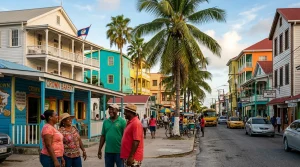
Throughout Belize, you can explore the tangible remnants of colonial architecture scattered across cities like Belize City and the historic town of Corozal. These sites offer a glimpse into the era’s lifestyle and governance, where colonial structures intertwine with local craftsmanship, telling stories of adaptation and resilience. This blend of influences is visible during key events and celebrations, where English customs meld with local traditions, culminating in unique festivities that exemplify Belize’s layered identity.
The cultural identity shaped by colonial history is further complicated by the varied ethnic groups residing in Belize. The mestizo population, descendants of Spanish settlers and indigenous people, highlights the fusion of cultures that arose during colonial times. Festivals such as Garifuna Settlement Day celebrate both indigenous traditions and colonial heritage, illustrating how communities have navigated their identities through a lens of cultural convergence. This rich tapestry demonstrates that, while the colonial impact has brought challenges, it has also given rise to a unique Belizean identity that honors multiple heritages.
As you engage with the vibrant local culture, take note of how the colonial past continues to influence contemporary practices. For instance, while English remains the official language, many Belizeans effortlessly switch to Spanish in daily life, reflecting the integration of Latin American influences. Culinary traditions, too, showcase this blend; dishes such as rice and beans are staples enriched with flavors that speak to both Caribbean and Latin roots. This culinary fusion offers visitors a delicious opportunity to taste the historical melange that defines Belize, all while experiencing the warmth and hospitality of its people. Whether wandering through local markets or enjoying the rhythmic beats of Garifuna music, it becomes clear that Belize’s cultural identity is not just a remnant of its colonial past, but a living, evolving mosaic that invites everyone to partake in its ongoing story.
Celebrating Festivals: A Window into Belizean Culture
Throughout the year, Belize bursts into life with festivals that reflect its rich tapestry of cultures, offering a vibrant insight into the nation’s diverse heritage. One cannot truly grasp the essence of Belize without experiencing the colorful celebrations that bring communities together, showcasing traditions that have evolved from indigenous roots, colonial influences, and Afro-Caribbean vibrancy. Each festival is a dynamic display of music, dance, food, and art, transforming public spaces into lively showcases of cultural pride.
One of the most prominent events is Carnival, held in September, coinciding with Belize’s Independence Day celebrations. Residents don elaborate costumes adorned with feathers and beads, parading through the streets to the rhythms of infectious calypso and punta music. This festival is not merely a celebration of independence; it also serves as a powerful reminder of the cultural identities that have shaped Belize. Visitors can participate in the festivities, immersing themselves in the joy, dance, and unity that Carnival embodies.
Another significant day on the Belizean calendar is Garifuna Settlement Day, celebrated every November 19. This festival honors the arrival of the Garifuna people in Belize, showcasing their unique culture through music, dance, and culinary delights. The celebration begins with a ceremonial re-enactment of the landing, followed by communal feasts featuring traditional Garifuna dishes like cassava and fish. The streets come alive with drumming and dancing, allowing visitors to experience the communal spirit that defines the Garifuna way of life.
In towns such as Orange Walk and San Pedro, local festivals also reflect diverse ethnic influences. The Fiesta de San Pedro is a vibrant week-long celebration that combines religious fervor with indigenous customs, offering a blend of cultural expressions from the local mestizo and Creole communities. The rhythmic beats of marimba and salsa fill the air while locals prepare traditional foods and host friendly competitions, creating an inviting atmosphere for travelers eager to connect with Belizean culture.
As you explore these festivals, you’ll encounter a rich tapestry of identities, including the Creole and Garifuna influences that are deeply rooted in the Belizean identity. Each dance step, song, and dish tells a story, inviting visitors to engage with the history and contemporary life of this multicultural nation. Participating in such celebrations provides deeper insights into the essence of Belize, transcending any simplistic labels of cultural identity while fostering appreciation for the complex mosaic that defines this beautiful country.
Cuisine as a Reflection of Cultural Identity
The vibrant culinary landscape of Belize serves as a testament to its rich cultural identity, blending flavors, techniques, and traditions influenced by its diverse population. Visitors to this Central American paradise will find that the cuisine is not just about sustenance; it’s a celebration of history, heritage, and the harmonious coexistence of various ethnic groups. Whether savoring a plate of stewed chicken or indulging in freshly caught seafood, each bite tells a story that connects to the islands’ roots and the communities that shaped them.
Belizean cuisine is a delightful fusion that incorporates indigenous Maya ingredients, African influences, and a touch of Caribbean flair. Staples like rice and beans, often prepared with coconut milk, reflect the culinary practices introduced by the Creole people who settled in Belize. Dishes such as hudut – a Garifuna specialty of fish cooked in coconut milk and served with mashed plantains – exemplify the deep connections between food and cultural expression. For an authentic experience, visit local markets where vendors proudly display their offerings, such as fry jacks (deep-fried bread often served with breakfast), or indulge in panades (corn dough filled with fish or beans and deep-fried).
Cuisine as Cultural Expression
Food festivals throughout the year highlight Belize’s culinary diversity, allowing both locals and visitors to engage with the culture on a deeper level. Events like the Culinary Festival celebrate the contributions of different communities, showcasing traditional dishes, cooking demonstrations, and tasting sessions. Here, attendees can explore local spices and garnishes that elevate Belizean dishes, emphasizing the significance of communal cooking traditions and sharing meals as a bonding experience among families and friends.
Moreover, Belize’s culinary scene is an evolving narrative as young chefs experiment with traditional recipes, incorporating modern techniques and global influences while honoring their heritage. This blend of innovation and tradition is particularly evident in urban settings like Belize City, where food trucks and trendy eateries serve up creative takes on classic dishes, attracting both locals and tourists. As a visitor, don’t hesitate to explore these culinary hotspots; engaging with local chefs and asking about their inspirations can lead to delightful discoveries that deepen your understanding of Belize’s multifaceted identity.
In addition to the well-known dishes, the use of indigenous ingredients such as recado rojo (a spice blend made from roasted tomatoes and peppers) and seasonal vegetables highlights the local commitment to sourcing fresh produce. By choosing to immerse yourself in the flavors of Belize, you partake in a cultural exchange where every meal fosters a connection between the land, its people, and the vibrant heritage that defines this remarkable nation.
Music and Art: The Heartbeat of Belize
The rhythm of life in Belize pulsates through its music and art, reflecting the diverse cultural heritage that defines this Central American nation. From the captivating beat of Garifuna drumming to the colorful murals that adorn city streets, Belizean art and music offer an immersive experience that invites exploration and connection. Music is not merely entertainment here; it serves as a vital expression of identity, history, and community, weaving together influences from African, Maya, and European cultures.
Belize is renowned for its vibrant music scene, prominently featuring genres such as Punta, a lively Garifuna dance music characterized by fast-paced rhythms and catchy melodies. Punta’s infectious spirit can be experienced at local festivals, where communities come together to dance and celebrate their heritage. Additionally, the Creole influence is evident in genres like Brukdown, which features acoustic guitar and rhythmic percussion, often accompanying storytelling. Musicians not only entertain but also preserve and pass down stories of their ancestors, showcasing a living history that resonates deeply with locals and visitors alike.
Art in Belize is equally dynamic, encompassing various forms such as paintings, crafts, and installations, often depicting scenes from nature, culture, and history. Artists draw inspiration from the country’s breathtaking landscapes and rich traditions. In towns like San Pedro and Belize City, colorful murals speak to the heart of the community and serve as a canvas for social and political commentary. Participating in local art workshops or visiting galleries provides travelers with an intimate glimpse into the creative spirit that flows through Belize, fostering a sense of connection to the people and their stories.
Travelers seeking to engage more deeply with Belize’s cultural fabric should consider attending local celebrations, such as the Garifuna Settlement Day or the Belize Carnival. These events highlight traditional music, dance, and art, offering visitors an authentic taste of Belizean culture. Engaging with local artisans, whether at markets or studios, can reveal the process behind their craft, making for an enriching experience that goes beyond mere observation. This immersion into Belize’s artistic landscape allows for a profound appreciation and understanding of the shared cultural identity that unites its diverse population.
The Influence of Garifuna and Creole Cultures
The vibrant pulse of Belizean culture is unmistakably influenced by two significant communities: the Garifuna and Creole peoples. These groups, with their unique traditions, languages, and histories, contribute richly to the cultural tapestry of Belize, shaping its identity in profound ways. The Garifuna, descendants of African and Indigenous Caribbean peoples, have preserved their heritage through music, dance, and culinary practices, while the Creole culture, born from the intermingling of European settlers and African slaves, brings a distinct zest to Belize’s social and cultural landscape.
Garifuna culture is perhaps most vividly expressed through its music and dance. Traditional drumming, particularly in genres like Punta and Paranda, captivates both locals and tourists alike. Festivals such as Garifuna Settlement Day, celebrated on November 19, showcase this vibrant musical heritage, where participants don traditional attire and engage in dynamic dances that tell stories of their lineage and celebrate their resilience. Engaging with the Garifuna people during such events allows for an authentic immersion into their worldview, where dance is more than a celebration-it’s a historical narrative passed through generations.
The Creole influence in Belize is equally compelling and prominently reflected in language and cuisine. The Belizean Creole dialect, a blend of English and various African languages, is spoken widely and serves as a linguistic bridge among diverse ethnic groups. Food is another crucial aspect where Creole culture shines, with dishes such as rice and beans, stewed chicken, and traditional fish preparations gracing tables across the nation. Exploring local markets and eateries can provide a delicious journey into Creole culinary traditions, showcasing how food serves as a unifying force that connects people to their roots and each other.
Both cultures exert significant influence on Belize’s annual festivities, shaping not just local traditions but also attracting tourists eager to experience the rich diversity. Events like the Belize Carnival and October Festival in Belize City beautifully intertwine Garifuna and Creole elements, transforming the streets into veritable stages of color, rhythm, and joy. For travelers keen on uncovering the essence of Belize, participating in these celebrations and interacting with community members can enhance the understanding of cultural identity and the affectionate pride Belizeans have in their heritage.
In conclusion, the Garifuna and Creole cultures collectively form a cornerstone of Belize’s identity, serving as a reminder of the nation’s historical complexities and its vibrant contemporary life. Visitors are encouraged to embrace this cultural diversity, as it enhances the experience of this stunning tropical destination, filled with lush landscapes, breathtaking beaches, and warm, welcoming communities.
Navigating Identity: Belize’s Young Generation
In the vibrant heart of Belize, a unique cultural phenomenon is unfolding among its young generation, who are navigating the complexities of their identity within a rich tapestry of influences. These young Belizeans are not just inheritors of a diverse cultural legacy; they are active participants in its evolution, blending traditional values with modern influences that reflect a globalized world. As they grapple with questions of belonging and cultural expression, they are redefining what it means to be Belizean in the 21st century.
For many young Belizeans, the intertwining of ethnic backgrounds shapes their identities. Growing up in a country that encompasses a mélange of cultures, from the Garifuna and Creole to Mestizo and Maya communities, these individuals often embody multiple heritages, allowing them to connect with a broad spectrum of traditions and viewpoints. Schools and community centers across the nation encourage the exploration of these cultures through music, art, and storytelling, which resonate deeply with youths. For example, a rising number of young people are engaging with traditional Garifuna dance and music, seeking to understand and preserve these crucial aspects of their history.
Social media has become a powerful tool for this generation, enabling them to share their cultural experiences and foster a dialogue about identity, both locally and globally. Platforms such as Instagram and TikTok are not just avenues for entertainment; they serve as collaborative spaces where young Belizeans can express their pride in their heritage while embracing contemporary influences. This digital landscape allows them to challenge stereotypes and celebrate their unique identities, making room for conversations about ethnicity, nationality, and the multifaceted nature of being Belizean.
Moreover, as the world becomes more interconnected, Belize’s youth emerge as cultural ambassadors. Through local festivals that highlight their mixed heritage, they invite tourists to witness the beauty of their traditions, such as the spectacular re-enactments of Garifuna Settlement Day or the vibrant pageantry of Carnival. These events serve as platforms not just for celebration but for education, where young Belizeans share their stories and histories with visitors, fostering understanding and appreciation for Belize’s diverse cultural narrative.
In navigating their identities, young people in Belize are striking a balance between honoring their past and embracing their future. They are shaping a narrative that is distinctly Belizean-one that is inclusive, dynamic, and reflective of the ongoing interplay between tradition and modernity. As they continue to explore and express their cultural identities, they pave the way for a future rich in diversity and resilience, ensuring that the vibrant spirit of Belize remains alive and well for generations to come.
Cultural Identity and Expat Perspectives
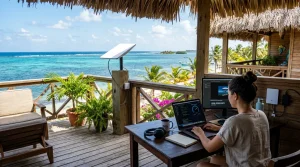
In the lush landscapes of Belize, where the turquoise Caribbean waves kiss the shores and vibrant cultures intertwine, expatriates find a unique tapestry of identity that both challenges and enriches traditional notions of belonging. As newcomers immerse themselves in this Central American paradise, they often grapple with a captivating question: How does life in Belize reshape their understanding of cultural identity, particularly regarding the connections to Latin America?
Belizeans share a multifaceted cultural identity influenced by their historical contexts, yet expatriates experience this mosaic in fascinating ways. Many foreigners arrive with preconceived notions of what it means to be Latino, influenced by broader stereotypes shaped by neighboring countries. However, as they settle into communities, they discover that Belize stands apart – a melting pot of ethnicities including Mestizo, Creole, Maya, and Garifuna. This blend offers an immersive exploration into how different narratives mold the Belizean identity. Expats often take part in local festivals such as the Garifuna Settlement Day or Carnival, finding joy in shared celebrations while learning the deep-rooted histories that define these events.
Embracing Cultural Practices
Participating in Belizean cultural practices becomes an enriching aspect of the expatriate experience. For instance, many expats engage in culinary communities exploring Creole cuisine and its delicious fusion of flavors, from savory rice and beans to mouthwatering tamales. Cooking classes and local food markets allow expats to delve into the culinary traditions passed down through generations, offering a tangible way to connect with their new home.
Moreover, the enthusiasm surrounding music and dance encourages expatriates to explore local rhythms, such as the infectious beats of Garifuna music. They often find themselves joining dance circles or attending local concerts, where traditional songs breathe life into gatherings and preserve history through lively expressions of culture. In these moments, the boundaries between local and global blur, inviting a sense of unity and camaraderie.
Community Integration and Identity
Expatriates often find that active participation in local communities enhances their understanding of Belize’s unique identity. Volunteer opportunities abound, from ocean conservation initiatives to educational programs supporting local schools. Such involvement allows them to forge relationships based on shared interests, fostering a sense of belonging that transcends origins.
The communal nature of life in Belize, with its focus on connection and collaboration, encourages expats to reconsider their own identities within a larger narrative. They often reflect on aspects of their cultural backgrounds while celebrating their newfound ties to Belize. Conversations about identity become common, where stories flow freely over the shared experiences of life in this enchanting locale.
Ultimately, the journey of expatriates in Belize serves as a reminder that cultural identity is not a fixed concept but rather a valuable mosaic that evolves through interactions, explorations, and shared traditions. In embracing the warmth of Belize’s diverse heritage, expats not only find a home but also become integral threads in the vibrant tapestry of Belizean life, demonstrating that identity, much like the waters of the Caribbean, is fluid and ever-changing.
Future Trends: Cultural Identity in a Globalized World
In an era marked by globalization, the cultural identity of Belize is continuously evolving, reflecting both the influences of an interconnected world and the rich local traditions that define the nation. As Belizeans interact with diverse cultures through technology, travel, and communication, their perceptions of identity are reshaped, creating a dynamic cultural landscape. Modern Belizeans navigate the delicate balance of honoring their indigenous roots, Afro-Caribbean heritage, and the myriad immigrant influences that contribute to their society.
One trend that stands out is the increasing prominence of multicultural festivals that celebrate Belize’s diverse backgrounds. Events such as Garifuna Settlement Day and the Mestizo Festival not only highlight traditional customs but also invite broader participation from expatriates and tourists, fostering a sense of unity in diversity. This mutual engagement allows for a richer understanding of cultural practices among locals and newcomers alike, often resulting in collaborative art projects, culinary fusions, and innovative performances that reflect this ongoing cross-cultural dialogue.
Moreover, the youth of Belize play a pivotal role in this cultural transformation. Engaged in both local and global networks, young Belizeans are redefining their identity through social media, music, and fashion, often blending traditional elements with contemporary influences. This fusion is evident in the rise of local music genres that incorporate reggae, hip-hop, and traditional folk styles, resonating with both Belizeans and a global audience. As these young voices emerge, they challenge older norms while simultaneously celebrating the complexity of their heritage, proving that the very essence of what it means to be Belizean is fluid and continually reshaped by both internal and external factors.
As Belize steps further into the global arena, its cultural identity is poised to become an even richer tapestry. With the enhanced accessibility to travel and communication, future generations will likely embrace a more pluralistic sense of identity, one that acknowledges their unique history while remaining open to the influences of an ever-globalizing world. This journey toward a nuanced understanding of cultural identity not only reinforces the importance of local traditions but also welcomes new perspectives that celebrate the vibrancy of Belize as a distinctive nation on the world stage.
Faq
Q: Is Belize considered a Latino country?
A: Belize is often classified as a Latino country due to its geographical location in Central America and the influence of Latin American cultures. However, its diverse population includes various ethnic groups, such as Creole, Garifuna, Mestizo, and Mayan, contributing to a rich cultural mosaic that is unique compared to other Latino nations.
Q: What ethnic groups are predominant in Belize’s culture?
A: Belize’s culture is enriched by multiple ethnic groups, including Creole, Garifuna, Mestizo, and the Maya. Each group brings distinct cultural practices, languages, and traditions, which together form the unique identity of Belize. Discover more in the section on “Ethnic Groups in Belize” for an in-depth exploration.
Q: How does language shape Belizean identity?
A: Language plays a significant role in Belizean identity, with English as the official language alongside Spanish, Creole, and various indigenous languages. This multilingualism helps foster inclusivity and reflects the country’s cultural diversity. For a detailed discussion, see the section on “The Role of Language in Belize’s Identity.”
Q: What is the connection between Belize and Latin America?
A: Belize shares cultural and historical ties with Latin America due to its geographical position and shared colonial history. These connections influence cultural expressions, from music to cuisine, illustrating Belize’s place within the broader Latin American context.
Q: How does Belize celebrate its cultural diversity?
A: Belize celebrates its cultural diversity through various festivals and events, showcasing music, dance, and culinary traditions from different ethnic groups. Annual festivities like Garifuna Settlement Day highlight the country’s rich heritage and community spirit.
Q: What influences have shaped Belizean cultural identity historically?
A: Colonial history has significantly shaped Belizean cultural identity, with influences from British colonial rule and the arrival of different ethnic groups. This complex history fosters a unique blend of traditions and practices that define modern Belizean culture.
Q: How do Garifuna and Creole cultures influence Belize?
A: Garifuna and Creole cultures are central to Belize’s identity, impacting its music, dance, and culinary practices. These cultures enhance the nation’s artistic expressions and foster a sense of community, particularly through events like the Garifuna Collective performances.
Q: How is the younger generation navigating Belize’s cultural identity?
A: The younger generation in Belize navigates cultural identity by blending traditional practices with modern influences. They are increasingly embracing their multicultural heritage while also responding to global trends, showing both respect for tradition and a desire for innovation.
Final Thoughts
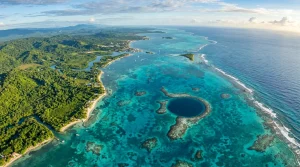
As we navigate the rich tapestry of Belizean cultural identity, it’s clear that understanding whether Belizeans are Latino is more than just a question-it’s an invitation to explore a unique blend of influences that define this vibrant nation. Embrace the diversity that characterizes Belize, from its rich Creole heritage to the rhythms of Garifuna music, and let this understanding enhance your travel experience. Don’t miss out-dive deeper into our guides on Belize’s breathtaking destinations, from the Great Blue Hole to its enchanting jungles, or discover the annual festivals that celebrate this country’s spirit.
Join our community of travelers by signing up for our newsletter to receive exclusive insights and tips for planning your next adventure in Belize. Have questions or experiences to share about your journey? We invite you to leave a comment below or explore our articles on safe travel tips and local cuisine that further enrich your understanding of Belize. Keep your exploration alive-after all, every new discovery deepens your understanding of what it truly means to experience Belize!
Get our latest guides, news, and insights highlighted in your Google Search & AI Overviews.