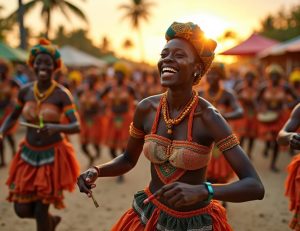
The Legacy of Slavery in Belize: A Historical Overview
The shadows of a painful past linger in Belize, a nation that has evolved into a vibrant mosaic of diverse cultures while grappling with the legacies of colonialism and slavery. The history of slavery in Belize is intertwined with its economic and social development, significantly influenced by its position as a colony in the British Empire. During the 18th and 19th centuries, enslaved individuals were forcibly brought to Belize, primarily to work in the logging industry, harvesting the prized mahogany that fueled the colonial economy. These enslaved Africans laid the foundations of what would become a multi-ethnic society, despite the brutal conditions they endured.As the story of slavery unfolded, the enslaved population-their identities, languages, and traditions-became integral to the cultural tapestry of Belize. The pain of displacement and oppression was met with remarkable resilience, leading to the amalgamation of African, Indigenous, and European influences that characterize contemporary Belizean culture. While enslavement severed connections to ancestral homelands, it also birthed new traditions, art forms, and social practices that would shape future generations. Festivals, music, and Creole cuisine emerged as powerful expressions of survival and cultural identity, echoing the enduring spirit of those who resisted the dehumanization of slavery.The abolition of slavery in 1838 marked a critical turning point, but the repercussions of this history continue to reverberate throughout Belize. Emancipation did not immediately translate to equality or opportunity; rather, it opened a new chapter fraught with challenges as formerly enslaved people sought to forge lives free from bondage. This complex legacy is evident in modern Belize, where issues of social justice, racial equity, and cultural reclamation are still relevant. Celebratory events like Garifuna Settlement Day and Creole Day not only commemorate historical struggles but also serve as reminders of the richness that diversity brings to Belizean heritage.Immersing oneself in Belize today reveals a landscape vibrant with life and culture, but understanding its past is essential to appreciating the present. Historical sites, museums, and community gatherings offer profound insights into the country’s journey through its dark history of slavery. Engaging with this legacy-whether through art, music, or local storytelling-invites a deeper connection to this beautiful land. Such exploration not only honors those who suffered but also celebrates the enduring hope and resilience that define Belize’s spirit.The Enslaved Population: Who Were They?
The enslaved population of Belize was predominantly composed of individuals forced from their homes in various African kingdoms and societies, taken from regions such as present-day Nigeria, Ghana, and the Congo. This diverse group included not just laborers but also skilled artisans, traders, and farmers, enriching the cultural fabric of Belize through their varied backgrounds. Enslaved people were predominantly brought to work in the logging industry, particularly to harvest mahogany, which was in high demand in Europe. The harsh conditions they faced and the brutal realities of their enslavement shaped their community, but their resilience allowed for the survival and evolution of rich cultural practices that still resonate today.As the 18th and 19th centuries progressed, enslaved Africans established intricate social networks that transcended the boundaries of their captivity. They communicated in Creole languages and developed a unique cultural identity that blended African traditions with the influences of European settlers and Indigenous peoples. Music and dance became significant forms of expression, allowing the enslaved population to maintain a connection to their roots and share their stories. Even in the face of oppression, these individuals fostered a spirit of unity and resistance, which would play a crucial role in the evolution of Belizean culture.Throughout their lives, the enslaved population relied on various forms of resistance, ranging from subtle acts of defiance to more overt rebellions. These acts not only challenged the institution of slavery but also laid the groundwork for future generations to build upon. The cultural practices, folklore, and shared experiences of these enslaved individuals contributed to a formidable Belizean identity. Today, festivals celebrating Garifuna and Creole heritage are a testament to the indomitable spirit of these ancestors, honoring their struggles and celebrating their victories.In understanding who these enslaved individuals were, we gain insight into the complex history of Belize-a land that thrives on the rich mosaic of its multicultural heritage. Exploring the historical narratives and cultural legacies left by this population is essential in appreciating modern Belize, where the influences of the past are vibrantly woven into the nation’s identity, from traditional music and art to cuisine and community celebrations.
Belize’s Role in the Transatlantic Slave Trade
During the late 17th and 18th centuries, Belize emerged as a significant player in the harrowing story of the transatlantic slave trade, as it became a crucial source of labor for the booming mahogany industry. Positioned on the Caribbean coast, the region attracted European settlers who were drawn by the abundant natural resources, particularly the dense forests of mahogany that were highly sought after in Europe for building ships and furniture. To capitalize on this economic opportunity, enslaved Africans were forcibly brought to Belize, marking a dark chapter in its history that would profoundly impact the region’s cultural landscape.The demand for enslaved labor intensified as logging operations expanded, with Belizean planters relying heavily on the importation of enslaved individuals. Many were captured from West African nations, such as present-day Nigeria and Ghana, and endured the brutal Middle Passage, suffering unimaginable conditions aboard slave ships. Once arrived, they faced grueling labor under harsh supervision, an experience that forged distinct communities among the enslaved. Despite the oppressive circumstances, they developed a unique resilience, which influenced the rich cultural traditions that are a hallmark of Belizean society today.Moreover, it was not just the labor force that shaped Belize. The interplay between the African enslaved population and the European planters created a complex social fabric characterized by a blend of cultures, practices, and traditions. These interactions sowed the seeds for vibrant musical styles, culinary practices, and social structures that define contemporary Belize. Traditional Garifuna music and Creole cuisine, for instance, reflect this fusion, showcasing how cultures can evolve even under the weight of oppression.The legacy of is palpable in its contemporary cultural identity, reminding us of the resilience of its people throughout adversity. Traveling through Belize today-whether exploring its stunning coastal landscapes or engaging with its diverse festivals-offers a glimpse into a multifaceted history. As the nation continues to celebrate its rich heritage, it also reflects a commitment to acknowledging the complexities of its past, fostering a deeper understanding of its multicultural roots.
Cultural Influences: How Slavery Shaped Belizean Society
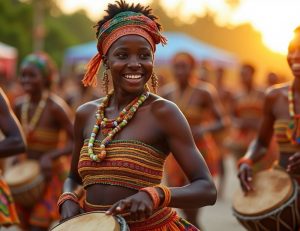
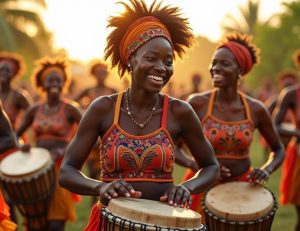
The intertwining of cultures in Belize tells a rich story of resilience and adaptation, deeply rooted in its history of slavery. Enslaved Africans brought to the region not only provided the labor essential for the mahogany industry but also introduced a vibrant array of traditions and customs that continue to shape Belizean society today. The cultural landscape of Belize reflects a unique fusion of African, European, and Indigenous influences, resulting in a dynamic society that celebrates diversity amidst historical struggles.One of the most visible legacies of this historical amalgamation is found in Belizean cuisine. The culinary scene is a testament to the blending of African cooking techniques and local ingredients. Dishes like rice and beans, cooked with coconut milk, showcase Afro-Caribbean flavors alongside traditional local components. Additionally, the popularity of fry jacks and tamales can be traced back to a mixture of cultural influences, emphasizing the significance of food as a binding element in Belizean culture. Creole cuisine, with its spicy and robust flavors, perfectly embodies the spirit of this historical interplay and invites visitors to savor Belize’s rich past through its many dishes.Music and dance also stand as powerful reminders of the African diaspora’s influence in Belize. Garifuna music, characterized by its rhythmic drumming and call-and-response vocals, has gained recognition not only locally but internationally, celebrating the vibrant culture of the Garifuna community. Traditional dances, reflecting African heritage, are performed during festivals and celebrations, creating a sense of unity and cultural pride among the people. Annual events like Garifuna Settlement Day on November 19th play a crucial role in preserving these traditions, showcasing the resilience and energy of a community that honors its roots even amidst challenges.Furthermore, the arts serve as an important outlet for storytelling and identity expression. From vibrant murals depicting historical figures and scenes to contemporary art that tackles social injustices, artists in Belize draw upon the country’s complex history to create works that resonate deeply with both locals and visitors. Each artistic endeavor brings forth reflections on the past, while simultaneously encouraging dialogue about the future, creating a cultural landscape that is as engaging as it is educative.In essence, the legacies of slavery have undeniably shaped the rich tapestry of Belizean society. The resilience and creativity of its people, molded by their diverse backgrounds, continue to produce a culture that is distinctively Belizean-one that welcomes the world to learn, explore, and engage with its history and heritage. From immersive culinary experiences to lively musical celebrations, Belize invites all to celebrate its multifaceted identity.
The Aftermath of Slavery: Emancipation and Its Effects
The end of slavery in Belize marked a significant turning point in the nation’s history, shaping its social, economic, and cultural landscapes in profound ways. Officially achieved with the Slavery Abolition Act of 1833, emancipation liberated thousands of enslaved individuals who had to navigate a new reality filled with both promise and challenge. Freed from the bonds of labor, the formerly enslaved population faced the daunting task of rebuilding their lives, communities, and identities in an environment still rife with the shadows of colonialism and racial discrimination.In the immediate aftermath of emancipation, many newly freed individuals, lacking resources and support, tended to stay close to their former plantations. This was often a necessity, as they needed to work for wages that were sometimes woefully insufficient for subsistence. Communities began to organize around mutual aid and support, fostering a resilience that would lay the groundwork for future civic engagement and political organization. Educational initiatives quickly became a focal point, as freed individuals sought to gain knowledge and skills, viewing education as a vital stepping stone towards empowerment and self-determination.As Belize transitioned into the late 19th and early 20th centuries, the influence of the emancipated population manifested prominently in cultural dimensions. The rich traditions brought from Africa began to flourish openly, as things like Creole cuisine, Garifuna music, and vibrant storytelling became predominant cultural expressions. This merging of African heritage with local customs created a dynamic Belizean identity that continues to thrive today, offering a testament to the resilience of those who once toiled in chains. Festivals and community gatherings emerged as vital means of preserving history, allowing individuals to not only remember their past but to celebrate their unique cultural identity in a way that honored their ancestors.The social and political ramifications of emancipation were not without their challenges. Hierarchies established during colonial rule lingered on, impacting access to land, resources, and political power for many members of the emancipated community. Acts of resistance against this systemic inequality began to sprout, with the formation of labor unions and community organizations that sought fair treatment and better working conditions. This activism set the stage for broader movements that would come in the subsequent decades, forging a path toward greater integration and equity within Belizean society.In summary, the aftermath of slavery in Belize can be seen not merely as the end of an era, but as the beginning of a systemic cultural and societal transformation. The interplay between the struggles faced by the emancipated population and their determination to uplift their community has shaped a Belize that is vibrant, resilient, and proud of its multifaceted heritage. The legacy of emancipation continues to resonate, inspiring contemporary movements seeking justice and equality while celebrating the rich tapestry of cultures that define modern Belize.
Contemporary Reflections: Slavery’s Impact on Modern Belize
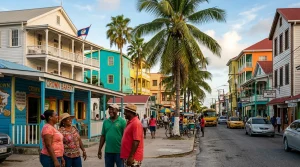
The echoes of slavery resonate powerfully in modern Belize, where the nation grapples with its complex legacy while celebrating a rich tapestry of cultural identity. With a population that is a vibrant blend of Creole, Garifuna, Maya, and Mestizo heritages, the remnants of colonial oppression have shaped societal norms, economic structures, and artistic expressions that persist to this day. Belize is a living testament to resilience, where the scars of its past are woven into the very fabric of its contemporary society.In urban centers like Belize City, the historical influence of enslaved ancestors can be seen in the bustling markets and the lively music scene, where Garifuna drums pulse at cultural events and festivals. Such gatherings not only commemorate ancestral struggles but also serve as platforms for modern activism, where participants advocate for social justice and equality. The legacy of slavery, while a source of painful memories, has also fostered a profound sense of community and solidarity among the diverse ethnic groups in Belize. Today’s cultural festivals-like Garifuna Settlement Day and Creole Day-are filled with dance, music, and storytelling, all vital for preserving the stories of those who came before.Moreover, the economic repercussions of Belize’s colonial past are still evident. Much of the population continues to face challenges linked to land ownership, access to resources, and political representation. Community organizations, often rooted in the struggles for labor rights and access to education, continue to campaign for equity. Many of these groups focus on empowering youth through education and cultural immersion, ensuring that the painful history of slavery does not fade but rather inspires action for a more inclusive future.Belize’s unique multicultural identity has transformed its approach to tourism and global engagement. Visitors come to experience not just the stunning natural beauty of destinations like the Great Blue Hole and Maya ruins, but to engage with the narratives of the local people-stories that reflect both the scars of a dark history and the bright hope of cultural renaissance. As tourists explore Belize, they are encouraged to partake in local traditions and culinary delights, such as Creole cuisine and Garifuna fish dishes, reinforcing the connection between culture and history. In this way, modern Belize not only reflects on its past but actively shapes a future that honors its diverse roots while inviting everyone to partake in its narrative journey.Prominent Sites of Historical Significance in Belize
Exploring Belize reveals a tapestry of history interwoven with the impact of slavery, where historic sites stand as living monuments to the resilience of those who endured oppression. For those wanting to immerse themselves in this narrative, several prominent sites offer a profound glimpse into the legacy and culture that emerged from this dark chapter in Belize’s history.One of the most significant locations is Belize City, which once served as the capital and a major hub during the colonial era. Here, visitors can explore remnants of colonial architecture and visit the House of Culture, which provides insights into the history of Belize, including the impact of slavery on its social fabric. The museum houses exhibits that resonate with the stories of enslaved people and their descendants, showcasing artifacts that speak to the enduring spirit of the Belizean people.The Great Blue Hole may be known for its breathtaking beauty, but the surrounding coastal areas are steeped in historical significance as well. These waters were once navigated by ships involved in the transatlantic slave trade. A dive or snorkeling trip not only offers a chance to experience marine life but also an opportunity to reflect on the waters’ complex history, intertwining natural wonder with the legacy of oppression.Another vital site is Caye Caulker. This laid-back island was historically a jump-off point for enslaved Africans who sought freedom. The stories of those who fought for liberty resonate among the locals, and visitors can engage with this history through cultural experiences that include traditional Garifuna drumming and dance, which trace their roots back to the fusion of African and Caribbean influences post-emancipation.Key Historical Sites to Explore
- House of Culture, Belize City: A museum showcasing Belize’s colonial past, including the stories and struggles of enslaved people.
- St. John’s Cathedral: This is an architectural marvel and a reminder of the colonial past; its historical significance includes the stories of the enslaved who helped build it.
- Caye Caulker: Once a sanctuary for those seeking freedom, the island offers cultural experiences steeped in the legacies of those who resisted slavery.
Belizean Identity: Embracing Multicultural Roots
In the vibrant tapestry of Belize’s identity, the influence of its multicultural roots is strikingly evident. This small Central American nation is a mosaic of cultures, where the histories and experiences of the Indigenous Maya, the enslaved Africans, the Garifuna, and other immigrant groups coalesce into a rich cultural landscape that is celebrated and cherished. Each group has contributed unique elements to Belizean society, from Creole cuisine to music and storytelling traditions, creating an atmosphere that is both diverse and harmonious.As you wander through the streets of Belize City, the pulsating rhythms of Garifuna drumming blend seamlessly with the savory aromas of rice and beans-a staple of Belizean Creole cuisine. Feasts and festivals throughout the year serve as platforms where these cultural influences come alive. Events like the Garifuna Settlement Day in November celebrate the arrival of the Garifuna people with traditional music, dance, and culinary delights, providing exceptional opportunities for visitors to immerse themselves in the island’s heritage and to understand how history has forged a resilient identity.Engaging with the local communities provides insight into Belize’s journey through the shadows of its past. For example, visiting rural villages allows travelers to witness traditional methods of artisanal crafts and gather stories from elders, emphasizing how the legacies of slavery and colonialism shaped communal dynamics. In such settings, you can often find local guides eager to share the multifaceted narrative of Belize, revealing how past struggles have woven threads of resilience and unity among the various cultures represented.Moreover, the arts play an integral role in maintaining Belizean cultural identity. Artisans create stunning works that reflect their cultural heritage, from vibrant paintings to elegant textiles, often inspired by Indigenous motifs and African patterns. Music and dance, too, are vital elements that tell the stories of the past while being an expression of contemporary life. Whether it’s the infectious beat of Punta music or the soulful melodies of Brukdown, these art forms echo the resilience and richness of Belizean heritage, allowing both locals and visitors to partake in a shared cultural experience that transcends generations.In embracing its multicultural roots, Belize not only honors its complex history but also fosters a sense of belonging and pride among its people. For those who visit, understanding this blend of cultures is essential for a deeper appreciation of the land and its people. Engaging with local customs and participating in cultural events enriches the travel experience, ensuring that every encounter in Belize tells a story-one that is intricately connected to both its past and its hopeful future.Educational Resources: Learning About Slavery in Belize
In the context of Belize’s rich and complex history, learning about the legacy of slavery is crucial. This dark chapter not only shaped the foundation of society but also echoes through its cultural practices, traditions, and identity today. For those eager to delve into this significant aspect of Belizean heritage, a plethora of educational resources are available, catering to a variety of interests and learning styles.To start, consider exploring local museums and historical sites that focus on the narratives of enslaved populations. The Belize Museum, located in Belize City, showcases artifacts and exhibitions detailing the lives of those who were enslaved and their contributions to Belizean culture. The Museum of Belize also offers rotating exhibits that often feature this history, providing engaging insights into the complexities of colonial life.For those inclined to literature, authors like Jamaican poet and writer Olive Senior and Belizean historian Dr. Benjamin W. Rose offer compelling narratives and analytical perspectives in their works. These texts can often be found in local bookstores or national libraries, giving readers a deeper understanding of the social dynamics during and after slavery in Belize.Online platforms serve as vital tools for education as well. Various websites compile extensive resources, including archived documents, scholarly articles, and personal narratives that highlight the stories of enslaved people in Belize. The use of educational documentaries and films is also recommended; platforms like YouTube and educational streaming services feature productions that chronicle the history of slavery in the Caribbean, including Belize. These visual resources can enhance comprehension and spark thoughtful discussions around the legacies of slavery.Additionally, community workshops and cultural events often promote dialogues about Belize’s history, offering firsthand accounts and facilitating discussions with elders who lived through transformative times. Participating in events like the Garifuna Settlement Day can provide a communal learning experience, connecting history to celebration through music, dance, and storytelling.Investing time in these educational resources allows you to appreciate the resilience of the Belizean people and understand the rich cultural tapestry that has emerged from its past. Engaging with this history not only enriches your visit but also empowers you to recognize and celebrate the profound impacts of diversity that continues to shape Belize today.The Role of Arts and Music in Preserving History
In Belize, the rich tapestry of cultural expression is a vibrant testament to the resilience and creativity of its people, shaped significantly by its historical experiences, including the legacy of slavery. Arts and music in Belize serve not merely as forms of entertainment; they are powerful vehicles for storytelling that preserve the memories and experiences of ancestors who endured unimaginable hardships. From the rhythmic beats of Garifuna drumming to the soulful lyrics of folk songs, these artistic traditions echo the struggles, joys, and identities forged through centuries of complex history.The arts in Belizean society, especially in the context of preserving historical narratives, often draw upon the experiences of the enslaved population. Traditional crafts, such as pottery and weaving, showcase techniques that have been passed down through generations. These crafts not only delight the eye but also hold cultural significance, reflecting the daily lives and spiritual practices of those who came before. Additionally, the incorporation of African motifs and symbols in modern Belizean art highlights a continuous connection to a rich cultural heritage, infusing contemporary pieces with historical resonance.Music plays a crucial role in commemorating and revitalizing the history of slavery. The Garifuna community, for example, utilizes their music to express their ancestral story, blending African, Caribbean, and indigenous influences into a unique sound. Songs often contain lyrics that touch on themes of displacement, resilience, and cultural pride. Festivities such as Garifuna Settlement Day not only celebrate this rich musical tradition but also foster intergenerational dialogues about the history and contributions of enslaved peoples, effectively bridging past and present through lively celebration.Engaging with these art forms provides a profound opportunity for both locals and visitors to reflect on the enduring impacts of slavery on Belize’s cultural landscape. Travelers to Belize can experience this living history firsthand at various cultural events and festivals, where music, dance, and art come together to honor the memories of those who suffered and to celebrate the resilience of their descendants. By embracing and promoting these artistic expressions, Belize not only preserves its historical narratives but also empowers future generations to carry forward the lessons learned from their past.Activism and Awareness: Modern Movements Against Injustice
The vibrant cultural fabric of Belize is deeply intertwined with its history, particularly the legacy of slavery that echoes through generations. Today, activism and awareness movements are flourishing, drawing attention to the injustices of the past and advocating for a more equitable future. Grassroots organizations, community leaders, and activists are at the forefront, utilizing social media platforms and public demonstrations to educate citizens about historical truths and the ongoing impacts of colonialism and oppression.One notable initiative is the Belize National Youth Council, which empowers young Belizeans to speak out against inequality and discrimination. Through workshops, educational outreach, and cultural programs, they connect present-day social justice issues to the historical context of slavery, fostering a deeper understanding among the youth. Similarly, the Garifuna Collective works tirelessly to preserve and promote Garifuna culture, focusing on the rights of Afro-Belizeans and advocating for the recognition of their contributions to the nation’s identity.Public commemorations, such as the Garifuna Settlement Day, serve as both a celebration of cultural heritage and a platform for activism. These events engage participants in dialogues about the historical injustices faced by the Garifuna and other marginalized communities, encouraging collective reflection and solidarity. Such gatherings are crucial for raising awareness not only among Belizeans but also for visitors who might not be familiar with the country’s complex history.Moreover, art and literature have emerged as powerful tools of resistance in Belize, amplifying the voices of those who suffered under slavery and honoring their memories. Modern Belizean artists often draw inspiration from historical narratives, using their work to challenge societal norms and provoke conversations around race, identity, and justice. Local galleries and community art projects frequently showcase these poignant pieces, inviting citizens to engage in critical discourse about how history shapes contemporary society.Through these modern movements, Belizeans are not only acknowledging their painful past but are also actively working to create a more just and inclusive society. This path towards social healing is rooted in shared stories and shared aspirations, where the ghosts of the past inform the vision for the future, cultivating a rich understanding of both suffering and resilience that binds the community together.How Belize Celebrates Its Cultural Heritage Today
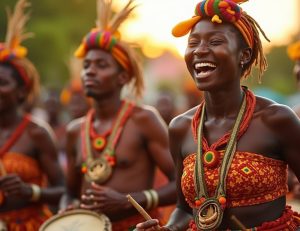
In Belize, the celebration of cultural heritage is a kaleidoscopic affair that reflects the country’s rich history and diverse populations. One of the most vital aspects of this celebration lies in public festivals and traditions that not only honor the past but also embrace the vibrant cultures derived from it. The spirit of resilience flows through events like Garifuna Settlement Day, celebrated every November 19th. This annual festivity commemorates the arrival of the Garifuna people in Belize and showcases their lively traditions, including music, dance, and traditional cuisine. An immersive experience for both locals and visitors, it serves as a reminder of the contributions of Afro-Belizeans to the national tapestry.Throughout the year, numerous cultural events highlight Belize’s multicultural identity. The Lobster Festival, for instance, draws food lovers to the coastal towns for a weekend of culinary delights, blending Creole, Maya, and Garifuna flavors. Visitors can indulge in various lobster dishes, participate in cooking competitions, and enjoy live music, offering a full immersion into the local lifestyle and communal spirit. Additionally, festive parades, filled with rhythmic drumbeats and colorful costumes, take to the streets during these occasions, embodying the unity and history of the people.The arts play a crucial role in preserving Belize’s history and passing it down through generations. Local artists and musicians actively engage with the themes of struggle, identity, and cultural pride in their works. Traditional forms like Punta dance and paranda music celebrate not only the richness but also the resilience of the Belizean spirit. They offer a platform for storytelling that honors the memories of those who suffered under slavery, while simultaneously empowering current generations to express their identities boldly.Moreover, educational programs and guided tours focusing on historical sites deepen the understanding of Belize’s complex past. Institutions and community groups frequently organize workshops, encouraging participation in discussions about heritage and ongoing social justice movements. This holistic approach ensures that celebrations maintain relevance, sparking dialogues on how the historical context of slavery continues to shape the nation today.In experiencing Belizean culture, travelers will discover an inviting spirit that welcomes those keen to learn and engage. By exploring the country’s festivals, arts, and community initiatives, visitors can gain a profound appreciation for a society that finds strength and beauty in its intricate past, embracing the lessons learned while looking forward to a more vibrant future.FAQ
Q: What was the impact of slavery on Belizean culture? A: Slavery significantly shaped Belizean culture, influencing music, dance, cuisine, and language. The Creole culture, a blend of African and British influences, emerged from this tumultuous history, enriching Belize’s cultural identity. You can explore these influences further in the section on “Cultural Influences” in related articles.Q: How did the transatlantic slave trade affect Belize? A: The transatlantic slave trade positioned Belize as a key location for the harvesting of natural resources, particularly logwood. This influx of enslaved Africans not only contributed labor but also introduced diverse cultural practices that are fundamental to Belizean identity today, as outlined in “Belize’s Role in the Transatlantic Slave Trade.”Q: When did slavery end in Belize? A: Slavery in Belize officially ended on August 1, 1838, following the Slavery Abolition Act of 1833. The effects of this emancipation and the transition to a free society are discussed in more detail in the “Aftermath of Slavery” section.Q: What resources are available to learn about slavery in Belize? A: Numerous educational resources, such as books, documentaries, and local museums, provide insights into the history of slavery in Belize. The “Educational Resources” section offers a variety of recommended materials for further learning.Q: What were some prominent slave rebellions in Belize? A: Prominent slave rebellions, such as the 1832 uprising, showcased the resistance of enslaved individuals against their conditions. These events are crucial for understanding the struggle for freedom and are referenced in discussions about the legacy of slavery.Q: Why is it important to study the history of slavery in Belize? A: Studying the history of slavery in Belize is essential for understanding its lasting social and cultural impacts. It fosters awareness and acknowledgment of historical injustices, helping shape a more inclusive and informed Belizean identity.Q: How does contemporary Belize reflect on its history of slavery? A: Contemporary Belize engages with its history through cultural festivals, educational programs, and advocacy for social justice, reflecting on the legacy of slavery while celebrating its multicultural roots. This theme is explored in the “Contemporary Reflections” section.Q: Are there places in Belize that commemorate the history of slavery? A: Yes, several historical sites in Belize commemorate the history of slavery, including museums and monuments. Visiting these sites offers deeper insights into the social history and cultural memory of the nation, as noted in the “Prominent Sites of Historical Significance.”Insights and Conclusions
Understanding Belize’s complex history of slavery is critical to appreciating its vibrant cultural landscape today. By examining “Did Belize Have Slaves? Dark History & Cultural Impact,” you’ve unlocked insights into how past injustices shape present identities in this beautiful nation. To deepen your exploration, consider visiting related content on the cultural richness of Belize, including the diverse influences of Creole cuisine and the vibrancy of Garifuna music.Don’t stop here! Discover the breathtaking attractions of Belize, from the Great Blue Hole to the ancient Maya ruins. Sign up for our newsletter to receive the latest travel tips and updates, ensuring you’re well-prepared for your next adventure. If you’re curious about living in Belize, check out our section on expat insights and practical travel information to ease your journey. Every click on our site brings you closer to understanding and experiencing the true essence of Belize. Embrace the journey and keep exploring!Comprehensive Guide and In-Depth Analysis: Slavery In Belize
When exploring the details surrounding slavery in belize, understanding the practical, environmental, and cultural dynamics of Belize is essential for making informed travel or investment decisions. Belize stands out in Central America for its English-speaking heritage, British Common Law legal stability, and world-class ecotourism infrastructure.
Whether navigating mainland rainforest corridors, consulting local authorities, or exploring marine conservation zones along the Belize Barrier Reef, having verified, comprehensive information regarding slavery in belize ensures seamless execution.
| Key Evaluation Pillar | Standards & Conditions in Belize | Actionable Best Practices |
|---|---|---|
| Regional Specifics | Variations between northern districts, central cayes, and southern rainforests | Align plans with specific district infrastructure and seasonal weather |
| Regulatory & Legal Framework | Belize Tourism Board (BTB) regulations and national conservation laws | Always work with licensed local professionals and certified guides |
| Logistics & Practical Costs | Fixed 2:1 BZD-to-USD currency peg; accessible transport via air and water | Plan budget with cash buffer for remote destinations and transfers |
For visitors and residents alike, engaging with slavery in belize through authorized, sustainable practices contributes directly to local community development and the preservation of Belize’s pristine marine and terrestrial ecosystems.
Frequently Asked Questions: Slavery In Belize
Why is understanding slavery in belize important for Belize visitors?
It provides essential context for choosing the right regional destinations, understanding local pricing, and ensuring full compliance with environmental and tourism standards.
How do seasonal factors affect slavery in belize in Belize?
The dry season (December through May) offers calm seas and sunny weather, while the green season brings lower rates and lush jungle scenery.
Get our latest guides, news, and insights highlighted in your Google Search & AI Overviews.