How Belize Gained Its Independence: A Historical Overview
On September 21, 1981, Belize took its monumental step towards freedom, achieving independence from the United Kingdom and marking the end of over a century of colonial rule. This pivotal moment was not merely a formality; it was the culmination of years of struggle and negotiation against a backdrop of burgeoning nationalism throughout the Caribbean and Central America. The desire for self-determination resonated deeply with the Belizean people, fueled by a growing sense of identity and pride.The journey to independence was punctuated by key events that mobilized the population. The establishment of political organizations in the early 20th century laid the groundwork for collective action. Throughout the 1950s and 1960s, Belizeans increasingly articulated their aspirations for autonomy, engaging in protests and forming political parties, notably the People’s United Party (PUP). The 1964 constitution marked a significant stride, allowing for greater self-governance and an elected legislature, which further galvanized public support for full independence.As the 1970s unfolded, Belize’s road was marked by negotiations with colonial authorities. The push for self-governance culminated in 1981, when, amidst celebrations and a spirit of unity, Belize officially raised its flag of independence. The event was not only a celebration of sovereignty but also a reflection of the rich cultural tapestry of Belize, where the influence of Maya, Garifuna, Creole, and other communities merges into a unique national identity. This day continues to be commemorated annually, serving as a reminder of the strength and resilience that defined Belize’s path to independence-a journey recognized not just in historical terms, but as a lasting celebration of freedom and diversity in a vibrant nation.The Road to Independence: Key Events in Belize’s History
The journey to independence for Belize is not just a story of political change; it’s a rich narrative of cultural resilience and national identity. As the last country in Central America to emerge from colonial rule, Belize’s path to freedom was paved with pivotal moments that ignited a collective yearning for self-governance. From the early 20th century, Belizeans sought to assert their rights through the establishment of political organizations, laying the groundwork for a strong civil society that would demand greater autonomy.In the 1950s, the aspirations for independence began to coalesce into action. The formation of the People’s United Party (PUP) in 1950 marked a significant turning point as it became a vehicle for the nationalist movement. Protests erupted during this period, highlighting the public’s urgent call for reforms and self-determination. The 1964 constitution was a critical milestone, which introduced a new legislative framework that empowered locals and paved the way for broader political participation. This era not only galvanized the populace but also fostered unity among Belize’s diverse ethnic communities, including the Creole, Maya, and Garifuna, each of whom contributed to the national discourse surrounding independence.The road to full self-governance was characterized by intense negotiations between Belizean leaders and British authorities throughout the 1970s. These discussions were complicated by the geopolitical landscape of the region, as other Caribbean nations were also striving for independence. The culmination of these efforts came on September 21, 1981, in a ceremonial event that celebrated the raising of Belize’s flag. This was not merely a political achievement; it symbolized the collective spirit of a nation that had endured decades of colonial oversight and oppression. Independence was a momentous occasion that reinforced the cultural pride and unity among Belizeans, a sentiment that continues to resonate on Independence Day celebrations each year.As travelers explore Belize today, they will find that this historical struggle for independence has imbued the nation with a vibrant cultural legacy. The picturesque landscapes, from the stunning beaches of the Caribbean to the majestic ruins of ancient Maya cities, reflect a diverse heritage. The contemporary embrace of this rich history can be experienced first-hand during local festivals, culinary adventures featuring Creole dishes, and through the warm hospitality of its people. Whether you’re hiking through lush jungles or enjoying the rhythm of Garifuna music, the spirit of independence and cultural fusion is ever-present, inviting visitors to appreciate the beauty of Belize both in its past and in the vibrant life it offers today.
Understanding Belize’s Independence Day Celebrations
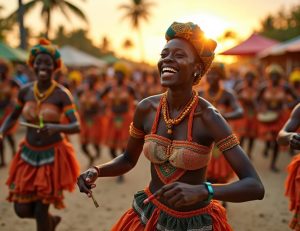
September 21st, a date etched in the heart of every Belizean, marks the day the nation celebrates its hard-won independence from British colonial rule in 1981. This vibrant day transforms towns and villages across the country into a kaleidoscope of parades, music, and heartfelt ceremonies, reflecting the collective joy and pride felt by the people. The atmosphere is electric, with the air filled with the sounds of marimba bands, the visual splendor of colorful costumes, and the captivating tastes of traditional Belizean dishes served at community gatherings.Celebrations officially begin the night before with a patriotic program known as “the Ceremonial Flag Raising.” This event gathers families and friends in the streets, illuminated by fireworks, as they witness the Belizean flag being hoisted high. At the stroke of midnight, the celebrations erupt into jubilant festivities, echoing the shared sentiments of unity and resilience. On the day itself, parades march through Belize City, featuring floats adorned with intricate designs representing various cultural heritages. Community groups, schools, and organizations participate, showcasing Belize’s diverse tapestry of cultures, including Garifuna, Maya, and Creole influences, all blending into a harmonious display of national pride.Local Celebrations
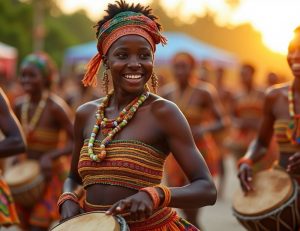
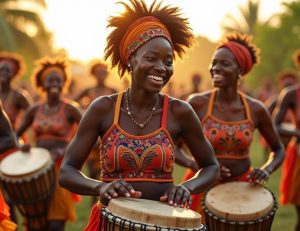
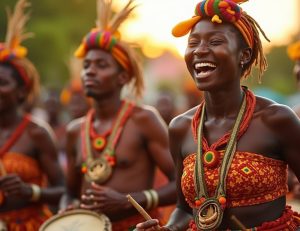
While Belize City hosts the grandest festivities, smaller towns and villages engage in their unique observances, each adding their regional flavor to the national celebration. For instance, in San Pedro, locals might combine their Independence Day festivities with seaside activities, showcasing their reverence for both independence and their beautiful surroundings. Artisans and vendors set up stalls offering local crafts, ensuring that every visitor leaves with a tangible piece of Belizean heritage.Moreover, no Independence Day celebration is complete without showcasing Belizean culinary delights. From the beloved dish of rice and beans to fresh seafood preparations, these flavors evoke memories of home and resilience. Street vendors line the thoroughfares, offering salsas, tamales, and other local delicacies that allow everyone to taste the flavors of freedom.In addition to culinary ventures, cultural performances and music play a pivotal role, as local dancers perform traditional Garifuna dances amid energetic drumming, and schoolchildren recite poetry reflecting their love for their nation. This joyous outpouring of talent not only entertains but also reinforces the historical significance of independence, linking past struggles with present-day celebrations.For travelers and expats, participating in Belize’s Independence Day festivities offers a unique opportunity to immerse in the nation’s rich cultural fabric, fostering connections with the local community while celebrating the spirit of freedom alongside Belizeans. Whether joining in the dance or savoring authentic local cuisine, visitors are welcomed into a vibrant mosaic of life that celebrates both the struggle for independence and the triumph that followed.As the sun sets and the celebrations continue, the echoes of laughter, music, and friendship ring out, encapsulating the essence of what it means to be Belizean. Each year, from the heartfelt reflections to the exuberant festivities, Belize’s Independence Day stands as a powerful reminder of the resilience, unity, and vibrant cultural identity that defines this beautiful Central American nation.
Cultural Impact of Independence on Belizean Identity
Belize’s independence from British colonial rule in 1981 was not merely a political transition; it marked a significant transformation in the cultural identity of the nation. With the lifting of colonial constraints, Belizeans began to embrace their diverse heritage, celebrating the rich tapestry of cultural influences that shape their identity today. Each year, on September 21st, the jubilant observances of Independence Day encapsulate this vibrant spirit-a day where the past infuses the present, allowing a collective narrative of resilience, pride, and oneness to flourish.The impact of independence resonates deeply within the arts, cuisine, and community practices of Belize. Traditional music genres like Garifuna music find their voice in the celebrations as drummers and dancers showcase their heritage, filling the air with energetic rhythms and heartfelt expressions. The fusion of music, dance, and storytelling brings to life the shared experiences of the people, reinforcing their commitment to preserving cultural traditions while highlighting the resilience that led to their freedom. This pulsating cultural heartbeat is not only a reflection of inner strength; it also invites travelers and locals alike to engage in the collective narrative.In the culinary realm, Belizean cuisine has evolved to represent a mosaic of flavors and culinary techniques that reflect the country’s multicultural influences. Dishes like rice and beans, tamales, and delicious seafood offerings tell the story of community and resilience, often shared over tables brimming with laughter and camaraderie during national celebrations. Food becomes a powerful medium for connection, enabling people to revisit their roots while welcoming new flavors and experiences, further enriching their culinary identity.Belize’s independence has also inspired a movement toward environmental stewardship and cultural pride, prompting citizens to celebrate their natural heritage alongside their diverse traditions. As they navigate the complexities of modernity, the people of Belize remain grounded in their identity-one that cherishes the land, honors its ancestors, and celebrates the unity born from diverse backgrounds. This cultural vitality, rooted in the experiences of struggle and triumph, stands as a testament to the strength of Belizean identity, luring adventurers and cultural enthusiasts alike to explore and partake in the narratives rich with history and pride.Belize’s Journey Since Independence: A Timeline of Progress
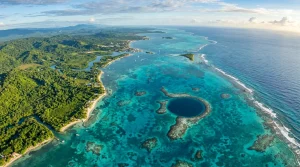
Since achieving independence on September 21, 1981, Belize has undergone a remarkable transformation, embracing its diverse culture and natural beauty. This Caribbean jewel, nestled between Mexico and Guatemala, has much to celebrate in its journey since liberation from colonial rule. The initial years post-independence were pivotal as the nation sought to establish its identity and governance framework.In the 1980s, Belize focused on developing its infrastructure and strengthening national unity. The government worked on improving education and healthcare systems, recognizing that progress in these areas was essential for fostering a strong, independent nation. By the early 1990s, Belize was making strides in economic growth, with tourism emerging as a significant sector due to its stunning landscapes and cultural offerings. The Great Blue Hole and the lush jungles, rich in biodiversity, became top destinations for travelers, attracting eco-tourism enthusiasts from around the globe.The turn of the millennium marked another milestone for Belize as it engaged in regional and global partnerships to promote sustainable development. The establishment of the Belize National Protected Areas System in 1998, aimed at conserving the nation’s rich natural resources, showcased the country’s commitment to ecological preservation and showcased its dedication to maintaining its biodiversity. By the 2010s, Belize had become known not only for its beautiful landscapes but also for its progressive tourism strategies, allowing visitors to enjoy the lush rainforests, pristine coral reefs, and rich Mayan history.Today, Belize continues to navigate its path, balancing tourism and environmental protection while promoting cultural heritage among its diverse ethnic groups. From the celebratory vibes during Independence Day to its colorful festivals, every aspect of Belizean life resonates with the spirit of resilience and progress. The country’s journey since independence reflects a vibrant tapestry of experiences, challenges, and achievements, making it an exquisite destination for those seeking adventure, culture, and nature in one place.The Role of Colonialism in Shaping Modern Belize
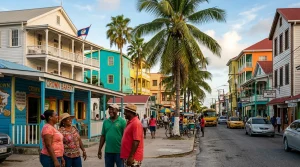
Colonialism has played a pivotal role in shaping the modern identity, culture, and socio-economic framework of Belize. Originally inhabited by the Maya civilization, the territory now known as Belize became a battleground for European powers during the 16th and 17th centuries, particularly the British and the Spanish. By the late 18th century, British settlers began establishing a presence, exploiting the region primarily for its logging resources. This colonial intrusion not only disrupted the existing societal structures but also initiated a complex blend of influences that would define Belize’s identity.As British Honduras, the territory faced significant demographic shifts due to colonial practices, including the importation of African slaves for labor on plantations. This mix of indigenous, African, and later, Caribbean cultures laid the groundwork for a rich tapestry of traditions that permeate Belizean society today. The Creole language, which is a testament to this blending, serves as a primary means of communication for many Belizeans, embodying the country’s multicultural essence. Food, music, and festivals reflect this heritage, showcasing a blend of flavors and rhythms from various cultural backgrounds, including Garifuna and Maya influences.Despite achieving independence on September 21, 1981, the vestiges of colonialism continue to impact Belize’s political and economic landscape. The nation grapples with the legacies of governance established during colonial times, which often favored a few at the expense of the many, perpetuating socio-economic disparities. However, Belize has made strides in decolonization, focusing on environmental stewardship and sustainable development as a means to reshape its economy. The establishment of protected areas and the promotion of eco-tourism not only serve as a counter to exploitation but also provide a pathway for Belize to reclaim its natural heritage and connect with its past.Moreover, the colonial experience has instilled a resilient spirit among Belizeans, fostering a strong sense of national pride and an eagerness to carve out a unique identity in the global arena. Today, the cultural richness derived from its colonial past continues to attract travelers. From the vibrant streets of Belize City to the ancient ruins of the Maya, visitors are invited to explore a land shaped by its history, where every aspect, from the local cuisine to the people’s stories, narrates a tale of resilience and transformation, offering a profound understanding of what it means to be Belizean in the modern world.Exploring the Political Landscape Post-Independence
The political landscape of Belize after gaining independence in 1981 has been a dynamic and evolving journey, marked by both challenges and triumphs. Belize transitioned from being a British colony, characterized by limited self-governance and significant external influence, to a sovereign nation striving to establish its identity and governance structures. The new government faced immediate tasks: addressing the legacies of colonialism, fostering national unity, and creating a constitution that would reflect the diverse voices of its citizens.From the outset, Belize adopted a parliamentary democracy, embodying a system that encourages public participation and representation. The first elections were held in 1984, introducing a competitive political environment where multiple parties, most notably the People’s United Party (PUP) and the United Democratic Party (UDP), emerged as key players. Political discourse often revolves around social equity, economic development, and environmental sustainability-a reflection of Belize’s rich cultural diversity and its commitment to preserving natural resources.Despite these strides, challenges such as economic dependence on key sectors like tourism and agriculture, as well as socio-economic disparities, continue to pose significant hurdles. The government has had to navigate complex relations with neighboring countries, especially concerning territorial disputes, including the long-standing claim by Guatemala over Belize’s territorial integrity. Nonetheless, Belizean leadership has prioritized diplomatic engagements, fostering cooperation in the region while championing its sovereignty on international platforms.Example initiatives, such as developing the country’s identity through cultural festivals and environmental awareness campaigns, reveal the government’s commitment to building a cohesive national identity. As Belize continues to develop, the political landscape remains a space for negotiation and dialogue, emphasizing the necessity for inclusive governance that amplifies the voices of all Belizeans, creating a vibrant tapestry that represents the nation’s collective aspirations.Belize’s Independence and Its Environmental Stewardship
In the lush jungles and serene coastlines of Belize, the story of environmental stewardship is intertwined with the country’s journey to independence. Following its liberation from British colonial rule in 1981, Belize emerged not just as a sovereign state, but as a champion of its natural heritage. This commitment to environmental protection reflects a unique understanding that a healthy ecosystem is vital for the nation’s identity, economy, and cultural traditions.Belize boasts an incredible biodiversity, home to vibrant coral reefs, lush rainforests, and the second largest barrier reef in the world-a UNESCO World Heritage Site. The nation’s independence coincided with a heightened awareness among its citizens about the importance of conserving their rich natural resources. This led to the enactment of various environmental laws and policies designed to combat degradation and promote sustainable development to benefit future generations. For instance, the introduction of the Environmental Protection Act has been pivotal in guiding effective environmental management practices while facilitating economic growth through eco-tourism.Furthermore, grassroots movements emerged, empowering local populations to take charge of their environmental destiny. Community-based conservation initiatives, such as those led by local NGOs, highlight how Belizeans are becoming stewards of their environment. These efforts not only focus on protecting wildlife and habitats but also involve educating younger generations about the value of biodiversity and sustainable practices. By involving local communities, Belize has fostered a sense of ownership and pride in its natural resources, reinforcing the intrinsic link between cultural identity and environmental health.Today, as Belize continues to navigate the challenges of globalization and development pressures, it stands firm in its resolve to balance progress with preservation. This commitment is not just about protecting beautiful landscapes but is also essential for safeguarding the livelihoods of its people, who depend on the land and sea for sustenance and cultural expression. From the bustling markets of Belize City to the tranquil beaches of Placencia, the spirit of environmental stewardship remains a core component of Belize’s national identity, making it a captivating destination for travelers seeking both adventure and a deeper connection to the land.Celebrating Diversity: The Multicultural Fabric of Belize
In the vibrant tapestry of Belize, a stunning showcase of cultural diversity unfolds, reflecting the country’s multifaceted heritage. This Caribbean nation is a melting pot where distinct cultures coalesce, resulting in a rich and colorful experience for both residents and visitors. Over the centuries, historical migrations and trade routes have introduced various ethnic groups, including the Maya, Mestizo, Creole, Garifuna, and East Indian communities, each contributing unique traditions, languages, and cuisines that enhance Belize’s identity.Visitors to Belize will find that this diversity is palpable in every aspect of life-from the sounds of Garifuna drumming echoing through the coastal towns to the tantalizing aroma of traditional dishes like rice and beans, stew chicken, and tamales wafting through open-air markets. The annual festivals, such as Carnival and the Garifuna Settlement Day, not only celebrate Belizean history but also provide a platform for showcasing folk music, dance, crafts, and storytelling, deepening the connection among its diverse populations. Engaging in these celebrations offers visitors a unique opportunity to experience the warm hospitality that Belizeans are famous for, while also learning about the cultural narratives that have shaped their society.Food lovers will be delighted to discover that Belizean cuisine is as diverse as its people. Meal options range from traditional Creole dishes to Yucatec flavors, showcasing Belize’s historical ties to Central America and the Caribbean. Whether dining at a local food stall or in an upscale restaurant, the menu often features fresh seafood, locally-sourced vegetables, and tropical fruits, all prepared with a twist that reflects individual cultural influences. Exploring the culinary landscape of Belize creates a rich and flavorful journey through its history.Accommodations are equally reflective of this multicultural environment, offering a wide range of options from cozy guesthouses run by local families to luxury resorts designed to provide immersive experiences in local culture. Here, travelers can engage with different communities, participate in workshops, or take guided tours led by locals, fostering a deeper understanding of Belize’s heritage. This focus on cultural exchange not only enriches the travel experience but sustains the local economy and strengthens community bonds, ensuring that the spirit of diversity continues to thrive in the heart of Belize.Embrace this enchanting diversity, as it is not just a characteristic of Belize but an integral part of its identity-a testament to resilience, unity, and the rich history that underpins this vibrant nation.Navigating Belize’s Independence in Global Context
When Belize emerged as an independent nation on September 21, 1981, it joined a unique global landscape shaped by centuries of colonial legacies and diverse cultural influences. Nestled between Mexico and Guatemala, Belize’s journey to independence offers a fascinating study of how the aspirations and challenges of one small nation resonate within broader international contexts, particularly in relation to other Caribbean and Central American countries that have navigated their own struggles for self-determination.Belize’s move towards independence was influenced by emerging global trends of decolonization following World War II. The waves of independence sweeping through Africa, the Caribbean, and parts of Asia inspired Belizeans to advocate for self-rule, leading to a culmination of efforts that gained momentum during the late 20th century. The British colonial administration’s eventual willingness to negotiate reflected a broader pattern of diminishing British imperial power, a factor that shaped not only Belize’s negotiations but also the political landscape of former colonies around the world.In the context of modern global challenges, Belize’s independence also underscores issues surrounding sovereignty, economic development, and environmental stewardship. The new nation faced immediate post-independence challenges such as establishing a stable government, economic reliance on tourism and agriculture, and addressing growing environmental concerns. Belize has since become a beacon for eco-tourism and biodiversity conservation, taking an active role in international environmental agreements, which showcases how a small nation can position itself as a leader in global environmental discourse while navigating its development path.As travelers explore Belize today, they encounter a land marked by its rich history and vibrant culture, which continue to evolve in response to both local needs and global influences. The celebrations of Independence Day each year are not merely commemorative; they serve as a poignant reminder of the country’s resilience and a unique synthesis of various cultural influences, including Creole, Maya, and Garifuna traditions. In a global context, Belize is a prime example of how a nation’s independence story can inspire collective identity and pride while also presenting lessons in collaboration and dialogue across diverse cultures and nations.In essence, understanding Belize’s journey to independence provides valuable insights into its distinct role within the global community today. As Belize continues to chart its course, it embodies a narrative of hope, resilience, and unity-an invitation for all to engage with its breathtaking landscapes, rich traditions, and ongoing evolution within the international arena.Lessons from Belize’s Independence Movement
Belize’s journey to independence is a testament to resilience, unity, and the power of grassroots movements. It teaches that in the face of colonial rule, a cohesive voice can emerge from diverse cultures, working toward a common goal of self-determination. Belizeans drew inspiration from global decolonization movements while simultaneously emphasizing their unique cultural identities, leading to a rich tapestry of advocacy that paved the way for their eventual independence on September 21, 1981.A key lesson from Belize’s independence struggle is the importance of dialogue and negotiation. Throughout their quest for self-governance, leaders and citizens alike understood that peaceful discussions-rather than violent resistance-were essential. This approach not only garnered local support but also attracted international attention, illustrating how diplomatic engagement can effectively challenge colonial powers. The willingness of the British government to negotiate in the late 20th century reflected the changing tides of global politics and the diminishing influence of traditional imperialism.Furthermore, the independence movement highlighted the significance of national identity in uniting a populace. Belizeans embraced their rich cultural heritage, which includes influences from Creole, Maya, and Garifuna communities, among others. This celebration of diversity helped foster a sense of belonging and pride, emphasizing that embracing multiple identities can strengthen collective purpose. Today, this cultural richness is evident in Belize’s vibrant traditions, music, and cuisine, making it a significant draw for travelers seeking authentic experiences.Lastly, the post-independence era illuminates the ongoing challenges faced by emerging nations, particularly in areas like governance, economic development, and environmental stewardship. Belize’s experiences underscore the necessity for sustainable practices and robust governance structures to ensure long-term stability and progress. This provides a valuable lesson for other nations striving for independence or navigating their post-colonial paths: the journey does not end with independence; the real work lies in building a resilient society that champions sustainability and inclusivity. By learning from Belize, other countries can find inspiration in its vibrant community and commitment to preserving its natural beauty while fostering a strong national identity.What Independence Means for Belize Today: Challenges and Achievements
The independence of Belize in 1981 marked not just a historic moment in the lives of its citizens, but also paved the way towards an ongoing journey filled with rich cultural heritage, environmental stewardship, and socio-economic challenges. Today, Belizeans celebrate their independence not just as a political achievement, but as a foundation for forging a distinct national identity, continually evolving in the face of modern challenges while embracing their diverse roots.Among the greatest challenges post-independence is maintaining political stability and governance. As a small nation, Belize often grapples with the pressures of global economics and local governance issues. Corruption and ineffective political systems have at times undermined public trust, but many Belizeans have taken proactive steps to foster transparency and community involvement. Engaging the youth in political processes and promoting active citizenship are critical strategies implemented to ensure governmental accountability and foster a brighter future.Economically, Belize’s reliance on tourism, agriculture, and fishing presents both opportunities and hurdles. A booming eco-tourism sector harnesses the natural beauty of destinations like the Great Blue Hole and the lush jungles, drawing travelers keen to experience Belize’s unique environment. However, challenges such as climate change threaten these vital resources, making it essential for the government and citizens to prioritize sustainable practices. Organizations and local initiatives focus on conservation efforts to protect marine and terrestrial ecosystems, balancing economic growth with environmental advocacy.Culturally, the achievements since independence have fostered a vibrant identity proudly woven from its diverse ethnic backgrounds. Festivals celebrating Creole, Maya, and Garifuna cultures showcase this rich tapestry, captivating visitors with colorful displays of music, dance, and culinary experiences. The importance of preserving and promoting these cultural heritages plays a significant role in Belize’s societal cohesion and national pride, ensuring that every Belizean has a place in the country’s story.In navigating global context, Belize stands as both a participant and a leader among small nations advocating for sustainable development and resilience against external pressures. By drawing on the lessons learned from their path to independence, Belize is not only fostering a strong national identity but also proudly positioning itself as a beacon of hope and progress in a complex world. Through shared challenges and collective achievements, the spirit of unity and resilience in Belize continues to inspire its journey forward.FAQ
Q: When did Belize gain independence? A: Belize gained independence on September 21, 1981, after being known as British Honduras. This day is now celebrated annually as Belize Independence Day, marking a significant moment in the country’s history.Q: How old will Belize be in 2025? A: In 2025, Belize will be 44 years old, having gained independence in 1981. This milestone will be celebrated during the annual Independence Day festivities on September 21.Q: What led to Belize’s independence from Britain? A: Belize’s path to independence involved several key events, including the rise of nationalist movements, constitutional reforms, and negotiations with the British government. These efforts culminated in the official independence in 1981.Q: Why is Belize’s Independence Day important? A: Independence Day is vital as it symbolizes national pride, freedom, and the struggle for self-determination. Celebrations include parades, musical performances, and cultural events that reflect Belize’s diverse heritage.Q: What are the main celebrations for Belize’s Independence Day? A: Celebrations for Belize’s Independence Day include colorful parades, cultural performances, fireworks, and various community activities that emphasize national pride and unity. These festivities showcase Belizean culture and heritage.Q: How has Belize changed since independence? A: Since independence, Belize has made significant progress in political, economic, and social aspects. The country continues to develop its tourism sector, strengthen its democracy, and address environmental challenges.Q: What is the cultural impact of independence on Belize? A: Independence has fostered a strong sense of national identity and unity among Belizeans. It has allowed for the celebration of cultural diversity, strengthening the country’s unique cultural heritage reflected in festivals and national events.Q: What challenges has Belize faced since gaining independence? A: Since gaining independence, Belize has faced various challenges, including economic dependency, environmental concerns, and political stability. However, the nation continues to strive toward sustainable development and social progress.Insights and Conclusions
As we’ve explored the rich history of Belize’s independence, it’s clear that this beautiful nation is more than just its past-it’s a vibrant tapestry of cultures, stunning landscapes, and unique experiences waiting for you. Want to dive deeper into Belize’s magic? Check out our guides on the Great Blue Hole, Maya ruins, and best local accommodations to make your trip unforgettable. Plus, don’t miss our tips on navigating Belize like a pro, tailored for diverse travelers, including families and solo adventurers.If you’ve enjoyed this journey through Belize’s history, please like, share, and leave a comment below with your thoughts or questions. For ongoing stories and tips, sign up for our newsletter to stay updated with the latest travel insights. Adventure awaits-let’s uncover more of what this stunning destination has to offer together!Comprehensive Guide and In-Depth Analysis: How Old Is Belize
When exploring the details surrounding how old is belize, understanding the practical, environmental, and cultural dynamics of Belize is essential for making informed travel or investment decisions. Belize stands out in Central America for its English-speaking heritage, British Common Law legal stability, and world-class ecotourism infrastructure.
Whether navigating mainland rainforest corridors, consulting local authorities, or exploring marine conservation zones along the Belize Barrier Reef, having verified, comprehensive information regarding how old is belize ensures seamless execution.
| Key Evaluation Pillar | Standards & Conditions in Belize | Actionable Best Practices |
|---|---|---|
| Regional Specifics | Variations between northern districts, central cayes, and southern rainforests | Align plans with specific district infrastructure and seasonal weather |
| Regulatory & Legal Framework | Belize Tourism Board (BTB) regulations and national conservation laws | Always work with licensed local professionals and certified guides |
| Logistics & Practical Costs | Fixed 2:1 BZD-to-USD currency peg; accessible transport via air and water | Plan budget with cash buffer for remote destinations and transfers |
For visitors and residents alike, engaging with how old is belize through authorized, sustainable practices contributes directly to local community development and the preservation of Belize’s pristine marine and terrestrial ecosystems.
Frequently Asked Questions: How Old Is Belize
Why is understanding how old is belize important for Belize visitors?
It provides essential context for choosing the right regional destinations, understanding local pricing, and ensuring full compliance with environmental and tourism standards.
How do seasonal factors affect how old is belize in Belize?
The dry season (December through May) offers calm seas and sunny weather, while the green season brings lower rates and lush jungle scenery.
Get our latest guides, news, and insights highlighted in your Google Search & AI Overviews.