Is Belize a Territory of the United States? Understanding the Basics
Belize, a gem nestled in the heart of Central America, offers breathtaking natural beauty and rich cultural heritage, but many are often confused about its political status, especially in relation to the United States. It’s essential to clarify that Belize is not a territory of the United States; it is a sovereign nation. This vibrant country, which gained independence from British colonial rule in 1981, has its own government, legal system, and constitution, reflecting the desire of its people to define their own future.The historical context reveals that Belize, formerly known as British Honduras, was a British colony. Over the years, the call for independence grew stronger, fueled by a burgeoning sense of nationalism and the distinct cultural identity of the Belizean people. Today, Belize’s government operates independently, making decisions that reflect the interests and values of its citizens, not those of any foreign power.Despite its independence, Belize maintains a close relationship with the United States, and this is often mistaken for territorial affiliation. The ties between the two countries are strengthened by economic partnerships, cultural exchanges, and tourism. American citizens frequently visit Belize for its scenic beaches and ancient Maya ruins, nurturing a symbiotic relationship that, while beneficial, does not change Belize’s sovereignty. This interplay between independence and partnership is a key element of Belize’s identity on the global stage.In essence, while Belize can undoubtedly enjoy the advantages of a close association with the U.S., its status as an independent nation of great natural wealth and cultural vibrancy distinguishes it firmly from being a territory of the United States. Travelers and prospective expats alike are invited to explore these distinctive characteristics as they engage with the warm hospitality and unique offerings of Belize.
Historical Context of Belize’s Political Status
Belize’s journey to political sovereignty is a rich tapestry woven from centuries of colonial legacy, vibrant cultural evolution, and the enduring spirit of its people. Originally known as British Honduras, the territory was shaped by its colonial history, with British influences evident in everything from its legal system to its cultural practices. The quest for self-governance gained momentum in the mid-20th century, as nationalist sentiments surged among the Belizean populace. Political movements emerged, fueled by a desire for independence and a need to assert a distinct cultural identity separate from colonial rule.The 1970s marked a turning point; the push for independence became a rallying cry. Belizeans, united by a sense of national pride, participated in various campaigns and dialogues promoting self-rule. The culmination of these efforts came on September 21, 1981, when Belize officially gained independence from Britain. This pivotal moment was not just a transfer of power but a vibrant assertion of national identity that resonated deeply within the heart of the country.In the backdrop of this political transition, the relationship between Belize and the United States has developed into a complex yet mutually beneficial alliance. Although Belize is a sovereign nation, its proximity to the U.S. and shared values have fostered strong economic ties and cultural exchanges. American tourists flock to Belize’s pristine beaches, lush jungles, and ancient Mayan ruins, not only contributing to the local economy but also reinforcing the cultural fabric that distinguishes this beautiful country.Belize’s independence reflects more than a simple break from colonialism; it represents the realization of a unique national identity embraced by its people. Today, Belizeans celebrate their diverse heritage, from Creole and Maya traditions to Garifuna music and vibrant festivals that illuminate their cultural landscape. This rich blend of histories and influences defines Belize’s position not as a territory of the United States but as a proud, independent nation with an exciting future in the Caribbean and global community.The Relationship Between Belize and the US
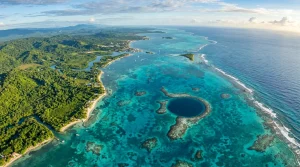
The vibrant relationship between Belize and the United States is as dynamic as the lush jungles and turquoise waters that define this Central American jewel. Despite its complete independence, Belize does share significant historical, cultural, and economic ties with the U.S., shaped by proximity as much as by mutual interests. American tourists flock to Belizean shores, drawn by pristine beaches like Placencia, educational opportunities to explore the ancient Mayan ruins of San Ignacio, and the stunning natural wonder of the Great Blue Hole. Such tourism not only boosts Belize’s economy but also fosters cultural exchanges that enrich both nations.The U.S. has been a key partner in Belize’s development, underlying various cooperative initiatives in sectors such as education, health, and national security. Through programs aimed at bolstering regional stability, the U.S. supports Belize’s law enforcement and anti-drug efforts, recognizing the unique challenges faced by this small nation. However, this partnership is about more than just strategic interests; it also reflects shared values, emphasizing democracy, human rights, and economic opportunity. High-profile visits from U.S. officials underscore a commitment to maintaining a positive and productive relational framework.Belize’s cultural fabric is further woven together with American influences, particularly through music, cuisine, and liveliness seen during annual festivals. Events like the Belize Carnival grab the spotlight, showcasing a rich tapestry of Central American and Caribbean traditions, while simultaneously celebrating shared cultural threads. Expat communities, including many from the U.S., contribute to this cultural crossover, enhancing local life and tourism experiences, thus making Belize a vibrant melting pot for diverse visitors.In conclusion, Belize stands as a sovereign nation, firmly independent yet intricately linked to the United States through historical ties, cultural exchanges, and economic partnerships. This relationship illustrates a mutual respect and collaboration that not only benefits both countries but also enhances the welcoming spirit of Belize for travelers and expats alike. The stunning landscapes and rich cultural experiences await those who choose to explore this remarkable destination, reaffirming Belize’s unique identity on the Caribbean stage.
Belize’s Sovereignty: More Than a Territory
Belize stands as a beacon of sovereignty in Central America, a vibrant country where lush jungles meet the sparkling Caribbean Sea. Independence, secured in 1981, transformed Belize from British colonial rule to self-governance, allowing it to flourish as a unique nation with rich cultural and ecological diversity. This status is not merely a title; it embodies the spirit of resilience and identity that permeates every aspect of Belizean life.Imagine stepping into a world where ancient Mayan ruins whisper stories of the past while colorful markets buzz with the lively exchanges of local traditions and creole flavors. Belize is profoundly more than a geographical location; it’s a thriving society with its own distinct government, laws, and cultural practices. The capital city of Belmopan and the coastal town of Belize City serve as epicenters of this independent nation, welcoming visitors into a tapestry of experiences that range from exploring the Great Blue Hole to savoring Garifuna drums in vibrant celebrations like the San Pedro Lobster Festival.The sovereignty of Belize is also pivotal in preserving its natural wonders and biodiversity. As home to the second-largest barrier reef in the world, Belize actively participates in conservation efforts and sustainable tourism initiatives to protect these invaluable resources. By engaging with locals and participating in eco-tourism, visitors can contribute positively to the preservation efforts while enjoying unforgettable experiences, such as snorkeling with majestic whale sharks or hiking through the lush rainforests teeming with wildlife.Understanding Belize’s independence is crucial for anyone considering a visit or a potential move to this Caribbean paradise. The legal framework and political landscape allow for a relatively stable environment, with a welcoming attitude towards expatriates. This makes it easier for newcomers to integrate into the society while also enjoying the myriad of adventures that Belize has to offer-whether exploring the ancient Mayan cities nestled in the jungle or relaxing on the serene beaches. For those contemplating this vibrant nation, Belize presents an opportunity not only to travel but to embrace a culture full of history, passion, and the spirit of independence.Cultural and Political Identity of Belize
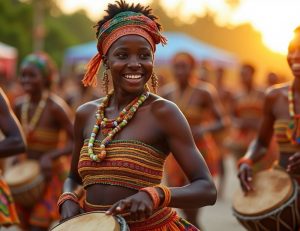
Belizean culture is a rich tapestry woven from its diverse history, ethnic backgrounds, and traditions, all contributing to a vibrant national identity that stands distinct yet interconnected with its Caribbean neighbors. A fascinating blend of influences – from the indigenous Maya and Garifuna to the Creole, Mennonite, and various immigrant communities – creates a unique cultural landscape. The nation’s cultural events, such as the lively Garifuna Settlement Day and the colorful Carnival, showcase this diversity, where local music, dance, and art flourish in an atmosphere of communal celebration.Politically, Belize’s identity has also been shaped by its historical journey from a British colony to the independent nation it is today. Gaining independence on September 21, 1981, marked a crucial turning point, solidifying its status as a sovereign state complete with its own political systems and governance structures. This evening of change laid the foundation for a Belizean identity that emphasizes national pride and unity, particularly evident through its official celebrations and civic engagement. Belizean citizens enjoy a parliamentary democracy, reflecting a commitment to both local and international governance, alongside active participation in regional organizations like CARICOM (Caribbean Community).Understanding the interplay between Belize’s cultural richness and political identity is crucial for anyone looking to experience the country, whether as a visitor or a potential resident. The nation’s open and welcoming atmosphere encourages exploration: from the ancient Maya ruins tangled in jungle vines to the rhythmic beats of Garifuna drumming echoing in vibrant coastal towns. Travelers to Belize can immerse themselves in this delicate balance between tradition and modernity, often finding local communities engaged in efforts to preserve their heritage while adapting to contemporary challenges. Engaging with residents through ecotourism or community-based initiatives not only enriches the travel experience but also helps support the sustainability of Belize’s cultural identity amid globalization and environmental concerns.Ultimately, Belize is more than a collection of beautiful landscapes and cultural artifacts; it is a living narrative, continually shaped by its people and their experiences. This dynamic interaction between Belize’s cultural and political identities fosters a sense of belonging and community, inviting individuals from all walks of life to be part of its ongoing story.Belize in the Greater Caribbean Context
In the vibrant mosaic of the Caribbean, Belize emerges not just as a geographical location but as a key player within the broader regional dynamics. Nestled between Mexico and Guatemala, this Central American gem plays a distinctive role in Caribbean politics, culture, and ecology. With its English-speaking population, colonial history, and lush biodiversity, Belize stands out as an enchanting destination that offers travelers a rich tapestry of experiences, all while asserting its independence and sovereignty from larger powers.When considering Belize within the greater Caribbean context, its affiliation with regional organizations like CARICOM (Caribbean Community) is pivotal. This membership allows Belize to engage in cooperative economic initiatives, cultural exchanges, and mutual defense agreements that enhance its regional stature. The nation leverages its unique cultural heritage, which is a blend of Maya, Garifuna, and Creole influences, to foster connections with neighboring Caribbean nations and highlight its unique identity. Annual celebrations, such as the Fiesta de la Cruz and the Belize Carnival, serve as perfect illustrations of this cultural richness, pulling in both locals and international audiences eager to experience the fusion of music, dance, and culinary delights.Belize’s ecological wealth, highlighted by attractions such as the Great Blue Hole and the vast rainforests teeming with tropical wildlife, positions it as a leading destination for eco-tourism. This not only contributes to the national economy but also aligns with the Caribbean’s larger environmental goals, focusing on sustainability and conservation. Travelers will find Belize’s commitment to protecting its natural resources a compelling reason to visit, whether through guided eco-tours to the stunning barrier reef or through journeys into pristine national parks like Cockscomb Basin, known for its jaguar sanctuary.As Belize forges its path among its Caribbean neighbors, it faces contemporary challenges, including climate change and economic dependency. Yet, these challenges also present opportunities for growth and collaboration. Across the region, Belize’s efforts to promote sustainable tourism, enhance its biodiversity, and maintain its cultural heritage resonate with a collective Caribbean ethos. This unique positioning allows Belize to not just contribute to, but also lead discussions among its Caribbean peers about the future of eco-sustainability and cultural preservation in an ever-evolving global landscape. Thus, a visit to Belize becomes not just a chance to explore its rich landscapes and cultural narratives, but an entry into a vibrant community that celebrates connection and resilience amidst diversity.Misconceptions About Belize’s Territorial Status
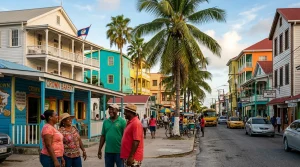
In the vibrant cultural landscape of Central America, misconceptions about Belize’s political status often swirl like the colorful textiles found in its markets. Many people mistakenly believe that Belize is a territory of the United States, primarily due to its English-speaking population and historical ties. However, this belief overlooks Belize’s rich history of independence and its status as a sovereign nation. Since gaining independence from Britain in 1981, Belize has operated as a fully autonomous country. It is a member of various international organizations, including the United Nations and the Caribbean Community (CARICOM), asserting its presence as an independent state.To further clarify, Belize’s relationship with the United States is primarily one of partnership rather than ownership. While the U.S. plays a crucial role in Belize’s economy and security-cooperating on various fronts including tourism and trade-this cooperation should not be conflated with territorial governance. The U.S. influence is significant yet respectful of Belize’s autonomy, marked by cultural exchanges rather than colonial control. Belizeans proudly assert their identity and distinct cultural heritage, which is a blend of Mayan, Creole, and Garifuna influences, setting them apart from any notion of being a U.S. territory.Despite these clarifications, some still associate Belize with a more general misunderstanding of Caribbean nations as extensions of larger, powerful neighbors. This is particularly common in discussions about immigration and the tourism industry, where the influence of the U.S. may cause some to perceive Belize as merely an echo of American culture. In reality, visitors to Belize are greeted with an extraordinary display of unique traditions, from vibrant festivals to savory Creole dishes, which embodies a rich heritage that thrives independently of any larger power.The drive to dispel these common misconceptions is essential, not just for understanding Belize’s political status, but for appreciating its diverse culture and stunning natural beauty. Whether exploring the lush jungles home to exotic wildlife or diving in the crystal-clear waters of the Great Blue Hole, it becomes evident that Belize is not just a beautiful destination but a proud nation, eager to share its story and showcase its resilient spirit. Understanding Belize as an independent country enriches the experience for travelers and fosters respect for its national identity and sovereignty.The Impact of US Policies on Belize
In a region where vibrant cultures collide and natural wonders abound, Belize’s political relationship with the United States is intricately woven into the fabric of its history and contemporary dynamics. For many locals and travelers alike, understanding how U.S. policies influence Belize is pivotal to grasping the nuances of life in this stunning Central American nation. From aid and trade agreements to tourism development, the interplay between the two nations reflects a tapestry of mutual interests and shared challenges.Economic Assistance and DevelopmentAt the heart of the U.S.-Belize relationship is economic assistance, which plays a critical role in supporting Belize’s development goals. The U.S. provides financial aid for various sectors, including education, health, and infrastructure. This support is not just a matter of goodwill; it is often tied to broader geopolitical interests. For example, U.S. investments in Belize’s eco-tourism sector aim to protect the environment while enhancing economic opportunities for its citizens. As travelers marvel at the breathtaking beauty of the Great Blue Hole or explore ancient Mayan ruins, they are witnessing the positive impact of these partnerships firsthand.Security Cooperation
Security is another significant area where U.S. policies intersect with Belize’s welfare. With shared concerns about transnational crime and drug trafficking, the collaboration between U.S. and Belizean law enforcement agencies has led to enhanced training and resources for local forces. This partnership is increasingly vital as Belize strives to maintain its peace and stability. For visitors, this focus on security translates to a safer travel experience, allowing them to explore the lush jungles and pristine beaches with confidence.Tourism and Cultural Exchange
The influence of U.S. tourism is palpable throughout Belize, with Americans making up a substantial portion of international visitors. As tourists flock to admire the Belize Barrier Reef or engage with local cultures, they contribute significantly to the local economy. This influx stimulates job creation and supports local artisans and businesses, which thrive on the rich cultural heritage that Belizeans are eager to share. The vibrant Creole cuisine, highlighted during annual festivals, showcases how American and Belizean cultures have coalesced, enriching both communities.In summary, the impact of U.S. policies on Belize is multifaceted, reaching into every corner of society, from economic assistance and security collaboration to cultural exchanges and tourism development. The ongoing relationship underscores the resilience and independence of Belize while illustrating how global partnerships can foster mutual growth and understanding. As adventurers embark on their journeys through this beautiful nation, they also partake in a larger narrative of cooperation and cultural exchange that defines Belize’s identity on the international stage.
Legal Implications of Belizean Independence
Belize’s journey to independence is a captivating tale woven into the broader tapestry of its heritage, culture, and politics. Since gaining independence from the United Kingdom in 1981, Belize has navigated numerous legal implications that define its current political status and international relationships. Unlike a territory of the United States, Belize is a sovereign nation, which carries distinct legal rights and responsibilities that impact everything from its constitution to its diplomatic engagements.Belize’s legal autonomy is grounded in its constitution, enacted at independence, which establishes the framework for governance and the protection of civil liberties. This legal structure empowers Belize to engage independently in international law, trade agreements, and foreign policy initiatives. As a member of the Commonwealth of Nations and the Caribbean Community (CARICOM), Belize actively participates in multilateral organizations that further its interests and cultivate relationships both regionally and globally. These legal frameworks provide Belize the flexibility to establish partnerships, such as developmental aid agreements or trade deals, allowing it to benefit from international support while preserving its sovereignty.Moreover, Belize’s independence leads to significant legal distinctions in matters of governance and human rights. The nation is responsible for its own laws regarding investments, environmental protection, and labor standards, distinguishing it from U.S. territories where federal laws might apply directly. For potential ex-pats or investors, understanding these legal landscapes means recognizing the unique opportunities and responsibilities that come with engaging in Belizean society. Government policies that support eco-tourism, community projects, and cultural preservation showcase Belize’s commitment to sustainable development and cultural identity.Understanding the legal implications of Belize’s independence is essential for anyone looking to explore this diverse nation, whether they are tourists, potential residents, or investors. With its formidable legal standing, Belize is well-positioned to forge a path that bridges its rich historical past with the vibrant prospects of its future, painting a dynamic picture of resilience and independence in the heart of Central America.Tourism and International Relations in Belize
The allure of Belize extends far beyond its stunning coastline and vibrant culture; it is also shaped significantly by its tourism industry and international relations. Positioned as a gateway to the Caribbean and Central America, Belize enjoys a unique geopolitical status that enhances its attractiveness to global travelers. The country’s commitment to eco-tourism-highlighted by initiatives that promote sustainable practices-living harmoniously with its rich biodiversity and the local communities showcases its potential as a leading destination for conscious travelers.Belize’s diverse landscapes offer a multitude of experiences, from the breathtaking Great Blue Hole to the ancient Maya ruins nestled in the jungles. Visitors can embark on adventures such as snorkeling, diving, and exploring nature reserves teeming with wildlife. The cultural richness is equally captivating, with festivals celebrating Garifuna music and Creole cuisine drawing tourists eager to engage with local traditions. The personal touch of small, family-owned accommodations ranging from budget hostels to luxurious jungle lodges enhances the appeal, as travelers find themselves immersed in genuine Belizean hospitality.Practical Travel Information
When planning a visit to Belize, travelers should note essential information regarding visas, transportation, and health. Most visitors can enter without a visa for stays of up to 30 days, though visa requirements may vary based on nationality. Public transportation options like buses and water taxis provide convenient access to various destinations, while rental cars are available for those wishing to explore at their own pace.In terms of currency, the Belize dollar (BZD) is the official currency, and understanding its value in comparison to US dollars can be beneficial as many businesses accept both. Health precautions include being up to date on vaccinations, and travelers are encouraged to consider travel insurance for peace of mind. Regarding accessibility, Belize is welcoming to diverse travelers, including solo female explorers and LGBTQ+ visitors, making it a safe space to experience its charm.Building International Relationships
Tourism plays a pivotal role not just in Belize’s economy but also in shaping its international relationships. As Belize collaborates with other nations through tourism, it bolsters ties with countries interested in sustainable practices and cultural exchanges. The government’s participation in international tourism fairs and its membership in various tourism organizations further establish Belize’s reputation as a must-visit destination, opening doors for economic partnerships that promote cultural exchange and community development.In essence, the intricate tapestry of Belize’s tourism industry and its diplomatic engagements paints a vibrant picture of a nation poised to thrive on the global stage. As travelers immerse themselves in the natural wonders and cultural richness of Belize, they contribute to a sustainable future that honors local traditions while fostering international goodwill and collaboration.Current Events Shaping Belize’s Political Landscape
The political landscape of Belize is currently experiencing significant shifts, primarily driven by recent elections, economic factors, and the influence of international relations. This small Central American nation has a unique position that affects its governance, autonomy, and interaction with larger powers, particularly the United States. For instance, the outcomes of the 2020 general elections led to a new government that has focused on addressing pressing issues such as crime, healthcare, and education reform. These challenges are interconnected with Belize’s political identity and its desire to maintain sovereignty while fostering relationships that could bolster its economy.In recent months, the impact of climate change and environmental policies has taken center stage in Belize’s political discourse. As a nation rich in biodiversity and natural beauty, Belize is particularly vulnerable to weather extremes such as hurricanes and flooding. The government has initiated strategies not only to combat these effects but also to promote sustainable practices that align with international environmental standards. These efforts are crucial in securing both aid and investment from foreign partners, including the U.S., thereby reducing dependency while enhancing cooperation in areas like eco-tourism and conservation.Moreover, Belize’s political dynamics are also shaped by its relationship with neighboring countries and regional organizations. The Caribbean Community (CARICOM) plays a pivotal role in Belize’s economic and political engagements, influencing policies related to trade, security, and shared resources. This is particularly relevant as Belize seeks to position itself as a voice for smaller nations in regional forums, amplifying their challenges and advocating for collective solutions.As the global landscape continues to evolve, Belize’s leaders are navigating complexities that come with its geographic positioning and cultural identity. The nation strives to reinforce its sovereignty amid misconceptions about its reliance on the U.S. and other nations. By cultivating a distinct national narrative intertwined with its rich heritage and commitment to sustainability, Belize is forging a path that celebrates its autonomy while engaging positively on the international stage.Future Prospects: Belize’s Role in International Affairs
Belize, a gem tucked away in the heart of Central America, is poised to play a significant role in international affairs as it navigates its unique political landscape and cultural identity. Positioned between the Caribbean Sea and the lush jungles, this nation is not only rich in natural beauty but also in cultural diversity, making it an attractive partner on the global stage. As Belize steps forward into the future, its strategic initiatives and relationships will define its international presence.One of the key factors shaping Belize’s international role is its commitment to sustainable development and environmental conservation. With initiatives directed towards protecting its diverse ecosystems, such as the Great Blue Hole and the extensive barrier reef, Belize is positioning itself as a leader in eco-tourism and environmental advocacy. The government actively participates in international discussions on climate change, aiming to set an example for smaller nations facing similar challenges. Belize’s dedication to preserving its natural resources not only draws tourists but also garners attention and support from global environmental organizations and neighboring countries, highlighting its importance as a regional steward for biodiversity.Belize’s cultural richness, displayed through its vibrant festivals, delicious cuisine, and unique traditions, further enhances its appeal in international circles. The nation celebrates a mix of influences from the Maya civilization, Creole heritage, and Garifuna culture, creating an inviting atmosphere for visitors and international collaborators alike. As Belize continues to foster relationships with countries in the Caribbean Community (CARICOM) and beyond, it serves as a cultural ambassador, showcasing its diverse heritage while promoting understanding and cooperation among nations.Strengthening Diplomatic Ties
The future of Belize in international affairs will also be characterized by its efforts to strengthen diplomatic ties, especially with the United States. As misconceptions about its status remain, Belize is actively working to clarify its sovereignty while nurturing mutually beneficial partnerships. This relationship is crucial for Belize’s access to trade, investment, and development assistance, allowing it to enhance its economic stability. Engaging in dialogues on issues such as security, migration, and economic cooperation will be essential as Belize seeks to assert its place in the international community while staying true to its identity.Promoting Belize as a premier travel destination will also be at the forefront of its international strategy. With world-renowned attractions-from the pristine beaches of Ambergris Caye to the historical Maya ruins of Tikal-Belize aims to attract tourists and investors, diversifying its economy and reducing dependence on traditional industries. Expanding its tourism sector not only supports local communities but also enhances Belize’s visibility on the global stage, making it a sought-after locale for adventurous travelers and expats alike.As Belize moves forward, its future role in international affairs will hinge on effectively leveraging its unique strengths, forging strategic partnerships, and embracing sustainable practices that celebrate its rich heritage and diverse ecosystems. With a clear focus on diplomacy and culture, Belize is poised to emerge as an influential player that showcases the beauty and potential of small nations.FAQ
Q: Is Belize an unincorporated territory of the United States? A: No, Belize is not an unincorporated territory of the United States. It is an independent country located in Central America with its own government, having gained independence from the United Kingdom in 1981.Q: Does the U.S. have any governing authority over Belize? A: The United States does not have governing authority over Belize. While both countries maintain diplomatic relations and cooperate on various issues, Belize operates as a sovereign nation without U.S. oversight.Q: What is the historical relationship between Belize and the U.S.? A: Historically, Belize has had a cooperative relationship with the U.S., primarily in trade and security matters. The U.S. has supported Belize’s development and maintains a presence in regional security initiatives, though Belize retains full sovereignty.Q: Why is there confusion about Belize’s political status? A: Confusion arises due to Belize’s colonial past and its close ties with the United States. Many people mistakenly associate the country’s strategic location and economic partnerships with a notion of territorial control, which is not accurate.Q: Are there any U.S. military bases in Belize? A: No, there are no U.S. military bases in Belize. The U.S. conducts joint military exercises and training operations in the country, but Belize maintains its own military and sovereignty over its territory.Q: How does Belize’s political status affect its tourism? A: Belize’s status as a sovereign nation enhances its appeal as a tourist destination. Visitors appreciate its unique cultural heritage, natural beauty, and stable political environment, which fosters a welcoming atmosphere for international travelers.Q: Does Belize benefit from U.S. foreign aid? A: Yes, Belize receives U.S. foreign aid focused on development assistance, health, and security initiatives. This support helps strengthen Belize’s governance and social programs, contributing positively to its national development goals.Q: What role does Belize play in international organizations? A: Belize is an active member of various international organizations, including the United Nations and the Caribbean Community (CARICOM). This participation enables Belize to engage in regional and global issues while asserting its sovereignty on the international stage.In Retrospect
Now that you have clarity on Belize’s political status, why not dive deeper into the enchanting beauty this country has to offer? From the mesmerizing Great Blue Hole to the captivating Maya ruins, Belize’s diverse landscapes await your exploration. Check out our comprehensive guides on the best things to do in Belize and discover top destinations tailored for every type of traveler. Whether you’re planning a weekend getaway or a long-term stay, our resources on accommodations and practical travel tips will equip you for an extraordinary adventure.Don’t miss out on the opportunity to uncover Belize’s vibrant culture and stunning natural beauty. Explore our articles on Creole cuisine and eco-tourism highlights for more insider insights. Join our newsletter for the latest travel tips and exclusive offers, and feel free to share your thoughts or ask questions in the comments below. Your next adventure starts here-let’s make it unforgettable!Comprehensive Guide and In-Depth Analysis: Is Belize A Us Territory
When exploring the details surrounding is belize a us territory, understanding the practical, environmental, and cultural dynamics of Belize is essential for making informed travel or investment decisions. Belize stands out in Central America for its English-speaking heritage, British Common Law legal stability, and world-class ecotourism infrastructure.
Whether navigating mainland rainforest corridors, consulting local authorities, or exploring marine conservation zones along the Belize Barrier Reef, having verified, comprehensive information regarding is belize a us territory ensures seamless execution.
| Key Evaluation Pillar | Standards & Conditions in Belize | Actionable Best Practices |
|---|---|---|
| Regional Specifics | Variations between northern districts, central cayes, and southern rainforests | Align plans with specific district infrastructure and seasonal weather |
| Regulatory & Legal Framework | Belize Tourism Board (BTB) regulations and national conservation laws | Always work with licensed local professionals and certified guides |
| Logistics & Practical Costs | Fixed 2:1 BZD-to-USD currency peg; accessible transport via air and water | Plan budget with cash buffer for remote destinations and transfers |
For visitors and residents alike, engaging with is belize a us territory through authorized, sustainable practices contributes directly to local community development and the preservation of Belize’s pristine marine and terrestrial ecosystems.
Frequently Asked Questions: Is Belize A Us Territory
Why is understanding is belize a us territory important for Belize visitors?
It provides essential context for choosing the right regional destinations, understanding local pricing, and ensuring full compliance with environmental and tourism standards.
How do seasonal factors affect is belize a us territory in Belize?
The dry season (December through May) offers calm seas and sunny weather, while the green season brings lower rates and lush jungle scenery.
Get our latest guides, news, and insights highlighted in your Google Search & AI Overviews.