What country does Belize belong to and is Belize independent? Belize is an independent, sovereign nation in Central America and does not belong to any other country. Formerly known as British Honduras, Belize achieved full independence from the United Kingdom on September 21, 1981, and is an active member state of the Commonwealth of Nations and the United Nations.
Belize, a vibrant gem in Central America, boasts a rich tapestry of history and culture that is essential to understanding its identity today. As you dive into its independence story, you’ll uncover the journey of a nation that reclaimed its sovereignty from colonial rule, shaped by diverse influences, and marked by resilient spirit. This narrative not only highlights Belize’s struggle for autonomy but also reflects the profound connection its people share with their land and traditions. Understanding this story is vital for anyone looking to explore Belize’s stunning landscapes, from the crystal-clear Caribbean waters to ancient Maya ruins, and to appreciate the cultural richness that awaits. Join us as we delve deeper into what makes Belize a unique destination, woven with tales of triumph and community. Your insight into its past will enhance your experience in this breathtaking country.
What is Belize’s Historical Background?
The rich tapestry of Belize’s history unfolds like a vibrant storybook, filled with treasures from the past that continue to shape its identity. As a cradle of ancient Maya civilization, the region now known as Belize was once teeming with remarkable cities and advanced societies long before European contact, flourishing until around 1200 AD. The legacy of the Maya is still visible today in the stunning ruins scattered across the landscape, such as the famous sites of Caracol and Lamanai, which echo the echoes of a proud and complex civilization.
The colonial chapter of Belize’s history began when the British settlers arrived in the 17th century, drawn by the promise of mahogany and other natural resources. Initially known as British Honduras, the territory struggled through wars, piracy, and territorial disputes, gradually establishing a unique blend of Creole, Maya, and Mestizo cultures. This diversity is a vibrant aspect of Belizean life, celebrated through music, dance, and cuisine, making the country a cultural mosaic that invites exploration and appreciation.
After a lengthy journey, Belize declared its independence from British rule on September 21, 1981, a milestone commemorated with colorful parades and celebrations annually. Independence did not come easily-it was the result of decades of political activism and discussions advocating for self-governance. Today, Belize stands as a sovereign nation, characterized by its commitment to democracy and multi-ethnic inclusivity, while still grappling with challenges related to its colonial past. Visitors can witness the living history through engaging experiences, from exploring heritage sites to participating in national festivities, immersing themselves in the stories that define Belize.
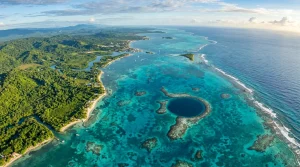
Inhabitants of Belize celebrate this independence with pride, creating a platform where their historical narrative continues to thrive. Whether enjoying local cuisine amidst the backdrop of ancient ruins or dancing to Garifuna rhythms during festivals, the vibrancy of Belize is a testament to its rich history and enduring spirit. Embracing both adventure and relaxation, travelers are invited to discover Belize’s beautiful landscapes, from the Great Blue Hole to lush rainforests, where history intertwines with natural beauty, offering a truly unique experience.
The Road to Independence: Key Events
The journey to independence for Belize was not just a political shift; it was a culmination of resilience and an overwhelming desire for self-determination shaped by a plethora of significant events. The narrative began in the 1950s when the push for self-governance gained momentum, influenced by global decolonization trends and local demands for greater political representation. Key players in this movement included the People’s United Party (PUP), founded by George Price, who emerged as a critical advocate for the rights of the Belizean populace. Under his leadership, Belizeans rallied around notions of nationalism and self-governance, creating a foundation for future negotiations.
In 1964, a pivotal moment occurred when the British colonial authorities agreed to grant partial internal self-government, which allowed Belizeans more control over local affairs. This was followed by a series of constitutional changes that further defined Belize’s political landscape, culminating in the 1973 Constitution that solidified Belize’s status as a self-governing territory. Throughout this time, the tension with neighboring Guatemala escalated, as Guatemala laid historical claims to Belizean territory, complicating the pursuit of sovereignty. This territorial dispute underscored the need for a unified national identity and a strong commitment to independence.
The push for independence reached its peak in the late 1970s when mass mobilizations and political debates intensified. Activists, students, and various community groups organized nationwide, demanding the right to self-rule. Their voices resonated profoundly, both in the international arena and within Belize, leading to significant negotiations with British authorities. Finally, on September 21, 1981, Belize achieved its independence, transforming an aspiration into reality. This remarkable day is celebrated nationwide, marked by vibrant parades, music, and a profound sense of collective pride that highlights the strength and diversity of the Belizean people.
Understanding this journey allows travelers to appreciate not only the beauty of Belize’s landscapes and rich cultural heritage but also the indomitable spirit of its people. Engaging in national festivities, exploring heritage sites, or simply conversing with locals about their experiences can enrich visitors’ connections to this vibrant country’s ongoing story of resilience and pride. Whether you find yourself in a bustling market or gazing over the tranquil waters of the Caribbean, the echoes of Belize’s journey to independence will undoubtedly enhance your travel experience.
Understanding Belize’s Colonial Past
The rich tapestry of Belize’s colonial past paints a vivid picture of resilience, cultural synthesis, and a dynamic struggle for identity. Initially inhabited by the Maya civilization around 3000 years ago, the territory flourished as a hub of trade and governance, showcasing impressive cities like Caracol and Altun Ha that still mesmerize visitors today with their ancient architecture and historical significance. However, the arrival of European powers marked a pivotal shift in Belize’s narrative, leading to centuries of colonial influence, particularly from the British.
When the British took interest in the region during the 16th century, the once-thriving Maya civilization faced profound challenges. The initially established logging industry attracted settlers, which ultimately shifted into a complex colonial relationship characterized by the exploitation of resources and the establishment of the colony known as British Honduras in 1862. The British presence transformed the socio-political landscape, introducing new governance structures and demographics. This era was marked by the influx of various ethnic groups, including Creoles, Garifunas, and East Indians, who contributed to the rich cultural mosaic that defines Belize today.
As this colonial framework solidified, the seeds of resistance and self-identity began to sprout within the populace. The latter part of the 20th century saw Belizean voices rise against colonial rule, driven by a burgeoning sense of nationalism-an evolution inspired by global movements for decolonization. Activists and everyday citizens organized, advocating for rights, representation, and ultimately, the desire for self-governance. This cultural awakening was underpinned by a deep appreciation for Belize’s diverse heritage, reflected in its festivals, music, and culinary traditions that celebrate the confluence of multiple cultures. Engaging with Belizean culture today, whether through vibrant local markets or historical sites, allows visitors to witness the enduring spirit of a nation that emerged from colonial shadows into its own vibrant identity.
Travelers embarking on a journey to Belize can enrich their understanding of this colonial past by exploring significant historical landmarks, such as St. John’s Cathedral in Belize City and the remnants of Maya ruins nestled within lush jungles. Additionally, engaging with local communities offers firsthand perspectives on how the historical legacies continue to shape Belizean society and culture, creating a deeper connection to the nation’s enduring story of transformation and resilience.
Political Status: Current Affiliations and Challenges
Belize occupies a unique place in the geopolitical landscape of Central America, maintaining a vibrant identity as an independent nation despite its historical ties to British colonialism. Today, Belize is a member of various international organizations, including the United Nations, the Caribbean Community (CARICOM), and the Central American Integration System (SICA). These affiliations enable Belize to engage in regional and global dialogues, influencing issues related to trade, security, and environmental sustainability. However, this status also brings challenges, particularly in navigating relationships with neighboring countries and managing its economic development within a competitive region.
The nation faces ongoing hurdles, chief among them being its economic dependency on tourism and agriculture, which makes it vulnerable to global price fluctuations and climate change effects. For instance, Belize is renowned for its breathtaking ecosystems, including the Belize Barrier Reef, a UNESCO World Heritage Site. However, tourism’s heavy reliance on these natural resources raises concerns about sustainability. As climate threats loom, Belizean policymakers are tasked with balancing developmental growth while preserving the rich biodiversity that attracts visitors from around the world.
Another significant challenge lies in Belize’s territorial disputes with Guatemala. The dispute, dating back to colonial times, has implications for Belize’s national security and diplomatic relations. Despite a peaceful approach emphasizing negotiation and dialogue, the issue requires ongoing attention to ensure stability and foster a favorable environment for foreign investment.
Responding to these complexities, Belize is actively working to enhance its self-governance and boost economic resilience through diversification strategies. Efforts to expand the agricultural sector, promote eco-tourism, and develop infrastructure are part of a broader vision to create sustainable growth. Investment in education and technological innovation is also on the rise, empowering local entrepreneurs and cultivating a workforce ready to embrace new opportunities. As Belize navigates its political path, fostering inclusivity within its cultural tapestry remains paramount, ensuring that all Belizeans can contribute to, and benefit from, their nation’s future.
Cultural Identity: Belize’s Diverse Heritage
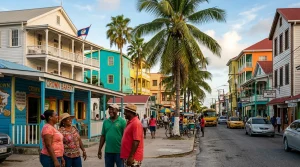
In the vibrant landscape of Central America, Belize stands out with a cultural identity as diverse as its stunning ecosystems. From the bustling streets of Belize City to the serene beaches of Ambergris Caye, the country’s heritage is a tapestry woven from the threads of indigenous Maya, Afro-Caribbean, and European influences. This rich blend creates a unique atmosphere that welcomes visitors and residents alike, inviting them to partake in its lively traditions, flavors, and arts.
Belize’s heritage is best experienced through its mouthwatering cuisine, a fusion that showcases the nation’s multicultural spirit. Savor the iconic rice and beans paired with stewed chicken, or indulge in the rich, spicy flavors of panades and fry jacks. Each dish tells a story of the country’s history and people, reflecting the influences of the Garifuna, Creole, and Mestizo communities. Festivals like Carnival and D├¡a de los Muertos provide another window into Belizean culture, where music, dance, and vibrant costumes celebrate the nation’s history and the shared values of its diverse populations.
Art and Music: A Celebration of Heritage
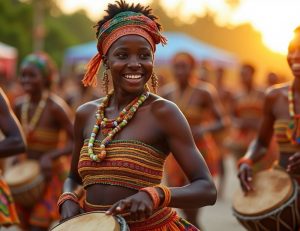
Belize’s artistic expressions mirror its diverse heritage. Garifuna music, with its rhythmic beats and spirited dances, transports you to its Caribbean roots, while Creole music brings the sounds of the African diaspora to life. Festivals and cultural events often feature these art forms, showcasing the talents of local musicians and dancers. The annual Garifuna Settlement Day is a prime example, celebrating the arrival of the Garifuna people to Belize with drumming, dancing, and traditional food, fostering a sense of pride and community.
For those looking to explore Belizean culture further, art galleries and local artisans are abundant throughout the country. Whether it’s the intricately woven baskets of the Maya or the vibrant paintings reflecting local life and landscape, each piece offers an insight into the soul of Belize. Engaging with local artists and craftsmen not only enriches your travel experience but also supports the preservation of traditional art forms that might otherwise fade away.
Visitors seeking to immerse themselves in the cultural nuances of Belize will find it welcoming and accessible. With a focus on eco-tourism and community engagement, many tour operators offer experiences that educate travelers about the cultural heritage of the area while directly benefiting the local economy. From birdwatching in pristine national parks to exploring Maya ruins, every adventure in Belize doubles as an opportunity to connect with its rich heritage. With its enchanting landscapes and a vibrant cultural mosaic, Belize is not just a destination but a journey into a diverse heritage that calls to be explored.
Celebrating Independence: National Holidays and Traditions
Belize, a vibrant jewel on the Caribbean coast, is steeped in tradition when it comes to celebrating its independence. September 21st marks a momentous occasion-the day Belize gained independence from the United Kingdom in 1981. This day is not just a date on the calendar but a vivid tapestry of national pride woven through parades, festivals, and communal gatherings that showcase the rich culture of this diverse nation.
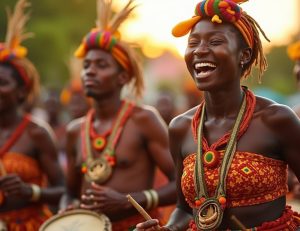
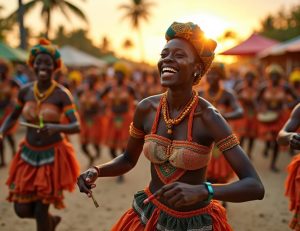
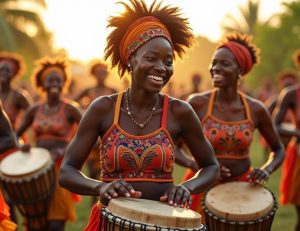
As the sun rises on Independence Day, cities and towns across Belize come alive with celebration. The festivities kick off with colorful parades featuring floats adorned with national flags and symbols that reflect the country’s beautiful heritage. Schoolchildren dress in the national colors of blue and yellow, participating enthusiastically in musical performances and dance routines that resonate with the beats of Garifuna drums and the lively notes of Creole music. Belize City, as the capital, hosts one of the largest celebrations, where the sound of marching bands fills the air, and the streets pulse with energy while residents wave flags proudly.
Traditions that Celebrate Heritage
Beyond the parades, September is a month of cultural appreciation, with the entire nation participating in a series of events leading up to Independence Day. This includes the observation of “September Celebrations,” which honor the country’s history through cultural events, exhibitions, and music festivals. The blend of Maya, Garifuna, and Creole traditions comes together in this festive atmosphere, where the air is thick with the aroma of local delicacies like tamales and rice and beans, often enjoyed during family gatherings.
In the days surrounding the independence celebrations, you’ll find communities engaging in various activities such as art exhibitions showcasing Belizean artists and historical reenactments that tell the stories of resilience and unity. These events not only honor the nation’s past but also foster a sense of identity and belonging, inviting everyone-locals and tourists alike-to partake in the culture.
Inspiring Unity Through Celebration
The essence of Belize’s appeal lies in these celebrations, where the spirit of unity and resilience shines brightest. Whether you’re a longtime resident or a visitor experiencing the country’s rich tapestry for the first time, engaging in the Independence Day festivities provides an invaluable lesson in the power of community and heritage. The celebrations extend beyond mere commemoration; they invite dialogue about the future of Belize, encouraging everyone to participate in the ongoing story of this remarkable nation.
For travelers, experiencing this vital aspect of Belizean culture is both enriching and memorable. Participating in the celebrations is a fantastic way to connect with the locals, learn about their history and traditions, and understand what it means to be part of a nation that continuously honors its past while looking forward to a bright future. As Belizeans gather to celebrate their independence, visitors are warmly welcomed to join in, making for an unforgettable experience that highlights the heart and soul of this remarkable country.
The Role of International Relations in Belize
Belize stands as a beacon of rich cultural heritage, surrounded by a web of international ties that shape its identity. Its strategic location on the Caribbean coast of northern Central America reinforces its role as a bridge between diverse cultures and economies. This positioning not only influences tourism but also propels Belize into significant international partnerships. From trade agreements that enhance economic growth to collaborative efforts in environmental conservation, the relationships Belize fosters with other nations contribute to its vibrant identity and stability.
Countries like Mexico and Guatemala play pivotal roles in Belize’s international relations, while the United Kingdom remains a historical partner post-independence. The cordial and collaborative relationship Belize shares with its neighbors is crucial for addressing regional issues, enhancing security, and embracing shared ecological concerns. Belize’s active participation in organizations such as the Caribbean Community (CARICOM) and the Central American Integration System (SICA) illustrates its commitment to regional cooperation, promoting mutual development, and fostering peace among its Caribbean counterparts.
The influence of international relations can also be seen in the tourism sector, where Belize attracts a myriad of visitors drawn by the allure of its natural wonders-from the depths of the Great Blue Hole to the lush jungles housing ancient Maya ruins. These international ties not only facilitate tourism but also emphasize Belize’s dedication to preserving its natural beauty and biodiversity. By engaging with global environmental programs and treaties, Belize actively positions itself as a leader in sustainable tourism and conservation, advocating for practices that benefit both its economy and the planet.
Clearly, extends beyond diplomatic ties; it shapes the very essence of what it means to belong to this remarkable nation. As Belizeans celebrate their independence and reflect on their diverse heritage, they, too, acknowledge the importance of the partnerships they cultivate around the globe. These relationships enhance Belize’s capacity to navigate the complexities of a globalized world while remaining steadfast in its cultural identity and commitment to a sustainable future. Visitors keen on exploring Belize are not just witnessing a vibrant culture; they are partaking in a dynamic story of resilience, cooperation, and shared prosperity.
Belize’s Future: Growth and Development Opportunities
Belize is poised at a dynamic crossroads of opportunity, where its rich cultural tapestry and unparalleled natural beauty converge to offer prospects for growth in various sectors. With a burgeoning interest in eco-tourism and sustainable practices, Belize’s natural resources such as the Great Blue Hole, tropical rainforests, and the Belize Barrier Reef play a pivotal role in shaping its future economic landscape. The country’s commitment to environmental conservation not only protects its breathtaking biodiversity but also attracts a growing number of visitors eager to explore its enchanting ecosystems while fostering economic independence.
Investment in infrastructure is vital for Belize’s growth trajectory. Projects to enhance transportation networks, including roads and airports, are crucial for improving accessibility to remote areas and promoting tourism to off-the-beaten-path locations. As more infrastructure projects come to fruition, they will enable better connectivity for local businesses and facilitate international trade. Additionally, the potential for renewable energy sources-like solar and wind-offers Belize not only a means to provide sustainable energy to its citizens but also to decrease dependency on imported fossil fuels, thus creating a more resilient economy.
Moreover, Belize’s unique cultural identity is a valuable asset that can be leveraged for development. By promoting its diverse heritage through festivals, culinary experiences, and traditional crafts, Belize can capture the hearts of travelers and create a vibrant cultural tourism sector. Initiatives that support local artisans and cultural practitioners can invigorate communities while ensuring that tourism benefits the very people who are its custodians. This approach not only enriches the visitor experience but also fosters a deeper understanding and appreciation of Belize’s history and traditions.
As the nation embraces its future, engagement with international partners becomes ever more critical. Collaborations in sectors like education, technology, and environmental protection can usher in investment and expertise that will help Belize navigate the complexities of the modern global economy. Whether through partnerships with NGOs, academic institutions, or foreign governments, the focus must be on sustainable growth that respects the land and its people. By harnessing its intrinsic strengths and investing in its future, Belize is undeniably on a path to realizing its potential as a thriving nation ready to embrace a sustainable and prosperous tomorrow.
Exploring the Geographic and Economic Landscape
Belize, a jewel of the Caribbean coast, boasts a breathtaking tapestry of natural beauty and cultural richness that beckons travelers and adventurers alike. From the stunning depths of the Great Blue Hole to the lush jungles that cradle Maya ruins, the geographic and economic landscape of Belize is as diverse as its people. Measuring just over 22,000 square kilometers, this Central American nation is home to an incredible variety of ecosystems, including pristine beaches, extensive coral reefs, and thriving rainforests, making it a prime destination for eco-tourism and outdoor enthusiasts.
The economy of Belize is strongly influenced by its geographical features, with tourism being a vital sector. Visitors flock to experience the unparalleled beauty of the country’s natural attractions, providing significant revenue and employment opportunities. The Belize Barrier Reef, a UNESCO World Heritage site, is a haven for divers and snorkelers eager to explore its vibrant underwater world. Meanwhile, the ancient ruins of Caracol and Altun Ha draw history buffs and cultural travelers, bridging the gap between Belize’s past and present. Investing in sustainable tourism practices not only preserves these natural treasures but also empowers local communities, ensuring that the benefits of this flourishing industry reach those who live in proximity to these attractions.
Economic Opportunities in Belize
The economic landscape of Belize is marked by promising avenues for growth and development. Here are some key areas to consider:
- Eco-Tourism: Leveraging its natural assets, Belize can further promote eco-tourism initiatives. Tour operators can develop environmentally responsible packages that immerse visitors in the stunning biodiversity while educating them about conservation efforts.
- Agriculture: With fertile lands and a favorable climate, Belize has the potential to expand its agricultural exports. Sustainable farming practices and organic certifications can open new markets for local businesses.
- Renewable Energy: Belize has unique opportunities in renewable energy, particularly solar and wind power. As the nation invests in these technologies, it can reduce dependency on imported fossil fuels while fostering energy independence.
Practical Travel Information
Exploring Belize’s geographic and economic landscape also requires some practical considerations for travelers:
- Visas and Entry Requirements: Most visitors can enter Belize without a visa for stays up to 30 days. However, it’s essential to check specific requirements based on nationality.
- Currency: The Belize Dollar (BZD) is pegged to the US Dollar (USD), making it convenient for visitors from the United States. ATMs are widely available, and credit cards are accepted in most establishments.
- Health and Safety: While Belize is generally safe for tourists, staying informed about health precautions, especially regarding tropical diseases, is essential. Travel insurance can provide peace of mind during your adventure.
Celebrating Cultural Diversity
Belize’s cultural identity is a mosaic of influences from the Maya, Garifuna, Creole, and Mestizo communities. Immersing yourself in the local culture-through culinary experiences featuring traditional dishes like rice and beans, or by attending vibrant festivals celebrating music and dance-is an essential part of experiencing this nation. Each visit can contribute to the thriving narrative of Belize’s cultural renaissance, ensuring that its rich heritage continues to flourish alongside modern development.
In conclusion, Belize’s breathtaking landscapes and diverse cultural heritage not only offer unique experiences for visitors but also present significant economic opportunities for sustainable development. Exploring this vibrant nation means contributing to its future while celebrating the beauty and diversity that make it truly special.
Tourism and Independence: Impact on Local Culture
The vibrant tapestry of Belizean culture today owes much to the influence of tourism, a sector that has blossomed since the country gained independence in 1981. In this small Central American nation, where the lush jungles and azure Caribbean waters meet a rich historical narrative, tourism is not just a bolstering economic pillar; it’s a dynamic conduit for cultural exchange and preservation. As travelers flock to Belize to experience its coral reefs, ancient Maya ruins, and diverse ecosystems, they also bring with them stories, insights, and cultural appreciation that reverberate through local communities.
Every year, countless visitors are drawn to breathtaking spots like the Great Blue Hole, a UNESCO World Heritage site, and vibrant festivals that celebrate the melting pot of Creole, Maya, Garifuna, and Mestizo cultures. This influx of tourism provides a platform for local artisans and performers to showcase their crafts and traditions. Markets brimming with handmade goods, like traditional woven hammocks and intricate pottery, serve as both a source of income for local families and a way to keep ancestral techniques alive. The popular Garifuna Settlement Day, celebrated every November, is a vivid example of how tourism can support cultural festivities that educate international visitors about Belize’s history and the contributions of the Garifuna people.
Moreover, the economic benefits derived from tourism are vital for sustaining local culture while fostering community pride. With the rise in eco-tourism, many local guides and businesses are committed to responsible tourism practices that prioritize environmental conservation and the showcasing of authentic experiences. Initiatives such as guided jungle hikes or community-based diving tours not only enhance the visitor experience but help preserve Belize’s stunning biodiversity. This conscious support entails a deeper understanding of local customs and traditions, showcasing traditional dishes like rice and beans or fresh ceviche, nurturing appreciation for the culinary heritage of Belize.
The relationship between tourism and culture in Belize is symbiotic: while tourism offers financial resources necessary for cultural preservation and promotion, local culture deepens the richness of the tourist experience. Visitors leave Belize not just with memories of breathtaking landscapes but with an understanding and respect for the nation’s diverse cultural fabric. Thus, a visit to Belize becomes an opportunity to contribute to the sustainability of its cultural identity while enjoying all the splendor this enchanting country has to offer.
Education and Awareness: Teaching Belizean History
Understanding the rich history of Belize is essential for anyone wishing to explore this vibrant country in Central America. The journey of Belize-from its indigenous roots and colonial struggles to becoming an independent nation-offers profound lessons about resilience and cultural identity. Teaching Belizean history today involves not only the study of dates and events but also an appreciation of the diverse cultural narratives that shape modern Belize.
Local schools often incorporate experiential learning, where students engage with historical sites and community elders, allowing them to connect with the past on a personal level. For example, students may visit the ancient Maya city of Caracol, where they can witness firsthand the remnants of a civilization that thrived long before European colonization. Such visits help cultivate an appreciation for the complexity of Belizean heritage, allowing young Belizeans to grasp how their ancestors contributed to the cultural tapestry of the nation.
Engaging with Belizean history is more than just a classroom activity; it also encompasses community festivals and national events that celebrate independence and multiculturalism. For instance, during the annual Independence Day celebrations on September 21, Belizeans participate in parades, cultural performances, and educational activities that highlight key historical milestones. These interactions foster a sense of pride and belonging while reinforcing the lessons learned in school about the sacrifices made for freedom and the importance of cultural preservation.
As the world becomes increasingly interconnected, there is a growing emphasis on understanding Belize’s place within global narratives. International exchange programs and cultural partnerships offer Belizean students opportunities to share their history and learn from others, fostering a global perspective while deepening their own understanding of who they are as Belizeans. This exchange of ideas not only enriches the classroom experience but also empowers young people to become ambassadors of their nation’s rich heritage in an ever-changing world.
Through the integration of local history into education and community life, Belize nurtures a generation that values its past and is prepared to contribute to its future, ensuring that the story of independence and multiculturalism continues to thrive.
How to Experience Belize’s Independence Story Today
Belize is a vibrant tapestry of cultures, and immersing yourself in its independence narrative is one of the most enriching ways to connect with this Central American gem. Start your journey at the Belize National Museum, where exhibits chronicle Belize’s history from its ancient Maya roots through to its emergence as an independent nation in 1981. This museum not only showcases artifacts but also personal stories that bring the struggle for independence alive. Engaging local guides can deepen your understanding, making complex histories accessible and relatable.
One of the most dynamic ways to experience Belize’s independence story is through its national festivals, particularly Independence Day, celebrated on September 21st. The festivities kick off with parades filled with colorful costumes, lively music, and dance performances that display the rich diversity of Belizean culture. Join in the celebration by participating in local events, where you can taste traditional dishes like rice and beans, and enjoy the rhythmic beats of Garifuna music that pulses through the air. These annual gatherings are a testament to national pride and unity, reflecting the journey toward self-determination.
For an immersive experience that transcends typical tourist routes, explore historical sites such as the ruins of Caracol or the fortifications of Belize City. These sites not only highlight the remnants of colonial struggles but also serve as poignant reminders of the resilience of the Belizean people. Organized tours often include storytelling sessions, where passionate local historians share how these places played crucial roles in shaping the nation’s narrative.
An adventure through Belize wouldn’t be complete without engaging with the local communities. Participate in cultural exchanges or volunteer opportunities that focus on history and heritage preservation. Connecting with residents, whether at local art markets or cultural workshops, will provide you with personal insights into Belize’s ongoing journey of identity and independence, creating memories far richer than those found in any guidebook. Embracing this multifaceted history will inspire a deeper appreciation for Belize, making your visit not just a vacation but an invaluable educational experience.
Faq
Q: What country is Belize currently affiliated with?
A: Belize is a sovereign nation located in Central America and is not affiliated with any country as a colony. However, it has historical ties with the United Kingdom, from which it gained independence on September 21, 1981.
Q: What was the significance of Belize’s independence?
A: Belize’s independence marked the end of British colonial rule, allowing the nation to establish its sovereignty, governance, and cultural identity. This pivotal moment, celebrated every year, enabled Belize to pursue its development goals and reflect its diverse heritage.
Q: When did Belize gain independence?
A: Belize gained independence from the United Kingdom on September 21, 1981. This day is celebrated annually as Independence Day, showcasing the country’s cultural pride and national identity.
Q: How did Belize’s colonial past influence its independence?
A: Belize’s colonial past, marked by British control and economic exploitation, fueled a desire for self-governance. This historical context shaped the independence movement, uniting diverse cultural groups in their quest for autonomy.
Q: Why is Belize’s independence story important?
A: Belize’s independence story is crucial as it illustrates the journey from colonization to self-determination. Understanding this history helps highlight the resilience of its people and the ongoing challenges they face as an independent nation.
Q: What are the key events leading up to Belize’s independence?
A: Key events include the push for self-government in the 1960s, political negotiations with British authorities, and the eventual formal declaration of independence in 1981. These milestones highlight the collective efforts of Belizeans toward sovereignty.
Q: How do Belizeans celebrate their independence?
A: Belizeans celebrate independence with parades, cultural performances, and community events. The festivities reflect national pride and the rich cultural diversity of the nation, fostering unity among its citizens.
Q: What challenges does Belize face as an independent country?
A: As an independent nation, Belize faces challenges such as economic development, environmental sustainability, and political stability. Ongoing international relations and domestic policies play a crucial role in addressing these issues.
In Retrospect
In exploring “What Country Does Belize Belong to? Independence Story,” we’ve uncovered the rich tapestry of Belize’s journey to sovereignty, highlighting its vibrant culture and diverse history. As you reflect on this incredible narrative, consider diving deeper into Belize’s stunning destinations, from the crystalline waters of the Caribbean beaches to the majestic Maya ruins. For a truly immersive experience, check out our comprehensive accommodation guides that cater to every travel style, whether you’re seeking budget hostels or luxurious overwater bungalows.
Ready to plan your unforgettable adventure? Visit our section on practical travel information for insights on visas, health, and safety tailored to all travelers, including solo female and LGBTQ+ visitors. Don’t miss out on our articles about Belize’s unique wildlife and eco-tourism hotspots; the journey to discover this Central American gem begins here. Leave us a comment with your thoughts or questions and subscribe to our newsletter for the latest updates and tips. Embrace the adventure that awaits in Belize-your unforgettable experience is just a click away!
Is Belize Independent? Historical Timeline & Constitutional Status
A common inquiry among international travelers and geopolitical researchers is: is belize independent, and what country does belize belong to? The answer is definitive: Belize is a fully independent constitutional monarchy with a parliamentary democracy, having celebrated complete Belize independence since 1981.
| Year / Milestone | Status & Historical Impact | Significance Today |
|---|---|---|
| 1862 | Designated as the Crown Colony of British Honduras | Established English as the official language and British common law system |
| 1964 | Granted Internal Self-Government under Premier George Cadle Price | First ministerial government and local legislative autonomy |
| 1973 | Official name changed from British Honduras to Belize | Reclaimed indigenous Mayan and Belizean cultural identity |
| September 21, 1981 | Full Sovereign Independence achieved | Celebrated annually as Belize National Independence Day across all districts |
Frequently Asked Questions: Belize Sovereignty
Is Belize part of Mexico or Guatemala? No. Belize borders Mexico to the north and Guatemala to the west and south, but is an independent sovereign state with internationally recognized borders.
What is Belize system of government? Belize operates as a parliamentary constitutional monarchy, with the King of Belize represented by the Governor-General and executive power exercised by the Prime Minister and Cabinet.
Get our latest guides, news, and insights highlighted in your Google Search & AI Overviews.