Languages Spoken in Belize: An Overview
In Belize, a vibrant tapestry of languages weaves together its rich cultural heritage and diverse communities, reflecting a history that is as colorful as the country’s stunning landscapes. While English holds the title of the official language, this small Central American nation is home to a multitude of other languages, illustrating its unique blend of influences from indigenous groups, immigrants, and colonizers. This linguistic variety not only facilitates communication among its citizens but also enhances the cultural experience for visitors looking to delve deeper into Belizean life.The country is a linguistic mosaic, where Spanish, Belizean Creole, and various Maya languages coexist alongside English. Spanish is widely spoken due to Belize’s proximity to Latin American countries and historical ties resulting from migration. Creole, often a point of pride for many Belizeans, combines elements of English, Spanish, and African languages, serving as a living testament to the country’s diverse ancestry. Additionally, languages like Kriol, Q’eqchi’, and Mopan represent the indigenous Maya populations, showcasing Belize’s deep-rooted connection to its original inhabitants. This rich linguistic landscape creates an environment where communication transcends mere words and becomes a celebration of Belizean identity.Understanding the languages of Belize can greatly enhance a traveler’s experience. Engaging with locals in their native tongue, whether it be a friendly “Bileh!” (Hello in Belizean Creole) or a few basic Spanish phrases, can open doors to deeper interactions and authentic experiences, from bustling markets to serene beaches. For those eager to learn, numerous resources and language classes are available, making it easier than ever to connect with the diverse communities that call this beautiful nation home.In a world that often pushes towards homogeneity, Belize stands as a beacon of linguistic diversity, showcasing the power of language as a tool for unity and cultural preservation. As travelers venture through this enchanting country, they not only encounter breathtaking natural beauty-from the azure waters of the Caribbean to the ancient Maya ruins-but also the rich stories told through its many languages. Taking the time to appreciate this aspect of Belizean culture invites a greater understanding and appreciation of the land and its people.
The Official Language: English and Its Impact
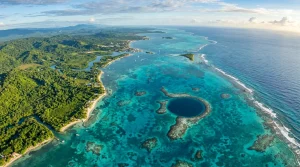
The vibrant pulse of Belizean society resonates profoundly through its official language, English, which serves not only as a means of communication but also as a bridge between cultural communities. Having been designated the official language since British colonial times, English is integral to the education system, government, and media, providing a common linguistic ground for the diverse populace of this Central American gem. The widespread use of English facilitates integration for expatriates and tourists alike, making for smoother interactions in everything from casual conversations to business dealings.In the heart of Belize, where dazzling Caribbean beaches meet ancient Maya ruins, the English language weaves together the country’s rich tapestry of cultures. While the majority of Belizeans speak English, it’s flavored with unique expressions and local idioms that reflect the country’s diverse heritage. For instance, a visit to vibrant local markets or lively gatherings signifies not just an auditory experience but an immersion into the Belizean way of life, filled with phrases like “Wah Gwon?”-a friendly question asking, “What’s going on?” Such phrases enhance the cultural experience for visitors, offering insights into the warm and welcoming spirit of the Belizean people.The impact of English extends further into Belize’s educational landscape. Schools teach in English from primary levels, allowing students not only to master the language but also to engage with global literature and science, which are vital for their academic and professional futures. Furthermore, tourists will find that guides and service providers are often proficient in English, ensuring that every traveler can navigate this breathtaking paradise-from the mesmerizing Great Blue Hole to the enchanting jungles filled with exotic wildlife-without a language barrier hindering their adventure.For those interested in fully engaging with the Belizean experience, picking up a few phrases in Belizean Creole or Spanish can provide a delightful cultural insight. Local dialects and casual forms of speech are as much a part of the journey as the stunning landscapes. Thus, while English stands as the backbone of communication in Belize, exploring the nuances of the local languages can enhance one’s appreciation of this extraordinary country’s rich cultural fabric.
Diverse Linguistic Landscape: Spanish, Maya, and Creole
In the rich tapestry of Belize’s linguistic landscape, English may reign as the official language, but the vibrant harmony of Spanish, Maya, and Creole paints the true picture of the country’s diverse communication styles. Spanish, spoken by a significant portion of the population, serves as a cultural conduit, reflecting Belize’s historical ties with neighboring Latin American countries. Travelers venturing into bustling towns or rural villages will hear the melodious cadence of Spanish in everyday conversations, offering a warm invitation to engage with locals. Whether savoring a delicious plate of rice and beans or bargaining for handcrafted souvenirs at the market, being able to greet someone with a simple “Hola” can open doors and foster genuine friendships.Equally significant is the presence of Creole, a language born from the fusion of English and various African languages, alongside influences from Spanish and Maya dialects. This unique linguistic blend embodies the heart and soul of the Belizean identity. Belizean Creole, with its rhythm and charm, often showcases a casual yet colorful way of speaking that resonates deeply with the local community. Phrases like “I deh yah” (I am here) or “Nuh worry yuh self” (Don’t worry) reflect the lively spirit and warm hospitality of the people. For tourists, learning a few Creole expressions can transform a simple interaction into a richer cultural experience, allowing for a deeper connection with the vibrant lifestyles of Belizeans.The influence of the ancient Maya civilization is also palpable in Belize’s linguistic diversity. While the majority of Maya languages, such as K’ekchi’ and Mopan, are spoken by indigenous peoples in rural areas, they are vital connectors to the country’s pre-Columbian history. Many Belizeans proudly uphold their Mayan heritage, and understanding a few words from their languages can enrich your exploration of majestic sites like Caracol and Lamanai, where the echoes of history resonate amidst the ruins. Engaging with the indigenous communities not only provides insight into their traditions and customs but also emphasizes the importance of preserving these languages as essential aspects of Belize’s cultural legacy.As you wander through Belize’s scenic landscapes-from the cerulean waters of the Caribbean to the lush jungles filled with wildlife-embracing the variety of languages enriches your adventure. Each language spoken is a key to understanding the diverse stories woven into the fabric of Belizean society, inviting every traveler to partake in its rich heritage.
The Role of Indigenous Languages in Belize
In the lush landscapes of Belize, the rich and diverse tapestry of indigenous languages serves as a testament to the country’s cultural heritage. With a vibrant history tied to the ancient Maya civilization, languages such as K’ekchi’, Mopan, and Yucatec are not just modes of communication; they are vital links to the past and essential facets of identity for many Belizeans. Visiting rural areas, you may encounter locals speaking these languages, each one echoing the spirit of the ancestors who once thrived in this beautiful region.These indigenous languages are primarily spoken by the Maya populations, who continue to preserve their traditions, stories, and cultural practices through oral history and language. Engaging with indigenous communities can reveal intricate knowledge about Belize’s natural environment, traditional healing practices, and time-honored customs. Learning a few phrases in one of these Maya languages can enhance your travel experience and open up deeper connections with the people and their heritage. For example, knowing how to say “Xk’áabal” (which means “Hello” in K’ekchi’) not only enriches your interactions but also shows respect and appreciation for local culture.The role of indigenous languages also extends into education and cultural preservation. Community organizations and local NGOs are actively working to promote the teaching of these languages in schools and community centers, reinforcing the significance of linguistic and cultural heritage among younger generations. Additionally, numerous workshops, events, and cultural festivals celebrate Maya language and culture, offering travelers a chance to immerse themselves and participate in something deeply significant.Understanding the impact of these languages provides vital insight into the social structure and community life in Belize. In a country where cultural pride is strong, these indigenous languages are more than just communication tools; they embody the soul of the communities that speak them, influencing music, art, and the daily lives of Belizeans. As you explore the wonders of Belize, from the magnificent ruins of ancient cities to the bustling markets infused with a unique blend of cultures, remember that every phrase and conversation is a window into the vibrant heart that beats within this remarkable nation.Language Variation: Accents and Dialects Across Regions
Belize is a fascinating mosaic of languages, each with its own unique accent and dialect, reflecting the country’s rich cultural tapestry. Travelers venturing into this beautiful Central American gem will find that, beyond the borders of standard English, vibrant regional variations abound, highlighting the diverse communities that coexist within the nation. In urban centers like Belize City, the English spoken is often seasoned with a Caribbean flair, influenced by both Creole and Spanish languages, creating a delightful mix that can sound almost musical to the ears of visitors.In contrast, the more rural areas of Belize offer a different auditory experience. Here, accents shift subtly yet noticeably, influenced by the local Mayan languages. For instance, in the Toledo District, you may hear residents speak a blend of English and Spanish laced with unique local expressions. In these communities, familiarity with indigenous languages such as K’ekchi’ or Mopan enhances the conversation, showcasing the profound connection between language and identity.Moreover, Creole, or Kriol as it is locally called, is an essential thread in the linguistic fabric of Belize. With its own distinctive pronunciation and vocabulary, Kriol is widely spoken across the country, often serving as a lingua franca among individuals from diverse backgrounds. Its presence is particularly strong in coastal areas, where the rhythm of speech mirrors the relaxed, laid-back lifestyle. Travelers eager to immerse themselves in Belize’s cultural nuances can benefit from picking up a few Kriol phrases, allowing for deeper engagement and connection with locals.As you journey through Belize, pay attention to these regional accents and dialects; they not only enrich your travel experience but also serve as a reminder of the stories intertwined with each community. Whether you’re hiking through jungle trails, exploring ancient Maya ruins, or lounging on stunning beaches, recognizing the linguistic diversity around you will deepen your appreciation for this vibrant nation and its heritage.How Languages Reflect Belize’s Cultural Heritage
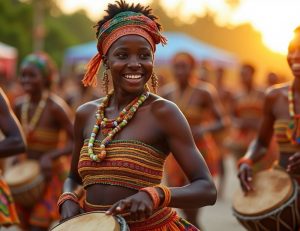
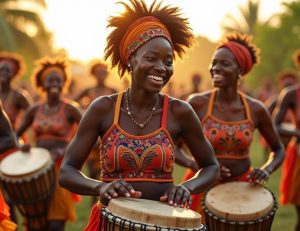
Belize is a vibrant tapestry of cultures and traditions, intricately woven through its diverse languages. Each tongue tells a story, reflecting the nation’s rich history and the myriad of influences that have shaped its identity. English, while the official language, stands just at the forefront of a linguistic mosaic that includes Spanish, Creole, and various indigenous languages, all of which echo the cultural heritage of Belize.The significance of language in Belizean culture cannot be overstated. For instance, Kriol, a creole language derived from English, serves as a unifying mode of communication among the various ethnic groups in Belize. Commonly spoken in coastal areas and urban centers, Kriol is not only a means of conversation but also a vibrant expression of local identity. Phrases and sayings reflect the humor and warmth of Belizeans, offering visitors a glimpse into the heart of the culture. Understanding basic Kriol might even enhance your interactions, as locals appreciate any efforts to engage with their unique linguistic heritage.Indigenous languages like Yucatec Maya, K’ekchi’, and Mopan also play a crucial role in preserving the cultural narratives of the Maya people. These languages carry with them the ancient wisdom and traditions that have survived centuries, often linked to local customs, beliefs, and practices. For example, the use of specific terms related to flora and fauna showcases the intimate relationship that the Maya have with their environment-a relationship deeply rooted in their cultural practices. This connection is evident during local festivals where traditional dances and rituals are performed, often accompanied by songs in these indigenous languages, captivating audiences with their history and vibrancy.Furthermore, Belize’s linguistic diversity is a living example of how language can reflect and preserve cultural heritage. Each local variation-whether it’s the lilt of Kriol in Belize City or the melodic tones of Maya languages in rural areas-offers insights into the story of the land and its people. When traveling through Belize, taking the time to immerse yourself in these languages not only enhances your experience but also fosters a deeper appreciation for the rich cultural heritage that the nation proudly embodies. Embracing this aspect of Belizean life illuminates the strength and resilience of its communities, making each interaction a celebration of culture and connection.Learning a Language: Opportunities and Resources in Belize
In Belize, the journey into its diverse linguistic tapestry is not just enriching; it’s filled with opportunities for immersion and understanding. With English as the official language, many visitors find that it’s quite accessible to communicate. However, delving deeper into the linguistic fabric by learning Kriol, Spanish, or an indigenous language can unveil a richer experience of Belizean life and culture.There’s a wonderful array of resources for language learners, ranging from formal classes to casual language exchange. Many local community centers and cultural organizations offer workshops where you can pick up fundamental phrases in Kriol or Spanish, allowing you to connect more deeply with the locals. Additionally, indigenous communities often welcome visitors who show interest in their languages, making for a unique opportunity to learn directly from fluent speakers during festivals or cultural events.For those keen on independent learning, various online platforms and apps can supplement your experience. Websites dedicated to Belizean history and culture frequently include sections on language basics, while social media groups often feature locals willing to share their knowledge through informal teaching sessions. Engaging with local artisans or tour guides who speak indigenous languages can also offer contextual learning opportunities, where you not only learn the language but also its application in everyday conversations.Moreover, Belize’s cultural festivals-such as the Garifuna Settlement Day or the Maya Day-provide an immersive experience, allowing visitors to witness the beauty of the languages being spoken in their cultural context. The vibrant music, dancing, and storytelling create a lively atmosphere where language learning becomes a joyous part of the celebration, enhancing your understanding of and appreciation for Belize’s diverse heritage.By embracing these learning opportunities, you not only equip yourself with the tools to communicate but also open the door to forging authentic connections with the people and the land-a fundamental aspect of truly experiencing the heart of Belize.The Influence of Immigration on Belize’s Language Scene
The rich linguistic landscape of Belize has been significantly shaped by the waves of immigration that have influenced the nation throughout its history. From European settlers to Caribbean immigrants and Latin American arrivals, each group has brought its own language and cultural nuances, creating a vibrant tapestry of communication that reflects Belize’s diverse heritage. This dynamic has led to the coexistence of various languages, each contributing uniquely to the country’s social fabric.The arrival of the Garifuna people, for instance, introduced the Garifuna language-an Arawakan language that combines elements from various African, Caribbean, and indigenous groups-adding to Belize’s multilingual identity. Similarly, the influence of Spanish is prominent, especially in the northern and southern regions, where a significant population of Spanish speakers has established roots. This has resulted in neighborhoods and communities where Spanish is a primary mode of communication, frequently mixing with English and Kriol, which reflects the country’s adaptability and acceptance of diverse cultures.Furthermore, the proliferation of English-speaking settlers, primarily from the British and Caribbean regions, established English firmly as the official language, yet with local variations and an infusion of Creole. The everyday interactions among these communities often lead to a blend of languages that illustrates the crossroads of cultures within Belize. This blending not only enriches everyday communication but also fosters a sense of unity among its residents, allowing them to share and celebrate their diverse backgrounds.In light of these influences, travelers and expats in Belize can enhance their experience by learning about the local linguistic variations and engaging with the communities that speak these languages. This not only aids communication but also deepens cultural understanding, making for a more fulfilling visit or living experience in this Central American gem. Engaging in conversations-whether in English, Kriol, Spanish, or even Garifuna-can turn brief interactions into genuine connections, unveiling the friendly spirit of the Belizean people.Challenges Facing Language Preservation in Belize
In the vibrant mosaic of Belize’s multilingual society, numerous languages coexist, yet the survival of many is increasingly threatened by modern challenges. As globalization reaches even the most remote corners of this Central American paradise, languages like Garifuna, Maya dialects, and even Kriol face pressures that undermine their continued usage and transmission to younger generations. A strong sense of urgency surrounds the need for effective language preservation strategies, as the loss of any language is tantamount to losing a unique cultural identity and a world of knowledge.One of the foremost challenges lies in education. With English established as the official language and primarily used in schools, many indigenous languages are relegated to the fringes of formal education. This results in a generational gap where younger Belizeans are less proficient in their ancestral languages. To address this, community-driven initiatives are vital. Schools and local organizations can play a pivotal role by integrating local languages into the curriculum, offering bilingual education that fosters pride in linguistic heritage. Such an approach not only enhances linguistic capabilities but also deepens connections to the culture and history associated with each language.Another significant hurdle is the pervasive influence of technology and media, which predominantly feature English and mainstream global languages. This dominance can discourage the everyday use of indigenous languages, especially among the youth, who may perceive them as less relevant in today’s globalized society. Encouraging the creation and promotion of content in local languages through social media, literature, and local radio can supply a counterbalance to this trend. For example, storytelling competitions or community events that celebrate local languages can instill a sense of pride and motivate younger generations to embrace their linguistic roots.Lastly, the ongoing migration of Belizeans to urban areas or abroad contributes to a diminishing use of native languages. As communities become more diverse, the infusion of new cultural elements may overshadow traditional languages. Nevertheless, initiatives that bring together diaspora communities can create bases for preserving linguistic heritage. Workshops, cultural events, and family gatherings that prioritize the use of local languages can help keep these languages alive, ensuring they are spoken within homes and communities.To truly celebrate Belize’s cultural richness and foster linguistic diversity, concerted efforts must be made to address these challenges and promote the value of all languages in the Belizean tapestry. Embracing this diversity not only strengthens community ties but also ensures that future generations carry forward the legacy of their ancestors’ languages, enriching the nation’s cultural heritage for years to come.Language and Communication: Social Dynamics in Belize
In the lush landscapes and vibrant communities of Belize, language serves as a bridge, connecting diverse cultures and fostering relationships among its inhabitants. The social dynamics of communication in this multifaceted nation are influenced by its rich linguistic tapestry, where English stands as the official language, but Spanish, Creole, and various indigenous languages create a dynamic interaction among residents. This multilingual environment not only enriches communication but also shapes social identities and cultural expressions.Belizeans often navigate through different languages based on context, demonstrating remarkable adaptability. For instance, in urban settings like Belize City, it’s common to hear a blend of English and Creole, peppered with Spanish phrases, especially within multicultural neighborhoods. This linguistic fluidity reflects not just personal identity but also indicated social relationships, as people may switch languages to signal inclusivity or emphasize cultural connections. Additionally, public spaces, such as markets and community events, buzz with conversations in multiple languages, reinforcing a shared cultural heritage while also showcasing the unique characteristics of each language group.The role of language in social dynamics extends to various aspects of Belizean life, from celebrations to daily interactions. Events such as the Garifuna Settlement Day exemplify how language plays a vital role in cultural heritage and community bonding. During such festivities, traditional Garifuna songs and dances echo through the air, not only celebrating heritage but also reinforcing social ties among participants. Similarly, bilingual education initiatives are beginning to take root, enabling children to learn in both English and their ancestral languages, thereby fostering a sense of pride and belonging within younger generations.As Belize continues to attract visitors, understanding these social dynamics becomes essential for fostering connections. Engaging with locals in their language, whether it’s a simple greeting in Kriol or a few phrases in Spanish, can create an inviting atmosphere and deepen interactions. This cultural exchange benefits both travelers and residents, as it encourages mutual respect and curiosity about each other’s backgrounds, ultimately cultivating a more inclusive and harmonious community in this Central American paradise.Exploring the Future of Languages in Belize
In a world where globalization increasingly influences communication, Belize stands as a vibrant testament to linguistic diversity and cultural richness. The future of languages in this Central American jewel is not only about preservation but also about evolution. As new generations rise, the way Belizeans engage with their languages-English, Spanish, Creole, and various indigenous tongues-is undergoing a transformative process that reflects both local traditions and global influences.One important aspect of the future linguistic landscape in Belize is the growing interest in bilingual education. Schools are beginning to integrate not only English and Spanish but also Creole and indigenous languages into their curricula. This approach not only fosters a deeper appreciation for local heritage but also equips students with the linguistic tools needed to thrive in an interconnected world. It encourages young Belizeans to take pride in their roots while enhancing their global competitiveness. As more educational programs promote language learning, children will emerge as champions of their cultural identities, preserving the rich tapestry of Belize’s languages for generations to come.Additionally, the influence of technology and media cannot be overlooked in shaping Belize’s linguistic future. Social media platforms and online communities offer avenues for younger Belizeans to engage with multiple languages in innovative ways. Through memes, videos, and music, they can communicate in Creole, Spanish, or English, often blending them fluidly. This dynamic interaction not only gives rise to new expressions but also fosters a sense of unity across diverse cultural backgrounds. As the digital landscape continues to grow, it can serve as a powerful ally in promoting the usage and appreciation of Belize’s linguistic heritage.While challenges remain, such as language loss and the dominance of English in official and educational contexts, the vibrant spirit of Belize’s communities ignites hope for the future. Through cultural events, music festivals, and community initiatives that celebrate language diversity, Belizeans are actively combating linguistic erosion. Groups dedicated to the revitalization of indigenous languages are collaborating with local governments to introduce policies that support linguistic equality and education. By engaging in these important dialogues, Belizeans are not just contemplating the fate of their languages-they are actively shaping it, ensuring that the multitude of voices in this beautiful nation continue to resonate for years to come.Resources for Language Learners and Cultural Enthusiasts
In the heart of Central America, where the jungle meets the sea, Belize is a linguistic tapestry woven from diverse cultural threads. This vibrant nation not only boasts stunning natural beauty but also offers a plethora of resources for those eager to dive into its rich linguistic landscape. Whether you’re a traveler wanting to converse with locals or an expat looking to immerse yourself in the community, there are ample opportunities to enhance your language skills and connect with Belize’s cultural heritage.One of the best ways to start your linguistic journey is by exploring local language schools and community organizations that offer courses in English, Spanish, Creole, and even indigenous languages like Garifuna and Maya dialects. These classes often blend language learning with cultural immersion, providing students with a holistic understanding of Belizean life. Additionally, online platforms such as social media groups or language exchange websites allow for practice with native speakers, encouraging conversations that flow as easily as the Caribbean breezes.Belizean festivals and cultural events are another fantastic avenue for language learners. During celebrations like Garifuna Settlement Day or the Belize Carnival, attendees are treated to vibrant expressions of music, dance, and storytelling, all of which incorporate the country’s eclectic languages. Engaging in these festivities not only helps reinforce language skills but also fosters a sense of belonging within the local culture.Moreover, for those who prefer structured learning, libraries and community centers often house resources such as books, DVDs, and audio equipment dedicated to language learning. Some shops even offer interactive materials focusing on Belize’s multiple languages and dialects. With a bit of curiosity and a spirit for adventure, anyone can find their pathway into the heart of Belizean communication, ensuring that every interaction is a step toward deeper cultural appreciation and understanding.For a truly immersive experience, consider joining a local book club or conversation circle, where participants discuss literature, current events, or historical topics in the language of their choice. Such environments provide a comfortable space to practice language skills while making friends and exchanging stories. Belize’s languages are not just tools for communication; they are bridges to a heritage rich with stories waiting to be shared.FAQ
Q: What languages are most commonly spoken in Belize? A: The most commonly spoken languages in Belize are English, Spanish, and Belizean Creole. English is the official language, used in government and education, while Spanish is widely spoken due to the country’s close proximity to Mexico and a significant Hispanic population. Belizean Creole reflects the country’s diverse heritage.Q: Why is English the official language of Belize? A: English became the official language of Belize when it was known as British Honduras, as it was a British colony until 1981. This colonial history has entrenched English in education, government, and media, making it the primary language of communication in many formal contexts.Q: Are there indigenous languages spoken in Belize? A: Yes, several indigenous languages are spoken in Belize, including Maya languages like Q’eqchi’, Mopan, and Yucatec. These languages are integral to the cultural identity of the Maya community and are taught in some schools and cultural programs, helping to preserve Belize’s indigenous heritage.Q: How do Spanish and Belizean Creole differ? A: Spanish is a Romance language with Latin roots, whereas Belizean Creole is an English-based creole language influenced by African, Spanish, and indigenous languages. Belizean Creole is characterized by its distinct pronunciation and vocabulary, making it a unique form of communication among locals.Q: What role does immigration play in Belize’s linguistic diversity? A: Immigration significantly contributes to Belize’s linguistic diversity, bringing new languages and dialects such as Garifuna, Mandarin, and other Caribbean languages. This multicultural influx enriches the country’s cultural landscape and remains vital to its evolving social fabric.Q: How can someone learn the languages spoken in Belize? A: Learning languages in Belize can be done through local language schools, cultural immersion programs, and community exchanges. For English speakers, taking part in Creole-speaking communities or Indigenous cultural events can enhance language skills and understanding of local dialects.Q: What challenges are faced in preserving indigenous languages in Belize? A: Challenges in preserving indigenous languages in Belize include urbanization, globalization, and a decline in intergenerational transmission. Many young people are increasingly using English and Spanish, leading to concerns about language loss and cultural heritage.Q: How do different regions in Belize influence language use? A: Different regions in Belize exhibit variations in language use, accents, and dialects, influenced by local cultures and communities. For instance, in coastal areas, Spanish and Creole may be more prevalent, while inland regions may have higher concentrations of Indigenous language speakers, reflecting the area’s demographic makeup.The Way Forward
Understanding the diverse languages spoken in Belize not only enhances your travel experience but also deepens your appreciation for this vibrant culture. Whether you’re planning a trip to explore the Great Blue Hole or the ancient Maya ruins, being aware of the linguistic landscape can enrich your interactions with locals. Don’t miss out on our comprehensive guides covering the best things to do in Belize, including cultural festivals and delicious Creole cuisine.Now is the perfect time to dive deeper into what makes Belize special! Check out our articles on top destinations in Belize and essential travel insights to ensure your adventure is unforgettable. Have questions or want to share your experiences? We invite your comments below. Explore the beauty and diversity of Belize – start your journey today!Comprehensive Guide and In-Depth Analysis: Belize Language
When exploring the details surrounding belize language, understanding the practical, environmental, and cultural dynamics of Belize is essential for making informed travel or investment decisions. Belize stands out in Central America for its English-speaking heritage, British Common Law legal stability, and world-class ecotourism infrastructure.
Whether navigating mainland rainforest corridors, consulting local authorities, or exploring marine conservation zones along the Belize Barrier Reef, having verified, comprehensive information regarding belize language ensures seamless execution.
| Key Evaluation Pillar | Standards & Conditions in Belize | Actionable Best Practices |
|---|---|---|
| Regional Specifics | Variations between northern districts, central cayes, and southern rainforests | Align plans with specific district infrastructure and seasonal weather |
| Regulatory & Legal Framework | Belize Tourism Board (BTB) regulations and national conservation laws | Always work with licensed local professionals and certified guides |
| Logistics & Practical Costs | Fixed 2:1 BZD-to-USD currency peg; accessible transport via air and water | Plan budget with cash buffer for remote destinations and transfers |
For visitors and residents alike, engaging with belize language through authorized, sustainable practices contributes directly to local community development and the preservation of Belize’s pristine marine and terrestrial ecosystems.
Frequently Asked Questions: Belize Language
Why is understanding belize language important for Belize visitors?
It provides essential context for choosing the right regional destinations, understanding local pricing, and ensuring full compliance with environmental and tourism standards.
How do seasonal factors affect belize language in Belize?
The dry season (December through May) offers calm seas and sunny weather, while the green season brings lower rates and lush jungle scenery.
Get our latest guides, news, and insights highlighted in your Google Search & AI Overviews.