Cultural Melting Pot: An Overview of Belize’s Ethnic Groups
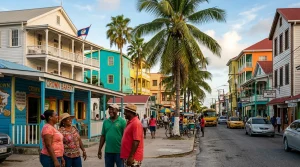
Belize is a fascinating tapestry woven from an array of cultures and ethnicities, creating a vibrant national identity that is both rich and diverse. With a population that includes the Maya, Garifuna, Creole, Mestizo, and other communities, each group contributes its distinct customs, languages, and traditions to the Belizean mosaic, resulting in a cultural melting pot that reflects the nation’s resilient spirit and historical evolution.The Maya civilization, known for its magnificent temple cities and advanced knowledge of astronomy and mathematics, laid the groundwork for many traditional practices still observed today. This ancient heritage is palpable in the rituals, agricultural practices, and languages of the Mayan descendants, who are an integral part of Belize’s cultural identity. Alongside them, the Creole community, descendants of enslaved Africans and European settlers, plays a pivotal role in shaping the national character. Their rich oral traditions, vibrant tales, and a unique dialect add flavor to the Belizean social fabric, while their cuisine, characterized by a mix of spices and techniques, tantalizes both locals and visitors alike.Garifuna culture is another cornerstone of Belize’s identity, showcasing its unique music, dance, and culinary traditions. This community, with roots tracing back to African and Indigenous Caribbean origins, is renowned for its lively celebrations and traditional instruments, which echo through towns during festivals. Immigrant groups, particularly from countries like Guatemala and Honduras, have also brought their customs, enhancing the cultural variety found throughout the nation.As visitors embark on their journey through Belize, they become part of this intricate cultural landscape. Annual festivals, such as the Garifuna Settlement Day and the San Pedro Lobster Festival, offer immersive experiences where tourists can witness traditional music, dance, and food firsthand, forging connections between diverse peoples. Engaging with local communities not only enriches a travel experience but fosters a deeper understanding of Belize’s unique place in the Caribbean and Central America. Whether exploring the bustling streets of Belize City or the serene beauty of the cayes, one can feel the heartbeat of a nation that celebrates its diversity as a strength and a source of pride.
The Rich Heritage of Maya Civilization in Belize
In the heart of Belize lies an intricate legacy woven deeply into the fabric of its society, stemming from the remarkable Maya civilization. Renowned for its archaeological wonders, including towering temple complexes, sophisticated writing systems, and advanced knowledge of astronomy, the Mayan heritage is not merely a relic of the past; it is alive in the cultural practices, languages, and rituals of contemporary Belizeans. The Maya of Belize can be traced back to around 1500 BCE, and their influence is felt throughout the nation, manifesting in the customs and traditions of the communities that identify with this rich heritage.Today, the remnants of ancient Mayan cities such as Caracol, Xunantunich, and Lamanai stand as testaments to the civilization’s ingenuity and complexity. These sites draw visitors from around the world, eager to experience the stunning architecture that harmonizes with the lush landscapes of Belize. As you traverse these archaeological sites, make sure to engage with the local guides, many of whom are descendants of the Maya themselves. They not only provide insights into the ancient structures but also share stories that bridge the ancient past with modern life. Experiencing their narratives enriches your understanding and appreciation of the Maya heritage.Moreover, the Maya culture continues to thrive through its vibrant traditions. Their languages, including K’iche’, Yucatec, and Mopan, are still spoken today, reflecting a strong commitment to preserving their identity. Festivals such as the Day of the Dead exemplify the ways in which ancient rituals persist, blending with Christian beliefs and resulting in unique celebrations that honor both ancestry and spirituality. Culinary practices, too, have been handed down through generations, with dishes like tamales and corn tortillas rooted deeply in Maya agrarian customs.The significance of the Maya heritage extends beyond historical interest; it is a vital component of Belize’s cultural and national identity. As visitors explore this diverse landscape-from the serene beauty of the jungles to the vibrant towns-embracing the rich legacy of the Maya offers a unique lens through which to appreciate the country’s cultural diversity. Understanding the interplay between ancient heritage and contemporary practices not only enhances your travel experience but also deepens your connection with the resilient spirit of the Belizean people. Engage, explore, and allow the stories of the Maya to captivate your heart while you discover the breathtaking wonders of Belize.
Exploring the Creole Culture and Its Influence
In Belize, the Creole culture serves as a vibrant expression of the nation’s diverse history, weaving together threads from African, European, and indigenous influences. Known for its warmth and spirit, this culture is particularly prominent along the Caribbean coast, with towns like Belize City acting as lively hubs where Creole heritage flourishes. One of the most captivating aspects of Creole culture is the language, a dynamic Creole English that incorporates elements from African languages, Spanish, and the Indigenous tongues, creating a unique linguistic tapestry that facilitates storytelling, music, and everyday communication.Music and Dance At the heart of Creole culture lies a pulsating musical tradition that resonates through its lively celebrations and gatherings. The use of instruments like the drum and fiddle gives rise to infectious rhythms that invite everyone to dance. Festivals and local events often feature sounds that blend traditional songs with contemporary influences, showcasing renowned genres like brukdown-a festive dance music that is not just for entertainment but also serves as a storytelling medium. Visitors can immerse themselves in this energetic atmosphere by participating in local dances or enjoying performances at community events, where the music speaks to the soul of Belize.Cuisine: A Flavorful Heritage The culinary delights of Belizean Creole culture are a must-try, offering a gastronomic adventure that reflects their historical narratives. Dishes celebrate local ingredients and age-old recipes passed down through generations. Popular meals like rice and beans, stew chicken, and fry jack embody the fusion of flavors that tell a story of survival and resilience. For a true taste of this culture, visiting local markets or street vendors not only satiates hunger but also provides a window into the communal spirit that defines this community.Festivals and Community Gatherings Participating in Creole festivals such as Garifuna Settlement Day or Creole Day allows visitors to experience the vibrant traditions firsthand. These events are filled with parades, dances, and an array of traditional foods, promoting cultural pride and unity among the diverse ethnic groups in Belize. Engaging with the locals during these festivities opens up avenues to understand their perspectives, histories, and how they navigate contemporary life while honoring their roots.In summary, immersing oneself in Creole culture in Belize is an invitation to experience a life tinged with history, rhythm, and flavor. From the lively dances echoing through warm Caribbean nights to the rich tapestry of flavors in every bite of food, the Creole influence is a monumental aspect of what makes Belizean culture both diverse and captivating. As travelers explore the stunning landscapes and vibrant communities of Belize, the essence of Creole culture invites them to share in the stories and traditions that make this nation a true cultural melting pot.
Garifuna: The Soul of Belizean Music and Dance
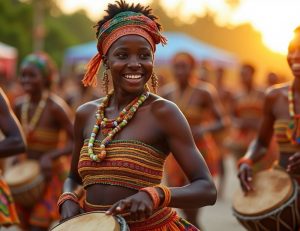
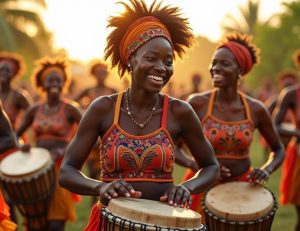
In the vibrant tapestry of Belizean culture, the Garifuna people stand out as a beacon of rich heritage and expressive artistry. Renowned for their music and dance, the Garifuna culture pulsates with life, telling stories of history, resilience, and unity through rhythmic drumming and captivating movements. At the heart of their tradition are the iconic drums, which serve not only as musical instruments but also as communication tools that convey emotions and cultural narratives, making every beat resonate with the spirit of the Garifuna community.Musical Heritage
Garifuna music is an enchanting blend of African, Indigenous, and Caribbean rhythms, reflecting the diverse influences that have shaped their identity. Instruments like the primarily played drum, along with the turtle shell, and various percussion instruments, create a lively auditory experience that ignites celebrations across the country. The traditional styles of music, such as Punta and Paranda, often intertwine storytelling with themes of ancestral pride and cultural celebration, inviting listeners to experience the essence of Garifuna heritage firsthand.Dancing the Stories
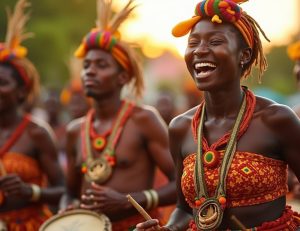
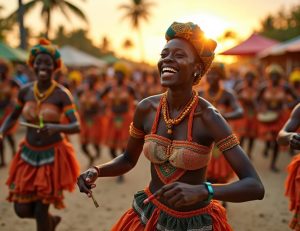
Dance is an integral aspect of Garifuna culture, with each movement narrating stories of love, resistance, and community. Festivals, particularly Garifuna Settlement Day celebrated on November 19, are filled with energetic performances showcasing traditional Garifuna dances. Participants, adorned in vibrant costumes, move gracefully while performing the Punta, which incorporates lively hip movements and swift footwork, inviting everyone to join in the rhythmic celebrations. Visitors are encouraged to engage, as these dances foster a sense of belonging and connection within the vibrant cultural fabric.Cultural Impact and Exploration
Experiencing Garifuna culture is essential for any traveler wishing to delve deeper into Belize’s rich heritage. Engage with local communities in places like Dangriga and Hopkins, where the Garifuna population thrives and cultural events are prevalent. Sampling traditional dishes like hudut (a coconut-infused fish soup served with plantain) complements the immersion into the culture, as food becomes another storytelling medium. Travelers often find themselves enchanted not only by the music and dance but also by the warmth and hospitality of the Garifuna people, who welcome visitors to participate in their traditions.By experiencing the soulful music, dynamic dances, and deep cultural significance of the Garifuna, travelers unearth hidden gems of Belize’s cultural diversity. Each note, beat, and movement becomes a vessel for understanding the intricate past and vibrant present, making it a must-see facet of Belize’s identity that enriches both the visit and the soul.
Understanding the Impact of Immigrant Communities
The diverse tapestry of Belize’s culture is significantly woven from the threads of its immigrant communities, which have continually shaped the nation’s identity. Immigrants from various regions, including Europe, Asia, and the Caribbean, have brought their traditions, languages, and culinary delights, contributing to the vibrant mosaic that characterizes Belize today. As you navigate through its towns and villages, you can witness this blending of cultures in everything from the music echoing through the streets to the fusion of flavors in local cuisine.Historically, the arrival of groups such as the East Indians, Chinese, and Lebanese has left indelible marks on Belize’s socio-cultural landscape. The East Indian community, for instance, is renowned for introducing spices and cooking techniques that influence staple dishes like curry rice and roti, while the Chinese community has significantly impacted local commerce and introduced delicious dishes such as fried rice and sweet and sour chicken. These culinary traditions have mingled with Creole and Garifuna influences, creating a unique Belizean cuisine that is celebrated globally.Cultural Contributions
The festivals and events honoring these immigrant cultures promote cultural exchange and unity, bridging gaps between diverse groups. Events such as the Chinese New Year celebrations and the East Indian Divali festivities bring communities together, showcasing vibrant parades, traditional music, and culinary offerings. These celebrations provide an opportunity for travelers to engage with locals, fostering a deeper appreciation for the myriad backgrounds that coexist within this small nation.A Local Experience for Travelers
Travelers looking to immerse themselves in Belize’s multicultural heritage can start by exploring the bustling streets of Belize City, where you can find a mixture of food stalls and restaurants offering local dishes influenced by these immigrant narratives. Visiting neighborhoods such as the Queen Street area reveals the vibrant murals and community art that celebrate the history of these groups. Engaging in conversations with locals offers insights into their unique experiences and contributions that have helped build the Belize we see today.The story of Belize is one of resilience and adaptation, where each wave of immigrants has added rich layers to the nation’s cultural identity. Understanding the impact of these communities allows visitors to appreciate the depth and diversity that make Belize a destination like no other, where every encounter is an invitation to discover new flavors, stories, and friendships.Traditional Festivals: Celebrations of Diversity
Belize is a vibrant mosaic of cultures that comes alive through its traditional festivals, offering visitors a captivating glimpse into the heart of Belizean identity. These celebrations are not just events but are vivid demonstrations of the rich diversity that characterizes this Central American nation, where different ethnic groups showcase their unique traditions, music, dance, and culinary delights. From the pulsating rhythms of Garifuna drumming to the aromatic spices of East Indian cuisine, every festival provides an opportunity for cultural exchange and community bonding.One of the most renowned festivals is the Garifuna Settlement Day, celebrated on November 19th. This event commemorates the arrival of the Garifuna people in Belize and is steeped in ancestral traditions. Expect a parade filled with colorful costumes, vibrant music, and the joyful sounds of dancers celebrating their heritage along the sandy shores. Engaging in this festival allows visitors to connect with the Garifuna culture, evident in their drumming, singing, and communal spirit.Another captivating event is Divali, the Hindu festival of lights, celebrated by the East Indian community. This festival typically occurs in October or November and is marked by beautifully lit homes adorned with oil lamps, fireworks, and festive feasts. Visitors can indulge in traditional sweets, participate in cultural performances, and witness the coming together of families and friends, symbolizing the triumph of light over darkness.Chinese New Year offers yet another unique experience, celebrated with dragon and lion dances, delicious culinary offerings, and intricate fireworks displays. This festival showcases the contributions of the Chinese community, emphasizing their role in Belize’s commercial landscape and cultural fabric. Travelers are encouraged to join in the festivities, sampling traditional dishes and experiencing the warm hospitality of local communities.It’s essential for travelers to immerse themselves in these rich traditions to fully appreciate Belize’s cultural diversity. Each festival provides a unique backdrop for understanding the harmony within this melting pot of ethnicities. Engaging with locals, participating in events, or simply enjoying the music and food creates lasting memories and connections to Belize’s vibrant heritage. Whether you’re dancing alongside locals in a street fiesta or savoring a plate of curries at Divali, every moment is an invitation to understand the spirit of Belize as a cultural destination.Cuisine of Belize: A Gastronomic Journey Through Cultures
Exploring the culinary landscape of Belize is akin to embarking on an exciting journey through a vibrant cultural tapestry, where every dish tells a story of diverse influences and rich traditions. The country’s cuisine is a delightful reflection of its multi-ethnic society, with Indigenous, European, African, and Asian flavors converging harmoniously on the plate. From savory stews to tropical fruits, every meal in Belize offers a taste of its complex history and cultural diversity.Local staples such as rice and beans infused with coconut milk, often accompanied by jerk chicken or fish, offer a quintessential Belizean experience. Here, the base ingredients echo the culinary practices of the Mestizo and Creole communities, blending Indigenous and African roots. The Garifuna community, known for their celebration of culture through music and food, enhances the culinary scene with iconic dishes like hudut-a flavorful fish stew served with plantains. The richness of Belize’s culinary offerings is further highlighted by the popular frying pan bread, often enjoyed with a side of spicy fish or shrimp, showcasing how food can bridge communities and create connections.In cities like Belize City and San Ignacio, numerous restaurants and street vendors present an array of dishes that reflect the country’s eclectic heritage:
- Ceviche: Freshly caught fish or shrimp marinated in lime juice, cilantro, and chili peppers, a refreshing dish that encapsulates Belize’s coastal bounty.
- Panades: Corn dough filled with fish and fried to golden perfection, these handheld treats are staples in Garifuna celebrations and street food culture.
- BBQ Chicken: A must-try, often marinated in flavorful spices and grilled to tender perfection, served with potato salad and rice.
Language and Dialects: The Linguistic Tapestry of Belize
In Belize, the air is thick with a tapestry of languages that mirror the nation’s rich cultural diversity. With English as the official language, this Central American gem is a melting pot of tongues, where the lyrical sounds of Creole, Spanish, Maya languages, and Garifuna intertwine, reflecting the nation’s myriad ethnic groups. This unique linguistic landscape not only enriches everyday conversation but also offers visitors a deeper insight into the beliefs, traditions, and identities of the Belizean people.Belizean Creole, often simply referred to as Kriol, is a vibrant creole language derived primarily from English, enriched with influences from African languages and local dialects. This lively form of communication is commonly heard in casual settings and is often vibrant and expressive, making it a delightful aspect of local culture. Engaging with the locals in Kriol can open doors to authentic experiences, as it showcases an appreciation of their heritage and creates a bond that transcends the barriers of language.Alongside Kriol, Spanish holds its ground as a significant language due to the large Mestizo population. Many Belizeans are bilingual, effortlessly switching between English and Spanish, particularly in areas with a strong Hispanic influence. Meanwhile, the Maya languages-Kekchi, Mopan, and Yucatec-are spoken by the Indigenous communities, preserving ancient traditions and knowledge passed down through generations. Garifuna, another crucial language, embodies the unique culture of the Garifuna people, celebrated through music, dance, and storytelling, illuminating the importance of cultural heritage in Belize.Visitors eager to dive into this linguistic adventure can benefit from learning a few basic phrases in Kriol or Spanish. Simple greetings like “How dih ya?” (How are you?) in Kriol or “¿Cómo estás?” in Spanish can break the ice and foster friendly interactions. Restaurants, markets, and festivals are perfect venues to hear these languages in action, each conversation offering a window into the life, humor, and customs of Belizeans. Through language, the rich interweaving of cultures in Belize becomes just as palpable as its stunning natural beauty, each phrase inviting travelers to connect with the heart and soul of this extraordinary destination.Belize’s Indigenous Peoples: Preserving Ancient Traditions
The vibrant tapestry of Belize’s Indigenous peoples, notably the Maya, reflects a history steeped in resilience and cultural richness. Representing some of the earliest civilizations, the Maya have left an indelible mark on the cultural landscape of Belize, evidenced by their majestic ruins, such as Caracol and Xunantunich, where you can marvel at grand temples and breathtaking pyramids. Today, the Maya communities strive to preserve their ancient traditions, languages, and crafts, showcasing an unwavering spirit against the backdrop of modern influences.Walking through a Maya village, visitors may be enchanted by the colorful textiles woven with intricate patterns that depict stories passed down through generations. These handmade fabrics not only serve as beautiful garments but also as a medium for storytelling, expressing the identity and history of the Maya. Engaging with local artisans offers travelers a glimpse into these traditional practices, emphasizing the importance of maintaining cultural heritage in an ever-challenging world. Participating in workshops where you can learn traditional cooking methods or participate in a ceremony can deepen your connection to the Indigenous way of life, enhancing your Belizean experience.Moreover, the role of spirituality and ceremonies plays a crucial part in preserving these ancient traditions. The Maya calendar, for instance, remains relevant, guiding agricultural practices and community celebrations. Rituals honoring the earth and honoring ancestors are vital to the Maya, reflecting a profound respect for nature and the interconnectedness of life. Visitors can witness these spirited rituals, particularly during festivals that showcase Maya dance, music, and rituals, allowing for an immersion into the rich cultural heritage while fostering respect for their enduring customs.Belize’s Indigenous peoples are not merely subjects of history; they are active participants in the nation’s cultural diversity. As you explore Belize, take the opportunity to embrace the stories, flavors, and artistic expressions that the Maya and other Indigenous communities offer. Engaging thoughtfully with these rich traditions preserves the essence of Belize and contributes to its vibrant cultural mosaic, making every visit a journey into the heart of this beautiful country.The Role of Religion in Belizean Cultural Identity
In Belize, religion plays a pivotal role in weaving together the diverse cultural identity of this vibrant nation, where the fusion of various beliefs and practices enriches the social tapestry. Approximately 70% of the population identifies as Christian, with the major denominations including Roman Catholicism, Protestantism, and Evangelical faiths. However, this predominant Christian ethos is often intertwined with spiritual practices from ancient Indigenous traditions, creating a unique blend that honors both the sacred and the ancestral.Visitors to Belize will undoubtedly feel the spiritual heartbeat of the country during festivities, where religion manifests in lively celebrations filled with music, dance, and communal gatherings. For instance, the vibrant Garifuna Settlement Day on November 19th transcends mere commemoration; it showcases the deep-rooted connection to ancestors through rituals that pay homage to history, resilience, and spirituality. Similarly, during Catholic observances such as Holy Week, one can witness a remarkable display of cultural devotion, where local customs and traditional practices are infused into the solemn ceremonies, providing a rich mosaic of faith and tradition.The impact of religion in Belize is not just limited to spiritual gatherings; it breathes life into artistic expressions throughout the country. Pioneer artists and musicians often draw inspiration from their beliefs and heritage, giving rise to a dynamic array of music genres-like Punta and Paranda-that echo the spiritual narratives of their communities. The result is a cultural scene that thrives on collaboration and cross-pollination, inviting seekers of culture to engage with these expressive forms.Moreover, religion fosters a sense of unity among Belize’s diverse ethnic groups, including the Creole, Maya, Garifuna, and others. This shared spiritual landscape encourages tolerance and communal support, wherein distinct practices and celebrations, regardless of origin, are welcomed and experienced collectively. Travelers have the opportunity to partake in local religious events, allowing for immersive experiences that reveal the significance of faith in shaping Belizean identity.In essence, is one of enrichment and connection, weaving together the threads of history, spirituality, and community. Each vibrant festival, heartfelt ceremony, and artistic expression offers a window into the soul of Belize, inviting travelers to explore not just the sites, but the deep meanings that infuse this paradise with life and warmth.Impact of Colonial History on Modern Belizean Society
The intricate tapestry of modern Belizean society is unmistakably woven with the threads of its colonial past. Originally inhabited by the Maya civilization and later influenced by British colonization, the resultant cultural diversity thrives amid the remnants of its layered history. The legacy of colonial rule-rife with both struggle and resilience-continues to shape the identity, politics, and cultural expressions of Belize today. This blend of cultures creates a unique atmosphere that beckons travelers and expats alike, inviting them to delve deep into the nation’s vibrant heritage.Colonial history has had a profound impact on the linguistic landscape of Belize. English, the official language, flourished during British rule, paving the way for a society where multiple languages are spoken, including Kriol, Spanish, and various Mayan dialects. This multilingualism reflects a blending of influences that enriches Belize’s everyday interactions, fostering an environment of inclusivity. Tourists can experience this linguistic diversity firsthand, whether it’s through conversations in lively markets or during communal celebrations, where different languages and dialects come alive in song and storytelling.Social structures in Belize also bear the imprint of colonial times, particularly in relation to land ownership and economic disparity. While the British established plantations that relied on enslaved Africans, the repercussions of these actions persist in contemporary social dynamics. Understanding this historical context provides travelers with deeper insights into the customs and societal norms that govern local interactions. Engaging with local communities through guided tours or cultural exchanges can enrich visitors’ understanding of how these historic legacies impact everyday life in Belize.Belize’s rich traditions, from music and dance to culinary delights, are vibrant testaments to the influence of colonial history. The Garifuna culture, which has roots in Indigenous Caribbean peoples and African descendants, showcases the synthesis of these heritages. Their music and dance forms, such as Punta and Paranda, often celebrate community and memory-echoing the struggles of their ancestors. Festivals like Garifuna Settlement Day serve as living museums, allowing visitors to witness the enduring spirit of a culture that has transformed adversity into celebration.Ultimately, exploring the opens a window into a nation characterized by resilience, adaptability, and a rich mosaic of cultural fusions. As you traverse its landscapes-from the ancient Maya ruins nestled in the rainforests to the vibrant streets of Belize City-take the time to appreciate how these historical narratives enrich the present, inviting you to immerse yourself in a celebration of diversity that is distinctly Belizean.Belize as a Destination for Cultural Tourism
The vibrant allure of Belize lies not just in its breathtaking landscapes but also in its rich tapestry of cultures that draw visitors from around the globe. This Central American gem is a true melting pot, where the threads of Maya, Creole, Garifuna, and numerous other ethnic groups interweave to create a unique cultural experience. For travelers seeking an authentic immersion, Belize offers an adventure that is both enriching and unforgettable.From the ancient remnants of towering Maya ruins like Xunantunich and Caracol to the lively streets of Belize City, where Creole culture thrives, every corner of Belize tells a story. Engage with local artisans in San Ignacio, who craft vibrant textiles, or savor Garifuna dishes such as hudut, where fresh fish is elevated with coconut milk and served alongside plantains. Festivals throughout the year, including the colorful Carnival and the rhythmic Garifuna Settlement Day, provide a glimpse into the celebrations that define the nation’s identity.Accommodations in Belize cater to all budgets and tastes. For budget-conscious travelers, hostels in bustling areas like Caye Caulker offer a friendly atmosphere and shared experiences. Families might prefer resorts in Placencia that provide fun activities and access to stunning beaches, while couples can indulge in romantic overwater bungalows in Ambergris Caye or luxurious jungle lodges surrounded by nature.When planning your visit, consider coordinating your trip around local festivals to fully experience the culture. Engage with the community through homestays or cultural tours that provide deeper insights into Belizean life. Practical tips for visitors include understanding local currency (Belize Dollar), organizing transportation ahead of time-whether by water taxi or local bus-and being aware of the weather patterns, as seasonal rains may impact travel plans. With a welcoming spirit and a rich cultural mosaic, Belize offers a lively destination for cultural tourism that invites exploration, celebration, and connection.Q&A
Q: What are the main ethnic groups in Belize? A: Belize is home to several distinct ethnic groups, including Mestizos (approximately 52%), Creoles (around 25%), Maya (about 10%), and Garifuna (approximately 6%). There are also smaller communities of East Indians, Chinese, and Mennonites, reflecting the country’s rich cultural diversity [1[1].Q: How does Belize’s multicultural society influence its culture? A: Belize’s multicultural society creates a vibrant cultural landscape where various traditions, languages, and culinary practices meld, enriching festivals, music, and daily life. This blending of cultures is evident in events and celebrations that honor each group’s heritage, promoting social harmony and understanding [2[2].Q: What role do indigenous peoples play in Belize’s cultural identity? A: Indigenous peoples, particularly the Maya, play a vital role in preserving ancient traditions and cultural practices in Belize. Their influence is seen in language, art, and spiritual beliefs, significantly contributing to the overall tapestry of Belizean identity and heritage [1[1].Q: Why is understanding cultural diversity important for visitors to Belize? A: Understanding cultural diversity is crucial for visitors to fully appreciate Belize’s rich heritage and social fabric. It enhances interactions with local communities and allows tourists to engage meaningfully with the customs, traditions, and cuisines that make Belize unique [3[3].Q: What languages are spoken in Belize due to its ethnic diversity? A: Belize’s ethnic diversity contributes to a multilingual society. While English is the official language, Spanish, Kriol (Creole), and various Mayan languages are spoken widely, reflecting the cultural heritage of its population [2[2].Q: How do festivals in Belize celebrate its cultural diversity? A: Festivals in Belize, such as Garifuna Settlement Day and the National Festival of Arts, showcase the nation’s cultural diversity. These events celebrate traditional music, dance, and culinary arts from the different ethnic groups, fostering a spirit of unity and appreciation [3[3].Q: When did the ethnic diversity in Belize begin to develop? A: The ethnic diversity in Belize began to develop during the colonial period, as various groups including the Maya, Creoles, and Garifuna settled in the region. This diversity expanded further with the arrival of East Indians, Chinese, and Mennonites in the 19th and 20th centuries [1[1].Q: What influences the cuisine of Belize? A: The cuisine of Belize is influenced by its diverse ethnic groups, incorporating various ingredients and cooking techniques. Dishes often reflect a mix of Maya, Creole, and Garifuna flavors, resulting in a unique gastronomic experience for visitors and locals alike [3[3].To Wrap It Up
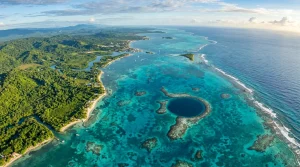
As you explore the rich tapestry of Belizean ethnicity and cultural diversity, remember that this vibrant nation offers more than just its fascinating demographics. From the mesmerizing depths of the Great Blue Hole to the rhythmic beats of Garifuna dance, every corner of Belize invites you to experience its unique heritage. If you’re intrigued by Belize’s diverse culture, be sure to check out our guides on Creole Cuisine and Maya Ruins, as well as our detailed accommodation options that cater to every type of traveler.Don’t miss out on your chance to uncover the beauty of Belize firsthand! Sign up for our newsletter for insider tips, special offers, and the latest travel updates. Whether you’re seeking the thrill of eco-tourism or the tranquility of untouched beaches, there’s so much to discover. Explore further, engage with us in the comments, and let us guide you on your journey through this extraordinary destination where cultures converge. The adventure awaits you!Comprehensive Guide and In-Depth Analysis: Belize Ethnicity
When exploring the details surrounding belize ethnicity, understanding the practical, environmental, and cultural dynamics of Belize is essential for making informed travel or investment decisions. Belize stands out in Central America for its English-speaking heritage, British Common Law legal stability, and world-class ecotourism infrastructure.
Whether navigating mainland rainforest corridors, consulting local authorities, or exploring marine conservation zones along the Belize Barrier Reef, having verified, comprehensive information regarding belize ethnicity ensures seamless execution.
| Key Evaluation Pillar | Standards & Conditions in Belize | Actionable Best Practices |
|---|---|---|
| Regional Specifics | Variations between northern districts, central cayes, and southern rainforests | Align plans with specific district infrastructure and seasonal weather |
| Regulatory & Legal Framework | Belize Tourism Board (BTB) regulations and national conservation laws | Always work with licensed local professionals and certified guides |
| Logistics & Practical Costs | Fixed 2:1 BZD-to-USD currency peg; accessible transport via air and water | Plan budget with cash buffer for remote destinations and transfers |
For visitors and residents alike, engaging with belize ethnicity through authorized, sustainable practices contributes directly to local community development and the preservation of Belize’s pristine marine and terrestrial ecosystems.
Frequently Asked Questions: Belize Ethnicity
Why is understanding belize ethnicity important for Belize visitors?
It provides essential context for choosing the right regional destinations, understanding local pricing, and ensuring full compliance with environmental and tourism standards.
How do seasonal factors affect belize ethnicity in Belize?
The dry season (December through May) offers calm seas and sunny weather, while the green season brings lower rates and lush jungle scenery.
Get our latest guides, news, and insights highlighted in your Google Search & AI Overviews.