In the vibrant cultural tapestry of Belize, understanding the national language unveils deeper connections to its diverse heritage and rich identity. English, as the official language, reflects the nation’s colonial history while serving as a vital tool for communication amid the mix of languages spoken by its inhabitants, including Spanish, Kriol, and various Maya dialects. This linguistic diversity not only enriches the lives of locals but also enhances the experiences of travelers eager to connect with the people and traditions of this stunning Central American destination. As you explore the lush jungles, breathtaking coastlines, and ancient ruins, grasping the significance of Belize’s language landscape will deepen your appreciation for its cultural richness. Join us as we delve into the essentials of Belize’s official language, its implications, and how it shapes the identity of this unique nation.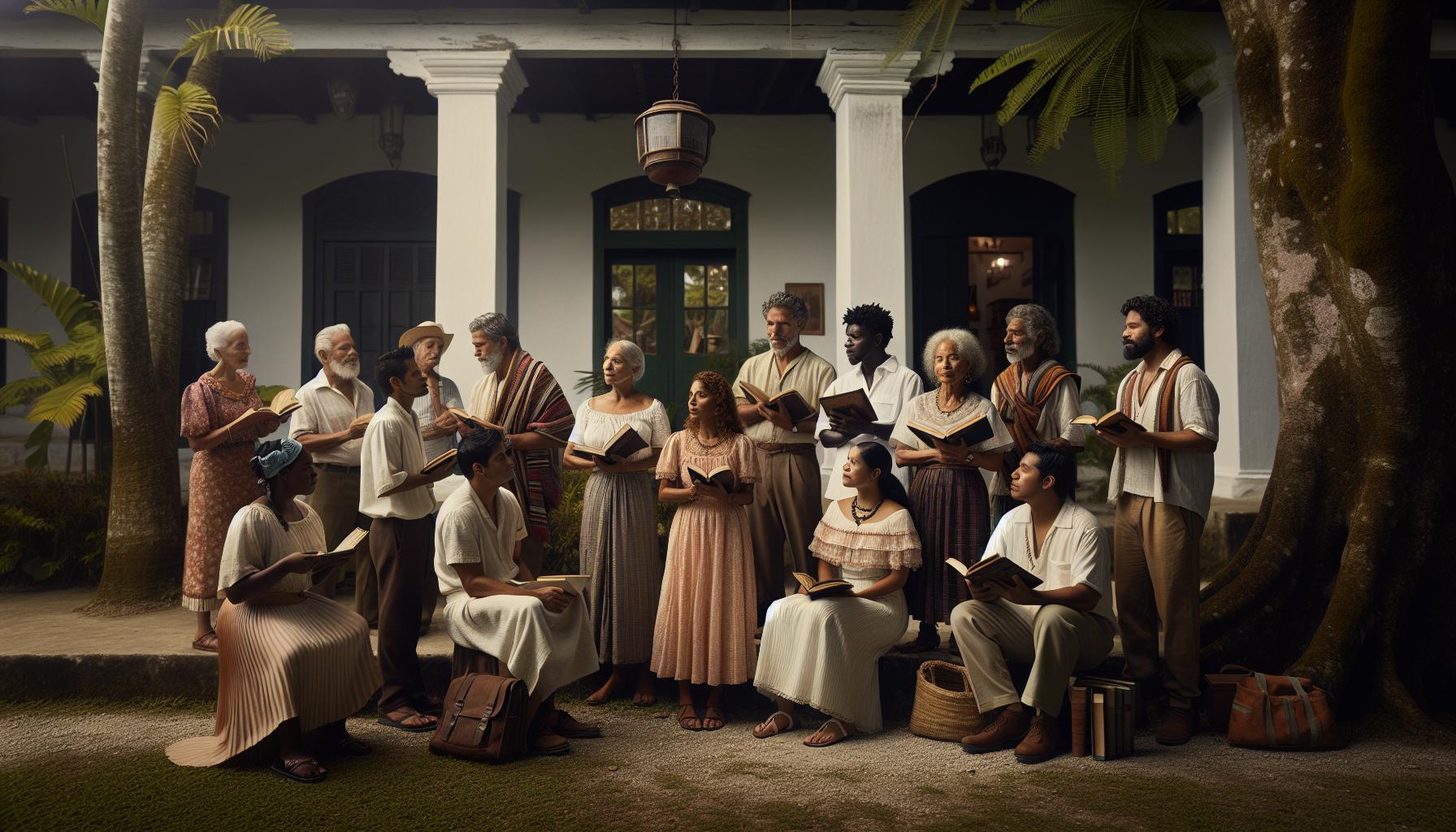
What is the National Language of Belize?
At the vibrant crossroads of culture and history lies Belize, where the air is filled with the sounds of English, Creole, and a medley of Maya languages, reflecting its rich tapestry of heritage. The national language of Belize is English, a legacy from its colonial past as British Honduras, which plays a unifying role in a nation known for its linguistic diversity. This historical backdrop sets the stage for understanding why English is not just a means of communication but a vital component of national identity.
The official status of English is enshrined in the Constitution, making it the primary language used in government, education, and media. Its prevalence in formal settings ensures that all citizens, regardless of their mother tongue, can engage with national institutions. For travelers, this is a welcoming feature, facilitating easier navigation and deeper interactions with locals. English in Belize is often accompanied by a distinct local flavor through Belizean Creole, which is widely spoken in informal settings and adds to the richness of everyday conversations.
Language also plays a crucial role in tourism, as guides and local businesses leverage their linguistic skills to cater to an international audience. Visitors can immerse themselves not only in the picturesque landscapes and ancient ruins but also in the lively cultural exchanges that occur in English and Creole. This duality enhances the tourist experience, offering insights into the local way of life while maintaining accessibility for those who may not speak Spanish, the predominant language in neighboring Central American countries.
In summary, English is more than a national language in Belize; it is a vital thread woven into the social fabric of the country, bringing together a diverse populace while also inviting visitors to explore its stunning natural beauty and cultural richness. Whether you’re wandering through the lush jungles, relaxing on pristine beaches, or marveling at the ancient Mayan ruins, the welcoming use of English ensures that every traveler feels at home in this remarkable destination.
The Official Status of English in Belize
Belize is a nation where the melodic flow of English resonates through its lush jungles and vibrant towns, embodying the spirit of its people and heritage. Recognized as the official language, English holds a paramount place in the daily lives of Belizeans, serving not only as a medium of communication but also as a cultural cornerstone that unites a diverse population. Enshrined in the Belizean Constitution, English occupies a position of authority in government proceedings, legal documents, and educational systems, ensuring that all citizens-no matter their linguistic background-can fully engage with their country’s institutions.
The official status of English impacts a visitor’s experience as well. Travelers from around the world can navigate this stunning paradise with ease, as almost all locals are proficient in English. This accessibility allows for rich interactions, enabling tourists to delve deep into the country’s history and culture without the barrier of language. Whether you are exploring the revered ancient Mayan ruins of Xunantunich, savoring the vibrant flavors of Belizean cuisine in local eateries, or haggling at lively markets, you will find that English acts as a bridge, fostering connections and cultural exchanges.
However, while English reigns in formal contexts, the streets of Belize echo with the charm of Belizean Creole, a vibrant vernacular that adds color to everyday interactions. This unique blend of English and Creole not only enhances local conversations but also reflects the country’s rich multicultural identity. Whether you’re dancing to the lively rhythms of Garifuna music or engaging in spirited discussions about local traditions, understanding these linguistic nuances will enrich your experience in this Central American gem.
Language in Belize is more than a tool for communication; it is woven into the fabric of national identity and pride. As you embark on your adventures-from the pristine beaches of Ambergris Caye to the lush landscapes of the Cayo district-embracing the linguistic diversity of this beautiful country will open doors to unforgettable experiences and connections with its warm, welcoming people.
Understanding Belize’s Linguistic Diversity
In the heart of Central America, Belize stands as a vibrant tapestry of cultures, and at the center of its linguistic landscape is an impressive diversity that enhances its rich heritage. While English is the official language, it coexists harmoniously with a multitude of other languages, each contributing unique threads to the nation’s cultural fabric. This remarkable blend of tongues reflects Belize’s history as a melting pot, where influences from indigenous communities, colonial legacies, and immigrant populations converge.
Belizean Creole, often simply referred to as “Creole,” resonates through the streets and homes, acting as a lively vernacular rich in rhythm and expression. While based on English, this dynamic language incorporates elements from Spanish, various African languages, and even some indigenous dialects, making it a critical aspect of everyday life. Visitors will find that speaking a few phrases in Creole can earn warm smiles and foster rich connections with locals, revealing the genuine hospitality that Belizeans are known for.
Moreover, Spanish is widely spoken due to Belize’s proximity to Mexico and a sizable Hispanic population. In addition to English and Creole, numerous indigenous languages, such as Maya and Garifuna, echo the ancestral roots of the country’s inhabitants. This multilingual environment not only enriches the visitor experience but also nurtures an inclusive community that celebrates differences. Festivals and cultural events throughout the year showcase this linguistic diversity, allowing travelers to immerse themselves in the voices and stories that shape Belize’s identity.
As you explore Belize-from the bustling markets of Belize City to the serene beaches of Caye Caulker-embracing this linguistic diversity can enhance your connection to the land and its people. Whether you’re navigating a local eatery, bargaining at a craft market, or joining a celebration of Garifuna culture, you’ll discover that language here is more than a simple means of communication; it is a thread interwoven into the very essence of Belizean life.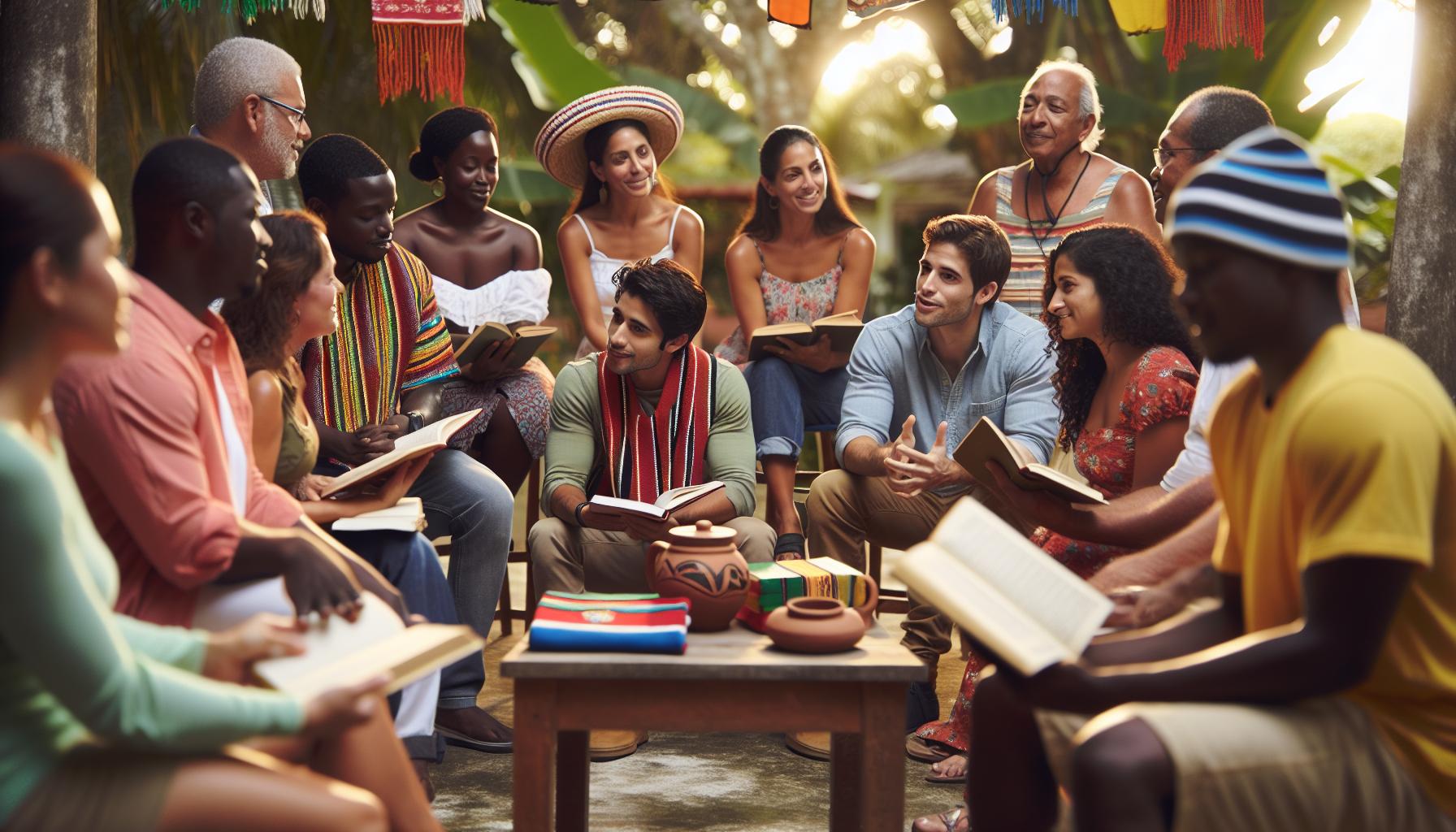
Historical Background of Language in Belize
Belize’s linguistic landscape is a captivating reflection of its complex history, shaped by waves of migration, colonialism, and cultural exchange. The foundation of this multilingual environment began with the arrival of the Indigenous Maya, who established thriving city-states and spoke various dialects still present today. As European colonization took root in the 17th century, predominantly by the British, English steadily gained prominence. The British imported enslaved Africans to work on plantations, fostering the emergence of Creole-a blend of English and African languages-while various Indigenous languages remained in use.
Throughout Belize’s colonial era, designated as British Honduras until 1973, English was primarily the language of administration and education. It became entrenched as the official language, yet the usage of Creole in informal settings allowed for cultural expression and connection among the people. The coexistence of these languages created a vibrant tapestry of communication, rooted in both colonial legacies and local realities. Belize’s unique blend of cultures continued to evolve as new immigrant groups arrived, including those from Germany, China, and the Middle East, enriching the linguistic environment further.
In the post-independence era, which began in 1981, Belizean citizens embraced their distinctive identity, with language serving as a critical marker of belonging. The result is a societal landscape where English and Creole thrive alongside Spanish and Indigenous languages such as Garifuna and Q’eqchi’. Festivals celebrating the diverse cultural heritage of Belize often feature various languages, allowing for a celebratory atmosphere that reinforces the importance of linguistic diversity. Exploring this rich linguistic backdrop, travelers will find that engaging with the local language-whether through friendly exchanges in Creole or appreciating the nuances of Maya languages-deepens their understanding and appreciation of Belizean culture.
By delving into the historical context of language in Belize, visitors can better navigate and appreciate the nuances of the nation’s rich tapestry. As you engage with locals, remember that every word exchanged is a bridge connecting you to the vibrant heritage of this beautiful country, where every language tells a story and adds depth to the experience of exploration.
How English Became the Official Language
From the bustling markets of Belize City to the serene beaches of Ambergris Caye, one thing becomes strikingly clear: English is not just the official language of Belize; it is a vital thread in the nation’s cultural fabric. Emerging from a complex historical tapestry, English became the language of administration and education during the colonial period under British rule. As Belize transitioned from British Honduras to its independence in 1981, this linguistic heritage solidified English’s place as the national language, reflecting both authority and continuity in Belizean identity.
The rise of English in Belize can be traced back to the 17th century when British colonizers began to assert their influence over the region. Initially, English served a practical purpose as the language of commerce and governance. As the British settled and established plantations, they brought enslaved Africans who contributed to the formation of Creole-a distinct blend of English and African languages. While English became entrenched in official communications, Creole flourished in everyday conversation among the populace, creating a dual linguistic landscape that persists today.
The official status of English was further bolstered by its role in education and public life. Schools primarily taught in English, and government institutions conducted their affairs using this language, ensuring that citizens were equipped to engage with state functions. The symbolic significance of English as a link to the past and a passport to broader global communications has never diminished. As you traverse this vibrant nation, you’ll find that speaking English opens doors-whether you’re asking for directions or sharing a laugh with a local over a plate of rice and beans.
While English reigns supreme, the coexistence of other languages like Spanish, Garifuna, and Q’eqchi’ enriches Belize’s cultural landscape, accentuating the importance of linguistic diversity. As travelers, understanding this multilingual backdrop enhances your journey, allowing for a deeper connection with Belizean heritage and its people. A simple “hello” in Creole or an appreciation of local languages can ignite meaningful interactions, offering glimpses into the rich stories and traditions that shape this beautiful country. In Belize, language is not merely a means of communication; it is an invitation to experience the nation’s vibrant culture and history firsthand.
The Role of Creole and Other Languages
The vibrant tapestry of Belizean culture is woven not just with English, but also with the rich threads of Creole, Spanish, and other indigenous languages. This linguistic diversity reflects the myriad influences that have shaped the nation, making it a unique destination for travelers eager to delve into its history and people. Creole, known locally as Belizean Kriol, emerged from the interaction between English speakers and enslaved Africans, blending elements of English with African dialects. Today, it serves as the lingua franca for many Belizeans, encapsulating their identity and heritage.
As you navigate the bustling streets of Belize City or the tranquil villages along the coast, you might hear lively conversations in Creole, punctuated with local expressions and humor. It’s common to find Belizeans seamlessly switching between English and Creole, showcasing the flexibility of their linguistic skills. This dynamic bilingualism invites visitors to engage more deeply with the culture; learning a few phrases in Creole can go a long way in connecting with locals. For instance, greeting someone with “How di di?” (How are you?) not only warms hearts but fosters a sense of camaraderie.
In addition to Creole, other languages enhance Belize’s cultural richness. Spanish, with its growing significance due to the influx of Latin American immigrants, is widely spoken alongside Garifuna and various Mayan languages like Q’eqchi’ and Mopan. As you explore the stunning Mayan ruins, such as those at Xunantunich or Caracol, you may encounter both the indigenous languages and the vibrant Garifuna culture, known for its music and communal dances. This multilingual landscape not only showcases Belize’s historical journeys but also emphasizes its role in global cultural exchanges.
Understanding the role of these languages is essential for anyone wishing to experience the full essence of Belize. The coexistence of various languages reflects a deep respect for heritage and provides a broader understanding of community identities. Engaging with these languages, however informally, can enhance your travel experience-whether it’s enjoying Creole cuisine shared at a local eatery or partaking in a Garifuna cultural celebration. As you immerse yourself in these interactions, you’ll discover that language extends beyond mere words; it is a gateway to the stories, traditions, and warmth of Belizean life.
Impact of Language on Belizean Identity
Language in Belize is more than a means of communication; it is a vital thread in the tapestry of Belizean identity. The rich linguistic landscape reflects the nation’s diverse heritage, shaped by its complex history of colonization, migration, and cultural exchange. With English holding official status as the national language, it serves not only as a tool for governance and education but as a symbol of Belize’s ongoing relationship with its colonial past. Yet, English is just one part of the story, coexisting with vibrant Creole, Spanish, and various indigenous languages that breathe life into the identity of Belizeans.
Belizean Kriol, a Creole language that stems from the fusion of English and African languages, plays a crucial role in everyday life and cultural expression. It acts as a unifying force among locals, transcending educational and social divides. As you stroll through the streets of Belize City or visit rural communities, you will likely hear Kriol infusing local conversations with humor and warmth. This language carries the weight of history, encapsulating the struggles and resilience of Belizeans while fostering a sense of pride in their unique identity.
Cultural events, music, and cuisine all echo the influence of the various languages spoken in Belize. Annual festivals celebrating Garifuna culture, for instance, showcase the rhythmic sounds of Garifuna language, music, and dance, inviting visitors to experience the deep connection to Afro-Caribbean roots. Likewise, the growing prominence of Spanish reflects the influence of Latin American migration, adding another layer to Belize’s cultural mosaic. Thus, the interplay of languages not only enriches the everyday lives of Belizeans but also serves as a valuable insight for travelers seeking to understand the local culture.
As language evolves, so too does the identity of a nation. The rise of Creole and the ongoing relevance of indigenous languages point to a future where language remains a dynamic force, central to the Belizean experience. Visitors interested in truly connecting with the local culture should consider engaging with these languages, whether by learning common phrases or participating in community events. This active engagement offers a deeper appreciation of Belize’s diverse heritage, making each travel experience not just a visit, but a heartfelt connection to the vibrant pulse of Belizean life.
Education and Language in Belize
In Belize, education is a vibrant tapestry woven with threads of multiple languages, reflecting the country’s rich cultural heritage and diverse society. English, as the official language, is the primary language of instruction in schools, with the education system designed to ensure that students are proficient in this language by the time they reach adulthood. Schools, from primary to secondary levels, predominantly conduct lessons in English, establishing a framework that promotes cognitive skills necessary for navigating the global landscape.
However, the true linguistic diversity of Belize doesn’t merely fade in classrooms. The use of Belizean Kriol, Spanish, and various indigenous languages creates a unique educational atmosphere. In many communities, especially where indigenous populations reside, schools may offer bilingual education methods, allowing students to learn subjects in both English and their native languages. This approach not only preserves linguistic heritage but also fosters a deeper connection to cultural identity. For instance, during cultural festivals, it’s common to see schools incorporate the Garifuna language into celebrations, further intertwining language and culture in the educational experience.
Challenges persist, though, particularly in rural areas where resources can be limited. Some schools struggle with a lack of qualified teachers proficient in Kriol or indigenous languages, making it a challenge to provide a well-rounded education that encompasses all facets of Belize’s linguistic diversity. Additionally, the impact of globalization means that English is often prioritized, potentially risking the vitality of local languages. Nevertheless, community initiatives and non-profit organizations are working tirelessly to bridge these gaps, promoting language learning in a way that honors Belize’s cultural richness.
Visiting Belize and engaging with its educational initiatives can be a rewarding experience. Local organizations frequently welcome visitors who wish to contribute time or resources to bilingual education programs. By participating in community events or cultural exchanges, travelers can play an integral role in supporting the preservation of both the English language and the rich tapestry of languages that define the Belizean identity. In this way, education in Belize serves not just as a method of learning but as a crucial rallying point for understanding and appreciating the vibrant cultural mosaic that the country embodies.
Language Use in Government and Media
In Belize, the official language of English permeates various aspects of governance and media, reflecting the nation’s colonial heritage while accommodating its linguistic diversity. Government documents, legal proceedings, and official communications are primarily conducted in English, ensuring a standard language that ties the diverse populace together. This use of English in government not only facilitates clear communication among citizens but also aligns Belize with global norms, particularly within international frameworks and organizations where English serves as a dominant language.
In media, English dominates the airwaves and print, with numerous television channels, radio stations, and newspapers operating in this language. This accessibility allows for a widespread dissemination of information, fostering community engagement and civic involvement across various demographics. Popular news sources, such as the Belize Times and Channel 5 News, provide coverage in English, allowing citizens to stay informed about political developments, cultural events, and local happenings. For tourists and expats, this ensures that understanding local news is relatively effortless, making it easier to navigate life in Belize.
However, the cultural richness of Belize is also reflected in its media landscape through the inclusion of Belizean Kriol, Spanish, and indigenous languages in various programs. Local shows, especially those aimed at younger audiences or produced by community organizations, often incorporate Kriol or Spanish, highlighting the importance of these languages and their relevance in everyday life. This multilingual approach not only showcases Belize’s cultural diversity but also resonates with the identities of different groups within the nation, illustrating how language can unite while celebrating diversity.
Moreover, government initiatives promote awareness and appreciation of these languages, making language use a part of national identity. Efforts to preserve Kriol and the indigenous languages of Belize further enrich the cultural narrative, ensuring that these languages do not fade away in the shadow of English. As Belize continues to grow as a travel destination, understanding this linguistic dynamic enhances the experience for visitors, allowing them to appreciate the depth of Belizean culture, history, and identity. By engaging with local media or attending government-sponsored cultural events, travelers can witness firsthand how language shapes the Belizean experience, offering a unique connection to this vibrant Central American nation.
Tourism and Language in Belize
Exploring the vibrant landscapes and rich cultural tapestry of Belize is an unforgettable experience, made all the more accessible by its linguistic landscape. While English is the official language, and you’ll find it prevalent in tourism-related communications, the country is a true melting pot of languages, each adding to the unique flair of this Central American paradise. From the breathtaking Great Blue Hole to the ancient ruins of the Maya civilization and the lush jungles, understanding the local language dynamic can amplify your travel experience.
In tourist hotspots like Ambergris Caye and Caye Caulker, English guides lead you through eco-tours and snorkeling adventures, making it easy for travelers to engage with the local natural beauty without a language barrier. However, don’t miss the opportunity to learn some Belizean Kriol or even Spanish, the latter being widely spoken alongside English. Basic phrases can enrich your interactions with locals, whether you’re savoring authentic Creole cuisine or listening to the rhythmic beats of Garifuna music.
Tour operators and local guides often share stories filled with cultural nuance, and a simple greeting in Kriol, like “How di gawn?” (How are you?), can evoke smiles and open dialogues. Engaging with the diverse communities, from the Garifuna to the Maya, reveals an intricate world of traditions and histories that words alone cannot convey. Whether you are shopping at local markets, participating in annual festivals, or exploring national parks teeming with wildlife, awareness of the languages around you adds depth to your travels.
Furthermore, tourism in Belize thrives on inclusivity, making it vital for service providers to accommodate various linguistic preferences. Most establishments, especially in popular tourist areas, have staff fluent in both English and Spanish, ensuring that all visitors feel welcome and understood. As you trek through lush rainforests, relax on pristine beaches, or delve into the history of the ancient Maya, take heart in knowing that the languages spoken here enhance your connection to this breathtaking land.
Challenges Facing Language Preservation
In Belize, the vibrant tapestry of languages is under constant threat from a variety of dimensions, which could potentially diminish the rich cultural identity encapsulated in these languages. This is a pressing issue that resonates with many in the nation. The country’s official language, English, coexists alongside Belizean Kriol and Spanish, along with several Mayan languages and others like Garifuna. Yet, as globalization and technological advancements increase, the need for language preservation becomes more critical than ever.
One of the significant in Belize is the dominant use of English in education and official matters, which can marginalize the use of local languages. Many students in Belizean schools are primarily instructed in English, leading to diminished fluency in Creole and indigenous tongues. This shift often results in younger generations valuing English as the more prestigious language, causing local idioms and expressions to fade from everyday use. Furthermore, with the rise of social media and global pop culture, trends often overshadow traditional modes of communication, pushing younger demographics towards adopting more commonly spoken languages.
Another hurdle is the lack of institutional support for language education. While Belizean Kriol and indigenous languages are culturally significant, they do not receive the same level of recognition or funding as English in the educational system. Initiatives aimed at teaching and normalizing the use of these languages in schools and communities are sparse, leaving organizations and passionate individuals to fight against a tide of limited resources. This means that without robust frameworks for bilingual education or community-driven language workshops, vital cultural expressions risk becoming relics of the past.
Cultural events and festivals present an opportunity for language revitalization, yet these are not universally accessible or promoted. Many local celebrations, such as Garifuna Day or the Maya Cultural Festival, offer immersive experiences that celebrate diverse linguistic backgrounds. However, awareness of these events can be limited, particularly among new residents or tourists who may not know the depth of cultural richness awaiting them. Encouraging participation in these events not only fosters a sense of community but also promotes the use of local languages in a vibrant and dynamic setting.
Ultimately, fighting for the survival of Belize’s linguistic diversity requires a combined effort from individuals, communities, and policymakers. Encouraging parents to speak their native languages at home, integrating local dialects into educational materials, and promoting cultural tourism that emphasizes language use can all help in preserving this colorful aspect of Belizean identity. By investing in these areas, we not only honor the heritage of Belize but also cultivate an enriched future that celebrates the nation’s incredible variety of voices.
Future of Languages in Belize
In a rapidly changing world, Belize stands at a linguistic crossroads, where the future of its languages paints a vibrant yet complex picture. As the nation embraces modernization and globalization, the preservation of its rich linguistic diversity-comprising not just English, but also Belizean Kriol, Spanish, and various indigenous languages-becomes increasingly critical. The potential decline of these languages poses risks not only to communication but also to the cultural heritage they encapsulate.
Looking ahead, the emphasis on bilingual education could play a transformative role in shaping the linguistic landscape of Belize. Schools integrating local languages into their curricula can foster a greater appreciation for Belize’s cultural heritage among young people. Initiatives that promote community engagement through language, such as workshops and local storytelling events, could empower residents to embrace their native tongues proudly. Furthermore, technology presents an unparalleled opportunity for language preservation, with mobile apps and online courses making it easier for both locals and visitors to learn and use Belizean Kriol or Garifuna.
What’s more, tourism serves as a double-edged sword in this equation. While it brings economic benefits, it also poses challenges to the indigenous languages. However, by leveraging the tourist interest in cultural experiences, Belize can promote its linguistic heritage as a unique selling point. Guided tours highlighting significant cultural sites, such as Mayan ruins and Garifuna heritage villages, can be supplemented with language lessons or interactions conducted in local dialects. This not only enriches the visitor experience but also helps keep the languages alive.
Ultimately, the hinges on collaborative efforts involving educators, policymakers, and community leaders, all committed to fostering an environment where linguistic diversity flourishes
. Through proactive measures in education, community involvement, and the tourism sector, Belize can cultivate a future that honors its linguistic roots while embracing progressive change. This commitment will ensure that the vibrant sounds of Belizean speech-whether it be the rhythmic cadence of Creole or the sacred whispers of the Mayan languages-continue to echo through the vibrant Caribbean landscape for generations to come.
Q&A
Q: What is the official language of Belize?
A: The official language of Belize is English. This status was established when Belize gained independence from British rule in 1981, making English the primary language used in government, education, and media.
Q: Why is English the national language of Belize?
A: English became the national language of Belize due to its colonial history as British Honduras. This linguistic foundation has influenced many aspects of Belizean society, including legal and educational systems, reinforcing English as a vital part of national identity.
Q: Are there other languages spoken in Belize?
A: Yes, Belize is linguistically diverse. Besides English, widely spoken languages include Belizean Creole, Spanish, and various Mayan and Garifuna languages, reflecting the country’s multicultural heritage.
Q: How does English impact education in Belize?
A: English is the primary language of instruction in Belize’s schools, emphasizing proficiency in English for academic success. This fosters a strong foundation for students but presents challenges for those whose first language is not English.
Q: What role does Belizean Creole play in society?
A: Belizean Creole serves as a vital cultural identifier and is widely spoken in informal settings. It enriches the social fabric of Belize, showcasing the country’s multicultural identity while often being used alongside English.
Q: How does language affect tourism in Belize?
A: The presence of English as the official language enhances communication for English-speaking tourists. This accessibility makes Belize an attractive destination, allowing visitors to engage more easily with locals and cultural experiences.
Q: What challenges does Belize face in language preservation?
A: Belize faces challenges in maintaining its indigenous languages amid globalization and urbanization. Efforts are ongoing to promote linguistic diversity and protect endangered languages, emphasizing the importance of cultural heritage.
Q: Is English the only official language in Belize?
A: English is the only official language of Belize. However, the recognition and use of other languages, particularly indigenous tongues and Belizean Creole, are increasingly acknowledged in various cultural and educational contexts.
Insights and Conclusions
Understanding the national language of Belize not only enriches your travel experience but also connects you more deeply with its vibrant culture. Armed with insights about Belize’s official language, you can confidently navigate conversations and cultural nuances during your visit. Ready to explore more? Check out our guides on the stunning Great Blue Hole and unforgettable Maya ruins to plan your perfect adventure.
Whether you’re curious about local cuisine, cultural festivals, or eco-tourism opportunities, there’s always more to learn about this beautiful country. Be sure to subscribe to our newsletter for the latest updates and travel tips, and don’t hesitate to share your thoughts or experiences in the comments below. Let your journey through Belize begin!