Understanding Official Languages in Belize
In Belize, the vibrant tapestry of languages tells a story rich in history and cultural diversity. English stands out as the official language, making it accessible for tourists and expats who are looking to immerse themselves in this Central American gem. However, the country’s linguistic landscape is much more complex and colorful, with Kriol (Creole) being widely spoken in daily interactions, especially in urban areas. This language combines English with West African influences and is a cornerstone of Belizean identity. Traveling through the streets of Belize City, you’ll hear the rhythmic cadence of Kriol, reflecting the lively spirit of its people.Other Languages and Influences Spanish also plays a significant role, primarily due to the historical influences of neighboring countries and the visible Latin American presence in Belize. Many Belizeans are bilingual, and conversations often weave in Spanish phrases, especially in regions close to the borders. Additionally, Belize is home to various Maya communities that contribute to the linguistic diversity. Languages such as K’iche’, Q’eqchi’, and Mopan are not just spoken; they represent the deep-rooted heritage of the Maya civilization, echoing through their rituals, literature, and daily lives.Moreover, the coexistence of these languages enriches cultural expressions in Belize, from music and dance to storytelling. Tourists often find that knowing a few basic phrases in Kriol or Spanish can open doors to authentic experiences and interactions with locals.Immersing yourself in this multilingual environment in Belize is not just about communication; it’s an invitation to understand a society where languages celebrate the confluence of indigenous roots, colonial history, and modern influences. Whether you’re dining in a local eatery, exploring the rainforest, or visiting ancient ruins, the languages of Belize will enhance your journey and deepen your appreciation for its culture.
The Role of English and Creole in Daily Life
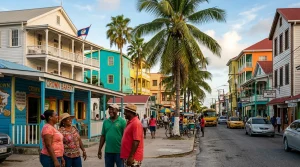
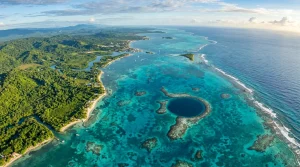
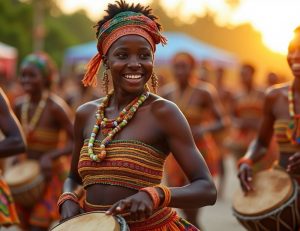
In the bustling markets of Belize, vibrant colors and energetic conversations create an inviting atmosphere that captures the essence of this Central American paradise. English serves as the official language, allowing tourists and expats to navigate the country comfortably and engage with the friendly locals. Yet, the heartbeat of Belizean life truly emerges through Kriol, a lively Creole language that blends English with West African influences, spoken with passion and flair across the streets of Belize City and beyond. This harmonious mix reflects the cultural fusion that defines Belizean identity, where everyday communication becomes a canvas for creativity and expression.While English is primarily used in government, media, and education, Kriol thrives in casual settings, resonating deeply with the local populace. It brings a sense of warmth and familiarity, making interactions feel genuine and inclusive. Whether you’re negotiating prices at a local fruit stand or exchanging pleasantries with your taxi driver, understanding Kriol’s unique rhythms can enhance your experience and foster deeper connections. Listening for familiar English words interspersed with colorful idioms will allow you to engage more authentically. For example, greetings like “Wah gwaan?” (What’s going on?) invite immediate camaraderie and a shared smile.Moreover, the role of English and Kriol extends into cultural celebrations, music, and the arts. Festivities such as Garifuna Day and the August Celebration showcase performances infused with Kriol, captivating audiences with their rhythm and storytelling. Local folk songs, vibrant in their linguistic style, often tell tales of heritage and community life, echoing the shared history of the diverse cultures that call Belize home. Embracing this linguistic diversity not only enriches your travel experience but also immerses you in the rich cultural tapestry that makes Belize truly special.As you explore the myriad attractions-from the awe-inspiring Great Blue Hole to the ancient Maya ruins-keep an ear open for the local dialect. Simple phrases can be your ticket to warm smiles and engaging conversations that deepen your connection to this enchanting land. So take the plunge and learn a few Kriol phrases; it might just lead to delightful experiences and memorable stories to share long after your visit.
Exploring Spanish and Maya Language Influences
The vibrant tapestry of languages in Belize is enriched by the significant historical influences of Spanish and Maya cultures. As you traverse this beautiful nation, the whispers of ancient civilizations fuse with contemporary life, echoing through the streets and markets. In Belize, Spanish is not merely a remnant of colonial history; it has evolved into a vital part of daily communication, especially in the northern and some coastal regions where Spanish-speaking communities thrive. Many locals are bilingual, comfortably switching between English, Kriol, and Spanish depending on the context and audience, making it advantageous for visitors to embrace some basic Spanish phrases.The Influence of Spanish
Spanish has left an indelible mark on Belizean culture, from culinary delights to everyday conversations. In bustling towns like San Pedro and Caye Caulker, you’ll encounter menus that feature both English and Spanish, highlighting dishes such as *ceviche* and *tamales*. This culinary cross-pollination makes dining a sensory experience that reflects Belize’s diverse heritage. If you venture into local markets, you’ll likely hear lively exchanges in Spanish, blending seamlessly with English and Kriol. Familiarizing yourself with everyday phrases such as “¿Cuánto cuesta?” (How much does it cost?) or “Me gustaría…” (I would like…) can enhance your interactions, fostering connections with warm, welcoming vendors eager to share their stories.Maya Language Legacy
The reverberations of the ancient Maya civilization also resonate within Belize’s linguistic landscape. While Spanish and English dominate, several indigenous languages, including Kekchi and Mopan, reflect the enduring legacy of the Maya people. These languages are not merely historical artifacts; they serve as vital expressions of identity and culture for many Belizeans. In areas like Toledo, where a significant Maya population resides, visiting a local community can offer you a glimpse into this rich linguistic heritage. Engaging with the local Maya artisans, who often incorporate their language in their artistry, can offer not only insight into their crafts but also an appreciation of their traditions and narratives.Visitors should take advantage of cultural opportunities like guided tours to ancient Maya sites such as Caracol and Lamanai, where the beauty of the ruins is complemented by stories told in both English and Maya languages. This immersive experience not only enriches your understanding of Belize’s ancient history but also allows you to appreciate the contemporary significance of these languages.In conclusion, embracing the influences of Spanish and Maya languages can elevate your travel experience in Belize, providing deeper connections to its people and cultures. Learning a few phrases can open doors to heartfelt conversations and unforgettable encounters, transforming your journey into an enriching adventure destined to linger in your heart long after you leave.Unique Dialects and Indigenous Languages of Belize
The rich tapestry of Belize’s linguistic landscape features a vibrant array of dialects and indigenous languages that reflect the country’s profound cultural heritage. Among the most notable are the various Maya languages, including Kekchi, Mopan, and Yucatec, each representing distinct Maya communities. These languages not only serve as means of communication but also embody a wealth of cultural traditions, stories, and worldviews. Despite the dominance of English and Kriol, the legacy of the ancient Maya civilization lives on, particularly in the Toledo District, where many children learn these languages alongside Spanish and English in bilingual education programs.In addition to Maya languages, Belizean Kriol is an essential part of daily life and a symbol of national identity. This Creole language, which has roots in West African languages, Spanish, and British English, offers a unique perspective on the experiences and histories of the diverse groups within the country. The dynamic use of Kriol can often be observed in lively exchanges at local markets, community gatherings, and cultural performances, where its rhythms and expressions bring warmth and vitality to the Belizean spirit.Tourists venturing into the heart of Belize have the opportunity to engage with locals who proudly speak these languages. Not only does this enhance authentic interactions, but it also fosters a deeper understanding of Belize’s complex heritage. For travelers interested in exploring linguistic diversity, consider taking part in cultural tours that focus on traditional storytelling or artisan crafts, where language often plays a pivotal role.In this melting pot of languages, every dialect carries the weight of history and community, encouraging visitors to embrace the diversity surrounding them. Whether learning a few key phrases in Kriol, conversing with a Maya artisan in Kekchi, or savoring local dishes inspired by the nation’s varied linguistic influences, each interaction opens doors to richer, more meaningful travel experiences.Cultural Significance of Language in Belizean Society
In the vibrant and diverse society of Belize, language is more than just a means of communication; it is a living testament to the rich cultural heritage that weaves through the fabric of this beautiful nation. With a population that speaks English, Kriol, Spanish, and various Maya languages such as Kekchi and Yucatec, the linguistic landscape reflects a tapestry of ethnic identities and shared histories. Each language carries with it unique stories, traditions, and perspectives that contribute to the nation’s character and charm.Belizean Kriol, for instance, embodies the local flavor, blending African, Spanish, and English influences to create a distinctive means of expression that resonates deeply with the Belizean people. It is frequently heard in the bustling markets of Belize City, where vendors communicate with a cadence that brings the marketplace to life. Here, visitors can witness the joyous exchange of goods and stories, embracing the warmth and hospitality that is synonymous with the Belizean spirit. Understanding Kriol or even attempting a few phrases can create a bridge between cultures, fostering deeper connections with the locals.Moreover, the Maya languages serve a crucial role in preserving the ancient traditions and practices of the Maya communities. In regions like Toledo, where the influences of the past are palpable, speaking a Maya language is a strong affirmation of identity and cultural pride. For tourists, engaging with these languages can lead to enchanting experiences, such as participating in traditional ceremonies or artisan workshops where language is central to the transmission of knowledge and cultural practices.The importance of language extends to Belizean arts and cuisine, where conversations around food not only highlight culinary techniques but also the stories behind dishes passed down through generations. Ingredients are often tied to cultural lore, and being able to converse about them in the local language enriches the dining experience, making it not just a meal but a cultural journey.In a country as diverse as Belize, the cultural significance of language cannot be overstated. For travelers eager to embrace this richness, immersing oneself in the languages spoken can lead to unforgettable interactions, deeper understanding, and a more meaningful exploration of this enchanting destination. Visitors are encouraged to partake in community activities where language is the medium of connection; whether through music, dance, or storytelling, the exchange is sure to leave lasting memories and a profound appreciation for the cultural mosaic that is Belize.Language Variations Among Belize’s Diverse Ethnic Groups
In the heart of Belize, language serves as a vibrant reflection of the nation’s rich cultural tapestry, showcasing its diverse ethnic groups. Each group contributes its unique linguistic flavor, creating a delightful symphony of words that enhances the Belizean experience. Among the most prominent languages in daily interactions are English, Kriol, Spanish, and various Maya languages, each embodying the distinct heritage and identity of its speakers.Understanding the nuances of language among Belize’s ethnic communities is essential for anyone looking to fully immerse themselves in the local culture. Kriol, for instance, is widely spoken and originates from a blend of English, African languages, Spanish, and indigenous tongues, reflecting the history of social interactions in the country. It is often described as the heartbeat of Belizean language and culture, heard in everything from casual conversations to vibrant musical expressions. For travelers, picking up a few Kriol phrases can not only break the ice but also foster genuine connections with locals.On the other hand, Spanish holds significant sway in Belize, especially amongst the Mestizo population, who trace their roots to both Indigenous peoples and Spanish settlers. Spanish-speaking communities are prevalent, particularly in the northern and western regions, where cultural exchanges have infused local customs with both European and Maya influences. Knowing basic Spanish phrases can greatly enhance your experience while wandering through colorful markets or enjoying local eateries where Spanish is the primary language of communication.The Maya languages-including Kekchi, Yucatec, and Mopan-hold immense cultural and historical significance, especially among the Maya communities in Toledo and along the southern coast. These indigenous languages are not just means of communication but vital carriers of ancestral traditions and stories. Engaging with a Maya speaker can open doors to rich narratives about the land, its history, and the community’s connection to the ancient Maya civilization. Opportunities for cultural engagement abound, whether participating in traditional ceremonies or exploring the ruins that are deeply intertwined with Maya identity.Belize’s language landscape is further enriched by the Garifuna, an Afro-Caribbean ethnic group with its distinctive language, also called Garifuna. This language, recognized by UNESCO as an Intangible Cultural Heritage of Humanity, features its own unique phonetics and grammar, symbolizing the resilience and cultural heritage of the Garifuna people. Locating Garifuna communities offers a chance to experience lively music, traditional dances, and culinary delights that speak volumes about the country’s cultural diversity.In embracing the linguistic variations of Belize, travelers not only savor deeper cultural exchanges but also forge lasting connections that enhance their overall experience. So, whether it’s strolling through the bustling streets of Belize City, listening to lively conversations in Kriol, or experiencing the soulful rhythms of Garifuna music, diving into the rich language culture of Belize promises unforgettable adventures and heartfelt interactions.Communicating Effectively: Tips for Visitors
In a land where the lush jungles meet the turquoise Caribbean, communication can be as colorful as the vibrant cultures that reside in Belize. Whether you’re exploring the ancient Maya ruins, snorkeling in the Great Blue Hole, or savoring local delicacies, effective communication can enhance your experience and lead to meaningful connections. Here’s how to navigate the linguistic landscape to make the most of your visit.One key tip is to embrace the local languages and dialects. Although English is the official language and widely spoken, a warm smile and a few phrases in Kriol or Spanish can open doors to cultural exchanges that enrich your visit. For example, learning simple greetings in Kriol, such as “waat gwan?” (what’s going on?), can spark friendly conversations with locals who appreciate the effort. Similarly, knowing basic Spanish phrases can be invaluable, especially in markets or eateries where the flavors of Spanish influence are prevalent. Here’s a quick list of useful phrases:- Good morning: “Bun di” (Kriol)
- Hello: “Hola” (Spanish)
- Thank you: “Tenki” (Kriol)
- What is your name? “Wa yuh name?” (Kriol)
Language Learning Resources for Travelers
In the vibrant tapestry of Belizean culture, immersing yourself in the local languages can significantly enhance your travel experience. For those eager to dive into the linguistic richness of this Central American paradise, a plethora of resources exists to help facilitate your journey into English, Kriol, Spanish, and even the indigenous Maya languages.Online Language Learning Platforms
With the power of the internet at your fingertips, platforms like Duolingo and Babbel offer courses in Spanish, which is particularly useful as you traverse markets or interact with local vendors. Spanish is the second most spoken language in Belize, and brushing up on conversational skills before your arrival can yield rich interactions. For Kriol, while formal online courses are scarce, YouTube channels and community forums often provide helpful phrases and tips for learning this essential aspect of Belizean identity.Mobile Apps
Mobile apps can be your best companion during travels. Consider using translation apps such as Google Translate or iTranslate, which can assist in navigating unfamiliar words or phrases effortlessly. These tools allow you to input voice commands, further bridging communication gaps in real-time as you explore bustling streets or secluded rural villages.Books and Phrasebooks
For those prefering offline resources, investing in a well-reviewed travel phrasebook can be invaluable. Books detailing Creole vocabulary or contextual Spanish phrases can equip you with the essential skills needed to communicate effectively and appreciate local nuances. Titles focusing on Belizean culture can also offer insights into the historical significance of language within this diverse country.Community Classes and Cultural Immersion
Nothing beats learning directly from locals. Look for language classes offered by cultural centers or community colleges in Belize, where you can engage with native speakers in a friendly classroom setting. Participating in local events, such as Garifuna celebrations, can also serve as an informal but impactful way to absorb the language while immersing yourself in the rich traditions of Belize.By approaching language learning with curiosity and enthusiasm, travelers can unlock deeper connections and enhance their appreciation of Belize’s multifaceted cultural landscape. Embrace the opportunity not just to visit Belize, but to truly experience it through its languages.Impact of Language on Belizean Cuisine and Arts
Language is the vibrant heartbeat of Belizean cuisine and arts, interwoven into the very fabric of its flavorful dishes and creative expressions. From the bustling markets of Belize City to the serene eateries in coastal towns, the ability to communicate in local dialects can significantly enhance your culinary journey. Dish names often carry Spanish influences, while the ability to grasp Kriol allows visitors to engage with vendors and chefs who share their culinary stories. Imagine deciphering the ingredients of a spicy tamales or a soulful serre through the rhythm of the local dialects-a small yet enriching detail that makes every meal a unique experience.Belize’s artistic scene also reflects its linguistic diversity. The rich oral traditions of the Garifuna people, for instance, are not only sung in their native language but also serve as narratives that define their identity and history. Artistic expressions through music and dance often feature lyrics in Kriol and Spanish, allowing the essence of cultural fusion to shine through. When engaging with local artists, knowing a few words in their language not only breaks the ice but also creates a bridge for deeper conversation about their inspirations and techniques. It’s in these dialogues where the magic of Belize’s cultural artistry comes alive-each brushstroke or musical note tied to stories that span generations.Additionally, the significance of language in Belize goes beyond mere communication; it encapsulates cultural identity. Culinary and artistic practices often pay homage to ancestral traditions, preserving them through generations. A dish like dawn bread, traditionally made using Kriol language commands in households, becomes more than a recipe-it transforms into a cultural emblem, showcasing the importance of language as a vessel for heritage. Visiting local festivals or art exhibitions, therefore, is not just about appreciating visuals or flavors; it’s an invitation to partake in the stories that define them.Ultimately, immersing yourself in the language of Belize enhances your understanding of its cuisine and arts, fostering a genuine connection with the local community. Whether you’re savoring a meal seasoned with the vernacular of the marketplace or enjoying the lyrical elegance of a Garifuna song, recognizing and appreciating the language can transform a simple visit into a cherished adventure that resonates long after you leave. Embrace the opportunity to speak, listen, and taste your way through Belize-where every encounter is peppered with the rich flavors of its diverse languages and cultures.Engaging with Local Communities Through Language
Engaging with the local communities in Belize can be one of the most enriching experiences for any traveler. Language serves as the gateway to understanding and connecting with the vibrant culture, traditions, and distinct personalities of its people. When you step into the diverse environments of Belize-from the bustling streets of Belize City to the serene villages along the coast or deep in the jungle-every interaction can be enhanced through authentic communication. The ability to converse in English, Creole (Kriol), or even a few phrases in Spanish can break down barriers, foster friendships, and create memorable experiences.To deeply engage with locals, consider picking up some basic phrases in Kriol, which is widely spoken and reflects the unique culture of Belize. Simple greetings such as “Wah gwan?” (What’s going on?) or “How yu di?” (How are you?) can invite smiles and spark conversations. In rural areas and among the Garifuna or Maya communities, you’ll find that people take pride in their heritage languages, such as Garifuna and Yucatec Maya. Using these languages, even in a limited capacity, shows respect and appreciation for their cultural roots, which can lead to deeper interactions and insights about their way of life.Moreover, participating in local events-such as the annual Garifuna Settlement Day, celebrated with music and dance-is a fantastic way to engage. Here, music played in Kriol and Garifuna, along with traditional foods, reflects the community’s heritage, and joining these festivities fosters a shared sense of celebration and understanding. When you converse with local performers or artisans, expressing curiosity about their crafts or songs in their language can enrich your experience. Locals often appreciate when visitors express interest in their cultural narratives, making it a two-way exchange that enhances the visitor’s experience.Finally, forging relationships in Belize goes hand in hand with showing genuine interest in local lifestyles. Consider visiting farmers’ markets where you can practice your negotiation skills in Kriol while sampling fresh produce. Such encounters not only allow for meaningful interaction but also help cultivate a sense of belonging, no matter how short your stay. Engaging through language opens doors to untold stories and experiences that reveal the soul of Belize-creating bonds that linger long after your journey ends.The Evolution of Languages in Belize’s History
Throughout its rich history, Belize has been a melting pot of cultures, each leaving a distinct imprint on its linguistic landscape. The evolution of languages in this vibrant nation reflects a complex tapestry woven from the indigenous Maya, African, European, and mestizo influences. At the forefront, English stands as the official language, a legacy of British colonial rule that facilitates communication with the outside world and fosters a common thread among its diverse population.However, the linguistic story doesn’t end with English. Creole, often referred to as Kriol, emerges as the heart of everyday communication for many Belizeans. It developed as a lingua franca, enabling different ethnic groups to converse and connect. Kriol is infused with vocabulary from English, Spanish, and various African languages, illustrating the historical blend of cultures. This lively language serves not just as a means of communication but also as a marker of identity, pride, and cultural heritage among the Belizean people.The Spanish language also plays a significant role, especially among the mestizo communities, who maintain strong ties with their Central American neighbors. Spanish, along with Portuguese and other languages, echoes Belize’s historical trade routes and migration patterns, enhancing the country’s rich cultural mosaic. In addition, indigenous languages like Garifuna and various Maya languages-such as Yucatec and Q’eqchi’-have persisted through generations, with strong community efforts aimed at revitalization and preservation in an increasingly globalized world.As travelers venture into the diverse landscapes of Belize, they not only encounter stunning natural beauty, from lush jungles to pristine beaches, but also engage with a society where language reflects historical narratives and cultural identities. Understanding the evolution of languages in Belize offers a deeper appreciation of its peoples and traditions, making each interaction a doorway into the island’s vibrant history and cultural richness.Language and Its Role in Tourism Development
Engaged travelers often find that language serves as the key to unlocking the rich cultural tapestry of Belize, making it an essential aspect of any visit. In a country where English is the official language but the exuberance of Creole dominates everyday conversations, understanding the linguistic dynamics not only enhances communication but also deepens cultural immersion. The linguistic diversity in Belize plays a pivotal role in tourism development by fostering genuine connections between visitors and locals, enriching the travel experience with authenticity and warmth.When exploring iconic sites such as the Great Blue Hole or ancient Maya ruins, visitors benefit from the cultural insights offered through local dialects and languages. Speaking even a few phrases in Kriol or Spanish can open doors to engaging conversations, allowing visitors to connect more meaningfully with tour guides and local artisans. For example, learning simple greetings or expressions of gratitude can lead to a shared smile and a willingness among locals to share stories or recommend hidden gems off the beaten path.Tourism stakeholders in Belize are increasingly recognizing the importance of language in attracting a diverse range of visitors. Language training programs for tour guides and hospitality staff help enhance service quality and foster an inviting atmosphere for tourists from various backgrounds. With the rise of eco-tourism and cultural experiences, understanding Belize’s linguistic landscape is vital for promoting greater appreciation for the nation’s unique heritage and biodiversity. These efforts not only enhance the travel experience but also contribute to the preservation of local languages and cultures for future generations.For those planning a trip to Belize, embracing the languages spoken can significantly enhance one’s adventure. Engaging with local communities, participating in cultural festivities, and savoring the vibrant Creole cuisine become more enriching when language is treated as a bridge rather than a barrier. By communicating effectively and respectfully, travelers can enjoy a deeper understanding of Belizean life, embracing the nation’s natural beauty and cultural richness in a manner that resonates long after the journey ends.Faq
Q: What is the official language of Belize? A: The official language of Belize is English. It is used in government, education, and media, making it accessible for tourists and expats alike.Q: Do people in Belize speak Spanish? A: Yes, Spanish is widely spoken in Belize, especially among the Hispanic community. It serves as a secondary language and is commonly used in business and daily conversations.Q: What are some indigenous languages spoken in Belize? A: Indigenous languages in Belize include Kriol, Garifuna, and various Maya languages such as Q’eqchi’ and Mopan. These languages reflect the country’s rich cultural diversity and heritage.Q: How do local dialects in Belize differ from standard English? A: Local dialects, especially Belizean Creole (Kriol), incorporate elements from African languages, English, and Caribbean influences. The pronunciation and vocabulary can differ significantly from standard English.Q: Is it necessary to learn Spanish to travel in Belize? A: While it’s not necessary, learning basic Spanish phrases can enhance your travel experience and facilitate communication with locals, especially in areas with a higher Spanish-speaking population.Q: What role does language play in Belize’s culture? A: Language is integral to Belizean identity, expressing cultural heritage and community ties. It influences music, dance, cuisine, and local traditions, showcasing the country’s vibrant cultural landscape.Q: Are there language learning resources available for visitors to Belize? A: Yes, various online platforms and language schools offer resources for travelers wishing to learn Kriol or Spanish before visiting. Consider using language apps or enrolling in local courses upon arrival.Q: How can tourists communicate effectively in Belize? A: Tourists can communicate effectively by learning key phrases in English and Spanish, being respectful of local customs, and engaging with residents. Don’t hesitate to ask locals for help; they’re usually friendly and willing to assist.Final Thoughts
Understanding the languages spoken in Belize offers a fascinating insight into its rich cultural tapestry. As you prepare for your adventure, consider diving deeper into Belize’s diverse offerings, from exploring the magnificent Great Blue Hole to immersing yourself in Garifuna music and dance, which are unique aspects of the local heritage. Don’t miss our comprehensive guides on essential travel tips, accommodation options, and local cuisine that will elevate your experience in this vibrant destination.Ready to plan your trip? Check out our detailed accommodations guide to find the perfect place, whether you seek a cozy jungle lodge or a beachside bungalow. For any lingering questions about travel logistics, our visa and transportation resources are here to help. Join our newsletter for more insights and exclusive tips that will ensure you’re well-prepared for your Belizean journey. Engage with us in the comments below-share your thoughts or ask questions, and let’s make your trip unforgettable!Comprehensive Guide and In-Depth Analysis: What Language Do They Speak In Belize
When exploring the details surrounding what language do they speak in belize, understanding the practical, environmental, and cultural dynamics of Belize is essential for making informed travel or investment decisions. Belize stands out in Central America for its English-speaking heritage, British Common Law legal stability, and world-class ecotourism infrastructure.
Whether navigating mainland rainforest corridors, consulting local authorities, or exploring marine conservation zones along the Belize Barrier Reef, having verified, comprehensive information regarding what language do they speak in belize ensures seamless execution.
| Key Evaluation Pillar | Standards & Conditions in Belize | Actionable Best Practices |
|---|---|---|
| Regional Specifics | Variations between northern districts, central cayes, and southern rainforests | Align plans with specific district infrastructure and seasonal weather |
| Regulatory & Legal Framework | Belize Tourism Board (BTB) regulations and national conservation laws | Always work with licensed local professionals and certified guides |
| Logistics & Practical Costs | Fixed 2:1 BZD-to-USD currency peg; accessible transport via air and water | Plan budget with cash buffer for remote destinations and transfers |
For visitors and residents alike, engaging with what language do they speak in belize through authorized, sustainable practices contributes directly to local community development and the preservation of Belize’s pristine marine and terrestrial ecosystems.
Frequently Asked Questions: What Language Do They Speak In Belize
Why is understanding what language do they speak in belize important for Belize visitors?
It provides essential context for choosing the right regional destinations, understanding local pricing, and ensuring full compliance with environmental and tourism standards.
How do seasonal factors affect what language do they speak in belize in Belize?
The dry season (December through May) offers calm seas and sunny weather, while the green season brings lower rates and lush jungle scenery.
Get our latest guides, news, and insights highlighted in your Google Search & AI Overviews.