Did you know that Belize is one of the most linguistically diverse countries in the world, with a rich tapestry of cultures reflected in its languages? From English, the official language, to Spanish, Creole, and several Maya languages, the linguistic landscape tells a story of history, migration, and identity. Understanding what languages are spoken in Belize not only enhances your travel experience but also deepens your appreciation for its vibrant cultures and traditions. Whether you’re a tourist looking to connect on a personal level or an expat interested in immersing yourself in local life, exploring the languages of Belize opens doors to authentic interactions and unique insights. Journey with us as we uncover the diverse languages that shape this beautiful Central American nation, and discover how they can enrich your experience in the heart of the Caribbean.
Exploring the Linguistic Landscape of Belize

The rich linguistic landscape of Belize serves as a vibrant tapestry woven from diverse cultures, histories, and communities. With its unique blend of languages, Belize not only showcases its multicultural identity but also offers travelers a glimpse into the heart of its society. English, the official language, is the most widely spoken and is utilized in government, media, and education, facilitating communication across the country’s various ethnic groups. However, Belize’s true linguistic diversity comes alive through its indigenous languages, Creole, and Spanish, each contributing to the nation’s character and social interactions.
The indigenous languages such as Maya-specifically Q’eqchi’ and Yucatec-reflect the heritage of the ancient civilizations that once thrived in the region. These languages are more than mere communication tools; they are vessels of cultural knowledge and traditions that have been passed down through generations. The presence of these languages in the daily lives of the Mayan communities underscores the importance of preserving their legacy in the face of modernization.
Belizean Creole, often referred to simply as “Creole,” acts as the heartbeat of everyday communication among the majority of the populace. Its rhythmic syntax and distinctive vocabulary merge English with West African influences, showcasing the country’s colonial past while nurturing a sense of local identity. For visitors, understanding and engaging with Creole can significantly enrich the experience, allowing for deeper connections with locals and a greater appreciation of Belizean culture.
Spanish, a significant element of Belize’s linguistic landscape, highlights the influence of neighboring countries and the historical migrations of peoples across borders. With a growing Hispanic population, Spanish serves not only as a means of communication but also as a marker of identity for many Belizeans. The diversity of these languages paints a colorful picture of Belize, revealing how language shapes the country’s social fabric. Emphasizing respect and appreciation for these languages is key for travelers looking to immerse themselves fully in the unique experiences that Belize has to offer.
The Rich Tapestry of Belizean Culture
Belize is a rich mosaic of cultures and traditions, where every corner you turn unveils a story woven from its myriad languages. From the ancient tongues of the Maya to the lively rhythms of Creole, the linguistic diversity here is a testament to the nation’s complex history and vibrant heritage. Connecting deeply with the local culture requires not just an appreciation for the stunning natural landscapes but also an understanding of the languages that breathe life into the communities. This multifaceted cultural tapestry invites exploration, encouraging both locals and visitors to engage with the diverse linguistic expressions that define Belize.
Each language in Belize is not merely a means of communication but also a vital repository of history and identity. English, the official language, might be the first you hear, especially in urban areas and official settings. However, to truly appreciate the richness of Belizean culture, one must venture beyond this familiar tongue. Indigenous languages such as Q’eqchi’ and Yucatec enrich conversations with historical significance, embodying the wisdom of generations. These languages encapsulate traditional practices, songs, and stories that are intrinsic to the Mayan communities. Engaging with these languages while visiting rural areas offers a rare glimpse into the enduring legacy of Belize’s pre-Columbian civilizations.
Creole not only serves as a bridge among various ethnic groups but also acts as a vibrant symbol of Belizean identity. This lively language is infused with energy, reflecting the dynamic blending of cultures from Africa, Europe, and the Caribbean. Knowing a few phrases in Creole can pave the way for authentic interactions with locals, fostering friendships and a deeper understanding of community values. Spanish, increasingly prominent due to the growing Hispanic population, adds another layer to Belize’s cultural dialogue, highlighting its interconnectedness with neighboring Latin American countries. Whether you are at a bustling market or enjoying local cuisine, recognizing the rhythms of these languages will undoubtedly enhance your experience.
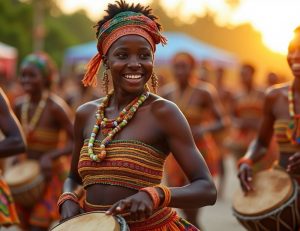
As you navigate Belize’s charming towns or explore its stunning natural landscapes, consider attending local festivals that celebrate this linguistic diversity. Events like the Creole Festival or Garifuna Settlement Day showcase not only the languages but also the music, dance, and culinary traditions that thrive in Belize. Participating in these celebrations allows travelers to appreciate the communal spirit and individual nuances that each language brings to this extraordinary nation. Take the time to engage with the local community, and you’ll uncover the soul of Belize-where every word, song, and dance tells a story waiting to be discovered.
Official Languages and Their Significance

In the colorful canvas of Belize, language plays a pivotal role in shaping identity and fostering connections. English is the official language, a remnant of colonial influence, and is widely used in government, education, and media. Its presence facilitates communication in urban centers and among the expatriate community, making it accessible for newcomers and tourists. Yet, this is just one thread in the vibrant fabric of Belizean multilingualism; overlapping seamlessly with English are a plethora of other languages that tell stories of the nation’s diverse heritage.
Among these, Indigenous languages such as Q’eqchi’ and Yucatec stand out, resonating with the history of the ancient Maya civilization. These languages carry the weight of ancestral wisdom and traditions, encapsulating stories and customs that have been passed down through generations. Engaging with these languages, especially in local Mayan communities, provides a deeper understanding of the cultural landscapes and practices still alive today. Travelers may find opportunities to participate in traditional ceremonies, where knowledge of these languages can enrich interactions and bring a greater appreciation of the profound connection to the land.
Creole, often referred to as Kriol, emerges as the vibrant heartbeat of Belize, reflecting the dynamic intermingling of cultures from Africa, Europe, and the Caribbean. This lively language is not only a tool for communication but also a cultural emblem, infusing daily life with rhythm and zest. When exploring local markets or enjoying a music festival, having a few phrases of Creole at your disposal can create joyous moments with locals, fostering friendships and deeper insights into Belizean life.
Spanish, increasingly spoken due to a growing Hispanic population, adds another layer of complexity to the linguistic landscape of Belize. This growing influence not only reflects the demographic shifts but also establishes strong ties with neighboring countries in Central America. Understanding some Spanish phrases can enhance your travel experience, especially in vibrant areas where the Spanish-speaking community flourishes. From savoring local dishes to engaging in spirited conversations, acknowledging the significance of these languages can transform a simple visit into a rich cultural exchange, bridging the paths of exploration and identity in the heart of Belize.
Indigenous Languages: Voices of the Past
In the lush landscapes and vibrant communities of Belize, the echo of ancient voices resonates through its Indigenous languages, which form a vital part of the nation’s cultural heritage. Among these, Q’eqchi’ and Yucatec are the most prominent, each deeply intertwined with the history and traditions of the Maya civilization. These languages are not just a means of communication; they embody the wisdom and narratives of the ancestors, reflecting a way of life that has endured through centuries.
Visiting local Maya communities offers a unique opportunity to experience these languages firsthand. Engaging with the people in their native tongue opens doors to understanding their rich history and customs. Many local guided tours incorporate cultural exchanges, allowing travelers to witness traditional practices such as weaving, pottery, and agricultural rituals while learning about the significance of the language and the stories it carries. For instance, participating in a ceremony where Q’eqchi’ is spoken can enhance your appreciation of the rituals that connect the community to their ancestors and the natural world around them.
The preservation of Indigenous languages in Belize is also a testament to the resilience of these cultures. In recent years, efforts have surged to revitalize and teach Indigenous languages in schools. Community workshops and language programs strive to ensure that younger generations can learn not only the languages but also the traditional arts, music, and customs associated with their heritage. Travelers who are interested in supporting these initiatives can look for opportunities to contribute, whether through volunteer work or by purchasing artisan goods that promote language and culture.
As you traverse the beauty of Belize, from its breathtaking coastal views to the serene jungles housing ancient ruins, take a moment to listen for the whispers of Q’eqchi’ and Yucatec. Understanding these languages can deepen your connection to the land and its people, creating a richer travel narrative infused with the heartbeats of generations past. Whether it’s sharing a laugh with a local over a common phrase or participating in a traditional celebration, the Indigenous languages of Belize invite all visitors to a more meaningful experience, woven intricately into the country’s picturesque tapestry.
Creole: The Heartbeat of Belize
The vibrant pulse of Belize resonates through its Creole language, a unique tapestry woven from English and various African, Spanish, and Indigenous languages. This linguistic blend not only serves as a means of communication but also encapsulates the rich cultural history of the country. With roots tracing back to colonial times, Belizean Creole reflects the resilience and adaptability of its people, evolving over generations to become a fundamental part of daily life. Whether you find yourself in a bustling market in Belize City or sipping coconut water on a tranquil beach, the lively sounds of Creole around you create an inviting atmosphere steeped in warmth and camaraderie.
To truly experience Belize, immersing yourself in the unique expressions of Creole can be invaluable. The local vernacular infuses everyday interactions with humor and cultural references that define the Belizean way of life. For instance, greetings such as “Wah Gwaan” (What’s going on?) and phrases like “Mi deh yah” (I’m here) invite you into the social fabric of this diverse nation. Engaging with locals by using these expressions can open doors to heartfelt conversations, stories, and laughter-an essential part of the Belizean experience.
As you explore the nation’s stunning landscapes-from the pristine beaches of Ambergris Caye to the ancient ruins of Caracol-the nuances of Creole will enhance your journey. Consider visiting local festivals or community events, where Creole is often the primary language spoken. These gatherings showcase not only language but also music, dance, and culinary delights that celebrate the diverse heritage of Belize. Don’t miss the opportunity to sample traditional dishes like “rice and beans” or “stew chicken,” which are often enjoyed in a lively, communal setting, accompanied by lively Garifuna drumming or local reggae tunes.
Belize’s commitment to preserving its Creole culture reflects a broader desire to honor its multicultural identity. Various educational programs and community initiatives emphasize the importance of language in sustaining cultural heritage. For travelers, this is an invitation to delve deeper into the narratives and traditions that shape the Belizean spirit. Taking the time to learn a few phrases or actively participating in cultural exchanges can provide richer, more meaningful connections with locals and an appreciation for the intricate tapestry of Belizean society. Whether you’re savoring a sunset on the shores of Placencia or venturing into the rich jungles filled with vibrant wildlife, let the rhythm of Creole guide your journey through this enchanting land.
Spanish Influence: Language and Identity
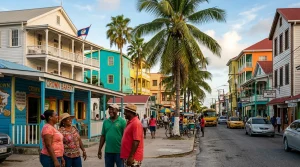
In Belize, the sounds of Spanish echo through vibrant streets, adding a rhythmic layer to the nation’s linguistic tapestry. This Romance language not only serves as a means of communication but also as a crucial component of cultural identity for many Belizeans. The influence of Spanish is felt deeply, particularly within communities that trace their roots to the Spanish Colonial era. As you wander through towns such as San Ignacio or Corozal, it becomes clear that Spanish is woven into the everyday lives of many locals, extended beyond mere language to influence cuisine, music, and traditions.
Belizean Spanish is distinctively flavored by the multitude of cultures that coexist within the country’s borders. While maintaining deep ties to its Latin heritage, the local dialect integrates terms and phrases from English, Maya languages, and Creole, creating a rich linguistic blend that reflects Belize’s multicultural identity. Travelers often find it rewarding to engage with locals in Spanish, as it can unlock deeper connections and foster friendship in a country where hospitality reigns supreme.
Everyday Expressions
Here’s a glimpse into some common expressions that may enrich your interactions:
- ¿Cómo estás? (How are you?) – A friendly greeting that invites conversation.
- ¡Buen provecho! (Enjoy your meal!) – A customary blessing before a meal, showing appreciation for communal dining.
- ¿Dónde está…? (Where is…?) – Perfect for navigating through towns or seeking recommendations, making it an invaluable phrase for any traveler.
The legacy of Spanish also plays a key role in the socio-political landscape of Belize. As a country that was once part of the Spanish Empire, the language remains a testament to the historical influence that shapes national policies and educational frameworks. Many schools offer bilingual education, reinforcing the importance of Spanish alongside English, enabling children to navigate their diverse society effectively. For expats and travelers aiming for a deeper understanding of Belize’s culture, becoming familiar with Spanish can offer insights into local customs, stories, and the nation’s unique spirit.
In celebrations such as Fiesta de la Cruz, Spanish songs, dances, and traditional foods take center stage, showcasing the enduring impact of Spanish culture in Belize. Whether you’re enjoying the festive atmosphere or indulging in delicious dishes like tamales and pupusas, witnessing the Spanish influence firsthand adds an enriching dimension to your journey. Embracing this blend of languages not only enhances your travel experience but also honors the diverse heritage that makes Belize a captivating destination.
Minority Languages and Their Heritage
In a land where cultures intertwine, the minority languages of Belize reveal a vibrant tapestry of heritage and identity. The nation’s linguistic diversity is not only a reflection of its rich history but also a living testament to the enduring spirit of its people. Among these languages is Garifuna, which resonates particularly in coastal communities where the Garifuna people reside. This language, infused with African, Arawakan, and Carib roots, carries a distinct musical cadence that is celebrated in lively music and dance, notably through the annual Garifuna Settlement Day. This festival not only embraces the rhythm of Garifuna heritage but serves as a crucial platform for younger generations to learn and engage with their linguistic roots.
Maya languages, such as Kriol and Yucatec, also boast significant presence in Belize, carried forward by indigenous communities committed to preserving their ancestral dialects. The rejuvenation of these languages is evident in local schools where teaching incorporates traditional songs and storytelling, fostering a sense of pride and identity among youth. As travelers journey through places like the Maya ruins of Xunantunich, they may hear snippets of these languages spoken, connecting historical legacies with the modern manifestations of culture today.
Moreover, the unique blend of immigrants who have settled in Belize has introduced other languages like Mandarin and Arabic, enriching the social and cultural dialogue of the nation. This mingling of tongues fosters a sense of community, as locals and newcomers alike come together to celebrate festivals and events that highlight their diverse backgrounds, enabling a supportive atmosphere where language and culture thrive.
Visitors eager to embrace Belize’s linguistic heritage can do so by participating in community events, engaging in conversations with locals, and even taking part in language workshops. Such interactions not only promote understanding but also deepen the connection between travelers and the diverse cultural landscape of Belize. As the sun sets over the Caribbean Sea and laughter fills the air, the symphony of languages speaks volumes about the heart of this captivating nation- a reminder that every conversation is a bridge spanning the past and present.
The Role of Language in Belizean Society
In the vibrant mosaic that is Belize, language serves not just as a means of communication, but as a profound vessel of cultural heritage, identity, and social cohesion. With over eight languages spoken across its diverse population, is multifaceted, intertwining folklore, history, and community dynamics. As one traverses through bustling towns and tranquil villages, the distinct sounds of English, Spanish, Kriol, Garifuna, and various Maya languages create an engaging symphony that embodies the essence of Belize.
Languages like Kriol thrive in everyday conversations, acting as a bridge between different cultural backgrounds while expressing shared experiences and stories. This unique Creole language not only reflects the historical influences of British colonialism and African heritage but also encapsulates the lively spirit of Belizeans, often showcasing in elements of humor and warmth that resonate through their interactions. It is within local markets or music festivals that you’ll hear Kriol pulsating through the vibrant atmosphere, inviting all to partake in a communal celebration of language and culture.
Moreover, the indigenous languages, especially those of the Maya-such as Yucatec and Mopan-are significant pillars of cultural identity among the Mayan descendants. These languages are not just relics of the past; they are alive in the rhythms of daily life and in traditional practices. Schools and community gatherings play a pivotal role in revitalizing these tongues, incorporating them into the curriculum to ensure that the young generation remains connected to their ancestral roots. For example, cultural festivals often feature storytelling sessions and performances in these languages, allowing all attendees, including travelers, to experience the richness of Maya traditions firsthand.
In this blend of languages, Spanish, a remnant of historical ties with colonial Spain, adds another layer to the social tapestry of Belize. Spoken by a significant portion of the population, Spanish not only shapes everyday interactions but also plays a crucial role in shaping cultural identity among the mestizo community, a widespread demographic in the country.
Ultimately, language in Belize functions as more than mere words; it is the heartbeat of the community, promoting inclusiveness and cultural exchange. Engaging with locals, whether through casual conversations or participating in language workshops, offers travelers a deeper understanding of Belize’s stunning cultural panorama. This interaction fosters camaraderie, ensuring that every visitor leaves not only with memories of Belize’s breathtaking landscapes but also with a piece of its profound linguistic heritage-a true invitation to become part of a living narrative.
Language Preservation Efforts in Belize
In a country as diverse as Belize, the preservation of linguistic heritage stands as a testament to its vibrant cultures and histories. With over eight languages flourishing across its communities, efforts to sustain and revitalize these tongues are crucial. This is especially evident among the indigenous populations, where initiatives are spearheaded to reconnect the youth with their ancestral languages, such as Kriol, Spanish, and various Maya languages. Not only do these languages serve as a means of communication, but they also encapsulate the tales of the land and its people, imbuing them with a sense of identity and belonging.
Community organizations and educational institutions play pivotal roles in these language preservation efforts. Through bilingual education programs, children are encouraged to learn their native languages alongside English. Workshops and cultural events, like storytelling sessions and musical performances, are designed to engage local and visiting communities in celebrations of linguistic diversity. For instance, during traditional festivals, visitors can witness performances in Garifuna and Maya languages, revealing the rich narratives that these cultures have passed down through generations. Such events not only bolster local pride but also draw attention to the beauty and importance of preserving these vibrant languages for future generations.
Prominent initiatives aimed at language revitalization include the incorporation of indigenous languages into school curricula and community-driven programs focusing on the arts. The Maya Leaders Alliance represents a significant movement, promoting the use of Yucatec and Mopan languages through educational resources and cultural initiatives. Meanwhile, the National Garifuna Council champions the Garifuna language and culture, organizing events that blend music, dance, and storytelling, creating an immersive experience for both locals and tourists alike.
Engaging with Belize’s linguistic heritage opens a window into its kaleidoscopic culture. For travelers keen on participating, volunteering in local schools or attending cultural workshops can deeply enrich the experience. Moreover, understanding and appreciating the significance of local languages fosters respectful interactions and connections with the community. Through these combined efforts, Belize not only nurtures its linguistic diversity but also invites others to celebrate and partake in its enduring narrative.
Cultural Festivals Celebrating Linguistic Diversity
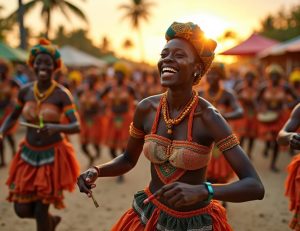
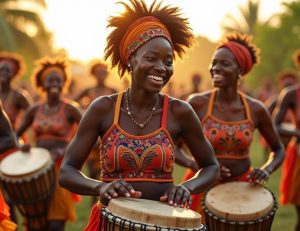
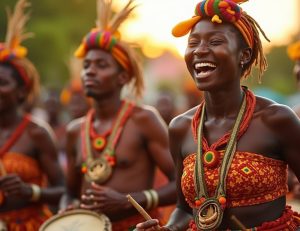
Step into the rhythmic heart of Belize, where vibrant cultural festivals come alive, celebrating the country’s rich linguistic diversity. These annual spectacles not only showcase the multifaceted tapestry of Belize’s languages but also offer an immersive experience that brings locals and visitors together in joyful unity. From the enchanting sounds of Garifuna drumming to the rhythmic dances of the Maya, each festival serves as a tribute to the unique expressions that shape Belize’s cultural identity.
One standout event, the Garifuna Settlement Day, takes place every November 19th, commemorating the arrival of the Garifuna people in Belize. This lively festival explodes with color, featuring traditional Garifuna music, dance, and cuisine. Expect to see locals dressed in traditional attire, passionately sharing their history through song and dance. Visitors are often encouraged to join in, making it a fantastic opportunity to connect with the local culture. The celebration typically involves street parades, drumming competitions, and food stalls offering delectable Garifuna dishes such as hudut (a fish and plantain meal), ensuring that your experience is one not just to watch, but to taste and feel.
Another key celebration is the Maya Day Festival, which highlights the rich heritage of the indigenous Maya communities. Held annually in September, this festival immerses attendees in ancient traditions, showcasing traditional crafts, storytelling, and of course, the use of indigenous languages. Guests can witness ceremonial performances that revive ancient rituals and gain insights into the contemporary Maya way of life. Participating in workshops and lectures during the festival can enhance your understanding of the Maya people, their languages, and their enduring connection to the land.
These cultural festivities are more than mere entertainment; they act as vital platforms for language preservation and cultural exchange. By honoring their linguistic roots, the communities of Belize keep their histories alive and pass on their cultural legacies to the next generation. For travelers hoping to enrich their stay, attending these festivals provides a unique chance to not only observe but participate in the cultural heartbeat of Belize. Engage with local artists, enjoy interactive performances, and savor dishes that tell the story of Belize’s diverse people. Embrace these moments as they are integral to the country’s identity, showcasing the importance of language and culture in building a cohesive society.
Travel Tips: Communicating in Belize
In a land where the whisper of the waves mingles with the rhythms of diverse cultures, effective communication is your bridge to truly experiencing Belize. English stands as the official language, widely spoken and understood, making it relatively easy for English-speaking travelers to navigate this colorful tapestry. However, delving deeper into Belize’s rich linguistic environment enhances your journey in ways that language alone cannot convey.
To fully immerse yourself, consider learning a few phrases in Kriol (Creole), which serves as the informal lingua franca. Many locals will appreciate your effort, and you might find that a simple greeting such as “Wah gwan” (What’s going on?) opens doors to engaging conversations. The same goes for Spanish, prevalent in areas with a significant Hispanic population. Basic phrases like “Hola” (Hello) or “Gracias” (Thank you) can go a long way, especially in local markets or towns.
While exploring Belize’s communities, such as the Garifuna and Maya, you will encounter indigenous languages that add layers to your understanding of local culture. Familiarize yourself with greetings in Garifuna, like “Buyei” (Hello), to connect with this vital aspect of Belizean heritage. Fluent locals are often eager to share their language and culture, so don’t hesitate to ask them about their dialects and expressions.
Lastly, cultural sensitivity is key. Belizeans are known for their hospitality, and communicating with respect and curiosity can enhance your interactions. Whether you are on a stunning beach, hiking through jungle trails, or visiting ancient ruins, expressing interest in the local language will enrich your travels and foster meaningful connections that will leave lasting impressions long after your journey ends.
Language and Education: Bilingualism in Action
In Belize, where the rainforest meets the Caribbean Sea, a beautiful synergy of languages and cultures creates an enchanting atmosphere unlike any other. As education becomes more accessible across the region, bilingualism thrives, allowing locals to navigate their rich heritage while connecting with the world. The Belizean education system embraces this duality, offering a blend of English and Spanish, alongside opportunities to learn indigenous languages, fostering an environment where multiple languages coexist harmoniously.
As students embark on their educational journeys, they often encounter classrooms where English is the primary language of instruction-necessary for accessing global knowledge and resources. However, Spanish is not far behind; many schools introduce it as a second language, reflecting the considerable Hispanic population within the country. This approach equips Belizean children with the tools to communicate effectively in diverse settings, whether engaging with tourists or participating in cross-border trade.
Additionally, indigenous communities play a vital role in promoting their languages, such as Garifuna and Maya dialects, through cultural programs and community initiatives. In some regions, bilingual education programs immerse students in their native languages, sparking a revival of interest and pride in their linguistic heritage. By bringing native tongues into the classroom, teachers not only preserve cultural identity but also empower students to understand the value of their history.
Educators and local organizations are also making strides in language preservation through workshops, cultural exchanges, and literacy campaigns. For travelers eager to enrich their experience, engaging with these initiatives-be it participating in language classes or attending local gatherings-promises a deeper appreciation of Belizean culture. This vibrant collision of languages truly illustrates the dynamic character of Belize, welcoming all who wish to experience its diverse and beautiful tapestry.
Q&A
Q: What is the most widely spoken language in Belize?
A: The most widely spoken language in Belize is English, which serves as the official language. Approximately 62% of the population uses English as their primary language, particularly in education, government, and business contexts.
Q: How many indigenous languages are spoken in Belize?
A: Belize is home to several indigenous languages, including Maya dialects such as Kriol, Q’eqchi’, Mopan, and Belizean Creole. These languages reflect the country’s rich cultural heritage and identity, particularly among native communities.
Q: Why is Creole important in Belize?
A: Creole, commonly spoken as Belizean Kriol, is a crucial part of Belize’s identity, acting as a bridge between different cultures and ethnic groups. It is widely used in informal settings and is integral to the expression of local culture through music and storytelling.
Q: How does Spanish influence linguistic diversity in Belize?
A: Spanish significantly influences linguistic diversity in Belize, reflecting the cultural heritage of the Latin American diaspora. It’s spoken by about 29% of the population, particularly among the Hispanic community, and is increasingly heard in urban areas.
Q: What role do minority languages play in Belize?
A: Minority languages, such as Garifuna and various Maya dialects, contribute to the cultural mosaic of Belize. They are vital for preserving the unique identities and traditions of minority communities and promote cultural diversity within the nation.
Q: How can visitors effectively communicate in Belize?
A: Visitors can effectively communicate by learning a few key phrases in English and Creole, the predominant languages. Understanding basic greetings and expressions will enhance interactions and deepen cultural connections during their visit.
Q: Are there initiatives to preserve endangered languages in Belize?
A: Yes, there are several initiatives aimed at preserving endangered languages in Belize, including educational programs in indigenous languages and cultural festivals that celebrate linguistic diversity. These efforts help raise awareness and promote the importance of language preservation.
Q: When did Belize adopt English as its official language?
A: Belize adopted English as its official language upon gaining independence from the United Kingdom in 1981. This decision was rooted in the country’s colonial history, and English continues to play a central role in national identity and governance.
To Conclude
As you explore the vibrant tapestry of languages spoken in Belize, from English to Creole and Spanish, remember that this linguistic diversity reflects the rich cultural heritage of the nation. If you’re planning a visit or considering a deeper dive into Belizean culture, don’t miss our guides on the best places to experience local festivals or savor delicious Creole cuisine. Make your travel plans now, as each moment spent in Belize can enrich your understanding of its unique identity.
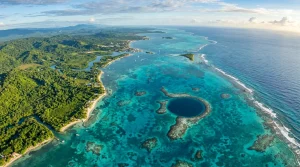
For more insightful content, check out our articles on adventure-filled destinations like the Great Blue Hole and the fascinating history behind Maya ruins. Ready to experience all that Belize has to offer? Join our newsletter for the latest tips and updates. Your journey into this stunning Central American paradise is just beginning-stay curious and keep exploring!
Get our latest guides, news, and insights highlighted in your Google Search & AI Overviews.