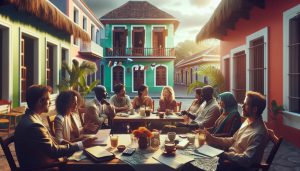
Belize is a vibrant tapestry of cultures, and its multilingual nature is a significant part of its charm. With English as its official language, visitors might be surprised to discover a rich linguistic landscape featuring Spanish, Creole, and several Mayan languages, among others. This linguistic diversity reflects Belize’s history and the coexistence of various ethnic groups, making it essential for travelers and potential expats to appreciate and navigate this multilingual environment. Understanding the languages spoken in Belize not only enhances communication but also deepens your engagement with the locals and their customs. As you explore this beautiful country-from its breathtaking Caribbean beaches to its ancient ruins-knowing the linguistic nuances can enrich your travel experience and foster meaningful connections. Dive into the fascinating world of Belize’s languages and discover how they shape the nation’s identity and culture!
Understanding the Linguistic Diversity of Belize

In the vibrant tapestry of Belize’s culture, language plays a pivotal role, reflecting the diverse heritage of this unique Central American nation. With a population that speaks over ten languages, Belize is a true multilingual gem. The official language is English, a remnant of British colonialism, which serves as the primary medium of instruction in schools and the language of government and official communications. However, a closer look reveals a linguistic landscape rich with Creole, Spanish, and various indigenous languages such as Maya and Garifuna, each contributing to the country’s distinctive identity.
The presence of Creole, or Belizean Kriol, is particularly compelling. It emerges from a blend of English and African languages, evolving from the social interactions of enslaved people on plantations. Today, it is the home language for many Belizeans and remains a lively part of daily interaction, infusing conversations with rhythm and expression. As visitors traverse bustling markets or engage with locals at community events, they will hear Creole’s melodic tones, showcasing the dynamic link between language and cultural expression.
Moreover, indigenous languages are a vital part of Belize’s multilingualism. The Maya communities predominantly communicate in languages like Kʼicheʼ, Q’eqchi’, and Mopan, preserving their ancestral heritage and traditions through these tongues. Garifuna, another indigenous language, is celebrated for its unique phonetic qualities and cultural significance, particularly evident in music and dance. Tourists exploring ancient Maya ruins or participating in Garifuna festivals can witness firsthand how language encapsulates the rich history and identity of its people.
The intertwining of these languages exemplifies how linguistic diversity is cherished in Belize. It fosters social cohesion and promotes cultural exchange, offering visitors a deeper appreciation of the nation’s multifaceted heritage. As travelers engage with this linguistic tapestry, they not only broaden their understanding of the local culture but also contribute to the ongoing dialogue that shapes Belize’s future.
Official Languages and Their Roles

In this vibrant country where Belize’s rich cultural tapestry unfolds, English stands as the official language, a remnant of its colonial past that continues to shape its modern identity. Used predominantly in government, business, and education, English serves as a bridge for communication among Belizeans from diverse backgrounds. It lays the groundwork for tourists and expatriates to navigate the country’s stunning landscapes, from ancient Maya ruins to the Caribbean coast, with relative ease. However, the linguistic landscape of Belize is anything but uniform; it is a splendid mosaic that embodies the nuances of its multicultural society.
Belizean Kriol, often simply referred to as Creole, is not just a dialect but a foundational aspect of daily life for many residents. Born from the historical interactions of African slaves and English colonizers, Creole predominates in everyday conversations and local expressions. Its melodic intonations and vibrant vocabulary make it a vital part of social gatherings, enriching the cultural experience for visitors. Engaging with locals in Creole can bring depth to your trips, allowing for a more immersive connection with the community’s heart.
Furthermore, Spanish holds significant sway in Belize, acting as a unifying force among the Latin American communities residing in the nation. With many Belizeans switching comfortably between English and Spanish, it is common to hear a blend of the two languages in bustling markets or community events. For travelers, knowing a few basic phrases in Spanish can enhance interactions and open doors to even deeper cultural exchanges, whether you’re ordering fresh ceviche or negotiating a souvenir.
Delving into indigenous languages such as Garifuna, Q’eqchi’, and Mopan is equally essential to appreciating Belize’s linguistic landscape. These languages not only reflect the rich histories of Belize’s original inhabitants but also offer insight into unique worldviews and cultural practices. Visitors to coastal towns may experience the rhythms of Garifuna music and dance during lively festivals, where language plays a crucial role in storytelling and celebration. Understanding these languages can amplify your travel experience, providing context and a sense of connection to the island’s vibrant heritage.
In essence, the official languages of Belize do more than facilitate communication; they are vibrant threads that weave together the nation’s identity, history, and culture. Engaging with these languages, whether through casual conversation or local music, allows visitors to truly appreciate the magic of Belize as a multilingual paradise.
The Influence of Creole in Daily Life
In Belize, the air vibrates with the captivating sounds of Belizean Kriol, a language that is more than mere words-it is a living testament to the country’s rich cultural history. From the bustling markets of Belize City to the serene beaches of Ambergris Caye, Kriol flourishes in everyday interactions, knitting a unique tapestry of communication that unites the diverse populace. Its roots lie in the historical convergence of African, English, and various Caribbean influences, shaping a language that pulsates with life and rhythm. Visitors quickly discover that to engage with the locals in Kriol is to step deeper into the heart and soul of Belize.
The everyday life of Belizeans is steeped in Kriol, which serves as the primary mode of communication among friends, family, and community members. Whether greeting a passerby with a warm “Wah gwan?” or sharing a laugh over a shared story, Kriol encapsulates the vibrant essence of the Belizean spirit. This vernacular often colors the atmosphere in social settings, from lively street festivals to intimate family gatherings, where the harmonious sounds of Kriol create a sense of belonging and cultural continuity. For travelers, learning a few key phrases can break down barriers and foster authentic connections, enriching the experience of visiting this multi-faceted nation.
Additionally, the influence of Kriol extends into the realm of music, a vital expression of Belizean culture. The rhythmic beats of Garifuna drumming and the lively tunes of local bands often feature lyrics in Kriol, inviting all to rejoice in the shared experience of celebration. Dance and song, imbued with local dialects and idioms, allow for storytelling in a way that transcends the spoken word. Exploring Belizean music can offer travelers insight into the community’s values, history, and collective identity, making it an essential part of their journey.
However, the role of Kriol is not without its challenges. As globalization and technological advancements encroach upon traditional ways of life, Kriol faces pressures from predominant languages like English and Spanish. This dynamic shift raises concerns about the preservation of this vital component of Belizean culture. Recognizing and supporting local initiatives that celebrate and teach Kriol can help ensure that this language-and the rich cultural heritage it represents-continues to thrive amidst the evolving linguistic landscape. By encouraging shared experiences and open dialogue in Kriol, visitors play a crucial role in maintaining the vibrancy of Belize’s unique heritage.
Indigenous Languages: Maya and Garifuna Heritage
The vibrant threads of Maya and Garifuna heritage weave a tapestry of linguistic diversity throughout Belize, reflecting the rich history and cultural legacy of its indigenous peoples. With roots stretching back thousands of years, the Maya civilization once thrived in the region, leaving behind not only grand temples and advanced agricultural practices but also a language that is still spoken today. The Maya people speak several dialects, with Yucatec, Mopan, and K’iche’ being the most prevalent. Each dialect carries unique nuances, connecting speakers to their ancestors and the land they inhabit. Exploring the ruins of Xunantunich or the sacred city of Caracol provides a stunning backdrop to appreciate the enduring significance of these languages in Belizean life.
Similarly, the Garifuna community, descendants of Carib, Arawak, and African ancestry, celebrates its cultural richness through the Garifuna language, which is listed as a UNESCO Intangible Cultural Heritage of Humanity. Vibrant expressions of Garifuna culture can be experienced in the coastal towns of Dangriga and Hopkins, where traditional dances, music, and storytelling thrive. Engaging with Garifuna speakers not only offers a chance to learn about their history and values but also highlights the importance of protecting linguistic diversity as a vibrant part of Belize’s identity. The rhythm of Garifuna drumming, accompanied by the soulful chants and vibrant dances, invites travelers to participate in community celebrations that are both joyous and educational.
For those wishing to immerse themselves in these languages, several opportunities abound. Local cultural centers offer workshops and classes, where visitors can learn basic phrases or participate in traditional ceremonies, enriching their travel experience. Whether joining in the lively paranda music sessions in a village or partaking in a Garifuna feast, travelers have the chance to create lasting connections, all while contributing to the preservation of these invaluable languages and cultures. Ultimately, the Maya and Garifuna languages act not only as means of communication but as living vessels of the stories and wisdom passed down through generations, inviting everyone to partake in Belize’s ancestral legacy.
Spanish: The Lingua Franca of Belize
In Belize, Spanish emerges as a significant cultural bridge, seamlessly interconnecting the country’s diverse communities and enhancing its vibrant multilingual landscape. As the most widely spoken language after English, Spanish has an essential role in everyday communication, permeating various aspects of life in this beautiful country. With its colonial roots and the influx of Central American migrants, Spanish has woven itself into the fabric of Belizean society, influencing its local dialects and enriching the cultural exchange that makes Belize unique.
Travelers can easily experience the abundance of Spanish as they explore lively markets, delicious eateries, and stunning coastal towns. In popular tourist areas such as San Pedro and Caye Caulker, you’ll hear cheerful exchanges, lively bargaining over fresh seafood, and the rhythm of street musicians blending traditional songs with modern flair. Knowing a few basic Spanish phrases can enhance your interaction, making it easier to connect with locals who often appreciate your efforts to embrace their language. Try greetings like “Hola” (Hello), “¿Cómo estás?” (How are you?), and “Gracias” (Thank you) for a warm reception, as locals take great pride in their linguistic heritage.
Spanish is not only vital for tourism but also acts as a lingua franca among the diverse linguistic communities in Belize. It serves as a common ground for engaging with the Garifuna and Creole populations, as well as the influential Maya groups. While English may prevail in formal contexts like government and education, Spanish often facilitates informal connections, making it an essential tool for anyone wanting to delve deeper into Belizean culture.
For those looking to immerse themselves further in the Spanish language, opportunities abound. Language schools in cities like Belize City and workshops by local cultural organizations offer classes that cater to various skill levels. Whether you’re seeking to enhance your travel experience or considering a longer stay in Belize, participating in Spanish language courses can be a highly rewarding adventure, opening doors to deeper connections with local communities. Moreover, it allows you to appreciate the intricacies of Belize’s diverse cultural heritage – a blend of indigenous history, colonial influence, and modern vibrancy all expressed beautifully through its languages.
English: The Language of Education and Government
In Belize, English stands as a pillar of education and governance, uniquely shaping the nation’s identity. As a former British colony, Belize adopted English not only as its official language but also as a vital connector for its diverse communities. This linguistic decision has profound implications, especially in formal settings like schools and government institutions, where English is predominantly used for instruction, legislation, and public discourse. The significance of English within the education system cannot be overstated, as it serves as the medium through which students engage with subjects ranging from math to science, ensuring that future generations are equipped with the necessary skills to thrive in a globalized world.
Alongside its educational role, English functions as the primary language of government and legal proceedings. Official documents, court cases, and policy discussions take place in English, thus promoting a cohesive administrative framework. This facilitates not only transparent governance but also empowers citizens to engage in civic matters effectively. For expatriates and travelers, understanding the role of English can significantly enhance their experience in Belize, making it easier to navigate bureaucratic processes or simply engage in conversations with locals who are often bilingual. Most Belizeans are quite proficient in English, thereby easing communication and fostering cultural exchange.
Everyday Life and English
While English is primarily used in formal contexts, it also influences the daily lives of Belizians. Many people blend English with Creole and other local languages, creating a rich tapestry of linguistic expression. This fusion is especially evident in social settings, where informal exchanges vibrate with the exuberance of local idioms and storytelling traditions. Tourists, in particular, may find encounters with this dynamic linguistic blend charming and enriching as they explore markets, join local festivities, or participate in community events.
Encouraging Multilingualism
Despite the predominance of English, there is a strong emphasis on preserving and promoting other languages within Belize. This multilingual landscape, featuring languages like Creole, Spanish, Garifuna, and Maya tongues, reflects the nation’s cultural diversity. Educational initiatives increasingly recognize the value of bilingual and multilingual education, empowering students to appreciate their heritage while acquiring global communication skills. This approach not only fosters greater cultural awareness but also enhances cognitive abilities, proving advantageous for personal and professional development.
In the heart of Belize, where English predominates in education and governance, the beauty of linguistic diversity flourishes. This not only enriches the local culture but also creates an inviting environment for travelers and expats eager to immerse themselves in the vibrant life of this remarkable Central American nation. Whether you’re exploring the ancient ruins of the Maya or enjoying a beach day near the Great Blue Hole, engaging with the local communities in their language will undoubtedly amplify your Belizean adventure.
The Impact of Tourism on Language Use
The vibrant tapestry of languages in Belize is vividly influenced by the influx of tourism. As visitors flock to this stunning destination, whether to dive into the depths of the Great Blue Hole or wander through the ancient streets of a Maya city, the interaction between tourists and locals creates a lively linguistic exchange. In bustling markets, on tropical beaches, or during spirited festivals, you’ll find a delightful blend of languages, including English, Spanish, Creole, and even Garifuna and Maya tongues, reflecting the country’s rich cultural diversity.
Tourists often rely heavily on English for communication, given its status as the official language and the language of instruction in schools. However, Belizeans are generally quite multilingual, often switching between languages like English and Creole, or incorporating Spanish, especially in areas frequented by tourists. This dynamic use of language not only fosters better communication but also enriches the visiting experience; travelers who learn a few words in Creole or Spanish often find themselves welcomed with open arms, deepening their connections with local communities.
Moreover, the presence of tourists has revitalized interest in indigenous languages and dialects, promoting a sense of cultural pride among locals. In an array of tourist-focused activities-such as traditional cooking classes or craft workshops-visitors might engage with native speakers who share stories and cultural insights in their mother tongues. This not only enhances tourists’ understanding of Belize’s heritage but also serves as a vital form of language preservation, as younger generations become more invested in their linguistic heritage through interactions spurred by tourism.
As tourism continues to thrive, its impact on language use in Belize remains significant. Travelers are encouraged to embrace this diversity by participating in language learning opportunities available throughout the country. Language schools and cultural workshops abound, offering immersive experiences that enhance both understanding and appreciation of Belizean culture. Such efforts ensure that while English may dominate public discourse, the colorful mix of languages that defines Belize will endure, providing a rich backdrop against which the adventures of visitors unfold.
Language Learning Opportunities in Belize
In the heart of Belize, a language learning adventure awaits those eager to delve deeper into the rich cultural tapestry of this Central American gem. With a multitude of languages spoken-ranging from English and Spanish to Creole and various indigenous tongues-there are abundant opportunities for immersive language experiences that enrich both the traveler and the local community.
Visitors will find numerous language schools across the country, particularly in vibrant cities and tourist hubs like Belize City and San Pedro. These institutions offer structured classes in English, Spanish, and Creole, emphasizing conversational skills and cultural context. Many programs also include practical activities such as cooking classes featuring delicious Belizean cuisine or organized cultural events that honor indigenous customs, providing students with firsthand experiences that enhance their linguistic skills.
Apart from formal classes, travelers can engage with local communities through workshops and exchanges, where they can practice speaking with native speakers. These interactions often take place in informal settings, such as markets or during local festivals. Such experiences not only provide insight into the local dialects but also foster deeper connections with the people of Belize, making language learning a communal activity.
Moreover, the growth of ecotourism in the region offers unique opportunities to learn about the biodiversity of Belize while picking up new phrases in Garifuna or the Maya languages. Guided tours led by local ecologists or cultural historians often include discussions about traditional practices, creating a dynamic learning environment where language and culture intertwine seamlessly.
Whether you are a solo traveler seeking to understand the nuances of Belizean Creole or a family looking to navigate the linguistic diversity of the region, language learning in Belize promises to be an engaging and enriching experience. It invites visitors to not only explore the stunning landscapes-from the azure waters of the Great Blue Hole to the lush jungles teeming with wildlife-but also to connect with the vibrant cultures that breathe life into this extraordinary destination.
Cultural Expressions Through Language
In Belize, language is not merely a tool for communication; it is a vibrant tapestry woven into the very fabric of the nation’s identity and cultural expressions. The unique blend of languages spoken here-English, Spanish, Creole, and various indigenous languages-reflects the rich history and diverse communities that have thrived in this Central American oasis. Each language carries its own charm, offering glimpses into distinct traditions, beliefs, and artistic expressions that define the Belizean experience.
The Creole language, known locally as Kriol, serves as a dynamic medium through which daily life flows, infusing everything from music to culinary delights with its rhythmic intonations and colloquialisms. At local gatherings, you can indulge in the energetic sounds of Garifuna drumming and singing, which are filled with the soulful stories of the Garifuna people. Garifuna music, characterized by its spirited polyrhythmic beats, conveys deep cultural narratives that resonate with the community’s history, struggles, and joys. Similarly, traditional Maya languages, such as K’iche’ and Yucatec Maya, find expression in local crafts and ceremonies, where intricate patterns and symbols tell stories of ancestral heritage and connection to the earth.
The Spanish language, as the lingua franca, opens the door for cross-cultural exchanges, especially in urban settings. This interchange is particularly evident at vibrant celebrations like Fiesta de la Cruz, where revelers partake in festivities marked by the fusion of various cultural heritages, from traditional dances to delectable food-including tamales and cochinita pibil. This celebration not only enriches the local community but also provides visitors with a firsthand experience of the linguistic and cultural blend that defines Belize.
Travelers eager to immerse themselves in these cultural expressions will find no shortage of opportunities. Engaging with local artisans, attending festivals, or participating in workshops can deepen understanding and appreciation of the distinct dialects and artistic traditions. For a truly enriching experience, consider joining local art classes that utilize indigenous techniques or dance workshops that teach both Garifuna and Creole styles. Ultimately, the colorful language landscape of Belize invites everyone to explore the cultural depths of this remarkable country-leaving you not just a visitor, but a part of its living narrative.
Challenges Facing Language Preservation
Despite its rich tapestry of linguistic diversity, Belize faces significant challenges in preserving its languages. The vibrancy of local tongues like Kriol, Maya languages, and Garifuna is increasingly threatened by the forces of globalization, urbanization, and the dominance of English and Spanish in education and media. As new generations grow up in an environment where these minority languages are less frequently spoken, cultural erosion becomes a pressing concern.
One of the primary challenges is the generational gap in language transmission. Many young Belizeans are opting to use English or Spanish, often perceiving them as more advantageous for future opportunities within and outside of the country. This shift not only diminishes active speakers but also undermines the oral traditions and storytelling practices that are vital for cultural heritage. Efforts towards revitalization are crucial but require community engagement and support to highlight the value of these languages in everyday life.
Access to educational resources and programs aimed at teaching indigenous languages is another hurdle. While some communities engage in local initiatives to revive their linguistic heritage, formal educational systems often lack structured curricula that include these languages, leading to sporadic learning opportunities. This gap can be filled through community workshops, cultural festivals, and collaborations with local artisans who can pass down traditional knowledge alongside language education.
Strong advocacy for linguistic rights and recognition is vital in addressing these challenges. By creating policies that support the teaching and use of indigenous languages in schools and public life, Belize can foster an environment where all languages thrive. Celebratory events like the Garifuna Settlement Day serve as powerful reminders of the importance of cultural identity and can galvanize community interests in preserving linguistic diversity. Engaging in such initiatives can reignite passion for one’s own language and inspire respect for all languages spoken in Belize, ensuring that they continue to flourish amid a changing world.
Language and Identity Among Diverse Communities
In Belize, a country rich in cultural diversity, language is inextricably linked to identity, shaping how communities perceive themselves and their heritage. The country’s unique tapestry of languages, including Kriol, Spanish, and various indigenous tongues such as Maya and Garifuna, creates a vibrant cultural mosaic. The way people communicate often reflects their ancestral ties, traditions, and worldviews, making language not just a means of communication but a vessel of cultural pride and history.
For many individuals, speaking their native language is a profound expression of identity. In neighborhoods inhabited by the Garifuna, for example, the rhythms of their language are interwoven with traditional music and dance, creating an atmosphere where both language and culture thrive. Celebrating events like Garifuna Settlement Day, where songs and stories are shared in their native language, reinforces communal bonds and strengthens their cultural footprint. Such cultural expressions empower individuals to embrace their heritage while fostering an inclusive environment for others to participate in these rich traditions.
However, the dynamic between language and identity is challenged by globalization and modernization. As younger generations gravitate towards English or Spanish, often perceived as more beneficial for economic opportunities, they risk losing a vital connection to their roots. This shift highlights the urgency for community initiatives focused on language preservation and education, not only promoting linguistic skills but also encouraging pride in all forms of expression. By engaging in workshops or cultural programs that honor traditional languages, Belizeans can ensure that their unique identities remain alive, echoing through future generations.
Through fostering an environment that values and celebrates linguistic diversity, Belize is setting a precedent for cultural resilience. Understanding that language is not merely a tool for communication, but a significant part of one’s identity, allows communities to navigate the complexities of modern influences without sacrificing the beauty of their heritage. By articulating and sharing their stories across various platforms, Belizeans can inspire a renewed respect for the multilingual nature of their society, showcasing the richness that diversity and inclusivity bring to the soul of Belize.
Future Linguistic Trends in Belize
Belize, a small gem nestled in the heart of Central America, is experiencing a linguistic renaissance that reflects its dynamic and diverse culture. As globalization continues to reshape communication patterns, the country is witnessing a fascinating interplay between traditional languages and modern influences. The future of linguistic trends in Belize is characterized by bilingualism, an increase in language revitalization efforts, and the incorporation of technology in language learning.
As more Belizeans embrace their cultural identity, the significance of indigenous languages like Kriol, Maya dialects, and Garifuna is being recognized anew. Community workshops and cultural events are increasingly focused on language preservation, giving rise to new educational initiatives aimed at teaching these languages to younger generations. For instance, local NGOs are setting up programs where children are taught in their native tongues, fostering pride and fluency. Additionally, the celebration of traditional holidays and festivals, where language plays a central role, aids in keeping these languages vibrant.
Another notable trend is the rise of English and Spanish as dominant languages for commerce and education, pushing Belize’s youth towards bilingualism as a critical skill for economic advancement. As a result, there is a growing trend among educators to incorporate multilingual curricula in schools that not only teach English and Spanish but also celebrate local languages. This approach promotes a more extensive appreciation of Belize’s cultural mosaic and serves as a reminder of the importance of each language as part of their national identity.
Technology is dramatically transforming how languages are learned and maintained. With the accessibility of online resources and language learning apps, individuals in Belize can now engage with their linguistic heritage in new and exciting ways. Initiatives like virtual storytelling sessions in Kriol or Garifuna bring together community members and expatriates alike, bridging gaps between generations and fostering a sense of belonging. As younger Belizeans utilize these tools, they become natural ambassadors for their languages, inspiring a new understanding and appreciation for Belize’s rich linguistic tapestry.
In this vibrant environment, the linguistic future of Belize is not only about survival but also about revival and innovation. By harnessing community pride, educational initiatives, and modern technology, Belizeans are poised to ensure that their diverse linguistic heritage will thrive for generations to come. As the nation embraces both its roots and the influences of an interconnected world, the linguistic landscape of Belize will continue to reflect its unique cultural identity.
Frequently asked questions
Q: What is the primary language spoken in Belize?
A: The primary language spoken in Belize is English, which is also the official language. It is widely used in government, education, and media, providing a common means of communication in this multilingual nation.
Q: How many languages are spoken in Belize?
A: Belize is home to several languages. In addition to English, Spanish, Belizean Creole, and various indigenous languages such as Maya and Garifuna are commonly spoken, reflecting the country’s rich cultural diversity.
Q: Why is Belize considered a multilingual country?
A: Belize is considered multilingual due to its diverse population that includes English speakers, Spanish speakers, and speakers of indigenous languages like Garifuna and Maya. This linguistic variety stems from the country’s historical and cultural influences.
Q: What role does Spanish play in Belize?
A: Spanish serves as a lingua franca in Belize, widely spoken among communities, especially along the northern border. It is also the second most spoken language, reflecting the influence of neighboring Spanish-speaking countries.
Q: Are there any indigenous languages spoken in Belize?
A: Yes, several indigenous languages are spoken in Belize, including Maya languages like Q’eqchi’ and Mopan, as well as Garifuna. These languages are integral to the cultural heritage and identity of the indigenous communities in the country.
Q: How has tourism influenced language use in Belize?
A: Tourism has influenced language use in Belize by increasing the prevalence of English and Spanish, as many visitors speak these languages. This has led to greater integration and interaction between tourists and locals, promoting bilingualism in the tourism sector.
Q: Are there opportunities for learning languages in Belize?
A: Yes, there are various language learning opportunities in Belize, including Spanish language schools and courses focused on Belizean Creole. These programs often cater to tourists and expats looking to immerse themselves in the local culture.
Q: What challenges does Belize face in preserving its languages?
A: Belize faces challenges in language preservation due to globalization and urbanization, leading to the decline of indigenous languages. Efforts are being made through education and community initiatives to promote and sustain these languages for future generations.
Future Outlook
Belize is a vibrant tapestry of languages that reflects the nation’s rich cultural heritage. Understanding the diverse linguistic landscape is essential for fully experiencing the warmth and hospitality of this beautiful country. As you plan your adventure, consider diving deeper into Belize’s stunning destinations, from the breathtaking Great Blue Hole to the lush jungles teeming with wildlife. For insider tips on accommodations, cultural experiences, and essential travel information, explore our comprehensive guides to ensure a fulfilling visit.
Don’t miss out on enhancing your experience-subscribe to our newsletter for the latest travel insights and updates! If you’re curious about exploring local cuisine or attending lively festivals, be sure to check out our articles on Belizean culture and eco-tourism. Your journey through Belizian beauty and diversity awaits-let’s keep the conversation going! Share your thoughts or questions in the comments below and immerse yourself in the richness of Belize’s multilingual nation.