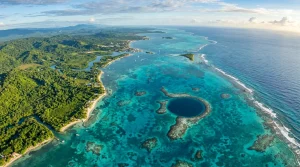
Did you know that Belize’s history stretches back thousands of years, intertwining with the legacies of the ancient Maya civilization? Understanding when Belize was founded offers fascinating insights into its rich culture and diverse heritage. This exploration isn’t just about dates; it unlocks a narrative filled with adventure, resilience, and transformation. Whether you’re a traveler eager to explore the Great Blue Hole or a history enthusiast drawn to the remnants of Maya ruins, knowing Belize’s origin story enhances your connection to this stunning Central American gem. As we delve into Belize’s fascinating founding, prepare to uncover the colorful tapestry that shapes the identity of this vibrant nation today.
Belize’s Historical Roots: A Journey to Its Foundation
Belize’s history is a rich tapestry of ancient civilizations, colonial endeavors, and the quest for independence. Nestled in the heart of Central America, this small nation is not only blessed with stunning natural landscapes but also boasts deep cultural roots that date back thousands of years. Approximately 3000 years ago, the area now known as Belize became a central hub for the Maya civilization, who established sophisticated city-states and an extensive trading network that thrived until around 1200 A.D. The remnants of this remarkable culture can be felt today in the majestic ruins of sites such as Cahal Pech, Caracol, and Altun Ha, which serve as captivating windows into Belize’s past.
With the arrival of Spanish explorers in the 16th century, Belizeans faced new challenges that reshaped their identity. While the Spanish claimed possession of the territory, they struggled to convert the resilient Maya to Christianity, often facing resistance. This clash of cultures set the stage for the eventual influx of the British in the 17th century, who sought to exploit the region’s resources, particularly its logging industry. The competition for control over Belize laid the groundwork for the rise of British Honduras, shaping the colony’s development and introducing a diverse mix of cultures, including African, Mestizo, and Caribbean influences, further enriching Belize’s historical roots.
Understanding these foundational stories offers travelers a deeper appreciation for Belize’s vibrant culture today. From exploring the ancient ruins surrounded by lush jungles to engaging with local communities that cherish their histories, every corner of Belize tells a story. The legacy of these historical roots is not only seen in preserved sites and museums but also in the lively festivals, music, and traditional culinary practices that permeate everyday life, inviting guests to immerse themselves in the nation’s colorful heritage. As you navigate Belize’s many wonders, consider how the interactions of these diverse cultures continue to shape the spirit of this beautiful country.
The Role of Mayan Civilization in Belize’s Origins
Long before European contact, the land now known as Belize was a vibrant cradle of civilization fueled by the flourishing Maya society. Approximately 3,000 years ago, this remarkable culture began to rise, transforming the region into a powerhouse of trade, architecture, and science that would leave indelible marks on the landscape and the people that inhabit it today.
The Maya civilization established a network of city-states, each showcasing advanced agricultural techniques, impressive architectural structures, and intricate art. Cities like Caracol, known for its towering pyramids, and Altun Ha, famed for its ceremonial centers, serve as testament to this civilization’s ingenuity. These sites reveal how the Maya harnessed the rich, lush environment-using the fertile soils to cultivate crops such as maize, beans, and cacao. Moreover, the sophisticated trading routes established by the Maya facilitated not just the exchange of goods but also cultural ideas, which continue to resonate in modern Belizean culture.
As travelers explore these ruins, they can truly appreciate how the dense jungles and cascading rivers shaped the way of life for the ancient Maya. Each stone and artifact speaks to their understanding of astronomy and mathematics, with the Maya calendar demonstrating their advanced knowledge of celestial cycles. For those wishing to connect deeply with this history, a visit to these archaeological sites during the cooler months can enhance the experience, allowing for comfortable exploration of this immense cultural heritage.
By tracing the legacy of this ancient civilization, visitors can uncover a rich tapestry of traditions that persist to this day. The echoes of the Maya are not confined merely to historic ruins; they are woven into the very fabric of Belizean identity, from the use of traditional languages like Kriol and Q’eqchi’ to the vibrant celebrations that honor Mayan history and culture. Embrace this journey through time, and you will find that Belize is not just a destination; it is a narrative filled with resilience, depth, and beauty that profoundly shapes its present and future.
Spanish Exploration and Colonization of Belize
The exploration and colonization of Belize by the Spanish marked a pivotal chapter in its history, one that shaped the nation’s cultural and demographic landscape. Although the Spanish arrived in the early 1500s, their interests initially lay in other regions of Central America that promised gold and immediate wealth. The dense jungles and thriving Maya civilization in what is now Belize were more seen as a barrier than a boon, delaying significant Spanish settlement for decades.
In 1511, the first recorded European encounter occurred when Spanish explorers like Gonzalo Guerrero and Francisco de Cordoba sailed along the Caribbean Sea, but it wasn’t until 1544 that the Spanish began to establish their claims. They were drawn to Belize by the potential of its valuable resources, particularly timber, which became a desirable commodity. The Spanish sought to exploit the region’s mahogany forests, and eventually began logging and establishing small settlements. The logging boom attracted additional Spaniards, and by the late 1600s, the area was recognized as a strategic location for trade and timber, leading to a slow but steady flow of settlers and adventurers.
Despite their presence, the Spanish faced continuous resistance from the indigenous Maya and other groups. The Spanish efforts to control the territory were challenged frequently, and it became clear that establishing a permanent colony was fraught with difficulties. The Spanish established a few settlements, such as the town of San Pedro, but their control over the region was tenuous and primarily maintained through trading partnerships with the Maya.
As the 17th century progressed, the precarious nature of Spanish influence began to shift with the arrival of British loggers who saw the potential for profit in the region. The British presence marked the start of a new colonial struggle, ultimately leading to the decline of Spanish control. This transition set the stage for the establishment of British Honduras and laid the groundwork for Belize’s eventual path to independence. The intermingling of Spanish influences with Maya culture created a unique and diverse heritage that endures in Belize today, echoed in the vibrant traditions, languages, and customs that visitors experience when exploring this enchanting country.
The Rise of British Honduras: Key Events and Figures
The arrival of British loggers in the late 17th century marked a significant turning point in Belize’s colonial history, transitioning from Spanish oversight to British influence. This period is characterized by escalating tensions, yet also by remarkable opportunities that would lead to the founding of British Honduras, known today as Belize. The potential for lucrative timber exports attracted many enterprising Englishmen, who established small settlements primarily focused on logging mahogany-the wood that would become the backbone of the British export economy.
Among the early figures in this transformative era was Henry Morgan, an infamous privateer who played a crucial role in expanding British influence in the region. His raids against Spanish settlements not only highlighted the strategic importance of Belize but also created an environment where British interests could thrive. With the establishment of trade networks, Belize emerged as a vital hub for the export of timber, which was coupled with an increasing number of settlers seeking fortunes in the lush jungles.
By the mid-18th century, as more settlers arrived, significant figures such as George Young and Thomas Barrow took on leading roles in the governance and economic exploitation of this nascent colony. Young, recognized for his leadership, was instrumental in formalizing British control over the territory, which was precariously balanced on the contributions of the indigenous Maya and the influx of African slaves. This complex social fabric contributed to the unique cultural mosaic that Belizeans celebrate today.
The long struggle for control culminated in the British formally declaring the settlement a colony in 1763 following the Treaty of Paris, which ended the Seven Years’ War. This treaty ceded Canada to the British, while acknowledging the importance of Belize as the heart of logwood trading. As British Honduras slowly evolved, the legal recognition of the colony sparked further growth and migration, leading to the establishment of many of the infrastructures that would shape the burgeoning society.
This historical development set the stage for Belize’s journey toward independence, with the gradual emergence of a distinct cultural identity influenced by its colonial past. Belizeans today can trace the roots of their rich heritage through these key events and figures, celebrating a legacy that interweaves resilience and adaptation, resonating through the vibrant cultures and traditions that flourish throughout the country.
Independence: Belize’s Path to Nationhood
The journey toward independence for Belize was marked by a relentless spirit of self-determination and cultural pride, culminating in the nation’s eventual rise from colonial governance to self-rule. The roots of this movement can be traced back to the mid-20th century when political consciousness began to awaken among Belizeans. During this time, a burgeoning nationalism emerged, fueled by leaders seeking greater autonomy and the ability to shape their own destinies.
The milestones on this path were numerous, with the official formation of political parties serving as key catalysts for change. The People’s United Party (PUP), founded in 1950, became a formidable force advocating for independence and the rights of the local populace. Mobilizations and protests in the following decades ratcheted up pressure on British authorities, demanding reforms that recognized Belizeans’ rights to participate in their own governance. By 1964, constitutional reforms granted limited self-government, setting the stage for further progress toward full independence.
After years of negotiations and continued assertion of Belizeans’ rights, 21 September 1981 became a historic date, as Belize officially declared independence from British colonial rule. Celebrations erupted across the nation-an inspiring display of culture, music, and unity, reflecting the diverse tapestry that is Belizean identity. The transition to self-governance was not simply a changeover of leadership; it symbolized the culmination of centuries of struggle, where the livelihoods and futures of the local people became the cornerstone of a new national narrative.
Today, Belize’s independence is celebrated with national pride. The colorful festivities that mark Independence Day each year showcase not just the triumph over colonial powers but also an embracing of multiculturalism. The country celebrates its rich heritage through traditional garifuna music and dance, vibrant street parades, and cuisine that speaks to the fusion of its indigenous roots and colonial influences. The legacy of this journey continues to resonate, inspiring a modern Belize that is both a tourist haven and a region rich in history, natural beauty, and cultural diversity, beckoning travelers to experience its wonders firsthand.
Cultural Influences Shaping Modern Belize
Belize is a vibrant tapestry of cultures, woven together by its indigenous traditions, colonial histories, and modern identities. The country’s contemporary cultural landscape is profoundly influenced by a diverse array of ethnic groups, each contributing unique traditions, languages, and culinary delights that resonate with both residents and visitors alike.
One cannot speak of Belize’s culture without acknowledging the significant impact of the Maya civilization, which flourished in the area long before European contact. Today, descendants of the Maya maintain powerful cultural practices, from traditional farming techniques to vibrant festivals like the Maya Day celebrations, where colorful dances and ancient rituals bring their history to life. The Garifuna community offers another cultural layer, renowned for its music, dance, and unique culinary traditions that highlight local ingredients. Festivals such as the Garifuna Settlement Day in November showcase this rich cultural heritage through lively parades and rhythmic drumming, inviting everyone to join in the cultural celebration.
In addition to indigenous influences, the Creole population has historically melded African, European, and indigenous elements into a dynamic culture characterized by engaging storytelling, vibrant arts, and mouth-watering dishes like rice and beans, served with stewed chicken or fish. The blend of cultures is further reflected in the nation’s languages, where English, Spanish, and various Creole dialects coexist, creating a rich linguistic heritage that exemplifies Belize’s multicultural identity.
As you explore Belize, expect to indulge in its myriad of flavors from street vendors to fine dining. Local markets overflow with fresh produce, while dishes embody the fusion of traditions. Engage with the local music scene, where genres like punta and brukdown echo through towns and villages, offering visitors a chance to immerse themselves in the spirited live performances that are an integral part of community life. Belize’s natural beauty is a perfect backdrop for these cultural experiences, from the stunning sands of the Caribbean coastline to the mystique of ancient Maya ruins buried in lush jungles-each site narrating stories of its past and aspirations for the future.
With a growing focus on heritage tourism, Belize encourages visitors to participate in cultural tours that highlight local artisans, craft-makers, and storytellers, enhancing the understanding of this small but significant country. By embracing its historical influences and modern innovations, Belize continues to evolve while cherishing the roots that have shaped its unique identity. Whether you’re adventuring through the Great Blue Hole or enjoying the lively atmosphere of a local festival, Belize offers a captivating journey through time that celebrates both its past and vibrant present.
Exploring the Timeline of Belize’s Development
The journey of Belize is a captivating tale marked by milestones that reflect its complex history and vibrant culture. From the reign of the Maya civilization to its eventual independence, each era has left an indelible mark on this Central American jewel. Understanding the timeline of Belize’s development offers insights into its present and showcases the nation’s resilience and evolution.
Key Events in Belize’s Timeline
- Prehistoric and Maya Civilization (circa 1500 BC – 900 AD): The land that is now Belize was originally inhabited by the Maya civilization, which flourished due to its advanced agricultural practices and complex societal structures. This period laid the groundwork for Belize’s deep-rooted cultural heritage.
- Spanish Exploration (16th Century): The first Europeans to explore Belize were Spanish conquistadors in the 1500s, though their attempts at settlement were largely unsuccessful due to harsh conditions and resistance from the indigenous peoples.
- Pirate Era and Settlement (17th Century): The late 1600s saw British loggers, known as baymen, entering Belize to harvest mahogany. They established settlements, leading to conflicts with the Spanish, who claimed the territory. This era marked the beginning of British influence in the region.
- Establishment of British Honduras (1862): Belize officially became British Honduras, marking a new chapter in its colonial history. During this time, the economy prospered largely due to the logging industry, though it also introduced issues of land rights and governance.
- Push for Self-Government (20th Century): The early 1900s were marked by growing nationalist sentiments. Belizeans began advocating for greater autonomy, culminating in constitutional reforms in the 1960s that allowed for self-governance.
- Independence (1981): On September 21, 1981, Belize achieved full independence from British rule, becoming a sovereign nation and forever changing its trajectory. This milestone is celebrated annually with colorful parades and festivities, embodying national pride.
Modern Developments
The past few decades have seen Belize navigating the complexities of nationhood while embracing its multicultural identity. The tourism sector has emerged as a vital part of its economy, drawing visitors to its stunning natural attractions, from the Great Blue Hole to the pristine beaches and ancient ruins scattered across the lush jungle. Belize continues to strike a balance between preserving its rich cultural heritage and fostering modern growth.
In , visitors gain a deeper appreciation for the nation’s historical roots, resilience, and cultural richness. As you journey through Belize, from its colonial streets to its breathtaking landscapes, each step tells a story that enriches your travel experience, inviting you to become part of its ongoing narrative.
Significant Milestones in Belize’s National History
Throughout its rich tapestry of history, Belize has marked numerous significant milestones that illustrate its growth from ancient civilization to a vibrant nation. The establishment of the Maya civilization around 1500 BC laid the foundational cultural and societal structures that still resonate today. Their sophisticated understanding of agriculture, astronomy, and governance set a precedent that influenced subsequent inhabitants, leaving a legacy evident in modern Belize’s cultural practices and tourism appeal.
As the 16th century dawned, Spanish explorers ventured into Belize, encountering resilient indigenous populations. Although their attempts to establish settlements were largely thwarted by the challenging environment and strong resistance from the Maya, this period set the stage for future colonial interests. By the late 1600s, British loggers began to settle in Belize, drawn by the region’s abundant mahogany forests. This marked a turning point; it ignited a colonial conflict between Spain and Britain that would ultimately alter the fate of this Central American territory.
The designation of Belize as British Honduras in 1862 was a critical juncture in its national timeline, establishing formal British colonial rule. Despite the challenges posed by colonial governance, Belize experienced economic development primarily through the logging industry, although this came with increasing tensions regarding land rights and the autonomy of its inhabitants. The early 20th century ushered in a wave of nationalist sentiments, paving the way for constitutional reforms in the 1960s, which allowed for increased self-governance and laid the groundwork for greater independence.
The culmination of these efforts occurred on September 21, 1981, when Belize officially gained independence from British rule. This momentous occasion was not merely a political transition; it was a milestone that represented the resilience and aspirations of the Belizean people. Celebrated annually with vibrant parades and cultural festivities, independence day embodies the pride and diversity of Belize’s heritage. Today, as Belize navigates its identity on the global stage, the echoes of its past continue to shape its future, inviting visitors to explore the incredible blend of history and culture that defines this beautiful nation.
How Geography Influenced Belize’s Founding
The breathtaking geography of Belize has played a pivotal role in its historical development, making it a unique tapestry of cultures, resources, and natural beauty. Nestled on the northeastern coast of Central America, Belize is graced with a stunning combination of barrier reefs, lush jungles, and fertile plains, all of which have significantly influenced its founding and evolution. This diverse environment has not only attracted settlers and explorers throughout the centuries but also shaped the very fabric of Belizean identity.
The Caribbean Sea to the east provides Belize with rich marine resources, which have been essential for local communities. It has served as a bustling hub for fishing and trade since the time of the Maya, whose sophisticated understanding of their environment allowed them to cultivate crops like maize and cacao, establishing agricultural systems that thrived in the fertile lowlands. The presence of the Belize Barrier Reef, a UNESCO World Heritage site, further accentuates the country’s natural wealth, drawing eco-tourists and diving enthusiasts from around the globe eager to explore its vibrant coral reefs and marine life.
Additionally, Belize’s varied topography – from the low coastal plains to the rugged Maya Mountains – has facilitated diverse cultural interactions. The thick jungles and mountainous terrain provided refuge for the Maya civilization and later indigenous groups, helping to nurture a rich tapestry of oral histories and traditions that continue to resonate in Belizean culture today. As Spanish explorers attempted to establish their presence in the 16th century, they often found the landscape challenging, with the dense forest and natural barriers working against their colonial ambitions. The geography not only played a defense role for local populations but also set the stage for future colonial conflicts, ultimately paving the way for British control by the late 17th century.
As you traverse Belize today, whether exploring the ancient ruins of Tikal or discovering hidden waterfalls in the lush jungles, the influence of geography remains evident. The natural beauty invites travelers and potential residents alike to engage with the land, fostering a deep appreciation for its cultural and historical landscapes. Adventure seekers will find various activities, from hiking in the rainforest to snorkeling in clear Caribbean waters, allowing them to witness firsthand how geography has shaped Belize’s journey from ancient civilization to a modern-day paradise.
Legacies of Colonialism in Contemporary Belize
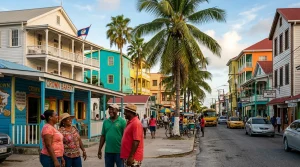
The echoes of colonialism resonate throughout the vibrant culture and society of modern Belize, where legacies of its tumultuous past continue to shape the lives of its people. Occupying a unique position on the Caribbean, Belize’s history is deeply intertwined with indigenous survival, European conquest, and post-colonial aspirations, crafting a narrative of resilience and adaptation. The remnants of colonial architecture, such as the impressive St. John’s Cathedral in Belize City, juxtapose with the lively markets filled with Creole spices and handcrafted goods, showcasing the collision and fusion of cultures.
The British colonization of Belize, once known as British Honduras, significantly influenced the linguistic landscape, as many Belizeans communicate in English creole dialects alongside Spanish and various Mayan languages. This linguistic mix speaks volumes about the multi-ethnic society that has emerged-a blend of the descendants of enslaved Africans, indigenous peoples, and the influences of European settlers. Cultural expressions like Garifuna music and dance reveal stories of displacement and survival, celebrating the rich heritage that flourishes against the backdrop of its colonial past.
Today, visitors and locals alike can engage with these legacies through numerous festivals and events. The Garifuna Settlement Day, celebrated on November 19, honors the arrival of the Garifuna people in Belize and showcases traditional music, dance, and culinary delights. The vibrant colors and sounds of this celebration illustrate the active embrace of cultural diversity. Travelers can participate in workshops on traditional crafts or cooking classes that bring to life the historical narratives woven into Belizean cuisine, such as tamales and rice and beans.
As the nation forges its identity in a post-colonial context, the struggle for social justice and equity continues. The solid sense of pride amongst Belizeans in their unique heritage encourages dialogues on inclusivity.
When exploring Belize, one might not only revel in its stunning natural beauty-from the expansive Great Blue Hole to the lush greenery of the rainforest-but also appreciate the complex history that informs contemporary life. Engaging with local communities allows visitors to witness firsthand how colonial histories are narrated and remembered, enriching their travel experience with deeper understanding and connection.
Uncovering Belize’s Hidden Historical Sites
Imagine wandering through lush jungles, where every rustle of leaves whispers stories of ancient civilizations, or finding yourself at the foot of majestic ruins that hold secrets of a bygone era. Belize is not just known for its stunning natural beauty but also for its rich tapestry of hidden historical sites that bear testimony to its diverse past. Delve into these treasures, and you’ll discover the fascinating interplay of cultures that shaped the nation.
One cannot visit Belize without exploring the iconic Maya ruins scattered across the landscape. Sites like Caracol, hidden deep within the Chiquibul Forest, offer breathtaking views and monumental architecture. Once a vibrant city, Caracol thrived during the Maya Classic period, and its temples, including the grand Caana (Sky Palace), still stand tall, inviting explorers to climb and take in the panorama. As you roam the grounds, consider the daily lives of the Maya who once called this place home.
Another gem, Lamanai, located on the banks of the New River, takes you on a journey through time. This site is unique because it showcases continuous habitation from the Maya period through colonial times. Visitors can take a riverboat ride through mangroves, watching for wildlife, before stepping foot on the ancient plazas filled with impressive structures like the Mask Temple, adorned with intricate carvings. Lamanai embodies the resilience of both the Maya and the Belizean spirit, showcasing the blend of history and nature.
For a taste of the colonial era, the Historic Belize City cannot be overlooked. Once the capital of the British colony, the city’s architecture-such as the beautiful St. John’s Cathedral-reflects the colonial past mixing with local flavors. Stroll through the streets, where each building and monument tells its own story, and pause at the Museum of Belize, housed in the old prison, to gain insights into the country’s journey over the years.
Moreover, Belize’s hidden historical sites are not just limited to ancient monuments. Engage with local communities to discover oral histories that paint the rich cultural landscape of the nation. For instance, towns like Punta Gorda celebrate the Garifuna heritage through songs and dances that recount the struggles and triumphs of the Garifuna people, showcasing the living history of resilience and cultural richness.
As you venture through Belize, take the time to immerse yourself in these historical sites. Not only will you gain a deeper understanding of Belize’s fascinating origin story, but you will also participate in a continuing dialogue about the nation’s identity. Whether you are trekking through jungles or lounging on Caribbean beaches, let the stories of the land and its people enhance your travel experience, revealing the profound connections that bind the past to the present.
The Importance of Oral Traditions and Stories in Belizean Culture
In Belize, the age-old art of storytelling weaves a vibrant tapestry of cultural identity, echoing the rich oral traditions passed down through generations. These narrative forms are more than just captivating tales; they encapsulate the very essence of Belizean life, history, and community. From the ancestral histories of the Maya to the vibrant legacies of the Garifuna, oral traditions serve as vital conduits for preserving cultural heritage, teaching moral values, and fostering a sense of belonging among diverse groups.
Oral traditions in Belize are often showcased during festive events and communal gatherings, where the power of the spoken word brings communities together. Whether it’s the rhythmic beats of Garifuna drumming accompanying songs that recount historical struggles, or the Maya tales that reflect their deep connection to the land, each story provides insight into the cultural landscape of Belize. Elders are revered as custodians of these tales, imparting wisdom about moral conduct, perseverance, and community responsibilities through parables and anecdotes.
Visitors can immerse themselves in this dynamic cultural practice by participating in local festivals such as the Garifuna Settlement Day, where storytelling plays a pivotal role in celebrations. Engaging with local artisans, musicians, and cultural practitioners allows travelers to experience the authentic spirit of Belizean storytelling firsthand. Opportunities to share stories often arise in family-run accommodations, where hosts may regale you with tales of their ancestors, enriching your journey with personal insights and historical context.
The importance of these oral narratives transcends mere entertainment; they embody the collective memory and identity of Belizeans. They act as a bridge connecting the past to the present, ensuring that the voices of those who came before are not forgotten. Thus, when exploring Belize, understanding and appreciating these storytelling traditions can deepen your travel experience, inviting you to reflect on the complex narratives that shape this captivating Central American nation.
FAQ
Q: When did Belize become a British colony?
A: Belize became a British colony in 1862 when it was formally declared as British Honduras. This marked a significant shift from the informal control Britain had held over the area since the late 17th century, establishing a colonial government that lasted until independence in 1981.
Q: What year did Belize gain independence?
A: Belize gained independence from British rule on September 21, 1981. The transition to independence followed a series of constitutional changes and increased self-governance, culminating in full sovereignty.
Q: How did the Mayan civilization impact Belize’s founding?
A: The Mayan civilization, present in Belize from around 1500 BC, influenced the region’s cultural and social structures. Their advanced society laid foundational elements, such as trade, agriculture, and governance, which shaped the area’s early development and identity [1].
Q: What were key events leading to the founding of modern Belize?
A: Key events include the arrival of Spanish explorers in the 16th century, the establishment of logwood trading in the 17th century, and the official recognition of Belize as a British colony in the 19th century, all of which contributed to shaping its modern identity [2].
Q: Why is the year 1798 significant in Belize’s history?
A: The year 1798 is significant due to the Battle of St. George’s Caye, where British settlers defended against a Spanish attack. This battle is often celebrated as a pivotal moment in securing British interests in the region and is recognized as a foundational event in Belize’s national history.
Q: What role did geography play in Belize’s founding?
A: Belize’s coastal geography, featuring natural harbors and proximity to trade routes, made it an attractive location for logging and trade. This advantageous position facilitated economic development and the eventual establishment of colonial control [3].
Q: What was the impact of colonization on Belize’s culture?
A: Colonization introduced diverse cultural influences, including British legal systems, trade practices, and religious beliefs, while also suppressing indigenous cultures. This blend has given rise to Belize’s unique modern identity, characterized by a rich tapestry of cultural traditions.
Q: How did oral traditions influence Belize’s historical narrative?
A: Oral traditions play a crucial role in preserving and communicating Belize’s history, particularly among indigenous and Afro-Caribbean communities. These stories provide insight into cultural practices, historical events, and personal narratives, shaping the national identity and community cohesion.
Wrapping Up
As you’ve uncovered the fascinating origin story of Belize, don’t let your journey stop here! Delve deeper into the rich culture, adventure opportunities, and breathtaking attractions this enchanting country has to offer. Explore the stunning Great Blue Hole, wander through ancient Maya ruins, or relax on pristine Caribbean beaches – the possibilities are endless!
Ready to plan your Belizean adventure? Check out our detailed guides on the top ten things to do in Belize [[[2]] and the best places to see [[[3]] for insider tips and must-visit spots. And, for travelers looking for essential information, our comprehensive accommodation guides and practical travel tips will equip you for an unforgettable experience.
Join our community of explorers by signing up for our newsletter to stay updated on all things Belize and beyond. Your next adventure awaits-dive in today!
Get our latest guides, news, and insights highlighted in your Google Search & AI Overviews.