Who were the First Inhabitants of Belize?
The lush landscapes and rich history of Belize tell a captivating story, beginning with its first inhabitants-the ancient Mayans. These remarkable people thrived in this Central American paradise over 3,000 years ago, establishing a vibrant civilization that left an indelible mark on the region. The Mayans were not just inhabitants; they were master architects and astronomers who built grand cities, such as Caracol and Tikal, complete with intricate temples and advanced agricultural systems that still intrigue archaeologists today.As you journey through Belize, the remnants of Mayan culture are evident in the ruins that dot the landscape, inviting exploration and adventure. Visitors can delve into the ancient past at sites like Altun Ha and Lamanai, where towering pyramids rise against a backdrop of emerald jungles. These civilizations employed sophisticated systems of writing and mathematics, and their astronomical calendars were remarkably accurate, guiding their agricultural practices and religious ceremonies.In addition to the Mayans, other indigenous groups such as the Garifuna and Creole also contributed to the rich tapestry of Belizean culture. The blend of these diverse cultural influences has left a legacy that shapes Belize today, making it a unique destination where history and nature coexist. Travelers can relish not only the stunning scenery and vibrant wildlife-home to countless bird species and coral reefs-but also the lively traditions, music, and cuisine that celebrate this multi-faceted heritage.Experiencing Belize is an invitation to connect with its past-whether exploring ancient ruins, participating in local festivals, or enjoying traditional dishes. Each element reveals stories of resilience and adaptation, making every visit an enriching adventure filled with discovery.
The Arrival of European Powers in Belize
The lush jungles and turquoise waters of Belize tell a tale steeped in history, beginning with the arrival of European powers in the 16th century. Spanish explorers, drawn by rumors of gold and the riches of the Maya civilization, were among the first Europeans to make their mark in this verdant land. Nonetheless, the Spanish never established a permanent settlement, as they faced fierce resistance from the indigenous populations and the challenging terrain of the region. It wasn’t until the mid-17th century that the British began to make their presence felt.Initially attracted by the lucrative mahogany trade, British loggers and settlers began to trickle into the area known today as Belize. They took advantage of the abundant resources, leading to the establishment of informal settlements along the coast. This nascent settlement attracted pirates and buccaneers who sought refuge from Spanish forces, and thus, the early British presence was characterized by a mix of commerce and conflict. The elusive nature of control over Belize and its resources led to a patchwork of unofficial territories governed by self-appointed leaders and rough justice.By the late 18th century, the British family of settlers grew more organized, as they sought official recognition from the British Crown. In 1786, an official treaty allowed the British settlers the right to cut mahogany in return for recognizing Spanish sovereignty over the land. The resource exploitation continued, and soon, the settlement evolved into a bustling port town, which would lay the groundwork for further British interests in the region.The arrival of European powers, particularly the British, marked the beginning of significant transformations in Belize, both environmentally and culturally. The introduction of European agricultural practices, the establishment of plantations, and the influx of enslaved Africans to work on these plantations reshaped the societal landscape. This melding of cultures paved the way for a unique blend of indigenous, African, and European influences that define Belize’s rich heritage today. Exploring the remnants of this colonial past, travelers can enjoy not only the captivating history but also the vibrant cultural scenes in cities like Belize City, where every corner echoes stories of resilience and adaptation.In conclusion, initiated a transformational journey that would change the face of this beautiful country, setting the stage for a complex interplay of cultures that thrive to this day.
Understanding the British Settlement of Belize
In the mid-17th century, British settlers arrived in what is now Belize, drawn by the lush jungles and lucrative resources that this vibrant landscape offered. Unlike the Spanish, who had previously scoured the region in search of riches, the British established their footing primarily through logging, particularly of mahogany – a wood highly valued in European markets for its beauty and durability. The tropical hardwood was the cornerstone of early British settlements, igniting an economic boom that would transform the area.As settlers ventured deeper into the dense forests, they created informal and often precarious settlements along the coast. These camps grew into rudimentary towns where timber was harvested under the protection of makeshift armies of pirates and buccaneers who roamed the waters, offering protection in exchange for favors. The early framework of British governance was chaotic, marked by leadership from self-appointed figures who navigated the dual challenges of resource competition and Spanish attempts to reassert control over the territory.By 1786, the necessary treaties began to formalize British claims on the land, albeit under the condition of acknowledging Spanish sovereignty. This precarious arrangement allowed the British to continue their resource extraction while entrenching a colonial presence that would lead to the establishment of Belize City as a bustling port town. The British colonial undertakings were not merely commercial; they brought with them sweeping changes – from the introduction of new agricultural practices to the establishment of plantations that would require a workforce primarily composed of enslaved Africans.As the settlement grew, the indigenous populations found themselves increasingly marginalized, their traditional ways of life disrupted. The blending of cultures began here, as African influences intermingled with those of the indigenous peoples and European settlers. This cocktail of backgrounds contributed to the cultural richness of Belize, a nation that today celebrates a tapestry of history through its festivals, music, and culinary delights. To explore Belizean history is to uncover stories of resilience, adaptation, and transformation, leading to the vibrant, multicultural society that welcomes visitors from around the world.
Key Events in Belize’s Colonial History
Amidst the lush jungles and intricate coastal waters of Belize lies a fascinating tapestry of colonial history woven with significant events that shaped the nation. The journey begins in the mid-17th century when British settlers, drawn by the allure of precious mahogany, established their presence primarily through informal settlements along the Caribbean coast. As they harvested timber, a struggle ensued for control between the British and Spanish powers, leading to a landscape marked by piracy and makeshift governance. Notably, the 1763 Treaty of Paris, which ended the Seven Years’ War, marked a turning point, granting the British permission to settle the area while still recognizing Spanish claims-setting the stage for a tenuous colonial relationship.As the burgeoning settlements thrived, 1786 saw the British formalizing their control with the Convention of London, which allowed for greater autonomy and land claims, effectively leading to the establishment of Belize City as the central hub of colonial activity. This era brought about the introduction of enslaved Africans who formed the labor backbone for sugar plantations and logging camps, radically altering the demographic and cultural landscape. The 1832 Slave Abolition Act, while a step toward justice, initiated significant social upheaval, as former enslaved individuals sought their place in a rapidly changing society.Navigating through the 19th century, Belize experienced continued economic growth alongside burgeoning tensions. The 1859 boundary treaty with Guatemala, which aimed to define Belize’s borders, was a significant but contentious agreement that led to ongoing sovereignty disputes that echo into modern times. Meanwhile, the establishment of representative government in 1891 marked a slow but notable shift towards greater political autonomy, laying the groundwork for future independence movements.In the face of economic opportunities and struggles, the rich interplay of diverse cultures began to solidify into the Belizean identity. Festivals celebrating Creole, Garifuna, and Maya traditions offered a glimpse into the vibrant society emerging from the colonial legacy. As one wanders through Belize today, from the majestic Mayan ruins of Xunantunich to the bustling streets of Belize City, the echoes of these historical events resonate in the lively music, delicious cuisine, and the resilience of a people who have transformed their colonial past into a vision of unity and cultural richness. Embracing both the beauty of nature and the depth of history, Belize stands as a testament to survival, adaptation, and joy amid a complex legacy.
The Role of the British in Indigenous Communities
The arrival of British settlers in Belize heralded a complex chapter in the lives of the indigenous communities, who had inhabited the region long before Europeans made their mark. The British influence often translated into a precarious balancing act, as colonial interests clashed with the autonomy and traditions of the Maya, Garifuna, and other indigenous groups. Initially, the British sought alliances for trading and territorial control, often negotiating treaties or forming partnerships with local leaders. These relationships, however, were fraught with complexities and power imbalances that reflected the broader struggles of colonization.As mahogany logging became economically vital for the British, this industry brought profound change to the landscape and the communities that depended on it. The indigenous populations, particularly the Maya, found their territories encroached upon as British interest in natural resources intensified. Traditional land use concepts clashed with European property rights, leading to significant disruptions in their way of life. The imposition of British laws and customs also initiated a gradual erosion of indigenous practices and beliefs, compelling communities to adapt or resist.Despite these challenges, many indigenous groups maintained their resilience and resistance against British encroachment. Notably, the Garifuna people, descendants of Carib, Arawak, and Afro-descended individuals, played a significant role in the cultural tapestry of Belize, weaving a rich narrative that persists today. The interplay of resistance and adaptation became a defining trait of Belizean identity, fostering a sense of belonging that transcended colonial boundaries.The systematic changes brought on by British colonialism irrevocably altered the sociopolitical landscape of Belize, but they also sparked enduring cultural exchanges. Festivals celebrating ancestral customs, vibrant music, and dances exemplify the blending of British and indigenous influences that characterize Belize today. Visitors exploring this lush paradise can witness these dynamic cultural manifestations firsthand, from the spirited Garifuna Settlement Day celebrations to the intricate ceremonies honoring ancient Mayan traditions. In this land where history and culture converge, the legacies of colonialism and resilience continue to shape the identity of its people, celebrating a rich narrative that many travelers find deeply captivating and enlightening.Economic Exploitation: Logging and Agriculture
The lush forests of Belize, home to breathtaking biodiversity, became the battleground for economic interests during the British colonial rule. The British settlers quickly discovered the wealth hidden within the tropical woodlands, leading to a fervent focus on logging, particularly mahogany. This majestic hardwood was highly sought after, primarily for furniture manufacturing in Europe, creating a lucrative industry that transformed both the landscape and the lives of indigenous populations.As British loggers cut swathes of forest, they encroached upon lands traditionally managed by the indigenous Maya and other local communities. This economic exploitation resulted in not just a loss of habitat but also a disruption of the indigenous peoples’ relationship with their environment. The expansion of mahogany logging led to a shift in land use, as logging camps and settlements sprang up, further alienating local populations from their ancestral territories. The allure of wealth from these exports often overshadowed the sustainable practices that indigenous communities had maintained for generations.Shift to Agriculture
With logging establishing its dominance, agriculture soon followed as a crucial economic driver in Belize. The British introduced plantations, primarily sugar and banana farms, which required extensive labor and significantly altered the social fabric of the region. This agricultural boom also meant importing workers from diverse backgrounds, including indentured laborers from India and African communities, thus layering a complex demographic tapestry onto Belize’s societal structure.The economic framework established during this period left a profound and lasting impact on the region. While the British profited immensely, the indigenous communities faced not only loss of land but also the erosion of their cultural practices and autonomy. The transformations wrought by logging and agriculture under colonial rule still echo in Belize today, influencing its economy and cultural identity. Whether visiting the vibrant markets filled with local produce or experiencing the rich tapestries of Creole and Maya culture, travelers can witness the enduring legacies of this challenging past amid the stunning natural beauty of Belize.Resistance and Revolts against British Rule
Throughout the colonial era, Belizean society was marked by a fervent spirit of resistance against British rule, as the indigenous Maya and newly arrived African slaves fought back against exploitation and oppression. These uprisings and movements were often fueled by the harsh realities of enslavement, land dispossession, and cultural erasure imposed by the British colonizers. The most notable of these revolts crystallized around the fierce drive for autonomy and dignity.One prominent example is the Maya Revolt of 1847, where numerous indigenous communities banded together to retaliate against British encroachment on their lands and livelihoods. Led by Maya leaders, this revolt emerged as a reaction not only to economic exploitation through logging and agriculture but also to the broader imposition of foreign authority, which threatened their traditional way of life. Although ultimately unsuccessful, the revolt underscored the resilience of the Maya people and their deep connection to the land, fostering a legacy of cultural pride that resonates today.Slave Resistance
Unlike many colonial territories in the Americas, Belize saw the development of unique forms of resistance among enslaved Africans. These individuals often organized themselves into maroon communities, where they could escape British control and create autonomous societies. The collective memory of these communities became a source of inspiration for future generations and fueled various resistance efforts. Acts of rebellion, from smaller scale revolts to organized escapes, demonstrated defiance against the oppressive plantation system that sought to strip away their humanity and identity.The most notable uprising was the Coconut Grove Revolt in 1832, where enslaved men and women took up arms against their oppressors in a bid for freedom and better living conditions. Though this particular uprising was suppressed, it highlighted the ongoing struggle and desire for self-determination embedded in Belizean society.The resistance against British rule in Belize was not merely confined to violent revolts; rather, it was mirrored in the everyday acts of defiance and the preservation of cultural practices. This blend of fierce determination and cultural resilience shaped the social fabric of modern Belize. The legacy of these struggles is palpably present in today’s vibrant cultural landscape, where the echo of traditional music, dance, and culinary practices continually celebrates the rich tapestry of Belize’s diverse heritage. Visitors to Belize can immerse themselves in this cultural richness by exploring its local festivals, experiencing Garifuna music and dance, and savoring the unique flavors of Creole cuisine-each telling a story of survival and cultural pride that traces back to those brave individuals who resisted colonial oppression.The Impact of Colonialism on Belize’s Culture
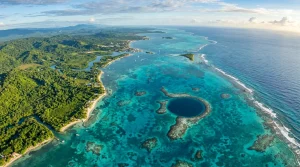
Colonialism cast a long shadow over Belize, leaving an indelible mark on its culture, traditions, and social fabric. The legacy of British rule is intricately woven into the vibrant tapestry of Belizean life, creating a unique blend of indigenous, African, and European influences that continue to thrive today. From the culinary delights to the rhythmic beats of traditional music, the impact of colonialism is visible in every corner of this beautiful nation.One of the most striking aspects of Belizean culture is its language. English remains the official language, a remnant of colonial governance, which has melded with Creole and various indigenous languages to create a rich linguistic heritage. Creole, often spoken in daily life, encapsulates the history of resilience and cultural fusion, giving voice to the experiences of both enslaved Africans and indigenous peoples. The spirit of the Garifuna, whose dance and music echo the struggles and triumphs of colonization, further exemplifies the enduring impact of these historical narratives on contemporary culture.Culinary TraditionsBelizean cuisine offers a delicious insight into the country’s colonial history, blending flavors and techniques from its diverse populations. Dishes such as rice and beans, tamales, and the famous Belizean stew chicken showcase the fusion of indigenous ingredients with those brought over by African slaves and British settlers. Local markets burst with fresh produce and spices, and traditional cooking methods, like outdoor fire pits, harken back to ancestral practices. Events like the annual Belize Gastronomy Festival celebrate these culinary traditions, highlighting the ways in which food serves as a vital link to cultural identity.Belize’s festivals and celebrations provide another window into the cultural impact of colonialism. Events such as Garifuna Settlement Day and the September Celebrations are vibrant displays of national pride, where music, dance, and storytelling revive the rich histories of resistance and survival. These gatherings offer visitors a chance to engage with local communities and experience firsthand the lively heritage that thrives against the backdrop of historical struggles.In travel, understanding these cultural impacts enriches the experience of exploring Belize. Engaging with local artisans, enjoying traditional performances, or even participating in cooking classes can offer deeper insights into a society that has evolved through adversity. Whether you’re enjoying a day at the Great Blue Hole or exploring ancient Maya ruins, the echo of Belize’s colonial past resonates through the voices, tastes, and stories that define this remarkable nation. Visitors are encouraged to take the time to immerse themselves in this cultural richness, discovering not just the beauty of Belizean landscapes but also the resilience of its people and their enduring heritage.Post-Colonial Developments in Belize
After achieving independence in 1981, Belize embarked on a journey marked by both challenges and triumphs as it redefined its identity away from colonial rule. The new nation faced immediate hurdles including economic dependency on the agricultural sector and navigating its place within a complex geopolitical landscape. In the aftermath of colonialism, Belize sought to meld its diverse cultural heritage into a cohesive national identity, leading to a unique blend of indigenous, African, Mestizo, and European influences that is celebrated today.One significant development has been the rise of tourism as a major economic driver. Nestled between the Caribbean Sea and lush jungles, Belize boasts stunning natural attractions like the Great Blue Hole, ancient Maya ruins, and vibrant coral reefs. These destinations not only draw international visitors but also raise awareness about the importance of environmental conservation and cultural preservation. The tourism sector has fostered a growing sense of pride among locals, encouraging communities to engage with their cultural traditions and share them with the world.In recent years, Belize has increasingly embraced its rich cultural tapestry through festivals and events that highlight local music, dance, and cuisine. Celebrations like Garifuna Settlement Day and the September Celebrations provide both locals and tourists with an opportunity to connect with Belize’s history and diverse heritages. These events also play a crucial role in fostering community cohesion and empowering local artisans and performers, ensuring that traditional practices are passed down through generations.While progress has been made, challenges remain. Economic inequality and issues related to land rights, especially concerning the indigenous populations, persist in influencing the country’s development trajectory. As Belize navigates these complexities, ongoing dialogues about identity, culture, and sustainability will be vital. The emphasis on grassroots movements and community-led initiatives illustrates a growing awareness among Belizeans about the importance of safeguarding their cultural heritage while engaging in modern economic practices.In exploring post-colonial Belize, one encounters a nation that is learning to balance its past with its present, while looking toward a more unified future. The interplay of tradition and modernity creates a vibrant cultural landscape worthy of exploration, making Belize a captivating destination for travelers and expatriates alike, eager to experience the joyful resilience of its people and the breathtaking beauty of its surroundings.Belize’s Path to Independence: A Timeline
In the heart of Central America, Belize’s journey toward independence is a testament to resilience and the rich tapestry of its cultural heritage. Spanning over three decades, the timeline of Belize’s path to self-determination not only highlights key historical milestones but also encapsulates the struggles and achievements of its people as they forged a national identity distinct from colonial rule.Timeline of Key Events Leading to Independence:- 1862: Belize is declared a British Crown Colony, known as British Honduras, a pivotal moment that begins a long and complex relationship with British colonial powers.
- 1931: The first significant political movement emerges with the establishment of the People’s United Party (PUP), advocating for greater self-governance.
- [1945: The formation of the British Honduras Labour Organization marks a turning point, galvanizing labor rights and political consciousness among the populace.
- 1950: The first mass movement against colonialism gains momentum, leading to widespread protests and demands for democratic reforms.
- 1964: A new constitution is enacted, providing limited self-governance, with the first elections held under the new framework and the PUP winning a majority.
- 1973: The country is officially renamed Belize, symbolizing a renewed commitment to its national identity and heritage.
- 1981: Belize finally attains full independence from British rule, celebrated on September 21, marking the culmination of decades of struggle and aspirations for autonomy.
Legacy of Colonialism in Modern Belize
Although Belize gained its independence in 1981, the legacy of British colonialism continues to shape its social, cultural, and economic landscape. Visitors exploring this vibrant nation will find the echoes of its colonial past woven subtly into the present, offering a rich narrative that unfolds in everyday life. From the architecture of Belize City to the culinary influences found in local dishes, the impact of colonialism is both profound and illuminating.Belize’s cultural fabric is defined by a wonderful blend of influences stemming from its colonial history. The Creole community, a distinct group formed through the mingling of African slaves and European settlers, significantly contributes to the cultural uniqueness of the nation. The language, music, and food reflect this rich ancestry; expect to taste flavors infused with Caribbean zest, feel the rhythm of Garifuna music, and enjoy the lively storytelling traditions that celebrate both resilience and joy.Education and governance have also been influenced by colonial structures, with the British legal system guiding contemporary practices. Many schools teach a curriculum steeped in British history and literature, while the reverence for law and order remains a strong pillar in society. This colonial legacy can be seen as both a challenge and an opportunity, as Belizeans adapt these influences to forge a distinctly Belizean identity that honors their heritage while embracing modernity.Ecotourism stands at the forefront of Belize’s economic strategy, offering a path forward that respects and incorporates indigenous knowledge and communities often sidelined during colonial rule. The rise of community-led initiatives ensures that benefits derived from tourism flow back into local hands, merging historical awareness with sustainable development. Visitors are encouraged to explore national parks, like the Cockscomb Basin Wildlife Sanctuary, where guided tours often tell stories that pay homage to the land’s first inhabitants and views of untouched nature highlight the bounty that colonial exploits overlooked.In summary, the is a complex tapestry that enriches the country’s identity. As travelers immerse themselves in the culture, history, and natural beauty of Belize, they contribute to a narrative that honors the past while paving the way for an inclusive and diverse future. The vibrant celebrations, local traditions, and thriving biodiversity invite exploration and engagement, ensuring that Belize remains a captivating destination for adventurers and history buffs alike.Belize Today: A Blend of Cultures and Histories
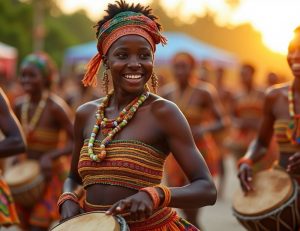
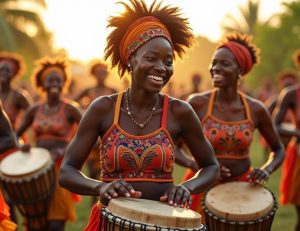
The diverse tapestry of Belize’s identity is a vibrant reflection of its rich cultural heritage and the influences that have shaped it through centuries. Today, Belize is a harmonious blend of the myriad cultures that have interwoven through its history, presenting travelers with a multifaceted experience that resonates with the country’s colonial past while embracing the forefront of modernity. It’s a land where the rhythmic beat of Garifuna music fills the air during festivals, and the tantalizing aromas of Creole cuisine waft from homes and restaurants alike, inviting everyone to savor the flavors of its diverse inhabitants.One cannot explore Belize without appreciating its natural beauty, which is just as integral to its identity as its people. The Great Blue Hole, with its striking cobalt depths, attracts divers from around the world, while the lush jungles cradle ancient Maya ruins awaiting exploration. Each location tells a story, revealing layers of history and culture that continue to resonate today. Ecotourism has embraced this narrative, ensuring that visitors can partake in its bounty while contributing to sustainable practices. Community-led initiatives abound, fostering a sense of stewardship toward both the land and its people, ensuring that the benefits of tourism make their way back to local communities.As you wander through the streets of Belize City or peruse the stalls in San Ignacio’s markets, you will encounter the fusion of past and present manifesting in everything from architecture to the spoken word. The colonial structures stand in juxtaposition to vibrant murals and modern developments, capturing the essence of a nation that honors its history even as it strides forward. Visitors are encouraged to engage, not just observe, whether it’s through sharing stories with locals at annual festivals or participating in cultural immersion experiences that highlight the traditions of the Garifuna, Creole, and Maya peoples.Traveling to Belize opens the door to understanding this kaleidoscope of cultures, one that is as welcoming as it is diverse. With accommodations ranging from charming jungle lodges to elegant beachfront resorts, there is something for every traveler. Safety is a priority, and navigating the country is straightforward, with local transport options and friendly advice from residents readily available. The warm sun, expansive sea, and rich history are just the beginning of the adventure; every visit is a unique opportunity to engage with the culture, nature, and community of this enchanting Central American gem.FAQ
Q: Who were the first European settlers in Belize? A: The first European settlers in Belize were primarily British loggers, who began arriving in the 17th century. They exploited the region’s rich mahogany forests, leading to the establishment of small settlements and the assertion of British interests in the area.Q: What was the purpose of British colonization in Belize? A: The primary purpose of British colonization in Belize was to exploit its natural resources, particularly mahogany. This economic interest drove the establishment of settlements and trade, which gradually expanded British control over the region.Q: How did Belize gain independence from British rule? A: Belize gained independence from British rule through a gradual political process that began in the 1960s, culminating in independence on September 21, 1981. The shift involved constitutional reforms and negotiations that strengthened self-governance.Q: What was the impact of British colonialism on Belizean society? A: British colonialism profoundly impacted Belizean society by introducing a plantation economy and altering social structures. It marginalized indigenous populations and shaped Belize’s cultural identity through the blending of European, African, and indigenous influences.Q: What resistance movements existed against British colonial rule in Belize? A: Resistance movements against British colonial rule in Belize included revolts by enslaved Africans and indigenous groups. Notable uprisings, such as the 1800 slave revolt, highlighted the tensions arising from exploitation and harsh living conditions under colonial authorities.Q: How did British colonial policies affect indigenous populations in Belize? A: British colonial policies marginalized indigenous populations by seizing land and resources, often leading to their displacement. This disruption significantly affected their traditional lifestyles and cultural practices, causing long-lasting socio-economic challenges.Q: What legacy did British colonization leave in modern Belize? A: The legacy of British colonization in modern Belize includes a diverse cultural landscape, legal frameworks based on British law, and ongoing socio-economic disparities. These factors continue to influence Belize’s identity and development today.Q: How has Belize’s colonial history shaped its contemporary culture? A: Belize’s colonial history has shaped its contemporary culture by fostering a multicultural society. The blending of British, African, and indigenous traditions manifests in language, cuisine, and festivals, creating a unique cultural identity that reflects its diverse heritage.In Retrospect
As we explore the rich colonial history of Belize, it’s clear that understanding the past is essential for appreciating the vibrant cultural tapestry of this beautiful nation today. If you’re intrigued by Belize’s unique blend of Creole, Maya, and Garifuna influences, you won’t want to miss our in-depth articles on the best Belizean destinations, from the breathtaking Great Blue Hole to the ancient Maya ruins. Discover practical travel tips on visas, transportation, and safety to ensure a smooth journey.Ready to dive deeper? Be sure to check out our travel guides tailored for diverse visitors, including solo female travelers and LGBTQ+ adventurers. Join our community by signing up for our newsletter, where you can receive updates on Belize’s latest cultural festivals, eco-tourism opportunities, and insider travel deals. Your adventure in Belize awaits-explore further to unlock the secrets of this captivating destination!Comprehensive Guide and In-Depth Analysis: The Belizean Settlers
When exploring the details surrounding the belizean settlers, understanding the practical, environmental, and cultural dynamics of Belize is essential for making informed travel or investment decisions. Belize stands out in Central America for its English-speaking heritage, British Common Law legal stability, and world-class ecotourism infrastructure.
Whether navigating mainland rainforest corridors, consulting local authorities, or exploring marine conservation zones along the Belize Barrier Reef, having verified, comprehensive information regarding the belizean settlers ensures seamless execution.
| Key Evaluation Pillar | Standards & Conditions in Belize | Actionable Best Practices |
|---|---|---|
| Regional Specifics | Variations between northern districts, central cayes, and southern rainforests | Align plans with specific district infrastructure and seasonal weather |
| Regulatory & Legal Framework | Belize Tourism Board (BTB) regulations and national conservation laws | Always work with licensed local professionals and certified guides |
| Logistics & Practical Costs | Fixed 2:1 BZD-to-USD currency peg; accessible transport via air and water | Plan budget with cash buffer for remote destinations and transfers |
For visitors and residents alike, engaging with the belizean settlers through authorized, sustainable practices contributes directly to local community development and the preservation of Belize’s pristine marine and terrestrial ecosystems.
Frequently Asked Questions: The Belizean Settlers
Why is understanding the belizean settlers important for Belize visitors?
It provides essential context for choosing the right regional destinations, understanding local pricing, and ensuring full compliance with environmental and tourism standards.
How do seasonal factors affect the belizean settlers in Belize?
The dry season (December through May) offers calm seas and sunny weather, while the green season brings lower rates and lush jungle scenery.
Get our latest guides, news, and insights highlighted in your Google Search & AI Overviews.