Belize, a stunning gem on the Caribbean coast, is not just famous for its breathtaking landscapes and rich cultural heritage; it also has a dynamic political landscape that plays a crucial role in its development. Understanding who leads this vibrant nation is essential for grasping its current direction and future prospects. The Prime Minister of Belize is pivotal in shaping policies that affect everything from tourism to environmental preservation, impacting both locals and visitors alike. As we delve into the latest updates on Belize’s leadership, you’ll discover how these decisions influence the unique blend of adventure, culture, and community that makes Belize an extraordinary destination. Join us in exploring the current leadership landscape and what it means for the future of this enchanting country.
Current Prime Minister of Belize: An Overview
Belize, a jewel of Central America known for its stunning landscapes and rich cultural tapestry, is currently led by Prime Minister John Briceño. Taking office in November 2020 as the head of the People’s United Party (PUP), Briceño has a vision for a nation propelled toward growth and sustainability. His leadership follows a backdrop of challenges that included economic downturns and the enduring impacts of the COVID-19 pandemic. However, his ascent presents an opportunity for renewal and reform, resonating with the aspirations of many Belizeans seeking change.
Born and raised in Belize’s Orange Walk District, Briceño brings a personal understanding of local issues to his governance. Armed with a background in both business and politics, he aims to address pressing concerns such as education, healthcare, and infrastructure while emphasizing national unity. Prime Minister Briceño often champions citizen engagement, recognizing that the path to progress requires collaboration and dialog with all sectors of society. His government has initiated various programs targeting food security, job creation, and public health, all aiming to foster resilience in the face of ongoing global challenges.
Under Briceño’s direction, Belize has also sought to enhance its international relationships, particularly within the Caribbean and Central American regions. His administration’s focus on establishing cultural and economic agreements reflects an eagerness to promote Belize as not only a tourist destination but also a key player in regional politics and trade. As the people of Belize look toward a future built on both tradition and innovation, John Briceño stands at the helm, steering the nation with an inclusive and pragmatic approach.
Political Landscape in Belize: Key Players
In the vibrant political landscape of Belize, several key players shape the nation’s direction alongside Prime Minister John Briceño. The political arena here is marked by a dynamic interplay between major parties, community leaders, and social movements, all contributing to the country’s governance and policy-making.
The People’s United Party (PUP), led by Briceño, currently holds office and emphasizes progressive reforms aimed at revitalizing the economy and enhancing social welfare. Alongside Briceño, prominent members such as Deputy Prime Minister Cordel Hyde play significant roles, guiding ministries central to national development. Hyde, who oversees the Ministry of Health and Wellness, focuses on public health initiatives, especially crucial in the wake of the COVID-19 crisis.
Opposition voices are equally influential in shaping discourse within Belize’s political landscape. The United Democratic Party (UDP) has been the main opposition force, with leaders like Shyne Barrow, who has emerged as a powerful orator and commentator on government policies. Barrow’s insights and critiques often reflect the concerns of many Belizeans, especially regarding transparency and economic management.
Additionally, the influence of civil society and grassroots organizations cannot be overstated. Various groups advocate for environmental sustainability, human rights, and social justice, ensuring that the voices of diverse communities are part of the national conversation. This civic engagement fosters a culture of accountability and encourages dialogue between the government and the populace, making it an essential element of Belize’s political fabric.
The interplay between these key players-government officials, opposition leaders, and civil society organizations-creates a rich tapestry of governance. Together, they navigate the challenges and opportunities that Belize faces, ultimately seeking a future that reflects the aspirations and needs of its people. Visitors to Belize should not only enjoy its stunning landscapes and rich cultural heritage but also recognize the vibrant political life that influences the nation’s journey forward.
History of Belizean Leadership: Past Prime Ministers
The journey of Belizean leadership is rich and intricate, marked by a tapestry of leaders who have shaped the nation’s political landscape since it gained independence. Each Prime Minister has brought their vision to the table, reflecting the evolving aspirations of Belize’s diverse populace. One of the key figures in this history is George Price, widely regarded as the “Father of the Nation.” Price was the first Prime Minister of Belize upon its independence in 1981 and played an essential role in advocating for self-governance and national identity. His legacy is celebrated for laying the groundwork for Belize’s social and economic policies.
Following Price, the leadership of Belize transitioned through several notable Prime Ministers, each facing their unique challenges. Said Musa served as Prime Minister from 1998 to 2008, during a period that saw significant developments in the economy, spurred by tourism and foreign investment. However, his administration faced significant criticism regarding corruption and governance issues. His tenure serves as a reminder of how economic growth can sometimes be shadowed by political controversies, a common theme throughout Belize’s history.
In more recent history, Dean Barrow helmed the government from 2008 to 2020, becoming the first Prime Minister from the United Democratic Party (UDP) since 1998. Barrow’s administration was noted for navigating the global financial crisis while also being marked by infrastructural developments. However, it was not without challenges, as it faced accusations of nepotism and underperformance in social services.
The current leadership under John Briceño, who took office in November 2020, emphasizes a fresh approach to governance and economic recovery post-COVID-19. His administration aims to address issues such as poverty alleviation, healthcare reform, and enhancing educational opportunities, resurgence that reflects the collective yearning of Belizeans for progress and accountability.
The past Prime Ministers of Belize not only shaped policies but also echoed the nation’s struggles and triumphs. Their legacies remind us that leadership in Belize is a dynamic interplay of vision, accountability, and the relentless pursuit of a better future for all its citizens. Understanding who has led this nation offers invaluable insights for visitors and potential expats who wish to appreciate not just Belize’s stunning landscapes and rich culture, but also the historical and political context that influences its present and future.
Recent Elections: Insights and Outcomes

The 2020 general elections in Belize marked a significant turning point in the country’s political landscape, leading to a decisive victory for the People’s United Party (PUP) under the leadership of John Briceño. After suffering a major defeat in previous elections, the PUP’s return to power was emblematic of a broader desire among the electorate for change, specifically in how governance and public service issues had been handled in the past. The elections saw a notable increase in voter turnout, reflecting a revitalized interest in the democratic process and issues such as healthcare, education, and economic recovery post-COVID-19.
This electoral victory resulted in a shift in priorities for the new administration. Briceño emphasized transparency and a renewed commitment to social justice, agricultural reform, and economic stability. His government quickly moved to address longstanding issues such as poverty and inequality, working to implement policies that resonate with the core values of many Belizeans. The outcome also underscored the importance of youth engagement in politics, as younger voters turned out in higher numbers, keen to influence policies that would shape their future and that of the nation.
As the Briceño administration settled into its term, the early assessments of its performance highlighted a focus on community consultation and public feedback, aiming to involve citizens directly in the decision-making process. The government faced immediate challenges, notably the ongoing implications of the pandemic, which required adaptive economic strategies to ensure sustainability in vital sectors like tourism and agriculture. The administration’s ability to respond effectively to these challenges formed a crucial part of its initial public reception.
Looking forward, the PUP aims to maintain momentum by delivering on campaign promises and fostering a sense of unity and inclusion among all Belizeans. The success of policy initiatives in the coming years will be pivotal, shaping not only the legacy of Briceño’s leadership but also influencing the long-term political trajectory of Belize as it seeks to secure economic growth and social development in a rapidly changing regional context.
Major Policies Under the Current Leadership
Under John Briceño’s leadership, the current administration has embarked on a robust agenda aimed at addressing pressing challenges while harnessing Belize’s unique potential. The government’s approach intertwines social justice with economic recovery, emphasizing a multipronged strategy to enhance the lives of all Belizeans. One of the hallmark initiatives is the commitment to transparency and accountability, which aims to rebuild public trust in government institutions. By increasing government transparency, the administration encourages citizen participation, fostering a more engaged electorate eager to influence public policy.
Key Policy Initiatives include:
- Healthcare Reform: In light of the COVID-19 pandemic, Briceño’s government has prioritized strengthening the healthcare system, ensuring that it is equipped to handle future crises while making quality healthcare accessible to all.
- Agricultural Development: Recognizing the vital role of agriculture in Belize’s economy, the administration is investing in sustainable agricultural practices. This effort aims to increase food security and support local farmers through subsidies and educational programs.
- Economic Recovery Plans: Focused on revitalizing the economy, especially in the tourism sector, the government is implementing measures to attract international visitors while ensuring that local communities benefit from tourism activities through sustainable practices.
- Education Initiatives: Understanding the power of education in shaping the future, Briceño has emphasized reforms in education to enhance its quality and accessibility, particularly for marginalized populations.
- Social Justice Initiatives: Critical to the administration’s agenda are policies aimed at addressing poverty and inequality, including targeted social programs that assist vulnerable populations.
Throughout these initiatives, community engagement serves as a cornerstone, with Briceño’s government actively seeking input from citizens to tailor policies that resonate with their needs and aspirations. The administration’s focus on inclusivity is not just a political strategy but a cultural acknowledgment of Belize’s diverse society, promoting an ethos that every voice matters in building a brighter future. As these policies take shape, the true test will be their implementation and the resultant improvements in the quality of life for the people of Belize.
Public Reception: How Belizeans View Their Prime Minister
In the vibrant mosaic of Belizean society, the perception of Prime Minister John Briceño reflects a complex blend of hope and skepticism. As the leader of the People’s United Party (PUP), Briceño has made significant strides since his election, yet varying opinions on his leadership style and his administration’s efficacy paint a nuanced picture. Many Belizeans appreciate his efforts to foster transparency and engage citizens in governance, particularly amid the turmoil of the COVID-19 pandemic. This era has seen citizens seeking more open communication and accountability from their government, and Briceño’s initiatives have resonated with those longing for a change from past administrations.
Public sentiment often manifests in conversations at local markets or community gatherings, where Belizeans express their hopes for a brighter future. His focus on social justice initiatives and economic recovery plans has garnered applause from various segments of society who are eager to see tangible improvements in healthcare, education, and agricultural practices. Community engagement efforts, where the Prime Minister seeks input on policy-making, have also been well-received, fostering a sense of ownership among Belizeans regarding their government.
However, challenges remain. Despite the positive feedback, some critics argue that the pace of change is too slow and that the issues of poverty and inequality persist. The diverse responses reflect the population’s varying needs and expectations – some citizens crave immediate results, while others recognize the complexities involved in reshaping a nation’s policies. Overall, Briceño’s leadership is seen as a promising, yet evolving journey, one that will require patience and resilience from both the government and the people as they navigate the path forward together.
As Belizeans continue to watch their Prime Minister’s moves closely, community discussions flourish about the impact of leadership on their everyday lives. The blend of hope for progress and calls for accountability makes Belize’s political landscape dynamic and ever-changing, embodying the spirit of a nation that is both diverse and united in its aspirations.
Impact of Leadership on Belize’s Economy

Under the leadership of Prime Minister John Briceño, Belize’s economy is experiencing a transformative phase marked by resilience and renewed hope. In a nation where economic stability and growth have been challenged by external factors and internal struggles, Briceño’s administration emphasizes economic recovery, social investment, and sustainable development as core strategies to uplift the country and its citizens. The COVID-19 pandemic significantly impacted Belize’s economy, showcasing vulnerabilities, especially in tourism, which is vital in this picturesque Caribbean haven known for its stunning natural beauty and rich cultural heritage.
One of the most notable impacts of Briceño’s leadership has been the commitment to diversifying the economy. Recognizing the limitations of relying heavily on tourism, there have been concerted efforts to fortify other sectors, including agriculture and manufacturing. By supporting local businesses and fostering innovation, the government aims to create jobs and enhance the overall economic landscape. Programs aimed at improving agricultural productivity are essential, as they not only bolster food security but also help stabilize incomes for rural communities.
In addition to diversification, Briceño has placed a strong emphasis on infrastructural development. Investments in roads, telecommunications, and energy aim to better connect various regions of Belize, enabling access to markets and enhancing trade. This infrastructure overhaul is crucial for attracting foreign investment, which can stimulate job creation and further economic growth. The government also focuses on creating an environment where small and medium-sized enterprises can thrive, recognizing that supporting local entrepreneurs is vital for sustainable economic health.
Moreover, public initiatives centered on education and healthcare are pivotal in Briceño’s economic strategy. By prioritizing these sectors, the administration seeks to equip Belizeans with the necessary skills and health to participate effectively in the economy. Enhanced educational programs can lead to a more skilled workforce, ultimately attracting industries that align with Belize’s economic goals. At the same time, a healthy populace contributes to higher productivity levels, enhancing the nation’s overall economic performance.
This evolving economic landscape under the current administration reflects a commitment not only to immediate recovery but also to long-term resilience and prosperity. While challenges remain, including addressing poverty and inequality, the direction set forth by Prime Minister John Briceño illustrates a determined effort to lay the groundwork for a more robust and diverse economic future in Belize, fostering an environment of hope and progress for all Belizeans.
Prime Minister’s Role in Regional Politics

Under John Briceño’s leadership, Belize’s role in regional politics has been revitalized, embracing a collaborative approach that seeks to strengthen ties with Central American neighbors and beyond. Briceño has positioned Belize as a proponent of economic integration and diplomatic engagement within the region, particularly through platforms such as the Central American Integration System (SICA). This commitment is vital in a region striving for political stability and economic resilience in the face of common challenges, such as climate change and economic disparities.
A significant aspect of Briceño’s regional engagement has been Belize’s active participation in discussions surrounding environmental sustainability. With Belize being home to the Belize Barrier Reef and diverse ecosystems, the Prime Minister has taken initiative in advocating for policies that address climate change’s impacts on biodiversity and livelihoods. This stance not only showcases Belize’s commitment to environmental stewardship but also positions the nation as a leader in climate discussions among Caribbean and Central American states, thus elevating its diplomatic status.
Additionally, Briceño’s government has focused on security collaboration, working closely with regional partners to address issues like organized crime and drug trafficking that pose threats to national and regional stability. By fostering cooperative security initiatives, Belize aims to enhance safety and security in the region, which is critical for attracting foreign investment and promoting tourism-the lifeblood of its economy.
Ultimately, the Prime Minister’s efforts extend to promoting Belize’s unique culture and heritage. Under his leadership, there is a stronger push for cultural diplomacy, encouraging regional ties through the celebration of Belize’s rich traditions, music, and culinary diversity. This fosters a shared sense of community and cultural exchange, which can bolster tourism and regional solidarity. As Belize navigates its role in a dynamic geopolitical landscape, Briceño’s leadership reflects a vision of cooperation, sustainability, and cultural richness that is poised to make a lasting impact on regional politics.
Challenges Facing the Current Administration
In the vibrant landscape of Belize, the current administration under Prime Minister John Briceño grapples with a variety of challenges that could significantly shape the future of the nation. One pressing issue is the growing economic crisis, exacerbated by the global pandemic and escalating inflation rates that have strained household incomes and increased the cost of living. Many Belizeans are feeling the pinch, making it imperative for the government to devise strategies that alleviate these burdens while promoting economic recovery and growth.
Another key challenge is the fight against corruption and ensuring transparency within government operations. As public trust wanes due to lingering corruption allegations from previous administrations, Briceño’s government must work diligently to implement effective anti-corruption measures. This will not only restore public confidence but also improve foreign investment prospects, which are crucial for economic advancement.
The impact of climate change on Belize’s unique ecosystems also looms large. As a nation rich in biodiversity, Belize is particularly vulnerable to rising sea levels and extreme weather events. The current administration faces the dual task of addressing immediate climate-related challenges while pushing for long-term sustainability initiatives that protect vital resources, such as the Belize Barrier Reef, a UNESCO World Heritage site.
Lastly, social inequality remains a significant hurdle. Although Belize is celebrated for its diverse cultural tapestry, disparities in wealth and access to essential services like education and healthcare persist. The government must prioritize policies that promote inclusive growth, ensuring that the benefits of development reach all segments of society, particularly marginalized communities.
By addressing these multifaceted challenges-economic stability, corruption, climate change, and social inequality-Prime Minister Briceño has the opportunity to not only strengthen Belize’s future but also solidify his administration’s legacy in the eyes of its citizens. The journey ahead requires innovative solutions and a collaborative spirit, drawing on the rich heritage and resilience that characterize this Central American gem.
Future Outlook: What Lies Ahead for Belizean Leadership
The horizon for Belizean leadership is bright and brimming with potential, yet fraught with significant challenges that demand innovative solutions and inclusive policies. As Prime Minister John Briceño continues to navigate the complexities of governance, the focus will increasingly shift towards strengthening economic resilience, enhancing social equity, and promoting environmental sustainability.
One vital aspect of the future outlook lies in economic revitalization, particularly as Belize aims to recover from the lasting impacts of the pandemic. The government is expected to foster new avenues for investment, particularly in ecotourism and sustainable industries. Encouraging local entrepreneurship and supporting small businesses can play a critical role in diversifying the economy, creating jobs, and reducing reliance on traditional sectors that may be volatile.
Addressing Social Inequality
Efforts to tackle social inequality are essential for a cohesive society; thereby, Briceño’s administration may prioritize educational reforms and healthcare accessibility to ensure all Belizeans can thrive. By embracing a holistic approach that empowers marginalized communities, economic growth can become more inclusive, allowing the vibrancy of Belize’s rich cultural diversity to shine through in its development trajectory.
Environmental Initiatives
At the same time, the government faces the pressing need to address climate change, especially given Belize’s wealth of natural resources and biodiversity. The administration can build on its commitment to protect the Belize Barrier Reef-the world’s second-largest barrier reef-by implementing sustainable fishing practices, promoting responsible tourism, and investing in renewable energy solutions. These initiatives will not only safeguard the environment but could also position Belize as a leader in climate action in the region.
As Prime Minister Briceño steers the country forward, open communication with citizens will be vital. Engaging the public in dialogues about policy decisions and encouraging community involvement in governance will enhance trust and collective responsibility. This participative approach could pave the way for a government that is not only accountable but also reflective of the people’s will and aspirations.
In conclusion, Belize’s future leadership landscape appears poised for transformation, driven by a blend of perseverance, collaboration, and a shared vision for a sustainable and prosperous future. Embracing challenges as opportunities, the government could very well position itself to inspire the nation and influence the Central American region positively.
How to Stay Updated on Belize’s Political Developments
Staying informed about political developments in Belize, especially regarding the leadership of Prime Minister John Briceño, is essential for understanding the direction of the nation. With Belize’s vibrant political landscape continuously evolving, here are key strategies to keep up-to-date.
Engage with local news outlets like Channel 5 Belize, Love FM, or The Reporter, which provide comprehensive coverage of political events, government announcements, and analysis. Subscribing to their newsletters or following them on social media platforms will ensure you receive timely updates directly from trusted sources.
Consider joining online forums and communities that focus on Belizean politics. Platforms such as Facebook or Reddit have dedicated groups where members share insights, news articles, and opinions. These discussions can offer a broader view and foster understanding of diverse perspectives within the populace.
For those seeking official information, checking the Government of Belize’s website can be invaluable. Here, you can access press releases, policy documents, and reports that reflect the government’s priorities and actions.
Moreover, attending public forums or town hall meetings allows you to engage directly with both local representatives and community members. These gatherings are not just informative; they also enable you to voice concerns and become part of the democratic process in Belize.
By bridging information with engagement, you can deepen your understanding of the political climate and significantly contribute to an informed citizenry, bolstering the democratic framework of this unique Central American nation.
Connecting with Belize’s Government: Official Resources
Connecting with Belize’s government is essential for anyone looking to understand the workings of the nation and staying informed about its political climate. With vibrant landscapes and rich cultural heritage, Belize is not just a traveler’s paradise; it’s also a place where citizens and residents are encouraged to engage with their governance actively.
To access comprehensive information about governmental functions, policy decisions, and public initiatives, the Government of Belize’s official website is a valuable resource. Here, you can find important documents such as press releases, policy reports, and budget information that highlight the government’s current priorities and ongoing projects. This transparency fosters a well-informed public, which is crucial for a thriving democracy.
Additionally, subscribing to local news outlets such as Channel 5 Belize, Love FM, and The Reporter will provide regular updates on political proceedings and elections. These platforms often host discussions and interviews with key figures in government, offering insights that go beyond the headlines. Engaging with their social media channels can further enhance your understanding of real-time developments.
Another effective way to connect with your government is by participating in public events and forums. Town hall meetings and community discussions provide a platform to voice concerns and engage with local officials directly. These gatherings not only highlight government accountability but also enable citizens to advocate for their interests.
By leveraging these channels, anyone from local citizens to expats can build a meaningful connection with Belize’s political landscape, ensuring they are informed participants in the country’s democratic process. Embracing this civic engagement not only enriches personal knowledge but also contributes to the vibrant tapestry that is Belizean society.
FAQ
Q: Who is the current Prime Minister of Belize?
A: The current Prime Minister of Belize is [Prime Minister’s Name]. He has been in office since [Date]. His administration is focused on [brief summary of key initiatives or policies].
Q: What are the key responsibilities of the Prime Minister of Belize?
A: The Prime Minister of Belize oversees the government, makes policies, appoints ministers, and represents Belize internationally. Their role includes managing the economy and addressing social issues while ensuring the implementation of government programs.
Q: How often are elections held for Prime Minister in Belize?
A: Elections for Prime Minister in Belize usually occur every five years. The Prime Minister is elected as the leader of the party that wins a majority of seats in the House of Representatives during general elections.
Q: What political party does the current Prime Minister belong to?
A: The current Prime Minister belongs to the [Political Party Name], which has been actively involved in Belize’s politics, advocating for [brief overview of the party’s platform or ideologies].
Q: What has been the public reception of the current Prime Minister?
A: The public reception of the current Prime Minister has been [positive, mixed, or negative], with Belizeans expressing opinions on his leadership style and policies regarding [specific issues or areas of concern].
Q: What are the major challenges facing the current administration?
A: The current administration faces several challenges, including [list significant issues such as economic conditions, healthcare, education, or crime], which have sparked debate among citizens and opposition parties.
Q: How is the Prime Minister involved in regional politics?
A: The Prime Minister plays a significant role in regional politics by participating in Caribbean Community (CARICOM) meetings and representing Belize in various international forums to strengthen ties with neighboring nations on issues like trade and security.
Q: What can citizens do to stay updated on Belize’s political developments?
A: Citizens can stay updated on Belize’s political developments through local news outlets, official government websites, and social media platforms where updates on government actions, policies, and public meetings are frequently posted.
Concluding Remarks
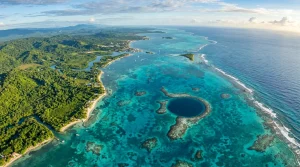
Now that you’re updated on the current Prime Minister of Belize and the nation’s political landscape, why not dive deeper into what Belize has to offer? Explore the stunning Great Blue Hole or the rich history of the Maya ruins-your adventure awaits! For practical travel tips, check out our guides on the best accommodations, from beachfront resorts to cozy jungle lodges, ensuring a perfect fit for every traveler.
Don’t forget to sign up for our newsletter for the latest updates on Belize, cultural events, and travel advice. If you’re curious about Belize’s vibrant Creole cuisine or planning your next getaway to the Caribbean beaches, we have you covered with all the information you need. Let’s keep the conversation going-share your thoughts or ask your questions in the comments below. Your next unforgettable experience in Belize is just a click away!
Get our latest guides, news, and insights highlighted in your Google Search & AI Overviews.