The Origins of English in Belize’s Colonial Past
The history of English in Belize traces back to the colonial era when the region was known as British Honduras. Settled by British loggers in the 17th century, the presence of English-speaking colonizers gradually established English as a dominant language, intertwining it with the indigenous cultures and the diverse population that emerged over time. The British colonial government solidified this influence, particularly as they sought to streamline administration and governance, creating a society where English became essential for education, trade, and communication.As the British imported enslaved Africans to work in the logging industry, their languages blended with the English spoken by the settlers, leading to the development of Creole-a unique linguistic blend that showcases the diverse cultural influences within Belize. This Creole variant incorporates elements from African languages, Spanish, and the native languages of the Maya and Garifuna people. Today, while Belizeans proudly speak both English and Creole, it is the English language that serves as the official language of the country, reflecting a legacy of colonial rule and ongoing global connections.In contemporary Belize, English remains integral to everyday life, influencing everything from government documents to educational curricula. As tourism flourished, English served as a bridge for visitors exploring the stunning natural beauty and rich cultural heritage, ranging from the mesmerizing Great Blue Hole to the vibrant local festivals. This not only bolstered the economy but also reinforced English’s status as a key linguistic thread that ties Belize to the global community while allowing Belizeans to maintain their unique identities and traditions. As Belize continues to navigate modern challenges and opportunities, the role of English remains a fascinating testament to its colonial past and a crucial element of its future.
The Influence of British Colonization on Language
The tapestry of Belize’s linguistic landscape is richly woven with the threads of colonial influence, particularly stemming from its time as British Honduras. This era marked the arrival of English-speaking settlers in the 17th century, who established logging enterprises and laid the groundwork for a society where English would flourish as the predominant language. The colonial administration’s emphasis on English for governance, education, and trade catalyzed its integration into daily life, transforming it from a foreign tongue to a marker of identity and status among the local population.As British colonizers sought to assert their dominance, English became more than just a means of communication; it was essential for social mobility and access to opportunities. Schools were established where English was the medium of instruction, further embedding the language into the fabric of Belizean society. This legacy is still evident today, as English remains the official language, used in government documents, educational settings, and formal communications.The intersection of English with the diverse cultural milieu of Belize birthed Creole, a testament to the island’s multicultural heritage. As enslaved Africans and indigenous peoples intermingled with European settlers, unique linguistic blends emerged, enriching the linguistic landscape of Belize. Creole reflects this vibrant heritage, containing elements from African languages, Spanish, and indigenous tongues, showcasing the resilience and creativity of Belizeans in preserving their cultural identity.Today, English continues to play a pivotal role in Belize, particularly in the realms of tourism and international business. The country’s breathtaking attractions, such as the Great Blue Hole and lush jungles, draw visitors from around the globe, creating an environment where English serves as a crucial bridge between cultures. This dynamic not only enhances the tourism experience but also reaffirms English’s significance as a connector-linking Belize with the wider international community while allowing its unique cultural narratives to shine. In a world increasingly defined by globalization, is a compelling reminder of how history shapes the present and future of Belize.
Creole: The Unique Blend of Cultures
In the vibrant tapestry of Belize’s linguistic heritage, Creole stands out as a remarkable reflection of its multicultural roots. A living testament to the island’s complex history, Creole emerged as various groups, mainly enslaved Africans and indigenous peoples, interacted with British settlers. The result was a rich linguistic blend that not only encompasses a unique structure and lexicon, influenced by English, African languages, Spanish, and local dialects, but also embodies the resilience and adaptability of Belizean culture.Creole, known locally as “Kriol,” serves as a vital means of communication among Belizeans, often employed in informal settings and deeply ingrained in everyday life. Its vibrant expressions can be heard in lively marketplaces, dynamic street festivals, and local music, particularly genres like punta and brukdown. This unique language allows Belizeans to convey their identity, bridging the gap between their colonial past and contemporary culture. Visitors seeking an authentic Belizean experience are often enchanted by this lively tongue, which adds an easily approachable layer to interaction with locals.Understanding Creole provides deeper insight into the social dynamics of Belize. For travelers and potential expats, engaging with Kriol not only enhances the experience but also fosters connections with the people and their stories. Consider learning a few common phrases-greetings or expressions of appreciation-such as “How di gwan?” (How’s it going?) or “Mi deh yah” (I’m here). Using Creole can lead to warm conversations and perhaps an invitation to share in local customs, such as Creole cuisine rich in flavors from the sea and the land.As Belize looks to the future, the enduring legacy of Creole remains integral to its identity. With its roots firmly planted in the soils of colonization, it serves as a bridge between past and present, uniting diverse cultural narratives into a cohesive national story. Engaging with this unique language allows travelers not just to witness Belize’s beauty but to participate actively in the unfolding narrative of a nation that celebrates its rich heritage while navigating a modern world.The Role of Education in Promoting English
In Belize, education has played a pivotal role in not only preserving English but also in shaping the national identity and facilitating social mobility. As the official language and a critical medium of instruction, English is woven into the fabric of the Belizean educational system, reflecting the country’s colonial past while addressing the needs of a diverse population.From primary school to higher education, English is predominantly used in classrooms, influencing how students engage with the world around them. This emphasis on English education equips young Belizeans with valuable linguistic skills that are highly sought after in an increasingly global marketplace. Exposure to English at an early age allows students to develop a proficiency that enhances their opportunities for travel, employment, and interaction with international communities. Schools often hold English language competitions, drama clubs, and other activities that emphasize the importance of English literacy, fostering a sense of belonging and cultural pride among students.However, the bilingual nature of Belize also means that educational institutions are tasked with balancing English instruction alongside the preservation of indigenous languages and Creole. Schools offer programs that celebrate Belize’s rich cultural diversity while ensuring students can communicate effectively in English. This dual focus is vital in a country where English serves as a unifying thread, helping to overcome linguistic barriers among various ethnic groups.Moreover, as tourism continues to be a major contributor to Belize’s economy, English proficiency among locals becomes increasingly relevant. In this context, schools are adapting their curricula to include tourism-focused language training that prepares students for jobs in hospitality, guiding, and customer service sectors. By fostering English fluency, Belizean educators not only enhance students’ prospects but also solidify English as a cornerstone of national identity and global engagement.Through this laser focus on education, Belize champions English not just as a remnant of its colonial past but as an empowering tool that opens doors to new opportunities in a rapidly changing world.Belize’s Language Policies: A Historical Overview
Belize’s journey to becoming the English-speaking nation it is today traces back to the intricacies of its colonial history, woven through the fabric of its language policies. The British influence began in the early 17th century when English settlers sought opportunities in the lush lands of what was then known as British Honduras. This initial contact set the stage for the establishment of English as the principal language, reinforced by the colonial administration that followed. As the British Crown took control, the need for a lingua franca among diverse groups, including Indigenous peoples and settlers from various backgrounds, created a fertile ground for the promotion of English.The formal introduction of English into Belizean society can be linked directly to the educational policies established during the colonial period. Schools were often run by missionary organizations that prioritized English instruction. By embedding the language in education, the colonial government ensured that successive generations were proficient in English, effectively making it the language of administration and education. This emphasis not only facilitated governance but also shaped an identity tethered to British norms and values. The British colonial infrastructure laid down in the 19th century further codified these policies, leading to English being embraced as a symbol of social status and opportunity.Despite the promotion of English, the linguistic tapestry of Belize remained rich and varied. Policies were not solely focused on English; they also navigated the complexities of Creole and Indigenous languages. The coexistence of these tongues highlights Belize’s cultural diversity, which continues to manifest in modern language practices. Over the years, initiatives have emerged to recognize and preserve the unique linguistic heritage of the country. This dual focus fosters a climate where English thrives while honoring local languages, providing a sense of unity amidst diversity.Today, the language policies reflect a balancing act, aiming not only to uphold English as the official language but also to celebrate Belize’s multicultural identity. In an age where globalization is prevalent, the importance of English remains paramount for communication, travel, and economic participation. Belize’s historical commitment to English-language education ensures that it is not merely a relic of colonialism but a powerful tool for empowerment and global connectivity.The Impact of Tourism on the Use of English
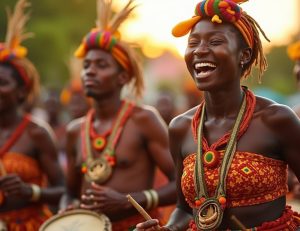
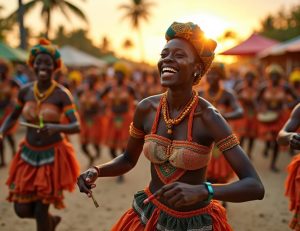
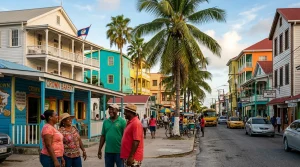
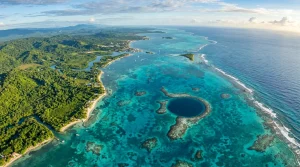
In Belize, where the shimmering Caribbean waters meet a vibrant tapestry of cultures, the role of English extends far beyond a mere communication tool; it weaves itself through the very fabric of the tourism experience. As one of the few English-speaking nations in Central America, Belize capitalizes on this linguistic advantage, drawing an ever-increasing number of visitors to its stunning landscapes and rich history. Nearly every aspect of the tourism industry-from the bustling markets of Belize City to the serene beaches of Placencia and the ancient ruins of Tikal-relies on English as a common ground for interaction and exploration.Tourists often find themselves enchanted not only by the breathtaking beauty of destinations like the Great Blue Hole and the lush jungles teeming with wildlife but also by the ease of communication. With English serving as the primary language, visitors from around the globe can navigate their journeys with confidence, whether engaging with local guides, dining in delightful eateries, or soaking in the sights at various historical and cultural landmarks. This linguistic layer enhances the overall travel experience, allowing visitors to delve deeper into the unique stories and traditions of Belize, from the Garifuna dance performances to the delicious fusion of flavors in Creole cuisine.The Ripple Effect on Local Communities
The influx of tourists has significantly impacted language use in Belizean communities. For many locals, especially those in the tourism sector, proficiency in English becomes both a necessity and an asset. As English is often viewed as the language of opportunity, many find themselves investing in language education to enhance their employability and thus contribute economically. Additionally, the natural curiosity of travelers encourages local communities to embrace English while proudly preserving their own languages, creating a dynamic linguistic environment.Furthermore, tourism promotes cultural exchange, allowing locals and visitors to share their languages and traditions. At an artisanal market in San Ignacio, for example, you may hear a delightful mix of English, Spanish, and Belizean Creole as vendors and tourists interact, fostering connections that transcend language alone. This blending of tongues enriches the social landscape and enhances the authenticity of the travel experience, making it a vital component of Belize’s tourism narrative.Looking Ahead
As Belize positions itself as a premier travel destination amidst the globalization wave, the prominence of English is likely to continue its upward trajectory. With new direct flights and promotional campaigns aimed at attracting more visitors, the role of English as a facilitator of tourism will deepen. This landscape also suggests an exciting future for the creative and community-driven initiatives aimed at promoting not just English but also the country’s rich linguistic heritage.In summary, in Belize serves as a captivating reminder of how language can act as both a bridge and a cultural emblem. As travelers seek adventure in this stunning corner of the world, the ease of English communication allows them to connect meaningfully with the local culture, ensuring that Belize remains a treasured destination for years to come.Exploring Other Languages Spoken in Belize
In the lush jungles and coastal villages of Belize, English is just one of the many vibrant languages that create a rich tapestry of communication. While English serves as the official language and a primary means of interaction, Belize is equally a linguistic mosaic where various tongues reflect its multicultural heritage. From the melodic tones of Spanish to the rhythmic beats of Garifuna, the diversity of languages spoken here is a fascinating testament to Belize’s historical journey and cultural identity.In many regions, particularly those with significant Latin American influence, Spanish emerges as a prominent language, spoken by a large segment of the population. This is especially evident in areas like Corozal and Orange Walk, where the influence of neighboring Mexico creates a blend of cultures. Visitors will find themselves enchanted not just by the sights but also by lively exchanges in Spanish, enriching their travel experience. For those wishing to delve deeper, picking up basic Spanish phrases can enhance interactions at local markets, eateries, and community events, allowing for a more immersive experience in Belizean life.Additionally, Belizean Creole, often referred to simply as “Kriol,” is a lively and expressive language that bridges gaps between English and various African languages. This unique linguistic form encapsulates the essence of Belize’s diverse heritage, with roots tracing back to the Caribbean and the colonial period. Engaging with locals in Kriol may offer a more authentic connection to the culture; phrases like “Wah gwaan?” (What’s going on?) can open doors to warm interactions and deeper storytelling.Furthermore, the Garifuna language, stemming from the indigenous Garifuna people, adds another vibrant layer to Belize’s linguistic landscape. Officially recognized by UNESCO as a Masterpiece of the Oral and Intangible Heritage of Humanity, Garifuna is a symbol of cultural pride and resilience. Visitors may encounter this beautiful language through music, dance, and community celebrations, immersing themselves in the rich traditions that have been passed down through generations.As you explore the breathtaking destinations in Belize-from the pristine waters of the Great Blue Hole to the ancient Maya ruins-embracing the local languages can enrich your journey. Whether it’s learning a few Kriol phrases or appreciating the cultural significance of Garifuna songs, you’ll find that every word exchanged contributes to the vibrant tapestry that is Belize. So pack your bags, and prepare to embark on a journey not just through stunning landscapes but also through the heart of a nation alive with the rhythms of its diverse languages.The Cultural Significance of English in Belizean Identity
In Belize, the English language is more than an official form of communication; it is a profound emblem of national identity that showcases the country’s rich historical tapestry. As a former British colony, Belize inherited English as its official language, which has since become intricately woven into the fabric of daily life and societal norms, reflecting a lineage that shapes Belizean culture in unique ways. For visitors and locals alike, English serves as a common thread that not only facilitates interaction across Belize’s diverse ethnic groups but also symbolizes resilience and unity within a society marked by colonial legacies.The cultural significance of English in Belize can be observed vividly in everyday life, where English is utilized in government, education, and media. This language acts as a bridge connecting the different communities, including Creole, Mestizo, Garifuna, and various Maya groups. For instance, many Belizeans are bilingual, switching effortlessly between English and Kriol, or integrating Spanish phrases into their conversations. This linguistic fluidity is a source of pride, demonstrating how English has adapted within a multicultural landscape while enhancing social cohesion. Celebrations, stories, and songs often invoke elements from various traditions, but English remains the medium through which these rich narratives are shared and celebrated.Moreover, the arts and music scenes in Belize showcase the importance of English in expressing cultural identity. From local reggae to Punta music, English lyrics often explore themes pertinent to Belizean life, capturing the struggles, joys, and experiences of the people. Belizean literature is also thriving, with authors penning novels and poetry that reflect the nuances of life in Belize, often employing English as a vehicle to convey their stories to a broader audience.Travelers to Belize will find that knowing English opens doors-not just in navigating the stunning landscapes from the Great Blue Hole to ancient Maya ruins but also in fostering deeper connections with the warm, welcoming people of Belize. Engaging with locals in English can lead to meaningful conversations about customs, heritage, and shared experiences, enriching one’s understanding and appreciation of this beautiful country. It serves as a reminder that within the echoes of colonial history, the spirit of Belizean identity thrives, powered by the dynamism of its people and their stories, all woven seamlessly through the cloth of English language and culture.How English Connects Belize to the Global Community
In a world where English often serves as the bridge between cultures, Belize stands out as a remarkable example of how a colonial legacy can shape a nation’s global identity. The English language, rooted in Belize’s history as British Honduras, is not just a government mandate or an educational requirement; it is a vital link connecting Belize to the broader world. With its unique blend of ethnicities and cultures, Belize has embraced English not only as a means of communication but also as a tool for engaging with a global community.When tourists flock to Belize’s stunning landscapes-from the mesmerizing depths of the Great Blue Hole to the rich historical echoes of ancient Maya ruins-they find that English allows them to navigate this enchanting destination with ease. Knowledge of English empowers visitors to engage with local guides who share stories steeped in rich history and vibrant cultural traditions, heightening the appreciation for Belize’s natural wonders. Likewise, many business opportunities in tourism and trade thrive on the use of English, facilitating connections that support local economies and promote cultural exchange.Belize’s English-speaking population encapsulates the spirit of globalization, where language acts as both a connector and an enabler. Belizeans, who confidently engage in conversations with travelers, often weave their rich narratives and diverse backgrounds into everyday interactions. Whether sampling Garifuna dishes at a coastal restaurant or enjoying a cultural festival in a small village, visitors can immerse themselves in the authentic Belizean experience facilitated by a shared language. This accessibility fosters not only mutual understanding but also friendship, making Belize a welcoming destination for all.Moreover, English is crucial in the realm of education and technology, where Belizean students learn in English and acquire skills that position them favorably in the global job market. This educational foundation empowers the younger generation, opening doors to opportunities abroad, and reinforcing the country’s ties to the international community. As Belize continues to assert its unique identity, the English language remains a powerful vehicle for fostering connections that enhance the nation’s role on the world stage, blending Belize’s rich heritage with the dynamic currents of global culture, commerce, and collaboration.Modern-day Implications of Belize’s Colonial Languages
The rich tapestry of Belizean society is woven from a myriad of languages, the most prominent being English due to the country’s colonial history. Today, English serves not just as a means of communication, but as a vital tool that shapes the nation’s social, economic, and cultural landscapes. Its presence in government, business, and education reflects the enduring influence of British colonization, which laid the foundation for Belize’s linguistic identity. This historical significance is particularly evident when exploring how English connects Belizeans to global narratives and opportunities.In the realm of education, English facilitates access to a broader array of resources and knowledge. Schools across Belize teach primarily in English, ensuring that students are equipped to engage with the wider world. This language proficiency opens doors to international scholarships and employment opportunities, where fluency in English is often a prerequisite. Moreover, as the nation diversifies its economy beyond tourism, sectors such as information technology and finance are gaining prominence, further emphasizing the importance of English as an essential skill for professional development.Additionally, the globalized nature of tourism in Belize highlights the practical implications of the country’s colonial languages. Visitors from around the world arrive eager to explore Belize’s natural wonders, such as the Great Blue Hole and the ancient ruins of Tikal, enriched by the ability to communicate in English. Local tour guides, proficient in English, share their cultural narratives and ecological insights, creating a vibrant exchange that enhances the visitor experience. This melding of language and tourism supports entrepreneurial ventures and community development, making English a vital part of the local economy.Culturally, English serves as a bridge that connects the diverse ethnic groups within Belize, fostering a sense of unity amidst the nation’s rich plurality. While Belize’s official language is English, the coexistence of Creole and various indigenous languages adds layers of identity and heritage. This linguistic diversity enriches the Belizean experience, allowing for a rich blend of stories, traditions, and celebrations that resonate throughout the country. Events such as the Garifuna Settlement Day and the annual Belize Carnival highlight this cultural vibrancy, where English becomes a common tongue that binds the community together, enabling collective participation in shared heritage.In essence, the extend beyond mere communication. They shape the country’s identity, influence educational pathways, fuel economic growth, and reinforce cultural ties. As Belize navigates the future, the blending of English with its rich linguistic heritage promises to create a dynamic and inclusive society, poised to thrive on both local and global stages.The Future of English in Belize: Trends and Predictions
In the vibrant tapestry of Belize’s linguistic landscape, English is not merely a relic of colonialism; it is an active participant in shaping the nation’s future. As globalization continues to mold the world, English emerges as a key asset for Belize, offering the country a vital link to international markets, tourism, and cultural exchange. With its rich mosaic of cultures, Belize stands at a crossroads, navigating the intricate relationship between its colonial past and the multilingual present.The rise of digital communication coupled with advancing technology fosters an environment where English proficiency is increasingly critical. Young Belizeans are integrating English not only in academic settings but also in their interactions online, facilitating connections that transcend borders. This trend is bolstered by the availability of digital resources, such as online courses and social media platforms, which encourage a broader engagement with English-speaking communities worldwide. Schools are adapting to these changes, emphasizing language instruction to equip students with the necessary tools to compete in a rapidly evolving job market.Moreover, the expanding tourism industry, a cornerstone of Belize’s economy, continues to underline the importance of English. Visitors flock to the nation for its stunning natural wonders-like the mesmerizing Great Blue Hole and the ancient Maya ruins-and effective communication in English enhances their experience. Local businesses increasingly emphasize English in their marketing and customer service strategies, recognizing that this accessibility can translate to greater revenue and stronger community ties. This integration of English fosters a thriving cultural exchange that celebrates the diverse identities within Belize while pulling in global interests.Looking ahead, the future of English in Belize is poised for growth, characterized by a blend of tradition and modernity. As the influence of English continues to broaden, so too will its role in defining Belizean identity. Embracing this linguistic evolution will not only enhance social cohesion but also pave the way for economic opportunities, allowing Belizeans to showcase their rich culture on the international stage. The inclusivity of language, alongside the celebration of Creole and indigenous tongues, promises a vibrant future where the exchange of ideas flows freely, reinforcing Belize’s position as a welcoming and dynamic nation in the heart of Central America.FAQ
Q: Why is English the official language of Belize? A: English is the official language of Belize primarily due to its colonial history. Belize was a British colony known as British Honduras until gaining independence in 1981. The British established English as the language of administration and education, which has persisted into modern times.Q: How did British colonization impact the language spoken in Belize? A: British colonization significantly influenced the language landscape in Belize, creating a predominance of English. The colonists introduced English for governance and education, which relegated indigenous languages and dialects, though local Creole languages also developed as a cultural blend.Q: What role does Creole play in Belizean culture? A: Creole serves as a vital component of Belizean identity, blending English with African, Spanish, and indigenous languages. It is widely spoken among locals and reflects the multicultural fabric of Belize, symbolizing the country’s rich heritage alongside English.Q: Are there other languages spoken in Belize? A: Yes, besides English and Creole, Belize is home to several other languages, including Spanish, Maya languages (like K’iche’ and Yucatec), and Garifuna. This linguistic diversity showcases the country’s complex cultural interactions and historical influences.Q: How does education in Belize promote the use of English? A: Education in Belize promotes English as the primary medium of instruction in schools. This focus ensures that students are proficient in English, which facilitates communication in government, business, and tourism, further entrenching English in Belize’s society.Q: What is the significance of English in Belize’s tourism industry? A: English plays a crucial role in Belize’s tourism industry, as it facilitates communication between international visitors and locals. The predominance of English helps attract tourists and create a welcoming environment for English-speaking guests, vital for economic growth.Q: How does Belize’s linguistic heritage affect its identity today? A: Belize’s linguistic heritage, dominated by English and enriched by Creole and other languages, shapes its national identity by fostering inclusivity and multiculturalism. This unique blend of languages reflects the harmony between various ethnic backgrounds, crucial to Belize’s social fabric.Q: What is the future of English in Belize? A: The future of English in Belize appears stable, with continued emphasis on its use in education and governance. However, ongoing interest in local languages and cultures may influence a greater appreciation for Belizean multilingualism, ensuring a balance in language promotion.Wrapping Up
Understanding why Belize speaks English opens a fascinating window into its rich colonial history and diverse cultural influences. With this knowledge, you’re better equipped to appreciate Belize’s unique heritage as you explore breathtaking destinations such as the Great Blue Hole, lush jungles, and ancient Maya ruins. Don’t stop here! Discover more about the vibrant Creole culture and local cuisine in our article on Belize’s cultural treasures, or click to learn about the best accommodations to elevate your travel experience.Ready to dive deeper into your Belizean adventure? Subscribe to our newsletter for insider tips and exclusive content, and check out our comprehensive travel guide for practical insights on visas, safety, and the best time to visit. Your journey into the heart of Belize is just beginning-let’s make it unforgettable!Comprehensive Guide and In-Depth Analysis: Belizean English
When exploring the details surrounding belizean english, understanding the practical, environmental, and cultural dynamics of Belize is essential for making informed travel or investment decisions. Belize stands out in Central America for its English-speaking heritage, British Common Law legal stability, and world-class ecotourism infrastructure.
Whether navigating mainland rainforest corridors, consulting local authorities, or exploring marine conservation zones along the Belize Barrier Reef, having verified, comprehensive information regarding belizean english ensures seamless execution.
| Key Evaluation Pillar | Standards & Conditions in Belize | Actionable Best Practices |
|---|---|---|
| Regional Specifics | Variations between northern districts, central cayes, and southern rainforests | Align plans with specific district infrastructure and seasonal weather |
| Regulatory & Legal Framework | Belize Tourism Board (BTB) regulations and national conservation laws | Always work with licensed local professionals and certified guides |
| Logistics & Practical Costs | Fixed 2:1 BZD-to-USD currency peg; accessible transport via air and water | Plan budget with cash buffer for remote destinations and transfers |
For visitors and residents alike, engaging with belizean english through authorized, sustainable practices contributes directly to local community development and the preservation of Belize’s pristine marine and terrestrial ecosystems.
Frequently Asked Questions: Belizean English
Why is understanding belizean english important for Belize visitors?
It provides essential context for choosing the right regional destinations, understanding local pricing, and ensuring full compliance with environmental and tourism standards.
How do seasonal factors affect belizean english in Belize?
The dry season (December through May) offers calm seas and sunny weather, while the green season brings lower rates and lush jungle scenery.
Get our latest guides, news, and insights highlighted in your Google Search & AI Overviews.