Is Belize a Part of South America? Understanding Geography
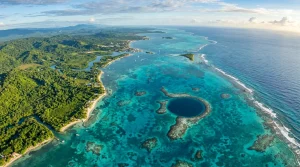
Nestled on the Caribbean coast of northern Central America, Belize is often mistakenly thought to be part of South America. Located at 17°15′ north of the equator and 88°45′ west of the Prime Meridian, this vibrant nation shares its borders with Mexico to the north and Guatemala to the west and south. The country boasts a diverse landscape, from lush jungles and ancient Mayan ruins to stunning coastal cays and the world-famous Great Blue Hole, inviting countless explorers to uncover its unique allure.Understanding the geographical distinction between Central and South America is essential to appreciating Belize’s cultural and historical context. Central America acts as the land bridge connecting North America to South America, comprised of seven countries, including Belize. This positioning not only shapes Belize’s geography but also its rich tapestry of cultures, influenced by various indigenous peoples, colonial history, and Creole traditions. By highlighting these multifaceted aspects, travelers can recognize that while Belize is geographically located in Central America, its cultural ties and historical interactions extend across the entire region.In exploring Belize’s identity, it becomes clear that its allure transcends mere geography. The welcoming spirit of the local people, the breathtaking natural beauty, and the intricate web of cultural practices weave together to create a destination that is as unique as its geographical position. From the cultural rhythms of Garifuna music to savory Creole cuisines, every experience in Belize offers visitors a deeper connection to this Central American gem, ultimately solidifying its identity distinct from its South American neighbors.
The Geographic Positioning of Belize Explained
Nestled between the vibrant turquoise waters of the Caribbean Sea and the verdant jungles of Central America, Belize is a paradise waiting to be explored. This captivating nation is often the subject of geographical misconceptions, with many erroneously categorizing it as part of South America. However, a closer examination reveals that Belize holds a unique position as the only English-speaking nation in the heart of Central America, bordered by Mexico to the north and Guatemala to the west and south. Its geographical coordinates, approximately 17°15′ north latitude and 88°45′ west longitude, further underscore its location, placing it firmly within Central America.Belize serves as a microcosm of Central America’s rich diversity, combining the lushness of tropical rainforests, the beauty of pristine beaches, and the remnants of ancient Mayan civilization. The landscape is dotted with iconic sites, including the renowned Great Blue Hole, a UNESCO World Heritage site that draws divers and snorkelers from across the globe. Exploring Belize means walking along white-sand beaches, trekking through dense jungles where exotic wildlife thrives, and marveling at majestic Maya ruins like Caracol and Tikal, just across the border in Guatemala.The cultural identity of Belize is equally as dynamic as its geography. The nation is a tapestry woven from various influences, including Indigenous Maya, Afro-Caribbean, and Hispanic cultures. This melting pot results in lively festivals, mouthwatering Creole cuisine, and rhythmic Garifuna music that embodies the spirit of its people. Visitors are not only treated to breathtaking natural beauty but are also invited to immerse themselves in a society that celebrates its diverse heritage, creating a truly unique travel experience.Understanding Belize’s geographic positioning allows travelers to appreciate its natural wonders and cultural richness. It serves as the perfect gateway to explore the larger Mesoamerican region while still providing a distinct flavor unique to Central America. Whether you’re scaling ancient temples, diving among vibrant coral reefs, or savoring local dishes, Belize promises a travel experience that is sure to enchant.
Debunking Common Myths About Belize’s Location
Despite its picturesque Caribbean backdrop and lush jungles, misconceptions about Belize’s geographical identity abound. Many people mistakenly group this vibrant nation with South America, failing to recognize its true placement within Central America. Understanding the differences is essential for appreciating the unique cultural and ecological tapestry that Belize offers. Notably, it exists as the only English-speaking country in Central America, bordered by Mexico to the north and Guatemala to the west and south. This positioning is a crucial element of its identity, as it has shaped the development of both its society and economy.One common myth is that Belize is an island nation, primarily due to its stunning coastline and the allure of its barrier reef. However, Belize is predominantly a mainland country, with its stunning sea views complemented by a rich interior that features ancient Mayan ruins and diverse wildlife. The Great Blue Hole, a UNESCO World Heritage site, sits offshore but is only a part of Belize’s broader geographical narrative. Visitors will find that exploring its jungles and ruins is just as rewarding as snorkeling in its azure waters.Another prevalent misbelief is that the country shares a cultural and historical identity with neighboring South American countries. While Belize celebrates a mélange of influences, including Indigenous Maya, African, and Caribbean cultures, it primarily aligns with Central American traditions in its governance and lifestyle. Cultural events like the annual Garifuna Settlement Day and the vibrant food scene featuring delicious Creole dishes showcase Belize’s distinct heritage, one that is inextricably linked to its Central American roots rather than South American.For travelers, understanding these distinctions is not just academic; it can enhance the experience of visiting Belize. Whether visiting iconic sites like the Maya ruins of Xunantunich, enjoying the local culinary delights, or engaging in eco-tourism, appreciating Belize’s rightful place within Central America enriches the journey. So next time someone suggests Belize’s South American affiliation, you’ll be well-equipped with the facts to share the rich story of this extraordinary nation.Belize: A Look at Central America vs. South America
Nestled between the tantalizing Caribbean Sea and the dense jungles of Central America, Belize stands distinguished in both geography and culture. This small yet vibrant nation is often mistakenly associated with South America due to its lush landscapes and scenic coastlines; however, its true identity lies firmly in Central America. Belonging to a region characterized by a rich blend of indigenous, European, and African influences, Belize showcases a cultural tapestry that differentiates it from its southern neighbors.Geographically, Belize is bordered by Mexico to the north and Guatemala to the west and south, giving it a central foothold in a complex mosaic of Central American countries. Unlike many countries in South America, Belize is predominantly an English-speaking nation, which is a remnant of its colonial past as British Honduras. While it holds cultural ties with the Caribbean and shares certain similarities with South American nations-notably in its appreciation for vibrant music and dance-Belize’s governance, lifestyle, and community dynamics align closely with the traditions of Central America.One of the most enchanting aspects of Belize is its diversity, showcasing everything from the remarkable Maya ruins such as Caracol and Altun Ha to the stunning Barrier Reef teeming with marine life. This combination of archaeological treasures and natural wonders is a testament to its unique geographic position. For adventurers, exploring these dual aspects-whether diving to witness the mesmerizing Great Blue Hole or hiking through the lush rainforests of the Cayo District-offers an unparalleled experience that speaks to the heart of what makes Belize truly extraordinary.Culturally, Belize is a fascinating amalgamation of traditions. Events like Garifuna Settlement Day not only highlight the nation’s rich heritage but also celebrate its ties to both Central and Caribbean influences through music, food, and dance. Local Creole cuisine, infused with flavors reflecting its diverse populations, allows visitors to experience this unique cultural intersection, further cementing Belize’s identity as a Central American gem rather than a South American destination. Thus, the understanding of where Belize sits on the map is not merely about geography; it’s about grasping the vibrant cultural essences that flourish within its borders.Cultural and Historical Ties That Define Belize
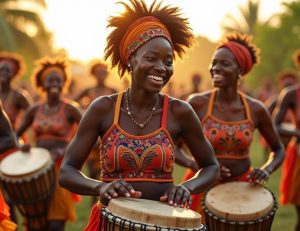
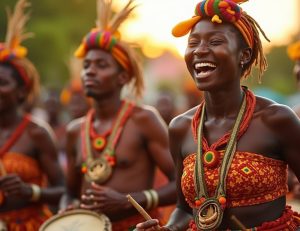
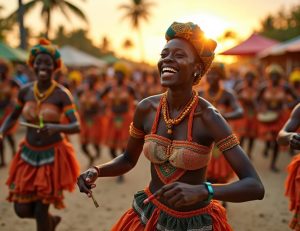
Belize is a tapestry woven from the threads of multiple cultures, a vibrant canvas where ancient traditions merge seamlessly with modern influences. This small Central American nation boasts a unique historical narrative shaped by its indigenous Maya heritage and the colonial influences of the British Empire. As the official language is English-a rarity in Central America-Belize offers travelers a distinctive blend of Caribbean and Central American atmospheres, with its Bantu, Garifuna, and Creole communities contributing to a rich cultural mosaic.From the majestic ruins of Lamanai and Caracol, remnants of the once-thriving Maya civilization, to the lively streets adorned with colorful murals in towns like San Pedro, Belize’s historical significance is palpable. Visitors can engage with local artisans who craft traditional goods, providing a window into the skills and stories that have passed through generations. Festivals such as the Garifuna Settlement Day are exuberant celebrations, honoring the arrival of the Garifuna people and their influential culture through music, dance, and culinary delights.Food plays a pivotal role in expressing Belize’s cultural identity; dishes such as rice and beans, tapado (a coconut milk seafood stew), and panades (fried corn tortillas filled with fish) offer a taste of fusion, reflecting the diverse heritage. Each bite connects you to the rich past and present, inviting curiosity about its origins. For those wanting a deeper cultural experience, participating in a drumming workshop or a Creole cooking class can unveil the rhythms and flavors that make this nation so special.Belize also celebrates its ecological diversity, with its vast jungles not only housing wildlife but also creating a habitat for traditional practices such as herbal medicine. The country’s commitment to conservation and the protection of its cultural heritage reveals an understanding that the past informs the present and shapes the future. Whether you’re walking through the storied ruins or enjoying a Creole feast under the stars, the ties that bind Belize to its historical and cultural roots offer a compelling narrative of resilience and vibrancy, inviting every traveler to partake in its unfolding story.Exploring Belize’s Unique Identity Beyond Geography
The beauty of Belize extends far beyond its geographical boundaries, offering a rich tapestry of culture, history, and biodiversity that captivates the hearts of all who visit. Nestled on the coast of the Caribbean, this vibrant nation is often misclassified or overlooked in discussions about Central America versus South America. However, Belize’s unique identity, shaped by its blend of mestizo, Maya, Creole, and Garifuna influences, sets it apart as a distinctive destination that beckons travelers to explore its multifaceted charm.Start your journey by immersing yourself in the local culture, where every corner of Belize tells a story. The annual Garifuna Settlement Day celebrations in November are a vibrant homage to the Garifuna culture, featuring traditional music, dance, and food-an experience that genuinely connects you to the spirit of the nation. Engage with local artisans in bustling markets, where you can find handcrafted goods that reflect the craftsmanship and heritage of the various communities. And don’t underestimate the power of food; savor authentic Belizean dishes like rice and beans or fry jacks served with slaw, each bite narrating the country’s culinary evolution and cultural fusion.Adventure awaits beyond cultural encounters-nature enthusiasts will revel in Belize’s astounding biodiversity. From the lush jungles housing exotic wildlife to the mesmerizing underwater ecosystems found in the Great Blue Hole, Belize is a paradise for eco-tourism. Experience heart-pounding activities like snorkeling, where you’ll swim alongside vibrant marine life, or hiking through ancient Maya ruins like Xunantunich, where the echoes of history resonate through the dense foliage.Planning your visit also involves understanding the practical aspects to ensure a seamless experience. With several accommodation options available, from budget hostels to luxurious eco-lodges, there’s something for every traveler. Delve into the world of Belize’s unique heritage by participating in cooking classes to learn about Creole cuisine, or join a drumming workshop that captures the rhythm of Belizean festivities and community spirit.Ultimately, Belize is more than just a location on a map; it’s a destination with a rich history, vibrant culture, and stunning natural beauty that enchants every visitor. Whether you’re an adventurous solo traveler, a family seeking a fun getaway, or a culture enthusiast eager to dive into local traditions, Belize offers an inclusive experience that celebrates its identity while inviting you to create your own unforgettable memories.The Natural Wonders of Belize: More Than a Location
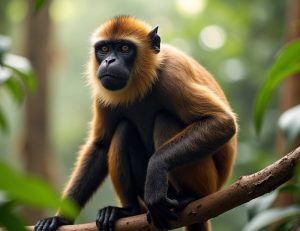
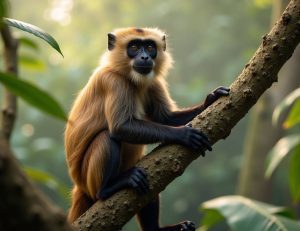
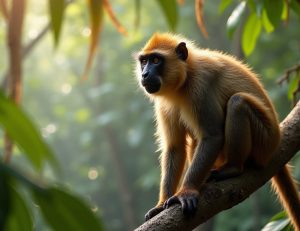
Belize is home to some of the most mesmerizing natural wonders on the planet, making it a paradise for adventurers and nature lovers alike. One of the crown jewels of Belize is the Great Blue Hole, a UNESCO World Heritage Site and a diver’s dream. This deep, circular sinkhole offers an unparalleled underwater experience, where vibrant coral reefs teem with tropical fish and diverse marine species, including nurse sharks and giant groupers. Nearby, the Barrier Reef, the second-largest coral reef system in the world, stretches along the coast, inviting snorkelers and divers to explore its enchanting underwater gardens.Apart from marine wonders, Belize boasts a rich terrestrial landscape replete with lush jungles and majestic Maya ruins. The Maya Mountains dominate the landscape, offering breathtaking vistas and an abundance of wildlife, including howler monkeys, jaguars, and exotic birds such as the resplendent quetzal. Each hike through the dense foliage unveils hidden gems – ancient temples like Caracol and Lamanai, where the stories of a civilization that flourished long ago echo through the trees.For eco-tourists, Belize’s national parks are a treasure trove of biodiversity. Parks like Cockscomb Basin Wildlife Sanctuary, the world’s first jaguar reserve, are great places for hiking, birdwatching, and spotting elusive wildlife in their natural habitat. The rich ecosystem provides a backdrop for ethical wildlife tours, empowering travelers to connect with nature respectfully while supporting conservation efforts.Practical Tips for Exploring Belize’s Natural Wonders
- Accommodation Options: Adventurers can choose from a range of accommodations to suit their style and budget. Eco-lodges nestled in the jungle offer a unique experience to wake up surrounded by nature. For beach enthusiasts, resorts on Caribbean islands like Ambergris Caye provide easy access to stunning snorkeling and diving sites.
- Transportation: Getting around Belize is fairly straightforward, with options including local buses for budget travelers and car rentals for those wanting to explore at their own pace. Domestic flights are also available for quick access to the cayes.
- Health and Safety Considerations: Travelers should ensure they have appropriate vaccinations and consider malaria prophylaxis if venturing into jungle areas. Additionally, drinking bottled water is advisable to stay hydrated safely.
- Cultural Respect: Engage with local communities by participating in guided tours that highlight environmental conservation and traditional practices. This not only enriches your experience but also supports Belize’s diverse cultures and ecosystems.
Travel Tips for Exploring Belize: What You Need to Know
Exploring Belize is akin to diving into a treasure chest of vibrant culture, stunning landscapes, and exhilarating adventure. Positioned on the eastern coast of Central America, Belize offers an exceptional blend of lush jungles and sparkling Caribbean waters. For anyone planning a visit, understanding the practicalities of travel in this unique country can enhance the experience immensely.When it comes to accommodation, Belize caters to every type of traveler. Budget-conscious adventurers can find cozy hostels in bustling towns like San Pedro or Caye Caulker, where prices start as low as $25 per night. For families or those seeking a more luxurious stay, resorts on Ambergris Caye and Placencia provide family-friendly amenities and easy access to both beach and jungle activities. Overwater bungalows in the cayes offer a surreal experience of sleeping above shimmering waters, while eco-lodges nestled in the jungles provide an immersive experience into nature’s wonders.- Visas and Currency: Most nationalities can enter Belize visa-free for up to 30 days. It’s wise to confirm your requirements based on nationality. The local currency is the Belize Dollar (BZD), which is pegged to the US Dollar; however, US Dollars are widely accepted.
Belize’s Influence on Regional Geography and Culture
Belize serves as a vibrant cultural crossroads in Central America that intricately weaves together threads from various regional influences, enriching both its social fabric and biodiversity. Lying to the east of Guatemala and south of Mexico, this tropical gem is more than just a geographical curiosity; it plays a pivotal role in regional geography and cultural exchange. Favored for its stunning coastlines and lush jungles, Belize boasts a unique identity shaped by its rich history and diverse population, which includes Creole, Maya, Garifuna, and a blend of other ethnicities that have contributed to its mosaic of traditions.The country’s fascinating geography contributes to its cultural influences. With the Caribbean Sea to the east and expansive rainforests inland, Belize offers a variety of ecosystems that nurture vibrant wildlife and plant species, fostering a strong connection between the land and its people. This natural wealth influences local practices, from fishing and farming to the arts-many Belizean crafts reflect the intricate patterns of natural elements, drawing tourists in and creating a visual representation of the country’s culture. Festivals like the Garifuna Settlement Day celebrate the rich heritage of the Garifuna people, while the annual Belize Carnival showcases colorful parades and lively music, both reinforcing ties to cultural roots while attracting international visitors.Moreover, modern migration and trade routes further integrate Belize into the regional cultural fabric. The influx of tourism combined with the country’s historical significance as a British colony has led to a fusion of English-speaking Caribbean and Central American cultures. Local cuisine is perhaps the most delicious representation of this blend, with dishes like rice and beans, ceviche, and fry jacks incorporating influences from a myriad of culinary traditions. For travelers seeking to experience this cultural richness, sampling local foods in bustling markets and attending community gatherings creates lasting connections and a deeper understanding of Belizean life.When planning a visit, embracing the local culture can significantly enhance your experience. Participate in traditional celebrations, engage with artisans, and explore the ancient ruins of Maya civilization scattered throughout the country. Whether you’re hiking through the jungles or snorkeling in the mesmerizing waters of the Barrier Reef, every moment spent in Belize offers a chance to appreciate the connections between geography, culture, and history that define this stunning destination. From historical landmarks to vibrant local practices, Belize is not only a feast for the senses but also a place where the past and present harmoniously coexist, inviting everyone to be part of its continuing story.Navigating Misconceptions: Belize and Its Neighboring Countries
Nestled between Mexico and Guatemala, Belize often sparks curiosity about its geographic identity, leading many to mistakenly associate it with South America. However, this vibrant nation is firmly situated in Central America, bordered to the north by Mexico, east by the Caribbean Sea, and south and west by Guatemala. Its unique location creates a blend of cultural influences that distinguish it from its neighbors, inviting exploration without the geographic misconceptions that frequently arise.Travelers often wonder about the differences in culture and geography between Belize and its neighboring countries. Belize stands out due to its official language-English-rooted in its colonial past, while Spanish dominates in much of Central and South America. This linguistic distinction often leads to enriched communication experiences for English-speaking visitors and a smoother integration into local communities. Additionally, the plethora of ecosystems present in Belize, from the enchanting reefs of the Caribbean to the lush jungles and ancient Maya ruins, offers a geographical diversity not always encountered in its mainland counterparts. For instance, while Guatemala might share cultural ties through the Maya civilization, Belize’s accessibility to the Great Blue Hole and its duty to eco-tourism set it apart as a unique destination for adventure seekers.Intercultural exchanges flourish in this melting pot of traditions, as Belize draws heavily from the Creole, Maya, and Garifuna communities. These diverse influences create a rich tapestry of daily life, expressed through foods like rice and beans, local music that features lively Garifuna drumming, and celebrations such as the Garifuna Settlement Day. This festival, along with others, highlights the impact of culture on the national identity, challenging the notion that Belize is merely a geographical entity. Instead, it thrives as a cultural hub where influences blend harmoniously, thanks to its strategic locale and the openness of its people toward diverse customs.When traversing this alluring country, understanding its geographical context enhances appreciation of its culture and traditions. Integrate your travels with visits to the surrounding regions as well-exploring Mayan temples across the border into Guatemala or enjoying the beautiful beaches of Mexico can provide broader insights into Central America’s diverse heritage. Such experiences not only demystify the geographic misconceptions but deepen the connections one can forge with the land and its people, painting a fuller picture of what it means to experience Belize.Why Geography Matters: The Impact on Belizean Life
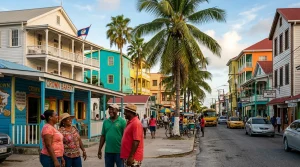
The stunning landscapes and diverse ecosystems of Belize do more than captivate the heart; they shape the lifestyle and identity of its people. This Central American gem, bordered by Mexico and Guatemala and kissed by the Caribbean Sea, leverages its geography to cultivate a rich tapestry of cultural interactions and economic activities. With over 200 miles of coastline and unique biophysical features, Belizean life is inherently linked to its geography, fostering a deep appreciation for the natural world that permeates the daily lives of its residents.The country’s eco-tourism boom exemplifies how geographic positioning influences economic opportunities. Tourists from around the globe flock to Belize for its unparalleled attractions, such as the Great Blue Hole, Barrier Reef, and lush jungles. This influx not only supports local businesses but also encourages conservation efforts. As communities engage in protecting their natural resources, they simultaneously develop educational programs that highlight the significance of sustainability. This dual focus on tourism and conservation creates a living model of how geography can spur economic growth while preserving cultural heritage and environmental integrity.Belize’s geographical diversity also fosters a multiplicity of lifestyles. From the coastal towns of Ambergris Caye, known for their vibrant marine life and laid-back vibe, to the bustling streets of Belize City, where history meets modernity, each area has its pulse. The rural landscapes, dotted with traditional Maya villages, continue to hold onto ancient customs and practices, enriching the cultural fabric of the nation. The interplay between nature and urban life drives local cuisines, festivals, and arts, as residents celebrate their heritage through food like rich, flavorful rice and beans and lively music that reflects their cultural ancestry.Accessibility is another crucial aspect influenced by geography. Belize’s compact size allows for relatively easy travel between diverse attractions, enabling visitors and locals alike to experience a large variety of environments-from breathtaking beaches to historic Maya ruins-all within a short distance. This ease of movement not only revitalizes local economies but also enhances social bonds among Belizeans, as they explore and celebrate the beauty of their homeland together.As one navigates this captivating Central American country, it becomes evident that geography plays a pivotal role in shaping the lives, cultures, and opportunities of the Belizean people, offering an immersive experience that resonates with every traveler who ventures here.Educational Resources for Learning About Belize’s Geography
Understanding the geography of Belize is not only vital for travelers and residents but also for anyone interested in the rich tapestry of cultures and natural wonders that define this Central American paradise. With its unique position bordered by Mexico and Guatemala, Belize offers an array of educational resources that can deepen your appreciation of its landscapes, ecosystems, and cultural history.One of the best ways to learn about Belize’s geography is through interactive maps and guides available online. Websites like Belize.com offer detailed topographical maps, providing insights into the nation’s diverse regions-from the coastal areas and islands to the interior jungles and mountain ranges. Understanding these geographical features not only enhances your travel experience but also raises awareness about the ecological diversity, including the famed Blue Hole and barrier reefs that attract eco-tourism enthusiasts from around the globe.For those keen on a more hands-on learning experience, interactive apps and educational programs by local environmental organizations often conduct workshops and nature walks that highlight Belize’s rich biodiversity. Participating in these programs offers a deeper understanding of the various ecosystems, such as wetlands and tropical forests, and how they sustain both wildlife and local communities. Many of these initiatives are available to travelers, providing opportunities to engage directly with the local environment and learn from knowledgeable guides.To further enrich your knowledge, numerous books and documentaries detail Belize’s historical and cultural geography. These resources are invaluable for grasping how the country’s past influences its present geographical and cultural landscape. From the ancient Maya civilizations that constructed impressive territories in the jungles to the modern blend of cultures that characterize Belize’s towns and cities, these narratives contribute to a holistic understanding of what makes Belize unique.By leveraging these educational resources, you can navigate the complexities of Belize’s geography with confidence, whether you’re planning an adventurous trip or settling into the rhythm of local life. The journey of discovery in Belize goes far beyond its stunning visuals; it’s about connecting with the land, its people, and the intricate frameworks that bind them together.Q&A
Q: Is Belize a part of South America? A: No, Belize is not a part of South America; it is located in Central America. It borders Mexico to the north and Guatemala to the west and south, with the Caribbean Sea to the east. Understanding its geographical location helps debunk myths about its placement.Q: What countries border Belize? A: Belize is bordered by Mexico to the north and Guatemala to the west and south. This strategic position places it as a bridge between North and Central America, influencing its cultural and historical ties.Q: Is Belize considered part of North America? A: While geographically part of Central America, Belize is culturally and politically associated with North America. It shares historical connections with the Caribbean, influencing its diverse culture and identity.Q: What are the main geographical features of Belize? A: Belize features the largest barrier reef in the western hemisphere, the Great Blue Hole, and stunning rainforests. These natural wonders contribute to its identity as a significant eco-tourism destination, highlighted in various travel guides.Q: How does Belize’s geography affect its culture? A: Belize’s geography, with its proximity to both the Caribbean Sea and lush jungles, fosters a blend of cultures, including Creole, Maya, and Garifuna. This diverse heritage is reflected in its cuisine, music, and festivals.Q: Why do people confuse Belize’s location? A: Many people confuse Belize’s location due to its proximity to both South America and the Caribbean islands, as well as its unique cultural influences. This misconception can be clarified through a detailed understanding of Central American geography.Q: What are some common myths about Belize’s geography? A: Common myths include the belief that Belize is part of South America or that its culture is solely influenced by Maya traditions. In reality, Belize’s culture is a rich tapestry woven from various influences, including British colonial, African, and Spanish.Q: Where can I learn more about Belize’s geography? A: For an in-depth understanding of Belize’s geography and cultural identity, consider checking educational resources or exploring articles that focus on its unique historical ties and natural wonders. This will deepen your appreciation of this vibrant country.To Wrap It Up
In conclusion, understanding the geography of Belize is essential for any traveler seeking to explore its rich culture and stunning landscapes. Now that you’ve debunked the myth of Belize being in South America, dive deeper into the captivating experiences this Central American gem has to offer. From the Great Blue Hole to ancient Maya ruins, there’s so much to discover.Don’t miss out-check out our comprehensive guides on the best things to do in Belize and plan your adventure today! Whether you’re curious about local cuisine, eco-tourism, or comfortable places to stay, we’ve got you covered. Explore resources on transportation, visas, and safety tips to ensure an unforgettable trip. For more insider insights, consider signing up for our newsletter to stay updated on the latest travel trends and tips. Your Belize adventure starts now!Comprehensive Guide and In-Depth Analysis: Where Is Belize Located In South America
When exploring the details surrounding where is belize located in south america, understanding the practical, environmental, and cultural dynamics of Belize is essential for making informed travel or investment decisions. Belize stands out in Central America for its English-speaking heritage, British Common Law legal stability, and world-class ecotourism infrastructure.
Whether navigating mainland rainforest corridors, consulting local authorities, or exploring marine conservation zones along the Belize Barrier Reef, having verified, comprehensive information regarding where is belize located in south america ensures seamless execution.
| Key Evaluation Pillar | Standards & Conditions in Belize | Actionable Best Practices |
|---|---|---|
| Regional Specifics | Variations between northern districts, central cayes, and southern rainforests | Align plans with specific district infrastructure and seasonal weather |
| Regulatory & Legal Framework | Belize Tourism Board (BTB) regulations and national conservation laws | Always work with licensed local professionals and certified guides |
| Logistics & Practical Costs | Fixed 2:1 BZD-to-USD currency peg; accessible transport via air and water | Plan budget with cash buffer for remote destinations and transfers |
For visitors and residents alike, engaging with where is belize located in south america through authorized, sustainable practices contributes directly to local community development and the preservation of Belize’s pristine marine and terrestrial ecosystems.
Frequently Asked Questions: Where Is Belize Located In South America
Why is understanding where is belize located in south america important for Belize visitors?
It provides essential context for choosing the right regional destinations, understanding local pricing, and ensuring full compliance with environmental and tourism standards.
How do seasonal factors affect where is belize located in south america in Belize?
The dry season (December through May) offers calm seas and sunny weather, while the green season brings lower rates and lush jungle scenery.
Get our latest guides, news, and insights highlighted in your Google Search & AI Overviews.