Nestled between Mexico and Guatemala, Belize is a gem on the Caribbean coast of Central America, boasting stunning beaches, rich biodiversity, and a vibrant blend of cultures. Understanding where Belize is located globally is essential for travelers and expats alike as it opens the door to exploring the breathtaking Great Blue Hole, ancient Maya ruins, and lush jungles. As you plan your adventures or relocation, knowing Belize’s geographical context can enhance your experience and ease your journey. Dive deeper into this guide to uncover how this unique location not only shapes its astonishing landscapes but also influences its warm, welcoming community and lifestyle. Discover why Belize is more than just a destination-it’s a doorway to unforgettable experiences and cultural richness.
Where is Belize Located Geographically?
Bordered by the Caribbean Sea to the east and nestled against the rugged landscapes of Central America, Belize boasts a unique geographical allure that sets it apart. This vibrant nation is located on the northeastern coast of Central America, sharing its borders with Mexico to the north and Guatemala to the west and south. With a total area of about 22,966 square kilometers, Belize may be small, but it is rich in biodiversity and cultural heritage.
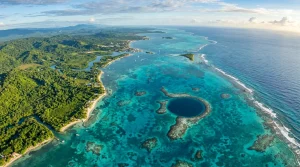
The country is famous for its stunning coastlines and pristine waters, which feature the second-largest barrier reef in the world-a UNESCO World Heritage site that attracts divers and marine enthusiasts from all over the globe. Belize’s landscape is not just limited to its coastal beauty; it includes lush jungles, ancient Mayan ruins, and the picturesque cayes, or islands, scattered along the Caribbean. Major natural features such as the Great Blue Hole, a giant marine sinkhole, further highlight the country’s remarkable ecological diversity.
Belize’s placement at the crossroads of North and South America gives it a cultural richness that reflects influences from both regions. This blend is evident in its vibrant cultures, languages, and culinary traditions, making it a fascinating destination for travelers seeking adventure and exploration. As you traverse this small yet diverse nation, you’ll find that every corner-from bustling towns like Belize City to serene beach towns like San Pedro-offers a unique glimpse into Belize’s historical and geographic significance in the region.
Understanding Belize’s Position in Central America
Nestled between Mexico and Guatemala, Belize is a hidden gem of Central America, capturing the hearts of adventurers and culture enthusiasts alike. This small nation, with a mere 22,966 square kilometers of land, boasts an impressive diversity, both geographically and culturally. Its unique position grants it a rich tapestry of ecosystems, from the stunning Caribbean coastline to the verdant jungles that cradle ancient Mayan ruins. The harmonious blend of these environments sets the stage for an unparalleled exploration of nature and history.
With its eastern border facing the Caribbean Sea, Belize serves as a gateway to a vast array of marine life, including the world-renowned Belize Barrier Reef, the second-largest in the world. This UNESCO World Heritage site draws snorkelers and divers from across the globe, eager to explore the vibrant underwater landscapes teeming with colorful coral and diverse fish species. Inland, the lush rainforests and majestic mountains not only provide breathtaking scenery but also house a vibrant array of wildlife, making Belize a prime destination for eco-tourism.
Belize’s multicultural society adds yet another layer to its charm. The nation’s diverse population, comprised of Mestizos, Creoles, Garifuna, and Maya communities, enriches the cultural landscape. Visitors can immerse themselves in various cultural experiences-whether it’s tasting traditional Garifuna dishes, dancing to live music in local festivals, or discovering the history of the Maya civilization through visits to archaeological sites like Xunantunich or Caracol. This cultural richness, coupled with Belize’s stunning natural beauty, creates a dynamic atmosphere that appeals to travelers of all interests and backgrounds.
Accessibility is another key advantage for those wishing to visit Belize. With several international airports, direct flights from North America are frequent, making the journey uncomplicated. Once in Belize, navigating through its diverse landscapes is facilitated by a well-connected network of roads and ferry services, allowing adventurers to seamlessly move from vibrant urban centers like Belize City to tranquil beach towns such as San Pedro or the adventure-packed jungles in the south. The allure of Belize lies not only in its breathtaking landscapes and rich history but also in the welcoming spirit of its people, making it an irresistible destination for all seeking a blend of adventure, relaxation, and cultural immersion.
Belize’s Borders: Neighboring Countries and Regions
Bordered by two diverse nations, Belize occupies a unique corner of Central America that profoundly influences its culture and accessibility. To the north, Belize shares a border with Mexico’s Quintana Roo state, known for its stunning beaches and vibrant tourist hubs like Cancun and Tulum. This proximity allows travelers to conveniently venture across borders, making multi-country trips a popular choice for those seeking to explore the vast landscapes and rich histories of the region.
To the west and south, the country is bordered by Guatemala, specifically the departments of Petén and Izabal. This adjacency to Guatemala enhances Belize’s cultural mosaic, as it has deep-rooted connections to Maya civilization, which thrived in both countries. The famous archaeological sites dotting the Belizean landscape, like Xunantunich and Caracol, are testaments to this shared heritage, attracting visitors eager to traverse the ancient pathways of the Maya people.
Geographic Significance
Belize’s position on the Caribbean coast further enriches its geographic allure. The eastern coastline abuts the Caribbean Sea, replete with abundant marine life and breathtaking coral reefs, including the globally renowned Belize Barrier Reef. This natural wonder not only draws divers and snorkelers from around the world but also underscores the importance of Belize as a center for ecotourism and marine conservation. The easy access to both terrestrial and marine environments makes Belize a treasure trove for outdoor enthusiasts.
Traveling to and from Belize is made seamless by its robust connections with neighboring countries. Major highways link Belize with Guatemala and Mexico, facilitating road trips for adventurous souls. The land borders offer opportunities for cultural exchange and exploration, making it simple for visitors to check out the vibrant local markets, traditional cuisine, and stunning natural landscapes in both surrounding nations. For those planning a journey to this enchanting country, understanding its borders is instrumental in crafting a diverse and fulfilling travel itinerary.
The Significance of Belize’s Location on the Caribbean Sea
The Caribbean Sea is not merely a body of water flanking Belize’s eastern shores; it is a vital lifeline that shapes the country’s identity, economy, and cultural richness. With over 386 kilometers of pristine coastline, Belize is adorned with some of the Caribbean’s most breathtaking scenery, from sun-soaked beaches to lush mangroves. This location affords travelers unparalleled access to the renowned Belize Barrier Reef, a UNESCO World Heritage site that is the second-largest in the world, attracting divers and snorkelers eager to explore its vibrant underwater ecosystems.
Ecotourism and Marine Conservation
Belize’s geographic placement on the Caribbean Sea positions it as a leading destination for ecotourism. The diverse marine life, featuring over 500 species of fish, numerous coral formations, and endangered marine turtles, creates ripe conditions for eco-minded travelers. Popular activities such as scuba diving, snorkeling, and sailing allow visitors to immerse themselves directly in the stunning underwater world. Moreover, the government’s commitment to marine conservation and sustainable tourism practices emphasizes Belize’s role as a sanctuary for both marine biodiversity and adventurous souls.
Cultural Exchanges and Accessibility
The Caribbean proximity has also fostered rich cultural exchanges and accessibility for tourists. Major access points include the Philip S.W. Goldson International Airport, facilitating flights from the U.S. and other countries. Once on the ground, travelers can expect to find a warm and welcoming atmosphere infused with diverse cultural traditions. Fishing villages, coastal towns like San Pedro, and the unique Creole culture offer a slice of local life that is deeply intertwined with their maritime environment.
- San Pedro and Caye Caulker: These idyllic islands exemplify tropical paradise with their laid-back vibe and stunning beaches.
- The Great Blue Hole: One of the top scuba diving destinations in the world, showcasing spectacular limestone formations and rich marine life.
- Ambergris Caye: Known for its vibrant nightlife and water sport opportunities, perfect for thrill-seekers and relaxation enthusiasts alike.
In essence, Belize’s location on the Caribbean Sea is a defining element of its allure, creating a perfect blend of adventure and cultural richness. Travelers can indulge in thrilling explorations or simply relax on pristine shores-all while being enveloped in the unique tapestry of Belizean life. Whether visiting for a quick getaway or considering a longer stay, the enchanting coastal landscapes of Belize promise an unforgettable experience that celebrates both nature and heritage.
Climate Insights: Belize’s Weather Patterns and Seasons
The weather in Belize creates a lush, tropical paradise that draws visitors all year long, with distinct dry and rainy seasons shaping both the landscape and the travel experience. Nestled along the Caribbean coast, Belize offers a warm climate ideal for outdoor adventures and cultural explorations. Temperatures generally hover between 77°F and 88°F (25°C and 31°C) throughout the year, making it a delightful escape from colder climates.
Belize’s climate is predominantly tropical, with a marked rainy season from June to November. This period witnesses the heaviest rainfall; however, it is also the best time to see the vibrant landscapes come alive. The verdant jungles, lush with flora and fauna, burst forth in color, creating stunning backdrops for hiking, birdwatching, and exploring ancient Maya ruins. A savvy traveler might want to plan their visit during the dry season, which lasts from late November to mid-April, when the weather is more predictable and suitable for beach activities and snorkeling adventures among the world-famous coral reefs.
Seasons at a Glance
Understanding the weather nuances will help travelers make the most of their experience. Here’s a quick overview of Belize’s seasons:
- Dry Season (Late November to Mid-April): Perfect for outdoor activities and beach visits. Expect bright, sunny days and cooler evenings.
- Rainy Season (June to November): While showers can be frequent, they often come in short bursts followed by sunshine. This is also hurricane season, so stay informed about weather patterns.
For travelers seeking to engage with Belize’s rich biodiversity, visiting just before or during the rainy season can be advantageous. Wildlife is more active during the rainy months, and guided tours provide opportunities to witness the unique ecosystems in their full glory, from the coral reefs to the stunning jungle habitats.
Whether you’re basking on the sunlit beaches, diving into the Great Blue Hole, or wandering through the lush jungles, the climate in Belize enhances every adventure. By aligning travel plans with the weather patterns, visitors can guarantee an unforgettable experience, rich in both natural beauty and cultural discovery.
Exploring Belize’s Major Cities and Their Geographic Importance
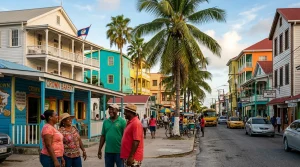
In the vibrant tapestry of Belize, its major cities serve as cultural and economic hubs, each boasting unique characteristics that contribute to the nation’s overall charm. Belize City, the largest urban area, is often the first stop for travelers. Nestled along the Caribbean coast, this bustling metropolis is rich in history and culture, offering fascinating sites like the Museum of Belize and the historic St. John’s Cathedral. As the gateway to many adventures, Belize City provides access to the stunning Belize Barrier Reef and the nearby Cayes, making it essential for marine tourism.
Belmopan, the capital city, presents a stark contrast to the coastal vibrancy of Belize City. Located inland, it was established after Hurricane Hattie devastated Belize City in 1961. Belmopan’s well-planned layout and green spaces reflect a city that balances modern governance with ecological considerations. Visitors here can explore the National Museum, which chronicles the nation’s history and cultural heritage, or visit the nearby caves and beautiful nature reserves that highlight Belize’s ecological diversity.
The coastal city of San Pedro is situated on Ambergris Caye and is renowned for its laid-back atmosphere and world-class diving opportunities. With the stunning Hol Chan Marine Reserve and the celebrated Great Blue Hole just a short excursion away, San Pedro is a haven for scuba divers and snorkelers alike. The city’s vibrant nightlife and culinary scene, particularly its seafood offerings, make it a delightful destination for those looking to relax after a day of ocean exploration.
Inland, the town of San Ignacio serves as the gateway to the majestic Maya ruins of Xunantunich and Cahal Pech. Nestled in the lush Cayo District, it attracts eco-tourists and history enthusiasts eager to explore both ancient sites and the surrounding natural beauty. San Ignacio’s lively markets and diverse cultural influences reflect the melding of traditions found in Belize, providing a unique cultural flavor that captivates every visitor.
Belize’s major cities collectively play a vital role in cultivating the nation’s identity. Beyond their economic importance, they offer a microcosm of the country’s rich cultural heritage, shaped by the unique interplay of its indigenous peoples, Creole communities, and Mennonite settlements. Each city provides a distinctive glimpse into the vibrant life of Belize, making them essential stops for travelers eager to experience the essence of this remarkable destination.
Cultural Diversity: Regions of Belize and Their Unique Flavors
Belize boasts a vibrant cultural mosaic that stems from its diverse population, rich history, and varied landscapes. The country is home to several ethnic groups, including the Mestizos, Creoles, Garifuna, Maya, and Mennonites, each contributing unique flavors and traditions to the national identity. This diversity is not only a source of pride but also a significant draw for visitors, allowing them to experience a myriad of cultural expressions.
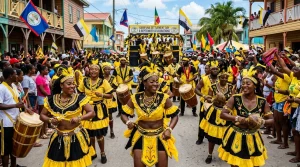
The Creole culture is particularly prominent along the coastal regions, where you can savor dishes like rice and beans, stewed chicken, and the beloved “baleadas.” These delicacies are often enjoyed at local eateries, known as “cook shops,” where the warmth of the people enhances the culinary experience. Meanwhile, the Garifuna community, primarily settled in coastal villages such as Hopkins and Dangriga, shares their vibrant music and dance traditions. Visitors can immerse themselves in their annual celebrations, like the Garifuna Settlement Day, which showcases lively drumming, traditional dances, and a deep sense of cultural pride.
Inland, the Maya communities offer a glimpse into ancient traditions and crafts. Towns like San Ignacio serve as a gateway to revered Maya ruins such as Xunantunich and Caracol, where local artisans sell handicrafts that reflect their heritage. Engaging with these artisans provides visitors with authentic cultural narratives, enriching their understanding of Belize’s history and indigenous heritage.
Belize’s unique regional flavors extend beyond cuisine and crafts. The annual festivals, including the Belize Carnival and Lobster Fest, celebrate the country’s cultural richness while providing a platform for local artists and performers. Whether you’re enjoying the spectacle of colorful parades or indulging in fresh lobster dishes, these events create a lively atmosphere filled with music, laughter, and community spirit.
Traveling through Belize offers an opportunity to not only witness the beauty of its tropical landscapes but also to connect deeply with its cultural heart. Each region tells its own story, waiting for visitors to explore, taste, and appreciate the diverse tapestry that makes Belize a truly unique destination.
Travel Accessibility: Getting to Belize from Around the World
Reaching Belize, a breathtaking gem of Central America, is more straightforward than you might think, and the journey is half the adventure. Nestled between Mexico and Guatemala, this vibrant nation is not only accessible via direct flights but also offers a warm welcome through its cultural richness and stunning natural landscapes. Travelers from around the globe can embark on a journey to experience Belize’s iconic attractions, from the mesmerizing Great Blue Hole to the lush jungles dotted with mesmerizing Maya ruins.
Air Travel Convenience
Most international visitors enter Belize through Philip S.W. Goldson International Airport (BZE) in Belize City, which serves as the primary gateway. Numerous airlines provide direct flights from major cities in the United States, including Miami, Dallas, and Los Angeles, making it a manageable trip for North American travelers. For those from Europe or Asia, connecting flights through hubs like Houston or Miami are common. Once you step off the plane, you’re immediately embraced by the laid-back vibes and the warm smiles of local Belizeans eager to share their heritage.
Land and Sea Access
If your travels take you through neighboring countries, crossing into Belize is an adventure in itself. Buses and shuttles run regularly from Cancun and Mexico’s Yucatan Peninsula directly to Belize City-often a great way to see the stunning landscapes along the way. Alternatively, the scenic ferry from Chetumal, Mexico, introduces you to the Caribbean Sea, setting the tone for your Belizean adventure. Travelers entering from Guatemala can travel by bus to San Ignacio or Belize City, immersing themselves in the lush jungles that define much of the Belizean landscape.
Visa Requirements
While Belize warmly welcomes most visitors, it’s essential to check your visa requirements ahead of time. Nationals from several countries, including the United States, Canada, and most EU nations, can enter visa-free for stays up to 30 days. Ensure that your passport is valid for at least six months from your intended date of entry, and if you plan to stay longer, extensions can be arranged through local immigration offices.
Transportation Upon Arrival
Once you land in Belize, a variety of transportation options are available to traverse its diverse landscapes. Domestic flights connect you quickly to popular tourist destinations like Ambergris Caye and Placencia, but for a more immersive experience, consider renting a car or scheduling a shuttle to enjoy the breathtaking views at your leisure. Public buses, known as ‘chicken buses,’ offer an authentic, budget-friendly way to experience local life while traveling between cities and villages. Each of these methods provides an opportunity to savor Belize’s culture, cuisine, and the stunning natural beauty that awaits.
As you prepare for your journey, remember that the true essence of Belize lies not just in the destination but also in the paths you take along the way, filled with rich experiences and unforgettable memories.
Visas and Travel Restrictions for Visiting Belize
For those longing to explore the lush landscapes and vibrant culture of Belize, understanding the visa requirements is essential to ensuring a smooth and enjoyable trip. Belize is welcoming to visitors, with many countries enjoying the perk of visa-free entry. Nationals from the United States, Canada, the European Union, and several other nations can typically stay for up to 30 days without a visa, as long as their passports are valid for at least six months from the date of entry. However, should your travels call for a longer stay, it’s possible to apply for an extension at local immigration offices, offering some flexibility for those wishing to dive deeper into the wonders of this captivating country.
Visa-Free Entry
Most travelers will find that entering Belize is straightforward, but it’s always wise to verify specific requirements beforehand. Here’s a quick overview of what visitors should know:
- No Visa Required: Visitors from countries such as the USA, Canada, and most EU nations can enjoy up to 30 days visa-free.
- Passport Validity: Ensure your passport remains valid for at least six months beyond your intended arrival date.
- Longer Stays: Extensions can be arranged through the immigration office if you wish to stay beyond the initial allowance.
For travelers arriving from other Central American nations, entries might differ in terms of requirements, so it’s advisable to check the Belizean consulate or an official website. Also, if you plan to enter the country overland from Mexico or Guatemala, make sure to have all necessary documents in order as customs checks are standard.
Health and Safety Guidelines
While focusing on visas and entry requirements, don’t overlook any health precautions that may enhance your travel experience. Make sure to check if there are any health advisories or vaccinations recommended for visitors before you travel. Carrying proof of health insurance is also encouraged, as it can provide peace of mind while exploring everything from the ancient Maya ruins to the stunning Caribbean coastline.
Ultimately, being well-informed about visas and travel restrictions is just the first step in planning your adventure to Belize. It’s a gateway into a realm filled with breathtaking natural beauty and a mosaic of cultures waiting to be embraced. With its clear turquoise waters, rich rainforest, and friendly locals, Belize stands as an enticing destination for every traveler, promising unforgettable memories and endless adventures.
Transportation Options to Navigate Belize’s Diverse Landscapes
Belize, with its stunning landscapes that range from serene Caribbean beaches to lush jungles, offers a variety of transportation options to help you explore its diverse terrain and rich culture. Whether you’re heading to the Mayan ruins, snorkeling in the Great Blue Hole, or wandering through vibrant towns, choosing the right mode of transportation will enhance your experience in this Central American gem.
For most travelers, domestic flights are a quick and efficient way to cover large distances, connecting Belize City to popular destinations like Ambergris Caye and Placencia. These short flights give you a bird’s-eye view of breathtaking coastlines and lush greenery, making the journey as memorable as the destination. On the ground, buses are a popular and economical option, offering routes that navigate the main highways connecting towns and attractions. The buses, while slow, provide an authentic experience, allowing you to see the countryside and interact with locals.
If you’re seeking more flexibility, car rentals are available in major cities, offering the freedom to discover off-the-beaten-path locales at your own pace. The roads are generally well-maintained, and driving allows you to stop and take in views of Belize’s astonishing biodiversity anytime. However, be cautious of road conditions in rural areas and be sure to adhere to local driving regulations. For those who prefer not to drive, taxis and shuttles are widely available and can be hired for both local trips and longer excursions. Always agree on a fare before starting your journey to avoid any surprises.
For those venturing to the cayes, water taxis provide a speedy and scenic way to travel between islands. These boats frequently operate between Belize City and the nearby islands, allowing you to soak in the azure waters while swiftly getting to your beachside paradise. Finally, don’t miss the chance to explore the biking and walking paths in towns like San Pedro and Hopkins. These eco-friendly options offer a chance to immerse yourself in the local atmosphere, enjoy fresh sea breezes, and appreciate the vibrant charm of Belize’s coastal life.
With such a variety of transportation options at your fingertips, navigating the enchanting landscapes of Belize becomes an integral part of your adventure, setting the stage for unforgettable memories and remarkable discoveries.
Wildlife and Nature: Belize’s Unique Ecosystems and Biodiversity
In a country renowned for its natural beauty, Belize stands out as a sanctuary of biodiversity that supports an extraordinary range of ecosystems. Home to the world’s second-largest barrier reef and lush jungles, this small Central American gem is not only a paradise for adventure seekers but also a vital refuge for many species. The potent mixture of coastal marine environments, tropical rainforests, and unique geological features presents travelers with thrilling opportunities to dive into nature’s wonders.
Belize’s various ecosystems are interconnected, offering a rich tapestry of life. The barrier reef, stretching along the coast, is a UNESCO World Heritage site and teems with vibrant coral formations and marine life. Snorkeling or diving in locations like the Great Blue Hole or Hol Chan Marine Reserve allows visitors to encounter colorful fish, rays, and perhaps even the mighty whale shark during seasonal migrations. Meanwhile, inland, the sprawling jungles are home to exotic wildlife such as jaguars, howler monkeys, and a remarkable array of birds, making Belize a must-visit destination for birdwatchers. The Cockscomb Basin Wildlife Sanctuary is particularly noted for its jaguar preservation efforts and offers guided hikes where one might spot these elusive big cats in their natural habitat.
The country’s commitment to ecotourism ensures that the delicate balance of these ecosystems is maintained while providing unforgettable experiences for visitors. Travelers can explore protected areas such as the renowned Belize Zoo, which rehabilitates and showcases native animals, fostering awareness and education about local wildlife. For those interested in conservation efforts, community-based tourism initiatives offer opportunities to engage with local cultures while supporting sustainable practices that protect the land’s resources.
Understanding Belize’s unique ecosystems not only enhances the travel experience but also highlights the importance of preserving these environments for future generations. As travelers immerse themselves in Belize’s lush landscapes and vibrant waters, they contribute to a legacy of conservation that safeguards the nation’s extraordinary biodiversity. Whether you’re a thrill-seeker eager to explore the depths of the ocean or a nature lover yearning to traverse ancient jungles, Belize promises an adventure brimming with natural beauty and ecological significance, making it a treasure trove for all who venture here.
Adventure Awaits: Top Attractions Around Belize’s Regions
In a country that teems with natural wonders and cultural richness, adventure seekers will find Belize a dream come true. Nestled between the Caribbean Sea and the lush jungles of Central America, Belize is not only a haven for relaxation but also a treasure trove of exhilarating experiences. Whether it’s snorkeling in vibrant coral reefs or hiking amidst ancient Mayan ruins, there’s an adventure waiting around every corner.
Discovering the Great Blue Hole
One of Belize’s most iconic landmarks, the Great Blue Hole is a UNESCO World Heritage site that beckons divers and snorkelers with its crystalline depths and diverse marine life. You can embark on a day trip from mainland Belize, where experienced guides will lead you to this underwater marvel. The opportunity to swim with sharks and explore over 500 species of fish makes this an unforgettable experience for both novice and seasoned divers.
Exploring Nature at Ambergris Caye
For those who prefer sandy beaches and laid-back vibes, Ambergris Caye offers both relaxation and adventure. This charming island has pristine beaches and is an excellent base for exploring the Belize Barrier Reef. You can engage in kayaking, paddleboarding, and fishing, or simply relish the Caribbean sunset while enjoying authentic Creole cuisine at local beach shacks. Families especially love the eco-themed resorts that combine comfort with nature, making it easy to introduce children to the rich marine ecosystem.
Cultural Immersion in San Ignacio
Venture into the heart of Belize in San Ignacio, where the lush jungle meets the historic remnants of the ancient Maya civilization. A visit to the nearby Xunantunich or Cahal Pech ruins allows travelers to climb temples and bask in the breathtaking views of the surrounding landscape. This region is also ideal for those interested in cultural experiences; participate in local festivals or learn about traditional Garifuna music and dance through community workshops, enhancing your understanding of Belize’s vibrant culture.
Wildlife Adventures in the Cockscomb Basin
For wildlife enthusiasts, the Cockscomb Basin Wildlife Sanctuary is an unparalleled destination. Known as the world’s first jaguar preserve, it offers opportunities to spot these majestic creatures, along with howler monkeys, exotic birds, and other wildlife. Hiking trails wind through the jungle, providing breathtaking views and the chance to immerse in nature. Guided tours enhance the experience by providing insights into Belize’s unique biodiversity.
Adventure in Belize is not just limited to water activities; there’s a myriad of options that cater to different interests. From budget hostels for the backpacking crowd to luxurious overwater bungalows for couples seeking a romantic getaway, accommodations abound to suit every traveler’s needs. For those flying into Belize, the Philip S.W. Goldson International Airport is the main gateway, and local airlines provide additional access to the islands and remote areas.
In a land where the allure of nature meets the warmth of its people, Belize promises adventures that are both thrilling and enriching, making it a perfect destination for every type of traveler.
Frequently Asked Questions
Q: Where exactly is Belize located?
A: Belize is located on the northeastern coast of Central America, bordered by Mexico to the north, Guatemala to the west and south, and the Caribbean Sea to the east. Its coastal location grants access to stunning marine ecosystems, including the Belize Barrier Reef.
Q: What countries border Belize?
A: Belize shares borders with Mexico to the north and Guatemala to the west and south. This geographical positioning makes it a gateway between Central America and the Caribbean, ideal for travels exploring these regions.
Q: How do I get to Belize from the United States?
A: You can fly to Belize via Philip Goldson International Airport (BZE) from various U.S. cities, including Miami, Denver, Houston, or Atlanta, with flight times typically under 3 hours. It’s a convenient option for travelers from North America.
Q: What is unique about Belize’s geographic location?
A: Belize’s unique geographic location on the Caribbean coast allows for diverse ecosystems, including rainforests and coral reefs. This rich biodiversity makes it a significant spot for eco-tourism and adventure activities, attracting visitors year-round.
Q: Why is Belize called a Central American country?
A: Belize is categorized as a Central American country due to its geographic positioning on the Central American land bridge, connecting North and South America. This location influences its climate, culture, and biodiversity significantly.
Q: What is the climate like in Belize due to its location?
A: Belize enjoys a tropical climate, characterized by a wet season and a dry season. Its coastal location along the Caribbean Sea moderates temperatures, making it an attractive destination with pleasant weather year-round.
Q: What major cities are located in Belize?
A: Major cities in Belize include Belize City, the largest urban center, and San Ignacio, known for its proximity to attractions like Maya sites and nature reserves. Exploring these cities provides insight into Belize’s rich cultural heritage.
Q: How does Belize’s location influence its cultural diversity?
A: Belize’s strategic location at the intersection of culturally diverse regions has resulted in a rich tapestry of ethnicities, languages, and traditions. Influences from the Maya, Creole, Garifuna, and Mestizo populations contribute to the country’s unique cultural landscape.
Feel free to explore more about Belize’s diverse attractions and accommodations or check out information on travel logistics for your upcoming trip!
To Conclude
Belize, nestled in the heart of Central America, offers a unique blend of stunning landscapes and rich cultural experiences waiting to be explored. From the breathtaking Great Blue Hole to the ancient wonders of the Maya ruins, this destination promises an adventure that caters to every traveler. Now that you know where Belize is located in the world, it’s time to dive deeper into what this enchanting country has to offer.
Check out our guides on the best things to do in Belize and the top destinations within the country to plan your perfect getaway. Don’t miss out on our insider tips about local cuisine, vibrant festivals, and essential travel information. Ready to book your trip? Explore our recommended accommodations-from budget-friendly hostels to luxurious jungle lodges-tailored for every type of traveler. Join the journey and uncover the beauty of Belize today!
Get our latest guides, news, and insights highlighted in your Google Search & AI Overviews.