Are Mosquitoes Common in Belize?
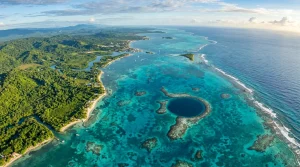
In the lush landscapes of Belize, where vibrant rainforests meet serene coastlines, mosquitoes are indeed a common sight. With a tropical climate that provides an ideal breeding ground for these insects, they thrive in various environments-from coastal areas to inland jungles. Travelers often encounter mosquitoes especially in warmer months or around bodies of water, where standing water becomes a breeding habitat. It’s not just about the pest annoyance; the presence of mosquitoes can also pose health risks due to the transmission of diseases.Understanding the potential impacts of mosquitoes is crucial for anyone planning a visit. In Belize, species like the Aedes aegypti can carry diseases such as dengue fever, Zika virus, and chikungunya. However, with the right information and preparation, travelers can enjoy the stunning beauty of Belize while minimizing their risk of mosquito bites. The adventure of exploring ancient Maya ruins or diving in the mesmerizing Great Blue Hole shouldn’t be marred by a few pesky bugs!To navigate the mosquito season effectively, knowing when they are most active can significantly enhance your travel experience. Mosquitoes tend to peak in the warmer, wetter months, particularly during the rainy season, which runs from June to November. This is when precautions should be heightened, and visitors are encouraged to employ preventive measures such as insect repellent, protective clothing, and choosing accommodations that prioritize mosquito control.As you embark on your Belizean adventure, maintaining a positive attitude towards these tiny creatures is essential. While they may be a nuisance at times, with proper precautions, you can immerse yourself in Belize’s rich experiences-from kayaking through lush mangroves to savoring local cuisine-without letting mosquitoes steal your joy. Whether you’re lounging on sandy beaches or trekking through thick jungles, a little preparation goes a long way in ensuring your trip is memorable for all the right reasons.Understanding Mosquito-Borne Diseases in Belize
In the vibrant ecosystem of Belize, the allure of its tropical splendor comes with the presence of mosquitoes, some of which can transmit serious illnesses. With a climate perfectly suitable for mosquito breeding, it’s essential for travelers to be informed about the potential health risks. Notably, the Aedes aegypti mosquito is prevalent in Belize and poses significant concerns, capable of spreading diseases like dengue fever, Zika virus, and chikungunya. This makes understanding mosquito-borne diseases vital for anyone considering exploring Belize’s stunning jungles, ancient ruins, and pristine beaches.Dengue fever is among the most common mosquito-borne diseases in Belize. Symptoms can range from mild fever to severe illness, leading to hospitalization in some cases. Meanwhile, Zika virus, while often causing milder symptoms, has raised concerns due to its association with birth defects in pregnancies. Chikungunya, although not usually fatal, can cause debilitating joint pain that may persist for weeks or months after initial infection. Being aware of these diseases helps travelers understand the importance of preventive measures when enjoying the country’s breathtaking landscapes.Prevention is the best strategy. Here are a few tips to reduce the risk of mosquito bites and, consequently, mosquito-borne diseases:- Use Insect Repellent: Apply EPA-approved repellents containing DEET, picaridin, or oil of lemon eucalyptus when venturing outdoors.
- Wear Protective Clothing: Opt for long-sleeved shirts and long pants, ideally treated with permethrin, to minimize exposed skin.
- Choose Accommodations Wisely: Stay in places that use mosquito netting, screens on windows, and air conditioning to limit mosquito exposure.

When to Expect Peak Mosquito Seasons
The lush landscapes of Belize are captivating, but the tropical climate also creates an ideal breeding ground for mosquitoes. Travelers keen to immerse themselves in the vibrant ecosystems should be particularly aware of when these pesky insects are most active. Generally, the mosquito season in Belize peaks during the rainy months, which typically span from June to November. This period coincides with the increased humidity and standing water-perfect conditions for mosquito reproduction.While the rains shower the land and nourish its diverse flora and fauna, they also provide ample opportunities for the Aedes aegypti mosquito to thrive. Visitors should be particularly cautious during early morning and late afternoon, as these times are prime for mosquito activity. Plan your outdoor adventures around these peak hours; consider embarking on early morning hikes through the jungle or enjoying the breathtaking sunsets from the comfort of a screened-in porch to minimize exposure.It’s also important to note that even in the dry season, particularly in areas with dense vegetation and swampy conditions, mosquitoes can still be a nuisance. That means packing insect repellent and other protective measures year-round is a wise strategy. Understanding these patterns not only enhances your chances of having a more enjoyable experience exploring Belize’s wild beauty but also helps safeguard your health as you delve into this Central American paradise, filled with ancient Mayan ruins, stunning beaches, and vibrant wildlife.
Essential Mosquito Prevention Tips for Travelers
The enchanting beauty of Belize, with its lush jungles and pristine beaches, can be marred by pesky mosquitoes, especially during the humid rainy season from June to November. To ensure an enjoyable experience while exploring this Central American gem, travelers must arm themselves with effective mosquito prevention strategies. The key to a pleasant adventure lies in preparedness and awareness.First and foremost, invest in a high-quality insect repellent that contains DEET, picaridin, or oil of lemon eucalyptus. Apply it generously to exposed skin and reapply as directed, especially after swimming or sweating. For a more natural approach, essential oils like citronella and lavender can provide some level of protection, though they may not be as effective as commercial repellents. It’s wise to carry a small bottle in your pack for quick applications on your outdoor excursions.In addition to repellents, wearing the right clothing can significantly reduce exposure to mosquitoes. Opt for lightweight, long-sleeved shirts and long pants, ideally treated with permethrin, an insect repellent designed for fabrics. Light-colored clothing is also beneficial since it’s less attractive to mosquitoes. Hats can provide additional protection, particularly during those high-risk times in the early morning and late afternoon.Choosing suitable accommodation is another crucial aspect of mosquito prevention. Many hotels and lodges in Belize are equipped with air conditioning and screens on windows, creating a comfortable barrier against these insects. Consider bringing along a portable mosquito net if you plan to stay in an area with more exposure to the outdoors. Additionally, staying in places that incorporate natural mosquito management techniques, such as maintaining clean surroundings and limiting standing water, can enhance your protection.Lastly, remain vigilant about your surroundings. Exploring Belize’s majestic landscapes is a thrill, but being aware of your environment can make all the difference. Take note of areas with stagnant water, and if possible, avoid them during peak mosquito hours. By employing these strategies, you’ll not only minimize the annoyance of mosquitoes but also fully immerse yourself in the breathtaking experiences that Belize has to offer, from ancient Mayan ruins to vibrant coral reefs.Best Natural Repellents for Belizean Adventures
Experience the enchanting landscapes of Belize while keeping those pesky mosquitoes at bay with some natural alternatives to traditional repellents. Travelers often seek eco-friendly options, and luckily, Belize’s rich flora offers a variety of plant-based solutions that can effectively deter those buzzing intruders.When exploring Belize’s lush jungles or relaxing on its stunning beaches, consider using repellents based on essential oils. Citronella, well-known for its mosquito-repelling properties, is a favorite among travelers. You can either find it in commercial repellents or make your own by mixing citronella oil with a carrier oil and applying it to your skin. Another excellent option is lavender oil, which not only smells delightful but has shown effectiveness in repelling mosquitoes. Similarly, tea tree oil and eucalyptus oil can be added to your travel kit for added protection.For a refreshing twist, try blending lemongrass oil with coconut oil as a natural repellent. This fragrant combination provides a tropical scent while keeping mosquitoes at bay during your Belizean adventures. Neem oil, derived from the seeds of the neem tree, is another traditional solution that has been used for centuries in various cultures. Its strong aroma can be off-putting to mosquitoes, making it a potent alternative.Quick Tips for Using Natural Repellents
- Application Frequency: Natural repellents may need to be reapplied more frequently than synthetic ones, so keep your essential oils handy.
- Patch Test: Always do a patch test before applying new essential oils to avoid skin irritations, especially in humid climates like Belize.
- Combine Approaches: Consider using natural repellents along with protective clothing-long sleeves and pants made of breathable fabrics can provide an extra layer of defense.
Protective Clothing and Gear for Outdoor Activities
Exploring the enchanting landscapes of Belize, from the vibrant jungles to the serene beaches, is an adventure like no other. However, with adventure often comes a few unwelcome guests-specifically, mosquitoes. To fully immerse yourself in the stunning biodiversity and rich cultural tapestry, equipping yourself with the right clothing and gear is essential. Protective clothing is an invaluable first line of defense against mosquitoes, allowing you to enjoy your outdoor escapades with confidence.When planning your wardrobe, choose lightweight, breathable fabrics that cover your skin without compromising comfort. Long-sleeved shirts and long pants are ideal; not only do they shield your skin from bites, but they also protect against the sun’s rays, a worthwhile consideration as you trek through Belize’s sun-drenched landscapes. Look for clothing designed with moisture-wicking technology to keep you cool and comfortable during your adventures, whether you’re exploring ancient Maya ruins or kayaking in the Caribbean.For added protection, consider clothing treated with permethrin, an insect-repellent chemical that remains effective through multiple washes. This special treatment can significantly reduce the number of mosquito bites you experience. Complement your outfit with a wide-brimmed hat and sunglasses for extra coverage and comfort, especially during peak mosquito hours at dawn and dusk when they are most active.Don’t forget about your footwear! Sturdy, closed-toe shoes not only protect your feet but also allow for comfortable hiking and exploration of Belize’s diverse terrains. Light, breathable socks can help minimize potential irritation from mosquitoes seeking access to your ankles. Accessories like lightweight, mosquito-repellent bandanas can also be a trendy yet functional addition, offering more ways to keep those pesky insects at bay.Involve yourself deeply in Belize’s beautiful environments without worrying about buzzing interruptions. By dressing smartly and purposefully in protective clothing, you can embrace the stunning coastal vistas and lush jungles while prioritizing your comfort and well-being, making your travel experience truly unforgettable.
How to Create a Mosquito-Free Accommodation
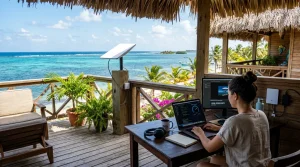
Creating a mosquito-free sanctuary during your stay in Belize can enhance your travel experience remarkably. As you settle into your chosen accommodation, integrating a few practical strategies can help keep these pesky insects at bay, allowing you to fully immerse yourself in the stunning landscapes, vibrant culture, and rich biodiversity that Belize offers.Start by ensuring that your lodging has proper screens on windows and doors; this simple barrier allows fresh air to circulate while keeping mosquitoes outside. If you find yourself in a location without screens, consider bringing portable mesh screens or installing temporary solutions. Utilizing air conditioning not only cools the space but also reduces humidity, making it less conducive for mosquitoes to thrive. If you’re staying in a budget hostel or camp, erecting a mosquito net over your bed adds an extra layer of protection, especially during the night when these insects are most active.For a comprehensive approach, complement these structural measures with environmental modifications. Remove any stagnant water around your accommodation, which serves as a breeding ground for mosquitoes. Make use of outdoor seating areas strategically by ensuring they are equipped with citronella candles or mosquito-repelling incense, creating a pleasant atmosphere for evenings spent under the stars. Additionally, consider keeping lights dim as bright lights can attract mosquitoes; alongside this, opt for yellow bug lights for outdoor areas to mitigate their presence.In your quest for comfort, don’t forget the power of natural repellents and essential oils, which can act as effective deterrents. Spritzing lavender, eucalyptus, or lemon essential oil around your accommodation not only creates a delightful ambiance but also helps repel insects. Packing some eco-friendly repellents can also serve you well; just a quick application on exposed skin can enhance your protection while allowing you to enjoy the natural beauty surrounding you. By thoughtfully arranging your space and employing these strategies, you can create a welcoming haven that beautifully balances adventure and relaxation in Belize.Understanding the Local Ecosystem and Mosquito Habitats
In Belize, the interplay between the lush natural environment and the warm tropical climate creates an ideal habitat for mosquitoes to thrive. The country is punctuated by mesmerizing rainforests, wetlands, and coastal areas, offering both beauty and a breeding ground for various mosquito species. Particularly in the summer months, after heavy rains, stagnant water collects in puddles, lagoons, and even plant leaves, facilitating mosquito reproduction. This not only highlights the importance of understanding local ecosystems but also underscores the need for effective prevention strategies for visitors.Mosquito habitats are typically found in regions with ample foliage and water, where they can easily breed. Belize’s varied topography includes coastal mangroves, inland lagoons, and dense jungles, all of which provide perfect conditions for mosquitoes to flourish. For instance, the famous mangrove ecosystems along the coast serve as crucial breeding grounds during the wet season, contributing to the mosquito population spikes. Tourists visiting hotspots like the majestic Great Blue Hole or ancient Maya ruins nestled deep within the jungles should be especially vigilant during their excursions, as these areas can have higher mosquito activity, particularly at dawn and dusk.Understanding the local ecosystem also involves recognizing the beneficial insects and animals that help maintain balance. Birds, bats, and dragonflies are natural predators of mosquitoes, and their presence can significantly impact mosquito populations. Travelers can enhance their experience by learning about these ecological connections, perhaps even spotting a few of these creatures while enjoying Belize’s breathtaking biodiversity. Engaging with local conservation efforts can also provide insights into how communities are working to manage mosquito populations sustainably, ensuring that while visitors enjoy the enchanting landscapes, the delicate ecosystem remains protected.A proactive approach to exploring Belize’s natural wonders involves being prepared. Carrying mosquito repellent, wearing appropriate clothing, and adhering to advice from local guides can make all the difference in creating enjoyable, bite-free moments as you explore this vibrant destination. Whether you’re kayaking through mangroves or hiking along jungle trails, an understanding of the local ecosystem will not only enhance your adventures but also help you appreciate the intricate balance of life that makes Belize truly unique.Travel Health Insurance: Why It Matters in Belize
Traveling to Belize presents an unparalleled opportunity to immerse yourself in its stunning natural beauty and rich cultural tapestry, but it’s not without risks. One of the significant concerns is the potential for mosquito-borne diseases, such as dengue fever and Zika virus, which can pose a serious health threat to travelers. This is where having travel health insurance becomes essential. While exploring the breathtaking landscapes-from the turquoise waters of the Caribbean to the dense jungles surrounding ancient Maya ruins-it’s easy to overlook the need for adequate medical coverage. However, being proactive about your health should be as integral to your travel plans as your itinerary.When considering travel health insurance for Belize, seek a policy that specifically covers medical expenses related to mosquito-borne illnesses. This becomes increasingly important as outbreaks can occur, especially during the rainy season when mosquito populations surge. Many travelers mistakenly believe that basic travel insurance is sufficient, but it’s crucial to read the policy details thoroughly to ensure it covers medical evacuations, hospitalization, and treatment for diseases you might encounter. Specific recommendations include:- Medical Evacuation Coverage: Ensure your policy covers evacuation flights back to your home country or to a facility offering advanced medical care, should you face a severe health issue.
- 24/7 Helpline Access: Choose insurance providers that offer round-the-clock assistance, enabling you to get guidance or support in emergencies.
- Coverage for Prescription Medications: Check if your policy helps cover the cost of medications you might need while abroad, especially if you fall ill.
Emergency Tips for Mosquito Bites and Reactions
While exploring the enchanting landscapes of Belize, the thrill of adventure can be accompanied by the pesky reality of mosquito bites. These unwelcome guests can not only irritate the skin but also pose a risk by transmitting diseases like dengue fever and Zika virus. Knowing how to respond to mosquito bites efficiently is essential for ensuring your trip remains joyous and worry-free.The first step after being bitten is to keep calm and assess the situation. Most mosquito bites will cause mild irritation or a small, itchy bump. You can alleviate some discomfort by avoiding scratching, which can lead to infections. Instead, tap into your travel kit by applying a cold compress or ice pack to the area for a few minutes, which can help reduce swelling and numb the itch. Over-the-counter antihistamines or hydrocortisone cream can be effective in relieving itching and inflammation as well.If you experience more severe reactions such as excessive swelling, difficulty breathing, or any signs of fever, it’s important to seek medical attention promptly. These reactions could indicate an allergy or a more serious illness. Maintain an emergency contact list with the nearest healthcare facilities in Belize, particularly when venturing into remote areas. Familiarizing yourself with local medical practices can be a lifesaver in these situations.To be prepared, you might also want to pack essential items such as insect bite relief cream, alcohol wipes, and band-aids for potential infections. Educating yourself about the characteristics of local mosquitoes can enhance your safety. For instance, mosquitoes in Belize tend to be more active at dusk and dawn, so when possible, plan your outdoor adventures around these peak hours to minimize bites.Emphasizing preventive health measures not only enhances your safety. It allows you to immerse yourself in the splendor of Belize, experiencing its lush jungles and vibrant culture without the overshadowing worry of mosquito bites. Balancing your sense of adventure with a proactive approach to health ensures that the magic of Belize-ranging from the azure waters of the Caribbean to the echoes of ancient Mayan ruins-remains at the forefront of your experience.The Role of Local Communities in Mosquito Control
In the embrace of Belize’s stunning landscapes, local communities play a crucial role in managing and controlling mosquito populations, significantly impacting public health and enhancing the travel experience. By fostering community awareness and engagement in mosquito control initiatives, these communities not only protect their residents but also help ensure that the enchanting atmosphere of Belize remains inviting for visitors.Collaboration between local governments, health organizations, and residents is vital to effective mosquito control. Programs often include community education campaigns focused on reducing standing water, a breeding ground for mosquitoes. Local volunteers and health workers promote proactive measures, such as proper waste management and the maintenance of clean environments, to minimize mosquito habitats. During community meetings, residents share tips on using barriers like screens and natural repellents, creating a collective commitment to safeguarding their environment.Moreover, innovative eco-friendly practices are being adopted by local communities to combat mosquito-borne diseases. For instance, some areas implement larvicide treatment in bodies of standing water, significantly reducing mosquito larvae before they can mature and bite. This grassroots initiative illustrates a perfect blend of traditional knowledge and modern science, empowering communities to take ownership of their health and enhance their surroundings.By engaging with and supporting these community-driven efforts, travelers not only enjoy an enriched experience but can also contribute positively to the local areas they explore. Participating in local workshops on sustainable practices or volunteer opportunities can be rewarding, offering deeper insights into the culture and ecology of Belize. Emphasizing the importance of community action in mosquito control encourages a shared responsibility that benefits both residents and visitors, allowing everyone to appreciate Belize’s remarkable beauty without the overshadowing worry of mosquito bites.Exploring Eco-Friendly Mosquito Management Practices
In the heart of Belize’s lush jungles and vibrant ecosystems, eco-friendly mosquito management practices are not only emerging but flourishing, making a significant difference in the battle against these pesky insects. Belize’s commitment to safeguarding its natural beauty while dealing with mosquito populations showcases how conservation and public health can go hand in hand. One of the fascinating methods utilized is the introduction of natural predators, such as fish that consume mosquito larvae, effectively reducing the population without harming the environment. This approach highlights the symbiotic relationships within Belize’s diverse ecosystems, where each species plays a vital role in maintaining balance.Local communities have come together to embrace sustainable practices that reduce mosquito breeding grounds, such as maintaining clean waterways and minimizing stagnant water accumulation. Initiatives like community clean-up days not only enhance public spaces but also engage the residents in environmental stewardship. Many towns host workshops where locals receive training in eco-friendly methods of mosquito control, including the use of natural repellents made from plant extracts, which are both effective and non-toxic. This grassroots involvement fosters a sense of ownership and responsibility, empowering residents to take proactive measures in their daily lives.Moreover, Belize’s innovative approach includes the use of biodegradable larvicides that are safe for both wildlife and humans. These products are applied strategically in water bodies, targeting the larval stage of mosquitoes to prevent them from maturing into biting adults. This technique allows communities to protect themselves from mosquito-borne diseases like dengue and Zika while preserving the richness of the local environment. The dual focus on health and conservation makes Belizean efforts a model for sustainable mosquito management that can inspire other regions facing similar challenges.As travelers embark on their Belizean adventures, they are encouraged to participate in or learn about these eco-friendly practices. Whether joining a local clean-up effort or opting for natural repellents offered by regional vendors, visitors can contribute positively to the environment they’re exploring. This engagement not only enhances their travel experience but also strengthens the community’s efforts to preserve the enchanting allure of Belize, allowing all to enjoy its stunning landscapes and rich biodiversity without the nuisance of mosquitoes.Frequently asked questions
Q: Are mosquitoes a major problem in Belize? A: Yes, mosquitoes can be a significant nuisance in Belize, especially in humid environments and during rainy seasons. Travelers should take preventive measures to avoid bites and the diseases mosquitoes can transmit.Q: When is the best time to visit Belize to avoid mosquitoes? A: The peak mosquito season in Belize often coincides with the rainy months, from June to August. To minimize encounters, consider visiting from late November to March, when mosquito activity is typically lower.Q: How can I keep mosquitoes away while hiking in Belize? A: To deter mosquitoes while hiking, apply insect repellent with DEET or picaridin, wear long sleeves and pants, and choose light-colored clothing. Additionally, consider hiking during the day when mosquito activity is less intense.Q: What are the symptoms of mosquito-borne diseases in Belize? A: Symptoms of mosquito-borne diseases like dengue and Zika include fever, rash, headache, and joint pain. If you experience these symptoms during or after your trip, seek medical attention promptly.Q: Can natural repellents effectively keep mosquitoes away in Belize? A: Yes, natural repellents containing essential oils like citronella, eucalyptus, or lemon can help repel mosquitoes. However, they may offer shorter protection than synthetic options, so reapplication is essential when outdoors.Q: What accommodations are mosquito-friendly in Belize? A: Look for accommodations that provide mosquito nets, air conditioning, or screened windows to help keep insects out. Checking online reviews can also give insight into how well a place manages mosquito control.Q: Is it safe to travel to Belize during the rainy season regarding mosquitoes? A: While traveling during the rainy season (June to November) can lead to increased mosquito activity, proper precautions-such as using repellents and wearing protective clothing-can help ensure a safe and enjoyable trip.Q: What eco-friendly practices can travelers support to reduce mosquito populations in Belize? A: Travelers can support local initiatives focused on mosquito control, such as habitat restoration and conservation practices. Participating in cleanliness drives and removing standing water near accommodations can also help reduce breeding sites.The Way Forward
As you prepare for your adventure in Belize, remember that being mindful of mosquitoes can significantly enhance your enjoyment. Implementing the prevention tips discussed ensures you’re well-equipped to explore the stunning landscapes, from the Great Blue Hole to vibrant local festivals, without distractions. Don’t wait-take action now and start planning your trip to this tropical paradise!While you’re here, dive deeper into our comprehensive guides on Belize’s must-visit destinations, such as the Mayan ruins and lush jungles, or explore options for budget accommodations suitable for every traveler. Interested in the local culture? Check out our insights on Creole cuisine and Garifuna music to enrich your experience. Be sure to subscribe to our newsletter for exclusive travel tips and updates, helping you make the most of your journey in Belize. Share your thoughts or questions in the comments below-we’d love to hear from you!Comprehensive Guide and In-Depth Analysis: Is There Mosquitos In Belize ?
When exploring the details surrounding is there mosquitos in belize ?, understanding the practical, environmental, and cultural dynamics of Belize is essential for making informed travel or investment decisions. Belize stands out in Central America for its English-speaking heritage, British Common Law legal stability, and world-class ecotourism infrastructure.
Whether navigating mainland rainforest corridors, consulting local authorities, or exploring marine conservation zones along the Belize Barrier Reef, having verified, comprehensive information regarding is there mosquitos in belize ? ensures seamless execution.
| Key Evaluation Pillar | Standards & Conditions in Belize | Actionable Best Practices |
|---|---|---|
| Regional Specifics | Variations between northern districts, central cayes, and southern rainforests | Align plans with specific district infrastructure and seasonal weather |
| Regulatory & Legal Framework | Belize Tourism Board (BTB) regulations and national conservation laws | Always work with licensed local professionals and certified guides |
| Logistics & Practical Costs | Fixed 2:1 BZD-to-USD currency peg; accessible transport via air and water | Plan budget with cash buffer for remote destinations and transfers |
For visitors and residents alike, engaging with is there mosquitos in belize ? through authorized, sustainable practices contributes directly to local community development and the preservation of Belize’s pristine marine and terrestrial ecosystems.
Frequently Asked Questions: Is There Mosquitos In Belize ?
Why is understanding is there mosquitos in belize ? important for Belize visitors?
It provides essential context for choosing the right regional destinations, understanding local pricing, and ensuring full compliance with environmental and tourism standards.
How do seasonal factors affect is there mosquitos in belize ? in Belize?
The dry season (December through May) offers calm seas and sunny weather, while the green season brings lower rates and lush jungle scenery.
Get our latest guides, news, and insights highlighted in your Google Search & AI Overviews.