When exploring the lush landscapes and vibrant culture of Belize, staying hydrated is crucial for fully enjoying your adventure. However, many travelers wonder, “Can you drink the water in Belize?” Understanding the safety of the local water supply is essential for your health and peace of mind during your visit. Whether you’re lounging on the pristine beaches, trekking through national parks, or discovering ancient Maya ruins, knowing the ins and outs of safe hydration will enhance your experience and ensure you can dive into all that Belize has to offer. Continue reading to uncover tips and recommendations that will keep you refreshed and worry-free as you explore this stunning Central American gem.
Can You Drink the Water in Belize? Understanding Safety Measures
Visiting Belize offers an immersive experience filled with breathtaking natural beauty, vibrant culture, and thrilling adventures. Yet amidst the allure of the Caribbean’s turquoise waters and lush jungles, one practical concern often arises: the safety of drinking water. Belize’s drinking water quality can vary significantly depending on location, making it essential for travelers to understand local water safety measures.
In urban areas, especially in larger cities like Belize City, tap water typically comes from a reliable supply, often treated and safe for consumption. However, it’s wise to check for certifications or ask locals about the current water quality status. Outside urban centers, particularly in rural regions, wells or untreated sources may be the norm, making the water potentially unsafe without proper filtration or treatment. In such areas, travelers should lean toward bottled water, which is widely available, or utilize water purifiers to ensure safe hydration.
When exploring Belize’s remote adventures-from Maya ruins to pristine beaches-staying hydrated is crucial. Many outdoor activities may lead you far from easily accessible water sources, so carrying water purification options like tablets or filters can be transformative. Not only do they provide peace of mind, but they also allow you to enjoy the experience without the worry of waterborne illnesses, such as gastrointestinal infections, which can arise from contaminated water.
Above all, monitoring your body’s needs is vital. Engage in frequent hydration breaks, particularly during rigorous activities. Carry a reusable water bottle and refill it whenever possible to minimize plastic waste while ensuring that your thirst is quenched. By following these guidelines and remaining aware of your surroundings, you can enjoy Belize’s stunning landscapes and enduring culture without compromising your health.
Assessing the Quality of Belize’s Drinking Water
In Belize, the quality of drinking water is a fundamental concern, as it directly impacts the health and wellbeing of residents and travelers alike. The diverse geography of this beautiful country-from bustling cities to secluded rural areas-contributes to significant variations in water quality. For instance, the municipal water supply in larger urban areas like Belize City generally undergoes reliable treatment processes, making it safe to drink. However, this isn’t a guarantee in all locales. It’s essential for visitors to be informed about the specific conditions of the area they are in. Always check with locals or read recent reports for the most current information on water safety.
Urban vs. Rural Water Supplies
In urban areas, locals enjoy access to treated tap water, which is monitored regularly for contaminants. You might even encounter colorful ceramic filter systems that are used in households as an additional safety measure. In contrast, the rural regions rely more on well water and untreated sources, which can pose significant health risks due to potential contamination. Travelers venturing off the beaten path should prioritize bottled water, which is abundantly available in shops and convenience stores across the country, particularly in tourist areas. This option not only guarantees safer hydration but also supports the local economy.
Identifying Safe Water Practices
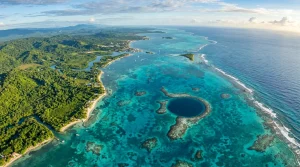
To further ensure a safe experience, familiarize yourself with water filtration options and purification methods. Many outdoor adventurers travel with portable water filters, UV light purifiers, or purification tablets, allowing them to safely hydrate while exploring Belize’s stunning landscapes. This approach transforms potentially risky situations into enjoyable experiences, whether you’re hiking through lush jungles to ancient Maya ruins or swimming in the pristine waters of the Great Blue Hole.
Staying informed about the quality of drinking water in Belize is as crucial as enjoying its rich natural beauty. By blending adventure with practicality, and understanding the local environment, you can explore Belize with confidence and delight. With a few mindful choices, the vibrant culture, stunning scenery, and warm hospitality of this Caribbean paradise await you.
Common Water Contaminants Found in Belize
In the vibrant landscape of Belize, where lush jungles meet stunning coastlines, the quality of water can vary significantly, often influenced by local conditions and infrastructure. Understanding the potential contaminants in the water can be a crucial step in ensuring safe hydration while exploring this Central American gem. Common issues include microbial pathogens, heavy metals, and chemical pollutants that can arise from agricultural runoff or improper waste disposal.
One of the most prevalent concerns is microbiological contamination, which includes bacteria, viruses, and protozoa. Travelers may encounter these in areas where water is sourced from wells or near agricultural regions where livestock or farming practices could introduce pathogens. Common culprits include Escherichia coli (E. coli) and Giardia, which can lead to gastrointestinal distress if ingested. Using bottled water and ensuring that food is prepared with clean water can help mitigate these risks.
Another significant issue is the presence of heavy metals, such as lead or arsenic, particularly in rural areas where old plumbing systems or contaminated soil can contribute to unsafe levels. These metals can leach into drinking water supplies, posing long-term health risks. It is advisable for visitors to inquire about water safety in their locations and consider using water filters capable of removing such contaminants.
Lastly, chemical pollutants, often stemming from agricultural practices like pesticide runoff, can affect the water supply. Travelers venturing into agricultural areas should be cautious, using alternatives like bottled water or purification methods to ensure safe consumption. By taking proactive steps and remaining aware of these common water issues, you can enjoy everything Belize has to offer while safeguarding your health.
Safe Drinking Options: Bottled Water vs. Tap Water
In Belize, where the lush landscape beckons outdoor adventures, knowing about safe drinking options is essential for your travel experience. Given the varying quality of tap water throughout the region, many travelers often face the dilemma of choosing between bottled water and local tap water. Understanding the nuances of each option can help ensure a refreshing and safe hydration journey while you explore this tropical paradise.
While tap water is treated in urban areas like Belize City, it can sometimes harbor contaminants that might pose health risks, especially in more rural settings. Travelers are encouraged to inquire locally about the water quality, as plumbing infrastructure may be outdated or compromised in certain regions. To err on the side of caution, bottled water emerges as the preferred choice for many. It’s widely available in grocery stores, convenience shops, and even roadside stands, catering to both tourists and locals alike. Not only does bottled water provide peace of mind, but it also supports local businesses, thus enriching your experience with authentic interactions.
For those looking to minimize environmental impact, investing in a portable water filter can be an excellent alternative. Many travelers opt to carry reusable water bottles fitted with filtration systems that can purify tap water on the go. This not only offers a sustainable option but also ensures hydration while saving on single-use plastic bottles. Moreover, consider bringing purification tablets or a UV light purifier as a backup, particularly if you plan to venture into off-the-beaten-path locations.
As you traverse the vibrant locales of Belize-from the white sands of Ambergris Caye to the ancient ruins of Xunantunich-stay hydrated with confidence. Remember, your health and well-being are paramount. By choosing wisely between bottled water and tap water, you can focus on soaking in the breathtaking natural beauty, vibrant cultures, and warm community spirit that make Belize such a remarkable destination.
How to Purify Water When Traveling in Belize
When exploring the picturesque landscapes of Belize, knowing how to ensure safe drinking water can significantly enhance your travel experience. The pristine rivers and lush jungles may seem inviting, but when it comes to sourcing clean water, preparation is essential. Here’s how you can purify water while adventuring through this stunning Central American destination.
One effective method for purifying water is through the use of portable water filters. Lightweight and easy to pack, these devices can filter out bacteria, parasites, and other contaminants, making them a reliable choice for travelers. Many brands offer filtration systems that fit conveniently into standard water bottles, allowing you to drink directly while on the go. This sustainable option not only reduces plastic waste but also encourages you to take advantage of Belize’s natural water sources, whether you’re hiking in the rainforest or exploring the serene sea.
For those who prefer a backup plan, purification tablets can serve as a reliable alternative. These small, easy-to-carry tablets can neutralize harmful pathogens in water and are particularly handy in emergency situations. To use them, simply dissolve the tablet in a liter of water and allow it to sit for the recommended time-typically around 30 minutes-before drinking. This method is particularly beneficial if you encounter water from questionable sources during your travels.
Another advanced option is a UV light purifier. This compact tool uses ultraviolet light to eliminate contaminants and is perfect for those traveling to more remote areas where water quality can be inconsistent. Just submerge the device in a container of water and activate it-within minutes, even the tiniest microorganisms will be eradicated, and you’ll have safe drinking water at your fingertips.
With these handy techniques, you can confidently hydrate yourself while soaking in the beauty of Belize, from the bustling markets of San Ignacio to the tranquil beaches of Placencia. Always remember to prioritize your health, staying informed about local water sources, and ready to implement these purification methods when needed, so you can fully enjoy the captivating adventures that await in this tropical paradise.
Hydration Tips for Outdoor Adventurers in Belize
Exploring the breathtaking landscapes of Belize requires not just a sense of adventure but also a commitment to staying hydrated, especially in the tropical climate. Whether you’re trekking through the lush jungles, snorkeling in crystal-clear waters, or lounging by the beach, knowing how to effectively quench your thirst can transform your experience from good to unforgettable. Being mindful about hydration will empower you to fully immerse yourself in Belize’s vibrant beauty.
First and foremost, planning ahead is crucial. Always carry a refillable water bottle, ideally insulated, to keep your water cool in the heat. While bottled water is widely available, it can become costly and generate unnecessary waste, so opting for a reliable portable water filter can be a game-changer. These filters not only allow you to drink from natural sources, like rivers or streams, but they also help preserve Belize’s pristine environment. Just imagine sipping fresh water straight from a jungle creek, surrounded by the sounds of exotic birds and the rustle of leaves.
When adventuring outdoors, find opportunities to hydrate frequently. Carrying an electrolyte powder can be incredibly beneficial; it replenishes lost minerals and keeps your energy levels up during long hikes. For a refreshing treat, consider slicing up fresh fruits, such as watermelon or pineapple, which not only provides hydration but also adds a tropical twist to your snacks. Much of Belize’s cuisine features fresh fruits and veggies, so take advantage of local markets to fuel your body with nutrient-rich options.
Lastly, pay attention to your body’s signals. In the warm climate of Belize, signs of dehydration can creep up quickly. Dizziness, dry mouth, and fatigue should not be ignored. Embrace rest stops, especially during vigorous activities, to enjoy the stunning surroundings while ensuring you’re replenishing fluids regularly. You’ll find that engaging more deeply with nature and savoring the rich culture of Belize is best done when you’re well-hydrated and ready for adventure.
Understanding Local Water Sources: What You Need to Know
In Belize, the natural landscape is not just a feast for the eyes but also an essential resource for hydration. Understanding the local water sources is crucial for both visitors and residents who want to stay healthy while exploring this stunning gem of Central America. Belize’s water comes from a varied array of sources, including rivers, lakes, and aquifers, all of which exhibit different characteristics affecting their safety and quality for drinking.
Most communities in Belize rely on a blend of treated and untreated water systems. The primary source is often local rivers such as the Belize River, which meanders through lush vegetation before reaching coastal areas. In urban locations, like Belize City, municipal water systems treat water to ensure it meets certain safety standards. However, in rural areas, it may become more unpredictable, and relying on untreated sources can lead to the consumption of contaminated water. It is essential to be aware of the water quality in your specific location and to trust your instincts-if the water looks murky or has an unusual taste, it’s best to avoid it.
For those venturing deeper into the wild, such as the adventuresome souls exploring the caves or jungles, the water sources become even more varied. While natural springs and rivers can offer fresh drinking water, it is advisable to treat all water obtained from these sources. Bringing along a portable water filter, or water purification tablets, can ensure that the delightful water you scoop up from a jungle creek is safe to drink.
When in doubt, consulting local guides and communities can provide valuable insights into which water sources are safe and which to avoid. Engaging with Belize’s rich cultural heritage not only involves enjoying its breathtaking scenery but also connecting with those who inhabit this beautiful land. Locals often know the ins and outs of the natural environment, including reliable water sources that can keep you hydrated during your adventures. So immerse yourself, stay curious, and discover the wealth of knowledge held by the Belizean people regarding their treasured natural resources.
Health Risks Associated with Unsafe Water in Belize
Navigating the vibrant landscapes of Belize can be a thrilling adventure, but understanding the health risks associated with unsafe drinking water is essential for a safe experience. Although Belize boasts stunning natural beauty-from its lush jungles to serene beaches-the quality of water can vary significantly across regions. Drinking water contaminated with harmful pathogens can lead to serious health issues, including gastrointestinal illnesses, which can quickly turn a dream vacation into a distressing ordeal.
One of the primary health risks travelers face is exposure to E. coli, a bacteria commonly found in fecal matter. This pathogen is frequently associated with contaminated water sources that have not been properly treated. Symptoms of an E. coli infection include severe abdominal cramps, diarrhea (which may be bloody), and vomiting. Another significant concern is cholera, a potentially life-threatening bacterial infection that can arise from consuming contaminated water. The rapid spread of cholera underscores the importance of safe hydration practices in Belize.
In addition to bacterial threats, parasitic infections such as Giardia and Cryptosporidium can also pose risks. These parasites often contaminate freshwater sources and can lead to prolonged gastrointestinal distress. Symptoms may include diarrhea, cramps, and fatigue, resulting in dehydration-an additional risk for travelers battling heat in Belize’s tropical climate. It is wise for visitors to be aware of these potential health threats and to take precautions, particularly when venturing off the beaten path or enjoying outdoor activities.
To mitigate these risks, always opt for purified or bottled water and avoid drinking from untreated sources. Engaging with local communities can also provide insight into reliable water sources. Travelers can enhance their safety by learning to recognize and avoid suspicious water supplies, following local advice, and being prepared with water purification methods. By understanding the risks and taking proactive measures, you can savor the wonders of Belize without compromising your health.
Cultural Insights: Water Practices in Belize
Belize, with its vibrant culture and rich heritage, has a unique relationship with water that reflects both its natural bounty and the challenges faced in maintaining safe drinking sources. For the local populations, particularly in rural areas, water is a communal lifeblood-used in daily rituals, agriculture, and traditional practices. Residents often have a deep understanding of their local water sources, which are influenced by the surrounding environment, historical usage, and seasonal changes. This connection to water extends beyond mere necessity; it permeates the culture, from traditional agricultural practices to culinary customs.
In Belize, many communities rely on rainwater harvesting systems as a primary source of drinking water. This practice is especially prevalent in areas where municipal water supply may be unreliable. Households equip their roofs to collect rainfall, channeling it into large storage tanks that provide clean water for drinking and cooking. Local knowledge about these systems is passed down through generations, showcasing a blend of innovation and tradition. Visitors might be surprised to learn how deeply ingrained these practices are in daily life, reinforcing the importance of sustainable water usage amidst the lush landscape.
Cultural rituals surrounding water are just as significant. For instance, many Belizeans partake in traditional ceremonies that honor rivers, lagoons, and other water bodies. These practices often involve offerings and prayers, reflecting a deep respect for nature and its resources. Engaging in these cultural experiences can offer travelers unique insights into how Belize’s communities view water not just as a resource, but as a sacred element of life. When exploring rural areas, tourists are encouraged to participate in these traditions, fostering an appreciation for the local customs and their connection to water.
To navigate the sometimes challenging waters of drinking quality, understanding local practices is invaluable. Conversations with local residents can offer tips on safe drinking water, such as when to use bottled water versus local sources that might be suitable depending on the season or water treatment protocols in place. This engagement not only enhances one’s travel experience but also creates a bond with the community, transforming a simple act of hydration into a shared connection among those who call Belize home. In this way, appreciating Belize’s water practices becomes an integral part of the journey, enriching both the understanding of the natural environment and the cultural tapestry of this enchanting destination.
Emergency Protocols for Water-Borne Illnesses
In Belize, the tropical paradise of sparkling waters and lush rainforests, the potential threat of water-borne illnesses looms quietly beneath the allure. As breathtaking as the country is, being proactive about health protocols is essential for any traveler. Understanding and implementing emergency protocols can be the key to ensuring that an unforgettable adventure doesn’t turn into a regrettable experience.
If you suspect that you’ve been affected by contaminated water, immediate action is vital. Reach out to local healthcare facilities or your accommodation’s management for guidance. Many towns have clinics equipped to handle such situations, and knowing the nearest facility should be part of your travel prep. Symptoms of water-borne illnesses often include nausea, vomiting, diarrhea, and, in more severe cases, fever and dehydration. Recognizing these symptoms early can make a significant difference; keep an eye on your hydration levels, and rehydrate with clean bottled water or, in a pinch, oral rehydration salts that can be mixed with boiled or safe bottled water.
In the event of a suspected major outbreak or serious illness, it’s crucial to report your condition. Local health authorities in Belize are equipped to track and manage public health issues, including water contamination reports. Disease surveillance often relies on community reports, and your information could help prevent further cases. Always ask your local contacts or hotel staff for the best way to report concerns-they are often knowledgeable about the appropriate channels and can guide you through the process.
Another critical aspect is knowing what to do if you’re faced with a more severe case of water-borne illness. Keep a well-stocked first-aid kit that includes medications for common ailments like diarrhea (such as loperamide) and anti-nausea drugs, alongside a supply of oral rehydration solutions. Familiarize yourself with emergency contact numbers for local medical services and have them saved on your phone.
Ultimately, while the enchanting beauty of Belize waits at every turn, preparedness is a traveler’s best friend. Embrace the island’s wonders, but remain attentive to your health and well-being. By maintaining awareness and understanding what measures to take in the event of water-related issues, explorers can enjoy everything Belize has to offer with confidence and reassurance.
Travel Insurance: Covering Water-Related Health Issues
When embarking on a journey to the stunning landscapes of Belize, from its pristine beaches to the lush jungle, ensuring your health and safety should always be a top priority. Adequate travel insurance that covers water-related health issues can be a lifesaver in emergencies. Whether it’s a bout of stomach flu caused by drinking contaminated water or an unexpected trip to a clinic, having the right insurance provides peace of mind as you explore the natural wonders and rich cultural heritage of this Central American gem.
When selecting travel insurance, focus on policies that include medical coverage for water-borne illnesses. Look for plans that specifically mention coverage for hospitalizations, doctor visits, and emergency evacuation due to water-related health issues. For adventurous souls eager to dive into Belize’s clear waters, make sure your insurance caters to aquatic activities, whether it’s snorkeling, kayaking, or swimming in lagoons. Unexpected health problems can arise, and being adequately prepared can help avert financial stress while you focus on recovering and enjoying your travels.
Consider reading the fine print of your insurance policy to understand the limits and exclusions. Some plans may require you to seek treatment within a specific timeframe or might not cover certain ailments that are common in tropical regions. An example of a beneficial feature is ‘trip interruption’ coverage, which can reimburse you for costs incurred due to unexpected cancellations or delays caused by health issues. Additionally, inquire about support services that your insurance provider offers, such as assistance in finding local healthcare facilities or coordinating emergency services.
Ultimately, investing in the right travel insurance reflects a commitment to your well-being while immersing yourself in Belize’s breathtaking scenery. Whether you’re exploring the Great Blue Hole or wandering through ancient Maya ruins, give yourself the freedom to enjoy every moment, knowing that your health is safeguarded against unforeseen challenges. Take the time to compare policies, read reviews, and ensure your coverage is tailored to meet the unique needs of your adventure in this magical paradise.
Resources for Reporting Water Quality Concerns in Belize
Belize, a paradise known for its vibrant culture and stunning natural beauty, also demands awareness concerning its water quality. As you roam the lush jungles or relax on its famous beaches, it’s vital to know how to keep yourself informed about local water conditions. Reporting any concerns not only protects your own health but also contributes to the overall safety of the community.
If you encounter issues with drinking water, whether it’s discoloration, an unusual smell, or local advisories, there are several resources to help you make your voice heard. The Belize Water Services (BWS) is the primary body responsible for water distribution and quality monitoring in the country. You can reach them through their official website or by visiting one of their local offices. Reporting concerns directly to them can initiate quicker investigations and necessary actions.
In addition to local water authorities, consider connecting with community organizations or expat groups that focus on environmental health and safety. These groups often have resources and tools for residents and travelers alike to report water quality issues. Social media platforms can also be a powerful tool; following local community boards or travel forums can provide real-time updates about water conditions and allow you to share your experiences or findings.
For emergencies or critical situations, do not hesitate to contact local health authorities, who can provide assistance or investigate severe claims about water safety. Engaging with these systems not only fosters a safer environment for yourself but also enhances the health standards in beautiful Belize, ensuring that future visitors can enjoy this remarkable destination with confidence.
Faq
Q: Can you drink tap water in Belize?
A: Drinking tap water in Belize is generally not recommended due to concerns about contamination. It’s better to opt for bottled water or purified water, especially in rural areas where the quality may vary. Always check local advice on water safety to ensure your health during your stay.
Q: What should I do if I accidentally drink contaminated water in Belize?
A: If you suspect you’ve consumed contaminated water, monitor your health closely for symptoms like diarrhea or nausea. Stay hydrated and seek medical advice if symptoms persist. It’s crucial to know the emergency protocols for water-borne illnesses while traveling in Belize.
Q: Are there any water purification methods available for travelers in Belize?
A: Yes, travelers can purify water using portable water filters or purification tablets. Boiling water for at least one minute is also effective. Consider carrying a reusable water bottle with a built-in filter for convenience while exploring Belize’s beautiful outdoors.
Q: How can I ensure the bottled water I purchase in Belize is safe?
A: To ensure bottled water is safe, buy from reputable brands and check that the seal is intact before purchasing. Look for bottles sold at established supermarkets or restaurants. It’s a good practice to avoid purchasing bottled water from street vendors.
Q: What are the best hydration tips for hiking in Belize?
A: Stay hydrated by drinking water regularly, especially in the tropical heat while hiking. Carry a portable water purifying device in case you need to refill your water supply from local sources. Always have enough water before starting your adventure.
Q: Where can I find reliable information on water quality in Belize?
A: For reliable information about water quality in Belize, consider checking local government sources or health departments. You can also refer to travel forums where fellow travelers share their experiences and advice regarding water safety during their visits.
Q: What health risks should I be aware of regarding water in Belize?
A: The primary health risks from drinking contaminated water in Belize include gastrointestinal illnesses caused by bacteria and viruses. Staying informed about local water sources and adhering to safe drinking guidelines can help mitigate these risks during your travels.
Q: How do locals manage water safety in Belize?
A: Locals often drink bottled or boiled water due to varying tap water quality. Understanding local practices, like mistrusting tap water and using filtration methods, can be beneficial for travelers in ensuring safe hydration while experiencing Belizean culture.
Wrapping Up
As you prepare for your adventure in Belize, remember that staying hydrated is key to enjoying all the stunning beauty this Central American gem offers. With the right knowledge, you can confidently explore the lush jungles, pristine beaches, and historical sites without worries about your water safety. For more tips on navigating Belize, check out our guides on local cuisine and eco-tourism activities that will enrich your experience. Don’t forget to explore our accommodation recommendations, ensuring you find the perfect place to rest after your adventures.
Ready to dive deeper into your Belizean journey? Consider signing up for our newsletter for the latest travel insights, tips on Belize’s vibrant culture, or the best spots for wildlife watching. Your unforgettable Belize experience awaits-let’s make it extraordinary together!
Get our latest guides, news, and insights highlighted in your Google Search & AI Overviews.