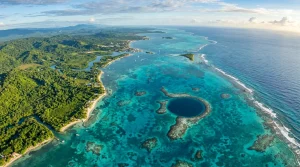
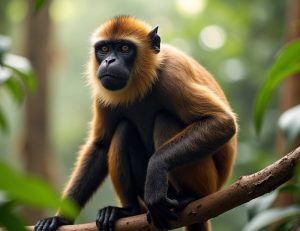
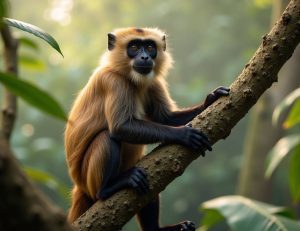
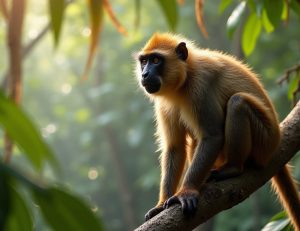
Belize is a hidden gem, where the lush expanse of the Maya Forest teems with remarkable wildlife, from vibrant toucans soaring overhead to elusive jaguars prowling the underbrush. Understanding this natural history is crucial for anyone seeking to appreciate the rich biodiversity that defines Belize. With countless species at risk, a closer look at these ecosystems not only informs your travel experience but also connects you to vital conservation efforts. As you journey through the verdant landscapes and hear the calls of the wild, you’ll discover that every encounter with Belize’s wildlife reinforces why preserving these habitats is so important. Dive deeper into the captivating world of Belize’s wildlife and uncover stories that inspire curiosity and ignite a sense of responsibility towards the environment.
A Glimpse into Belize’s Ecosystem Wonders
The vibrant ecosystems of Belize are nothing short of a natural wonder, where rich biodiversity and unique habitats come together to create a sanctuary for wildlife. The Maya Forest, a critical part of this ecological tapestry, is home to an astonishing variety of flora and fauna that captivates the imagination of every visitor. This thick rainforest not only shelters many unique species but also plays a crucial role in the overall health of the planet by acting as a carbon sink and a source of clean water.
Within the Maya Forest, adventure awaits on every trail, with opportunities to encounter some of the most fascinating wildlife on Earth. From the stealthy jaguar prowling through the underbrush to colorful toucans flitting overhead, the forest is alive with sights and sounds that speak to the beauty of nature. The network of rivers and wetlands in this region creates an ideal habitat for numerous bird species, while the towering trees and dense shrubs provide shelter for monkeys, snakes, and countless insects. Engaging with this biodiversity is not just about ticking off species from a list; it’s an invitation to immerse yourself in a living ecosystem.
As you delve deeper into Belize’s ecosystem wonders, you might pay a visit to the Belize Zoo-a pivotal conservation site that not only showcases the country’s wildlife but also educates the public about the importance of protecting these natural treasures. Here, you can learn firsthand about ongoing conservation efforts aimed at preserving Belize’s unique species and habitats.
Travelers keen on experiencing this ecological paradise should remember to pack binoculars for birdwatching, prepare for unexpected encounters, and, most importantly, respect the delicate balance of this environment. Through responsible tourism and a commitment to conservation, everyone can play a part in ensuring that the lush ecosystems of Belize continue to thrive for generations to come.
Exploring the Rich Biodiversity of the Maya Forest
Venture into the heart of the Maya Forest, and you’ll find yourself immersed in an extraordinary array of life that pulsates with energy and diversity. This sprawling, verdant expanse is not just a rainforest; it is an intricate web of ecosystems that together form one of the richest biodiversity hotspots in Central America. Home to an impressive variety of flora and fauna, the Maya Forest offers unparalleled opportunities for exploration and discovery, making it a must-visit for any nature enthusiast or traveler seeking adventure.
As you wander through the dense foliage, keep your eyes peeled for some of the forest’s most iconic inhabitants. The elusive jaguar, a symbol of strength and resilience, quietly stalks its territory, while the playful howler monkeys announce their presence with resonant calls echoing through the canopy. Diverse bird species, including the vibrant scarlet macaw and the majestic king vulture, color the skies above, creating a constant backdrop of movement and sound. This unique environment provides critical habitats, where everything from towering hardwoods to delicate orchids thrive, showcasing nature’s incredible adaptability and resilience.
Exploration of the Maya Forest is not limited to casual observation; it presents myriad activities that enrich your understanding of this lush ecosystem. Guided eco-tours by local conservationists can profoundly enhance your experience, providing insights into the symbiotic relationships among species and the vital importance of preserving this delicate environment. A common recommendation is to engage in birdwatching at dawn when the biodiversity is at its peak, and the air is filled with a cacophony of bird calls. This is also an excellent time to spot active wildlife; keeping binoculars handy can lead to sightings of rare species that would otherwise go unnoticed.
Beyond sheer observation, being in the Maya Forest is an invitation to connect with its deeper stories. Engage with local communities who have lived in harmony with the land for generations and learn about traditional practices that emphasize sustainability and respect for nature. These interactions enrich your adventure and help support the local culture. As you traverse this green wonderland, remember that every step in the Maya Forest is a step into a living, breathing ecosystem. Embrace the experience with respect and awe, and you’ll leave with not just memories but a genuine appreciation for one of the world’s most vibrant habitats.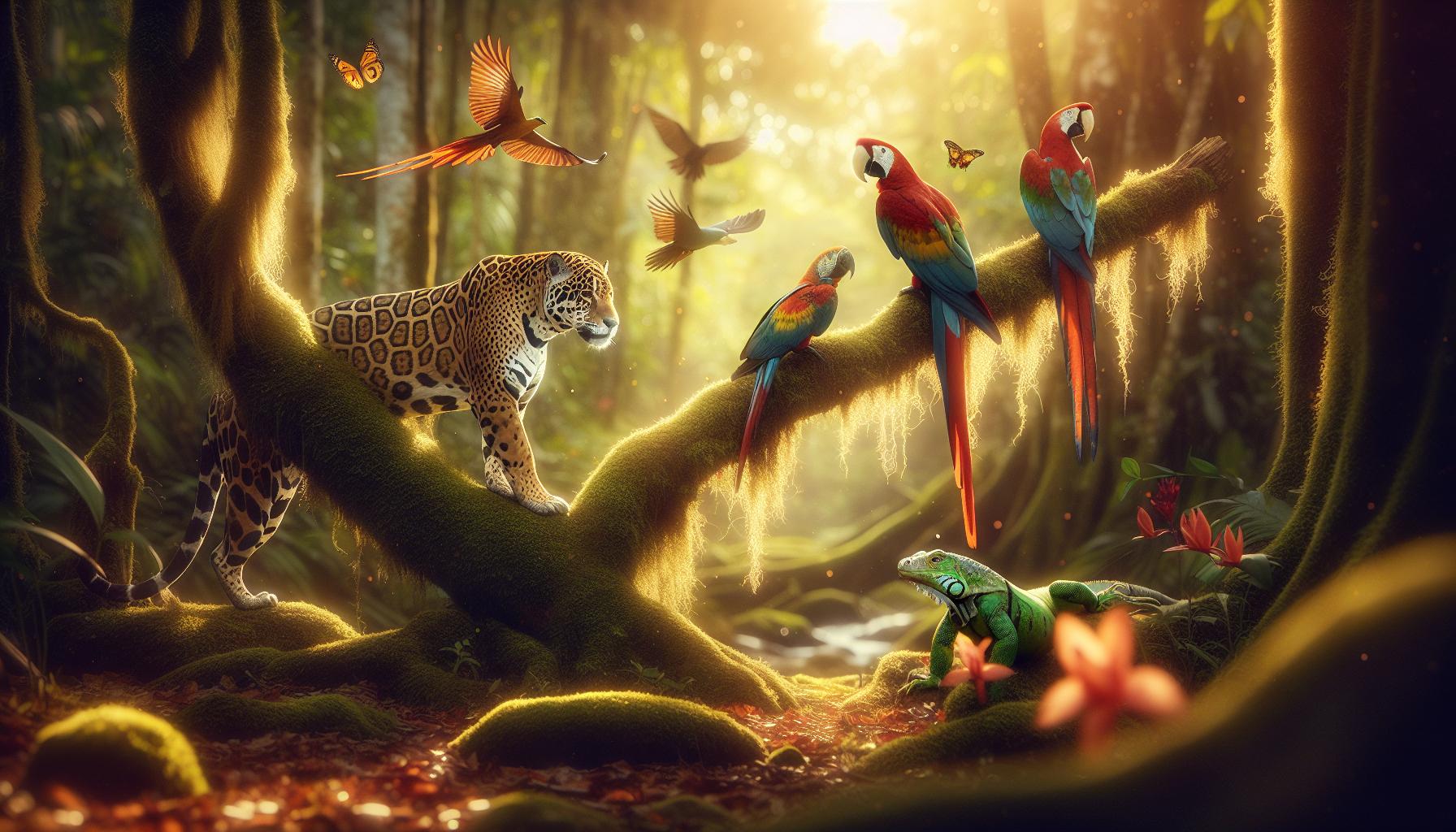
Top Wildlife Species in Belize: What to Spot
As you journey deeper into the lush expanses of the Maya Forest, your senses heighten with the thrill of discovery, where each rustle in the underbrush could signal the presence of Belize’s remarkable wildlife. This enchanting region is home to an impressive array of species, many of which are found nowhere else on earth. If you’re a wildlife enthusiast, prepare yourself for encounters with some of the most iconic animals that rove these verdant landscapes.
Among the most sought-after sights is the magnificent jaguar, a master of camouflage that stealthily prowls the jungle. Spotting this elusive cat is considered a treasure among wildlife watchers. Accompanying the jaguar are the playful howler monkeys, whose distinctive calls resonate through the canopy, adding a vibrant soundtrack to your adventure. The air is often filled with vibrant birds, including the striking scarlet macaw with its vivid plumage and the majestic harpy eagle, known for its impressive wingspan and powerful presence.
Must-See Wildlife Species
- Ocelots: Smaller than their jaguar cousins, ocelots are nocturnal hunters easily recognized by their striking coat patterns.
- Tapirs: Often described as living fossils, these gentle herbivores roam the forest, playing a critical role in seed dispersal.
- Agoutis: These small rodents can often be seen foraging for seeds and fruits on the forest floor, contributing to the ecosystem’s health.
- Green Iguanas: Commonly spotted basking in the sun, these reptiles are not only beautiful but also vital for maintaining the ecological balance.
- Birds: The Maya Forest is a birdwatcher’s paradise, hosting hundreds of species, including toucans, orioles, and the elusive king vulture.
Each wildlife encounter is an opportunity to appreciate the intricate web of life that sustains the Maya Forest. When venturing out, remember to remain quiet and patient; using binoculars can enhance your chances of spotting these incredible creatures in their natural habitat. Engaging with local guides can also enrich your experience, as their expert knowledge often reveals hidden gems that might otherwise go unnoticed.
Not only does Belize’s wildlife captivate the imagination, but it also highlights the importance of conserving these species and their habitats for future generations. As you explore, be mindful that each sighting is part of a larger narrative that underscores the delicate balance of this ecosystem. Embrace the wonder of these encounters, and you’ll undoubtedly leave with memories that will linger long after your footsteps have faded from the forest floor.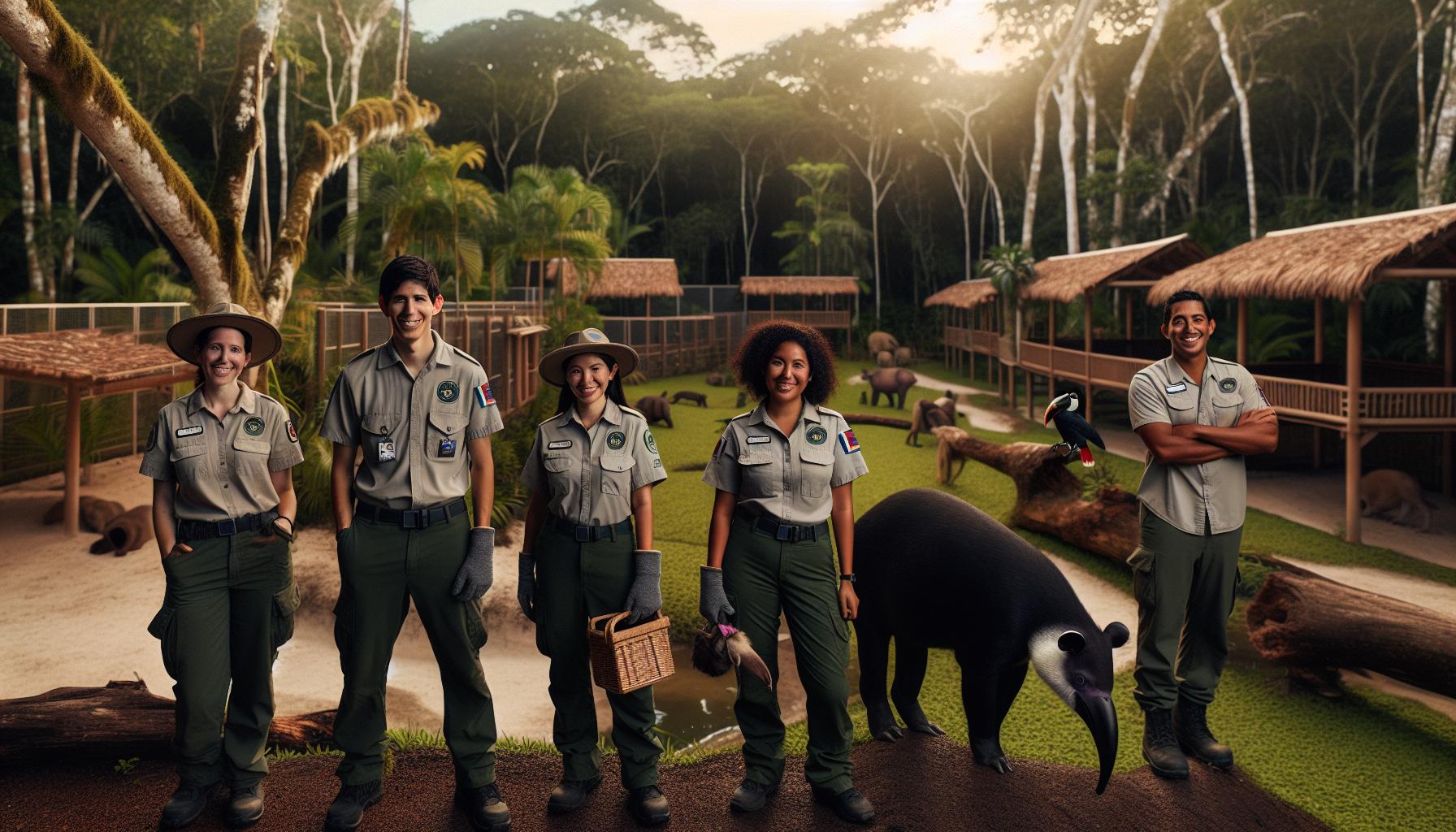
The Role of the Belize Zoo in Conservation Efforts
The Belize Zoo stands as a beacon of wildlife conservation and education in Central America, harmoniously blending the allure of its natural surroundings with vital efforts to protect local species. This unique institution, founded in 1983, was originally established as a shelter for rehabilitating orphaned and injured wildlife. Since then, it has evolved into a sanctuary for over 125 animals, representing more than 48 species native to Belize. It is particularly renowned for housing indigenous species such as jaguars, howler monkeys, and toucans, providing visitors with close encounters that instill a deep appreciation for the region’s biodiversity.
Visitors to the Belize Zoo will find themselves immersed in an experience that goes beyond mere observation. With its focus on education, the zoo offers guided tours and interactive programs that emphasize the importance of conservation. Knowledgeable staff share their insights about the challenges faced by wildlife in Belize, including habitat destruction, poaching, and the impacts of climate change. By fostering a connection between visitors and the animals, the zoo plays a pivotal role in raising awareness and promoting sustainable practices among locals and tourists alike.
In addition to its role as an educational hub, the Belize Zoo collaborates with various organizations to support ongoing conservation efforts. These partnerships extend to field research, reforestation projects, and the rehabilitation of endangered species. The zoo’s commitment to wildlife rescue is evident in its Rescue and Rehabilitation Program, which focuses on caring for animals that have been displaced or harmed by human activities. Through these initiatives, the zoo not only safeguards individual species but also works towards preserving the delicate ecosystems that support them.
For travelers seeking to enrich their experience in Belize, a visit to the zoo is invaluable. It allows for meaningful interactions with wildlife while supporting conservation efforts that benefit the entire region. This engaging environment captivates both young adventurers and seasoned nature enthusiasts, making the Belize Zoo a cornerstone of Belize’s commitment to wildlife preservation and a vital stop within the lush tapestry of the Maya Forest. Embrace this opportunity to learn and contribute to the future of Belize’s remarkable wildlife, ensuring that these enchanting species remain a vibrant part of our world.
Unique Habitats Found in the Maya Forest
In the heart of Belize, the Maya Forest serves as a vibrant tapestry of diverse habitats, each supporting a distinct array of wildlife and vegetation. This expansive region, part of the Mesoamerican Biological Corridor, covers over 1.5 million acres and is home to some of the most biodiverse ecosystems on the planet. From dense tropical rainforests to hidden wetlands, the variations in terrain and climate create unique environments teeming with life, making it a paradise for nature lovers and adventurers alike.
One of the most striking habitats found within the Maya Forest is the tropical rainforest, characterized by towering trees, thick canopies, and a rich understory. This lush environment boasts countless species of flora and fauna, including iconic birds like the Keel-billed Toucan and the Resplendent Quetzal, not to mention mammals such as jaguars and howler monkeys that play a crucial role in maintaining the forest’s ecosystem. Walking trails winding through this wild beauty allow visitors to immerse themselves in the sounds and sights of the forest, often leading to breathtaking waterfalls and ancient Maya ruins hidden among the trees.
Equally fascinating are the seasonal wetlands that dot the landscape, providing critical habitats for migrating birds and other wildlife. These wetlands flood during the rainy season, creating a dynamic environment that supports various species, including the endangered Jabiru Stork and the mesmerizing Roseate Spoonbill. Birdwatchers and photographers will find these areas particularly rewarding; the diversity of birdlife is astounding, and the reflections of colorful flora against the water’s surface provide stunning visual opportunities.
Beyond these primary habitats, the Maya Forest also features savannas and montane ecosystems that offer a different slice of biodiversity. Savannas provide open spaces where grasses dominate, attracting herds of deer and a variety of smaller mammals, which in turn feed larger predators. The montane areas, often cloaked in mist, host unique flora adapted to the cooler climate and high altitude, offering a stark contrast to the lowland forests and a habitat for endemic species found nowhere else.
To truly appreciate the rich tapestry of life in the Maya Forest, travelers should consider guided eco-tours that delve into the intricacies of these habitats. Knowledgeable guides can enhance the experience by sharing their expertise on the ecological relationships between the flora and fauna, showcasing how the preservation of these unique environments is essential for maintaining Belize’s biodiversity. Whether you’re trekking through the dense rainforest or observing wildlife in the wetlands, the Maya Forest is a captivating reminder of the natural wonders that thrive in Belize, inviting exploration and respect for its breathtaking ecosystems.
Understanding Migratory Patterns of Belizean Birds
The skies above Belize are alive with the breathtaking spectacle of migratory birds, transforming the landscape into a vibrant canvas painted with fluttering feathers and animated calls. As seasonal rhythms dictate their journeys, these avian travelers navigate from far-flung corners of North America, where they escape harsh winters, to the lush warmth of Belize’s Maya Forest. This migration not only offers a fantastic opportunity for birdwatchers and nature enthusiasts but also plays a vital role in the health of local ecosystems.
Throughout spring and fall, a diverse array of migratory species can be spotted. Many birds, such as the Black-throated Green Warbler and the Magnolia Warbler, make pit stops in Belize during their long migrations. Birdwatchers will revel in the chance to observe these unique species, often against the backdrop of stunning forested landscapes. Key areas for birding include the extensive wetlands and coastal regions, where you might also catch a glimpse of waders like the Roseate Spoonbill and the majestic Wood Stork.
Peak Migration Periods
Knowing when these migrations occur can heighten your wildlife-watching experience. Typically, the spring migration peaks around March through May and then again in the fall from September to November. During these months, local birding hotspots such as Crooked Tree Wildlife Sanctuary and Half Moon Caye buzz with activity, making them prime locations for capturing the vibrant diversity of migratory bird life.
Birding Tips for Enthusiasts
For those eager to immerse themselves in birdwatching, consider these practical tips:
- Timing is Key: Early mornings and late afternoons are when birds are most active, so plan your outings around these times.
- Bring Binoculars: A good pair of binoculars will enhance your ability to spot birds in the lush foliage.
- Stay Quiet: Birds are sensitive to noise, so keep your voice down and your movements gentle to avoid startling them.
- Join a Guided Tour: Local guides provide invaluable insights into the species you may encounter and can lead you to the best spots.
The migratory patterns of Belize’s birds are not just a mirror of seasonal changes; they are a testament to the interconnectedness of ecosystems across great distances. By understanding and appreciating these patterns, visitors can deepen their love for Belize’s rich biodiversity while contributing to its conservation efforts. With a little effort and patience, the remarkable symphony of migration will unfold, offering unforgettable moments in the heart of this Central American paradise.
Essential Tips for Wildlife Watching in Belize
Belize’s wildlife is not just a breathtaking scene; it’s an experience waiting to unfold for anyone willing to immerse themselves in the rich tapestry of nature. With over 600 species of birds, countless mammals, reptiles, and diverse marine life, exploring the wilds of Belize is a thrilling adventure for both novice and seasoned wildlife enthusiasts. But to truly appreciate and connect with this spectacular environment, there are essential tips that can enhance your wildlife-watching experience.
Timing is crucial in wildlife observation, particularly in the lush and vibrant Maya Forest. Early morning and late afternoon not only cast magical light for photography but are also peak activity times for many animals. It’s common to hear the captivating calls of howler monkeys at dawn or spot a jaguar lazing in the late afternoon sun. Planning your outings around these hours will maximize your chances of encountering critters in action.
Having the right gear can make all the difference. A pair of binoculars or a camera with a good zoom lens are invaluable tools for observing wildlife from a respectful distance. Ensure that your gear is lightweight and easy to carry, especially if you’re hiking through the forest. Additionally, don’t forget to pack sunscreen, insect repellent, and plenty of water. The tropical climate can be humid, and staying hydrated is key to enjoying your adventures.
Joining a guided tour can significantly enhance your experience. Local guides possess a wealth of knowledge about Belize’s ecosystems and the species that inhabit them. They know the best spots to find wildlife, share intriguing stories about local flora and fauna, and can provide context that deepens your understanding of the delicate balance of this ecosystem. Whether it’s locating a perched toucan or identifying tracks on the jungle floor, their expertise offers an enriching dimension to your exploration.
Lastly, maintaining a respectful distance from wildlife is paramount. Observing animals in their natural habitat requires patience and a commitment to minimizing your impact. Keep noise to a minimum, avoid sudden movements, and never feed animals. This ensures that both you and future visitors will be able to enjoy Belize’s magnificent wildlife for generations to come. By following these essential tips, you’ll not only have a fulfilling wildlife-watching experience but will also become an advocate for the preservation of Belize’s extraordinary natural heritage.
Impact of Climate Change on Belize’s Wildlife
In the heart of Belize, the lush, sprawling Maya Forest serves as a vibrant sanctuary for countless wildlife species, but this precious ecosystem faces formidable challenges due to climate change. As temperatures rise and precipitation patterns shift, the delicate balance that supports the rich biodiversity of Belize is increasingly threatened. For instance, the changes in rainfall can have dire consequences for the unique flora and fauna that depend on specific environmental conditions, from the majestic jaguars to the colorful toucans.
The impact of climate change is woven into the fabric of everyday life in the Maya Forest. The increasing frequency of extreme weather events, such as hurricanes and droughts, disrupts habitats and food sources for wildlife. Species like the Baird’s tapir, Belize’s national animal, are particularly vulnerable; their survival hinges on a stable and diverse forest environment, which is now under siege. The alteration of migratory patterns for many bird species is another unsettling trend, as they struggle to adapt to the changing landscape that affects their food availability and nesting sites.
To combat these challenges, local communities and conservationists are embarking on initiatives aimed at fostering resilience in wildlife populations. This includes reforestation efforts and the protection of critical habitats that serve as safe havens for species navigating the effects of climate change. In addition, educational programs are empowering local communities to adopt sustainable practices that minimize environmental impact, ensuring that both wildlife and the natural world they inhabit have a future.
Visitors can play a crucial role in supporting these conservation efforts. By engaging in responsible ecotourism, travelers can contribute funds that directly aid in these initiatives, helping to protect Belize’s remarkable biodiversity for generations to come. Indeed, every step taken in this beautiful landscape is not just a journey through a natural wonder but also a commitment to preserving its marvels against the backdrop of a changing climate.
Exploring Belize’s National Parks: A Wildlife Haven
In the heart of Belize lies an intricate network of national parks that serves as a sanctuary for its diverse wildlife. These parks, ranging from lush jungles to vibrant marine reserves, provide critical habitats for a myriad of species, making them vital for both conservation and ecotourism. Visiting these protected areas is more than just sightseeing; it’s an opportunity to immerse yourself in the breathtaking ecosystems that define this Central American gem.
Among the most notable parks is Cockscomb Basin Wildlife Sanctuary, the world’s first jaguar reserve. This expansive area of tropical forest is home to not only jaguars but also pumas, tapirs, and hundreds of species of birds. Adventurous visitors can explore numerous hiking trails, where each bend reveals a new marvel-be it a vibrant toucan or a hidden waterfall. Alternatively, Bacalar Chico National Park offers an entirely different experience, showcasing the rich marine biodiversity of Belize. Here, snorkelers and divers can encounter colorful coral reefs teeming with life, providing a striking contrast to the jungle settings.
For travelers seeking practical information, guided tours are highly recommended for a more enriching experience. Local guides offer invaluable insights into the flora and fauna, ensuring you don’t miss out on witnessing unique species. Additionally, many parks feature eco-lodges that harmoniously blend luxury and sustainability, allowing you to conduct your wildlife-watching adventures while supporting local conservation initiatives.
Wildlife watching in these national parks is best during the early morning or late afternoon when animals are most active. Always bring binoculars and a good camera-memorable moments are just a flicker away, whether it’s a troop of howler monkeys in the treetops or the subtle rustling of a shy peccary in the underbrush. It’s advisable to dress appropriately for the humid climate; lightweight, breathable fabrics and sturdy footwear will keep you comfortable while exploring.
With Belize’s commitment to preserving its natural wonders, including ongoing reforestation and community-driven conservation projects, visitors are encouraged to be responsible travelers. Your presence can help foster awareness and funding for the protection of these precious ecosystems, ensuring that future generations will enjoy the splendor of Belize’s national parks.
The Importance of Indigenous Practices in Conservation
Throughout the verdant jungles of Belize, the harmonious relationship between nature and the indigenous cultures offers a unique blueprint for conservation. The Maya, with their deep-rooted traditions and extensive knowledge of the land, have long practiced methods that safeguard the ecosystem while providing for their communities. This ecological wisdom emphasizes sustainable practices that not only respect the environment but actively enhance biodiversity.
Traditionally, the Maya utilized agroforestry techniques, blending crops with the surrounding forest in a way that promoted both agricultural productivity and forest conservation. By interplanting various species, they maintained the balance of nutrients in the soil and reduced the need for chemical fertilizers. This method, known as shifting cultivation or milpa, allows the land to regenerate and supports a plethora of wildlife, from birds to insects, that thrive within these managed ecosystems.
Success Stories of Indigenous Involvement
One of the most heartening examples of indigenous participation in conservation is the work of the Belizean Maya communities in partnership with organizations focused on preserving the forests. Programs aimed at training local youths in sustainable practices and ecotourism have led to the revitalization of sacred sites and traditional territory, turning them into protected areas that benefit both wildlife and local economies.
Additionally, many indigenous groups are at the forefront of reforestation efforts, actively participating in planting native trees that enhance biodiversity and combat climate change impacts. Their cultural heritage includes an understanding of which species thrive in particular environments, leading to more effective restoration efforts. By engaging with these traditional practices, visitors to Belize can gain a richer understanding of the ecosystems while supporting the communities that depend on them.
Connecting Tradition with Conservation
When traveling through Belize, consider visiting local communities to learn about these indigenous practices firsthand. Engaging with local guides who are deeply knowledgeable about the land can provide insights that enhance your wildlife-watching experiences. Participating in ceremonies or traditional activities can also foster a deeper respect for the intricate relationship that exists between the people and the natural world in Belize.
Volunteering for community projects can further contribute to conservation efforts while allowing travelers to forge authentic connections. Whether it’s helping with tree planting or supporting local artisans who prioritize sustainable materials, each action can have a positive ripple effect on both conservation and cultural preservation in this stunning Central American paradise.
Belize’s Ecotourism: Experiences with Local Wildlife
The lush landscapes of Belize offer a treasure trove of eco-tourism experiences, particularly for wildlife enthusiasts eager to immerse themselves in the remarkable biodiversity of the Maya Forest. From glistening waterfalls to dense jungle trails, each step in this verdant paradise can lead to breathtaking encounters with its inhabitants. Picture yourself slowly gliding along a river, spotting a troop of playful howler monkeys swinging through the trees or a majestic jaguar resting in the dappled sunlight-these moments are just a fraction of what awaits adventurers in this extraordinary locale.
Participating in local eco-tourism initiatives not only enhances your experience but also supports conservation efforts that resonate deeply with the community. Many eco-lodges and tour operators work closely with the indigenous Maya communities, ensuring that a portion of your spending goes directly towards preserving the fragile ecosystems and empowering local economies. Engaging in guided wildlife tours, you’ll benefit from the invaluable knowledge of local guides who share their insights about the region’s delicate balance of flora and fauna, fostering an appreciation for the natural world that few visitors encounter.
To optimize your wildlife adventures, consider embarking on excursions that cater to specific interests, such as birdwatching or nocturnal wildlife spotting. The breathtaking variety of bird species found in Belize, including the vibrant resplendent quetzal and the sophisticated toucan, makes for a thrilling experience for bird lovers. Guided tours often include early morning outings for optimal bird activity, ensuring that each birdwatching session is not just educational but also exhilarating. Don’t forget to bring your binoculars and a good camera to document the wonders you encounter!
Moreover, visiting conservation programs, such as those featured in the Belize Zoo, allows you to witness firsthand the efforts being made to protect endangered species. Such interactions not only provide a deeper understanding of Belize’s wildlife but also inspire a commitment to supporting these vital conservation initiatives. By choosing eco-friendly activities and supporting local businesses, travelers can help secure a brighter, more sustainable future for the wildlife and communities that call Belize home. Each excursion into this breathtaking wilderness contributes to a larger narrative of conservation, making your travels meaningful in ways you might not have expected.
Photographic Journeys: Capturing Belize’s Animal Life
The Maya Forest in Belize is not only a haven for diverse wildlife but also a spectacular backdrop for capturing nature’s wonders through photography. With its rich tapestry of flora and fauna, photographers have the opportunity to frame breathtaking shots of everything from majestic jaguars to rare tropical birds. Ensuring you have the right approach and equipment can greatly enhance your photographic journey in this vibrant ecosystem.
To make the most of your wildlife photography experience, consider these practical tips:
- Timing Is Everything: Early mornings or late afternoons are prime times for wildlife activity. The soft light during these hours also yields stunning images with warm hues and clear contrasts.
- Patience and Stealth: Many of Belize’s animals can be shy. Move quietly and remain at a distance to avoid startling them. Long lenses (200mm and up) are great for capturing detailed shots without disturbing wildlife.
- Research Your Subjects: Before heading out, familiarize yourself with the species you hope to photograph. Understanding their habits can improve your chances of a successful encounter.
- Join Guided Tours: Local guides are invaluable. They possess knowledge about the best spots and times for sightings, and their expertise can lead you directly to the most photogenic locations.
- Respect Wildlife and Habitats: Always prioritize ethical practices by respecting natural behaviors and habitats. Maintain a safe distance and refrain from using flash photography, which can be startling to the animals.
The magnificent landscapes of the Maya Forest offer diverse settings-from lush jungles to tranquil rivers-perfectly framing your wildlife subjects. Keep an eye out for iconic species such as the resplendent quetzal, known for its iridescent feathers, or the elusive tapir, which often wanders the forest floor. The vibrant colors of Belize’s bird life provide endless opportunities for dynamic and striking photographs. Investing in a good pair of binoculars will allow you to spot these creatures from afar while you prepare your camera settings.
Ultimately, the key to capturing Belize’s unique animal life lies in immersing yourself in the experience. Each photo taken reflects not just the beauty of this Central American paradise but also the delicate balance of its ecosystem. Through your lens, you can share the awe-inspiring stories of Belizean wildlife with the world, encouraging a deeper appreciation for conservation efforts and the natural wonders that await in the heart of the Maya Forest.
Frequently Asked Questions
Q: What types of wildlife can I expect to see in the Maya Forest of Belize?
A: In the Maya Forest, you can see diverse species including jaguars, howler monkeys, iguanas, and a variety of bird species like the scarlet macaw. This rich ecosystem is also home to unique reptiles and many migratory birds, making it a haven for wildlife enthusiasts.
Q: When is the best time for wildlife watching in the Maya Forest?
A: The best time for wildlife watching in the Maya Forest is during the dry season, from November to April. During these months, animals are more active and visible as they search for food and water, making sightings more frequent and accessible.
Q: How does climate change impact wildlife in Belize’s Maya Forest?
A: Climate change affects the Maya Forest through altered rainfall patterns, which can disrupt breeding cycles and food availability for flora and fauna. Additionally, rising temperatures could lead to habitat loss for various species, threatening biodiversity in this fragile ecosystem.
Q: Why is the Belize Zoo important for wildlife conservation in the Maya Forest?
A: The Belize Zoo plays a crucial role in wildlife conservation by providing a sanctuary for rehabilitated animals and educating the public on local species. Its focus on native animals helps raise awareness about their ecological significance and the need for conservation efforts.
Q: Where can I find unique habitats within the Maya Forest?
A: Unique habitats in the Maya Forest include wetland areas, limestone hills, and pine forests, each supporting distinct wildlife populations. These environments provide crucial resources and shelter for numerous species, such as birds, mammals, and reptiles.
Q: How can I participate in ecotourism activities related to wildlife in Belize?
A: You can engage in ecotourism activities such as guided wildlife tours, birdwatching trips, and volunteering for conservation projects in the Maya Forest. Look for tour operators that promote sustainable practices to enhance your experience while supporting local conservation efforts.
Q: What are some tips for photographing wildlife in Belize’s Maya Forest?
A: For effective wildlife photography in the Maya Forest, use a telephoto lens to capture distant animals and be patient to get the perfect shot. Visit early in the morning or late in the afternoon when animals are most active, and respect their space by minimizing noise.
Q: What role do indigenous practices play in wildlife conservation in Belize?
A: Indigenous practices are vital to wildlife conservation as they often include traditional approaches that sustain biodiversity. Many indigenous communities in Belize actively participate in conservation efforts, using their knowledge of the land and resources to protect habitats and species effectively.
Concluding Remarks
As you embark on your journey through the mesmerizing Maya Forest of Belize, remember that each encounter with its wildlife brings you closer to the vibrant tapestry of nature’s wonders. Don’t miss exploring more about Belize’s captivating destinations-from the breathtaking Great Blue Hole to the rich cultural experiences found in its festivals and cuisines. Dive deeper into our detailed guides on accommodation options ranging from eco-friendly jungle lodges to charming beachfront resorts, ensuring your stay is as unforgettable as the landscapes surrounding you.
Ready to take the next step in your adventure? Sign up for our newsletter for insider tips, exclusive offers, and to stay updated on everything Belize has to offer. Your expedition into the heart of the Maya Forest awaits, complete with lush biodiversity and vibrant culture. Join the conversation by sharing your thoughts and experiences in the comments below, and explore related articles on eco-tourism and wildlife conservation as you continue to uncover the treasures of Belize.
Get our latest guides, news, and insights highlighted in your Google Search & AI Overviews.