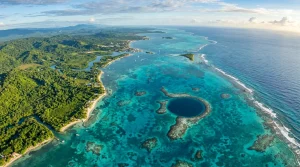
Belize is not only renowned for its breathtaking Barrier Reef and stunning natural landscapes but also for its incredible marine life, including the majestic whales that grace its waters. Are you wondering when and where you can spot these magnificent creatures during your visit? Understanding Belize’s whale-watching season and the best tours to embark on can elevate your travel experience to a whole new level. Whether you’re a marine enthusiast or simply seeking a unique adventure, knowing the ins and outs of whale watching in Belize will help you create unforgettable memories. Dive into this guide and discover the best times, locations, and tours for witnessing these incredible animals in their natural habitat, all while immersing yourself in the rich cultural tapestry of this beautiful Central American gem.
Are There Whales in Belize? Understanding the Ecosystem
Belize, a treasure trove of biodiversity nestled between the Caribbean Sea and lush jungles, serves as a crucial habitat for various whale species. Among the most notable are the majestic humpback whales, which migrate through the waters off Belize each year. During their breeding season, typically from December to April, these giants of the ocean can be seen in the warm, nutrient-rich waters along the barrier reef and the surrounding marine reserves. This migration aligns perfectly with Belize’s dry season, offering visitors an incredible opportunity to witness these magnificent creatures in action.
The ecosystem surrounding Belize’s coastal waters is vital for sustaining whale populations. The Belize Barrier Reef, a UNESCO World Heritage site, serves not only as a breeding ground for marine life but also as a framework for a thriving ecosystem that includes dolphins, manatees, and a myriad of fish species. The health of this ecosystem directly impacts the whales, providing them with plentiful food sources such as small fish and crustaceans. Conservation efforts in this region are imperative, helping to monitor whale populations, protect their migratory routes, and safeguard their habitats against threats such as overfishing and pollution.
Moreover, the rich marine biodiversity attracts numerous eco-tourists eager to experience whale watching firsthand. Local tour operators play a significant role in promoting sustainable practices while educating visitors about these gentle giants and the integral part they play in marine health. By joining a whale watching tour, adventurers not only engage in an unforgettable experience but also contribute to the conservation of Belize’s unique marine ecosystem. As you immerse yourself in the beauty of Belize, remember that the survival of these magnificent whales hinges on mindful tourism and conservation efforts, ensuring that future generations can marvel at their grace and grandeur.
The Fascinating Whale Species Found in Belize

In the azure waters of Belize, the sight of whales gliding gracefully is nothing short of enchanting. The diverse marine environment is home to several whale species, with the most notable being the humpback whale. These magnificent creatures, often exceeding 40 feet in length, migrate to Belize’s warm waters from their feeding grounds in the colder northern seas. Their migration typically occurs from December to April, coinciding with Belize’s dry season, which makes this the prime time for enthusiastic whale watchers.
Beyond humpback whales, the waters off Belize are also frequented by other intriguing species. The minke whale, known for its smaller size compared to its humpback counterpart, can occasionally be spotted, lending diversity to the experience. Additionally, the sperm whale, famed for its deep-diving capabilities and distinct block-shaped head, may be seen in Belizean waters, especially during specific migratory periods. Although less common, sightings of orcas and pilot whales have also been reported, demonstrating the rich tapestry of marine life that thrives here.
The immense beauty of Belize’s oceanic habitats supports these whale populations by providing abundant food sources, including schools of fish and crustaceans. The surrounding coral reefs and marine reserves not only serve as nesting grounds but also play a vital role in nutrient cycling, essential for sustaining the entire marine ecosystem. The health of Belize’s waters is crucial-what benefits the whales ultimately enhances the quality of the entire marine life, making it an exciting destination for both casual adventurers and dedicated eco-tourists eager to witness these gentle giants.
Venturing out on a whale-watching tour is an incredible opportunity to understand and appreciate these magnificent creatures and their environment. The chance to hear the haunting songs of humpbacks reverberating through the water is an experience that lingers in the memory, reminding us of the interconnectedness of life in the Caribbean Sea. As you plan your journey, embrace the adventure to discover not just whales, but the breathtaking splendor of Belize’s rich natural heritage.
Unveiling the Best Time for Whale Watching

In the mesmerizing waters of Belize, timing is everything for those eager to witness majestic whales in their natural habitat. The most opportune moment for whale watching unfolds between December and April, as migratory humpback whales journey from the feeding grounds of colder northern seas to the warmer, inviting waters of this Caribbean paradise. This period coincides with Belize’s dry season, characterized by clear skies and calmer seas, providing ideal conditions for spotting these gentle giants.
As the months progress, each phase of the whale watching season offers a unique experience. December marks the arrival of humpbacks, with excitement brewing as the first sightings are reported. January and February ramp up the action, with these whales often seen breaching, tail-slapping, and even engaging in courtship displays. By March, the population peaks, making sightings almost guaranteed. The season begins to wind down in April, but opportunities to see not just humpbacks, but also lesser-known species like minke and sperm whales, can still be encountered.
Planning your whale watching adventure requires some strategic thinking. To maximize your experience, consider heading out on weekdays when tours tend to be less crowded. Early morning excursions often yield the best results, as whales are more active during this time. Local tour operators frequently share tips about optimal locations and best practices for viewing, ensuring a respectful encounter with these magnificent creatures while contributing to eco-tourism efforts that prioritize conservation.
By synchronizing your travel plans with the whale migration timeline, you will not only increase your chances of an unforgettable sighting but also immerse yourself in the beauty of Belize’s vibrant marine ecosystem. This enchanting experience offers an opportunity to connect with nature, witness the splendor of marine life, and appreciate the delicate balance of the Caribbean’s aquatic environment.
Top Whale Watching Tours in Belize to Experience

In the stunning aquatic landscape of Belize, a variety of thrilling whale watching tours await for those eager to experience the majesty of humpback whales and other marine life. Local operators offer unforgettable excursions that combine adventure, comfort, and education, ensuring that every encounter with these gentle giants is memorable. Each tour provides a unique perspective on Belize’s rich marine biodiversity while respecting the delicate ecosystems these creatures inhabit.
Many tours begin in the charming coastal towns of San Pedro and Placencia, where knowledgeable guides lead you through the mesmerizing waters of the Belize Barrier Reef. One standout experience is the Humpback Whale Watching Tour offered by Splash Dive Center. This tour-nuanced expedition not only brings you close to these magnificent creatures but also provides context about their migratory patterns and habits, making it an educational journey as well.
Another popular choice is the Belize Eco-Adventure Tours, which offers all-day excursions that include snorkeling at some of Belize’s most vibrant reefs, providing a comprehensive view of marine life alongside whale watching. This tour includes visits to protected areas like the Hol Chan Marine Reserve, ensuring that your experience supports conservation efforts while maximizing your chances of sighting whales and dolphins.
Beyond specific tours, many operators also provide private charter options for a more personalized experience. These charters allow you the flexibility to explore areas known for whale sightings based on current conditions, making them ideal for experienced wildlife watchers looking to avoid the crowds.
Booking your whale watching tour in advance is recommended, especially during peak season from December to April. With increasing interest in eco-tourism, spaces can fill up quickly. Consider researching operators online or checking traveler reviews to find those highly recommended for their ethical practices and commitment to conservation.
Taking a whale watching tour in Belize is not just about the thrill of seeing these amazing mammals; it’s also an immersive experience in one of the world’s most biodiverse ecosystems. Whether you’re an avid nature lover or a curious traveler, these tours provide an opportunity to connect with the natural world in a breathtaking setting.
Where to Find the Best Whale Watching Spots

In the shimmering waters of Belize, opportunities for whale watching are as diverse as the marine life itself. While the majestic humpback whale is the star of the show, several locations around the coastline provide optimal viewing conditions, each offering a unique glimpse into the underwater spectacle that unfolds in this breathtaking Caribbean paradise.
The coastal town of San Pedro, situated on Ambergris Caye, serves as an excellent launch point for whale watching excursions. This vibrant town is not only known for its lively atmosphere but also for its proximity to the Belize Barrier Reef, a UNESCO World Heritage site. During the peak whale watching season from December to April, operators run numerous tours that navigate the tranquil waters around the reef, increasing chances of spotting humpbacks as they migrate through these rich feeding grounds.
Placencia, another gem on the southern coast, offers breathtaking views and equally exhilarating whale viewing experiences. Its calm waters and picturesque beaches provide an idyllic backdrop for whale watching tours. Here, local tour operators take keen-eyed adventurers out to sea, where they can catch sight of not only humpbacks but also dolphins and the occasional manatee. The close-knit community often shares stories and sightings to help visitors discover the best times and places for a remarkable encounter.
For those seeking a more secluded experience, the Southern Barrier Reef near Laughing Bird Caye is a hidden treasure. This remote area is less frequented by tourists, providing a peaceful haven for marine life. With its crystal-clear waters and thriving ecosystem, it’s an ideal place for keen observers to spot whales during their seasonal migration as they traverse between feeding and breeding grounds. Local guides are invaluable here, offering insights into the unique characteristics of this vibrant area while boosting your chances of a memorable sighting.
Investing time to explore different whale watching spots not only heightens the likelihood of witnessing these magnificent creatures but also enriches your overall experience in Belize. By choosing an operator with excellent local knowledge and small group sizes, you can contribute to responsible tourism and marine conservation efforts, ensuring that the wonders of Belize’s underwater world are preserved for future generations. Whether you’re on a bustling boat from San Pedro or enjoying the tranquility of a private charter from Placencia, the thrill of encountering humpback whales in their natural habitat is an adventure that will linger long in your memory.
Essential Tips for a Memorable Whale Watching Experience
In the mesmerizing waters off the coast of Belize, engaging in whale watching is an adventure that melds excitement with serene beauty. To ensure you have an unforgettable experience while respecting the incredible marine life, consider these essential tips when planning your whale watching tour.
First and foremost, the right timing is key. The peak season for spotting humpback whales in Belize typically runs from December to April, when these majestic creatures migrate through the waters. By aligning your trip with this schedule, you significantly increase your chances of a sighting. However, don’t just restrict yourself to peak hours; early morning tours often provide calmer waters and better visibility.
When choosing a tour operator, opt for those that prioritize small group sizes. Not only does this enhance your experience with personalized attention, but it also allows for a more intimate encounter with the whales, minimizing stress on the animals. Look for operators committed to responsible wildlife practices, such as following established guidelines for distance and behavior around whales, which helps protect these magnificent creatures during your observations.
Dress comfortably for the occasion. Lightweight, quick-drying clothing paired with a good pair of sunglasses and a wide-brimmed hat can shield you from the sun while keeping you cool. Don’t forget to wear sunscreen. A light sweater may also be advisable for early morning or late afternoon trips when temperatures can drop. And as a safety precaution, bring a waterproof bag for your belongings to protect them from splashes.
Lastly, keep your expectations realistic. Though the thrill of spotting a whale can be exhilarating, every tour is unique, and marine wildlife viewing can be unpredictable. Bring a camera with a good zoom lens, but remember to take a moment to immerse yourself in the experience beyond the lens. Whether it’s the sight of a whale’s magnificent tail as it dives or the sounds of nature surrounding you, these moments will deepen your appreciation for the remarkable beauty of Belize’s oceanic realm.
Arming yourself with these tips will not only prepare you for a successful whale watching adventure but also enhance your overall enjoyment of Belize’s splendid marine environment. Savor every moment, respect the wildlife, and revel in the thrill of observing these giants of the sea in their natural habitat!
What to Expect on a Whale Watching Tour
Imagine the thrill as your boat glides through the turquoise waters of the Caribbean, anticipation electrifying the air. As you embark on a whale watching tour in Belize, you can expect an exhilarating blend of adventure, education, and breathtaking encounters with some of nature’s most magnificent creatures. From the moment you step aboard, the excitement builds-as does the potential for awe-inspiring interactions with whales.
During the tour, knowledgeable guides will share insights about the local marine ecosystem, focusing on the incredible humpback whales that migrate through these waters. You’ll learn about their behavior, feeding habits, and conservation efforts aimed at protecting these majestic animals. Most operators prioritize small group sizes to ensure a more personalized experience, allowing you to connect with both the guides and fellow participants while minimizing the impact on wildlife.
On the water, your senses will be fully engaged. The sound of the waves lapping against the boat, the salty sea breeze, and the stunning coastal views all contribute to an immersive experience. As you scan the horizon, the thrill builds-will you catch a glimpse of a tail fluke or hear the distant, haunting songs of the whales as they communicate? The spectacle unfolds in a beautiful dance of nature, reminding you of the magic that exists just beneath the surface.
While the main aim of the tour is to spot whales, don’t be surprised if you also encounter a wide variety of other marine life, including dolphins, rays, and sea turtles, enhancing the experience further. Be prepared to celebrate every moment, whether it’s the joy of spotting a whale breaching or simply soaking in the serenity of Belize’s stunning waters. Each tour creates a unique tapestry of experiences that connects you to the rich biodiversity of this Central American paradise, reminding you of the importance of protecting these wondrous creatures for future generations.
Respectful Wildlife Watching: Best Practices
As you prepare for the astonishing adventure of whale watching in Belize, embracing a respectful approach to wildlife observation is paramount. The serene waters of the Caribbean are home to not only majestic humpback whales but also a rich tapestry of marine life. Understanding and following best practices helps ensure these creatures thrive while you enjoy unforgettable moments encountering them.
Maintaining a safe distance is one of the most crucial guidelines. Boats should remain at least 100 yards away from whales to avoid causing them stress or altering their natural behavior. Many responsible tour operators adhere to these guidelines and can provide insights into the local regulations, promoting sustainable and ethical whale watching. Travelers are encouraged to listen to their guides and observe quietly, allowing the whales to behave naturally without interruption.
It’s also imperative to minimize noise pollution during your excursions. While the excitement of spotting a whale can be exhilarating, loud voices or sudden movements can disturb marine life. Instead, consider refraining from shouting or causing a ruckus, as the soothing sounds of the sea can enhance the experience. Embrace the stillness, listen to the waves, and allow the spectacle of nature to unfold.
Lastly, consider the broader impact of your visit. Engaging in eco-friendly practices like reducing plastic use, opting for biodegradable products, and supporting local conservation efforts can significantly contribute to protecting Belize’s marine ecosystems. By choosing reputable tour operators committed to conservation and respect for marine life, you not only enrich your experience but also play a part in preserving this paradise for generations to come.
Combining Whale Watching with Other Belize Experiences
The thrill of spotting a majestic humpback whale breaching the surface of the Caribbean Sea is an experience that many travelers treasure. However, the beauty of Belize extends beyond the azure waters and its remarkable marine life; it invites visitors to enrich their journey by weaving together various adventures and cultural experiences that showcase the heart and soul of this vibrant country.
After a morning spent observing whales, consider diving into the breathtaking depths of the Great Blue Hole, a UNESCO World Heritage site renowned for its astonishing underwater geological formations and diverse marine species. You can embark on a guided snorkeling or diving tour that presents not only the chance to swim alongside colorful fish but also to marvel at the stunning coral reefs that thrive in these pristine waters. If you’re looking for a more relaxed experience, spend some time lounging on the sandy beaches of Ambergris Caye, where you can unwind as the sun sets over the horizon.
Embrace the rich cultural tapestry of Belize by exploring the ancient Maya ruins, such as Lamanai or Xunantunich. A day trip to these archaeological sites can be a fantastic way to connect with the history and traditions of the land, offering a striking contrast to the wildness of whale watching. Guided tours often include a boat ride along the Monkey River, where you can spot local wildlife like howler monkeys and exotic birds, making for a delightful eco-adventure.
For a true taste of Belizean culture, head to a local Garifuna village, where you can experience traditional music, dance, and delicious cuisine. Participate in a cooking class to learn about staple ingredients like cassava and plantains, and savor freshly prepared dishes that reflect the island’s rich culinary heritage. Afterward, relax to the rhythm of live drums in an evening dance session, fostering a deeper appreciation for the unique culture that thrives in Belize.
By blending exhilarating whale watching with these diverse activities, you not only create memorable experiences but also gain a fuller understanding of what makes Belize an extraordinary destination. From oceanic escapades to cultural immersions, the beauty of this Central American gem lies in its ability to captivate the heart and soul, beckoning adventure-seekers to explore its wonders.
The Role of Conservation in Belize’s Whale Population
The majestic waters surrounding Belize serve as a vital habitat for whale populations, particularly during the migration seasons. Humpback whales, known for their acrobatic displays and haunting songs, traverse these Caribbean waters, seeking safe breeding grounds and abundant food sources. However, their presence is intricately tied to robust conservation efforts aimed at preserving their natural environment. These measures are essential not only for maintaining the whale population but also for ensuring the health of the overall marine ecosystem.
Efforts in Belize are focused on sustainable tourism practices, which play a key role in protecting marine life while allowing visitors to experience the breathtaking beauty of whale watching. Local organizations and government bodies work together to monitor whale populations and educate tourists on responsible viewing practices. For instance, boat operators are encouraged to follow strict guidelines to minimize disturbances during breeding and calving seasons. This includes maintaining safe distances, reducing boat speeds, and avoiding repetitive circuits around feeding whales, thus promoting a respectful approach that prioritizes animal welfare.
Moreover, Belize’s designation as a protected marine area has led to the establishment of marine reserves where fishing is regulated, and habitat restoration initiatives are implemented. These efforts not only benefit the whales but also support biodiversity, as healthy habitats are crucial for countless marine species. Tourists can engage with these conservation initiatives by joining eco-friendly tours that contribute a portion of their proceeds toward local conservation projects. Such experiences not only enrich their travel but also empower them to partake in preserving Belize’s remarkable underwater world.
Engaging in whale conservation also opens avenues for community involvement, as local fishermen and tour operators collaborate to protect the waters they depend on. Through education and outreach programs, communities are urged to participate actively in safeguarding their natural heritage, fostering a sense of stewardship among residents and visitors alike. As you prepare for your thrilling whale watching adventure in Belize, remember that your visit supports these vital conservation efforts, ensuring that future generations can also marvel at the grace and power of the whales that call these waters home.
Reviews of the Most Popular Whale Watching Operators
The thrill of witnessing majestic humpback whales breaching and diving in the azure waters of Belize is a once-in-a-lifetime experience that many travel enthusiasts seek. Several operators offer whale watching tours that cater to various preferences, providing not only the chance to see these gentle giants but also ensuring responsible and respectful interactions with marine wildlife. Here’s a look at some of the most popular whale watching operators in Belize, known for their expertise and commitment to conservation.
Top Whale Watching Operators
- Belize Whale Watching Tours – Renowned for their knowledgeable guides, this operator prioritizes educational experiences. They provide comprehensive information on whale behavior and ecology while ensuring that distances are maintained to safeguard the whales during their breeding season.
- Oceanic Discovery – This company combines whale watching with snorkeling adventures, taking visitors to spots where marine biodiversity flourishes. Their eco-friendly practices make them a top choice for those passionate about conservation, as a portion of the proceeds supports local marine initiatives.
- Ambergris Caye Tours – Catering primarily to visitors on Ambergris Caye, these tours are praised for their small group sizes, allowing for a more personal and intimate encounter with the whales. They emphasize sustainable practices, which is crucial for the preservation of local marine life.
- Blue Waters Adventures – With a fleet of well-equipped boats and experienced crew, Blue Waters Adventures offers half-day and full-day whale watching excursions. Their focus on safety and respect for wildlife makes them a family favorite. They also offer flexibility in scheduling, accommodating varying levels of interest and physical readiness.
What sets these operators apart is their commitment to not just providing an unforgettable experience but also engaging in conservation practices that protect the very ecosystems that visitors come to admire. Tourists can expect a mix of excitement, education, and the beauty of Belize’s marine biodiversity when they choose reputable operators who share a passion for whale conservation. Whether you are an adventure seeker or a nature lover, these tours promise to create lasting memories while fostering respect for the environment.
As you plan your whale watching adventure, be sure to check operator reviews and look for those that highlight ethical practices. Engaging with knowledgeable guides not only enriches your experience but also supports the ongoing efforts to protect these incredible whales and their habitats.
Frequently Asked Questions About Whale Watching in Belize
Imagine the exhilarating sight of a humpback whale breaching against the backdrop of Belize’s stunning blue waters. For many travelers, this dream becomes a reality during whale watching tours that offer both adventure and education. As you plan your perfect whale watching experience, it’s only natural to have questions. Here’s a guide to clarify some of the most frequently asked questions about embarking on such an unforgettable journey in Belize.
One commonly posed question is: When is the best time for whale watching in Belize? Generally, the peak season for spotting humpback whales is from March to June, particularly during their breeding period. During these months, you can often see females with calves swimming close to the surface, offering great visibility for eager onlookers. Another great time is during the end of the year, from late November to early December, when whales migrate through the region.
What should I bring on a whale watching tour? Equip yourself with essentials like sunglasses with UV protection, sunscreen, and a camera with a zoom lens to capture those breathtaking moments. If you tend to get seasick, consider taking medication before you board the vessel. Also, don’t forget to bring a light jacket, as the ocean breeze can get chilly while you’re out at sea.
You might also wonder about how long these tours typically last. Most whale watching excursions last between 2 to 5 hours, depending on the operator and the specific tour package. Some operators offer all-day experiences that may combine whale watching with snorkeling or other marine activities, providing an all-encompassing adventure on the water.
Finally, consider the impact of your tour choice on the local ecosystem. Many operators are committed to sustainable practices, ensuring that their tours do not disturb the marine life. Engaging with a responsible tour company can enhance your experience, allowing you to enjoy the beauty of Belize’s waters while supporting conservation efforts. By choosing wisely, you contribute to preserving the very environment that makes these memories possible.
With these insights, you can embark on your Belizean whale watching adventure with excitement and knowledge, ready to witness the remarkable marine life that calls these vibrant waters home.
Faq
Q: What types of whales can be seen in Belize?
A: Belize is home to several species of whales, including the majestic humpback whale, which migrates through the area, and the lesser-seen sperm whale. These species can often be spotted during their migratory season, providing thrilling viewing opportunities for whale watchers.
Q: When is the best time for whale watching in Belize?
A: The prime whale watching season in Belize typically runs from December to April. During these months, humpback whales migrate through the warm waters, making it an ideal time for enthusiasts to spot these magnificent creatures.
Q: Where are the best whale watching locations in Belize?
A: Some of the best locations for whale watching in Belize include the waters around Ambergris Caye and the Belize Barrier Reef. These areas are not only beautiful but also serve as excellent vantage points for observing whale behaviors.
Q: How can I book a whale watching tour in Belize?
A: Booking a whale watching tour in Belize can be done online or through local tour operators on-site. It’s advisable to read reviews and compare prices to ensure a memorable experience. Many tours can be booked through accommodations or travel agencies.
Q: Are there any special considerations for whale watching in Belize?
A: Yes, it’s important to respect wildlife regulations when whale watching. Keep a safe distance from the whales, avoid making loud noises, and follow guidelines set by your tour operator to ensure both your safety and the well-being of the whales.
Q: Is whale watching in Belize suitable for families with children?
A: Absolutely! Whale watching is a family-friendly activity. Just ensure the tour you choose accommodates children and follows safety practices. Many operators offer informative sessions that can be educational and fun for kids.
Q: What should I bring on a whale watching tour in Belize?
A: For a successful whale watching tour, bring sunscreen, a hat, binoculars, and a camera for capturing unforgettable moments. Also, be sure to wear comfortable clothing suitable for a boat ride.
Q: Can I combine whale watching with other activities in Belize?
A: Yes, many tours allow you to combine whale watching with other activities such as snorkeling or diving around the Belize Barrier Reef. This way, you can experience both the marine wildlife and the vibrant underwater ecosystem of Belize.
Key Takeaways
As you plan your unforgettable adventure, remember that Belize offers not just an incredible whale watching experience, but a treasure trove of vibrant culture and breathtaking landscapes waiting to be explored. Don’t miss out on discovering the mysteries of the Great Blue Hole, the charm of the lush jungle lodges, and the rhythms of Garifuna music. Book your whale watching tour now and immerse yourself in the vibrant marine life that makes Belize a truly unique destination.
While you’re here, be sure to check out our guides on the best family resorts and budget-friendly accommodations to make the most of your stay. Want to dive deeper into Belize’s culinary scene? Explore our articles on Creole cuisine and annual festivals to enrich your travel experience. Join our community-leave a comment, share your thoughts, or ask questions! Your next adventure in Belize awaits, filled with awe, discovery, and the thrill of the ocean. Visit our site, sign up for our newsletter, and stay connected for more exciting travel insights!
Get our latest guides, news, and insights highlighted in your Google Search & AI Overviews.