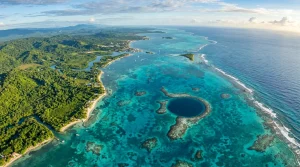
As you dream of sun-soaked days on Belize’s stunning Caribbean beaches, you might encounter a pressing concern: the seaweed problem plaguing many coastal destinations. Whether you’re a sun-seeker, an adventurer at heart, or contemplating a beach getaway, understanding how seaweed affects beach conditions is essential for planning your perfect escape. Beloved for its azure waters and vibrant marine life, Belize can still offer a beautiful experience despite seasonal seaweed influxes. In this article, we’ll delve into the current beach conditions, providing you with the insights you need to navigate your travel plans confidently. Get ready to discover how to enjoy Belize’s natural beauty while staying informed about the realities of beach life on this stunning coastline!
The Current State of Seaweed in Belize’s Beaches
As visitors stroll along the stunning Belizean coastline, they are often captivated by the sun-kissed beaches and vibrant turquoise waters. However, in recent years, reports of excessive seaweed accumulation have become a recurring theme in discussions about the state of the beaches. The presence of sargassum, a type of brown seaweed, has surged dramatically, impacting the once-pristine shores that draw tourists from around the globe. This phenomenon has generated significant interest and concern, leading many to question the current state of seaweed on Belize’s beaches.
The invasion of sargassum is not merely an aesthetic issue; it poses serious challenges to the ecology of marine environments and the local tourism industry. Large swathes of the seaweed can blanket beaches, creating unsightly landscapes and potentially releasing unpleasant odors as they decompose. This not only impacts swimmers and sunbathers but also affects the livelihoods of local businesses that depend on beach tourism. While natural events can exacerbate the spread of seaweed, experts attribute much of the problem to climate change, nutrient run-off from agricultural practices, and ocean currents. Understanding these dynamics is crucial for both locals and visitors as they navigate the realities of beach conditions in Belize.
To address these challenges, local governments and communities have engaged in various initiatives aimed at managing sargassum accumulation. Beach clean-up efforts, educational programs, and protective measures are being implemented to mitigate the seawater’s effects, fostering a sense of community responsibility. As tourists, engaging with these efforts can enhance your experience and support local initiatives. Participating in clean-up events not only aids the environment but also deepens the visitor connection to Belize’s rich cultural and natural heritage.
Overall, while seaweed issues on Belize’s beaches present undeniable challenges, they also highlight the resilience and proactive spirit of the local community. With continued efforts to manage this issue, Belize’s beaches can remain inviting, ensuring that their stunning beauty and vibrant culture endure for generations to come.
Understanding the Causes of Seaweed Invasions
As the sun gleams off Belize’s turquoise waters and the gentle waves lap against its sandy shores, there lies an uninvited guest disrupting the idyllic scene: sargassum, a type of brown seaweed. This phenomenon has been sweeping across the Caribbean beaches, prompting a deeper exploration into what causes these seasonal invasions. Understanding the factors behind these events is essential for locals and travelers alike, ensuring that the coastlines of Belize can continue to enchant future visitors.
The surge of sargassum is often linked to a combination of environmental and anthropogenic factors. Climate change plays a pivotal role, altering ocean temperatures and currents, which creates favorable conditions for sargassum blooms. Warmer waters not only expand the potential habitat for this resilient seaweed, but also encourage its rapid growth. Furthermore, changes in rainfall patterns can affect runoff-another significant contributor. Nutrient runoff from agriculture, particularly nitrogen and phosphorus, is a natural fertilizer for sargassum, fueling its proliferation as nutrients are swept into coastal waters.
It’s not just climatic influences at play; ocean currents also significantly impact the movement of sargassum. The North Atlantic subtropical gyre, for instance, carries sargassum from its origins in the Sargasso Sea to coastal waters around Belize. The convergence of these currents with local conditions creates perfect storm scenarios for seaweed accumulation along the beaches. Each contributing factor creates a complex web of interactions that renders Belizean coasts vulnerable to sargassum invasions, particularly during the warmer months.
In response to this escalating issue, it becomes vital for travelers and locals to stay aware of current conditions and practice responsible tourism. Engaging in local cleanup initiatives and supporting environmentally-friendly practices can make a difference in combating the challenges posed by seaweed in Belizean waters. As we delve into the natural beauty and rich cultural tapestry of this Central American gem, fostering awareness and synergy with nature can ensure these breathtaking beaches remain a treasured haven for generations to come.
Impact of Seaweed on Belize’s Tourism Industry
The allure of Belize’s pristine beaches, rich marine life, and vibrant culture draws travelers from around the globe, but the recent surge of sargassum seaweed has emerged as a significant challenge for its tourism industry. This uninvited guest can blanket coastlines, affecting not only the visual appeal of the sandy shores but also the overall experience that tourists anticipate when visiting this tropical paradise. The presence of sargassum can frustrate beachgoers and impact activities like swimming, snorkeling, and diving, which are cornerstones of Belize’s appeal.
For local businesses, the implications can be profound. Hotels and resorts that rely heavily on beach access may notice a decrease in bookings during peak seaweed seasons, particularly between May and October when sargassum is most prevalent. This can lead to financial strain for small businesses that are pivotal to the local economy. Tour operators, too, face challenges, as potential visitors may opt for other destinations if they perceive that Belize’s beaches are overwhelmed with seaweed.
Yet, the tourism sector is adapting. Many hotels are investing in regular beach cleanups to maintain their shorelines and improve visitors’ experiences. Some operators are leveraging social media and real-time updates to keep potential guests informed about current beach conditions. They emphasize the diverse attractions that Belize offers beyond the beaches-such as the breathtaking Great Blue Hole, ancient Maya ruins, and lush jungles-encouraging travelers to explore other facets of this stunning destination.
As sargassum continues to pose challenges, it also presents opportunities for innovation and sustainability within the tourism industry. Travelers are increasingly drawn to eco-friendly initiatives and authentic experiences. By highlighting environmental stewardship and community involvement in tackling the seaweed issue, Belize can enhance its appeal to increasingly environmentally-conscious tourists. Whether it’s curating unique experiences or inviting guests to join cleanup efforts, balancing tourism with respect for nature ensures that Belize remains a captivating destination for years to come.
Local Responses to Seaweed Accumulation
Belize’s stunning shoreline, renowned for its crystal-clear waters and vibrant marine biodiversity, now faces the persistent challenge of sargassum seaweed accumulation. In response, local governments, businesses, and communities are stepping up to tackle this issue head-on, transforming challenges into collaborative efforts that reflect the resilience and commitment of the Belizean people.
One of the most crucial measures adopted involves organizing beach clean-up initiatives. Local municipalities partner with non-governmental organizations and community volunteers to regularly clear excess seaweed from popular beaches and tourist hotspots. These clean-up events not only enhance the visual appeal of the beaches but also create a sense of ownership among residents, fostering community pride in preserving Belize’s natural beauty. This grassroots involvement attracts a diverse group of participants, from schoolchildren to eco-conscious travelers eager to make a difference during their visit.
Additionally, several hotels and resorts are taking proactive steps to address seaweed accumulation. Many establishments have invested in equipment and manpower to clear beaches daily, ensuring that guests can still enjoy the sun and surf. In some cases, beachfront properties are introducing innovative landscaping designs that accommodate the seasonal ebb and flow of sargassum, protecting their environments while improving guest experiences. For instance, lounges and picnic areas may be cordoned off for daily cleanings, ensuring that beachgoers can enjoy the waters without interruption.
To keep visitors informed, local tour operators and hotels are harnessing the power of social media. They provide real-time updates on beach conditions, sharing timely advice on the best times to visit specific beaches based on sargassum activity. This proactive communication allows travelers to plan their itineraries effectively, balancing relaxation with adventure, while still enjoying Belize’s rich culture and environmental wonders.
Beyond immediate responses, community-led educational campaigns are underway, aimed at raising awareness of the ecological impacts of sargassum and the importance of keeping beaches clean. Workshops, school programs, and online resources encourage residents and visitors alike to engage in sustainable practices. This holistic approach not only addresses the current seaweed issue but also enhances Belize’s reputation as a responsible and environmentally conscious travel destination.
Together, these local responses create a vibrant tapestry of community engagement and sustainable tourism, ensuring that Belize remains a paradise of natural beauty and cultural richness, even amidst challenges.
Health Concerns Related to Seaweed Bloom
The presence of sargassum seaweed, while an intriguing natural phenomenon, brings with it a host of health concerns that warrant attention, particularly during peak blooming seasons. This vibrant marine plant may contribute to coastal ecosystems but can also pose risks to beach-goers and local communities. Its decomposition process generates hydrogen sulfide gas, which can lead to respiratory issues and irritation of the eyes, skin, and throat when left unchecked. Understanding these potential health effects is essential for those enjoying the breathtaking beauty of Belize’s beaches.
In areas heavily affected by surges of sargassum, it is vital for travelers to exercise caution. The pungent smell from decomposing seaweed can be overwhelming, particularly in shallow waters where it collects. Therefore, staying informed about current beach conditions is crucial. Engaging local social media platforms or beach condition updates can help you navigate when to visit certain areas. Should you encounter excessive heaps of sargassum, it is advisable to refrain from direct contact and swimming to minimize exposure to any harmful effects associated with the rotting vegetation.
To further mitigate health concerns, consider these practical tips while visiting Belize during seaweed blooming:
- Stay Hydrated: Drink plenty of water to keep your body well-hydrated and counteract any potential respiratory irritants in the air.
- Use Sunscreen: Opt for biodegradable sunscreens, as they are less harmful to marine life and ecosystems.
- Wear Protective Gear: When walking along the affected beaches, consider wearing sandals or water shoes to avoid skin irritation from the rough texture of decaying seaweed.
- Avoid Overexertion: If you experience any discomfort, such as shortness of breath or skin irritation, it’s best to seek shade and take a break.
With a blend of stunning scenery and tropical allure, Belize’s coastline remains an alluring destination despite the sargassum challenge. By educating yourself about the s and adopting proactive measures, visitors can fully immerse themselves in Belize’s beauty while safeguarding their well-being. Embrace the spirit of exploration, savor local culture, and discover the richness of life along Belize’s captivating shores!
Best Practices for Enjoying Belize’s Beaches During Seaweed Season
The allure of Belize’s stunning beaches is a treasure for anyone seeking sun, sand, and the warm embrace of the Caribbean waves. However, navigating the beauty during seaweed season, particularly with the notorious sargassum seaweed blooms, requires a bit of savvy and forethought. To fully enjoy your visit while remaining mindful of beach conditions, adopting some best practices can enhance your experience.
Start by immersing yourself in the local knowledge; check local social media channels or websites that provide current beach conditions. Engaging with community updates will help you understand which beaches are most affected and where you can find clearer waters. Popular spots like Ambergris Caye and Caye Caulker often have designated “clean” areas where diligent efforts are made to clear the sargassum. With a bit of research, you can discover hidden gems or pristine stretches of beach that may offer better conditions.
When venturing to the beach, prepare accordingly. Equip yourself with biodegradable sunscreen to protect both your skin and the delicate marine life. Remember to stay hydrated! Bringing a reusable water bottle filled with fresh water is crucial. Additionally, consider wearing protective footwear, like water shoes, as the rough texture of decomposing seaweed can be abrasive. If you notice overwhelming smells or discomfort from the blooms, don’t hesitate to move to a different area or seek shade to cool off.
Lastly, make the most of your beachfront experience by planning alternative activities that allow you to embrace Belize’s rich cultural and natural offerings. Engage in exciting water sports, such as snorkeling the magnificent coral reefs, or dive into the depths of the Great Blue Hole, where vibrant marine life abounds. Schedule visits to local ceviche stands or beachfront cafes to savor the delightful Creole cuisine that reflects Belize’s rich heritage. By balancing beach time with local culture, you can savor every moment of your Belize adventure, creating memories that will linger long after the tides have washed away the seas of sargassum.
How Seaweed Affects Marine Life and Ecosystems
Amidst the vibrant turquoise waters and pristine sandy shores of Belize lies a complex and sometimes problematic relationship with seaweed, particularly the increasing presence of sargassum. While this brown algae is a natural component of marine ecosystems, its excessive blooms can lead to significant shifts in local marine life and habitats. When sargassum washes ashore in large quantities, it not only affects the beauty and accessibility of the beaches but also has profound implications for marine ecosystems.
Sargassum serves as both a habitat and food source for various marine species. For example, it provides refuge for juvenile fish and invertebrates, supporting the biodiversity of the region. However, when large mats of sargassum decompose, they can drastically decrease oxygen levels in the water, creating hypoxic conditions that are detrimental to marine life. Fish, crustaceans, and other aquatic inhabitants may experience stress or even mortality, leading to imbalances in the ecosystem. Additionally, as decomposing seaweed releases nutrients into the water, it can trigger further algal blooms, perpetuating the cycle of imbalance.
The effects of sargassum accumulation extend to the reefs, which are already under threat from climate change and pollution. Coral reefs, essential to Belize’s marine identity, suffer when excessive seaweed competes for space and resources. Corals rely on a delicate balance of nutrient levels, and an increase in organic matter from decomposing sargassum can disrupt these levels, leading to an overgrowth of algae that smothers corals and inhibits their growth.
Recognizing these challenges, Belize has undertaken various initiatives to mitigate the impact of seaweed on marine ecosystems. Local conservation groups and government agencies are exploring sustainable management strategies, including the development of community-led clean-up efforts and educational programs to inform both residents and tourists about the importance of protecting marine habitats. As travelers, engaging with local conservation efforts not only enhances your experience but also supports the preservation of Belize’s unique ecosystems, allowing you to directly contribute to the sustainability of this breathtaking destination. By immersing yourself in this rich marine culture and supporting environmental stewardship, visitors can help ensure that Belize’s waters remain a beautiful and vibrant sanctuary for years to come.
Local Government Initiatives for Beach Clean-Up
The breathtaking beaches of Belize, known for their turquoise waters and soft white sands, face an ongoing challenge with seasonal seaweed blooms, particularly sargassum. To combat the impact of this natural phenomenon, the local government has spearheaded several initiatives aimed at beach clean-up and maintenance, ensuring that both residents and visitors can continue to enjoy the stunning coastal landscapes.
Belize’s government collaborates closely with community organizations and environmental groups to implement effective clean-up strategies. Regular clean-up campaigns are organized, especially during peak seaweed seasons, where volunteers, including locals and tourists, come together to remove accumulated sargassum from the beaches. These initiatives not only improve the aesthetics of the beach but also help protect local marine ecosystems that suffer from sargassum build-up. In some areas, local authorities have even introduced designated collection points for the seaweed, which can then be repurposed as fertilizer or shoreline protection material, showcasing an innovative approach to waste management.
Moreover, education plays a vital role in these initiatives. The government has introduced awareness programs that inform the public about the ecological significance of sargassum, emphasizing both its benefits and challenges. Workshops and community meetings help engage local populations in discussions about sustainable beach practices and the importance of maintaining clean coastal habitats. This educational outreach fosters a sense of responsibility among residents and visitors alike, encouraging proactive participation in preserving the natural beauty of Belize’s shores.
To further enhance these efforts, the government is exploring partnerships with international environmental organizations, aiming to leverage expertise and resources. By adopting research-based strategies and integrating technological advancements, Belize hopes to mitigate the impacts of seaweed blooms more effectively in the future. Travelers to Belize are encouraged to support these ongoing clean-up efforts, not only by engaging in volunteer opportunities but also by practicing responsible tourism, such as minimizing waste and respecting natural habitats. By participating in these local initiatives, visitors contribute to the preservation of Belize’s stunning beaches, ensuring they remain vibrant and inviting for generations to come.
The Role of Community Engagement in Seaweed Management
The vibrant shores of Belize are not just a beautiful backdrop; they are a community lifeline, deeply entwined with the lives of locals and the economy, particularly in relation to seasonal seaweed blooms. The conundrum of sargassum has prompted an inspiring grassroots movement, as residents, local organizations, and visitors come together to tackle this environmental challenge. Community engagement is not merely beneficial; it is essential for creating sustainable practices that address the sargassum influx while preserving the idyllic coastal scenery beloved by many.
In Belizean coastal towns, community involvement puts the “we” in solutions for seaweed management. Local groups coordinate regular beach clean-ups, where neighbors and tourists alike can roll up their sleeves and contribute to the preservation of this tropical paradise. These events create a sense of camaraderie and foster a shared commitment to environmental stewardship. For instance, schools often participate in educational programs that complement clean-up efforts, instilling a sense of responsibility in younger generations about the importance of maintaining their natural surroundings. Engaging the community not only addresses the immediate issue of seaweed but also cultivates a culture of environmental awareness that can lead to long-term strategies against future blooms.
Moreover, local artisans have been known to repurpose collected sargassum into eco-friendly products such as natural fertilizers, offering an innovative solution that provides both economic opportunities and environmental benefits. This creative recycling reinforces the idea that waste can transform into valuable resources, showcasing the ingenuity of Belizeans and their commitment to sustainability. By involving the community in these initiatives, Belize fosters an ecosystem of innovation that can adapt to the ever-changing environment.
Effective community engagement also requires open lines of communication between local residents and government officials. Collaborative platforms are established, enabling citizens to voice concerns and share ideas on managing seaweed while also receiving support from their government. This transparency ensures that strategies are not only community-driven but also governmental-backed, creating a powerful alliance focused on sustainable beach management. By tapping into local knowledge and resources, Belize is paving the way for a more resilient future where the beauty of its beaches can be protected for generations to come.
Traveler Tips for Navigating Seaweed Conditions
When planning your Belize getaway, it’s essential to be prepared for one of nature’s quirks: the occasional blooming of sargassum seaweed, which can occasionally impact beach conditions. While these marine plants are a natural occurrence, understanding how to navigate their presence will enhance your travel experience and ensure your beach time remains enjoyable.
Start by staying informed. Websites and local resources often provide updates on seaweed conditions along the coast. For example, some resorts might even share real-time beach conditions, giving you a heads-up on what to expect during your visit. Whether you’re lounging at the famous Ambergris Caye or exploring the less-traveled sands of Placencia, having this foresight helps you choose when and where to enjoy the sun without the interference of seaweed.
Plan Your Beach Visits
If you’re optimistic about beach time during peak seaweed season, plan your outings around the tides. During low tides, seaweed tends to be less concentrated, uncovering patches of sandy beach perfect for sunbathing and swimming. Consider timing your visits in the early morning or late afternoon to avoid the heat and enjoy quieter shores.
However, if you happen upon a beach that’s heavily impacted, don’t be discouraged. Embrace adventure and seek out lesser-known beach spots or take a leisurely boat ride to nearby islands, like Caye Caulker, renowned for their stunning beauty and often clearer waters.
Engage with Local Communities
Locals can be invaluable sources of advice. Not only are they familiar with the current conditions, but they also welcome visitors to join in community clean-up events. Participating in these initiatives not only helps maintain Belize’s natural beauty but also provides an enriching way to connect with the culture and community. Bonding over shared efforts to protect the environment creates lasting memories and a greater appreciation for the Belizean way of life.
Being adaptable and open to new experiences will not only lead you to stunning landscapes but also help you discover the warm-hearted spirit of Belize. With its beautiful beaches, rich history, and vibrant culture, you’ll find that there’s always something wonderful waiting around the corner, whether or not the seaweed makes an appearance.
Future Outlook: Will Seaweed Issues Persist?
Recent developments indicate that the seaweed situation in Belize might not just be a temporary hurdle but could become a recurring theme in the years to come. As climate change intensifies and global sea temperatures rise, scientists predict more frequent and severe sargassum blooms, directly affecting Belize’s pristine coastlines and tourism appeal. These blooms are often linked to nutrient runoff from agricultural practices, which emphasizes the need for sustainable practices both locally and in neighboring regions that drain into the Caribbean Sea.
Hotels and local businesses are increasingly aware of the potential impact on their livelihoods. Many are investing in proactive measures, such as beach clean-up initiatives and creating diversions to manage the influx of seaweed, ensuring visitors can still enjoy their idyllic surroundings. Additionally, some resorts are adapting their marketing strategies to attract tourists interested in eco-tourism, celebrating Belize’s natural beauty while acknowledging the challenges posed by seaweed. Travelers are encouraged to seek accommodations that prioritize environmental sustainability and support community efforts to combat this issue.
The future of Belize’s beaches depends heavily on local and regional collaboration. Local governments and environmental agencies are actively participating in research and monitoring programs to better understand the causes of these blooms. Engaging communities in educational programs about the effects of pollution and climate change could foster a culture of environmental stewardship, promoting long-term solutions for protecting Belize’s cherished coastlines.
Many believe that through resilience and innovation, Belize can turn this challenge into an opportunity to showcase its commitment to preserving its natural heritage. Visitors can play a role in this journey by supporting businesses that prioritize eco-friendly practices and participating in local conservation efforts, ensuring the marine ecosystems remain vibrant and welcoming for future generations. As awareness grows and action follows, the question remains: can Belize leverage this adversity to champion stronger protections for its stunning marine environments? The answer lies in collective commitment and sustainable action.
Exploring Other Beach Maintenance Challenges in Belize
With its stunning turquoise waters and vibrant marine ecosystems, Belize is a paradise for beach lovers, but the beauty of its coastline faces multifaceted maintenance challenges beyond the current seaweed problems. One of the significant issues is the impact of coastal erosion, which threatens not only the beaches but also the habitats of various species. As waves crash and pull sand back into the sea, the landscapes change, often dramatically during storm seasons, leading to a loss of precious beach area and affecting local tourism.
Moreover, littering and pollution from both local communities and tourists contribute significantly to the deterioration of beach conditions. Despite the breathtaking allure of Belize’s shores, visitors sometimes leave behind waste, which can disrupt the delicate ecosystem. Marine life suffers as plastic and other debris often finds its way into the ocean, posing life-threatening issues to sea turtles and other coastal wildlife. Local initiatives have been launched to tackle waste management problems, offering community workshops to educate residents and tourists about the importance of keeping beaches clean.
Additionally, the balance of eco-systems can be disrupted by unsustainable tourism practices. Overcrowding in popular areas can lead to degradation of the underwater environments, particularly around coral reefs. Tour operators and resorts are now becoming more conscious of their impact, and many are advocating for sustainable tourism practices. They are promoting guided tours that minimize impact on the environment, while also encouraging visitors to respect marine habitats by adhering to strict guidelines regarding interactions with wildlife.
Addressing these issues requires joint efforts from local governments, businesses, and community members. Engaging the local population in beach clean-up activities not only boosts community spirit but also fosters a sense of ownership over these natural resources. Together, promoting environmental stewardship through educational programs and active participation can ensure that Belize’s spectacular beaches continue to capture the hearts of future generations, preserving their beauty amidst the challenges they face.
Faq
Q: What is the current seaweed situation on Belize’s beaches?
A: Belize currently faces a varying seaweed situation, with some beaches experiencing significant accumulation caused by seasonal patterns. Visitors should check local updates before planning beach activities to ensure a pleasant experience.
Q: How does seaweed affect beach conditions in Belize?
A: Seaweed can impact beach aesthetics and swimming enjoyment, often causing unpleasant odors and blocking access to the water. However, it also plays a role in marine ecosystems, serving as habitat for various species.
Q: Are there any health concerns associated with seaweed on Belize’s beaches?
A: While most types of seaweed are not harmful, some blooms can produce toxins or release irritating compounds. It’s advisable to avoid areas with heavy seaweed accumulation, especially if you have allergies or respiratory issues.
Q: What measures are being taken to manage seaweed in Belize?
A: Local governments and communities are actively engaging in clean-up initiatives to manage seaweed accumulation on beaches. These efforts include organized beach clean-ups and the promotion of tourism awareness regarding seaweed conditions.
Q: When is the peak seaweed season in Belize?
A: The peak seaweed season in Belize typically occurs during the warmer months, especially from late spring to early fall. Travelers planning trips during this period should stay informed about the current beach conditions.
Q: How can travelers prepare for seaweed season in Belize?
A: Travelers should check local resources for beach conditions before visiting and consider alternative activities such as diving or exploring inland sites if seaweed presence is high. Staying informed supports enjoyable travel experiences.
Q: What are the long-term impacts of seaweed on Belize’s tourism?
A: While seaweed can deter some beachgoers, local initiatives aim to mitigate its effects. The ongoing management and promotion of less affected areas help sustain tourism, reinforcing Belize’s appeal as a tropical destination.
Q: Where can I find real-time updates about seaweed conditions in Belize?
A: Real-time updates about seaweed conditions can often be found through local tourism websites, social media channels, or community forums. Staying connected to these platforms ensures you can plan your beach visits effectively.
In Retrospect
As we wrap up our exploration of the seaweed situation affecting Belize’s beautiful beaches, it’s clear that staying informed is crucial for making the most of your travel plans. While certain areas may experience fluctuations in beach conditions, countless stunning destinations await you, from the serene shores of Ambergris Caye to the iconic Great Blue Hole for snorkeling adventures. Don’t let the seaweed issue deter you; dive into our detailed guides on the best Belizean destinations and accommodations, whether you’re seeking budget-friendly hostels or luxurious overwater bungalows [[2]].
Take the first step in planning your unforgettable Belize experience! For the latest updates, don’t forget to bookmark our page and consider subscribing to our newsletter for handy tips and exclusive insights on everything from local cuisine to eco-friendly excursions [[3]]. Join the conversation by sharing your thoughts or experiences in the comments below-you might find your perfect getaway nestled in the vibrant culture and stunning landscapes that Belize offers. The adventure awaits; let’s discover it together!
Get our latest guides, news, and insights highlighted in your Google Search & AI Overviews.