Belize is a tropical paradise renowned for its stunning landscapes and biodiversity, but it also comes with its fair share of insect life. Understanding “How Bad Are the Bugs in Belize?” is essential for anyone planning a trip or considering a longer stay. From the moment you set foot on its sun-kissed shores, the buzzing of mosquitoes and the rustle of ants may catch your attention. While these creatures are a natural part of this vibrant ecosystem, they can also pose challenges to your comfort and well-being. In this guide, we’ll explore the types of insects you might encounter, the potential risks they pose, and the best protection strategies to ensure your adventures in Belize remain enjoyable and bug-free. Let’s dive into the fascinating world of Belizean insects and equip you with the knowledge to protect yourself while you enjoy all that this beautiful country has to offer.
How Dangerous Are Bugs in Belize?

When envisioning a tropical getaway, one might romanticize the vivid landscapes and rich cultures of Belize, blissfully unaware of the accompanying buzzing and biting residents-its bugs. While not all insects are menacing, some can present risks to unwary travelers. In general, the most dangerous bugs in Belize are known for transmitting diseases rather than causing outright harm. For example, mosquitoes are notorious carriers of diseases such as dengue fever and Zika virus. Ticks and sandflies also pose potential threats, making understanding the insect landscape essential for any traveler.
Navigating the great outdoors in Belize is a thrilling adventure filled with breathtaking natural beauty, but it’s crucial to remain informed about the potentially harmful insects that thrive here. Being cautious goes a long way toward enjoying your trip. Adequate preparation and intervention can significantly mitigate the risks associated with insects. Eye-catching tropical surroundings and diverse wildlife are enchanting, yet travelers should be aware of the health implications that come with them. With the right knowledge and preventive measures, you can revel in Belize’s stunning wonders without worrying about an insect encounter turning your adventure sour.
Common Insect Species Found in Belize
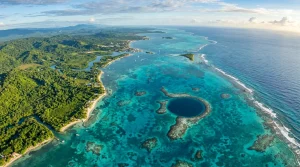
In the lush jungles and vibrant coastal areas of Belize, insects play a significant role in the ecosystem, but not all are as friendly as they appear. Travelers must be aware of various common insect species that can potentially disrupt their idyllic getaway. Start silently fluttering around the water’s edge, and you might encounter the infamous mosquito. These tiny nuisances are prevalent, especially during the rainy season, and are notorious carriers of diseases such as dengue fever and Zika virus. Keeping your repellents handy is essential for navigating these areas, particularly when you’re soaking in the breathtaking beauty of the Great Blue Hole or hiking near ancient Maya ruins.
In addition to mosquitoes, enthusiasts of wildlife and outdoor exploration may come across sandflies, also known as no-see-ums, which thrive in coastal regions and can pack quite a bite. The irritation from their bites often extends beyond the initial discomfort, leading to itching and inflammation that can last long after the encounter. For those wandering into the wilderness, the presence of ticks is something to watch for, especially in areas with tall grass and dense undergrowth. Ticks can latch onto unsuspecting hikers and potentially transmit diseases like Lyme disease.
Ants also have their presence felt on the forest floor, particularly the fire ant, whose painful bites can disrupt a peaceful picnic. These ants are notorious for their aggressive behavior, so if you stumble upon a mound, it’s best to steer clear. Furthermore, nature lovers should be on the lookout for the vibrant yet pesky beetles and the occasional wasp, agile creatures that can spoil your outdoor enjoyment if not approached with caution.
Belize also hosts a variety of dazzling butterflies and other beneficial insects that are not only harmless but essential to pollination and maintaining the ecological balance. These colorful creatures, such as the Blue Morpho, are truly a sight to behold and serve as reminders of the country’s rich diversity. By being aware of these common insect species, travelers can prepare themselves adequately for their Belizean adventure, ensuring that their encounters with nature remain delightful and memorable rather than distressing.
Protective Measures for Travelers in Belize
Amid the stunning landscapes of Belize, from the serene Caribbean beaches to the ancient Maya ruins nestled in the jungle, lies a vibrant ecosystem teeming with life-including insects, some of which can pose challenges to travelers. Understanding how to protect oneself against these common nuisances helps ensure that your adventure remains enjoyable and memorable.
One of the most effective protective measures is to arm yourself with an effective insect repellent. Opt for products containing DEET, picaridin, or oil of lemon eucalyptus, applying it to any exposed skin prior to embarking on hiking or beach excursions. Additionally, wearing lightweight, long-sleeved clothing in light colors can deter insect bites and provide a barrier against annoying encounters. Fabrics treated with permethrin are particularly useful, as they offer added protection against not only mosquitoes but also ticks and other biting insects.
When planning your outdoor activities, timing can be everything. Mosquito activity peaks during dusk and dawn, so consider scheduling hikes or explorations during the mid-afternoon to minimize exposure. In areas known for high insect populations, bringing along a portable insect net can create a bug-free zone when relaxing at your campsite or while dining outdoors. Covering food, using screened-in tents, and maintaining cleanliness around dining areas can further reduce the attraction of pesky insects.
Finally, keeping informed about the local insect population can be an invaluable tool. Researching prior to your trip about specific areas known for higher concentrations of sandflies or ticks can prepare you for potential encounters and allow you to make strategic planning decisions, ensuring your explorations of Belize’s natural beauty remain joyous rather than a battle against bugs. These proactive steps can transform your experience, allowing you to fully embrace the breathtaking scenery and rich culture that Belize has to offer.
Insect-borne Diseases: What to Watch For

Exploring the lush landscapes of Belize is a delight, but travelers should be mindful of the potential risks posed by insect-borne diseases. Belize’s tropical climate serves as a perfect habitat for various vectors, particularly mosquitoes, which are known carriers of diseases like dengue fever, Zika virus, and chikungunya. Understanding these risks is key to enjoying your adventure without unwanted health concerns.
Dengue fever, transmitted by the Aedes mosquito, manifests with symptoms such as high fever, severe headaches, joint pain, and rash. It’s crucial to note that this disease can escalate to a more severe form known as dengue hemorrhagic fever, which can be life-threatening. Additionally, the Zika virus, also carried by Aedes mosquitoes, is particularly concerning for pregnant travelers due to the risk of birth defects. Symptoms are generally mild but can include fever, rash, conjunctivitis, and muscle pain. Meanwhile, chikungunya leads to debilitating joint pain alongside fever and fatigue, affecting your ability to fully engage in the outdoor activities that make Belize so enchanting.
To safeguard against these diseases, travelers should take proactive measures. Stay informed on local health advisories before your trip, as the prevalence of these diseases can vary seasonally. Incorporating effective repellents containing DEET or picaridin into your routine, especially during peak mosquito activity hours at dawn and dusk, is vital. Additionally, wearing long-sleeved shirts and pants, and utilizing mosquito nets while sleeping, both indoors and outdoors, can significantly reduce your risk of bites.
It’s also wise to carry a personal first-aid kit that includes remedies for common symptoms like fever and pain. Alongside preparedness, keeping yourself informed about the community’s efforts to control mosquito populations can be beneficial. Many local accommodations and tour operators prioritize safety by providing mosquito control measures, further enhancing the health standards for visitors. By embracing these strategies, you can immerse yourself in the breathtaking ecosystems of Belize, from its bioluminescent waters to vibrant rainforest jungles, with peace of mind and confidence.
Best Time to Visit Belize for Bug Avoidance

The allure of Belize’s sun-kissed beaches and dense jungles may entice you to visit any time of year, but if you’re keen on minimizing your encounters with bothersome bugs, timing your trip can make all the difference. Generally, the months of December to April are considered the peak season for visitors, not just for the pleasant weather, but also for relatively lower insect activity.
During the dry season, from late winter to spring, the humidity dips, rendering conditions less favorable for mosquitoes and other insects. The months of July through October often see an increase in rainfall, creating the perfect breeding grounds for mosquitoes and other pests. Therefore, planning your visit just before or after this rainy period can enhance your experience, allowing you to enjoy the breathtaking sights like the Great Blue Hole or ancient Maya ruins with fewer bug-related distractions.
When considering your travel plans, keep in mind that early mornings and evenings tend to be peak times for insect activity, particularly in tropical environments. Scheduling outdoor adventures like snorkeling or hiking during the well-lit hours of late morning can help you dodge the worst of the bugs. This means more time to immerse yourself in Belize’s stunning ecosystems without frequent interruptions from pesky mosquitoes.
In summary, while Belize is a haven of natural beauty, being smart about your timing can significantly enhance your enjoyment. By selecting your travel dates wisely and taking precautions to avoid the rainy season, you can experience this Central American gem with a sense of adventure and the confidence of knowing you’re prepared for whatever nature throws your way.
Natural Remedies for Bug Repellent in Belize
Embracing the natural beauty of Belize is a thrilling adventure, but the tropical setting also brings a host of bugs eager to join the party. Mosquitoes, sand flies, and other insects thrive in the lush landscapes, so finding effective ways to repel them is essential. Luckily, nature offers a treasure trove of remedies that not only protect you from bites but also enhance your overall experience.
One of the most popular natural repellents in Belize is coconut oil, renowned for its moisturizing properties and its ability to deter bugs. To make your own repellent, mix coconut oil with essential oils known for their insect-repelling capabilities, such as lemongrass, tea tree, or lavender. This mixture can be applied to exposed skin, providing both a pleasant aroma and a barrier against pesky insects. Similarly, citronella oil, derived from lemon grass, is a beloved choice. Not only does it keep bugs at bay, but its fresh scent can also evoke tropical vibes as you relax in the open air.
Creating a bug-repelling environment doesn’t end with topical solutions. Consider bringing along herbs and plants that repel insects. For instance, rosemary, basil, and mint can deter mosquitoes and can often be found in local markets or grown in small pots. Simply crushing the leaves and rubbing them on your skin can provide an added layer of protection while also giving off a refreshing scent.
Finally, being mindful of your surroundings can significantly boost these natural remedies. Wear light-colored clothing to reduce attraction to insects, which are often drawn to dark colors. Additionally, try to avoid heavily scented lotions or perfumes that may attract insects. By combining these natural solutions with smart outdoor practices, you can fully enjoy Belize’s stunning landscapes-whether you’re exploring Mayan ruins, snorkeling in the Great Blue Hole, or simply lounging on a pristine beach-without the worry of unwanted insect encounters.
Essential Gear for Insect Protection
Exploring the vibrant jungles and serene beaches of Belize invites adventurers to delight in its rich biodiversity, but with that beauty comes the unavoidable presence of insects. To protect yourself from the buzzing and biting critters of this tropical paradise, certain essential gear can make all the difference between enjoying the natural wonders of Belize and retreating indoors.
Start with insect repellent containing DEET or picaridin, as these are proven effective against a variety of biting insects, including mosquitoes and sand flies. Consider travelers’ favorites like sprays or lotions that can easily fit into your backpack. For further protection, look for clothing labeled as “insect-repellent” which is treated with permethrin-this fabric technology can repel insects through multiple washings and is perfect for outdoor activities.
Must-Have Gear for Your Belize Adventure
- Insect Repellent: Choose one with at least 20% DEET for optimal effectiveness.
- Treated Clothing: Light, breathable clothes treated with permethrin can provide an extra layer of defense.
- Head Net and Bug Jacket: Ideal for camping or hiking in particularly buggy areas, these can keep you comfortable while enjoying the scenery.
- Long-Sleeve Shirts and Pants: Lightweight, light-colored clothing can help reduce insect attraction.
- Camping Gear: If you plan to spend nights outdoors, consider a tent with built-in bug screens for added safety during the evening hours.
Using this gear not only makes your Belize experience more enjoyable but also allows you to forge unforgettable memories without fearing pesky insect bites. Whether you’re hiking through lush rainforests, exploring ancient Mayan ruins, or lounging on a sun-drenched beach, equipped with the right protective gear, you’ll be free to immerse yourself fully in the adventure waiting for you in this breathtaking destination.
Tips for Camping and Hiking in Bug-Prone Areas
When navigating the lush landscapes of Belize, the thrill of adventure comes hand-in-hand with the undeniable presence of insects, particularly in the jungles and coastal areas. To ensure a smooth experience while camping and hiking, understanding how to mitigate insect encounters is essential. Consider timing your excursions to explore early in the morning or later in the evening when insects like mosquitoes are typically less active. Choosing trails that are well-maintained and frequented by other hikers can also help reduce your exposure to bugs.
As you venture into bug-prone areas, your gear plays a crucial role in your comfort and safety. Wear lightweight, breathable fabrics in light colors to help deter insects, and opt for long-sleeve shirts and pants. If you’re heading into particularly dense areas, a hat with a brim or a head net can shield your face and neck from pesky bites. Don’t forget to apply insect repellent strategically, focusing on exposed skin and areas prone to bites like ankles and wrists. Refresh and reapply as necessary, especially if you find yourself sweating or spending time near water.
Another key tip is to establish a safe and comfortable campsite. When setting up your tent, position it away from standing water or dense foliage where insects thrive. Using a tent with good mesh screening can keep bugs at bay while allowing you to enjoy the sounds of the jungle. During the evening, consider lighting a citronella candle or using bug-repellent coils near your sitting area to create a barrier against insects while you relax under the stars.
Sharing experiences with fellow campers or local guides can provide valuable insights into what methods work best in minimizing insect interactions. Whether it’s swapping stories over a campfire or seeking advice on the most effective repellents, camaraderie often leads to better protection strategies. Embrace the magic of Belize’s ecosystems while equipping yourself with knowledge. With smart planning, you can savor the stunning views and diverse wildlife that make Belize a top travel destination without being bogged down by buggy interruptions.
Travel Stories: Experiences with Belize Insects
The vibrant ecosystems of Belize are teeming with life, and while the awe-inspiring landscapes-ranging from the crystalline waters of the Great Blue Hole to the dense jungles-bring travelers from far and wide, they also invite the miniature inhabitants that buzz, dart, and flit about. Travelers often recall amusing and sometimes cringe-worthy stories about their encounters with the local insect populace, from the notorious mosquitoes that seem to have a sixth sense for unprotected skin, to the captivating sight of colorful butterflies that grace gardens and trails alike.
One backpacker, Anna, fondly remembers a hike through the Maya ruins at Xunantunich. She was amazed by the stunning views and historical significance but quickly learned that applying insect repellent was just as vital as packing her camera. “I was so mesmerized by the ancient structures, I forgot to reapply my repellent,” she recalls with a laugh. “By the time I reached the top, I had more bites than I could count! Lesson learned-always prioritize bug spray over that perfect shot.”
Another traveler, James, shares a heartwarming story about camping near Cockscomb Basin Wildlife Sanctuary, famous for its jaguar population. Armed with his trusty mosquito net and citronella candles, he recounts a peaceful night under the stars-until the din of buzzing critters turned up the volume. “We ended up sharing our meal with fireflies instead of the mosquitoes, and it was one of the best nights of my life,” he reminisces. Such experiences underline the importance of preparation: bringing along appropriate gear and understanding the rhythms of insect activity can transform a potential nuisance into a unique facet of the Belizean adventure.
Ultimately, it’s about embracing wildlife-both the enchanting and the annoying. Local guides can offer invaluable tips, from the best times of day to hike and how to identify the more irritating species, to sharing cultural stories about how locals manage and coexist with their buzzing neighbors. As the sun sets and the jungle comes alive with sounds, being informed and equipped allows travelers to savor the mesmerizing landscapes of Belize without a hitch.
Working with Local Guides: Safety Advice
The dense jungles and vibrant landscapes of Belize are a playground for nature enthusiasts, but they also host an array of bugs that can be more than just a mild annoyance. Working with local guides when exploring outdoor areas can significantly enhance your safety and experience. Local guides possess deep knowledge of the terrain, wildlife, and the ecological rhythms that characterize this stunning region, making them invaluable allies in ensuring a safe adventure.
Local guides can offer keen insights into the most effective protection strategies against insects. They understand the seasonal patterns of mosquitoes and other pests, sharing tips like the best times to hike-generally during the cooler parts of the day when bugs are less active. Additionally, they can recommend specific trails where exposure to insects is minimized. For example, routes that stay mostly above marshy areas or that have steady breezes can help reduce encounters with persistent mosquitoes.
H3: Enhance Your Protection with Local Wisdom
In addition to navigational advice, guides often bring local remedies, from plant-based insect repellents to traditional practices for keeping bugs at bay. Many local guides have grown up in these environments and can point out natural repellents, such as applying crushed leaves of certain plants that emit scents deterring insects. Engaging with these guides not only prepares you better for your journey but also enhances your connection to the land and its inhabitants.
Many travelers have shared stories of how their guides made their experiences richer. One traveler described how a guide introduced him to a local spice used as an insect deterrent, transforming a bug-laden hike into a pleasant walk through history and culture. Beyond just firsthand knowledge, a local guide can also navigate tricky encounters with wildlife, ensuring that your adventures remain safe and enjoyable.
In a landscape as richly diverse as Belize, having the expertise of local guides can transform potential insect challenges into a minor detail of a breathtaking experience. By tapping into their knowledge, travelers can immerse themselves in the allure of Belize without compromising on comfort or safety.
Understanding Belize’s Ecosystems and Insects
The rich biodiversity of Belize’s ecosystems paints a vivid picture of life in this Central American paradise, but with beauty often comes a complex world of insects. Enveloped by lush rainforests, coastal mangroves, and vibrant coral reefs, Belize hosts an astonishing variety of insect species, each playing a crucial role in their respective habitats. From pollinators and decomposers to predators and prey, insects are indispensable for environmental balance. Yet, for travelers venturing into this stunning terrain, understanding these ecosystems and their insect inhabitants becomes essential for crafting an enjoyable experience.
In Belize, you’ll encounter a fascinating mix of common insects, including various species of mosquitoes, ants, butterflies, and beetles. Mosquitoes, especially the Aedes and Anopheles varieties, are prevalent and can transmit diseases like dengue fever and malaria. On the other hand, butterflies, such as the iconic Blue Morpho, enchant visitors with stunning displays of color. These insects not only reflect the country’s biodiversity but also serve as indicators of the health of Belize’s ecosystems. The presence and behavior of certain species can hint at broader ecological changes, making them important to conservation efforts.
Travelers should take note that the time of year can greatly influence insect encounters. Rainy seasons see a surge in insect populations, while cooler months may provide more respite from bothersome pests. For an optimal experience, consider visiting during the dry season – typically from late November to mid-April – when insect activity lessens, allowing you to explore Belize’s natural wonders without the constant buzz of mosquitoes. When you set out to explore the jungles, coastal areas, or ancient ruins, equipping yourself with knowledge about these ecosystems prepares you to navigate your adventure safely and effectively.
Ultimately, appreciating the dynamic relationship between Belize’s ecosystems and their insect populations will inform your travels. Whether you’re trekking through a national park, lounging on a Caribbean beach, or diving into the depths of the Great Blue Hole, understanding the role insects play will enhance your experience in this biodiverse region. As you revel in Belize’s natural beauty, you become a part of its intricate web of life, fostering a deeper connection to the land and an appreciation for its vibrant, albeit buggy, inhabitants.
Bug-Related Wildlife and Conservation Efforts
In the vibrant tapestry of Belize’s ecosystems, insects play a pivotal role, not only as fascinating creatures but also as essential components of the natural world that sustains the country’s rich biodiversity. For instance, the Blue Morpho butterfly, with its radiant azure wings, is not just a sight to behold; it acts as a pollinator and serves as an environmental indicator. When you observe these butterflies fluttering through the rainforest, you know you’re in a healthy ecosystem. However, this beauty comes with its challenges as certain insect species, especially mosquitoes, threaten both ecological balance and human health through the diseases they carry.
Conservation efforts in Belize focus on safeguarding these intricate ecosystems while managing the insect populations that inhabit them. Organizations and local communities are engaged in various initiatives aiming to protect critical habitats such as mangroves, coral reefs, and rainforests, which in turn foster healthy insect populations. Collaborations with environmental NGOs promote sustainable tourism practices that educate visitors about the importance of these insects and offer insight into the delicate balance of life they maintain.
Many eco-tourism ventures prioritize education and conservation, ensuring that visitors are informed about the role of insects in pollination, decomposition, and as food sources for other wildlife. For example, guided tours often include discussions on the life cycles of local insects and the threats posed by habitat loss and climate change. Tourists are encouraged to participate in citizen science projects, contributing to data collection that aids researchers in understanding these vital species and addressing their conservation needs.
Moreover, the local culture’s respect for nature lends itself to sustainable practices. Traditional knowledge about insect behavior and ecology is often passed down through generations, helping communities adapt their agricultural practices to minimize insect-related disruptions while maximizing biodiversity. Efforts to restore areas that were previously harmed by agricultural intensification have proven successful around some of Belize’s most important protected areas, allowing insect populations to thrive alongside their surrounding environments.
Engaging with Belize’s insect-related wildlife and conservation efforts is not only a rewarding experience but one that deepens a traveler’s appreciation for the country’s ecological richness and cultural heritage. As you embark on your adventures in Belize, remember that understanding and protecting these tiny, yet mighty, inhabitants is key to preserving the paradise that enchants so many.
FAQ
Q: What are the most common bugs in Belize and how can I identify them?
A: Common bugs in Belize include mosquitoes, sandflies, and ants. Mosquitoes are often identified by their buzzing sound and bites, while sandflies are tiny and can be difficult to spot. Ants often appear in trails and can vary in color. Familiarizing yourself with these insects helps in spotting and managing them effectively.
Q: How can I prevent bug bites while traveling in Belize?
A: To prevent bug bites in Belize, use insect repellent containing DEET, wear long sleeves and pants, and choose accommodations with screens or air conditioning. Additionally, staying indoors during dusk and dawn when insects are most active can significantly reduce your exposure.
Q: Are there any specific seasons when bugs are more active in Belize?
A: Bugs in Belize are generally more active during the rainy season, from June to November, when standing water provides breeding grounds. Traveling during the dry season (December to May) can help avoid heavy insect activity, especially mosquitoes.
Q: What are the best natural remedies for repelling bugs in Belize?
A: Natural remedies for repelling bugs include essential oils like citronella, eucalyptus, and lavender. Dilute these oils in a carrier oil and apply them to exposed skin. Planting citronella or using herbal sachets can also deter insects in outdoor spaces.
Q: What should I do if I get bitten by an insect in Belize?
A: If you get bitten, clean the area with soap and water and apply an antiseptic. Using an over-the-counter antihistamine can reduce itching and swelling. If you experience severe reactions, seek medical help immediately, especially for potential insect-borne diseases.
Q: Can insects in Belize transmit diseases?
A: Yes, insects such as mosquitoes can transmit diseases like dengue fever, Zika virus, and chikungunya. It’s essential to take preventive measures, including vaccinations and using repellent, to reduce the risk of contracting these illnesses.
Q: Are there areas in Belize that have fewer bugs?
A: Coastal areas and highland regions tend to have fewer bugs compared to jungles and swamps. Visiting islands like Ambergris Caye or locations at higher altitudes can provide a more comfortable experience with fewer insects.
Q: How can I protect my home from bugs after returning from Belize?
A: To protect your home, check yourself for ticks and mosquitoes upon returning and shower as soon as possible. Additionally, inspect and wash your clothing before storing them to avoid bringing any bugs back with you.
For more detailed insights on managing insect encounters in Belize, visit our section on protective measures for travelers [3].
Future Outlook
As you prepare for your Belize adventure, remember that while insects may be a part of the experience, understanding how to protect yourself can make all the difference. Don’t let the bugs deter you from exploring the breathtaking Maya ruins, diving into the Great Blue Hole, or savoring delicious Creole cuisine. For your next steps, check out our guides on Belize’s stunning wildlife and eco-tourism adventures, or learn about the best accommodations-from jungles to pristine beaches.
If you found this insect guide helpful, consider signing up for our newsletter for more essential tips and updates on Belize’s hidden gems. And don’t hesitate to leave a comment with your questions or share your own experiences-your insights can help future travelers navigate this beautiful destination. Dive deeper into Belize and prepare for a journey of adventure, culture, and unforgettable memories!
Get our latest guides, news, and insights highlighted in your Google Search & AI Overviews.