How the Great Blue Hole Was Formed
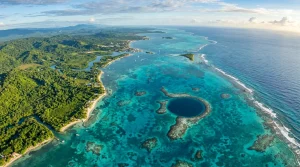
The Great Blue Hole, a mesmerizing natural wonder off the coast of Belize, is the result of a fascinating geological history that unfolds over thousands of years. This massive underwater sinkhole measures around 1,000 feet (300 meters) across and plunges to depths of approximately 410 feet (125 meters). Its formation dates back to the last Ice Age, when sea levels were significantly lower, leaving behind a limestone cave system. As climate patterns shifted and the Ice Age ended, rising sea levels flooded these caves, leading to their dramatic collapse and creating the captivating circular formation we see today.This magnificent geological feature serves as a prime example of karst topography, where the dissolution of soluble rocks such as limestone occurs, shaping the landscape over time. The Great Blue Hole itself features unique underwater formations, including stalactites and stalagmites that stand as remnants of its original cave structure, offering divers a glimpse into its ancient past. The striking contrast between the deep blue waters of the hole and the surrounding coral reefs creates a visual spectacle that draws adventurers and nature lovers alike.In addition to its geological significance, the environment surrounding the Great Blue Hole is home to a thriving marine ecosystem. The area supports diverse marine life, including colorful coral species, nurse sharks, and various fish, making it a prime location for diving. This rich biodiversity owes its existence to the nutrient flows from the surrounding Caribbean Sea, ensuring that the Great Blue Hole remains not only a geological marvel but also a vibrant habitat full of life. Whether you’re an experienced diver or a curious traveler, exploring this natural wonder is an unforgettable adventure that connects you with millions of years of Earth’s history.Unique Geological Features of the Great Blue Hole
The Great Blue Hole in Belize is not just a dive destination; it is a splendid exhibition of unique geological features that tell a story spanning millennia. This enormous underwater sinkhole showcases stunning circular formations and steep vertical walls that plunge into mysterious depths, captivating divers and geologists alike. The primary geological aspect of this marvel is its structure, which is a remnant of a limestone cave system that existed during the last Ice Age. As sea levels rose and flooded these caves, they collapsed, leaving behind the magnificent hole we see today.Underwater Formations
Among the striking features of the Great Blue Hole are its stunning underwater formations. Divers can marvel at remnants of stalactites and stalagmites that were once part of the cave’s ceiling and floor, now submerged in a dazzling blue expanse. These ancient features not only tell tales of geological processes but also create a dramatic landscape beneath the waves, characterized by dramatic light breaks and shadows. The contrast of light against the deep blue water further enhances the haunting beauty of these formations.Karst Topography
The Great Blue Hole is a fantastic example of karst topography, which is formed by the dissolution of soluble rocks, such as limestone. This process creates distinctive landscapes marked by sinkholes, caves, and underground rivers. Belize’s limestone heritage contributes to the overall ecological and geological health of its marine environments, allowing for a rich diversity of life while also offering a unique adventure for visitors.Visiting the Great Blue Hole allows travelers to appreciate both its beauty and complexity. As you dive or snorkel in its crystal-clear waters, you will witness firsthand the geological wonders that characterize this emblematic site. It’s not just a dive; it’s an exploration into the heart of Earth’s natural history and the interplay of form, function, and time that has shaped this extraordinary underwater world.
The Role of Environmental Changes in Formation
The breathtaking Great Blue Hole, a world-renowned diving site in Belize, owes its existence to a series of significant environmental transformations that unfolded over thousands of years. This natural wonder is not merely the result of singular geological events but rather a complex interplay of climate changes, sea level fluctuations, and geological processes. Understanding how these factors interconnect enhances our appreciation of this unique marine ecosystem.During the last Ice Age, approximately 15,000 years ago, the region experienced dramatic shifts in climate. As glaciers expanded and sea levels dropped, enormous limestone caves formed over millennia through the dissolution of soluble rock. However, as the Ice Age waned and temperatures began to rise, ice melted, resulting in a significant rise in sea levels. This inundation flooded the existing cave systems, and the weight of the water caused parts of these caves to collapse, ultimately creating the stunning sinkhole we see today. The Great Blue Hole, measuring nearly 300 meters in diameter and 124 meters deep, stands as a testament to these geological phenomena, capturing the awe and curiosity of divers and scientists alike.The environmental changes leading to the formation of the Great Blue Hole highlight not just the passage of time but also the delicate balance within ecosystems. As the landscape transformed, marine life began to adapt to the new underwater environment, creating a rich biodiversity that thrives within the sinkhole. Today, vibrant coral formations and various species of fish inhabit this enticing blue abyss, offering divers an unparalleled experience amidst a unique marine habitat.In visiting the Great Blue Hole, travelers not only engage in an adventurous exploration but also step into a living history book filled with the tales of the Earth’s climatic and geological journey. This understanding enriches every dive and every moment spent in this spectacular natural landmark, encouraging all who visit to reflect on the profound effects of environmental changes on our planet’s landscapes.
Exploring the Blue Hole’s Ecosystem and Biodiversity
The Great Blue Hole, a mesmerizing underwater sinkhole in Belize, is not only a geological marvel but also a vibrant habitat teeming with life. As divers descend into the deep azure of this iconic site, they are greeted by a stunning array of biodiversity that reflects the health of the surrounding ecosystems. The Blue Hole is framed by the Lighthouse Atoll and surrounded by the Belize Barrier Reef, which is recognized as a UNESCO World Heritage Site. This unique location supports a plethora of marine life, making it a prime destination for both recreational divers and marine biologists alike.Within the depths of the Blue Hole, divers can expect to encounter magnificent coral formations, including brain coral and other stony corals that thrive in the clear, nutrient-rich waters. The underwater walls of the sinkhole drop dramatically and are home to an assortment of fish species, like parrotfish and tarpon, which vibrantly contrast against the dark blue. As divers navigate the underwater caverns and walls, they may also spot large pelagic species such as sharks, particularly the docile nurse shark, and sometimes even the majestic hammerhead shark passing by. This biodiverse environment fosters an intricate food web, supporting various small to large fish species alongside crabs and eels.Moreover, the vibrant ecosystem of the Blue Hole is a testament to the resilience of marine life adapting to changes stemming from historical geological events. With the influx of visitors seeking to explore its depths, the local communities are increasingly aware of the need for sustainable practices to protect this delicate balance. Conservation initiatives play a crucial role in preserving the unique biodiversity and natural beauty of the Great Blue Hole.Travelers looking to make the most of their dive experience should consider guided tours that prioritize safety and marine preservation. Engaging with knowledgeable guides not only enhances one’s understanding of the intricate ecosystem but also promotes responsible tourism that respects both the cultural and environmental wealth of Belize. Thus, while the Great Blue Hole offers an exhilarating adventure, it also serves as a poignant reminder of the beauty and fragility of our planet’s underwater realms.Historical Significance of the Great Blue Hole
The Great Blue Hole is not just an extraordinary underwater sinkhole, but also a site rich in historical significance that transcends its breathtaking beauty. This geological wonder has been a point of intrigue for explorers, scientists, and local cultures for centuries. Once part of a limestone cave system, the Blue Hole is thought to have formed approximately 153,000 years ago. As sea levels rose and fell during glacial periods, the cave system eventually collapsed, creating the stunning circular formation we see today. This dramatic transition reflects the shifting landscapes of Earth’s geological history.Historically, the Great Blue Hole has also played a role in local folklore and the cultural heritage of the region. The ancient Maya, who inhabited the coastal areas of Belize, believed in the presence of gods residing in the depths of the sea, and waters like those of the Blue Hole were often regarded with reverence. Historical accounts suggest that indigenous groups may have visited the area for ritualistic purposes, bringing offerings to the spirits they believed inhabited these waters.In the late 20th century, the Blue Hole gained international fame through the explorations of pioneering underwater explorer Jacques Cousteau in 1971. His documentary, “The Undersea World of Jacques Cousteau,” thrust the Great Blue Hole into the global spotlight, showcasing its mesmerizing marine biodiversity and drawing divers and nature enthusiasts from around the world. This significant event transformed the site into a premier diving destination and heightened awareness of the ecological importance of marine conservation.Today, the Great Blue Hole stands as a symbol not only of Belize’s natural grandeur but also of the need for preservation efforts aimed at protecting its unique environment. The blend of historical and ecological narratives surrounding the Blue Hole contributes to its allure, reminding visitors of the many stories hidden beneath its crystal-clear waters. As travelers explore this remarkable site, they partake in a journey that connects them to ancient cultures and modern conservation efforts, ensuring that the legacy of the Great Blue Hole continues for generations to come.Legends and Myths Surrounding the Great Blue Hole
The Great Blue Hole has long been shrouded in an aura of mystery and intrigue, with its depths inspiring a wealth of legends and myths among the indigenous cultures of Belize. Stories passed down through generations tell of powerful deities residing in these waters-beings that could either protect or wreak havoc on those who dared to venture too close. The ancient Maya, who once roamed the lush jungles and pristine shores of Belize, viewed the sea not merely as a body of water, but as a sacred space filled with spiritual significance. They believed that the vertical abyss of the Blue Hole served as a gateway to the underworld, a realm of both creation and destruction.Mythical Creatures and Offerings
According to local mythology, the Great Blue Hole was home to beings such as the *Nahual*, a shapeshifting spirit that could take the form of animals or natural phenomena. Fishermen and divers would often pay homage to these spirits before embarking on their journeys, leaving offerings of food and trinkets near the water’s edge, hoping for a safe passage and an abundant catch. Such rituals underscored the deep connection between the land, the sea, and the spiritual realm, reinforcing the idea that the waters of the Blue Hole were watched over by forces beyond human understanding.Modern Fascination and Storytelling
In more recent times, the allure of the Great Blue Hole has only intensified, particularly after Jacques Cousteau’s exploration in the 1970s. His documentaries ignited global fascination, leading to a resurgence of interest in the myths surrounding this natural wonder. Divers and tourists now flock to this UNESCO World Heritage Site not only to witness its breathtaking underwater beauty but also to reflect on the stories that echo beneath the surface. Many bring their own tales to the experience, recounting personal encounters and interpretations of the legendary depths they explore.The rich tapestry of legends surrounding the Great Blue Hole invites travelers to not only immerse themselves in its natural beauty but also appreciate the cultural narratives that enrich the region’s identity. Each dive or snorkel trip becomes a journey not just into the depths of the sea but into the collective imagination of those who have revered these waters throughout history. Whether you are an intrepid explorer or a curious visitor, the stories of the Great Blue Hole will linger with you long after you’ve left its shores, weaving a deeper connection to the vibrant mosaic of Belize’s history and culture.
Tourism and Diving Opportunities in the Area
Diving into the Great Blue Hole is often regarded as a bucket-list adventure for enthusiastic travelers and seasoned divers alike. This UNESCO World Heritage Site not only captivates with its stunning azure waters and dramatic underwater formations but also offers a unique glimpse into a world teeming with rich biodiversity and geological history. With its nearly circular shape spanning about 300 meters (984 feet) and a depth of over 124 meters (407 feet), the Blue Hole is a geological marvel that was once a limestone cave system, now submerged and transformed by rising sea levels.One of the most exhilarating ways to experience the Great Blue Hole is through diving, which allows explorers to witness its impressive stalactites, diverse marine life, and vibrant coral reefs. Dive operators in nearby San Pedro, Ambergris Caye, and Caye Caulker provide guided tours catering to various skill levels-from beginner snorkelers to advanced scuba divers. Most diving excursions also encompass additional sites in the Belize Barrier Reef, such as Half Moon Caye or Lighthouse Reef, where diverse marine ecosystems thrive.For visitors who prefer to experience the Blue Hole from above, scenic flights offer breathtaking aerial views that feature the striking contrast of the dark waters against the surrounding turquoise sea. Flights often combine well with other aerial tours of Belize’s stunning coastlines and nearby atolls, providing a comprehensive view of the region’s stunning landscapes.Accommodations near the Great Blue Hole range from modest hostels to luxurious overwater bungalows. Consider staying in San Pedro or Caye Caulker for easy access to diving tours while immersing yourself in the laid-back Caribbean culture. These locales not only provide access to diving and snorkeling but also host lively local markets, delicious Creole cuisine, and vibrant nightlife.Whether you’re marveling at the view from a boat, descending into the mesmerizing depths, or relaxing on the sun-kissed shores, the Great Blue Hole promises an experience that is both thrilling and inspirational, celebrating Belize’s incredible natural beauty and cultural heritage.Conservation Efforts for the Great Blue Hole
In the mesmerizing waters of Belize, the Great Blue Hole stands not only as a spectacular natural wonder but also as a symbol of the importance of conservation efforts needed to protect its delicate ecosystem. Recognized as a UNESCO World Heritage Site, this iconic sinkhole faces various environmental challenges, prompting local and international organizations to rally together in a bid to preserve its unparalleled beauty and biodiversity for future generations.One of the primary initiatives aimed at safeguarding the Great Blue Hole is the establishment of the Belize Barrier Reef Reserve System, which encompasses a vast marine protected area. This program is designed to regulate fishing practices, minimize pollution, and restrict development activities that could degrade marine habitats. By controlling the impacts of human activity, these efforts help maintain the ecological balance crucial for supporting diverse marine life, including the colorful coral reefs that frame the Blue Hole.Moreover, ongoing research and monitoring programs are essential to understanding the health of the Great Blue Hole’s ecosystem. Scientists and conservationists conduct regular assessments to track changes in water quality, coral health, and the populations of various marine species. This data not only informs conservation strategies but also equips local communities with the knowledge needed to advocate for sustainable practices. Collaborative initiatives, such as community outreach programs that educate residents about the importance of marine conservation, are vital to fostering a culture of stewardship among both locals and visitors.In addition to formal initiatives, eco-tourism plays a pivotal role in the conservation narrative surrounding the Great Blue Hole. Responsible diving tourism promotes awareness of the unique marine environment and contributes financially to protection efforts. Tour operators often adhere to environmentally friendly practices, such as educating divers on buoyancy control to prevent damage to fragile corals, underscoring the connection between tourism and conservation. As travelers immerse themselves in the underwater splendor, they become ambassadors for the preservation of this irreplaceable treasure, reinforcing the idea that every visitor has a stake in its future.In a region where the tropical sun reflects on azure waters, the Great Blue Hole beckons adventurers while reminding them of their duty to protect its magic. Through dedicated conservation efforts, Belize not only preserves its natural heritage but also sets an example of how a community can harmonize tourism with ecological responsibility. Whether you’re planning your next diving trip or simply dreaming of Belize’s stunning landscapes, remember that each visit supports a vital mission to keep the Great Blue Hole thriving amidst the challenges of a changing world.Comparison with Other Natural Wonders Globally
The Great Blue Hole of Belize, a mesmerizing marine sinkhole, holds its own as a natural wonder, comparable to some of the world’s most impressive geological phenomena. For instance, the Great Barrier Reef in Australia, the largest coral reef system on the planet, is home to an astonishing diversity of life. Both natural wonders share vibrant ecosystems and attract millions of travelers seeking adventure and exploration, yet the Blue Hole’s unique geological formation as a sinkhole adds a layer of intrigue that sets it apart.While the Great Blue Hole showcases deep waters kissed by sunlight filtering through crystal-clear depths, locations like Grand Canyon in the United States highlight a different aspect of Earth’s history-one marked by erosion and sediment layering over millennia. The sheer cliffs and colorful rock formations of the canyon tell stories of geological change and water dynamics over time, whereas the Blue Hole invites you to dive into its depths to witness a rare underwater stalactite cave system formed during past glacial periods.Comparing the Great Blue Hole to the Blue Hole of Dahab in Egypt, also known for its impressive diving experience, provides an interesting perspective. While both are celebrated diving sites that attract snorkelers and scuba enthusiasts alike, Dahab’s Blue Hole is a coral reef, offering different underwater experiences than the Great Blue Hole’s steep walls and intriguing geological structures. The vibrant corals and marine life in Dahab contrast with the more subdued but hypnotic hues and formations found in Belize’s sinkhole.Ultimately, when standing on the rim of the Great Blue Hole and preparing to plunge into its depths, travelers experience not just another tourist attraction but a mesmerizing chapter in the Earth’s geological story. Whether you’re enchanted by the coral reefs of the Caribbean, captivated by the rugged landscapes of the American Southwest, or diving into the azure waters of Dahab, the world is rich with such natural wonders that inspire awe and reverence for our planet’s diverse ecosystems and geological histories. As you venture to Belize, remember that each natural wonder tells its own story, inviting you to explore, engage, and connect deeply with the beauty surrounding you.What to Expect When Visiting the Great Blue Hole
Imagine standing on the edge of the Great Blue Hole, feeling the tropical breeze against your skin and gazing into the infinite depths of a sapphire abyss. This UNESCO World Heritage Site isn’t just a feast for the eyes; it’s a gateway to adventure, history, and the intricate marine world that thrives within its watery embrace. When preparing for your visit, expect to be swept away by the breathtaking scenery and the wealth of activities available, but also be ready for practical considerations that will enhance your experience.To genuinely appreciate what the Great Blue Hole has to offer, engaging in scuba diving is a must. Diving tours typically include experienced guides who share insights about the geological formations and marine life. You can encounter fascinating creatures such as reef sharks, stingrays, and vibrant coral ecosystems as you descend into the depths. If scuba diving isn’t your forte, snorkeling also provides an incredible way to experience the stunning aquamarine waters and observe marine life from above.Practical Tips for Your Visit
Before you dive into the adventure, consider these essential tips:- Plan Your Trip: The best time to visit the Great Blue Hole is during the dry season from December to April, when the weather is typically stable and the visibility underwater is at its best.
- Book in Advance: Tours to the Blue Hole can fill up quickly, especially during peak season, so it’s wise to secure your spot beforehand.
- Pack Smart: Bring sunscreen, a hat, and plenty of water. If you’re diving, don’t forget to pack your certification cards and any personal equipment you prefer.
- Health Precautions: Consult with your doctor about vaccinations and medications needed for travel to Belize. Be aware of potential health risks such as sunburn and dehydration, especially if you plan to spend long hours outdoors.
Travel Tips for Exploring Belize’s Great Blue Hole
Exploring the Great Blue Hole offers an exhilarating adventure against a backdrop of stunning natural beauty, but maximizing your experience requires some preparation and insight. Did you know that this natural wonder is not just a dive destination but also rich in cultural history and stunning marine biodiversity?The best way to fully appreciate the depths of the Great Blue Hole is to plan your trip during the dry season, from December to April, when conditions are optimum for visibility and weather. Make sure to book your diving or snorkeling tours in advance, as they’re popular and can fill up quickly, especially around holidays. Consider joining a guided tour with experienced professionals who can provide valuable insights about the underwater geography and the diverse marine life you might encounter, including the majestic reef sharks and vibrant coral formations.When it comes to packing, think light but smart. Essentials like high-SPF sunscreen, a wide-brimmed hat, comfortable swimwear, and abundant water are a must. If you’re diving, remember your certification cards and any personal gear you prefer. Health precautions are important as well; consult with your healthcare provider about necessary vaccinations for Belize and stay hydrated to combat the tropical sun.Moreover, don’t just limit yourself to the Blue Hole. Extend your journey to Lighthouse Reef Atoll, and immerse yourself in the vibrant local culture by sampling Belizean cuisine, visiting Maya ruins, or engaging with local communities. Each moment in this unique paradise offers a blend of adventure, education, and unforgettable memories. Whether you aim to dive deep or simply soak up the sun, the Great Blue Hole and its surroundings provide an unparalleled experience waiting to be discovered.FAQ
Q: What geological processes led to the formation of the Great Blue Hole in Belize? A: The Great Blue Hole was formed through a sequence of geological processes, including erosion, flooding, and subsidence. Initially, a limestone cave system developed, which later collapsed when sea levels rose, leaving the circular sinkhole we see today. This process highlights the region’s unique geological history.Q: How long did it take for the Great Blue Hole to form? A: The formation of the Great Blue Hole took thousands of years. It began as a limestone cave system around 15,000 years ago and evolved into a sinkhole when sea levels rose approximately 10,000 years ago, creating the iconic structure we know today.Q: What role did climate changes play in the formation of the Great Blue Hole? A: Climate changes played a crucial role in shaping the Great Blue Hole. Periods of glacial activity and melting ice caps affected sea levels, leading to the erosion of limestone caves and eventually resulting in the sinkhole formation as the sea flooded the area.Q: Are there other sinkholes like the Great Blue Hole around the world? A: Yes, there are several notable sinkholes globally, such as Mexico’s Cenote Dos Ojos and China’s Xiaozhai Tiankeng. Each sinkhole has unique geological features, but the Great Blue Hole is distinct for its large size and marine biodiversity, making it a popular diving spot.Q: Why is the Great Blue Hole considered a UNESCO World Heritage Site? A: The Great Blue Hole is a UNESCO World Heritage Site due to its exceptional natural beauty and ecological significance. It is part of the Belize Barrier Reef Reserve System, which is essential for marine biodiversity and conservation efforts in the Caribbean.Q: What types of marine life can be found in the Great Blue Hole? A: The Great Blue Hole is home to diverse marine life, including various species of sharks, colorful fish, and coral formations. This biodiversity makes it a sought-after location for scuba diving, allowing divers to encounter unique underwater ecosystems.Q: How has human activity affected the Great Blue Hole? A: Human activity, including tourism and fishing, poses potential threats to the Great Blue Hole’s ecosystem. Increased boat traffic and fishing can disturb marine life, prompting ongoing conservation efforts to protect this natural wonder for future generations.Q: What are the best ways to experience the Great Blue Hole? A: The best ways to experience the Great Blue Hole are by diving or taking a scenic flight. Diving offers an intimate look at its rich marine life, while flying provides stunning aerial views of this natural wonder, making it a memorable experience for all visitors.Closing Remarks
The Great Blue Hole isn’t just a natural wonder; it’s a gateway to explore Belize’s breathtaking marine life and vibrant culture. By understanding its formation, you can appreciate the incredible geological story behind this UNESCO World Heritage site. Don’t just read about it-consider visiting the Great Blue Hole to witness its beauty firsthand! For more insights into Belize’s stunning destinations, dive into our guides on Caribbean beaches, Maya ruins, and the best eco-tourism spots.Ready to plan your adventure? Check out our comprehensive accommodation guide to find the perfect stay, whether you’re looking for budget-friendly hostels or luxurious overwater bungalows. Share your thoughts and experiences in the comments below-your insights could inspire fellow travelers! Stay connected with us for expert tips and exciting cultural insights, ensuring your Belize journey is both memorable and enriching. Explore more now, and let the allure of Belize’s natural beauty captivate you!Comprehensive Guide and In-Depth Analysis: Great Blue Hole Formation
When exploring the details surrounding great blue hole formation, understanding the practical, environmental, and cultural dynamics of Belize is essential for making informed travel or investment decisions. Belize stands out in Central America for its English-speaking heritage, British Common Law legal stability, and world-class ecotourism infrastructure.
Whether navigating mainland rainforest corridors, consulting local authorities, or exploring marine conservation zones along the Belize Barrier Reef, having verified, comprehensive information regarding great blue hole formation ensures seamless execution.
| Key Evaluation Pillar | Standards & Conditions in Belize | Actionable Best Practices |
|---|---|---|
| Regional Specifics | Variations between northern districts, central cayes, and southern rainforests | Align plans with specific district infrastructure and seasonal weather |
| Regulatory & Legal Framework | Belize Tourism Board (BTB) regulations and national conservation laws | Always work with licensed local professionals and certified guides |
| Logistics & Practical Costs | Fixed 2:1 BZD-to-USD currency peg; accessible transport via air and water | Plan budget with cash buffer for remote destinations and transfers |
For visitors and residents alike, engaging with great blue hole formation through authorized, sustainable practices contributes directly to local community development and the preservation of Belize’s pristine marine and terrestrial ecosystems.
Frequently Asked Questions: Great Blue Hole Formation
Why is understanding great blue hole formation important for Belize visitors?
It provides essential context for choosing the right regional destinations, understanding local pricing, and ensuring full compliance with environmental and tourism standards.
How do seasonal factors affect great blue hole formation in Belize?
The dry season (December through May) offers calm seas and sunny weather, while the green season brings lower rates and lush jungle scenery.
Get our latest guides, news, and insights highlighted in your Google Search & AI Overviews.