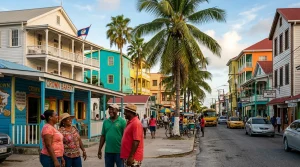
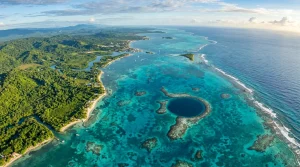
As you explore the breathtaking landscapes and vibrant culture of Belize, you may find yourself captivated by the allure of conch shells dotting its stunning beaches. However, before you tuck these treasures into your suitcase, it’s essential to understand the laws surrounding their collection. Belize imposes strict regulations on the harvesting and removal of conch shells to protect its unique marine ecosystem. In this article, we’ll delve into the legalities of taking conch shells from Belize, ensuring that your travel memories remain both beautiful and compliant. Discover the importance of preserving Belize’s natural heritage while still finding meaningful souvenirs that reflect the island’s charm. Join us as we navigate this intricate topic, empowering you to make informed decisions during your travels!
Can You Legally Take Conch Shells from Belize?
In the vibrant waters of Belize, the conch shell is more than just a beautiful souvenir; it symbolizes the rich marine culture of the area. However, understanding the legalities surrounding the collection of conch shells in this stunning Central American nation is crucial for both the ecological health of marine environments and the safety of travelers. The legal framework prohibits the harvesting of live conch; only empty shells or those from legally caught conch can be collected. This is primarily aimed at protecting the conch population, which plays a vital role in marine ecosystems.
Visitors should be aware that local laws strictly regulate the collection of marine life, including conch. Aside from protecting live conch, there are also specific rules regarding permits for collecting shells. Travelers should avoid removing conch shells found in nature, especially in marine protected areas, as this could lead to serious ecological consequences and possible legal ramifications. Instead, consider supporting local artisans who create sustainable products and crafts from responsibly sourced materials.
When it comes to souvenirs, the best approach is to choose items that celebrate Belize’s culture without harming its natural resources. Seek out ethical shops or marketplaces where local artisans sell their work, often made from materials that aren’t harmful to marine life. This not only ensures that you adhere to the laws but also supports the local economy while providing you with unique mementos to cherish from your travels.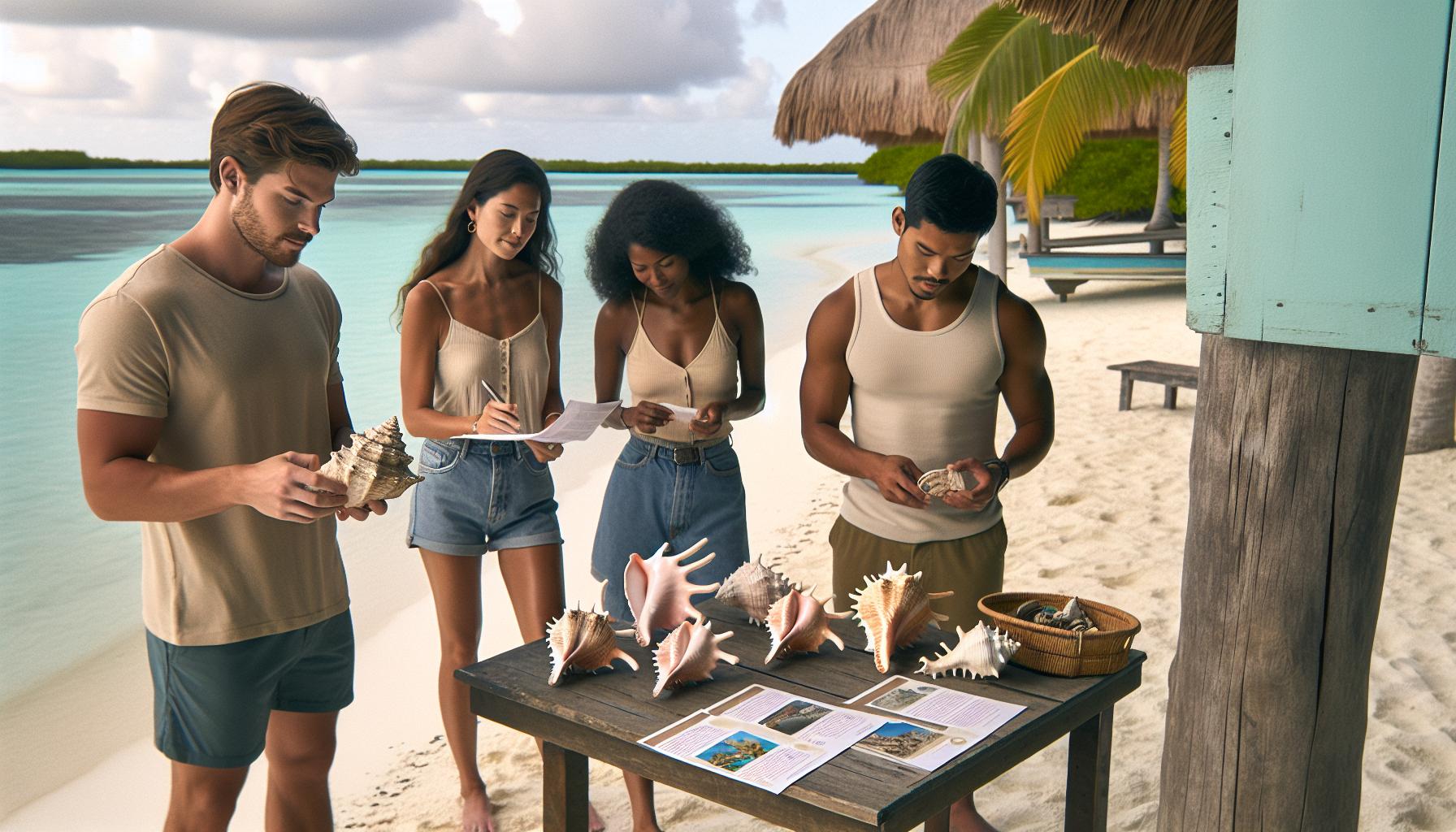
Understanding Belize’s Marine Conservation Laws
The shimmering waters surrounding Belize are not only a haven for marine biodiversity but also a testament to the nation’s commitment to preserving its natural treasures. When it comes to conch shells, understanding the legal framework governing their collection is crucial for responsible tourism. In Belize, the law is clear: while collecting conch shells can enrich your travel experience, you must adhere strictly to marine conservation laws to ensure the sustainability of this species and protect the delicate marine ecosystem.
In Belize, live conch harvesting is prohibited to prevent overfishing and ensure that these vital mollusks can thrive in their natural habitat. Only empty shells or shells from legally harvested conch may be collected. This regulation protects the conch population, which plays an invaluable role in maintaining healthy marine ecosystems by grazing on seagrass beds and contributing to the overall ecological balance. Thus, anyone considering adding a conch shell to their collection should ensure it is sourced responsibly and legally.
Moreover, visitors should be aware of specific local regulations concerning collecting marine materials. Certain areas, particularly marine protected zones, have stringent rules against removing any marine life, whether live or dead. Engaging with locals and understanding these regulations not only enriches your travel experience but also shows respect for the environment and local customs. Supporting local artisans who create beautiful crafts and products from responsibly sourced materials can also be a sustainable alternative. This approach not only allows you to bring home unique souvenirs but also helps stimulate the local economy, providing a win-win for both travelers and the community.
Ultimately, enjoying Belize’s natural beauty comes with the responsibility to protect it. By understanding and respecting marine conservation laws, travelers can ensure that future generations will also be able to enjoy the magnificent underwater landscapes and rich marine life, emblematic of this captivating Central American paradise.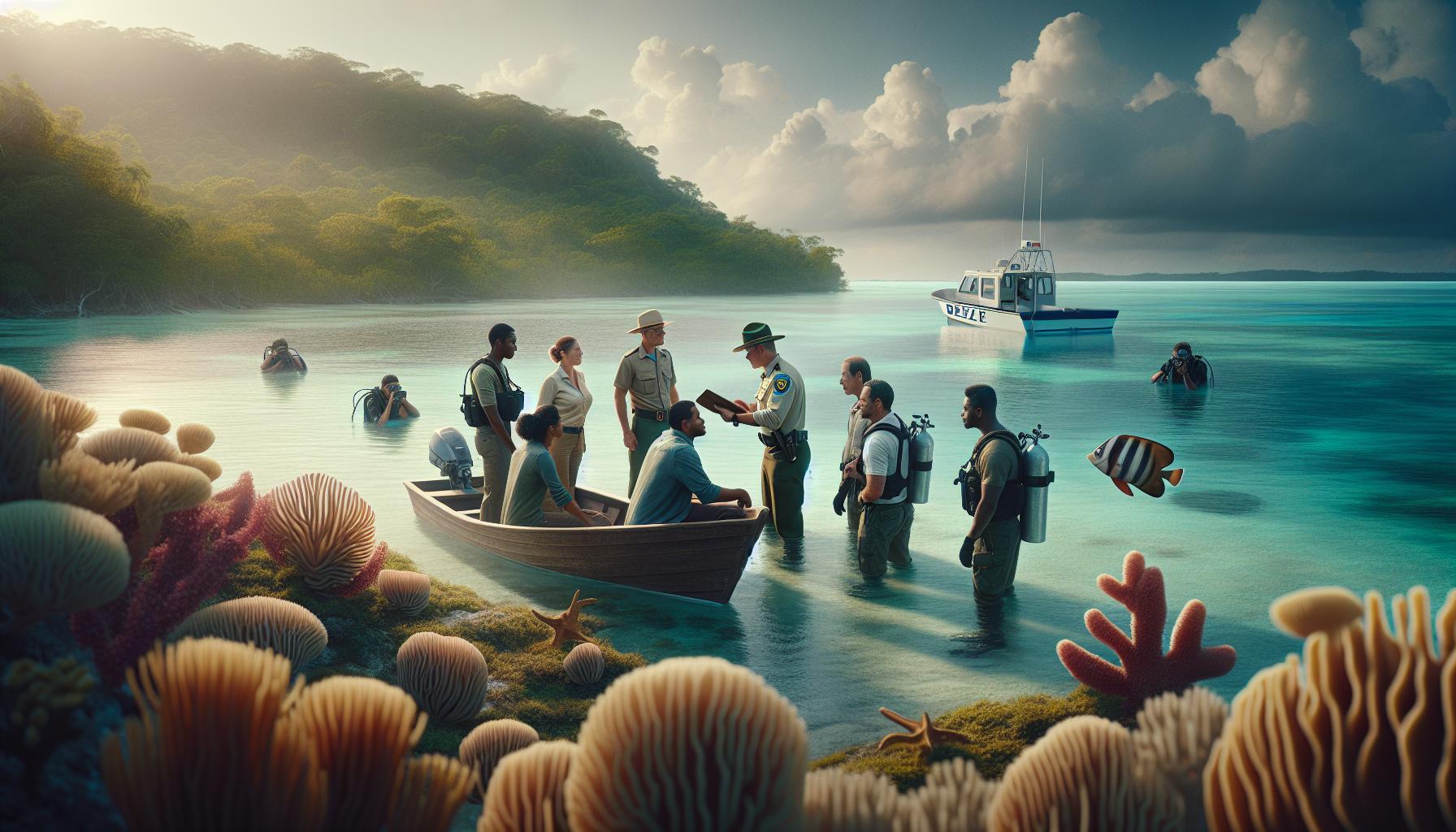
Types of Conch Shells and Their Cultural Significance
The vibrant shores of Belize are home to a remarkable diversity of marine life, with conch shells being among the most sought-after treasures for visitors. These beautiful shells belong primarily to the queen conch (Strombus gigas), an iconic species native to the Caribbean. Their striking whorled shapes and smooth surfaces are not only admired for their aesthetic appeal but also valued for their deep-rooted significance within Belizean culture and history.
In many Belizean coastal communities, conch shells have been integral to local traditions and livelihoods. Historically, conch meat has been a staple in the diet of many Belizeans, leading to the development of various dishes such as conch fritters and conch ceviche. The shells themselves serve more than just culinary purposes; they are crafted into jewelry, musical instruments, and decorative art, enriching the cultural landscape. For instance, the sound of a conch shell blown during celebrations or ceremonies resonates deeply, symbolizing community and connection to the sea.
Moreover, conch shells hold significant spiritual value. Many indigenous groups in Belize, including the Garifuna and Maya, view the conch as a connection to their ancestors who relied on the ocean for sustenance. The shells often appear in cultural rituals and festivals, embodying the harmonious relationship between the people and their marine environment. By understanding the cultural significance of conch shells, travelers can appreciate their value beyond mere souvenirs.
While the allure of collecting these shells may be tempting, it’s crucial to recognize that the conch population faces pressures from overharvesting and environmental changes. Therefore, if you encounter conch shells during your travels, opt for eco-friendly souvenirs that support local artisans. This way, you contribute to preserving Belize’s rich cultural heritage while promoting sustainable practices that protect its beautiful marine ecosystems. Embracing this perspective allows for an enriched travel experience, where each conch shell purchased resonantly connects to the vibrant culture and history of Belize.
Consequences of Illegally Taking Conch Shells
The breathtaking beauty of Belize’s marine ecosystems is matched only by the importance of protecting them. As a popular destination for both conservation and tourism, Belize has strict regulations in place regarding the collection of marine life, including conch shells. Engaging in illegal collection can have significant repercussions that affect not just the individual collector, but also the marine habitat and local communities reliant on these resources.
Taking conch shells without proper legal permits is not only viewed as an infringement against local laws but can also result in hefty fines and possible legal action. Authorities in Belize actively monitor marine resources, with the Belize Fisheries Department enforcing regulations to prevent overharvesting of conch populations. As a visitor, being caught with illegally harvested conch shells could lead to the confiscation of any collected items, further adding to the costs of a regrettable decision. Local regulations often stipulate strict guidelines regarding the sizes and quantities of conch that may be harvested, specifically to ensure the long-term sustainability of the species.
In addition to legal consequences, there is an ethical dimension to consider. Removing conch shells from their natural environment can disrupt local ecosystems and exacerbate pressure on marine biodiversity. The queen conch, in particular, plays a crucial role in the balance of its habitat, and its depletion can have cascading effects on other marine species. Moreover, the cultural heritage tied to conch shells in Belizean communities provides not just economic value but also a deep connection to the land and sea. By respecting local laws, travelers contribute to the preservation of these traditions and the ecological health of the region.
When exploring Belize’s coastal wonders, it is far more rewarding to appreciate conch shells in situ-admiring their splendor on beaches and within coral reefs rather than collecting them. Consider sourcing sustainable souvenirs from local artisans who transform responsibly sourced materials into beautiful crafts. Such choices not only enrich your own travel experience but also support the local economy in a truly meaningful way, ensuring that Belize’s natural and cultural treasures are preserved for future generations to enjoy.
How to Choose Responsible Souvenirs in Belize
Belize is not just a destination but a vibrant tapestry of culture, stunning landscapes, and rich biodiversity. As you explore its breath-taking coastlines and engaging villages, the temptation to bring home a piece of that beauty can be strong. However, choosing souvenirs responsibly is crucial, especially when it comes to items like conch shells, whose collection is regulated to protect local ecosystems.
When seeking keepsakes that truly reflect the spirit of Belize, consider the following options that highlight the artistry and sustainability of local culture:
1. Look for Artisan-Made Products
Supporting local artisans not only gives you a unique souvenir but also helps sustain Belize’s cultural heritage. Seek out handmade crafts such as woven baskets, pottery, and jewelry, often made from responsibly sourced materials. In local markets, you’ll find stunning creations that tell a story, speak of tradition, and bring a piece of Belize into your home without harming its natural resources.
2. Focus on Sustainable Practices
Before purchasing souvenirs, inquire about the materials and production methods used. Choose items that promote sustainability, such as those created from recycled materials or sustainably harvested woods. When in doubt, ask vendors about their sourcing practices. Many local craftsmen proudly share their commitment to eco-friendly techniques.
3. Consider Experiences Over Physical Memorabilia
Sometimes the best memories come from experiences rather than tangible souvenirs. Participate in an eco-tour or a cultural workshop, like a cooking class or a traditional craft-making session. These experiences provide deeper insights into Belize’s rich culture and environment, and you’ll leave with cherished memories rather than items that might have ecological repercussions.
4. Collect Only What is Permitted
If you’re drawn to the ocean and its gifts, make sure to adhere strictly to regulations by only purchasing items that are legally and ethically sourced. Vendors at markets who deal in marine products should be able to provide certifications for their goods, ensuring they have been gathered responsibly and sustainably.
Choosing to shop mindfully in Belize allows you to support the local economy, enhance your travel experience, and protect the precious ecosystems that make this country so special. Each purchase can lead to a greater appreciation of the local culture and environment, ensuring that your souvenirs not only adorn your home but also honor the beauty and traditions of Belize.
Alternatives to Conch Shells for Souvenirs
As you wander the sun-kissed shores of Belize, the vibrant colors of the local crafts beckon like a siren’s song, offering an abundance of alternatives to conch shells that capture the essence of this paradise without harming its marine ecosystem. Instead of collecting these beautiful yet regulated treasures, immerse yourself in the rich artisan culture of Belize to find souvenirs that are both meaningful and sustainable.
One standout option is to explore the handcrafted jewelry made from local materials. Artisans often use indigenous stones, seeds, and even recycled items to create stunning pieces that reflect the vibrant colors of Belize’s landscapes. These intricate designs not only serve as stylish accessories but also tell the story of the region, ensuring a deep connection to the culture and people.
Another excellent choice is to invest in textiles. Look for beautifully woven hammocks or hand-embroidered tablecloths that showcase the incredible craftsmanship of Belize. Each piece is a labor of love, combining traditional techniques with modern flair, perfect for brightening up your living space while supporting local artisans. When you take home one of these textiles, you carry a slice of Belize’s heart along with you.
Food lovers can delight in bringing home local flavors by selecting spices, sauces, or even coffee produced in Belize. For example, Belizean heat shines in its specialty hot sauces, or you might consider picking up some unique spice blends that incorporate local herbs. These edible souvenirs not only provide a taste of your travels but also allow you to share Belize’s culinary culture with friends and family back home, creating delicious memories that last long after the journey ends.
By choosing these vibrant, ethically sourced alternatives, travelers can genuinely celebrate Belize’s rich cultural tapestry, leaving the natural world unharmed while crafting lasting memories through thoughtful souvenirs.
Tips for Eco-Conscious Travelers in Belize
Amidst the thick jungles and sparkling Caribbean waters of Belize lies an incredible opportunity for travelers to embrace eco-conscious practices that honor the splendor of this unique destination. It’s vital to understand that while the allure of conch shells may be tempting, the country’s marine conservation laws restrict the collection of these shells to protect fragile marine ecosystems. This commitment to sustainability offers you the chance to engage with nature in responsible ways, conserving Belize’s stunning underwater life for generations to come.
To make the most of your eco-friendly journey through Belize, consider these tips:
- Educate Yourself: Before your trip, familiarize yourself with Belize’s marine laws and the significance of its marine habitats. Understanding the local ecosystem will enhance your appreciation of the natural beauty around you.
- Choose Sustainable Souvenirs: Instead of conch shells, seek out locally made crafts, such as woven baskets or hammocks, and original artwork that reflects the rich heritage of Belize’s communities. These purchases support local artisans and reduce the demand for potentially harmful souvenirs.
- Participate in Eco-Tours: Join guided tours that focus on conservation and education. Activities like snorkeling in the Great Blue Hole or hiking through national parks with certified guides help you connect with Belize’s biodiversity while supporting conservation efforts.
- Respect Local Wildlife: When exploring, observe animals from a distance and avoid touching or disturbing natural habitats. This respect ensures that your adventure contributes positively to the environment.
- Reduce Waste: Carry reusable water bottles, bags, and containers. Belize has made strides in reducing plastic use, and being a part of this effort helps keep the environment clean.
By consciously choosing to respect and protect Belize’s natural resources, you are not only enriching your travel experience but also making a positive impact on this paradise. Each thoughtful decision offers a chance to embrace the vibrant cultures, awe-inspiring landscapes, and unforgettable marine life Belize has to offer, ensuring that the beauty of this destination remains preserved for future travelers.
Understanding the Importance of Marine Ecosystems
The vibrant coral reefs and seagrass beds of Belize constitute one of the most biodiverse marine ecosystems on the planet. These underwater gardens not only host an incredible variety of fish, crustaceans, and mollusks, including the iconic queen conch, but they also play a crucial role in maintaining ecological balance. Healthy marine ecosystems serve as nurseries for many species, offering a safe haven for juvenile fish and other marine life. They contribute to the livelihoods of local communities through fishing and tourism, rendering protection and conservation efforts imperative for sustainability.
In Belize, marine ecosystems are intricately tied to cultural practices and the economy. The conch, a staple of local cuisine, exemplifies how intertwined these elements can be. The proper management of conch populations is vital not only for preserving biodiversity but also for sustaining local traditions and livelihoods. Overharvesting has resulted in dwindling conch populations, prompting the government to implement regulations aimed at preventing further depletion. Understanding this connection emphasizes the need to respect these ecosystems and the legal frameworks designed to protect them.
Travelers have a vital role to play in marine conservation. By engaging in eco-tours, patronizing sustainable businesses, and choosing to avoid the collection of marine souvenirs, visitors help promote responsible tourism that benefits both the environment and local cultures. Sustainable alternatives can make a significant difference, allowing travelers to enjoy the beauty of Belize’s underwater realms without contributing to their decline. Encouragingly, many local artisans create captivating crafts inspired by marine life, which can serve as meaningful souvenirs that reflect both artistic expression and environmental responsibility.
In essence, appreciating the importance of Belize’s marine ecosystems means recognizing how these natural wonders shape the lives of local communities and support a delicate balance that is essential for the health of the planet. Every choice made-from dietary decisions to souvenir purchases-can have lasting impacts, reinforcing the necessity of embracing a conservation-minded approach while exploring the beauty and richness of this Caribbean paradise.
Local Regulations and Permits for Collecting Shells
In the pristine waters of Belize, the queen conch is not just a picturesque sight but an iconic symbol of the rich marine life that thrives in this tropical paradise. However, as captivating as collecting conch shells might seem, engaging in this activity without understanding local regulations can lead to serious consequences. Belize has implemented strict laws to protect its marine ecosystems, particularly regarding the harvesting of conch shells, which are essential for maintaining ecological balance and supporting local livelihoods.
To legally collect conch shells in Belize, travelers must be aware that these actions typically require permits, especially if the shells are obtained in significant quantities or for commercial purposes. For personal collections, it is vital to ensure that any shells collected are from sustainably managed areas and that the collection does not disturb local wildlife populations. A best practice for travelers is to ensure they have a clear understanding of what is permissible and to consult with local authorities or tour guides who can provide insights into current regulations. Engaging with certified eco-tours is another excellent way to ensure adherence to environmental laws while immersing oneself in Belize’s breathtaking underwater landscapes.
Furthermore, it’s essential to note that the collection of any marine life, including conch shells, is closely monitored to prevent overharvesting, which poses a threat to biodiversity. Violating these regulations can result in hefty fines or legal repercussions, and moreover, it undermines efforts to conserve and protect these invaluable natural resources. By respecting these rules, travelers not only contribute to the well-being of Belize’s marine environment but also support the local communities reliant on sustainable practices for their livelihoods.
In conclusion, while the allure of taking home a piece of Belize’s natural beauty is strong, understanding and respecting the local regulations surrounding collecting conch shells is imperative. Doing so allows travelers to enjoy the wonders of Belize’s rich marine ecosystems responsibly and sustainably, preserving the charm of this beautiful destination for future generations.
How to Respect Local Customs When Traveling
When planning a visit to Belize, immersing yourself in the local customs and traditions can enhance your travel experience and ensure you leave a positive impact on the communities you engage with. Belize, with its rich tapestry of cultures influenced by Maya, Creole, Garifuna, and Mennonite heritages, offers travelers a chance to connect deeply with its people and their stories. Being respectful of local customs is particularly important when it comes to activities such as collecting conch shells, which is not only about legality but also about honoring the cultural significance and environmental implications of your actions.
Before embarking on your adventure, it’s crucial to familiarize yourself with local customs and traditions. Understanding the significance of the queen conch in Belizean culture can foster deeper appreciation for the marine environment. The conch fishery has been vital for local livelihoods and maintaining a healthy ecosystem. Engaging with locals by asking about their perspectives on shell collection-including the rules and practices that govern it-demonstrates respect for their traditions while informing your own choices.
In addition to conversations, actively participating in local initiatives such as beach clean-ups or community workshops can demonstrate your commitment to responsible tourism. These experiences not only deepen your understanding of the cultural context but also establish your role as a respectful traveler. When exploring markets and artisan shops, consider supporting local crafts by purchasing handmade souvenirs that reflect the area’s heritage rather than opting for items that exploit natural resources. This practice honors the community while ensuring that your memories of Belize are rooted in its vibrant culture rather than the potential guilt of past decisions.
Finally, being aware of your impact on the environment is key to respecting the exquisite surroundings of Belize. Always seek to leave places better than you found them-this could mean minimizing waste, using biodegradable products, or simply being mindful of your footprint on fragile ecosystems like coral reefs or coastal mangroves. By aligning your actions with local values and environmental stewardship, you help preserve the breathtaking beauty of Belize for future generations while enjoying an enriching and respectful travel experience.
Best Places to Explore Conch Shells in Belize
The coastal beauty of Belize isn’t just about the stunning turquoise waters and vibrant coral reefs; it also offers travelers an incredible chance to discover the fascinating world of conch shells, especially around the Belize Barrier Reef. To truly appreciate this marine treasure, there are several prime locations where you can explore conch shells in their natural habitats, learn about their ecological importance, and experience the local culture surrounding these remarkable mollusks.
One of the premier spots is Caye Caulker, famously known for its laid-back vibe and crystal-clear waters. This charming island is not only a paradise for snorkelers and divers but also a hub for conch-related activities. Here, you can join local tours that emphasize sustainable practices while taking you to areas known for thriving conch populations. Engaging with local fishermen and guides helps deepen your understanding of the conch’s role in Belizean culture and the marine ecosystem.
Another must-visit destination is Ambergris Caye, the largest island in Belize and a gateway to some of the best diving spots, including the renowned Hol Chan Marine Reserve. During guided snorkeling excursions, visitors often encounter queen conchs in their natural environment, surrounded by colorful schools of fish and coral gardens. Many of these tours include informative talks about marine conservation efforts, emphasizing the importance of protecting these beautiful creatures and their habitats from over-exploitation.
For those venturing inland, The Belize Zoo offers a unique educational experience. Although not directly focused on conchs, it features exhibits and programs highlighting Belize’s diverse marine life and habitats. Such knowledge enriches your exploration of Belize’s coastline by fostering a broader appreciation for the ecosystems that sustain not just conch shells but a myriad of marine species.
As you embark on your adventures, remember that while taking conch shells as souvenirs may be tempting, engaging with local customs and supporting sustainable practices is far more rewarding. By choosing to admire these shells in their natural surroundings and participating in responsible tourism initiatives, you not only contribute to the conservation of marine environments but also ensure that future generations can enjoy the breathtaking beauty of conch shells in Belize.
Engaging with Local Artisans for Sustainable Souvenirs
The vibrant artistry of Belizean culture spills onto the streets, showcasing the unique craftsmanship of local artisans, many of whom transform conch shells into stunning, eco-friendly souvenirs. When visiting Belize, choosing handcrafted items over commercially produced souvenirs not only supports the local economy but also reflects a commitment to sustainable tourism. Local artisans often use discarded conch shells-leftover from culinary uses-to create beautiful jewelry, sculptures, and home décor, ensuring that nothing goes to waste.
Engaging with these talented individuals offers a richer experience than merely purchasing items from a store. For instance, visiting workshops on Caye Caulker or Ambergris Caye provides travelers with insights into traditional crafting techniques passed down through generations. Many artisans are eager to share stories about their work and the significance of conch in Belizean culture, from its historical use in music to its current culinary importance.
When shopping for souvenirs, look for items that tell a story-like intricately carved conch-shell necklaces or colorful wall hangings that reflect Belize’s sea and landscapes. Supporting local artisans not only adds a unique touch to your collection of memorabilia, but it also aids in preserving cultural heritage and promoting environmental stewardship.
Consider visiting craft fairs or local markets, where you can meet artisans in person and watch demonstrations. This not only enriches your understanding but also emphasizes the importance of protecting marine resources like conch. By choosing sustainable souvenirs, you help conserve the very essence of Belize’s stunning ecosystems, ensuring their beauty and cultural heritage endure for generations to come.
Q&A
Q: Can you legally take conch shells from Belize?
A: No, you cannot legally take conch shells from Belize as they are protected under marine conservation laws. Removing them can lead to fines and affect marine ecosystems. Always check local regulations before collecting any shell or marine life.
Q: What are the consequences of illegally taking conch shells in Belize?
A: The consequences include hefty fines and potential legal action. Additionally, removing conch shells can contribute to the decline of local marine populations, which is harmful to the ecosystem [3].
Q: Why are conch shells protected in Belize?
A: Conch shells are protected due to their role in marine ecosystems and their importance to local biodiversity. Overharvesting can lead to population declines, impacting both the environment and local economies reliant on fishing and tourism [3].
Q: How can tourists choose responsible souvenirs in Belize?
A: Tourists should seek souvenirs made from sustainable materials or craftwork from local artisans. Look for items that do not involve the harvesting of endangered species or protected marine life. Consider visiting local markets that emphasize eco-friendly practices [3].
Q: Are there alternatives to conch shells for souvenirs in Belize?
A: Yes, visitors can opt for handmade crafts, artwork, or locally sourced products such as bamboo or wood items. These alternatives not only support local artisans but also ensure that you abide by conservation laws [3].
Q: How do local regulations affect shell collecting in Belize?
A: Local regulations prohibit the collection of certain shells, including conch, to protect marine life. It’s essential to familiarize yourself with these laws to avoid legal repercussions and help conserve Belize’s unique marine ecosystems [2].
Q: What should I know about marine conservation laws before visiting Belize?
A: Marine conservation laws are in place to protect the marine biodiversity of Belize. Familiarize yourself with these laws, particularly concerning collecting marine life, to ensure responsible travel practices and support conservation efforts [1].
Q: How can travelers respect local customs while visiting Belize?
A: Travelers can respect local customs by adhering to conservation laws, supporting local businesses, and engaging in sustainable tourism practices. Learning about and respecting the culture and environment is key to a responsible visit [3].
For more insights on sustainable travel in Belize, explore our sections on eco-conscious options and the importance of respecting local customs.
In Retrospect
As you plan your unforgettable Belize adventure, remember that while conch shells are a stunning memento, local laws protect this precious resource, ensuring its sustainability for future generations. To dive deeper into the rich culture and breathtaking landscapes of Belize, explore our guides on the top attractions, like the Great Blue Hole and Mayan ruins, or discover the best accommodations from cozy jungle lodges to luxurious beachfront resorts.
Join our community of travel enthusiasts by signing up for our newsletter for the latest tips, insights, and special offers. Have further questions about your trip? Don’t hesitate to drop a comment below or explore our resources on navigating Belize’s unique culinary delights and vibrant festivals. Your journey into Belize’s enchanting beauty and vibrant culture awaits-let’s embark on it together!
Get our latest guides, news, and insights highlighted in your Google Search & AI Overviews.