Does Belize Experience Sargassum Seaweed?
As you plan your visit to the stunning coasts of Belize, it’s vital to understand the seasonal presence of Sargassum seaweed, which has garnered much attention in recent years for its impact on beach conditions. Indeed, Belize is not immune to Sargassum invasions, particularly during the warmer months. This floating seaweed, which can create dense mats on the beach and in the water, can affect the visual appeal of pristine shorelines and the overall beach experience. Travelers hoping to soak up the Caribbean sun should be prepared for the possibility of encountering Sargassum during their stay.Belize typically experiences Sargassum most significantly from April to November, coinciding with the warmer weather. During this time, areas along the coast may see varying levels of Sargassum washing ashore, particularly in popular tourist hotspots. While it can create challenges for beachgoers, many resorts and local communities are continually working to manage and mitigate these effects. Seasonal fluctuations mean that conditions can change rapidly, so it’s always a good idea to check local reports or ask for updates from your accommodation before heading out for a beach day.Local perspectives on Sargassum’s presence highlight the adaptability of Belizean communities. Many resort owners and fisherman have adapted their practices to cope with this phenomenon, finding ways to both keep their beaches clean and protect the marine environment. Sustainable management practices are on the rise, with some areas using the seaweed as compost or biofuel, turning a challenge into an opportunity. Furthermore, many resorts are actively involved in beach clean-up efforts, ensuring that visitors can still enjoy these beautiful landscapes amidst the challenges presented by Sargassum.Those seeking to enjoy Belizean shores during an Sargassum season can still have a fantastic time. Visiting less-affected areas, such as the islands of Caye Caulker or Ambergris Caye, may provide clearer waters. Embracing the natural beauty of the country beyond the beach life-like exploring ancient Mayan ruins, hiking in lush jungles, or diving in the Great Blue Hole-can create a well-rounded and fulfilling travel experience despite the presence of Sargassum. With proper planning and a little flexibility, your trip to Belize can be as breathtaking as the country itself.
Understanding Sargassum and Its Impact on Beaches
The emerald waters of Belize are often clouded with a surprising visitor: Sargassum seaweed. While its presence might initially seem daunting, understanding this marine phenomenon reveals both its ecological significance and its potential impacts on beach experiences. Sargassum is a type of brown algae that floats on the ocean surface, forming expansive mats that can wash ashore, particularly during the warmer months. Its vibrant yellow-brown hues contribute to the picturesque palette of the Caribbean, though it can also create obstacles for beachgoers and marine life alike.For many travelers, the sight of Sargassum can raise concerns, especially when it blankets pristine beaches with its dense coverage. This seaweed can affect swimming conditions, obstruct visibility, and even release a pungent odor as it decomposes. However, it is crucial to recognize that Sargassum plays an important ecological role. It provides habitat and shelter for a variety of marine species, including juvenile fish, sea turtles, and countless other organisms that rely on it for food and protection. The flourishing life within these floating gardens serves as a testament to Belize’s rich biodiversity.While visiting Belize, it’s beneficial to stay informed about the seasonal patterns of Sargassum. Most notably, from April to November, the likelihood of encountering Sargassum increases, particularly during periods of high sea temperature and nutrient influxes. This means that travelers planning their beach adventures should keep an eye on local reports or consult with accommodations for real-time updates on Sargassum levels. Resort and tourism operators are often proactive in managing beach conditions, using mobile cleanup crews and implementing strategies to reduce the impact of Sargassum on visitors’ experiences.To make the most of your beach time, consider alternative activities and destinations that showcase Belize’s natural beauty beyond the shoreline. Explore the lush jungles teeming with wildlife or dive into the depths of the Great Blue Hole, with its unparalleled underwater scenery. Embracing the cultural richness of Belize, including its unique culinary offerings and vibrant festivals, creates a well-rounded travel experience, ensuring you leave with cherished memories, regardless of the seaweed situation.
When is Sargassum Season in Belize?
The arrival of Sargassum in Belize can often coincide with the warm embrace of summer, transforming the crystal-clear waters into a mingling of vivid greens and browns. Typically, Sargassum season spans from April to November, marking a noteworthy period in Belize’s coastal environment. During these months, the likelihood of encountering Sargassum increases significantly, especially during the peak heat of the summer when sea temperatures rise and nutrients from seasonal rainfall enhance its growth.As visitors anticipate beach visits during Sargassum season, it is crucial to stay updated about local conditions. Many resorts and tour operators actively monitor Sargassum levels and can provide real-time information or alternative activities, ensuring that you can still enjoy Belize’s stunning landscapes. This seasonal fluctuation not only affects beach experiences but also influences marine life, as the mats of Sargassum serve as floating sanctuaries for various marine species, from juvenile fish to sea turtles. Locals also understand the ecological importance of this algae, and while it may disrupt some beach activities, it is a vital part of the oceanic ecosystem.With proactive strategies in place, such as beach cleanups and community efforts, there’s ample opportunity to explore beyond the shores. Consider immersing yourself in Belize’s lush jungles or cultural experiences-each offering a vivid canvas of adventures to complement your time in this beautiful nation. Remember, even amidst the whims of Sargassum, Belize’s natural beauty and diverse cultural heritage remain ever-inviting!Current Beach Conditions and Sargassum Levels
With its pristine coastline and turquoise waters, Belize is a slice of paradise that can be slightly altered during Sargassum season. As Sargassum, a type of brown algae, drifts into the shallow waters, it can create a unique, ever-changing landscape at local beaches, especially during the warmer months. Visitors may witness the juxtaposition of vibrant greens and browns against the backdrop of the Caribbean Sea, transforming beach experiences into something notably distinct.Currently, Sargassum levels fluctuate based on various environmental factors, such as water temperature and nutrient levels from rain. The influx of Sargassum is typically more pronounced in the summer, bringing with it clumps of algae that can wash up along the shores. While some areas may experience heavier accumulation, others will see only mild effects. Therefore, staying informed by checking local reports or communicating with resorts and tour operators can ensure a more enjoyable beach experience. Many establishments routinely conduct cleanups and have designated areas where the seaweed is less prevalent, allowing visitors to soak up the sun and explore the stunning coastline.While Sargassum might be seen as an unwelcome guest, it’s essential to appreciate its ecological role. These mats of algae provide crucial habitats for a wide variety of marine species, including juvenile fish and sea turtles. This natural phenomenon also serves as a reminder of the intricate balance of Belize’s thriving marine ecosystems. For curious travelers, exploring the majestic underwater world through snorkeling or diving can reveal the fascinating interactions between Sargassum and marine life. Moments spent amidst the floating forests can unveil an entirely new side to Belize’s rich biodiversity.To navigate beach conditions effectively during Sargassum season, here are some practical tips:- Daily Updates: Check local weather and Sargassum reports to plan your beach visits.
- Visit Lesser-Known Beaches: Some locations may have less Sargassum than popular tourist spots.
- Engage with Nature: Consider activities like kayaking or visiting nearby islands for a change of scenery.
- Support Local Efforts: Participate in community clean-up events to help maintain the beauty of Belize’s beaches.

Identifying Areas Most Affected by Sargassum
With beautiful coastlines kissed by the Caribbean Sea, Belize is certainly a tropical paradise. However, during certain times of the year, some areas can be noticeably impacted by the influx of Sargassum, a type of brown algae that can wash ashore in significant quantities. Understanding where these impacts are most pronounced can help travelers make the most of their sun-soaked days while avoiding areas where Sargassum might detract from the idyllic beach experience.The most affected coastal regions tend to be the southern parts of Belize, including popular tourist spots like Ambergris Caye and Caye Caulker. Here, the larger currents can carry Sargassum closer to shore, leading to occasional heavy deposits, especially during the summer months from May to October. While these areas often have dedicated clean-up crews to manage beach conditions, it’s not uncommon for visitors to encounter some seaweed on the sand. Those planning to visit these islands may want to check local reports or connect with hotels to find out about the most current beach conditions prior to arrival.Conversely, some less frequented locations like Placencia or the long stretches of the mainland can offer respite, with fewer Sargassum accumulations. The deeper waters and geographical positioning often shield these areas from significant algal blooms, allowing visitors to enjoy pristine sands and clear waters. Additionally, beaches in the vicinity of the Belize Barrier Reef may occasionally have sargassum, but snorkeling and diving in these vibrant waters can provide an opportunity to appreciate the ecological role that this algae plays in the marine food web.It’s advisable for travelers to stay informed about the specific beach conditions of their planned destinations. Many resorts and local government agencies provide updates on Sargassum levels, which can be an invaluable resource for vacationers aiming to enjoy the sun and sand without the hassle of algae-filled beaches. By knowing where to go, visitors can fully immerse themselves in the breathtaking beauty of Belize’s coastline, all while navigating the nuances that come with seasonal Sargassum.
Eco-Friendly Solutions to Sargassum Invasions
As Belizean beaches occasionally grapple with the impact of Sargassum seaweed, innovative eco-friendly solutions are emerging to manage its effects while preserving the natural beauty of this tropical paradise. Embracing sustainability is vital, and local communities have begun to adopt methods that not only help mitigate the inconvenience of Sargassum but also celebrate and harness its ecological benefits.One proactive approach includes the use of Sargassum as a resource rather than a nuisance. Local initiatives are exploring its potential as a fertilizer, leveraging its rich nutrient content to benefit agriculture. By composting Sargassum or integrating it into soil, farmers can enhance the health of their crops, all while reducing waste and encouraging a cyclical economy. This not only supports the agricultural sector but also promotes a more eco-conscious culture among residents and visitors alike.Additionally, innovative beach-cleaning technologies, such as specialized boats equipped with nets, have been introduced to swiftly and efficiently collect Sargassum before it reaches the shore. These methods minimize disruptions to the natural ecosystem and maintain clean beaches for guests, ensuring a pleasant experience along the coast. Furthermore, community-led clean-up efforts allow locals and tourists to engage in stewardship activities, fostering a deeper connection to Belize’s rich coastal environment.Despite these advancements, prevention remains a key strategy. Coastal vegetation, like mangroves and seagrass, plays a crucial role in buffering the shores against Sargassum. By protecting and restoring these natural habitats, Belize not only enhances its resilience to such seaweed invasions but also safeguards its diverse marine ecosystems, enriching the experience for those who dream of diving into the vibrant waters of the Belize Barrier Reef.As the situation continues to evolve, staying informed about Sargassum developments can empower travelers to make smarter choices. Local resorts regularly update guests on beach conditions, while social media platforms and community boards serve as valuable resources for timely information. By embracing these eco-friendly solutions, Belize is paving the way for a sustainable future, ensuring its emerald shores remain a dream destination for generations to come.Tips for Enjoying Belizean Beaches During Seaweed Season
The allure of Belize’s pristine beaches is undeniable, but during seaweed season, the presence of Sargassum can change the beach experience. However, with a bit of preparation and insight, travelers can still enjoy the beauty of this Central American paradise.Start by choosing your destination wisely. While some beaches may be more affected by Sargassum, others remain largely clear. Seek out spots like Ambergris Caye or Caye Caulker, where locals and resort operators often actively manage Sargassum. These islands usually implement beach-cleaning technology to ensure their shores remain inviting, so check local updates before you set out.Timing can also enhance your beach experience. Mornings are typically the best time to visit, as many resorts conduct morning clean-ups, leaving the beaches looking pristine before crowds arrive. Another tip is to engage with local communities and staff for the most current information on Sargassum levels; they can direct you to lesser-known beach areas that may be less affected during specific times of the year.Get creative with your beach activities! If you encounter Sargassum, consider exploring exciting alternatives such as snorkeling or diving in the crystal-clear waters of the Belize Barrier Reef, where vibrant marine life thrives. Many dive shops offer trips to secluded spots away from the Sargassum-laden shores, allowing you to experience Belize’s underwater wonders while giving you a break from the seaweed.Finally, embrace the local culture by trying out beachside restaurants and bars that feature dishes made from freshly harvested sea products. Local chefs often incorporate Sargassum into their culinary creations, highlighting its surprising nutritional benefits. This approach not only supports local businesses but also helps you savor the unique flavors that Belize has to offer, even during seaweed season.By following these tips, you’ll be well-equipped to enjoy the breathtaking beauty of Belizean beaches, turning potential inconveniences into memorable adventures.Exploring Marine Life Amidst Sargassum
In the Caribbean waters surrounding Belize, Sargassum creates a distinctive floating habitat that supports a rich array of marine life. While it may seem like an inconvenience when it washes up on beaches, Sargassum actually offers a thriving ecosystem that benefits many sea creatures. Snorkelers and divers venturing to these waters will discover a vibrant underwater world teeming with life amidst and around the Sargassum patches.Fish species such as juvenile snapper and grouper often seek refuge within the thick mats of Sargassum, where they find both food and protection from predators. Additionally, the algae serves as an important habitat for various invertebrates and smaller marine organisms, including crabs and shrimp, that play vital roles in the food web. This unique way of life underscores the importance of Sargassum as more than just an ocean weed; it is a life-supporting habitat for countless species that contribute to the overall health of the coral reef ecosystem.Visitors can enhance their experience by engaging in eco-tours and guided snorkeling excursions that highlight the biodiversity associated with Sargassum. Local tour operators often tailor their trips to showcase the best spots for experiencing marine life, ensuring that travelers can witness the vibrant activity occurring within and around these algal blooms. Engaging with marine biologists on these tours can deepen your understanding of Sargassum’s role and the delicate balance it maintains in local ecosystems.Moreover, exploring Sargassum-rich areas has become an exciting facet of marine ecotourism. Travelers are encouraged to observe the delicate interactions among species within this unique habitat, fostering a greater appreciation for the diverse aquatic life that thrives in Belize’s waters. Whether you’re a seasoned diver or a curious snorkeler, the opportunity to explore the marine richness alongside Sargassum adds an unforgettable layer to your Belizean adventure. So, grab your gear, and dive into the beautiful underwater world that thrives in the embrace of Sargassum!Local Perspectives: How Sargassum Affects Communities
In Belize, Sargassum often washes ashore in significant volumes, triggering mixed reactions among local communities. While many appreciate its ecological role as a habitat for diverse marine life, the seaweed can also create challenges for tourism-dependent areas, particularly during peak visiting months. Local businesses, especially those positioned along the coast, must adapt to the seasonal influx of Sargassum and address the concerns of visitors who may find the sight and smell less than appealing.Local fishermen have found a silver lining in the presence of Sargassum, as it attracts a variety of fish species that seek refuge in its mats. These fish become easier to catch, presenting an opportunity for increased harvests. Many communities have begun to incorporate Sargassum into their fishing strategies, capitalizing on the enhanced biodiversity it promotes. This has led to a greater appreciation of the algae not just as a nuisance, but as a vital part of the coastal ecosystem that sustains livelihoods.Meanwhile, the tourism sector has rallied to address the challenges posed by Sargassum. Many resorts and tour operators are proactively managing beach conditions by organizing clean-up efforts that help maintain their pristine image while educating guests about the importance of Sargassum. Some hotels now even offer Sargassum-themed eco-tours, where visitors can learn about the algae’s ecological significance and its role in coastal protection, providing a balanced narrative that highlights the challenges and benefits this natural phenomenon brings to Belizean shores.Ultimately, the impact of Sargassum on local communities in Belize is a tale of resilience and adaptation. By leveraging the benefits it provides and tackling the inconveniences it brings, residents are finding innovative ways to celebrate their rich marine environment. Travelers can support local economies by engaging with these communities, learning from their experiences, and contributing to sustainable practices that honor the beauty of Belize’s natural resources.Traveling to Belize: What You Need to Know
Belize’s coastal beauty is as enchanting as it is dynamic, boasting vibrant coral reefs, pristine beaches, and rich biodiversity. However, travelers should be mindful of the seasonal presence of Sargassum, a type of seaweed that can impact beach conditions. Learning about this phenomenon is essential for visitors who want to make the most of their tropical getaway without surprises.Coming from the Atlantic, Sargassum often washes ashore from late spring into the summer months, peaking around June to August. While this seaweed plays a crucial ecological role by providing habitat for marine life, its accumulation on beaches can stretch from unsightly to overwhelming, affecting not only beach aesthetics but also local tourism. Therefore, checking local Sargassum forecasts can be a valuable step in planning your trip, allowing you to choose optimal times for your coastal adventures.When traveling to Belize, consider various options for experiencing its enchanting allure while navigating Sargassum’s seasonal ebb and flow. While some beach areas may be heavily affected, others are less impacted; key locations that tend to maintain better beach conditions include the quieter cayes like Caye Caulker and Ambergris Caye, where local hotels have innovative cleanup efforts. Resorts may also offer alternative activities, such as snorkeling tours or visits to nearby beaches, keeping your trip thrilling regardless of the seaweed’s presence.Packing for your Belize adventure also entails a little strategic thinking. Bring water shoes and plan to indulge in water activities that invite deeper exploration, such as diving at the Great Blue Hole or visiting the marine reserves where the underwater world remains spectacular and vibrant. It’s equally beneficial to stay open-minded and flexible, as some of the best travel stories come from unexpected adventures sparked by local insights, whether that’s enjoying Creole cuisine at a beachside shack or participating in community-led efforts to address Sargassum challenges.As you embark on your journey, dive into the rich culture of Belize with its delightful Creole roots, vibrant Garifuna music, and showcases of annual festivals. Every visit is an opportunity to indulge in a blend of adventure, culture, and the enchanting natural beauty that defines this Central American jewel. With thoughtful planning and an adaptable spirit, you can fully embrace the magic of Belize, whether exploring its gorgeous islands, engaging with its vibrant communities, or marveling at its unique ecosystems-Sargassum included!Alternatives to Beaches Affected by Sargassum
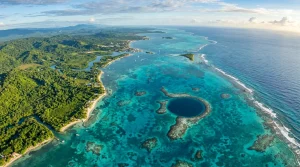
When Sargassum seaweed blankets certain beaches in Belize, a treasure trove of alternative activities beckons adventurous souls to explore the region’s diverse offerings. Embrace the chance to discover the hidden gems that lie beyond the shoreline, immersing yourself in Belize’s rich natural and cultural landscapes.Head towards the lush interior, where the wonders of the Maya civilization await. Explore the ancient ruins of Xunantunich or Caracol, where towering pyramids and intricate stone carvings provide a glimpse into the region’s storied past. These historical sites, nestled within verdant jungles, offer a sense of mystery and awe, allowing you to connect with Belize’s rich heritage. Guided tours often include hikes through shaded paths, where the sounds of nature and the sight of vibrant wildlife are sure to invigorate your spirit.For those seeking aquatic adventures away from beach crowds affected by Sargassum, Belize’s famous Great Blue Hole is an unmissable destination. This world-renowned marine sinkhole is ideal for diving and snorkeling enthusiasts eager to marvel at the stunning coral formations and diverse sea life within clearer waters. Alternatively, take a boat trip to the Barrier Reef, where vibrant reefs and thriving marine ecosystems create a paradise for underwater exploration.Venture further into the lush rainforests, where exciting eco-tours unveil the region’s biodiversity. Consider visiting Cockscomb Basin Wildlife Sanctuary, a true gem for wildlife lovers. This protected area is home to jaguars, tropical birds, and numerous hiking trails that lead to breathtaking waterfalls. Guided night tours also offer thrilling opportunities to see nocturnal wildlife in action, making each outing truly memorable.Lastly, capitalize on Belize’s vibrant cultural offerings, particularly in towns like San Ignacio or Belmopan. Here, savor traditional Creole cuisine in local eateries, shop for handcrafted goods at vibrant markets, or partake in cultural festivals that celebrate the country’s rich heritage with lively music, dance, and art forms. Engaging with locals not only enhances your experience but also allows for genuine connections and unique insights into Belizean life.In a land where adventure and culture intertwine, you can relish your Belizean journey, even when faced with the seasonal ebb and flow of Sargassum. Embrace the opportunities presented by this captivating nation, creating memories that will linger long after your toes run free of sand.Planning Your Trip: Seasonal Considerations for Travelers
Travelers heading to Belize will find that planning their journey requires considerations beyond the stunning landscapes and rich culture. One significant factor to keep in mind is the phenomenon of Sargassum seaweed, which can affect beach conditions, particularly during certain seasons. Understanding this natural occurrence can help you make the most informed choices for your visit and ensure that your experience is nothing short of remarkable.Sargassum typically peaks in Belize from late spring through early fall, with the months of June to August often seeing the highest concentrations along the coast. This influx can impact popular beach destinations, resulting in mats of seaweed on the shore that may hinder swimming and sunbathing. To best enjoy your beach experience during this time, consider seeking accommodations that are proactive in managing Sargassum by maintaining clean beachfronts and providing alternative activities, such as snorkeling trips or guided excursions to the Great Blue Hole or the Barrier Reef, where the waters remain relatively unaffected by seaweed.It’s also wise to stay updated on beach conditions through local resources and social media platforms where residents and visitors share real-time information. Engaging with local communities can provide insights into areas less impacted by Sargassum, allowing you to explore hidden gems that showcase Belize’s colorful marine life and vibrant culture. Whether it’s the less frequented southern beaches or the socio-cultural experiences available in towns like San Ignacio, flexible travel plans will help you navigate these seasonal challenges with ease.Planning your trip with an open mind can lead to discovering the hidden treasures of Belize. Sargassum may be a natural occurrence, but it paves the way for unique adventures inland, from ancient Mayan ruins to lush jungles teeming with wildlife. Embrace these opportunities to connect with Belize’s rich heritage and magnificent landscapes, turning potential inconveniences into unexpected delights.Frequently asked questions
Q: Does Belize experience Sargassum seaweed, and how does it affect the beaches? A: Yes, Belize does experience Sargassum seaweed, particularly affecting beaches along the coast. The presence of Sargassum can impact beach access and the swimming experience, but local efforts are in place to manage its effects. For more information, check the section on beach conditions.Q: What can travelers do to avoid Sargassum during their visit to Belize? A: To avoid Sargassum, travelers can monitor local beach conditions before heading out and consider visiting less affected areas or opting for resorts with dedicated beach maintenance. Staying informed through local news can also help plan beach visits effectively.Q: When is the peak season for Sargassum in Belize? A: The peak Sargassum season in Belize typically occurs from late spring to early fall, often peaking around June and July. Travelers should plan accordingly, focusing on alternative activities during this time.Q: What are some eco-friendly solutions being implemented against Sargassum in Belize? A: Eco-friendly solutions include using beach cleaning equipment, promoting community clean-up initiatives, and encouraging composting of Sargassum. Local organizations work to find sustainable ways to manage seaweed impact without harming marine ecosystems.Q: How can I enjoy Belizean beaches despite the presence of Sargassum? A: Enjoying Belizean beaches during Sargassum season involves choosing areas with less accumulation, visiting at low tide, and engaging in snorkeling or diving activities off the beach, where Sargassum is less of an issue.Q: Are there specific areas in Belize that are more prone to Sargassum? A: Yes, areas like Ambergris Caye and Placencia often experience higher levels of Sargassum during peak season. Travelers should stay updated on local reports to discover which areas may be less affected.Q: How does Sargassum impact marine life in Belize? A: While Sargassum provides habitats for certain marine species, excessive amounts can lead to oxygen depletion in water, impacting fish populations. However, local marine life has adapted to some extent, creating a dynamic ecosystem.Q: What actions are local communities taking in response to Sargassum influxes? A: Local communities are actively engaging in clean-up efforts, educating visitors about Sargassum, and collaborating with environmental groups to develop long-term management strategies for the recurring seaweed influx.The Conclusion
As we wrap up our exploration of whether Belize experiences sargassum and its impact on beach conditions, remember that while seaweed can be part of the natural cycle, it doesn’t overshadow the beauty this destination offers. With stunning attractions like the Great Blue Hole and an array of vibrant cultural experiences, Belize remains a must-visit for any traveler. Don’t let seasonal changes deter your plans; check our guides on Belizean destinations and practical travel tips to ensure your trip is unforgettable!Dive deeper into Belize’s wonders by exploring our articles on the top destinations to visit and accommodations that cater to every budget. Whether you’re seeking adventure in the jungle or a serene beach escape, there’s something here for everyone. If you want to stay updated with the latest travel tips and guides, consider signing up for our newsletter. Your next Belize adventure awaits-let’s make it extraordinary together!Comprehensive Guide and In-Depth Analysis: Sargassum, Its
When exploring the details surrounding sargassum, its, understanding the practical, environmental, and cultural dynamics of Belize is essential for making informed travel or investment decisions. Belize stands out in Central America for its English-speaking heritage, British Common Law legal stability, and world-class ecotourism infrastructure.
Whether navigating mainland rainforest corridors, consulting local authorities, or exploring marine conservation zones along the Belize Barrier Reef, having verified, comprehensive information regarding sargassum, its ensures seamless execution.
| Key Evaluation Pillar | Standards & Conditions in Belize | Actionable Best Practices |
|---|---|---|
| Regional Specifics | Variations between northern districts, central cayes, and southern rainforests | Align plans with specific district infrastructure and seasonal weather |
| Regulatory & Legal Framework | Belize Tourism Board (BTB) regulations and national conservation laws | Always work with licensed local professionals and certified guides |
| Logistics & Practical Costs | Fixed 2:1 BZD-to-USD currency peg; accessible transport via air and water | Plan budget with cash buffer for remote destinations and transfers |
For visitors and residents alike, engaging with sargassum, its through authorized, sustainable practices contributes directly to local community development and the preservation of Belize’s pristine marine and terrestrial ecosystems.
Frequently Asked Questions: Sargassum, Its
Why is understanding sargassum, its important for Belize visitors?
It provides essential context for choosing the right regional destinations, understanding local pricing, and ensuring full compliance with environmental and tourism standards.
How do seasonal factors affect sargassum, its in Belize?
The dry season (December through May) offers calm seas and sunny weather, while the green season brings lower rates and lush jungle scenery.
Get our latest guides, news, and insights highlighted in your Google Search & AI Overviews.