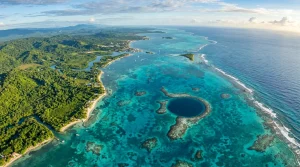
Belize, with its sun-soaked beaches and lush jungles, may be synonymous with tropical warmth, but has it ever really snowed here? This intriguing question evokes a mix of curiosity and disbelief, prompting exploration into the climate mysteries of this Central American gem. Understanding the weather patterns of Belize is essential for travelers and potential expats alike, helping them plan adventures that encompass its vibrant culture and stunning natural landscapes. In this article, we will unravel the truth behind snow in Belize and delve into the unique climatic conditions of this tropical paradise, offering insights that will enrich your travel experience and expand your awareness of this beautiful country.
Has It Ever Snowed in Belize? Understanding the Climate

Belize, renowned for its stunning landscapes and rich biodiversity, is a tropical paradise where warm sunshine reigns supreme, making the idea of snowfall feel more like a whimsical fantasy than a reality. In this enchanting country, nestled between the Caribbean Sea and lush rainforests, snow is as rare as a sighting of a jaguar in the wild. The climate here is predominantly tropical, with temperatures rarely dipping below the comfortable 60°F (15°C) mark, even at night. Historical records show that it has never officially snowed in Belize, firmly placing this Central American gem in the ‘no snow zone’ of the world.
The weather patterns in Belize are characterized by a distinct wet and dry season. The dry season, lasting from late November to mid-April, offers ideal conditions for travelers seeking sun-soaked adventures, while the rainy season from June to November brings refreshing downpours that nourish the vibrant ecosystems and lush vegetation. However, even during the rainiest months, snowfall remains an alien concept. Instead, the sporadic thunderous rains are reminiscent of summer storms, adding to the allure of Belize’s natural beauty rather than detracting from it.
As climate change continues to reshape weather trends globally, Belize is increasingly witnessing shifts in its weather patterns. While the likelihood of snow remains exceedingly low, environmental changes may bring about more erratic rainfall patterns and intensified storms, prompting a need for sustainable practices to protect this paradise. Visitors can not only celebrate but also participate in preserving Belize’s unique environment by engaging in eco-tourism activities, such as visiting national parks or participating in conservation programs, ensuring that this tropical Eden remains untouched and vibrant for generations to come.
In summary, snow in Belize is a captivating thought that showcases the country’s inherent warmth and charm, reflecting a climate that welcomes adventurers to explore its myriad wonders, from the azure waters of the Caribbean to the ancient ruins hidden in its dense jungles.
The Unlikely Chance of Snowfall in Belize

In a land where the sun kisses the turquoise waters and the gentle breezes rustle through the lush jungles, the thought of snow in Belize seems almost surreal. A tropical haven positioned between the Caribbean Sea and dense rainforests, Belize is characterized by its invigorating warmth, making snow an impossibility rather than just an unlikely occurrence. It’s a place where temperatures seldom dip below a comfortable 60°F (15°C), even during the coolest nights, and where the rich biodiversity thrives under the relentless sunshine.
While many may ponder the chance of snowfall in Belize, historical weather patterns firmly root this paradise in the tropics. In fact, it has never officially snowed, placing Belize squarely in a ‘no snow zone.’ The climate here boasts a distinct wet and dry season; the dry season, from late November to mid-April, paints the landscape in vivid colors, perfect for exploration and relaxation. As the rainy season arrives, homespun thunderstorms bring refreshing showers that rejuvenate the flora and fauna, further enhancing the vibrant ecosystems. Yet, amidst this natural spectacle, snow remains a whimsical fantasy, overshadowed by the realities of tropical storms and sun-drenched days.
As climate change continues to influence weather patterns worldwide, Belize is not impervious to these shifts. While snow is still off the table, notable changes such as increased rainfall variability and intensified storms have been observed. This reality serves as a poignant reminder of the importance of sustainable tourism and environmental conservation. Visitors have the unique opportunity to immerse themselves not just in the breathtaking landscapes and rich culture but also in efforts to protect this ecological sanctuary. Engaging in eco-tourism activities-from exploring the Great Blue Hole to participating in local conservation initiatives-ensures that Belize’s remarkable biodiversity is preserved for future generations to cherish.
Historical Weather Patterns in Belize
In the land of vibrant Caribbean colors and lush green jungles, the climate paints a picture that is as consistent as it is inviting. Belize, nestled between the Caribbean Sea and dense rainforests, has never experienced the whimsical sight of snow. This tropical paradise is defined by its warm weather, with average temperatures rarely dipping below 60°F (15°C). Historical weather data reveals that the country is dominated by a distinct wet and dry season cycle, deeply influencing the landscape and the lifestyle of its inhabitants.
During the dry season, from late November to mid-April, Belize transforms into a sun-soaked haven. This period is characterized by clear skies and low humidity, making it the perfect time for outdoor excursions. The warmth encourages travelers to explore the ancient Maya ruins, whether it’s climbing the towering temples at Caracol or wandering the lush trails of Cahal Pech. This season attracts visitors eager to bask in the stunning coastal views of the Great Blue Hole or the pristine beaches of Ambergris Caye.
Conversely, the rainy season, which lasts from June to October, brings a very different climate experience. While rain showers can be frequent, they usually arrive in brief bursts, providing a refreshing respite from the tropical heat. This invigorating cycle rejuvenates the rainforests, making the natural beauty of Belize even more pronounced. The vibrant flora and fauna come alive, offering a fantastic opportunity for wildlife enthusiasts and bird watchers to encounter a stunning array of species, from vibrant toucans to playful howler monkeys.
Understanding these historical weather patterns is essential for anyone planning a visit, especially if you seek to experience the lush landscapes and rich culture of Belize. Whether you’re diving into the turquoise depths of the Caribbean or exploring the intricate cave systems of the jungle, anticipating the weather will enhance your adventure in this breathtaking slice of paradise. Embrace the warm temperate embrace of Belize; it’s a fantastic destination year-round, with each season offering its unique charm and opportunities for exploration.
Climate Zones: Exploring Belize’s Tropical Climate

Belize is a vibrant tapestry of climate zones that contribute to its rich biodiversity and unique ecological systems. The country is primarily characterized by a humid, tropical climate with distinct wet and dry seasons that shape not just the environment but also the cultural experiences available to visitors. With temperatures averaging around 80°F (27°C) year-round, the warm subtropical climate invites travelers to immerse themselves in its natural wonders, from lush rainforests to stunning coastline vistas[2[2].
The landscape of Belize varies significantly due to its diverse geography, which includes coastal plains, mountainous regions, and dense jungles. Along the Caribbean coast, you’ll find the effects of maritime influence; here, the climate is more humid with cooler coastal breezes providing some relief from the heat. Inland, the foothills of the Maya Mountains experience a slightly cooler and drier microclimate, perfect for exploring ancient ruins like Xunantunich and enjoying the unique flora and fauna unique to this area. Bird watchers, in particular, will appreciate the variety that these different climatic zones offer, with many species taking refuge in the diverse habitats[3[3].
Understanding these climate zones is essential not only for planning your travel itinerary but also for experiencing the vibrant culture and natural beauty that Belize has to offer. The dry season, running from late November to mid-April, is particularly popular for outdoor activities, making it the ideal time to visit breathtaking sites like the Great Blue Hole or the thrilling river caves of Actun Tunichil Muknal. Meanwhile, the rainy season, which generally lasts from June to October, brings its own magic with lush landscapes and frequent wildlife sightings, providing photographers and nature lovers with fantastic opportunities[1[1].
In the face of climate change, Belize faces the challenge of rising sea levels and erratic weather patterns. Efforts to embrace sustainable tourism and conservation practices are crucial as the nation works to protect its delicate ecosystems while welcoming visitors. Engaging with local conservation initiatives can offer travelers a deeper insight into Belize’s natural world as they help preserve its beauty for generations to come. This diversity in climate not only enhances the appeal of Belize as a travel destination but also highlights the need for mindful exploration and appreciation of this ecological wonder.
Average Temperatures and Seasonal Variations
Belize’s climate is a delightful realm of warm temperatures and seasonal variations that can set the stage for adventure or relaxation. With average year-round temperatures hovering around a pleasant 80°F (27°C), visitors can expect a consistent backdrop of tropical warmth no matter when they choose to visit. The air is often enlivened by gentle breezes, particularly in coastal areas, making it a perfect escape for those yearning for sunshine and outdoor activities.
The country typically experiences two distinct seasons: the dry and the rainy. The dry season, lasting from late November to mid-April, is the prime time for outdoor explorations. During this period, temperatures are slightly cooler, and humidity levels decrease, providing optimal conditions for hiking through lush jungles, snorkeling in the vibrant reefs, or visiting ancient Mayan ruins. Travelers can take advantage of the clear skies to enjoy breathtaking sights like the Great Blue Hole or the vibrant wildlife of Cayo District.
Conversely, the rainy season runs from June to November, bringing with it a lush, green landscape and a more humid atmosphere. Rainfall is frequent but often comes in short, refreshing bursts, allowing the sun to shine through between showers. This time of year can provide unique photography opportunities as wildlife becomes more active, and the vibrant colors of Belize’s natural surroundings are accentuated. Bird watching is particularly rewarding during this season, as migratory bird species flock to the region.
Understanding the seasonal variations in temperatures helps plan your visit effectively. For those interested in diving or snorkeling, the calm waters during the dry season create perfect conditions. Meanwhile, eco-tourists may find the rainy season rewarding for experiencing Belize’s enchanting natural beauty through a different lens-a time when waterfalls are at their fullest, and the ecosystem thrives. Embrace these nuances to maximize your experience, reveling in the unique charm that each season in Belize can offer.
Rainy Seasons vs. Dry Seasons Explained
Belize’s climate is a captivating tapestry woven from the contrasts of its rainy and dry seasons, making it a unique destination for travelers. Imagine basking in the sun along a pristine beach during the dry months, where temperatures hover around a delightful 80°F (27°C), and the skies are a brilliant blue. This season stretches from late November to mid-April, welcoming visitors with reduced humidity and clearer skies-ideal for exploring the great outdoors, from adventuring in lush jungles to diving in coral-rich waters. The well-timed interplay of clear days allows for unforgettable views of landmarks like the Great Blue Hole, enticing nature enthusiasts with opportunities for snorkeling, hiking, and reconnecting with the stunning landscape.
As the calendar flips to June, the lush, vibrant character of Belize transforms with the onset of the rainy season, lasting until November. Here, rain isn’t merely a wet blanket; it’s a refreshing kiss from the skies that fuels the country’s incredible biodiversity. Showers arrive typically in short, heavy bursts, often followed by periods of sunshine that illuminate the already rich greens of the tropical foliage. This season encourages a flourishing of both flora and fauna, making it a fantastic time for bird watching, as migratory species flock to Belize’s rich ecosystems. The lush terrain offers an entirely different perspective for eco-tourism, with bustling waterfalls and thriving wildlife creating an enchanting backdrop for photography and exploration.
Whether it’s the tranquil beaches and clear skies of the dry season or the vibrant life and lush landscapes of the rainy season, understanding these climatic patterns helps you plan your visit more effectively. Travelers considering the rainy season should be prepared for the occasional downpour, but these rains are often fleeting, allowing sunlit adventures in between. Meanwhile, the dry season offers a more predictable climate, perfect for those seeking outdoor activities without interruption. Embracing the seasonal nuances allows you to experience the best of what Belize has to offer, ensuring a memorable and enriching journey through this Central American paradise.
The Impact of Climate Change on Belize
The stunning landscapes and vibrant ecosystems of Belize are increasingly vulnerable to the effects of climate change, a looming reality that impacts both its natural beauty and the livelihoods of its local communities. Rising sea levels are one of the most pressing threats to Belize, particularly for its coastal regions and the numerous islands known as cayes. As the Caribbean Sea inches ever closer to the shore, coastal erosion and saltwater intrusion threaten freshwater resources and disrupt the delicate balance of the region’s biodiversity.
Moreover, changing weather patterns are altering rainfall distribution which, in turn, affects agriculture-an essential part of Belize’s economy. The rainy season, once predictable, is becoming increasingly erratic, leading to instances of both drought and flooding. These extremes not only challenge farmers but also jeopardize food security for families that depend on local crops. During these unpredictable weather events, communities often find their resources stretched thin, creating further strain on local economies.
Wildlife in Belize also faces increasing pressure due to habitat loss and changing environmental conditions. Species such as the iconic jaguar and the numerous bird species that flock to Belize’s lush forests are experiencing shifts in their habitats, which complicates conservation efforts. The impact of climate change resonates throughout the ecosystem, influencing mating seasons, migration patterns, and the availability of food sources.
In response to these challenges, communities and organizations are working tirelessly to promote sustainable practices and encourage eco-tourism. This not only helps protect the environment but also fosters economic resilience. Visitors to Belize can play an essential role in this effort by supporting eco-friendly tours, participating in conservation projects, and choosing accommodations that prioritize sustainability. Travelers are encouraged to understand and appreciate the delicate balance of Belize’s ecosystems, making choices that support the local environment and culture.
Overall, visitors to Belize will find a unique opportunity to witness its stunning natural beauty while being mindful of their impact on the landscape. Engaging with local communities and embracing sustainable tourism can help ensure that the vibrant tapestry of Belize remains for future generations to marvel at-free from the shadows cast by climate change.
Uncommon Weather Events: A Closer Look
In a land where the sun-drenched beaches meet dense jungles, the notion of snowfall in Belize may seem utterly fantastic. However, while the tropical climate ensures an absence of snow, the country does experience its share of uncommon weather events that can surprise even seasoned travelers. From strange cold fronts to unexpected heavy showers, Belize’s weather has a way of keeping everyone on their toes.
Cold fronts from the north occasionally sweep down into Belize, especially during the late fall and winter months. This phenomenon can lead to unseasonably cool temperatures-as low as the mid-50s°F (around 13°C)-causing locals to bundle up in jackets and scarves, which is quite a sight against the backdrop of palm trees. Though it doesn’t snow, the chill can create a rare atmosphere for outdoor activities, allowing visitors to enjoy the stunning landscapes without the sweltering heat.
In addition to these temperate surprises, Belizeans are not strangers to the sporadic heavy rains that may continue past the traditional rainy season. Storms can bring unexpected deluges, sometimes causing temporary flooding in low-lying areas. Such events remind travelers to plan accordingly: when visiting during the wet months, it’s wise to have flexible itineraries and check weather forecasts regularly. Staying informed can help avoid the pitfalls of sudden storms while still allowing adventurers to discover the lush flora and fauna that thrive during these wetter spells.
Belize’s proximity to the Caribbean Sea makes it susceptible to hurricanes, particularly from June through November. The effects of these storms can vary from mild rain to severe wind and flooding, compelling the government and local communities to implement robust disaster preparedness plans. For travelers, this means keeping an eye on weather updates during these months and having contingency plans in place might save the day.
Embrace these uncommon weather events as a part of Belize’s charm. They offer an opportunity to witness the resilience of a culture that thrives amidst the whims of nature and adapt your travel plans for unique experiences that go beyond the typical beach day. When taking in the stunning sights-from the Great Blue Hole to ancient Mayan ruins-remember that the vibrant spirit of Belizean culture shines brightest in the face of nature’s unpredictability.
Wild Weather: Hurricanes and Tropical Storms
In the vibrant tapestry of Belize’s weather, hurricanes and tropical storms loom large, casting both awe and respect in the hearts of its residents and visitors alike. Nestled within the Caribbean Sea, Belize experiences its stormiest season from June to November, when warm ocean waters fuel the potential for powerful storms. While the thrill of tropical weather can add a layer of adventure to your travels, it’s crucial to remain informed and prepared to ensure your experience remains enjoyable and safe.
As a visitor, keeping abreast of weather forecasts before and during your trip is essential. Local meteorological services and websites provide real-time updates, helping you gauge the likelihood and potential severity of any incoming storms. It’s advisable to invest in travel insurance that covers weather-related disruptions, giving you peace of mind should your plans need to change unexpectedly. If you find yourself in Belize during hurricane season, here are a few practical tips:
- Stay Informed: Regularly check local news and weather apps. Follow the National Hurricane Center for updates on tropical storms or hurricanes.
- Have a Plan: Know your accommodations’ hurricane preparedness procedures. Many hotels and lodges have protocols in place to ensure guest safety.
- Pack Appropriately: Bring essentials like flashlights, bottled water, and non-perishable snacks. While storms can be unpredictable, being prepared adds an extra layer of comfort.
- Respect Local Advice: Listen to locals and follow their recommendations regarding safety and evacuation routes, as they understand the patterns and preparations unique to the area.
Although hurricanes can be intimidating, they also offer a unique perspective on the resilience of Belizean culture. Over the years, the nation has developed robust systems for disaster management, and witnessing the community’s solidarity in the face of adversities can be a humbling experience. Plus, many visitors who embrace the off-peak season are rewarded with fewer crowds and more intimate encounters with Belize’s breathtaking landscapes.
The aftermath of a storm can unveil a different beauty to the natural world. Once the skies clear, colorful rainbows often arc over the lush jungles, and a fresh breeze sweeps through the air, invigorating the land. From the Great Blue Hole to tranquil beaches, those willing to explore during and after the rainy season may discover a uniquely lush and vibrant Belize, showcasing nature’s power and beauty in equal measure.
Tips for Visiting Belize During Different Seasons
Visiting Belize is like stepping into a vibrant painting, where the hues of the ocean blend seamlessly with the lush jungle, creating a paradise that offers unparalleled experiences across different seasons. Understanding the nuances of Belize’s climate can enhance your journey, allowing you to plan activities that align with the local weather. While snow is a rarity-paradoxically nonexistent here-every month in Belize brings its own unique conditions, each characterized by warm tropical temperatures and occasional showers.
During the dry season, which typically runs from late November through mid-April, you can expect plenty of sunshine and comfortable temperatures, averaging around 80°F (27°C). This is the perfect time to explore the pristine beaches of Ambergris Caye or dive into the mesmerizing depths of the Great Blue Hole. Make sure to book accommodations in advance, especially during peak tourist months like December and March, when visitors flock to experience the perfect weather.
As the rainy season sets in from June to November, Belize takes on a different character. While you may encounter regular afternoon showers, these rains rejuvenate the landscape and bring out the vibrant colors of the environment. June and July see some of the lowest rainfall, making them ideal for outdoor adventures like hiking through the lush jungles or visiting ancient Maya ruins. However, it’s essential to stay updated on weather patterns, as this is also hurricane season. Regularly check local weather forecasts and prepare for sudden changes.
In addition to weather conditions, cultural events can significantly influence your visit. Attending local festivals such as Garifuna Settlement Day in November showcases Belize’s rich cultural heritage and offers a chance to interact with locals. Pack accordingly: lightweight clothing for daytime exploration and possibly a light jacket for cool evenings, especially in the jungle. With all its varied seasons, Belize invites you to engage deeply with its natural wonders while ensuring preparations align with the climate’s whims-providing both adventure and peace of mind on your tropical journey.
Cultural Perspectives on Weather in Belize
The diversity of cultural expressions in Belize can be traced not only to its rich history but also to its unique climate. For Belizeans, weather is more than just a backdrop; it’s interwoven into the country’s traditions, agricultural practices, and communal life. The warmth and humidity of the tropical climate create an environment where outdoor gatherings flourish, and vibrant festivals become a cherished part of the cultural landscape.
Throughout the year, Belizeans celebrate a series of colorful events that resonate with the rhythm of the climate. The Garifuna Settlement Day in November, for example, coincides with the onset of the cooler, drier season. During this festival, visitors are treated to lively music, traditional drumming, and dance, celebrating the Garifuna culture and community resilience. Attendees often embrace the pleasant weather by gathering along coastlines, making it a joyful communal affair filled with cultural significance.
Moreover, the rainy season from June to November brings its own set of celebrations, particularly in rural areas where agriculture plays a vital role. The rains symbolize renewal and life, and families partake in traditional harvesting festivals that honor the earth’s gifts. These cultural activities often involve feasting on local produce and sharing stories around campfires, emphasizing the connection between weather patterns and community bonding.
When visiting Belize, understanding these cultural perspectives on weather can enhance your travel experience. Embrace the local traditions that coincide with environmental changes and interact with communities celebrating their heritage. With every festival, you can savor more than just the cuisine; it’s an invitation to appreciate how weather shapes lives and livelihoods in this vibrant nation.
What to Expect: Belize’s Unique Wildlife and Climate
In the heart of Central America lies Belize, a mesmerizing destination where the sun-kissed shores meet lush jungles, creating a vibrant tapestry of ecosystems that thrive under the warm embrace of a tropical climate. While most people associate the tropics with sun and warmth, Belize showcases an extraordinary richness in wildlife that flourishes in its unique climate, making it a paradise for nature lovers and adventurers alike.
Exploring Belize reveals an enchanting diversity of wildlife that can be experienced through various ecosystems-from the coral reefs of the Belize Barrier Reef to the verdant rainforests and ancient Maya ruins. One might encounter the elusive jaguar prowling through the jungle or spot a vibrant toucan soaring overhead. The coastal mangroves serve as crucial nurseries for fish and crustaceans, while also being home to birds such as the impressive roseate spoonbill. Adventure seekers can dive into the crystal-clear waters to discover the rich marine life teeming in spots like the world-famous Great Blue Hole, where colorful fish and majestic nurse sharks paint an underwater masterpiece.
Despite its allure, the climate presents its own set of unique challenges for travelers. Belize’s weather is characterized by a tropical climate with a distinct wet and dry season; the dry season, from December to May, is often considered the best time for visitors, offering sunny skies ideal for exploration. However, the wet season from June to November brings lush landscapes and vibrant flora, which means wildlife is more active and visible. Keep an eye out for the migration of birds during this time, as thousands of species find refuge in Belize’s sanctuaries.
Understanding the intricate relationship between wildlife and climate in Belize is essential for those looking to immerse themselves in its natural beauty. As you traverse the varying terrains, from shimmering beaches to dense forests, remember that each climate zone plays a critical role in supporting Belize’s rich biodiversity. Whether you’re hiking through jungle trails or lounging on pristine shores, you’re guaranteed a unique adventure that showcases the country’s commitment to preserving its remarkable ecological heritage.
In planning your journey, it’s valuable to consider practical aspects like seasonal forecasts and specific wildlife experiences. Be sure to dress appropriately for sudden rain showers during the wet season and always carry water to stay hydrated while exploring. Wildlife safaris, diving trips, and eco-tours enrich your experience, allowing you to appreciate the symbiotic relationship between climate and the diverse species that call Belize home. Let the wonders of Belize’s wildlife and climate create unforgettable memories as you embrace the vibrant pulse of this Central American gem.
Frequently asked questions
Q: Is snow in Belize a possibility?
A: Snow is extremely unlikely in Belize due to its tropical climate. The country’s temperatures rarely drop enough for snow to form, making it an ideal destination for warm-weather activities year-round.
Q: When does Belize experience its coldest weather?
A: Belize’s coldest weather typically occurs between December and February, with night temperatures sometimes dipping to around 60°F (15°C). However, these conditions are still far from snowfall.
Q: What are the typical weather patterns in Belize?
A: Belize enjoys a tropical climate, featuring a wet season from June to November and a dry season from February to May. Average daily temperatures range from 70°F (21°C) to 90°F (32°C), with high humidity levels throughout the year.
Q: Are there any recorded instances of snow in Belize?
A: There are no recorded instances of snow in Belize. Historical weather patterns indicate that the country’s geography and climate do not support snowfall.
Q: How does climate change affect weather in Belize?
A: Climate change is likely increasing the frequency of unusual weather events in Belize, such as intensified storms and fluctuating temperatures. Travelers should stay informed about weather patterns, especially during hurricane season.
Q: What is the impact of seasonal changes on Belize’s climate?
A: Seasonal changes in Belize result in distinct wet and dry seasons that greatly affect travel plans. The dry season attracts more tourists, while the wet season can bring heavy rainfall and potential storms. Consider visiting during the dry season for optimal weather.
Q: How can visitors prepare for Belize’s diverse weather?
A: To prepare for Belize’s weather, travelers should pack lightweight clothing for warm days and a light jacket for cooler evenings. It’s also wise to have rain gear handy if visiting during the wet season.
Q: What wildlife can be observed in Belize’s different climates?
A: Belize’s varied climates support a rich biodiversity, including species like jaguars, manatees, and diverse bird species. Exploration of rainforests and coastal areas offers unique wildlife viewing opportunities, especially during the dry season for easier access to habitats.
The Way Forward
Curious about the climate of Belize and its surprising weather patterns, like the rare snowfall? You’ve uncovered some fascinating insights in “Has It Ever Snowed in Belize? Climate Mysteries Revealed.” While snow may be an unlikely visitor, Belize certainly showcases a captivating blend of tropical beauty and diverse weather. Explore related topics such as the best times to visit Belize and its stunning eco-tourism opportunities by checking out our guides on Belize’s vibrant wildlife and how to plan the perfect trip around its beautiful coasts and jungles.
Don’t miss out on our insider tips for discovering Belize’s hidden gems, from local festivals to unique dining experiences that celebrate its rich culture. Ready to deepen your journey? Sign up for our newsletter for updates on the latest travel tips and exclusive resources. Embrace the adventure that awaits in this beautiful destination, and keep exploring-as many more mysteries of Belize are waiting to be uncovered!
Get our latest guides, news, and insights highlighted in your Google Search & AI Overviews.