Exploring the Rich History of Belizean Cultures
Discovering the intricate tapestry of Belizean cultures is like peeling back layers of historical richness and vibrant living traditions. From ancient Maya civilizations to the dynamic influences of the Garifuna and Creole peoples, Belize is a microcosm of historical encounters and intercultural dialogue. Each thread in this cultural fabric tells a story of resilience, creativity, and enduring heritage, creating an environment that is as welcoming as it is diverse.The indigenous Maya, who once thrived in this lush landscape, left behind breathtaking archaeological marvels-like the temples of Caracol and Lamanai-that speak of their advanced society and rich belief systems. Visitors can immerse themselves in this history through guided tours, where the echoes of their rituals and lifestyle resonate amidst the ruins. As you explore these ancient sites, the connection between past and present becomes tangible, providing insights into the enduring impact of Maya heritage on Belizean culture today.The arrival of various groups, including the British, Spanish, and indentured workers from Africa, further enriched this cultural milieu. Today, the Creole community celebrates a unique blend of African, European, and indigenous influences through lively music, delicious culinary traditions, and vibrant festivals. Engaging with locals during the annual Carnival or the lively celebrations of Garifuna Settlement Day offers travelers an authentic experience of Belize’s cultural fabric, reflecting the community’s joyful spirit and resilience.In essence, the cultures of Belize invite you to not only witness their beauty but to participate in their ongoing story-a celebration of survival, creativity, and unity amid diversity. Each moment spent in this enchanting country not only broadens your understanding of its history but also deepens your appreciation for the shared humanity that binds us all together amidst this rich cultural landscape.
The Influence of Indigenous Groups on Belize
The rich cultural landscape of Belize is profoundly shaped by its Indigenous groups, particularly the Maya, whose legacy permeates various aspects of Belizean society today. Known for their incredible architectural achievements, the ancient Maya built magnificent city-states that dot the Belizean jungles. Sites like Caracol, once a thriving metropolis, and Lamanai, a stunning temple site, offer modern visitors insights into the Maya civilization’s sophisticated social structures, religious practices, and agricultural innovations. Exploring these ruins with knowledgeable guides allows travelers to appreciate how the Maya adapted to their environment and how their beliefs are still reflected in contemporary Belizean culture.The Maya are not just remnants of history; their influence is alive and well in the daily lives and traditions of many Belizeans. For instance, many present-day Maya communities continue traditional practices in agriculture and craft-making, ensuring that ancient skills in weaving and pottery thrive. Visitors can engage with local artisans in places like San Antonio Village, where you can learn about and purchase handmade crafts, gaining a deeper appreciation of the cultural significance behind each piece.Moreover, Indigenous festivals, such as the Maya Homecoming Festival, feature music, dance, and food that celebrate the Maya heritage. During these vibrant events, travelers can participate in traditional rites, enhancing their understanding of the festival’s historical roots and its role in contemporary identity. This blending of cultural expressions truly illustrates the enduring spirit of the Maya and their integral role in Belize’s multicultural tapestry.As you navigate Belize’s diverse landscape, from lush jungles to bustling coastal towns, it becomes clear that the influence of Indigenous groups is a vital part of what makes Belizean culture rich and engaging. By immersing yourself in these experiences, you not only explore the breathtaking beauty of this Central American gem but also connect with the enduring history that shapes its modern-day identity.
Celebrating Creole Heritage and Traditions
Belize is a vibrant tapestry woven from the threads of its diverse cultures, and nowhere is this more evident than in the lively celebrations of Creole heritage. The Creole people of Belize, primarily descendants of African slaves and British settlers, have contributed a wealth of tradition, music, and culinary delights to the country’s cultural landscape. Every aspect of Creole life, from the rhythmic sounds of their music to the vibrant colors of their attire, tells a story of resilience and pride.At the heart of Creole culture is a rich musical heritage characterized by genres like Punta and Brukdown. Vibrant dance performances accompany this music, captivating audiences during cultural festivals and local gatherings. One can often find Creole bands performing in parks, bars, and during community events, infusing the atmosphere with rhythms that are impossible to resist. Participating in these lively gatherings not only provides a glimpse into Creole traditions but also encourages travelers to join in the dancing and singing, fostering a sense of camaraderie with locals.Creole cuisine is another celebration of identity, featuring dishes that serve as a delightful tour of flavors. Staples like rice and beans, often paired with stewed chicken or fry jack, reflect a blend of culinary influences. For a truly authentic experience, visitors should seek out local eateries or markets where they can savor traditional meals like meat pies or coconut tarts, often served with a side of stories from generations past. Engaging with local chefs can also provide insights into the unique spices and cooking methods that define Creole dishes.In addition to music and food, the distinct Creole dialect is a vital aspect of the culture. English is commonly spoken, infused with a rich mixture of Caribbean influences, creating a vibrant linguistic tapestry that is both expressive and rhythmic. Visitors will find that learning a few phrases in Creole can break the ice and open doors to deeper conversations with residents, enriching their travel experience.Creole celebrations, such as Garifuna Settlement Day, reflect the community’s spirit and resilience, showcasing a fusion of music, dance, and storytelling that honors both history and heritage. Joining in such festivities provides travelers with a genuine connection to Belize’s cultural heartbeat, allowing them to appreciate the vibrancy that the Creole people contribute to this unique Central American nation. Embracing and celebrating Creole culture is not just about observing; it is about diving into the experiences that make Belize an unforgettable destination.
Garifuna Culture: Music, Dance, and Identity
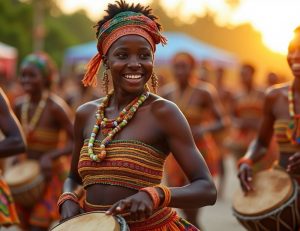
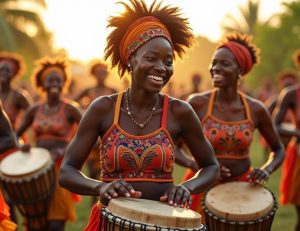
The beats of Garifuna music resonate with the heart and soul of Belize, encapsulating centuries of history, struggle, and triumph. Originating from the intermingling of West African, Carib, and Arawak peoples, Garifuna culture is a unique tapestry of dance, rhythm, and oral tradition that showcases the vibrant identity of its communities, primarily found along the Caribbean coast. One of the most remarkable aspects of Garifuna culture is its deep connection to music, which serves not only as entertainment but as a vital means of preserving heritage and storytelling.When you immerse yourself in Garifuna music, you’ll encounter a range of powerful rhythms and melodic patterns that syncopate beautifully with the traditional hand-drum compositions, particularly the *primera* and *segundas*-these are the backbone of their sound. Instruments like the *tambrin*, a type of drum, and the *guiro*, a scraping instrument, create rich soundscapes that invite spontaneous celebration and dance. Dancers become storytellers, using their bodies to convey tales of love, struggle, and the vibrant spirit of their ancestors during community gatherings and festive occasions. Participating in a Garifuna dance, where movements often mimic elements of nature-like the ocean’s waves-provides an unforgettable connection to the cultural roots of Belize.Celebrating Garifuna Heritage
Garifuna culture is celebrated dramatically each November during Garifuna Settlement Day, a national holiday that commemorates the arrival of the Garifuna people in Belize in 1802. The festival is replete with music, dance, and plenty of communal feasting, where traditional foods, such as *hudut* (a fish stew served with mashed plantains), take center stage. This event not only reinforces community bonds but also serves as a powerful reminder of resilience and cultural pride. Visitors are encouraged to participate in the festivities, which allow for an enriching experience, deepening their understanding of this unique culture through firsthand engagement.Garifuna heritage also reflects a profound connection to the land and sea, with many songs speaking to the importance of natural resources and the environment. Travelers venturing into Garifuna towns like Dangriga or Hopkins will discover vibrant murals, traditional crafts, and local artisans who share their crafts in workshops, emphasizing the significance of preserving their identity for future generations. From local markets to cultural performances, every interaction offers a chance to understand the depth of Garifuna culture, ensuring that visitors leave with not just memories but a meaningful appreciation of Belize’s diverse heritage.By embracing the rhythms, dance, and culinary delights of Garifuna culture, travelers gain insights into the spirit of Belize-a country that, much like its music, is a harmonious blend of influences drawing from its past while celebrating a hopeful and vibrant future.Belize’s Colonial Past and Its Legacy
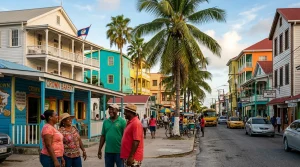
The tapestry of Belizean culture is beautifully intertwined with its colonial history, which has left an indelible mark on the nation’s identity, language, and customs. Emerging as a British settlement in the 17th century primarily for logging and trade, Belize was known as British Honduras until its independence in 1981. This unique colonial background has resulted in a striking blend of influences from Indigenous, African, and European cultures, creating a rich cultural mosaic that continues to evolve today.The legacy of colonialism is evident in many aspects of Belizean life, but perhaps most prominently in the language. English is the official language, a reflection of its colonial past, yet Belize is a multilingual society with Spanish, Creole, Garifuna, and other Indigenous languages spoken throughout the country. This multilingualism not only highlights the diverse heritage of the population but also fosters a vibrant cultural exchange that is palpable in everyday interactions.Architectural remnants of the colonial era can be seen in towns such as Belize City and Corozal, where Victorian-style buildings and colonial-style homes offer a glimpse into the past. A visit to the Belize Museum, housed in a former colonial prison, unveils the stories of both resistance and adaptation among the various ethnic groups that have shaped the nation. Here, you can explore exhibits that detail the life of the local Maya and the impact of slavery and indentureship that brought many West African and East Indian communities to the region.Culinary traditions also reveal the fusion of influences that arose from this colonial history. Foods such as stewed chicken, rice and beans, and plantain are staples, often flavored with unique blends of spices that reflect Caribbean, Mexican, and traditional Maya cooking methods. Many visitors delight in tasting local dishes at street vendors or during festivals that celebrate heritage, showcasing the interconnectedness of Belizean culture.Belize’s colonial past serves as both a foundation and a point of reflection for its modern identity. Efforts to preserve and celebrate this history can be seen during national holidays such as Independence Day and the Battle of St. George’s Caye, where Belizeans come together to remember their journey towards a free and sovereign nation. By understanding this rich historical backdrop, travelers can appreciate the resilience and pride of the Belizean people, deepening their connection to this diverse, vibrant culture that thrives on the intertwining of past and present.Festivals of Belize: Vibrant Expressions of Culture
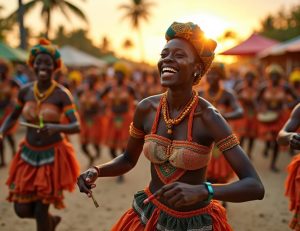
Throughout the year, Belize comes alive with a kaleidoscope of vibrant festivals that showcase its rich cultural tapestry. From colorful parades to heartfelt ceremonies, these celebrations reflect the diverse heritage of its people, ensuring a thrilling experience for visitors. One of the most iconic is the Carnival, held before Lent every year, where the streets are filled with revelers donned in elaborate costumes, dancing to the rhythms of live music. This event highlights the Creole culture, characterized by its spirited approach to life and joyful celebrations.Key Festivals in Belize
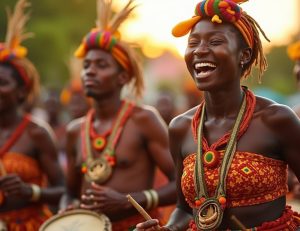
The Garifuna Settlement Day on November 19 is another essential celebration, marking the arrival of the Garifuna people to Belize. This festival is an exuberant homage with traditional drumming, dancing, and the consumption of exquisite local dishes. Expect to see performances that display traditional Garifuna music and dance, keeping the essence of their heritage alive. Likewise, Independence Day, celebrated on September 21, incorporates a national pride that unites citizens across ethnic backgrounds, featuring parades, fireworks, and soul-stirring performances that echo the nation’s fight for freedom.In the multicultural mix of Belize, the Maya Day celebrations in the town of San Ignacio offer travelers a chance to engage with the indigenous culture through traditional rituals, food, and music. This festival serves as a reminder of the Maya’s historical significance in Belize and allows visitors to witness ancient customs in a contemporary setting. Each of these festivals provides a unique lens into the identity and values of the diverse Belizean populace, where community spirit unites individuals from all walks of life.For those hoping to dive deeper into Belizean culture, timing your visit to coincide with these festivals can vastly enhance your travel experience. Not only will you witness stunning pageantry and passion, but you’ll also have the opportunity to connect with locals and gain a deeper understanding of what makes Belize truly unique. As you explore the festivities, don’t forget to indulge in local cuisines that emerge during these celebrations-each dish tells its own story, interwoven with flavors that echo the country’s history and heritage. With each festival, Belize invites visitors to witness not just its culture but to partake in its ongoing story, creating memories that resonate long after your travels conclude.A Taste of Belize: Culinary Traditions and Delicacies
The culinary landscape of Belize is as diverse as its cultural heritage, offering visitors a feast that celebrates influences from various ethnic groups and traditions. Central to Belizean cuisine is its vibrant fusion of flavors that reflect the country’s rich tapestry of cultures, including Indigenous Maya, Creole, Garifuna, and Mestizo, among others. Each dish tells a story, rooted in history and adapted over generations, making dining in Belize an immersive cultural experience.One cannot explore Belizean cuisine without indulging in rice and beans served with stewed chicken or fried jacks for breakfast, a beloved staple that captures the essence of local life. The influence of the Garifuna culture brings cassava bread and hudut, a hearty fish stew served with mashed green plantains. Furthermore, Maya heritage shines through with traditional ingredients such as corn, beans, and hot peppers, which can often be found in dishes like tamales and pepper pot. Visitors should not miss the opportunity to savor fresh seafood such as conch fritters and lobster, especially during the season when local fishermen bring in their catch.Key Culinary Experiences in Belize
Besides savoring the food itself, participating in local culinary practices enhances the experience. Engaging in cooking classes or local food tours can provide invaluable insights into the techniques and traditions behind Belizean dishes. Here are some quintessential experiences:- Market Tours: Visiting local markets like the Benque Market or San Ignacio Market allows you to explore fresh produce, spices, and traditional ingredients while interacting with locals.
- Cooking Classes: Join a cooking class to learn the art of preparing Belizean dishes. These classes often feature hands-on experiences with iconic foods, revealing the secrets behind their flavors.
- Food Festivals: Attend events like the Belize Food and Wine Festival in Ambergris Caye, where local chefs spotlight their culinary innovations and unique takes on traditional recipes.
The Role of Religion and Spirituality in Belize
In Belize, the threads of religion and spirituality are woven into the fabric of everyday life, creating a vibrant tapestry of beliefs that reflects the country’s rich cultural diversity. Over half of the population identifies as Christian, with Roman Catholicism and Protestant denominations being the most prominent. Religious celebrations often merge with local traditions, inviting visitors to experience unique customs, such as Santander’s Festival of the Lord of the Wonders, which showcases the community’s deep-rooted faith alongside joyful festivities.The influence of Indigenous spirituality remains significant in Belize, particularly among the Maya and Garifuna communities. Ancient beliefs, grounded in nature and ancestral veneration, continue to be practiced, with ceremonial rituals that celebrate the earth and its cycles. For example, in Maya traditions, spiritual ceremonies often accompany agricultural practices, ensuring bountiful harvests while honoring the gods. The Garifuna maintain a profound connection to ancestral spirits, which is vividly expressed through music, dance, and rituals that celebrate their heritage and identity.Religion also plays an essential role in fostering community and social cohesion. Many Belizeans attend church services regularly, where they find not only spiritual guidance but also a strong support network. This communal aspect can be particularly enriching for visitors seeking to connect with locals. Participating in a Sunday service or community event can provide invaluable insights into Belizean life, allowing travelers to witness firsthand the warmth and hospitality that defines Belizean culture.Belize’s rich religious landscape is complemented by various festivals and cultural events that celebrate both the sacred and the secular. Celebrations like Carnival, held before Lent, explode with vibrant costumes, music, and dance, reflecting a fusion of Christian and local customs. This event, alongside others like Easter and Christmas, showcases the exuberance and joy of Belize’s multi-faceted spirituality. Whether you are attending a local mass, participating in a spiritual ceremony, or enjoying a lively festival, the role of religion in Belize offers a profound lens through which to appreciate the country’s unique heritage and welcoming spirit.Art and Craftsmanship: A Reflection of Cultural Diversity
The vibrant art and craftsmanship of Belize stand as a testament to its rich cultural diversity, showcasing a blend of influences from its Indigenous communities, colonial history, and contemporary global trends. Artisans across the country utilize local materials, traditional techniques, and age-old practices to create stunning works that celebrate their heritage and tell stories of Belize’s complex identity. From the intricate beadwork of the Maya to the lively textiles of the Garifuna, the creativity woven into Belizean art offers travelers a unique window into the soul of this Central American nation.Maya Artistry and Cultural Heritage
One of the most significant influences on Belizean art is the rich tradition of the Maya. Renowned for their stunning pottery, weaving, and stone carvings, Maya artisans continue to produce beautiful works that reflect their ancient culture and spiritual beliefs. Visitors to the country can explore local markets where craftsmen create vibrant textiles and handcrafted items like hammocks and baskets, often incorporating traditional patterns and colors. These crafts not only make for memorable souvenirs but also support local economies and empower communities. Engaging directly with these artisans, whether through workshops or studio visits, provides travelers insight into the meticulous processes that go into each creation, fostering appreciation for the skills passed down through generations.Creole and Garifuna Expressions
The Creole and Garifuna cultures also add their distinctive flair to Belize’s artistic landscape. Creole artists often employ bright colors and bold designs inspired by their rich storytelling traditions. Local art galleries and roadside stalls are filled with paintings that encapsulate the spirit of Belize, depicting everyday life, historical events, and scenes that celebrate local folklore. Meanwhile, Garifuna crafts are particularly known for their rhythmic and festive elements, such as the iconic drums used in their traditional music and dance. The vibrant performances are an essential part of Belizean cultural identity, demonstrating how art, rhythm, and narrative intertwine to keep history alive.For those visiting Belize, immersing oneself in its art scene can enrich the travel experience immensely. Whether it’s participating in a pottery class with Maya artisans, purchasing unique handwoven items, or attending a vibrant local festival featuring Garifuna dance performances, every interaction with Belizean artistry fosters a deeper connection to the land and its people. Visitors are encouraged to venture beyond the usual tourist paths and discover local markets, galleries, and community workshops that reflect the dynamic and ever-evolving tapestry of Belizean culture. In doing so, they not only take home a piece of Belize but also contribute to the preservation of its diverse heritage.Modern Belize: The Fusion of Old and New
The landscape of modern Belize beautifully encapsulates the dynamic interplay between its rich historical roots and contemporary cultural influences. As you traverse this vibrant nation, you can feel the pulse of innovation and tradition coexisting in harmony. From the bustling streets of Belize City to the serene beauty of rural communities, Belizean culture is a living mosaic, reflecting centuries of indigenous heritage, colonial history, and modern aspirations.In cities like San Ignacio and Punta Gorda, visitors can wander through markets that teem with local produce, handmade crafts, and innovative cuisine, where traditional recipes meet modern culinary techniques. It’s not uncommon to find street vendors fusing Garifuna and Creole influences, creating dishes that pop with flavor and showcase the diverse palates of Belize. This gastronomic evolution is not only a feast for the senses but also a testament to how Belizeans embrace their multicultural heritage while looking to the future.Moreover, the arts scene in Belize exhibits a similar fusion, where modern artists draw inspiration from their predecessors. Local galleries often showcase contemporary works that incorporate traditional motifs and storytelling elements. Art festivals, like the annual Festival of Arts and Culture, celebrate both seasoned and emerging artists, thus providing a platform for cultural expression that bridges the ancient and the modern. As creative energy flows through these events, it emphasizes the significance of community and cultural pride, inviting visitors to participate and engage more deeply with the local ethos.Travelers seeking to immerse themselves in this crossroads of tradition and modernity will find plenty of opportunities. Participating in workshops on traditional crafts or attending performances of modern Belizean music can deepen your appreciation for the cultural landscape. Each experience provides insight into how Belizeans skillfully weave their historical legacies into the fabric of daily life, enriching the nation’s identity and leaving a lasting impression on all who visit.As you explore Belize, let the fusion of old and new captivate your senses and inspire your travels, reminding you that in this enchanting place, history is not merely a tale of the past but a vibrant part of the present.Experiencing Belizean Hospitality and Lifestyle
The vibrant spirit of Belizean hospitality often leaves travelers feeling like they’ve found a second home among the lush landscapes and turquoise waters of Central America. From the first moment you step into a local establishment, the warm smiles and welcoming gestures beckon you to experience the rich culture that permeates every aspect of daily life. Belizeans take immense pride in their heritage and are eager to share it with visitors, offering a unique blend of cultures-each with its own stories, traditions, and customs.Engaging with the local community is an unforgettable way to delve deeper into Belizean lifestyle. During your stay, you might find yourself invited to a family gathering or festival, where traditional dishes like rice and beans or tapado (a hearty seafood stew) tantalize your taste buds. Hospitality is infused with an infectious joy that turns communal feasting into a celebration, often accompanied by lively music and dance. The Garifuna drums echo through festivities, creating an irresistible ambiance that invites everyone to join in the revelry. Many visitors find that stepping into these informal gatherings enriches their understanding of Belize’s dynamic cultures while fostering genuine relationships across diverse backgrounds.Belizean life does not solely revolve around grand celebrations; the everyday rhythm also reflects a relaxed yet vibrant approach to living. Morning routines might include sipping local coffee or enjoying a hearty breakfast of fry jacks with fresh fruit, all while engaging in friendly conversations with neighbors. In rural areas, the slower pace allows visitors to appreciate the natural beauty that surrounds them-exploring lush jungles, stunning coastlines, and ancient Maya ruins.For travelers interested in immersing themselves completely, consider staying at family-run guesthouses or eco-lodges. This not only supports local business but also enhances your experience as hosts often provide cultural insights and may even invite you to join activities like fishing or cooking local dishes. To ensure a fulfilling trip, it’s vital to approach your stay with respect and openness, embracing the nuances of Belizean customs and making efforts to greet locals in their native languages-Kriol, Spanish, or Maya phrases go a long way in bridging cultural gaps.In all your travels through Belize, remember that the true essence of the country lies in its people and their rich tapestry of life. Allow yourself to be swept away by the warmth of the connections you make, the exquisite flavors that reflect the land, and the spirited rhythms of its music. Each experience will draw you closer to understanding the heart of Belizean hospitality and lifestyle, leaving an indelible mark on your journey.Navigating Cultural Etiquette for Visitors
Experiencing the warmth and vibrancy of Belizean culture is as much about understanding local customs and etiquette as it is about exploring its stunning landscapes. To engage meaningfully with the diverse communities here, it’s essential to approach interactions with respect and openness. Belize is a rich tapestry of ethnicities and traditions, and each culture contributes unique practices that enhance the local experience. A few simple steps can help visitors navigate these cultural nuances effectively.First, greetings are an important aspect of Belizean etiquette. A friendly “Hello” or “Good morning” can go a long way. Embracing the local language-whether it’s Kriol, Spanish, or the languages of indigenous groups-by using basic phrases can facilitate connections. Belizeans appreciate it when visitors make an effort to greet them in their native tongue, often leading to more genuine interactions. It’s also customary to shake hands when meeting someone for the first time; this gesture symbolizes respect and friendliness in Belizean culture.When dining with locals, be prepared for shared meals, which are a social cornerstone in Belize. It’s common to share communal dishes like rice and beans and fry jacks, so you may wish to try everything. However, it’s polite to wait until everyone is served before starting your meal. Always express gratitude, as saying “Thank you” shows appreciation for their hospitality. If invited to a local home, bringing a small token, such as fresh fruit or baked goods, is considered a thoughtful gesture.In social settings, particularly during festivities or gatherings, it’s important to engage with exuberance. The lively rhythms of Garifuna music or a traditional dancing celebration invite everyone to participate, regardless of skill or experience. Don’t hesitate to let loose and join in; locals will appreciate your desire to immerse yourself in their culture. Whether it’s enjoying the spirited vibe of a local festival or a relaxed family gathering, your enthusiasm is likely to be met with warmth and encouragement.Lastly, respect for personal space and cultural practices varies throughout Belize. In more rural areas, people may have a different approach to personal interactions than in urban settings. Observing how locals interact with each other will inform you about the appropriate level of interaction. Being a good listener, showing genuine interest in local traditions, and expressing curiosity without being intrusive creates a respectful and enjoyable environment for everyone involved.Approaching your visit with these cultural etiquettes in mind will not only enhance your experience but also create lasting connections with the remarkable people of Belize. Embrace the adventure of exploring diverse cultures and immerse yourself in the rich heritage that this beautiful country has to offer.Q&A
Q: What are the main ethnic groups in Belize? A: The main ethnic groups in Belize include Creole, Mestizo, Garifuna, and Maya. Each group contributes unique cultural traditions and practices, making Belizean society a rich tapestry of diverse heritages. For more on these groups, explore the section on celebrating Creole heritage and Garifuna culture.Q: How does Belize celebrate its cultural diversity? A: Belize celebrates its cultural diversity through various festivals, culinary traditions, and art forms. Events like Carnival, Garifuna Settlement Day, and the Belize City Celebrations highlight the vibrant blend of cultures. These celebrations offer insight into the historical and contemporary influences on Belizean culture.Q: What role does music play in Belizean culture? A: Music is a vital part of Belizean culture, particularly with genres like Punta, Paranda, and Brukdown, which reflect its diverse influences. Garifuna drumming and Creole folk songs are deeply rooted in the cultural identity and are showcased during festivals and gatherings.Q: What are some traditional Belizean dishes? A: Traditional Belizean dishes include rice and beans, stewed chicken, and fry jacks. These meals often combine flavors from different cultures, particularly Creole and Mestizo, showcasing the country’s culinary diversity. For a deeper understanding, check the section on culinary traditions and delicacies.Q: How important is religion in Belizean society? A: Religion plays a significant role in Belizean society, with a mix of Christianity, indigenous beliefs, and syncretic practices. Various faiths coexist, influencing cultural practices, festivals, and daily life, reflecting the nation’s acceptance and fusion of diverse spiritual traditions.Q: Are there any unique crafts or art forms in Belize? A: Yes, Belize is known for its unique crafts, including intricate wooden carvings, pottery, and textiles that reflect the vibrant heritage of its people. Local artisans often draw upon traditional techniques and themes that celebrate the country’s diverse cultural identity.Q: What are must-visit cultural sites in Belize? A: Must-visit cultural sites in Belize include ancient Maya ruins like Caracol and Lamanai, as well as the Museum of Belize. These locations offer insights into the historical and cultural narratives that have shaped Belize, making them essential stops for understanding the country’s rich heritage.Q: How does modern Belize integrate its diverse cultures? A: Modern Belize integrates its diverse cultures through daily life, blending traditional customs with contemporary influences in food, music, and social activities. This fusion creates a unique cultural identity that continues to evolve while respecting its rich history.In Summary
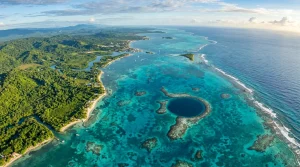
As you dive deeper into the rich tapestry of Belize’s culture, remember that this destination is a mosaic of experiences just waiting to be discovered. From savoring the unique flavors of Creole cuisine to absorbing the vibrant rhythms of Garifuna music, Belize offers a cultural journey like no other. Don’t miss out on exploring the breathtaking natural beauty, from the renowned Great Blue Hole to its lush jungles that house incredible wildlife.Ready to plan your adventure? Check out our detailed accommodation guides to find the perfect spot, whether it’s a cozy jungle lodge or a luxurious overwater bungalow. For those interested in understanding the practicalities, our travel resources on visas, transportation, and health ensure you’re well-prepared for whatever adventure awaits.Join our community of travelers today by signing up for our newsletter, where we share exclusive tips and insights about Belize and beyond. Share your thoughts in the comments below, and let us know what cultural experiences you’re most excited about exploring in Belize. Your next great adventure is just a click away!Comprehensive Guide and In-Depth Analysis: Belize Culture
When exploring the details surrounding belize culture, understanding the practical, environmental, and cultural dynamics of Belize is essential for making informed travel or investment decisions. Belize stands out in Central America for its English-speaking heritage, British Common Law legal stability, and world-class ecotourism infrastructure.
Whether navigating mainland rainforest corridors, consulting local authorities, or exploring marine conservation zones along the Belize Barrier Reef, having verified, comprehensive information regarding belize culture ensures seamless execution.
| Key Evaluation Pillar | Standards & Conditions in Belize | Actionable Best Practices |
|---|---|---|
| Regional Specifics | Variations between northern districts, central cayes, and southern rainforests | Align plans with specific district infrastructure and seasonal weather |
| Regulatory & Legal Framework | Belize Tourism Board (BTB) regulations and national conservation laws | Always work with licensed local professionals and certified guides |
| Logistics & Practical Costs | Fixed 2:1 BZD-to-USD currency peg; accessible transport via air and water | Plan budget with cash buffer for remote destinations and transfers |
For visitors and residents alike, engaging with belize culture through authorized, sustainable practices contributes directly to local community development and the preservation of Belize’s pristine marine and terrestrial ecosystems.
Frequently Asked Questions: Belize Culture
Why is understanding belize culture important for Belize visitors?
It provides essential context for choosing the right regional destinations, understanding local pricing, and ensuring full compliance with environmental and tourism standards.
How do seasonal factors affect belize culture in Belize?
The dry season (December through May) offers calm seas and sunny weather, while the green season brings lower rates and lush jungle scenery.
Get our latest guides, news, and insights highlighted in your Google Search & AI Overviews.