When you think of tropical paradises, you might picture sun-soaked islands surrounded by crystal-clear waters. But is Belize truly an island, or is it more than meets the eye? Nestled on the northeastern coast of Central America, Belize offers an intriguing blend of mainland landscapes and stunning offshore islands, known as cayes. Exploring whether Belize is an island not only enhances your understanding of its geography but also enriches your appreciation for its diverse ecosystems, vibrant cultures, and stunning travel experiences. Join us as we uncover surprising facts about Belize’s unique geography and what makes this destination a must-visit for adventurers and culture seekers alike. Prepare to be amazed by the secrets that lie beyond its picturesque beaches!
Is Belize an Island? Understanding Its Geography
Belize, often mistaken for an island nation, is actually a Central American gem characterized by its rich coastal geography and lush mainland. Nestled along the Caribbean Sea, this country boasts a myriad of cays and atolls, which are seemingly scattered like jewels in azure waters. However, Belize is predominantly a mainland territory with a diverse range of landscapes, including dense jungles, ancient Mayan ruins, and the second-largest barrier reef in the world. This unique blend of landforms contributes to its distinct identity, where the mainland offers adventure and cultural experiences while the coastal islands invite relaxation and water-based activities.
Travelers often wonder about the accessibility of these islands and how they fit into Belize’s broader geography. The offshore islands, known as cays, such as Ambergris Caye and Caye Caulker, are easily reachable by boat or small aircraft from the mainland. These idyllic locales are perfect for snorkeling, diving, and exploring vibrant marine ecosystems, but they are small and lack the infrastructure of larger landmasses. The mainland, on the other hand, is home to larger towns like Belize City and San Ignacio, where visitors can immerse themselves in the local culture, from Creole cuisine to traditional music festivals.
The natural beauty of Belize’s geography not only captivates visitors but also influences the daily lives of its residents. The coastal areas provide livelihoods through fisheries and tourism, while the inland forests and jungles support agriculture and eco-tourism. This geographical dichotomy fosters a unique cultural tapestry, where traditions and lifestyles have evolved harmoniously with the land. As you explore Belize, keep an eye out for the striking contrasts between the bustling cultural hubs and the serene, untouched nature surrounding them.
In conclusion, while Belize features stunning islands off its coast, it is crucial to recognize that the essence of this destination lies in its rich mainland and diverse landscapes. Embracing both realms offers a comprehensive experience of Belize’s geographical wonders, ultimately leading to a journey filled with discovery and vibrant cultural encounters.
The Unique Geography of Belize Explained
The allure of Belize lies in its extraordinary geography, which crafts a landscape as diverse as its culture. Often misunderstood as an island nation, Belize actually sits on the mainland of Central America while boasting over 450 islands, known as cays, that dot its coastal waters. Spanning approximately 22,966 square kilometers, this captivating country is framed by the Caribbean Sea to the east and shares land borders with Mexico to the north and Guatemala to the west and south. This unique positioning creates a vibrant melange of ecosystems, from lush rainforests and mountainous terrains to sandy beaches and sparkling coral reefs, making Belize a true geographic treasure.
The Mesoamerican Barrier Reef, the second-largest in the world, serves as a protective barrier along the coast, showcasing a thriving underwater paradise. The reef not only provides essential habitats for a variety of marine life but also attracts adventure enthusiasts eager to explore its depths through snorkeling and diving. Travelers are often amazed at how easily they can access the rich biodiversity of this eco-region, with numerous tour operators offering guided excursions from the mainland to both the reef and the luxurious cays like Ambergris Caye and Caye Caulker, where turquoise waters and sun-drenched shores await.
Belize’s inland geography is equally compelling, featuring dense jungles and vast rivers that wind through rugged terrain, providing homes to myriad wildlife species. The ancient legacy of the Maya civilization is still evident in the country’s landscape, with numerous archaeological sites, such as Caracol and Tikal, nestled within these dense forests. The interplay between land and water, the coastal and the continental, creates an environment ripe for exploration and cultural immersion, as Belizeans maintain a deep-rooted connection to their natural surroundings.
For those considering a visit or longer-term stay, understanding the geography of Belize can significantly enhance the experience. Embrace the natural beauty that defines this Central American gem-plan day trips to both the mainland jungles and offshore cays. Whether it’s hiking through the lush trails of the Mountain Pine Ridge Forest Reserve or unwinding on the sandy beaches of a remote cay, every corner of Belize promises a unique adventure steeped in rich cultural experiences and breathtaking landscapes.
Belize’s Coastal Landscape: Islands vs. Mainland
The coastal landscape of Belize is a spectacular juxtaposition of lush mainland jungles and stunning islands, often leaving visitors with the impression that they are stepping into two entirely different worlds. Belize, while not an island nation, is surrounded by the Caribbean Sea and boasts over 450 islands, known as cays, which enrich its coastal beauty and diversity. The most famous among these are Ambergris Caye and Caye Caulker, which serve as gateways to adventure, relaxation, and some of the best snorkeling and diving spots in the world. The vibrant turquoise waters and sandy shores create a picturesque backdrop for travelers looking to escape into paradise.
The mainland, however, offers a different yet equally enchanting experience. From the northern jungles to the southern mountains, Belize features diverse ecosystems rich in flora and fauna. As you traverse the mainland, you’ll encounter intriguing wildlife, majestic rivers, and ancient Mayan ruins. This diversity is heightened by the Mesoamerican Barrier Reef, which runs parallel to the coast, acting as a natural barrier that protects both the islands and the mainland. This unique geographical arrangement invites eco-tourism that thrives on exploring both the rich terrestrial and marine life, as well as the cultural heritage of the nation.
For travelers, this interplay between islands and mainland presents a wealth of opportunities. Consider planning a multi-faceted itinerary that includes beach days on the cays, where you can indulge in water sports like diving and paddleboarding, followed by explorations of the jungle trails at sites such as the Mountain Pine Ridge Forest Reserve or the lush jungles of Belize’s inland national parks. Tour operators frequently offer packages that allow seamless transitions between beach relaxation and jungle adventure, ensuring you experience the best of both worlds.
Accommodations span a variety of styles catering to different preferences. Choose from charming overwater bungalows on the islands to cozy jungle lodges nestled among wildlife. Such variety not only enhances the travel experience but also allows visitors to immerse themselves fully in the distinct environments of Belize. With its rich geography, vibrant culture, and incredible biodiversity, Belize truly captivates the hearts of all who visit, making it a unique destination that fuses the charm of both islands and the mainland in one unforgettable adventure.
The Impact of Geography on Belize’s Culture
The interplay between land and sea has crafted a culture as vibrant and diverse as Belize’s stunning landscapes. Nestled on the northeastern coast of Central America, Belize marries distinct geographic features with an array of cultures that enrich the everyday lives of its people. The dense jungles and stunning coral reefs offer not only breathtaking vistas but also foundational resources and inspirations woven into the fabric of Belizean life. This unique geography shapes local traditions, food, and community interaction in remarkable ways.
Belize, bordered by the Caribbean Sea, is replete with coastal settlements, particularly among the numerous cays, which serve as both fishing hubs and cultural melting pots. The thriving fishing industry deeply influences culinary practices; fresh seafood becomes a staple in many traditional dishes. Local delicacies like conch fritters and ‘hudut’, a Garifuna dish featuring fish and plantains, reflect the region’s marine bounty. Coastal living fosters a sense of community as fisherfolk and families share not only their catches but also stories passed through generations, emphasizing connection to both land and water.
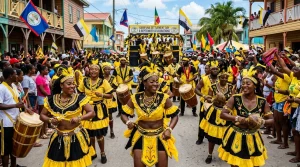
The mainland’s lush jungles and ancient Mayan heritage contribute an array of festivals and customs that reflect the relationship between the people and their environment. Celebrations such as the Maya Deer Dance and the Garifuna Settlement Day showcase traditional attire and music that honor their ancestry and the land they inhabit. Moreover, the proximity to archaeological sites like Caracol and Xunantunich provides a constant reminder of the rich history embedded within Belizean identity, inspiring cultural pride and enriching the visitor experience.
For travelers eager to immerse themselves in Belize’s vibrant culture, understanding the geographical influences offers an essential context. Engaging with local artisans in towns like San Ignacio, tasting street food during annual festivals, or exploring the Natural Monuments can deepen appreciation for Belize’s multi-layered heritage. Whether traversing the jungle trails or floating in the azure Caribbean waters, visitors can see how geography doesn’t merely define Belize physically, but also culturally, offering endless avenues for exploration and connection.
Exploring Belize’s Famous Cays and Atolls
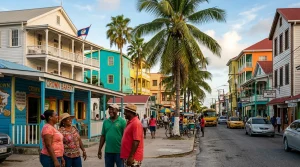
The stunning cays and atolls of Belize sit like gems scattered across the Caribbean Sea, inviting travelers to explore their serene beauty and vibrant life. Among the most famous is Ambergris Caye, the largest island, where colorful murals adorn bright buildings that line the bustling streets of San Pedro. This idyllic destination is more than just a picturesque locale; it offers a gateway to unparalleled snorkeling and diving opportunities, including the renowned Hol Chan Marine Reserve. Here, diverse marine life thrives amidst coral reefs, with everything from nurse sharks to majestic sea turtles weaving through the aquatic landscape.
Another must-visit is Caye Caulker, a charming, laid-back island known for its friendly local vibe and stunning views of the famous Barrier Reef. With a motto of “Go Slow,” visitors can enjoy the peaceful atmosphere while indulging in freshly caught seafood at beachside shacks. The Split, a separation created by Hurricane Hattie in 1961, serves as the perfect spot for swimming and soaking up the sun, exemplifying the relaxed island lifestyle. For the adventurous, guided excursions to nearby atolls, such as Turneffe Atoll and Lighthouse Reef, promise encounters with extraordinary wildlife, including colorful fish and lively dolphins.
Adventure Awaits
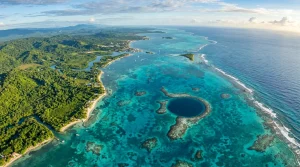
The experience doesn’t stop at lounging in hammocks or dipping into crystal-clear waters; many of these cays serve as hubs for thrilling water sports. Kayaking, paddleboarding, and deep-sea fishing are just a few of the activities that allow visitors to connect with Belize’s coastal treasures. Don’t miss a chance to explore the Great Blue Hole, one of the most famous diving sites globally and a UNESCO World Heritage Site. This giant marine sinkhole is not only a marvel to behold from the air, but it also offers divers a chance to discover unique underwater formations and diverse marine life.
In addition to adventure, the cays are steeped in cultural richness. Engaging with local Garifuna communities offers insights into their vibrant traditions, music, and unique culinary dishes like cassava and seafood. Festivals celebrating music and culture often energize the islands, inviting visitors to join the revelry. By exploring the cays and atolls of Belize, travelers not only witness breathtaking natural beauty but also embrace the warm heart of a nation that celebrates its culture, biodiversity, and abundant marine life.
The Great Blue Hole: A Natural Wonder
Plunging into the depths of the Caribbean, the Great Blue Hole captivates both seasoned divers and casual observers with its stunning azure color and unique geological formations. This circular marine sinkhole, measuring about 1,000 feet (300 meters) in diameter and 410 feet (125 meters) deep, is a UNESCO World Heritage Site and a defining feature of Belize’s natural allure. Created during the last Ice Age when sea levels were much lower, the Great Blue Hole offers a glimpse into geological history while providing a mesmerizing marine environment teeming with diverse wildlife.
Diving into its depths is an experience unlike any other, as the reflective blue waters contrast strikingly with the surrounding reefs. The underwater landscape features mesmerizing stalactites and limestone formations that transport adventurers into a surreal world. As you descend, you’re likely to encounter a variety of marine life, including reef sharks, giant groupers, and even the occasional loggerhead turtle. A dive through the Great Blue Hole not only rewards you with breathtaking scenery but also a unique chance to explore one of the most famous dive sites in the world.
For those planning to visit, there are several reputable dive operators based on nearby cays, such as Ambergris Caye and Caye Caulker. Most day trips typically combine the Great Blue Hole with visits to nearby dive spots or snorkeling areas, allowing travelers to enjoy a full day of exploration. While dive certification is required for scuba diving, snorkeling is accessible even for beginners, making it a highlight for all types of adventure seekers.
As you prepare for your excursion, consider bringing along essential items like sunscreen, a reusable water bottle, and a waterproof camera to capture the stunning underwater views. The best time to dive is during the dry season, from late November to mid-April, when conditions are optimal, and the visibility is at its best. Experiencing the Great Blue Hole is not merely about the thrill of adventure; it’s about immersing yourself in the breathtaking beauty and biodiversity that defines Belize’s treasured natural landscapes.
Understanding Belize’s Biodiversity and Ecosystems
With over 400 species of birds, exquisite coral reefs, and a remarkable variety of tropical flora and fauna, Belize’s biodiversity is nothing short of a natural treasure trove. The country’s unique geography, characterized by coastal plains, lush rainforests, and the iconic Belize Barrier Reef, creates a multitude of habitats that support a vibrant range of ecosystems. This striking contrasts of ecosystems, from the marine environments along the Caribbean coast to the dense jungles of the mainland, invites adventurers and nature lovers alike to delve into its diverse biological offerings.
Belize is home to various national parks and protected areas, such as the famous Cockscomb Basin Wildlife Sanctuary, the world’s first jaguar preserve. This sanctuary is a paradise for wildlife enthusiasts, where visitors might encounter endangered species like jaguars, ocelots, and howler monkeys in their natural surroundings. Additionally, the extensive network of mangroves and wetlands along the coast serves as crucial nurseries for marine life, including numerous fish species that support Belize’s vital fishing industry and eco-tourism.
The interplay of land and sea in Belize creates a rich tapestry of ecosystems. The Belize Barrier Reef, a UNESCO World Heritage Site, harbors vibrant coral communities and is home to diverse marine life, including over 500 species of fish. Snorkelers and divers travelling to sites like Hol Chan Marine Reserve or the Great Blue Hole are rewarded with clear waters and stunning underwater landscapes, showcasing this rich biodiversity. Whether you’re an amateur snorkeler or an experienced diver, the reef is teeming with life, from colorful parrotfish to graceful sea turtles, making for an unforgettable experience.
Visiting Belize offers a unique opportunity to explore these ecosystems while participating in eco-friendly tours and activities. Responsible travel operators provide guided tours that educate visitors on the importance of conservation and the delicate balance of these ecosystems. Simple actions, like choosing eco-lodges or participating in local conservation efforts, allow travelers to contribute positively to Belize’s environmental sustainability. Through these experiences, visitors do not only witness but also engage with the present and future of Belize’s breathtaking biodiversity, encouraging a deeper connection to this Central American paradise.
Historical Influence of Geography on Belize
Belize’s geography has profoundly shaped its history, influencing everything from settlement patterns to trade and cultural exchange. Nestled on the northeastern coast of Central America, bordered by Mexico to the north and Guatemala to the west and south, the country’s unique position has made it a crossroads of civilizations for centuries. This geographical advantage allowed Belize to flourish as a hub for indigenous Mayan cultures, who thrived in the lush rainforests, establishing extensive trade routes and sophisticated city-states.
As European powers vied for control in the Americas, Belize’s location along the Caribbean Sea became strategically significant. The fertile coastal plains and abundant marine resources attracted British settlers, who established logging enterprises in the 17th century, exploiting the region’s rich timber resources. This era marked the beginning of Belize’s identity as British Honduras, a vibrant colony deeply intertwined with maritime trade and resource extraction. The rugged terrain and lush jungles not only provided refuge for indigenous populations but also posed challenges for colonizers, which shaped the dynamics of power and control.
The effects of geography on Belize’s development can be seen in its diverse cultural landscape. The interplay of continents and seas has drawn a mix of peoples, including the Mestizo, Creole, Garifuna, and Maya, each contributing to the nation’s unique cultural fabric. The history of trade routes and settlement patterns has fostered a vibrant Creole culture that celebrates music, dance, and culinary traditions reflective of African, European, and Indigenous influences. The geographical separation of various communities across the mainland and idyllic islands has also created distinct regional identities that are celebrated in annual festivals, offering travelers a kaleidoscope of experiences.
Furthermore, the impact of geography extends into modern times through ecotourism and conservation efforts. Belize’s wealth of natural landmarks, from the iconic Belize Barrier Reef to the lush Cockscomb Basin, attracts visitors eager to explore its biodiversity. Sustainable travel initiatives not only protect these natural resources but also engage local communities in preserving their cultural heritage. As travelers embark on adventures through jungle trails or along pristine beaches, they contribute to a narrative that honors Belize’s historical significance shaped by its geography, offering them a rich tapestry of experiences that fuse natural beauty with cultural heritage.
Belize’s Natural Landmarks: Beyond Beaches
Exploring beyond the sun-drenched beaches, Belize is a treasure trove of natural landmarks that showcase its incredible biodiversity and rich cultural heritage. Nestled in the heart of Central America, the landscape is a stunning mix of lush jungles, soaring mountains, and ancient Mayan ruins, making it an adventure enthusiast’s dream. This small but captivating nation offers myriad experiences that go beyond its famous coastal allure, inviting travelers to immerse themselves in its lush ecosystems and historical wonders.
One cannot visit Belize without embarking on an adventure to the Great Blue Hole, a UNESCO World Heritage Site, and one of the most renowned diving locations globally. This giant marine sinkhole, measuring over 300 meters across and 125 meters deep, is home to diverse marine life, including reef sharks, turtles, and exotic fish. The spectacular underwater vistas rival any tropical paradise, making it essential for divers and snorkelers looking to explore vibrant coral reefs and unparalleled marine biodiversity.
Inland, the famed Cockscomb Basin Wildlife Sanctuary serves as a vital habitat for jaguars and other wildlife. Sprawling over 150 square miles, it provides hiking trails, waterfalls, and opportunities for birdwatching. The unique ecosystem here supports diverse flora and fauna, creating a vibrant backdrop for nature photography and eco-adventures. Visitors can participate in guided tours to learn about the sanctuary’s ecology and the conservation efforts underway to protect these magnificent creatures.
Equally compelling are the ancient Mayan ruins scattered throughout Belize, such as Caracol, Xunantunich, and Lamanai. Each site offers a glimpse into the storied past of one of Mesoamerica’s great civilizations. With its impressive pyramids and plazas surrounded by lush jungle, these archaeological sites provide not just breathtaking views but also insightful tours that unveil the fascinating history of the Maya. Visiting at sunrise will reward you with an enchanting atmosphere perfect for exploring without crowds and capturing stunning photographs.
Traveling through these landscapes means encountering diverse accommodations that cater to all types of travelers. Budget-friendly hostels nestled in the jungle, comfortable family resorts along the coast, and unique overwater bungalows are available. Additionally, local tours often include options that foster deeper connections with the culture, such as cooking classes featuring Creole cuisine or workshops showcasing Garifuna music and dance.
When planning a trip, understanding Belize’s seasonal climate is crucial. The dry season from November to April is the best time to visit for outdoor adventures, while the rainy season brings lush greenery and fewer tourists. However, always check for potential hurricane warnings from June to November. Accessibility is generally good, but exploring remote areas may require renting a vehicle or joining guided tours, which can enhance the travel experience.
In short, Belize is a rich tapestry of natural wonders that await beyond the beaches. Each landmark tells a story woven from the threads of culture, history, and nature, inviting diverse travelers to partake in their magic. With its breathtaking landscapes, extraordinary wildlife, and engaging activities, Belize showcases a world where adventure meets cultural richness, creating unforgettable memories for all who visit.
Transportation Options in Belize: Islands and Mainland
Getting around Belize is an adventure in itself, blending the charm of road travel with the allure of the Caribbean Sea. With a rich tapestry of islands and a landmass that features stunning jungles and vibrant towns, transportation options reflect the diverse geography, allowing visitors to experience the best of both worlds.
Traveling between the mainland and the numerous islands-known locally as cays-primarily involves water taxis and flights. Water taxis buzz between popular destinations like Ambergris Caye and Caye Caulker, providing a scenic journey over turquoise waters, complete with opportunities for stunning seaside views and wildlife spotting. For those pressed for time or seeking a more aerial view, local airlines offer short flights that quickly whisk tourists from Belize City to various cays, such as San Pedro and Placencia, in mere minutes.
For travelers who prefer to explore the mainland, the road network is quite accessible, with buses known as “micros” and shuttles connecting major cities and tourist attractions. Renting a car is also an option for the more adventurous, providing the freedom to explore remote ruins or hidden beaches at one’s own pace. The roads vary from well-paved highways to more rugged paths, so a degree of caution is advised when venturing off the beaten track.
Tips for Getting Around
- Water Taxis: Inquire about schedules, especially if you plan to travel during peak hours or holidays, as they can get busy.
- Public Transportation: Microbuses are an economical choice, but they can be irregular; allowing extra time for travel is recommended.
- Car Rentals: Ensure you have a map or GPS, as signage can be sparse in rural areas. Most rentals require a standard driver’s license.
Belize’s transportation options not only facilitate exploration but also connect you intimately with its landscapes and vibrant culture. Whether you’re zipping across the sea or cruising down a scenic jungle road, the journey into Belize’s heart is as thrilling as the destination itself, unraveling the rich stories and stunning vistas that await every traveler.
Traveling Belize: Practical Geography Tips
Exploring Belize offers an exciting mixture of vibrant cultures, stunning landscapes, and rich biodiversity. To make the most of your journey through this Central American treasure, understanding the geography can enhance your experience significantly. While Belize is not an island, it is a nation composed of a mainland and numerous enchanting cays sprinkled off its coast, creating a unique blend of land and sea that calls for diverse travel strategies.
Traveling between the mainland and the idyllic cays is primarily done via water taxis and short flights. The turquoise waters beckon with opportunities for stunning views and encounters with marine life, making every trip an adventure in itself. For example, frequent water taxis connect bustling hubs like Ambergris Caye and Caye Caulker with Belize City, offering not just transportation but also a picturesque experience of the Caribbean sea. If you prefer the aerial perspective, local airlines provide quick and efficient flights, whisking travelers from the mainland to beautiful destinations like San Pedro in mere minutes.
Belize’s mainland features lush jungles, quaint villages, and captivating Maya ruins waiting to be explored. The transportation network here is well-appointed, with micros (local buses) and shuttles making it easy to connect to major sites and attractions. Renting a vehicle grants the freedom to explore off-the-beaten-path areas, with road conditions varying from well-paved highways to bumpy gravel paths. Always be prepared for a little adventure when driving, as signage might be sparse in rural areas.
To ensure a smooth journey, consider these practical tips:
- Check Water Taxi Schedules: Popular routes can get busy, especially during holidays and weekends. Plan ahead and always verify the latest times.
- Use Public Transport Wisely: While micros are economical, they can run on a loose schedule. Allow extra travel time to comfortably reach your destination.
- Car Rentals: Renting offers freedom but come prepared with a map or GPS, particularly when delving into less populated regions.
In this land where the mainland and the Caribbean intertwine, every corner reveals new wonders, from stunning beaches to ancient ruins. With strategic planning and a spirit ready for adventure, your exploration of Belize will be filled with unforgettable moments.
Geographic Fascination: Fun Facts About Belize
Belize, often mistakenly thought of as an island paradise, is actually a diverse nation with a mainland that offers stunning landscapes and a wealth of culture. One fascinating aspect of Belize’s geography is its notable second-largest barrier reef in the world, which stretches over 185 miles along the coastline and is part of a UNESCO World Heritage Site. This barrier reef, teeming with marine life, provides not only a breathtaking snorkeling and diving experience but also serves as a critical environment for fish populations and protects the coastal areas from strong waves.
Another captivating fact about Belize is its mix of ecosystems, which range from tropical rainforests to coastal mangroves. The country is home to approximately 5% of the world’s biodiversity, meaning that nature enthusiasts and adventurers will find rich offerings in places like the Cockscomb Basin Wildlife Sanctuary, renowned for its jaguar population. Alongside fascinating flora and fauna, Belize’s varied geography also influences its culture: the proximity to the sea and reef has shaped traditions, from fishing communities to vibrant Creole cuisine that emphasizes seafood.
Belize also boasts over 450 islands, known as cays, with the most famous being Ambergris Caye and Caye Caulker. These islands are delightful escapes featuring white sand beaches, azure waters, and charming local culture. Visitors can enjoy exploring the vibrant marine ecosystems or indulging in the laid-back lifestyle these cays offer. This contrast between the bustling mainland, rich in history and culture, and the tranquil cays makes Belize an exciting destination for all types of explorers, whether they seek adventure or relaxation.
In addition to its natural wonders, Belize’s geographical position as a bridge between North and South America contributes to its multicultural landscape. With influences from the Maya civilization, British colonization, and African heritage, travelers can witness a beautiful tapestry of cultural festivals, music, and dance throughout the year. From Garifuna drumming along the coast to vibrant celebrations like the San Pedro Lobster Fest, Belize offers a unique cultural experience that reflects its rich geographic diversity.
Q&A
Q: Is Belize an island or a mainland country?
A: Belize is not an island; it is a mainland country located in Central America. It shares its borders with Mexico to the north and Guatemala to the south and west while having a coastline along the Caribbean Sea to the east.
Q: What are the main geographic features of Belize?
A: Belize features diverse geography, including tropical rainforests, mountainous areas, and the famous Belize Barrier Reef. It has a mix of islands called cays and atolls, but the majority of its landmass is part of the mainland.
Q: How many islands does Belize have?
A: Belize has over 400 islands and cays, known for their stunning beaches and clear waters. Notable ones include Ambergris Caye and Caye Caulker, which offer excellent opportunities for diving and snorkeling.
Q: What is the significance of the Belize Barrier Reef?
A: The Belize Barrier Reef is the second-largest coral reef system in the world, supporting a diverse array of marine life and ecosystems. It’s a UNESCO World Heritage Site and a vital resource for tourism and marine biodiversity.
Q: Why is Belize’s geography important for its culture?
A: Belize’s geography, marked by coastal access and lush landscapes, has shaped its cultural identity. The abundance of natural resources has influenced local traditions, food, and the economy, fostering a unique blend of cultures, including Creole and Maya influences.
Q: Does Belize have any rainforests?
A: Yes, Belize is home to vast tropical rainforests, which host diverse species of flora and fauna. These rainforests are critical for biodiversity, ecological balance, and conservation efforts, attracting eco-tourists and researchers.
Q: What can visitors explore in Belize’s natural landscapes?
A: Visitors can explore a range of natural attractions in Belize, from the Great Blue Hole for diving enthusiasts to various national parks and reserves. Activities include hiking, birdwatching, and exploring ancient Maya ruins set within lush jungles.
Q: What practical tips should travelers know about Belize’s geography?
A: For travelers, understanding Belize’s geography is crucial for navigation and planning activities. Distances can be deceptive due to the varied terrain, so it’s advisable to allow extra time for travel between attractions. Utilize local transportation options, such as water taxis, to efficiently explore.
Final Thoughts
As you can see, Belize’s geography is more than just its stunning cayes; it’s a diverse tapestry of islands, mainland wonders, and rich cultural history that deserve exploration. Don’t let the notion of Belize being just another tropical escape fool you-there’s much more to uncover! Whether your interests lie in diving the Great Blue Hole or exploring the lush jungles, Belize promises experiences that resonate for every traveler.
Ready to dive deeper into what Belize has to offer? Discover more about top destinations with our comprehensive travel guides, highlighting everything from breathtaking beaches to ancient Maya ruins. For insights into living in Belize, including cost of living and real estate tips, check out our detailed resources tailored for future expats.
Stay engaged and keep exploring! Join our newsletter for the latest updates on Belizean adventures and don’t hesitate to share your thoughts in the comments below. Your journey into Belize’s natural beauty and vibrant culture is just beginning.
Get our latest guides, news, and insights highlighted in your Google Search & AI Overviews.