Did you know that Belize is not only known for its stunning beaches and rich biodiversity but also for its fascinating array of languages? While English holds the title of the official language, the vibrant linguistic tapestry reflects the nation’s diverse cultural heritage. In this exploration of Belize’s native language, we’ll uncover surprising facts that highlight the importance of these languages in preserving the unique identity of Belizean communities. Whether you’re a traveler eager to understand local culture or an expat considering a new home, understanding the native language of Belize can enhance your experience and deepen your connection to this enchanting Central American gem. Join us as we dive into the captivating world of Belizean linguistics!
What Language Do Belizeans Speak?
Belizeans are a mosaic of cultures and languages that interweave to create a truly unique linguistic landscape. While English officially reigns as the primary language, the reality is far richer-approximately 59% of the population speaks Spanish, making it the second most prevalent language. Kriol, a Creole language with English roots, is often used in everyday interactions and is spoken by about 30% of the population. The coexistence of these languages reflects the country’s diverse heritage, rooted in colonial history, immigration patterns, and the enduring influence of indigenous communities.
The Impact of English: Belize’s Official Language
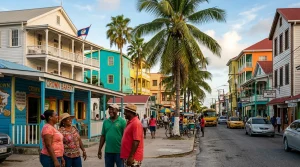
As a former British colony, Belize’s official language is English, which serves as the language of government, education, and media. While English is predominant in urban areas, particularly in the capital, Belmopan, and Belize City, the proficiency in Kriol and Spanish highlights the nation’s vibrant cultural blend. English-speaking visitors will find it easy to communicate, as most Belizeans are bilingual or even multilingual, often switching effortlessly between languages depending on the context and audience.
Exploring Kriol: The Widely Spoken Creole
Kriol, known locally as Belizean Creole, is a vivid reflection of Belize’s heritage, incorporating elements from various languages, including English, Spanish, and West African languages. It’s not just a means of communication; Kriol embodies the spirit of Belizean identity. Many Belizeans proudly communicate in Kriol at home and during social gatherings, where it serves as a unifying cultural thread, illustrating the country’s history and resilience.
Indigenous Languages of Belize: A Rich Heritage
In addition to English and Kriol, Belize is home to several indigenous languages that echo the deep-rooted traditions of its native peoples, particularly the Maya. Languages such as Q’eqchi’, Mopan, and Yucatec Maya continue to be spoken in various communities throughout the country, connecting contemporary Belizeans with their lineage and cultural practices. The Garifuna language, with its unique blend of Arawakan and Carib elements, is another important linguistic tradition, particularly among the Garifuna community along the coast.
- Spanish: Widely spoken due to historical ties and immigration, especially among the Hispanic population.
- Kriol: A cornerstone of daily life, reflecting the country’s multicultural essence.
- Indigenous Languages: Preserved through generations, offering a direct link to Belize’s past.
- Minority Languages: Including German, Chinese, and Arabic, showcasing Belize’s global connections.
Belize’s linguistic diversity does not merely define how its people communicate; it plays an essential role in shaping their identity. Every language spoken here is a testament to the country’s layered histories and cultural richness, providing visitors with an opportunity to connect with its vibrant traditions. Whether you’re sipping Belikin beer in a bustling market or exploring ancient ruins, each conversation, whether in English, Kriol, or Spanish, offers a glimpse into the heart of Belize.
The Impact of English: Belize’s Official Language

The legacy of British colonialism indelibly shapes the linguistic landscape of Belize, with English standing proudly as the official language. This unique status elevates English beyond mere communication; it weaves into the very fabric of Belizean society, influencing government, education, and media. In urban centers such as Belize City and Belmopan, English dominates professional and social interactions, making it a vital tool for navigation in daily life. The presence of English can be a comfort to travelers and expatriates alike, given its international recognition and prevalence throughout the country.
However, the linguistic tapestry of Belize is not a simple one. While English serves as a common tongue, the ability of Belizeans to converse in multiple languages-especially Kriol and Spanish-enriches their culture and adaptability. Approximately 30% of the population uses Kriol in casual settings, allowing for a colorful blend of expressions steeped in local history and identity. Moreover, Spanish, spoken by about 59% of the population, reflects the country’s dynamic ties to both its Latin American neighbors and its Spanish colonial past. This multilayered linguistic reality means visitors can expect a vibrant atmosphere where greetings may switch from English to Kriol or Spanish with ease, embodying the melting pot of cultures that defines Belize.
As the country evolves, so too do its linguistic practices. Belizeans are increasingly embracing their multicultural identity, fostering a society where multiple languages coexist harmoniously. This blend not only enhances everyday communication but also serves as a powerful reminder of the country’s diverse heritage. Embracing English, along with the local variations of Kriol and Spanish, means engaging with the rich history, traditions, and stories embedded in the words spoken by the people of Belize-a compelling invitation for travelers seeking to connect more deeply with this captivating destination.
Exploring Kriol: The Widely Spoken Creole

Kriol, a vibrant blend of English and various West African languages mixed with elements of Spanish and Maya, serves as a living testament to Belize’s diverse cultural heritage. Approximately 30% of Belizeans use Kriol as their primary mode of communication in everyday life, particularly in informal settings where the warmth of local expressions thrives. This Creole language not only enhances social interaction but also acts as a bridge connecting generations, allowing older members of the community to share stories steeped in history while younger generations embrace a uniquely Belizean linguistic identity.
The charm of Kriol lies in its expressive and rhythmic nature, often bringing a musical quality to daily conversations. Phrases like “Wah Gwan?” (meaning “What’s going on?”) encapsulate not just a question but also an invitation to engage. Visitors will find that its playful spirit is mirrored in local customs, music, and culinary experiences. For those wandering through the bustling markets or quaint streets of Belize City, understanding even a few Kriol phrases can enrich interactions with locals, opening up a world of shared laughter and camaraderie.
Exploring Kriol also reveals its role in preserving the stories and traditions of the Belizean people. It acts as a cultural conduit, carrying tales of resilience, migration, and adaptation that reflect the broader historical narratives of the region. While English serves as the official language, Kriol fosters a sense of belonging and identity that is distinctly Belizean, making it an integral component of national pride. This language’s unique cadence and lexicon are not merely linguistic artifacts; they represent the lived experiences of a population shaped by colonial histories, indigenous ties, and African influences.
As travelers embark on their journey through Belize, immersing themselves in the local dialect can lead to memorable experiences and insights into the rich tapestry of Belizean life. Engaging with Kriol not only enhances communication but also invites visitors to appreciate the warmth, resilience, and vibrancy of a people whose language is a profound reflection of their culture and history.
Indigenous Languages of Belize: A Rich Heritage

The linguistic tapestry of Belize is richly interwoven with the voices of its indigenous peoples, illuminating a heritage that dates back thousands of years. Among the major indigenous languages, Maya languages such as K’iche’ and Q’eqchi’, as well as Garifuna, are significant not only for their cultural importance but also for their continued use in everyday life. These languages offer a unique glimpse into the traditions and practices of Belize’s original inhabitants, emphasizing a connection to the land and its history.
A striking fact is that approximately 11% of the population speaks an indigenous language, showcasing the resilience of these languages amidst the prominent English and Kriol dialects. The Maya communities, primarily located in the Toledo District and parts of northern Belize, celebrate their linguistic heritage through cultural events, traditional ceremonies, and the arts. For instance, the Mayan Day of the Dead combines language and tradition, where prayers and offerings are presented in K’iche’, echoing the deep spiritualism and respect for ancestors ingrained in their culture.
Understanding these indigenous languages can profoundly enrich a visitor’s experience. Engaging in conversations with local Maya or Garifuna will reveal stories passed down through generations, often infused with folklore and moral lessons. Travelers who are interested in authentic experiences can participate in local tours that encourage learning about the customs and languages of these communities, such as visiting ancient Maya ruins like Caracol or Xunantunich, where guides often share stories in their native tongues. From participating in cultural exchanges to savoring traditional Garifuna dishes, the immersion goes beyond mere observation-it creates connections.
Furthermore, recognizing the importance of preserving these languages, initiatives have emerged to promote bilingual education in schools across Belize. This ensures that indigenous youth can engage with both their ancestral heritage and the modern world, fostering pride and identity. By learning a few words or phrases, visitors not only enhance their travel experience but also pay homage to the rich heritage that defines Belize’s identity. Whether it’s a simple “Bix a bel” (thank you in Yucatec Maya) or appreciating the rhythms of Garifuna music, such interactions deepen the understanding of Belize’s cultural mosaic and offer a deeper appreciation for this Central American gem.
Spanish in Belize: More Than Just a Second Language
In Belize, Spanish is more than just a second language; it is a key thread in the vibrant tapestry of the nation’s multicultural identity. Approximately 47% of the population speaks Spanish, making it one of the most widely spoken languages in the country. This linguistic prevalence can be attributed to Belize’s geographical proximity to Spanish-speaking countries and the historical influence of the Spanish colonization that permeates many aspects of Belizean life. While English holds the title of the official language, Spanish has gracefully woven itself into the daily interactions, cultural expressions, and social fabric that define Belize.
Visitors to Belize will find that Spanish is not only spoken in urban settings but also in rural communities, particularly those with a significant Hispanic presence. Towns like San Pedro and Caye Caulker not only welcome English-speaking tourists but also boast local staff and residents who are fluent in Spanish, providing a unique opportunity for cultural exchange. Engaging with locals in Spanish can enhance your experience, allowing you to delve deeper into the rich narratives surrounding history, traditions, and even culinary delights. Local markets burst into life, with vibrant stalls displaying fresh produce, spices, and handmade crafts, where conversing in Spanish can unlock stories of community and heritage.
Moreover, the influences of Spanish are palpable in Belizean cuisine, with traditional dishes often featuring Spanish elements. If you’re fortunate enough to join a local feast or cooking class, you’ll likely hear Spanish being spoken, as ingredients and methods are exchanged alongside laughter and camaraderie. Tasting dishes like rice and beans, tamales, and salsas offers visitors not just a culinary delight but a dialogue about the confluence of cultures that shape these flavors.
Practical Tips for Engaging with Spanish in Belize
- Learn Basic Phrases: Familiarizing yourself with key phrases can greatly enhance your interactions. Simple greetings like “¡Hola!” (Hello) or “Gracias” (Thank you) are always appreciated.
- Explore Local Events: Participate in local festivals where you’re likely to hear and see the Spanish language celebrated through music, dance, and storytelling.
- Language Exchange Opportunities: Many communities offer language exchange programs that allow visitors to practice Spanish while sharing their own language and culture.
Spanish serves as a bridge for understanding the complexities of Belize’s social landscape, enriching every traveler’s journey through encounters that reflect the nation’s historical legacy and modern-day vibrancy. Whether dining at a local restaurant or chatting with vendors at a bustling market, speaking a few words in Spanish can lead to memorable experiences and deeper connections with this beautiful Caribbean gem.
Understanding the Use of Other Minority Languages
Belize is a linguistic mosaic, alive with the vibrant sounds of its many minority languages, each an essential thread in the country’s complex cultural fabric. Beyond English and Kriol, Belize boasts a rich tapestry of languages that reflect its diverse population, including Garifuna, Spanish, Mandarin, and various Mayan languages like Q’eqchi’ and Mopan. Each language carries with it a unique narrative, steeped in history and cultural significance, inviting travelers and locals alike to explore the stories and traditions tied to these vernaculars.
Garifuna, a language of the Garifuna people, is particularly noteworthy, celebrated not only for its musicality but also for its deep connection to identity and heritage. This language, along with its accompanying cultural practices, has been recognized by UNESCO as an Intangible Cultural Heritage of Humanity. It is frequently featured in music and dance, showcasing the community’s traditions through lively performances during local festivals and gatherings. For those visiting coastal towns like Hopkins or Dangriga, engaging with Garifuna speakers can be an enriching experience that highlights the community’s resilience and cultural pride.
Similarly, the presence of Spanish is palpable, with approximately 47% of the population speaking it, particularly in communities with significant Hispanic populations. The intermingling of Spanish with the local dialects allows for a kaleidoscope of expressions and interactions. For visitors, knowing a few phrases in these languages not only facilitates easier communication but creates connections that turn mere encounters into meaningful exchanges filled with warmth and hospitality.
Engaging with these minority languages while exploring Belize provides more than just practical communication; it offers a deeper understanding of the country’s cultural dynamics. Whether it’s participating in community events where language and traditions come together or sampling local cuisine while conversing with vendors in their native tongues, every interaction serves as an invitation to appreciate the richness of Belize’s multicultural identity. Embracing the diversity of languages enhances the travel experience, revealing layers of history, art, and community that are as varied and vibrant as Belize itself.
Cultural Significance of Language Diversity in Belize
In Belize, language is not merely a mode of communication but a vibrant expression of identity and culture. The country’s rich linguistic diversity serves as a vital thread that weaves together its historical, social, and cultural narratives. With over eight languages spoken, Belize is a testament to the harmonious coexistence of various ethnicities and traditions. This mosaic of languages, including Kriol, Spanish, and several indigenous tongues, adds depth to the cultural experience, making it a unique destination for travelers seeking to understand the heart of Central America.
The cultural significance of language extends beyond conversations; it provides insights into the values, beliefs, and history of Belizean communities. For instance, the Garifuna language is emblematic of the Garifuna people’s heritage, recognized by UNESCO for its vital importance to cultural expression and identity. Engaging with this language through local music or dance forms offers visitors a chance to appreciate the resilience and creativity of the Garifuna culture. Festivals celebrating this language and culture, such as Garifuna Settlement Day, invite travelers to witness firsthand the vibrancy of Belizean traditions and the power of community unification through language.
Moreover, the usage of multiple languages in daily life reflects the country’s dynamic social fabric. In urban areas, the blending of Kriol and English fosters a unique vernacular that resonates with the youthful and multicultural populace. This linguistic interplay enhances interactions, making them not only practical but also infused with the local flavor. Travelers who embrace this diversity and learn a few phrases in Kriol or Spanish often find that they can connect more authentically with Belizeans, enriching their travel experiences with warmth and hospitality.
Ultimately, the invites visitors to engage deeply with the country’s heritage. By exploring the stories embedded in each language, travelers can transform their journey into an immersive experience, discovering not only breathtaking landscapes and historical landmarks but also the living culture that thrives in everyday conversations. Embracing the linguistic richness, from the melodic tones of Garifuna to the familiar rhythms of Kriol, allows one to foster connections that transcend borders and celebrate the beauty of Belize’s cultural legacy.
Linguistic Evolution: How Language Shapes Identity
In the heart of Central America, Belize stands as a vibrant tapestry woven from a multitude of languages, each one a thread that contributes to the rich cultural identity of its people. This unique linguistic landscape is a result of a historical mosaic, where various ethnic groups have coexisted, interacted, and influenced one another over centuries. Observing how language evolves within Belizean society reveals not just a communication tool, but a profound expression of identity and belonging.
The prevalence of English and Kriol in Belize highlights the layers of its colonial past and the rich cultural mingling that defines its present-day identity. Kriol, emerging from the interaction of English with African languages, serves as a bridge connecting diverse communities and enabling communication across cultural divides. Its use in daily life, from casual conversations to formal settings, showcases a linguistic fluidity that reflects the adaptability and resilience of Belizeans. Visitors will find that learning even a few words or phrases in Kriol can open doors to deeper connections with locals, allowing for more authentic exchanges filled with warmth and humor.
Language plays an equally vital role in the preservation of indigenous identities within Belize. The Garifuna language, for instance, encapsulates not only the heritage of the Garifuna people but also their collective experiences, traditions, and wisdom. This language, along with others such as Maya languages, serves as a powerful reminder of the country’s pre-colonial history, reinforcing pride and cultural continuity. Festivals like Garifuna Settlement Day celebrate these languages and their respective cultures, inviting travelers to engage with vibrant stories told through music, dance, and community gatherings. Through these celebrations, Belizeans reaffirm their cultural distinctiveness, fostering a sense of unity that transcends language barriers.
As the world changes and globalization encroaches, Belize’s linguistic evolution remains a testament to its people’s strength and creativity. The constant interplay of English, Kriol, Spanish, and indigenous languages illustrates a dynamic cultural landscape that is responsive to both internal and external influences. This evolution invites travelers to witness firsthand how language shapes identity-making it clear that when one visits Belize, they are not just experiencing a destination; they are stepping into a living narrative, shaped by the voices of many. Embracing this linguistic diversity enriches the travel experience, turning each conversation and interaction into a celebration of Belize’s vibrant cultural heritage.
Surprising Language Facts About Belizeans
In Belize, language is not just a means of communication; it’s a vibrant reflection of the nation’s diverse heritage. One surprising fact is that while English holds the title of the official language, it is not the only language spoken by Belizeans. Approximately 62% of the population speaks Kriol, a lively Creole language that combines English and African roots. This linguistic blend has become a cornerstone of daily interactions, allowing people from various backgrounds to connect effortlessly.
Another fascinating aspect is the presence of over ten recognized indigenous languages, such as Garifuna and several Maya dialects, each embodying their unique cultural narratives. Garifuna, in particular, is not just a language but a cultural treasure that connects the Garifuna people to their ancestry, celebrating their history through storytelling, music, and dance. Events like Garifuna Settlement Day draw locals and visitors alike, providing an immersive experience into the rhythms and expressions of this rich cultural tapestry.
Urban areas like Belize City buzz with linguistic variety, where a mix of Kriol, Spanish, English, and indigenous languages fill the air, creating a harmonious yet complex communication landscape. Visitors may be surprised to discover the prevalence of Spanish in everyday life, as it is commonly spoken among the Hispanic community and is a significant part of Belize’s overall cultural scene. Even in rural areas, schools are increasingly incorporating multiple languages into their curricula, reflecting a commitment to preserving Belize’s linguistic diversity for future generations.
Belize’s dynamic language scene also means that language learning goes beyond the classroom. Engaging with locals in their preferred language can enhance your travel experience significantly. For example, picking up a few phrases in Kriol can lead to friendly exchanges, deeper connections, and an authentic taste of local life. So, whether it’s navigating the bustling markets or enjoying a meal at a local eatery, being aware of the diverse languages spoken in Belize opens doors to memorable adventures and genuine connections.
This rich linguistic landscape is a testament to Belize’s ongoing narrative of coexistence, fostering an identity that is as multifaceted as its natural beauty. Embracing this diversity not only enriches your travel experience but also honors the vibrant cultures interwoven throughout this stunning Central American jewel.
Language and Education: How Belizean Schools Approach Linguistics
In Belize, the approach to linguistic education is as rich and diverse as the country’s cultural tapestry. With English as the official language, schools primarily use it for instruction, but educators recognize the importance of the myriad of languages spoken by students. This acknowledgement fosters an environment where linguistic diversity flourishes, encouraging students to embrace their cultural roots while gaining proficiency in both Creole and Spanish, which are equally prevalent in the community.
In urban regions, classrooms often reflect a multilingual setting. Schools incorporate Kriol, a language that many children speak at home, into their curriculum, facilitating communication and engagement. This immersion not only helps Kriol speakers feel valued but also promotes understanding among students from different backgrounds. *Research has shown* that bilingual education enhances cognitive skills and critical thinking, providing students with a broader perspective on their learning experiences.
Integrating Indigenous Languages
Belizean education also emphasizes the significance of indigenous languages. Several schools, particularly in areas with a high population of Maya or Garifuna communities, actively teach these languages. This initiative not only preserves linguistic heritage but also promotes cultural pride among young learners. Events like language festivals and cultural days celebrate these indigenous languages, weaving them into the fabric of school life and fostering a sense of identity.
Challenges and Opportunities
While the educational framework in Belize is proactive in including multiple languages, challenges persist. Limited resources and trained teachers proficient in both Kriol and indigenous languages can hinder effective teaching. However, the growing recognition of the benefits of a multilingual education is catalyzing change. Innovative programs and community initiatives are emerging, focusing on teacher training and resource development, ensuring that all Belizean students can thrive in a multilingual world.
In this landscape of linguistic education, the commitment to embracing diversity helps build resilient communities. As students learn to navigate multiple languages, they not only enhance their communication skills but also cultivate empathy and appreciation for the rich cultures that make up Belize. This dedication to inclusivity ensures that as Belize continues to evolve, its languages and the rich heritage they carry will flourish as well.
The Future of Languages in Belize: Trends and Changes
In Belize, the linguistic landscape is a vibrant tapestry reflecting its rich cultural diversity and historical influences. The future of languages in this Central American gem is marked by intriguing trends that highlight both challenges and opportunities for its multilingual populace. With more than half of its residents speaking English, Spanish, or Kriol, there is a growing recognition of the importance of preserving and promoting this linguistic variety as an integral part of Belize’s identity.
Belize is witnessing an increasing push towards bilingual and multilingual education methods. Many schools are now actively incorporating Kriol and indigenous languages into their curricula, beyond merely teaching English and Spanish. This holistic approach not only supports students’ linguistic abilities but fosters cultural pride and identity among young Belizeans. Celebratory language festivals and cultural workshops present exciting opportunities for students to engage with their roots, strengthening community ties and encouraging a deeper appreciation for their heritage. This grassroots movement is critical, as it promotes local languages in urban and rural settings alike.
While the future looks promising, Belize faces challenges. Limited resources and a shortage of trained educators proficient in indigenous languages can stymie progress. Yet, community-led initiatives aimed at training teachers and providing educational resources are emerging, supported by various NGOs and educational institutions. This collaborative effort to enhance language education is essential, as it equips younger generations with the tools needed to navigate and celebrate their cultural complexities.
As you explore the lush jungles, stunning coastlines, and ancient ruins of Belize, take a moment to appreciate the rich linguistic heritage that unfolds around you. Each interaction, be it in English, Spanish, Kriol, or a local language, adds a unique layer to your experience, emphasizing the diverse threads woven into the nation’s fabric. The future of languages in Belize promises to be as dynamic and multifaceted as the country itself, inviting travelers and locals alike to embrace its beautiful diversity while nurturing the languages that give it life.
Faq
Q: What is the most commonly spoken native language in Belize?
A: The most commonly spoken native language in Belize is Belizean Creole, a fusion of English, African languages, and various Indigenous languages. It serves as the primary means of communication for many Belizeans, especially in urban areas.
Q: How many languages are officially recognized in Belize?
A: Belize recognizes several languages, with English as the official language. Additionally, Spanish, Belizean Creole, and various Indigenous languages like Kriol and Yucatec Maya are commonly spoken, reflecting the country’s rich cultural diversity.
Q: What is the role of Indigenous languages in Belize?
A: Indigenous languages in Belize, such as Yucatec Maya and Garifuna, play a vital role in preserving cultural heritage. They contribute to the country’s linguistic diversity and are often taught in schools and used in community rituals.
Q: Why is English the official language of Belize?
A: English is the official language of Belize due to its colonial past. The country’s history as a British colony established English as the primary language for government, education, and business, which persists today.
Q: Are there minority languages spoken in Belize?
A: Yes, Belize is home to several minority languages, including Mandarin, German, and various Indigenous languages. These languages reflect the diverse ethnic makeup of the country and are often spoken within specific communities.
Q: What are some surprising linguistic facts about Belize?
A: One surprising fact is that more than 10% of the population speaks a native form of Yucatec Maya. Additionally, the linguistic landscape includes influences from African, Spanish, and indigenous cultures, making it a unique melting pot of languages.
Q: How does language influence culture in Belize?
A: Language in Belize is intricately tied to cultural identity. It shapes how communities interact, preserves traditional stories and practices, and fosters a sense of belonging among diverse ethnic groups.
Q: When did Belizean Creole become widely recognized?
A: Belizean Creole became widely recognized in the 20th century as a distinct language. It gained acceptance in both spoken and written forms, especially as cultural pride and identity became more pronounced among Belizeans.
The Conclusion
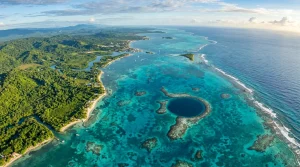
In conclusion, understanding the diverse linguistic landscape of Belize not only enriches your appreciation of its culture but also enhances your travel experience. With English as the official language and notable use of Spanish, Kriol, and various Mayan languages, Belize offers a unique tapestry of communication that reflects its vibrant heritage. Don’t miss out on exploring more about Belize’s captivating destinations, from the stunning Great Blue Hole to the rich history found in Maya ruins.
Ready to dive deeper? Check out our in-depth guides on Belizean cuisine and must-visit eco-tourism spots for your next adventure. For additional insights and tips on traveling or living in this beautiful country, sign up for our newsletter and stay updated with the latest travel advice and local secrets. Join the conversation below – we’d love to hear your thoughts and experiences related to Belize’s languages and culture!
Get our latest guides, news, and insights highlighted in your Google Search & AI Overviews.