What Languages Are Spoken in Belize?
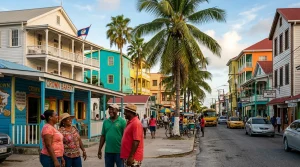
Belize is a vibrant tapestry of languages, reflecting its rich cultural heritage and diverse population. As you wander through towns like San Ignacio or explore the bustling streets of Belize City, you’ll find that English, the official language, coexists effortlessly with several other languages that punctuate the daily life of locals. Approximately 62% of the population speaks Belizean Creole or Kriol, a language that has its roots in English but incorporates elements from African languages, Spanish, and indigenous tongues. This dynamic blend showcases the country’s colonial history and the resilience of its people, allowing the use of Kriol to express cultural identity and community ties.In addition to English and Kriol, Spanish is widely spoken due to Belize’s geographical proximity to Spanish-speaking countries. About 30% of the population uses Spanish as their primary language, reflecting the significant influence of Hispanic culture. Particularly in areas near the northern border with Mexico, you’ll hear conversations infused with lively Spanish rhythms. Moreover, Belize is home to various indigenous languages, including Maya dialects like Yucatec and Q’eqchi’, making the linguistic landscape even more complex. These indigenous languages not only represent the country’s pre-colonial heritage but also play a crucial role in the preservation of local customs and traditions.The Garifuna community, with its unique roots tracing back to the Caribbean, contributes yet another captivating linguistic element to Belize. Garifuna not only serves as a means of communication but also carries the stories and history of a people renowned for their music and dance traditions. In this multicultural mosaic, the interplay of languages fosters a sense of unity and resilience, celebrating Belize’s identity as one of the most linguistically diverse nations in Central America.Diving into this multilingual environment is not just a matter of practicality; it opens doors to deeper connections and experiences. Travelers and expats alike are often encouraged to brush up on basic phrases in Kriol or Spanish, enhancing their interactions with the warm and welcoming Belizean people. Whether you’re exploring ancient Maya ruins, lounging on pristine beaches, or savoring the delights of Creole cuisine, the languages of Belize add layers of richness to your journey, making every moment a chance to connect with its vibrant culture.The Role of English as the Official Language
In Belize, English reigns as the official language, a remnant of British colonial rule that offers not just a means of communication but a bridge connecting the diverse cultural heritage of the country. For travelers and expats, this linguistic choice simplifies interactions and encourages deeper engagement within local communities. English is the language of education, media, and government, establishing a framework that fosters inclusivity and facilitates commerce in this vibrant nation.The pervasive use of English allows visitors to navigate various experiences seamlessly, whether exploring the picturesque beaches of Ambergris Caye or hiking through the lush jungles of the Mountain Pine Ridge. Signposts, menus, and local announcements are predominantly in English, making it accessible for tourists who may not speak the other languages prevalent in the area. For instance, while it’s enriching to learn some Kriol phrases or Spanish greetings, the comfort of English can ease the stress of travel, allowing you to savor the breathtaking natural beauty and rich cultural experiences without the language barrier.Moreover, the prominence of English in Belize contributes positively to the tourism sector. Many tour operators, guides, and service providers consider English an essential skill, ensuring that visitors can engage fully with the incredible sights and sounds-whether it’s a guided tour of the ancient Maya ruins, a snorkeling adventure at the Great Blue Hole, or attending vibrant cultural festivals showcasing the best of Belizean music, art, and cuisine. This linguistic connection creates a welcoming atmosphere, where cultural exchanges flourish, enhancing the overall charm of this Central American gem.For those considering a longer stay, such as expatriates settling in Belize, the English language serves as a solid foundation for integrating into society. Understanding local customs, participating in cultural events, and building relationships become more accessible, enriching your experience of the nation’s heritage-from the culinary delights of traditional Creole dishes to the soulful rhythms of Garifuna music. In this way, English not only as a means of communication but as a vital thread woven through the fabric of Belizean identity, illustrating the beauty of coexistence amid the nation’s linguistic diversity.
Exploring Belizean Creole and Its Origins
While traveling through Belize, you may encounter a vibrant and dynamic mode of communication known as Belizean Creole, or Kriol. This lively language, deeply intertwined with the country’s culture and identity, is more than just a means of conversation; it’s a rich tapestry woven from the threads of multiple influences, including English, African languages, and elements of the Caribbean. It serves as a distinctive hallmark of Belizean identity, reflecting the history and resilience of its people.Belizean Creole emerged during the colonial period when African slaves were brought to the region. They developed a pidgin based on English, which served as a lingua franca among themselves and with other groups-such as the Europeans and Indigenous populations. Over generations, this pidgin evolved into a fully-fledged creole language, incorporating vocabulary and syntax from various African tongues and the languages of the indentured laborers who came later. Today, Kriol is commonly spoken across urban areas and rural communities alike, continuously adapting while maintaining its unique flair.Visitors will often hear Kriol in the lively interactions among locals, particularly in social settings or markets, where it serves to forge connections and express cultural identity. It’s not merely a regional accent of English; Kriol exhibits unique grammatical structures and a lexicon that can feel both familiar and foreign to those accustomed to standard English. For travelers, learning a few key phrases can enrich your experiences and foster deeper connections. Simple greetings or expressions, such as “Wah di gwaan?” (What’s going on?) or “Mi deh yah” (I’m here), can spark conversations and invite locals to share their stories.Understanding the role of Belizean Creole in daily life enhances your appreciation of the country’s cultural landscape. As the country celebrates its diverse heritage through music, dance, and festivals, Kriol’s vibrant expression can be heard in folk songs and cultural storytelling, often creating an inviting atmosphere filled with warmth and laughter. Embracing this linguistic nuance opens doors to the heart of Belize, allowing visitors to engage with its communities meaningfully while deepening their appreciation for this unique language that embodies Belize’s spirit.Indigenous Languages of Belize: A Linguistic Diversity
Nestled within the rich tapestry of Belize’s cultural landscape lies a remarkable diversity of indigenous languages, which is a vital part of the nation’s identity. With a history steeped in ancient civilizations, Belize is home to around nine major indigenous languages, including Yucatec Maya, Kekchi, Q’eqchi’, and Mopan Maya. These languages not only reflect the ancient roots of the Maya civilization but also the enduring legacy of the indigenous peoples who continue to contribute to the fabric of Belizean society.Visitors to Belize may find that Yucatec Maya is the most widely spoken among the indigenous languages, especially in regions close to the ancient ruins of major archaeological sites like Xunantunich and Caracol. Engaging with local communities can provide a unique opportunity to hear this language in everyday use, as locals often incorporate it into their greetings and storytelling, offering a glimpse into the cultural practices that have persisted through centuries. Furthermore, many indigenous artisans and guides are eager to share their language and knowledge of traditional crafts, creating immersive experiences that deepen your connection to the local culture.Another significant language is Kekchi, often spoken in the southern parts of Belize. This language boasts a rich vocabulary connected to the region’s lush biodiversity. Travelers venturing into the jungles of Toledo might experience the rhythm of Kekchi on guided tours led by local guides, who explain the significance of various plants and animals in both ecological and cultural terms. Such interactions can enhance your understanding of the intricate relationship between the indigenous communities and their environment, where language plays a crucial role in the transmission of ecological knowledge.As you explore the beauty of Belize, from the stunning Caribbean coastline to the verdant jungles, embracing the linguistic diversity can greatly enrich your journey. Taking time to learn a few phrases in Yucatec or Kekchi not only demonstrates respect for the local culture but serves to bridge connections and foster goodwill. Simple greetings or expressions can often elicit warm responses, opening up discussions that reveal the colorful stories and traditions embedded within each language. Furthermore, visiting local markets or festivals can be a delightful way to witness the vibrant coexistence of multiple languages, where Spanish, English, and various indigenous tongues often intertwine, telling the story of a nation that thrives on its rich multicultural heritage.Spanish Influence: The Use of Spanish in Belize
In the vibrant coastal nation of Belize, Spanish weaves a rich tapestry into the daily lives of its people, reflecting a historic connection to its Latin American neighbors. While English is the official language, Spanish plays a significant role in the linguistic landscape, spoken by a sizable portion of the population, particularly in urban areas and towns bordering Mexico and Guatemala. In fact, it is estimated that nearly 40% of the Belizean population is fluent in Spanish.Travelers venturing into Belize will find Spanish echoing through lively markets, bustling streets, and even in the homes of many locals. This accessibility creates an inviting atmosphere for those who wish to engage with the culture. Whether you are haggling for fresh produce at a market or enjoying a meal at one of the many local eateries, knowing a few basic Spanish phrases can go a long way in enhancing your experience.Additionally, Spanish influences can be observed in various aspects of local culture, from cuisine to music. Traditional dishes often carry Spanish names, and the flavors reflect a blend of indigenous ingredients and European culinary techniques. Don’t miss out on trying local staples such as baleadas (a tortilla filled with beans, cheese, and avocado) or savoring the tunes of marimba music, which often feature lyrics sung in Spanish.As you explore the diverse landscapes of this beautiful nation-from the sparkling Caribbean beaches to the ancient Mayan ruins-the incorporation of Spanish into conversations and daily interactions speaks volumes about the country’s openness and multicultural heritage. Embracing this linguistic diversity not only enriches your travel experience but allows for a deeper connection with the warm and welcoming Belizean people.Garifuna: A Unique Language of the Caribbean
In the vibrant cultural mosaic of Belize, the Garifuna language stands out as a remarkable testament to the resilience and unique heritage of the Garifuna people. Originating from the islands of St. Vincent, the Garifuna language is a rich blend of Arawakan and Carib roots, infused with elements from European languages, particularly French and English. This language not only reflects the history of the Garifuna community but also embodies their cultural identity, expressing community values, stories, and traditions through vibrant lexicons and rhythms.Travelers exploring Belize will find Garifuna spoken primarily along the coasts, particularly in towns like Dangriga and Punta Gorda. The rhythm and musicality of the language echo in the lively celebrations of Garifuna Settlement Day on November 19th, where music, dance, and oral storytelling take center stage. Engaging with the Garifuna community during these festivities offers a deeper understanding of their customs and the role language plays in preserving cultural heritage.Learning a few key phrases in Garifuna can greatly enhance your experience as you navigate this enchanting region. For instance, greeting locals with “Buiti binafi” (Good morning) or “Buiti buga” (Good night) shows respect and openness to their culture. The language’s distinctive sounds and welcoming expressions provide a gateway into the lively spirit of Garifuna life, from the traditional drumming styles to the tantalizing flavors of Garifuna cuisine, such as the beloved `hudut`-a savory fish and plantain dish.The Garifuna are deeply connected to their land and sea, which is evident in their storytelling and daily practices. Visitors can appreciate the vital role that the environment plays in their linguistic expressions, poetry, and music. Delve into the enchanting world of Garifuna songs, often dedicated to ancestral spirits and the beauty of nature, where every note resonates with their cultural pride and connection to the Caribbean.By immersing yourself in the Garifuna language and culture, you not only gain insights into a unique facet of Belize’s national tapestry but also contribute to the vitality of this living tradition. Embrace the warmth of the Garifuna community, and let their stories and language enrich your journey through this stunning Caribbean gem.The Importance of Language in Belizean Culture
In a country where cultures converge and traditions flourish, the significance of language goes beyond mere communication. In Belize, a vivid tapestry of tongues tells the story of its diverse heritage. From bustling urban centers to tranquil coastal villages, the languages spoken reflect a rich history of contact and exchange among various peoples, including English, Spanish, Kriol, Garifuna, and several Mayan languages. Each language serves not only as a means of communication but also as a vessel for cultural values, social identity, and historical narratives.can be observed in its role as an instrument of unity and distinction. English, as the official language, provides a common platform for governance, education, and tourism, making it accessible for visitors and expatriates alike. However, Kriol, a Creole language derived from English, Spanish, and African languages, encapsulates the everyday experiences and emotions of the Belizean people. It resonates with local humor, storytelling, and music, bridging communities and fostering a sense of belonging among its speakers. Engaging with Kriol during everyday interactions can create connections that transcend cultural boundaries.Meanwhile, the indigenous languages like Garifuna and the various Mayan dialects maintain a strong presence in Belize, heralding a profound connection to ancestral roots and traditional practices. Celebrations, such as the Garifuna Settlement Day, are not only about festivities but also an opportunity to witness the use of language in preserving history and identity. These cultural expressions through music, dance, and art often incorporate native languages, showcasing their serenity and strength. For travelers, participating in such events offers a chance to appreciate the intricate relationship between language and cultural heritage.Moreover, the multilingual environment of Belize enhances cognitive flexibility and cultural awareness. Learning even a few phrases in Kriol or Spanish can enrich travel experiences and foster deeper connections with the local community. Engaging with Belizean culture through its languages allows visitors to not only observe but also actively participate in an ongoing dialogue of heritage and identity, making their journey through this enchanting country all the more meaningful. In this way, language becomes an integral part of the Belizean experience, weaving together threads of history, culture, and human connection.Language Education and Multilingualism in Schools
In Belize, education is a vibrant platform for fostering multilingualism, reflecting the country’s rich cultural mosaic. Schools across the nation embrace a variety of languages to create an inclusive learning environment that mirrors the linguistic diversity of the student population. As a result, children are often introduced to multiple languages at an early age, equipping them with valuable communication skills that extend beyond classroom walls. In many households, English, Spanish, Kriol, and indigenous languages like Garifuna or Maya dialects coexist, setting the stage for a dynamic, multilingual upbringing.The Role of Language Education
Language education in Belize is not limited to mere vocabulary lessons; it plays a crucial role in shaping identity and cultural awareness. Most schools offer English as the primary medium of instruction, but Kriol has a strong presence in everyday interactions and storytelling, making its inclusion valuable for cultural retention. More progressive institutions are recognizing the importance of incorporating indigenous languages into their curricula, often through cultural events and language workshops that celebrate Belize’s heritage. For example, students might participate in activities centered around Garifuna Settlement Day, allowing them to learn about their cultural roots while practicing the language authentically.Benefits of Multilingualism
Fostering multilingualism in education provides numerous cognitive and social benefits. Exposure to different languages enhances executive functions, problem-solving skills, and creativity among students. It also encourages empathy and understanding among peers from diverse backgrounds, as shared linguistic experiences can break down barriers and foster connections. Moreover, as the tourism sector thrives, multilingual proficiency becomes a significant asset for future career opportunities, particularly in hospitality and community engagement.Challenges and Opportunities
While the commitment to multilingual education is evident, challenges remain. Resources for teaching indigenous languages can be limited, and there is an ongoing need for trained educators who can effectively impart these languages. However, the Belizean government, along with various NGOs, is actively working towards increasing support for language education initiatives. Workshops, training programs, and community-driven projects can help bridge gaps, creating opportunities for students to engage both with their cultural heritage and the globalized world beyond.Belize’s approach to language education exemplifies a harmonious blending of tradition and modernity. Through its schools, the nation not only preserves its rich linguistic diversity but also prepares the younger generation to engage confidently in a multicultural setting, making it a remarkable element of Belize’s identity.The Impact of Tourism on Language Use
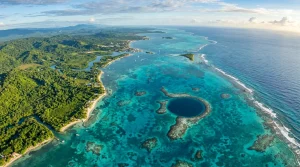
In Belize, the vibrant tapestry of languages spoken is intricately woven into the fabric of its tourism industry. With travelers flocking to experience the stunning Caribbean coastlines, ancient Maya ruins, and lush jungles, language plays a pivotal role in bridging the gap between locals and visitors. English, as the official language, serves as a common medium, but the presence of Spanish, Belizean Creole, and indigenous tongues like Garifuna enriches the communication landscape, enhancing the overall travel experience.Tourism has significantly amplified the use and importance of multiple languages. Tour guides, hotel staff, and local artisans often speak several languages to accommodate diverse visitors, reflecting an openness that is characteristic of Belizean hospitality. For instance, a trip to the Great Blue Hole might involve engaging conversations in English and Spanish, allowing for broader interactions and cultural exchanges. This multilingual environment not only aids in delivering an unforgettable experience but also fosters partnerships between visitors and the local community, creating a sense of belonging.As tourists seek genuine and immersive experiences, the demand for knowledge of local languages has surged. Cultural workshops and language classes have become popular offerings, allowing visitors to learn basic Kriol phrases or Garifuna songs, deepening their appreciation of this multicultural society. Restaurants showcasing Creole cuisine often provide menus in multiple languages, adding another layer to the dining experience, enticing visitors with the flavors of Belize while making them feel at home.Moreover, the tourism sector helps preserve and promote Belize’s linguistic heritage. Festivals, such as Garifuna Settlement Day, attract tourists eager to participate in cultural celebrations, amplifying the practice of indigenous languages through music, dance, and storytelling. This dynamic interaction not only stimulates the economy but also invigorates language retention, ensuring that the multilingual spirit of Belize thrives for generations to come.Bilingualism and Its Benefits in Belize
In a place as diverse and vibrant as Belize, bilingualism is not just a skill but a bridge connecting various cultures and communities. With English as the official language, alongside Spanish, Creole, and a mélange of indigenous languages, the ability to speak multiple tongues offers a wealth of benefits-both socially and economically. Imagine navigating the bustling markets of San Ignacio, where the ability to swap between English and Spanish opens doors to rich conversations and deeper cultural exchanges with local vendors, or easily breaking the ice with a friendly Garifuna speaker at a coastal fiesta. This linguistic flexibility enhances the experience of both visitors and residents, fostering a more interconnected community.Social Benefits of Bilingualism
Bilingualism nurtures social cohesion and promotes understanding among Belize’s multicultural population. Speaking multiple languages allows individuals to participate more fully in community activities and cultural events, creating avenues for partnerships and friendships that may not otherwise form. For instance, students who learn Creole alongside English not only gain academic advantages but also connect more profoundly with their heritage, enhancing their sense of identity. Furthermore, in a country where tourism is a vital industry, being multilingual enables locals to better serve a diverse clientele, reinforcing a welcoming atmosphere that is characteristic of Belizean hospitality.Economic Advantages
From an economic standpoint, bilingual individuals often find themselves with more job opportunities and potential for advancement. Businesses frequently seek employees proficient in both English and Spanish (as well as other languages) to cater to the flourishing tourism sector which often brings in visitors from various linguistic backgrounds. Moreover, in areas with significant expatriate populations, multilingual skills can be the key to thriving in fields ranging from hospitality and tourism to education and healthcare. With Belize’s continued growth as a tourist destination, embracing bilingualism can significantly enhance one’s employability and earnings.Cultural Connections
Moreover, bilingualism enriches cultural understanding and appreciation. Engaging with Belizean Creole, for instance, allows both locals and visitors to immerse themselves in the unique rhythm and flavor of Belizean life, from traditional music to culinary delights. Language classes, workshops, and cultural evenings dedicated to local dialects can foster a profound appreciation for this cultural melting pot, creating meaningful connections that transcend mere tourist moments. The opportunity to learn local phrases not only adds an exciting layer to the travel experience but also honors the rich narratives that shape Belize’s society.In summary, the multilingual landscape of Belize is a valuable asset. Embracing this diversity not only enhances interpersonal connections and economic opportunities but also fosters cultural enrichment that can transform a simple visit into a cherished experience of belonging and understanding. Exploring this vibrant linguistic tapestry contributes to the overall charm and allure of Belize, inviting travelers and expats alike to dive deeply into the rich cultural heritage that defines this Central American jewel.Fun Facts About Belize’s Multilingual Population
In Belize, every language tells a story, weaving a rich tapestry of cultural heritage and shared identity. Did you know that Belize is home to over 10 different languages? This remarkable linguistic diversity is not just a reflection of the country’s multicultural population but an essential part of its vibrant community spirit. Beyond English, Spanish, and the widely spoken Belizean Creole, you will encounter the melodious tones of indigenous languages like Ketchi and Mopan Maya, showcasing the rich history of the ancient Maya civilization.One fascinating aspect of Belize’s multilingual landscape is how languages coexist and influence each other. Belizean Creole, an English-based Creole language, has roots in African languages and reflects the cultural melding that defines Belizean society. It’s not uncommon for locals to switch seamlessly between English and Creole in conversation, often with Spanish phrases sprinkled in, creating a linguistic blend that is uniquely Belizean. In fact, this fluidity is so integral to daily life that residents often joke that “Belizeans speak three languages: English, Creole, and what they call Spanish!”Moreover, language is a significant part of community identity and pride. Celebrations such as Garifuna Settlement Day highlight the use of the Garifuna language, an Arawakan language infused with elements from Carib and African languages. This annual festival not only honors the Garifuna people’s heritage but also brings awareness to the importance of preserving these languages for future generations. Visitors to Belize are encouraged to participate in local events, where language and culture intermingle, ensuring that they leave with a richer understanding of the country’s identity.As you traverse Belize’s breathtaking landscapes-from the lush jungles to the crystal-clear waters-take a moment to appreciate the sounds of the local languages that enrich your experience. Engage with locals, ask a few phrases in Creole or Garifuna, and embrace the warmth that comes from this linguistic connection. Whether you’re exploring ancient Maya ruins or enjoying the vibrant Caribbean beaches, you’ll find that language serves as a gateway to deeper cultural interactions and unforgettable memories in this beautiful gem of Central America.Frequently asked questions
Q: What are the main languages spoken in Belize? A: The main languages spoken in Belize are English, Spanish, and Kriol (Belizean Creole). Each of these languages influences everyday communication, with Kriol being widely spoken among the local population, adding to the country’s rich linguistic diversity.Q: Is Spanish commonly spoken in Belize? A: Yes, Spanish is commonly spoken in Belize, especially among the Hispanic community. It is the second most spoken language, coexisting with English and Kriol, and is often used in schools and everyday conversations.Q: How many indigenous languages are there in Belize? A: Belize is home to several indigenous languages, including Maya languages such as Yucatec, Mopan, and Q’eqchi’. These languages contribute to the country’s cultural richness and heritage, reflecting its diverse population.Q: Why is Kriol important in Belize? A: Kriol is important in Belize as it serves as a communal language that unites various ethnic groups. It reflects the country’s multicultural identity and is widely used in informal settings, media, and music.Q: Are there any language education programs in Belize? A: Yes, Belizean schools often promote bilingual education, teaching students in both English and Spanish or Kriol. This approach helps to foster multilingualism and prepares students for global communication.Q: How does tourism impact language use in Belize? A: Tourism has a significant impact on language use in Belize, as many locals learn English and Spanish to communicate with tourists. This enhances the visitor experience and promotes cultural exchange among diverse populations.Q: Can you find resources to learn Kriol in Belize? A: Yes, various community programs and online resources offer courses in Kriol for both locals and visitors. Engaging with local communities can provide practical language skills and deeper cultural understanding.Q: What is the role of English in Belize’s society? A: English serves as the official language of Belize and is used in government, media, and education. Its prominence reflects Belize’s historical ties to Britain, shaping governance and public communication practices.Concluding Remarks
As you explore the fascinating multilingual tapestry of Belize, remember that every conversation opens a door to the rich culture and vibrant communities. Whether you’re drawn to the allure of Creole, the melodic rhythms of Garifuna, or the historic echoes of Spanish, each language adds depth to your journey. To dive deeper into Belize’s stunning landscapes, check out our guides on the Great Blue Hole and Belize’s diverse accommodations from jungle lodges to beachfront resorts.Don’t miss out on experiencing these cultural treasures firsthand. Plan your visit today and immerse yourself in all that Belize has to offer! For more insider tips on local cuisine and eco-tourism adventures, subscribe to our newsletter and never miss an update. Your adventure awaits-let’s make it memorable together!Comprehensive Guide and In-Depth Analysis: What Language Is Spoken In Belize
When exploring the details surrounding what language is spoken in belize, understanding the practical, environmental, and cultural dynamics of Belize is essential for making informed travel or investment decisions. Belize stands out in Central America for its English-speaking heritage, British Common Law legal stability, and world-class ecotourism infrastructure.
Whether navigating mainland rainforest corridors, consulting local authorities, or exploring marine conservation zones along the Belize Barrier Reef, having verified, comprehensive information regarding what language is spoken in belize ensures seamless execution.
| Key Evaluation Pillar | Standards & Conditions in Belize | Actionable Best Practices |
|---|---|---|
| Regional Specifics | Variations between northern districts, central cayes, and southern rainforests | Align plans with specific district infrastructure and seasonal weather |
| Regulatory & Legal Framework | Belize Tourism Board (BTB) regulations and national conservation laws | Always work with licensed local professionals and certified guides |
| Logistics & Practical Costs | Fixed 2:1 BZD-to-USD currency peg; accessible transport via air and water | Plan budget with cash buffer for remote destinations and transfers |
For visitors and residents alike, engaging with what language is spoken in belize through authorized, sustainable practices contributes directly to local community development and the preservation of Belize’s pristine marine and terrestrial ecosystems.
Frequently Asked Questions: What Language Is Spoken In Belize
Why is understanding what language is spoken in belize important for Belize visitors?
It provides essential context for choosing the right regional destinations, understanding local pricing, and ensuring full compliance with environmental and tourism standards.
How do seasonal factors affect what language is spoken in belize in Belize?
The dry season (December through May) offers calm seas and sunny weather, while the green season brings lower rates and lush jungle scenery.
Get our latest guides, news, and insights highlighted in your Google Search & AI Overviews.