Who is the Current President of Belize?
Belize is currently led by Prime Minister John Briceño, who has held this position since November 12, 2020. In Belize’s political framework, there is no presidential role as typically understood in presidential systems; instead, the Prime Minister acts as the head of government. This unique structure stems from Belize’s status as a constitutional monarchy, with King Charles III being recognized as the head of state. The Prime Minister is a pivotal figure in navigating the country’s policies, decision-making processes, and international relations, alongside the monarch’s ceremonial duties and the role of the National Assembly.The political landscape in Belize is vibrant and multifaceted, characterized by a parliamentary system where parties like the People’s United Party (PUP), which Briceño leads, play a crucial role in governance. His political journey is marked by various significant roles, including Deputy Prime Minister and Leader of the Opposition, illustrating his extensive experience in Belizean politics. Under his leadership, there are significant initiatives aimed at addressing socio-economic challenges and fostering national development, reflecting his administration’s focus on sustainable growth and social equity.The Political Landscape of Belize
is a blend of tradition and modernity, shaped by a rich history that melds diverse cultures and influences. At the heart of this vibrant system is the Prime Minister, currently John Briceño, leading the People’s United Party (PUP) since November 12, 2020. Unlike many countries, Belize operates under a parliamentary system where the Prime Minister assumes the role of head of government, while the monarch serves as the ceremonial head of state. This unique blend allows for a dynamic interaction between governance and the cultural fabric of Belize, with its roots deeply embedded in both British colonial history and local traditions.Belize’s political arena is marked by a multiparty system that thrives on participation from various ethnic groups, including Creole, Garifuna, Mestizo, and Maya communities. This diversity is reflected in policy-making and governance, as leaders navigate the complexities of representing a nation rich in cultural heritage and environmental beauty. The legislative powers are vested in the National Assembly, comprising the House of Representatives and the Senate, which play critical roles in shaping laws that foster national progress. Under Briceño’s leadership, the government has prioritized sustainable development, tackling issues such as poverty, education, and healthcare while promoting the preservation of Belize’s stunning natural resources, from the Great Blue Hole to lush jungles.The interplay of political parties further adds texture to the landscape; while the PUP currently leads, the opposition, led by the United Democratic Party (UDP), actively engages in debates that often highlight contrasting visions for Belize’s future. This competitive spirit can lead to a robust dialogue on national issues, invigorating public discourse and encouraging civic engagement among citizens. The Prime Minister’s cabinet, composed of various ministers, works collaboratively to implement policies, reflecting both the PUP’s electoral promises and the ongoing challenges of governance in an evolving global context.As the country faces modern challenges like climate change and economic shifts, the effectiveness of Belize’s leadership becomes even more crucial. Citizens are increasingly attentive to how the government addresses these concerns, molding public perceptions and expectations of elected officials. Through strategic initiatives aimed at boosting tourism and enhancing local industries, the Briceño administration seeks to drive national resilience, ensuring Belize not only retains its cultural heart but thrives amid a changing world.
Key Responsibilities of the President
In Belize’s unique parliamentary system, the President’s responsibilities are largely ceremonial, serving as a figurehead within a framework defined by the Prime Minister and the National Assembly. The President, who is appointed by the National Assembly, is tasked with upholding the constitution and ensuring that the democratic processes of the country are maintained. This role includes the execution of several critical functions that help to preserve the stability of this vibrant nation.One of the key roles of the President is to participate in the formal opening of each legislative session. During this ceremonial event, the President delivers a speech outlining the government’s agenda, priorities, and achievements, thereby setting the stage for the new parliamentary session. This not only helps to inform the public and engender support for governmental initiatives but also symbolizes the unity of the state.Additionally, the President holds the responsibility of appointing judges to the Supreme and High Courts, contributing to the independence of the judiciary, which is a cornerstone of democracy. This function is crucial in ensuring that the rule of law prevails in Belize, as it lays the groundwork for a fair and transparent legal system. The President also has the power to grant pardons, a role that reflects the office’s potential for influence in fostering national healing and reconciliation, particularly in times of political or social unrest.Furthermore, the engagement of the President in ceremonial duties such as state functions, visits from foreign dignitaries, and national celebrations fosters a sense of national identity and pride. These moments highlight Belize’s rich cultural diversity and the warmth of its people, making the role of the President vital in promoting unity and representing the nation on the global stage. Through these responsibilities, the President plays an indispensable part in the grand tapestry of Belize’s governance, ensuring the continuity of power while shining a light on the nation’s aspirations and achievements.Historical Context: Presidents of Belize
The story of Belize’s presidency is a reflection of its rich history and the evolving dynamics of its governance. The nation, known for its breathtaking natural beauty and cultural diversity, has a political landscape shaped by its colonial past and the influences of different cultures. The presidency itself, established after Belize gained independence from British rule in 1981, has transitioned into a largely ceremonial role within the parliamentary system. This evolution underlines the emerging democratic values that resonate with the spirit of Belizeans, uniting them in their pursuit of stability and progress.Historically, the first President of Belize was Sir Elmira B. Beauchamp, who served from 1981 until 1984, symbolizing a new chapter in the nation’s governance. Following her, several other prominent figures have held the office, each contributing to the fabric of national identity while navigating complex political landscapes. The role remains pivotal, albeit symbolic; carefully balancing the prestige of the office with evolving political realities, ensuring that Belize’s diverse cultures-from the Garifuna to the Mestizo and Creole-are represented.Throughout the years, Presidents have played vital roles during times of both conflict and unity. For example, the efforts of former Presidents have often focused on fostering national reconciliation and dialogue among the various ethnic groups, emphasizing Belize’s commitment to a pluralistic society. This historical context is essential as it highlights the profound impact that each leadership era has had on shaping not just policies, but the very essence of Belizean unity and pride.In recent decades, the presidency has adapted to the challenges of modern governance, which includes addressing issues such as climate change, economic development, and cultural preservation. As the nation faces contemporary challenges, the legacy of past leaders serves as a reminder of the resilience and determination that characterize Belizean society. Each administration leaves behind lessons that guide the current leadership, creating a narrative of continuity infused with the hopes and aspirations of the Belizean people.Current Challenges Facing the President
Navigating the intricate tapestry of Belize’s current political landscape presents formidable challenges for its President. As the country grapples with issues ranging from environmental threats to economic disparities, the expectations on leadership are significant. Belize is renowned for its lush rainforests, vibrant coral reefs, and rich cultural heritage, but these natural treasures are under persistent threat from climate change, illegal logging, and unsustainable tourism practices. The President must advocate for policies that not only promote economic growth but also safeguard the nation’s ecological integrity.Another pressing challenge lies in managing socio-economic inequalities that persistently affect segments of the population. Despite Belize’s progress, many citizens feel left behind, especially in rural areas where access to quality healthcare, education, and infrastructure remains limited. The President’s role is crucial in fostering inclusive economic strategies that target poverty alleviation, encouraging job creation in sustainable industries that can offer long-term benefits to all Belizeans.To effectively address these complex issues, fostering a robust dialogue between the government, private sector, and civil society is essential. This collaborative approach encourages diverse perspectives and innovative solutions, ensuring that the voices of all communities, including Indigenous groups, are heard. Furthermore, as Belize remains vulnerable to external economic shocks, particularly those influenced by global markets and tourism trends, the President faces the challenge of building resilience within the economy while promoting Belize as a unique and sustainable destination.Given these multifaceted challenges, the President of Belize stands at a pivotal junction where the choices made today can resonate through generations. A balanced focus on social equity, environmental sustainability, and economic resilience holds the key to navigating Belize’s future, ensuring that its natural beauty and cultural richness can be enjoyed not only by tourists but also by its people for years to come.Public Perception of Political Leadership
in Belize is a complex tapestry woven from the threads of history, culture, and contemporary challenges. As much as the sunny Caribbean coast and the mystical Maya ruins draw tourists to Belize, the opinions of its citizens about their leaders significantly shape the nation’s identity and future. Factors such as transparency, accountability, and the perceived effectiveness of policies play crucial roles in how the President is viewed by the public.The President is often seen as the custodian of Belize’s unique cultural heritage and natural resources, which adds to the level of scrutiny they face. Belizeans have a strong emotional connection to their land, making environmental stewardship a key expectation from their leadership. Recent administrations have had to balance the fast-paced growth of the tourism industry against the need for sustainability, which is critical in a country blessed with biodiversity but threatened by climate change and deforestation. Citizens expect their leaders to advocate for environmental policies that protect Belize’s natural beauty, which is paramount for both cultural pride and economic stability.Additionally, the sociopolitical climate in Belize is influenced by the close-knit nature of its communities and the ease of information sharing, largely due to social media. Public discourse is lively, with newer generations becoming increasingly vocal about their expectations for social equity and governance. For many, the sense of belonging and community is intertwined with the effectiveness and integrity of their leadership. As a result, public figures are held accountable through lively discussions in local forums, social media platforms, and community gatherings.Belizeans also express their views through the electoral process, where trust in political leadership can significantly sway voting behavior. Past governments have faced backlash when citizens perceive a betrayal of promises or when corruption allegations surface. Therefore, it becomes essential for the President to engage directly with the populace, addressing their concerns and articulating clear visions for both immediate and long-term goals. This relationship between leaders and citizens marks a vital aspect of the political landscape in Belize, filled with hopes for a future that respects its rich heritage while pursuing progressive development.
Impact of Leadership on Belize’s Development
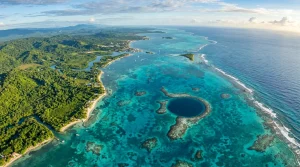
The leadership of Belize plays a pivotal role in shaping the nation’s development trajectory, influencing everything from economic advancement to environmental conservation. The current President, by establishing policies that prioritize sustainable tourism, health care system enhancements, and infrastructural improvements, sets the foundation for the nation’s future growth. In a country recognized for its breathtaking landscapes-from the Great Blue Hole to pristine coral reefs-effective leadership is crucial. The President must not only engage with these beautiful natural resources but also promote their protection to maintain Belize’s allure for both locals and visitors alike.One tangible example of impactful leadership can be seen in initiatives aimed at bolstering eco-tourism-a sector that drives both the economy and environmental awareness. As climate change threatens this delicate ecosystem, the President’s commitment to integrating eco-friendly practices within tourism promotes a dual benefit: it aids in economic stability while preserving the irreplaceable flora and fauna of Belize. Moreover, international collaborations to protect marine life and local biodiversity underscore the importance of leadership in navigating global environmental challenges. Belize’s unique biodiversity, with species like the jaguar and manatee, becomes a focal point of national pride and a source of economic potential through responsible tourism.Public health is another arena where the President’s decisions resonate deeply within the community. A leadership approach that prioritizes health care enhancements, especially in remote areas, can lead to improved overall public health outcomes, increase community trust, and foster a sense of security among citizens. The integration of health initiatives that respond specifically to the needs of diverse populations underscores the importance of inclusive governance in Belize, ensuring all voices are heard and valued in shaping public health policy.Furthermore, effective leadership develops resilience among Belizeans when confronting external challenges. The response to economic fluctuations, such as those exacerbated by global events, requires foresight and innovative strategies. For instance, investments in education and skill development can empower youth, diversify the economy, and prepare the next generation for both local and global job markets. By fostering an environment where education thrives, the President can inspire a nation that draws on its cultural richness and biodiversity to propel itself into a sustainable and prosperous future.
Notable Achievements of the Current Administration
With vibrant ecosystems and rich cultural heritage, the current administration in Belize has taken significant strides in enhancing the country’s global standing while addressing domestic needs. Notably, leadership has focused on sustainable tourism as a key economic driver, recognizing that the breathtaking landscapes-from the Great Blue Hole to the lush jungles-are not only national treasures but also vital sources of income. By implementing regulations that promote eco-friendly practices, the administration has ensured that tourism remains a lasting benefit to both the economy and the environment. Initiatives like the establishment of protected marine reserves and partnerships with international conservation organizations serve as testaments to this commitment, enhancing Belize’s reputation as a model for eco-tourism.In the realm of public health, the current administration has made notable progress by prioritizing access to healthcare, especially in remote areas. Innovations such as mobile health clinics have reached underserved communities, providing essential services and bolstering local health infrastructure. This inclusivity in governance has fostered trust among citizens and empowered them to engage more actively in health initiatives, aligning with the government’s goal of improving overall public health outcomes.Furthermore, education initiatives have been revamped to prepare the younger generation for a diversified economy. Investments in vocational training and partnerships with local businesses are providing Belizean youth with skills necessary for the workforce. This focus not only equips youth to thrive in local markets but also prepares them for global opportunities, thus laying a solid foundation for Belize’s future economic resilience.Infrastructural improvements are also noteworthy achievements, as the administration has prioritized road upgrades and public transport enhancements, facilitating better connectivity across the nation. Enhanced transportation networks support tourism, promote trade, and improve access to services, further solidifying the administration’s dedication to a sustainable and interconnected Belize. Overall, these achievements reflect a comprehensive approach to governance that balances environmental, health, and economic needs, establishing a forward-thinking legacy for generations to come.The Role of the National Assembly in Governance
The National Assembly of Belize plays a critical role in shaping the nation’s governance and legislative framework, acting as a vital link between the citizens and their elected representatives. It comprises two houses: the House of Representatives, which is directly elected by the public, and the Senate, which includes appointed members who represent various interests. This bicameral structure ensures diverse voices in policymaking, thereby enhancing democracy within the governance of Belize.In practice, the National Assembly is responsible for debating and enacting laws that affect all aspects of Belizean life, ranging from environmental regulations to education reforms. Bills introduced here can stem from the government, individual members, or special interest groups, reflecting the needs and aspirations of the populace. The Assembly also plays a key role in approving budgets, scrutinizing government expenditure, and holding the executive accountable for its actions, which contributes to a transparent and responsible government.The legislative process begins with the introduction of a bill, followed by debates and the opportunity for public input. This participatory approach fosters an environment where citizens can engage in dialogue with their representatives, ensuring that legislation is responsive to the community’s needs. For instance, discussions around sustainable tourism and environmental conservation are often influenced by local perspectives, demonstrating how public input can lead to more tailored and effective policies.As Belize continues to navigate challenges such as climate change and economic development, the National Assembly’s role becomes increasingly crucial. It shapes not only the legal framework that governs the country but also the broader political discourse that will determine Belize’s future trajectory. Staying informed about the activities and decisions of the National Assembly is essential for Belizeans and those interested in the country’s political landscape, as these decisions can have lasting impacts on both immediate community issues and the overall health of the nation’s democracy.
Influence of Political Parties on Leadership
Political parties play a pivotal role in shaping the leadership landscape in Belize, fundamentally influencing governance and policy direction. Currently, the country is primarily dominated by two major political parties: the People’s United Party (PUP) and the United Democratic Party (UDP). Each party embodies distinct ideologies and priorities, impacting everything from economic initiatives to social policies, thereby steering the overall trajectory of the nation.The PUP, known for its more progressive stance, often focuses on social welfare, education, and healthcare advancements. For instance, their recent policies aim to improve access to education and boost healthcare through increased funding and reform. Conversely, the UDP leans towards conservative principles, often emphasizing private-sector growth, infrastructural development, and a strong law-and-order approach. This dichotomy allows voters to express their preferences through the election process, ensuring that political leadership is responsive to the electorate’s needs.Belize’s political framework also encourages vibrant debates and creative policy solutions, as party dynamics propel leaders to engage with their constituents actively. The influence of political parties is not just limited to legislative decisions; it extends to national dialogue, shaping how issues like climate change, crime, and rural development are prioritized and addressed. For example, environmental sustainability has seen increased attention due to fierce competition between the parties to present innovative solutions that resonate with their electoral base.Moreover, the way party ideologies manifest in leadership can often dictate the country’s international relations and economic strategies. As Belize continues to carve its niche in the global market, understanding the interplay between political parties and leadership becomes essential for not just citizens but also for tourists, expats, and investors who wish to comprehend the nation’s evolving landscape. Engaging with the political climate through local news sources and community discussions can provide valuable insight into how these influences shape everyday life in Belize.Future Political Trends in Belize
The future political landscape in Belize is poised for transformation, driven by changing demographics, evolving social dynamics, and heightened global awareness. As the nation continues to embrace its rich cultural heritage while addressing contemporary challenges, emerging political trends are anticipated to reshape both governance and citizen engagement. One significant trend is the increasing involvement of younger voters, who are more attuned to issues such as climate change, education reform, and economic opportunities. This demographic shift could challenge traditional party roles and compel political leaders to adapt their platforms to resonate with a youthful electorate that prioritizes sustainable development and social equity.Another trend involves a greater emphasis on collaborative governance. In a country where the effects of climate change are felt acutely, such as rising sea levels and unpredictable weather patterns, public and private sectors are likely to forge stronger partnerships. This collaboration can enhance resource allocation and improve response strategies to environmental challenges while fostering community involvement. The current administration’s focus on transparency and accountability could encourage innovative policy-making that embraces participatory approaches, where citizens feel empowered to contribute to decision-making processes.Additionally, as Belize seeks to bolster its position in the global market, there is a keen interest in diversifying its economy beyond traditional tourism and agriculture. This diversification may require exploring sectors like renewable energy and technology-driven services, prompting political leaders to craft policies that attract investment and promote entrepreneurship. Engaging diaspora communities for economic support and expertise will also become a priority, making globalization a pivotal facet of future governance.As Belize navigates these trends, staying informed about political developments will be crucial for citizens and observers alike. Keeping an eye on local news, participating in community forums, and engaging with political discussions will enable individuals to grasp the nuances of their evolving leadership landscape. Embracing these changes will not only empower voters but also enhance Belize’s ability to thrive as a vibrant, progressive nation on the global stage.How to Stay Informed About Belizean Politics
Staying informed about the political landscape in Belize is essential for engaging in community discussions and making informed decisions at the ballot box. With a backdrop of stunning coastal vistas and vibrant cultures that mirror its rich heritage, understanding the political dialogue can greatly enhance your experience living or traveling in this beautiful country. From community initiatives to national policies, here’s how you can keep your finger on the pulse of Belizean politics.One of the best ways to stay updated is by following local news outlets. Newspapers like the Belize Times and The Guardian offer in-depth coverage of political events, issues, and analysis that can help you gain context about current leaders, including the President. Additionally, listening to local radio stations can provide timely news updates, with many programs featuring political commentary and debates. For those preferring digital platforms, websites and social media pages dedicated to Belizean politics are great resources. Following government officials on platforms like Facebook and Twitter can also foster a more personal connection to the conversations affecting the nation.Participating in community forums and town hall meetings is another effective way to engage with local politics. These gatherings often provide a platform for citizens to voice their concerns, ask questions, and hear firsthand from political representatives. Many municipalities host events that discuss the priorities of the current administration and gather public opinions, which can be especially useful in a country with such a diverse demographic landscape.Lastly, consider subscribing to newsletters from advocacy groups and civic organizations that focus on issues like environmental conservation, education, or social justice. These platforms not only keep you updated but also involve you in movements that aim to influence policies and proposed legislation. By actively engaging with the political scene in Belize, you not only stay informed but can contribute to the rich tapestry of civic life that this remarkable country offers.Frequently asked questions
Q: Who is currently the Prime Minister of Belize? A: The current Prime Minister of Belize is Johnny Briceño, who has been in office since November 12, 2020. He is the leader of the People’s United Party (PUP) and focuses on addressing key issues such as the economy, healthcare, and education. For more details on his policies, you can refer to the section on the Political Landscape of Belize.Q: What are the main responsibilities of the Prime Minister in Belize? A: The Prime Minister of Belize serves as the head of government, overseeing the cabinet, implementing laws, and shaping national policy. Key responsibilities include managing the economy, foreign relations, and public services, while also representing the country at official functions. Learn more about these duties in the article’s Key Responsibilities section.Q: How does the Prime Minister affect the political landscape in Belize? A: The Prime Minister significantly shapes the political landscape through party leadership, policy decisions, and collaboration with the National Assembly. Their vision can directly influence economic growth, social issues, and international relations, impacting the overall governance of Belize. Explore this in detail in the Political Landscape section.Q: What political challenges does the Prime Minister of Belize currently face? A: The Prime Minister faces challenges such as economic recovery post-pandemic, managing public health issues, and addressing social inequalities. These challenges require strategic decision-making to ensure stability and progress in Belize. For more on these topics, refer to the Current Challenges Facing the President section.Q: How can citizens stay informed about the Prime Minister’s initiatives? A: Citizens can stay informed about the Prime Minister’s initiatives through official government websites, local news outlets, and community meetings. Engaging with social media channels of the Prime Minister can also provide updates on policies and national issues. Check out the How to Stay Informed About Belizean Politics section for more resources.Q: What impact does the Prime Minister have on Belize’s development? A: The Prime Minister has a profound impact on Belize’s development by steering economic policies, improving infrastructure, and fostering social programs. Their leadership can enhance the quality of life and drive sustainable growth within the nation. Delve into the Impact of Leadership on Belize’s Development for specific examples.Q: What political parties are significant in Belize, and how do they influence leadership? A: The two major political parties in Belize are the People’s United Party (PUP) and the United Democratic Party (UDP). They both play crucial roles in shaping electoral outcomes, governance styles, and national policies, with differing ideologies influencing leadership approaches. For more on party influence, see the Influence of Political Parties on Leadership section.To Wrap It Up
In summary, understanding the current political leadership in Belize, including the president’s role and influence, is crucial for grasping the nation’s governance and cultural dynamics. As you continue exploring this rich tapestry, don’t miss our in-depth guides on Belize’s stunning destinations, including the breathtaking Great Blue Hole and the vibrant cultural heritage highlighted through Creole cuisine and Garifuna music.Take the next step in your journey by signing up for our newsletter to stay updated on the latest travel tips and insights. If you’re considering a move to Belize, check out our comprehensive expat guide that covers essential topics like real estate options, cost of living, and cultural integration. Your adventure in discovering Belize’s unique charm and diverse offerings is just beginning-dive deeper and explore our site for valuable resources that await you!Comprehensive Guide and In-Depth Analysis: Belize President
When exploring the details surrounding belize president, understanding the practical, environmental, and cultural dynamics of Belize is essential for making informed travel or investment decisions. Belize stands out in Central America for its English-speaking heritage, British Common Law legal stability, and world-class ecotourism infrastructure.
Whether navigating mainland rainforest corridors, consulting local authorities, or exploring marine conservation zones along the Belize Barrier Reef, having verified, comprehensive information regarding belize president ensures seamless execution.
| Key Evaluation Pillar | Standards & Conditions in Belize | Actionable Best Practices |
|---|---|---|
| Regional Specifics | Variations between northern districts, central cayes, and southern rainforests | Align plans with specific district infrastructure and seasonal weather |
| Regulatory & Legal Framework | Belize Tourism Board (BTB) regulations and national conservation laws | Always work with licensed local professionals and certified guides |
| Logistics & Practical Costs | Fixed 2:1 BZD-to-USD currency peg; accessible transport via air and water | Plan budget with cash buffer for remote destinations and transfers |
For visitors and residents alike, engaging with belize president through authorized, sustainable practices contributes directly to local community development and the preservation of Belize’s pristine marine and terrestrial ecosystems.
Frequently Asked Questions: Belize President
Why is understanding belize president important for Belize visitors?
It provides essential context for choosing the right regional destinations, understanding local pricing, and ensuring full compliance with environmental and tourism standards.
How do seasonal factors affect belize president in Belize?
The dry season (December through May) offers calm seas and sunny weather, while the green season brings lower rates and lush jungle scenery.
Get our latest guides, news, and insights highlighted in your Google Search & AI Overviews.