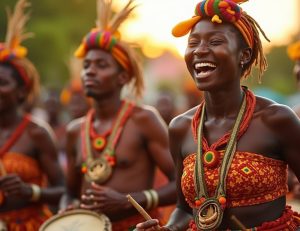
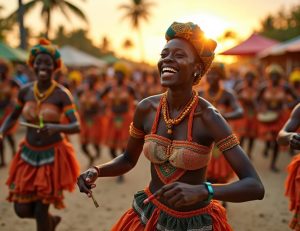
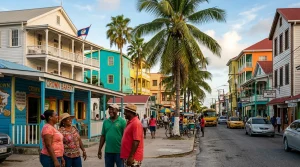
With its vibrant blend of cultures and stunning landscapes, Belize is a unique destination where communication can enhance your experience significantly. The main language spoken here is English, making it accessible for many travelers. However, you’ll also encounter Belizean Creole, Spanish, and various indigenous languages. Understanding these nuances can open doors to richer interactions with locals and provide deeper insights into their warm hospitality. Whether you’re diving into the crystal-clear waters of the Caribbean or exploring ancient Mayan ruins, effective communication will help you connect with the heart of Belize’s diverse culture. Continue reading to discover essential communication tips that will enhance your journey through this Central American gem, ensuring you immerse yourself fully in everything Belize has to offer.
What Languages Are Spoken in Belize?
Belize is a tapestry of languages and cultures, reflecting its rich history and diverse population. The most widely spoken language in this vibrant Central American nation is English, which serves as the official language and is used in government, education, and business. This means that visitors will find it relatively easy to navigate communication throughout the country, as most Belizeans are fluent in English and eager to engage with travelers.
However, Belize is not just an English-speaking nation; it boasts a fascinating linguistic landscape. One of the prominent languages is Kriol (or Creole), which has evolved from a mix of English and various West African languages. It serves as a vital mode of everyday communication among locals, often infused with unique local expressions and idioms. This language reflects the country’s cultural heritage, and tourists may find that embracing even a few words or phrases in Kriol can enhance interactions and create a warmer connection with the locals.
Indigenous Languages
Aside from English and Kriol, Belize is also home to several indigenous languages, including Q’eqchi’, Mopan Maya, and Garifuna. These languages highlight the rich cultural tapestry of Belize, with distinct communities preserving their linguistic traditions. The presence of these languages varies by region, particularly in areas with significant indigenous populations. Engaging with local communities can offer visitors a deeper understanding of these languages and their cultural significance.
Travelers are encouraged to familiarize themselves with basic phrases in both English and Kriol, as this can enrich their experiences. Simple greetings like “Bwai” (hello) or “Tank yuh” (thank you) in Kriol can go a long way in showing respect and appreciation for the local culture. Additionally, understanding that English is often spoken with a delightful Belizean accent can help visitors feel more at home, fostering interactions that are both meaningful and memorable.
In conclusion, while Belize’s official language is English, the vibrancy of Kriol and the presence of indigenous languages make for a rich cultural experience. By embracing these linguistic nuances, visitors can navigate the linguistic landscape more confidently and engage more authentically with the friendly Belizean people.
The Role of English as the Official Language
Belize stands out as Central America’s only English-speaking nation, where the melody of the English language resonates amidst the lush landscapes and vibrant cultures. English is not only the official language but also serves as a vital bridge of communication that connects locals and travelers alike. Found throughout government offices, schools, and businesses, English facilitates a welcoming environment where visitors can feel at ease. With most Belizeans being fluent in English, visitors will find that asking directions, ordering a meal, or diving into lively conversations is both comfortable and rewarding.
As you venture through Belize, you’ll notice that English is often infused with a unique Belizean flair, featuring distinctive accents and local idiomatic expressions. This rich linguistic tapestry not only reflects the country’s colonial history but also underscores its diverse cultural heritage. While navigating bustling markets or marveling at ancient Mayan ruins, knowing a bit about the local dialect can enhance your interactions. For instance, appreciating how English blends with Kriol-a widely spoken creole language-can open doors to deeper connections with the locals. Complementing your English skills with a few Kriol phrases, such as “Tank yuh” (thank you), can demonstrate cultural appreciation and warmth.
Belize’s linguistic landscape is further enriched by the presence of numerous indigenous languages, yet English remains the key that unlocks countless opportunities for engagement. Whether you’re haggling for souvenirs in San Ignacio or sharing stories by the beach in Caye Caulker, being able to communicate in English creates a sense of familiarity and comfort. Moreover, local guides often encourage visitors to immerse themselves in Belizean culture, leading to memorable experiences that go beyond mere sights.
For many travelers, the ease of speaking English in Belize makes it a destination of choice, offering the thrill of adventure without the barrier of language. So, as you prepare for your journey to this unparalleled paradise, remember that your English skills will not only help you navigate, but they will also enrich the connections you create along the way. Enjoy the harmonious blend of cultures and languages that await you in the beautiful landscapes of Belize!
Understanding Creole: A Key Element in Communication
In the vibrant mosaic of Belizean culture, Kriol emerges as a bridge that enhances communication between locals and visitors alike. This lively creole language, derived from English and various African languages, encapsulates the essence of Belize’s diverse history and multicultural society. When wandering through charming towns or engaging with friendly locals, a few basic Kriol phrases can significantly enrich your experience and foster a deeper connection with the people.
Kriol is not just a method of communication; it embodies the heart and soul of Belize’s daily life, reflecting its rich tapestry of influences, including Indigenous, African, and European cultures. As you engage with vendors at colorful markets or share stories with residents by the sea, you’ll notice that Kriol often flows naturally into conversations. Common phrases like “Wah gwan?” (What’s going on?) or “Mi deh yah” (I’m here) are not only practical but also open doors to genuine interactions, allowing you to experience the warmth and hospitality that Belizeans are known for.
Understanding some basic elements of Kriol can also help you appreciate the country’s cultural nuances. The rhythm and cadence of this language carry a musicality that reflects the vibrant nature of Belize itself. For instance, combining simple English words with Kriol syntax and phonetics adds an engaging layer to discussions. Recognizing how language is intertwined with daily life in Belize means you can comfortably navigate social settings, whether you’re sharing a meal at a local eatery or participating in community celebrations.
As tourism flourishes in Belize, the relevance of Kriol grows, adding richness to the visitor experience. By employing a few key phrases and an open mind, you not only enhance your personal journey but also contribute to the preservation of this unique linguistic heritage. So, grab your adventurous spirit and dive into the delightful linguistic world of Belize, where each word exchanged brings you closer to the heart of this extraordinary destination.
Exploring Belize’s Indigenous Languages
In the heart of Belize, where the rich tapestry of cultures weaves together, Indigenous languages add a profound depth to the country’s identity. With a population that celebrates its roots, Belize is home to several Indigenous groups, each contributing unique linguistic heritages that reflect thousands of years of history and tradition. Most notably, the Maya languages, including K’iche’, Q’eqchi’, and Mopan, play a significant role in the cultural landscape, providing not only a means of communication but also a bridge to the past and aspects of daily life in the present.
Maya languages are spoken predominantly in the southern regions of Belize, where the echoes of ancient civilizations still resonate through the temples and ruins. Travelers venturing to sites like Caracol or Lamanai will find that these languages offer insights into the rituals, myths, and histories that shaped the local communities. Engaging with local guides who converse in these languages can enrich your experience, allowing you to connect more deeply with the spirit of the land. Learning a few phrases in a Maya language can serve as both a respectful gesture and a fantastic conversation starter with locals, creating bonds that transcend language barriers.
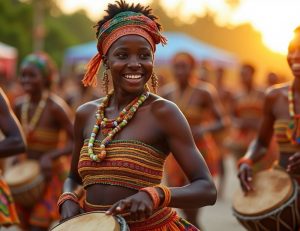
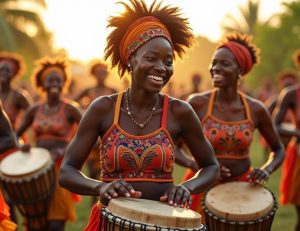
The Garifuna community also adds to the linguistic diversity with their own language, Garifuna, recognized for its distinct sound and rich cultural expressions. Spoken along the coastal areas, particularly in towns like Dangriga and Hopkins, Garifuna embodies the rhythms of the sea and the pulse of Caribbean life. Visitors can often experience Garifuna dance and music, which narrate stories and celebrate the vivacity of this vibrant culture. Participating in local events or festivals allows travelers to immerse themselves in these unique traditions while also gaining an appreciation for the Garifuna language.
For those venturing into Belize, understanding and respecting these Indigenous languages can significantly enhance your journey. Here are a few practical communication tips to keep in mind:
- Learn Basic Phrases: Knowing simple greetings and phrases can go a long way in building rapport. For example, a “Hello” in K’iche’ is “Saqarik” and in Garifuna, you can say “Buiti binafen” for “good day.”
- Engage with Locals: Locals appreciate when visitors make an effort to use their language, fostering goodwill and enriching your travel encounters.
- Attend Cultural Events: Festivals and community gatherings are perfect opportunities to experience the languages in their cultural context. Here, you can see and hear the languages in action through traditional songs and dances.
offers a profound connection to its cultural roots and invites travelers to be part of a living history. Embrace the opportunity to learn, and let the voices of these languages guide you through the breathtaking landscapes and vibrant communities that make Belize truly special.
Practical Communication Tips for Travelers
In the lush landscapes of Belize, where cultures intertwine amidst gorgeous natural beauty, effective communication can elevate your travel experience from ordinary to extraordinary. While English is the official language, the country’s linguistic diversity offers travelers a unique opportunity to connect with the local people in more meaningful ways. Here are some practical communication tips to help you navigate Belize’s vibrant linguistic landscape with ease and confidence.
Start by immersing yourself in the local dialects, particularly Belizean Creole, which echoes the island influences and history of the region. Familiarize yourself with a few commonly used phrases; for instance, “How dih?” means “How are you?” and “Tank yu” translates to “Thank you.” Using these phrases will not only endear you to locals but also show your respect for their culture. Even a simple attempt to use Creole can unlock smiles and friendly exchanges, setting a warm tone for your interactions.
Engaging with locals is another effective way to enhance your communication experience. Remember that Belizeans are generally hospitable and appreciate when visitors take the time to converse, even if it’s just a few words. Participating in local markets or community gatherings offers fantastic opportunities to practice your language skills. Don’t be shy to ask questions; most people will be eager to share their knowledge about the local culture or history, often in a blend of English and Creole.
To further enrich your experience, consider attending cultural events, such as the Garifuna Settlement Day or Semana Santa celebrations, where language and culture come alive. These events provide a powerful context for hearing the various languages spoken in Belize, including Garifuna and the Maya languages. Observing how language ties into the celebrations will deepen your appreciation for the country’s rich heritage.
Don’t hesitate to invest time in learning some basic phrases in the indigenous languages as well. While they may not be as widely spoken outside their communities, such as K’iche’ or Q’eqchi’, demonstrating interest in these languages can go a long way in fostering connections with the local indigenous populations. Being able to say “In la k’i’ik’?” (How are you?) in K’iche’ could spark engaging conversations and provide insights into their traditions and way of life.
In summary, enhancing your travel experience in Belize goes beyond merely relying on English. By embracing the local dialects, engaging with the community, and learning key phrases in Creole and indigenous languages, you’ll foster deeper connections and enjoy a richer cultural experience while exploring the wonders of this Central American jewel.
Cultural Nuances in Language and Interaction
In the heart of Central America, where the vibrant cultures of the Caribbean meet the lush jungles and azure seas, the nuances of language and interaction reveal the soul of Belize. Understanding these cultural nuances can transform mere interactions into memorable exchanges that deepen your connection to this diverse country. While English serves as the official language, the casual exchanges you share with locals often flow through a rich tapestry of dialects, tones, and expressions that reflect Belize’s multicultural heritage.
Among the most significant elements to consider is the casual, friendly nature of interaction in Belize. Belizeans typically greet each other warmly, often using informal phrases that set a welcoming tone. Expressions like “How dih?” (How are you?) are common, and using them can break the ice and foster a connection. This warmth is not just in their words but also in their demeanor; a smile often accompanies greetings, enhancing the sense of community and friendship. It’s important to mirror this openness, as your willingness to engage can spark deeper conversations and lead to genuine connections.
Another key facet is understanding the importance of active listening and responsiveness in conversations. Culturally, Belizeans appreciate it when visitors show genuine interest in their stories and experiences. When locals share tales of their heritage, whether about the Garifuna culture or the ancient Maya, listening attentively and asking thoughtful questions can enrich your interaction. This not only shows respect but also encourages the sharing of more personal and intimate stories, allowing you to learn about the fabric of Belize’s diverse identity.
To navigate local social settings more smoothly, being aware of context and setting can also enhance your interactions. In bustling markets or during local festivities, the atmosphere is often lively, and the overlap of multiple languages can lead to an even richer experience. Engaging with vendors or participants, asking about their crafts or traditions, can yield delightful exchanges filled with warmth. Remember, even a small effort to use Belizean Creole or a phrase from one of the indigenous languages can pave the way for friendship and camaraderie.
As you wander through the jungles or relax by the splendid beaches, embracing the cultural nuances of language will enhance your exploration of Belize’s stunning landscapes. From the intricate melodies of Garifuna music to the warm embrace of a local community gathering, each interaction allows you to connect more profoundly with the vibrant heritage that defines this beautiful nation. So dive into conversation, share a laugh, and let the language of Belize work its magic on your journey.
Common Phrases to Know in Belize
Engaging with the locals in Belize, a vibrant tapestry of cultures and languages, can significantly enhance your travel experience. While English is the official language, the beauty of Belizean communication lies in its rich variety of phrases and dialects that reflect the nation’s multicultural spirit. Learning a few common phrases not only breaks the ice but also demonstrates your respect and appreciation for the local culture.
One of the friendliest greetings you can use is “How dih?” (How are you?), which sets a welcoming tone for any interaction. If you want to show genuine interest in someone’s well-being, follow it up with “Wha gwaan?” (What’s going on?). When thanking someone for their kindness, say “Tenk yuh,” which expresses gratitude in a warm, familiar way. These phrases are not just words; they are a window into the Belizean way of life, characterized by friendliness and openness.
In local markets or during festivals, phrases like “I wah buy dat,” (I want to buy that) will help you engage with vendors, while “Wha yu recommend?” (What do you recommend?) opens the door to local favorites and hidden gems in the culinary scene. If you find yourself lost or in need of assistance, don’t hesitate to use “Can yuh help mi?” (Can you help me?), a phrase that resonates well with the typically hospitable nature of Belizeans.
Understanding and using these phrases can be a delightful way to immerse yourself in the culture. As you meander through the lush jungles, beautiful beaches, and ancient ruins, each interaction becomes an opportunity to connect deeply with the people who call this stunning country home. So, embrace the language of Belize; it’s as colorful and inviting as the landscape itself, creating pathways to memorable adventures and friendships.
Navigating Language Barriers in Belize
In the colorful landscape of Belize, communication transcends mere words, weaving a rich tapestry of interaction that reflects the nation’s cultural mosaic. To truly navigate the language barriers, it’s essential to embrace both the official language, English, and the vibrant local dialects, especially Belizean Creole. Though most Belizeans are bilingual, varying degrees of proficiency in different languages can impact your experience. Therefore, a little preparation can go a long way.
Start by familiarizing yourself with a few basic phrases in both English and Creole. This not only aids comprehension but also fosters goodwill among locals, who will appreciate your effort to engage with them in their cultural context. For instance, when ordering food at a market, saying “I wah buy dat” can elicit smiles and warm interactions. In more rural areas, recognizing local dialects and varying speech patterns will help you connect better, as some communities may primarily speak Spanish or indigenous languages like Maya or Garifuna.
Additionally, employing non-verbal cues can bridge gaps in understanding. Body language, gestures, and even smiles can communicate kindness and help convey your intentions clearly, which can be especially useful in bustling markets or during shared activities like cooking or dancing at a local festival. When you encounter someone speaking a language you don’t understand, don’t hesitate to ask for a translation or for the person to speak slowly-most folks in Belize are friendly and willing to assist.
Lastly, patience is key. While Belizeans are generally fluent in English, certain phrases or local idioms might catch you off guard. If you find yourself puzzled, a simple “Can yuh explain dat?” encourages dialogue and fosters deeper connections. As you traverse this breathtaking destination filled with lush jungles, stunning beaches, and vibrant communities, remember that every conversation is a chance to enrich your adventure in this remarkable country.
Language and Local Dialects Across Regions
In Belize, language is as diverse as its landscapes, reflecting the rich cultural tapestry of this vibrant nation. While English is widely spoken and serves as the official language, a mosaic of local dialects and indigenous tongues enhances the communication experience, revealing the depth of Belizean identity. Traveling through regions such as the bustling streets of Belize City, the tranquillity of San Pedro, or the lush jungles near the Maya ruins, you’ll hear a remarkable blend of language that connects people to their heritage and each other.
Across the different districts, Belizean Creole, often simply referred to as “Kriol,” emerges as a significant means of communication. This lively and expressive dialect derives from English and African languages, serving as a bridge for locals in daily interactions. For example, in the south, particularly around Dangriga and the Garifuna communities, you’ll hear Garifuna, a language that articulates the rhythm and soul of the culture, filled with unique expressions and celebrations of identity. Immersing yourself in these conversations can bring you closer to understanding the significance of local customs and celebrations.
In rural areas, the presence of several indigenous languages showcases the pride of Belize’s native cultures. Languages such as Maya, which includes Ketchi, Mopan, and Yucatec, resonate with the ancient histories of the region. Engaging with these languages not only serves a practical purpose but also shows respect for the cultural heritage of Belize’s first peoples. Knowing basic greetings or phrases in these local languages can help you navigate social situations and earn the admiration of the locals, who often appreciate efforts to embrace their linguistic heritage.
To truly connect with Belizeans, understanding the nuances in pronunciation and the warmth in the local dialects is essential. For instance, listening carefully to the melodic tones of Kriol or the rhythmic sounds of Garifuna can greatly enhance your interactions. Remember, in the vibrant melting pot that is Belize, every conversation is an opportunity to discover, learn, and celebrate the art of communication in its many forms. Embrace the variety, navigate the dialects, and let the local languages enrich your travel experience in this stunning country.
The Impact of Tourism on Language Use
The bustling vibrancy of Belize’s tourism scene has a profound impact on language use across the nation, shaping both the local dialects and the everyday experiences of travelers. As visitors flock to this Central American gem for its stunning coral reefs, lush jungles, and rich cultural heritage, local communities adapt their communication styles, creating an engaging environment for linguistic exchange. This dynamic interaction not only fosters a welcoming atmosphere but also enriches the cultural tapestry that defines Belize.
Tourists often introduce new phrases and terminology, particularly in the hospitality and service sectors. In popular tourist spots like San Pedro and Ambergris Caye, you might overhear locals and visitors alike using a mix of English, Kriol, and even snippets of Spanish, reflecting the diverse influences that accompany international travel. This blending of languages illustrates how tourism infuses fresh energy into the local vernacular, encouraging Belizeans to pivot between dialects seamlessly, enhancing their communication skills and cultural fluency.
Moreover, the interest in Belize’s indigenous languages has seen a resurgence thanks to tourism. Travelers seeking authentic experiences often venture beyond the beaten path and express a genuine desire to learn greetings or phrases in local languages, such as Garifuna or Maya. This curiosity not only boosts local pride but also motivates communities to share their linguistic heritage with visitors, creating unique opportunities for cultural exchange. When tourists learn a few words in Kriol or Garifuna, it can break down barriers and foster deeper connections, making interactions warmer and more memorable.
However, it’s essential for travelers to approach this linguistic landscape with sensitivity and respect. While many Belizeans are bilingual or multilingual, cultural nuances fostered by these languages can vary from one region to another. When exploring rural areas, for instance, understanding the significance of indigenous languages can greatly enhance a visitor’s experience, showing respect for the cultures and identities of Belize’s diverse population. By engaging thoughtfully with the languages of Belize, tourists play a role in preserving these vibrant expressions, ensuring that even as tourism flourishes, the heart and soul of Belize’s rich linguistic heritage endure.
Resources for Learning Basic Belizian Language Skills
To enhance your experience in Belize, diving into its linguistic landscape can be both enlightening and practical. While English reigns as the official language, the vibrant tapestry of communication includes Kriol, Spanish, and various indigenous languages. Engaging with the local lexicon not only enriches your travels but also fosters meaningful connections with Belizeans. Here are some resources and tips to help you learn essential phrases and communicate more effectively during your visit.
Language Learning Apps and Platforms
Several apps can help you pick up Belizean languages before your trip. Consider using platforms like Duolingo, which offers engaging methods to learn basic phrases and vocabulary. Look for Kriol language courses or general Caribbean Creole resources online to familiarize yourself with common expressions and idioms. Additionally, websites like Memrise provide user-generated courses focused on practical language skills for travelers.
Local Language Classes and Workshops
Once in Belize, seek out local workshops or cultural centers that offer language classes. Many community centers, especially in tourist hubs like San Pedro or Belize City, host language exchange sessions or courses in Kriol and Garifuna. Participate in these workshops to immerse yourself in the language while also learning about the cultural context behind the words and phrases.
Engaging with Native Speakers
An effective way to learn is through direct interaction. Make a conscious effort to speak with locals; they often appreciate your attempt to communicate in Kriol or Spanish. Don’t hesitate to ask for help in pronunciation or meanings. Initiating small conversations at markets or local eateries can turn into delightful exchanges, enriching your cultural experience and language skills simultaneously.
Essential Phrases to Practice
Familiarize yourself with a few key phrases that can significantly enhance your interactions. Here are some basics:
- Hello: “Wah Gwaan?” (What’s going on?)
- Thank you: “Tenk yuh.”
- How much is this?: “Hoe much dis?”
- Goodbye: “Lata.”
- What is your name?: “Wah di yuh name?”
Online Communities and Forums
Engaging with online communities can provide both support and resources. Platforms like Facebook have groups dedicated to language exchange and cultural experiences in Belize. Joining these groups allows you to ask questions, share experiences, and even set up virtual practice sessions with fellow travelers or locals who are eager to help.
By arming yourself with basic language skills and cultural insights, you not only pave the way for exciting adventures but also contribute to the preservation of Belize’s unique linguistic heritage. Embrace the journey of learning; it will undoubtedly enrich your travels through this beautiful country!
FAQ
Q: What is the primary language spoken in Belize?
A: The primary language in Belize is English, which serves as the official language. It is widely used in government, education, and media, making communication straightforward for English-speaking travelers.
Q: Are there other languages spoken in Belize?
A: Yes, aside from English, several languages are spoken in Belize. Belizean Creole, Spanish, and various Mayan languages are commonly used, reflecting the country’s diverse cultural heritage and ethnic groups.
Q: How does Belizean Creole differ from standard English?
A: Belizean Creole is a distinct language influenced by English, African languages, Spanish, and indigenous languages. It has its own vocabulary and grammar, so while English speakers may understand some words, learning a few Creole phrases can enhance communication.
Q: What are some useful phrases to know in Belize?
A: Familiarizing yourself with phrases such as “Wah di gwan?” (What’s going on?), “Tank yuh” (Thank you), and “Mi noh sabi” (I don’t understand) can improve interactions and show cultural respect. Check the “Common Phrases to Know in Belize” section for further details.
Q: Can I communicate effectively with only English in Belize?
A: Yes, you can generally communicate effectively with just English, especially in tourist areas. However, knowing a few local phrases can enhance your experience and foster goodwill with locals.
Q: How can I overcome language barriers while traveling in Belize?
A: To overcome language barriers, consider learning basic phrases in Belizean Creole and Spanish. Additionally, using translation apps can help facilitate communication, especially in more rural areas where English may be less common.
Q: Why is it important to understand local languages in Belize?
A: Understanding local languages enriches your travel experience, fosters better connections with locals, and demonstrates respect for the culture. It can also be vital for navigating off-the-beaten-path areas without English-speaking resources.
Q: Are there language classes available for tourists in Belize?
A: Yes, many towns in Belize offer language classes or workshops for tourists interested in learning Belizean Creole or Spanish. This can be a fun way to engage with the culture while improving your communication skills during your visit.
In Conclusion
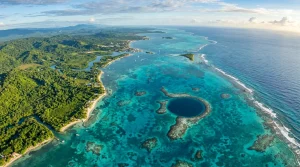
Understanding the primary language spoken in Belize opens the door to rich and meaningful interactions with locals, making your trip truly memorable. As you prepare for your adventure, remember that practicing a few key phrases can go a long way. Don’t miss out on exploring more about Belize’s stunning destinations-from the Great Blue Hole’s breathtaking views to the cultural tapestry woven through Creole cuisine and Garifuna music. Dive deeper by checking out our guides on the best accommodations or eco-tourism hotspots that cater to every traveler.
Ready to embark on your Belize journey? Take the next step now and subscribe to our newsletter for exclusive travel tips and insights, or explore our detailed articles on transportation and safety. Engaging with the vibrant culture and captivating nature of Belize has never been easier. Share your thoughts or questions in the comments below, and let’s keep the conversation going about what makes Belize such a unique destination!
Get our latest guides, news, and insights highlighted in your Google Search & AI Overviews.