Es Belice o Belize? Understanding the Correct Name
The mesmerizing Central American nation that beckons travelers with its unrivaled blend of rich culture and stunning natural beauty is known as both Belize and Belice. This dual nomenclature reflects the unique linguistic tapestry of the region, where English and Spanish coexist. Visitors often wonder about the appropriate usage of these names, and understanding the correct term can enhance one’s engagement with the locals and the broader cultural context.In English, the country is officially referred to as Belize, derived from the name of the Belize River, which was influenced by the British colonial past. Conversely, in Spanish, the country is known as Belice, a translation that harmonizes with the phonetic and grammatical rules of the language. This distinction can be significant for travelers and expats interacting with locals, as addressing the country by its name in the appropriate language can foster a deeper connection with the culture and its people.For those venturing into this vibrant land of Maya ruins, stunning villas along the Caribbean coastline, and dense jungles filled with exotic wildlife, recognizing the linguistic nuances becomes a delightful aspect of the experience. When in the Spanish-speaking regions or engaging with Spanish-speaking Belizeans, using “Belice” can not only show respect but also enrich the interaction. It serves as a reminder of the country’s diverse heritage, including its rich Maya and Creole influences, which continue to shape both its identity and the experiences of those who visit.Embracing these nuances illustrates a traveler’s sensitivity to local customs, enhancing both the journey and the connections made along the way. Whether you find yourself lounging in a hammock on a beach in Ambergris Caye or exploring the ancient ruins of Xunantunich, understanding how to refer to this breathtaking country can make your visit all the more memorable.
The Importance of Country Names in Spanish
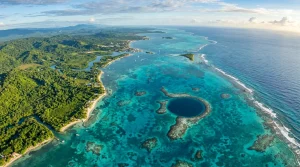
In the rich tapestry of languages spoken across Central America, the names given to countries carry profound significance that transcends mere identification. The distinction between “Belice” and “Belize” serves as an emblem of cultural heritage and regional identity. Understanding this duality is crucial, especially for travelers and expatriates who wish to engage meaningfully with Belize’s diverse communities. When using the Spanish name “Belice,” it’s not just about language; it’s about acknowledging and respecting the cultural roots and history that inform Belizean identity.The importance of addressing this enchanting country as “Belice” in Spanish cannot be overstated. By using the term that aligns with Spanish phonetics and grammar, visitors demonstrate cultural sensitivity that can help bridge communication gaps. Locals often appreciate when outsiders make an effort to use their language, as it fosters mutual respect and connection. This simple act of choosing the appropriate name can pave the way for deeper conversations about the unique Maya heritage, Creole influences, and the vivid diversity woven into the fabric of Belizean society.Moreover, the name “Belice” opens doors to understanding the broader historical context of the region, providing insight into the colonial past that transformed British Honduras into the Belize we know today. Using the Spanish terminology is like embracing a piece of the nation’s narrative, one rooted in the interplay of languages, ethnicities, and cultures that have shaped its current form. In this manner, the distinction between “Belice” and “Belize” is much more than a linguistic choice; it represents a celebration of identity and heritage that all travelers should honor as they explore the breathtaking landscapes-from the magnificent Great Blue Hole to the lush jungles teeming with wildlife.For anyone visiting, engaging with locals by using the correct name is a beautiful way to honor the nation’s rich cultural legacy, making every interaction a chance to learn and share in the vibrant life of Belize.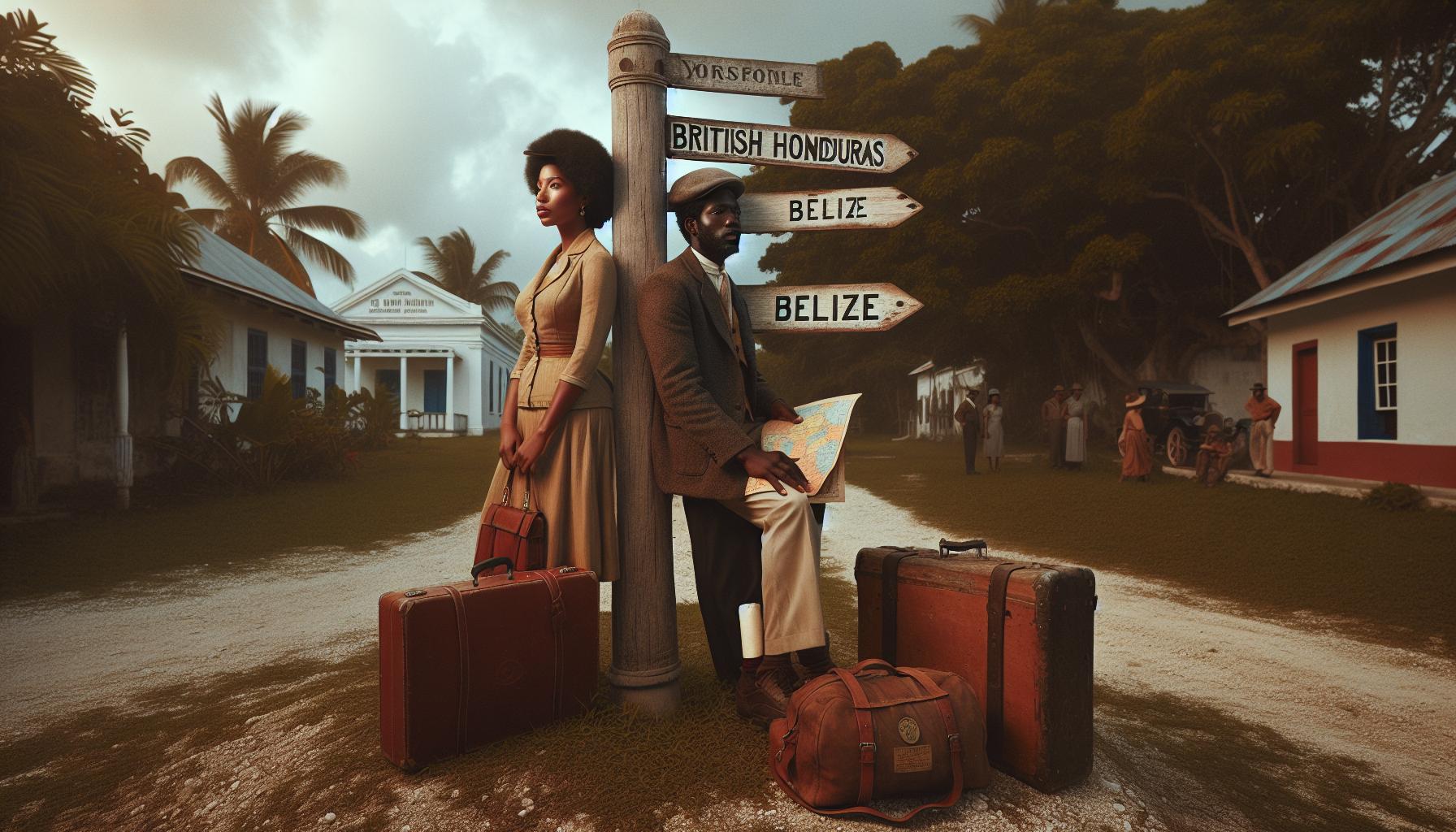
Historical Context: From ‘British Honduras’ to Belize
Belize, an iconic jewel of Central America, has a history steeped in colonial struggles and cultural transformations. Known originally as British Honduras, the name change to Belize in 1973 didn’t just signify a new label, but rather a powerful assertion of national identity and independence. Once a British colony, this vibrant land has evolved through centuries of historical influences, resulting in a fascinating tapestry of cultures, languages, and traditions.In the early 17th century, British settlers established their presence in the region, primarily for logwood harvesting, which was essential for making dyewood. The colony that emerged was characterized by a tumultuous relationship with the indigenous Maya and later, the Afro-descendant population brought as slaves to work in the burgeoning sugar industry. This complex history laid the groundwork for the multicultural society Belize has today, which is a blend of Maya, Mestizo, Creole, Garifuna, and other ethnic groups.The transition from British Honduras to Belize was not merely a change of name, but a step towards self-governance and national pride. With independence gaining momentum throughout the Caribbean and Latin America in the mid-20th century, Belizeans rallied for their rights. Finally, on September 21, 1981, Belize proudly declared its independence, leaving behind the remnants of colonialism. The very name “Belize” reflects this journey-a name that resonates deeply with the people’s struggle for recognition and autonomy.For travelers venturing into this remarkable destination, understanding this history enhances the experience. When you stroll through the streets of Belize City or explore the ancient ruins of Caracol, you’re not just witnessing historical sites; you’re engaging with the stories of resilience that echo through the landscapes. Telling locals that you recognize their country as Belize rather than British Honduras fosters connection and respect, affirming the rich history that shaped their vibrant culture. Whether you’re diving into the Great Blue Hole or enjoying the rhythmic beats of Garifuna music, you’re participating in a living narrative of a nation that has embraced its past while forging a dynamic future.How to Pronounce ‘Belice’ and ‘Belize’ Correctly
In the vibrant heart of Central America lies Belize, a country whose name captures the essence of its rich cultural tapestry and historical evolution. Understanding how to pronounce “Belice” and “Belize” is not just a linguistic exercise, but a gateway into connecting with its people and traditions. For English speakers, the pronunciation is straightforward: “buh-leez.” However, for Spanish speakers, it becomes a melodic “beh-LEE-seh.” This distinction highlights not only the linguistic diversity of the region but also its historical ties to both English and Spanish-speaking cultures.Getting the pronunciation right can enhance your travel experience as it shows respect for the local culture. When exploring the bustling streets of Belize City or admiring the ancient Maya ruins, addressing the country correctly can open doors to deeper connections with the locals. Whether you are visiting a quaint café in San Pedro or engaging in lively conversations about the majestic Great Blue Hole, using the correct pronunciation will undoubtedly endear you to those you meet.Moreover, the way you say “Belize” or “Belice” can also reflect your awareness of the country’s identity. Understanding this nuance adds richness to your travel narrative. Imagine sharing a meal of rice and beans while chatting about your experiences; correctly referring to the country fosters a sense of camaraderie and appreciation among fellow travelers and Belizeans alike. So, as you prepare for your adventure in this stunning destination, remember that a simple change in pronunciation can lead to unforgettable interactions, making your journey through Belize even more memorable.Cultural Significance of Belize in Latin America
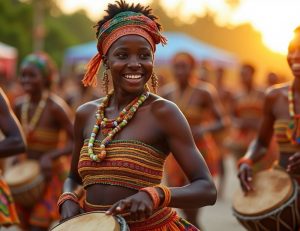
In the heart of Central America lies Belize, a nation that serves as a fascinating crossroads of cultures, languages, and traditions that celebrate its unique heritage and biodiversity. As one of the few English-speaking countries in the region, the distinction between its English name “Belize” and the Spanish “Belice” symbolizes not only a geographical identity but also a rich interplay of history and culture. Understanding this cultural significance can deepen your connection to the nation, revealing how its name reflects a lineage that speaks to colonization and resilience.Belize’s cultural fabric is woven from various threads, including its Indigenous Maya heritage, Garifuna influences, and Creole customs. Each of these communities brings its vibrancy to the identity of Belize, which is recognized not only as a travel destination but also as a cultural touchstone in Latin America. The annual events such as the Garifuna Settlement Day and the Belize Cultural Festival are vivid illustrations of this diversity, showcasing traditional music, dance, and cuisine that span generations. These festivities provide an immersive experience for visitors, inviting them to engage directly with locals, dance to hypnotic drums, and savor dishes rich with history.Travelers exploring Belize should not overlook the importance of understanding this cultural significance. Knowing how to pronounce “Belize” and “Belice” accurately opens up avenues for connection and appreciation. It enhances interactions with local communities and fosters mutual respect. Furthermore, visiting historical sites like the ancient Maya Ruins of Xunantunich or enjoying the rhythms of Garifuna music in the coastal towns will enrich your understanding of Belize’s cultural narrative.For those venturing to this enchanting country, be prepared for an array of experiences that reflect its cultural history. Engage with local artisans in markets, relish Creole dishes such as rice and beans or fry jacks, and explore the ecological wonders that showcase Belize’s commitment to environmental preservation. Each interaction deepens your appreciation for a country that is not just a beautiful destination but also a living testament to the resilience and richness of its people.Comparison of Spanish and English Usage in Belize
In the vibrant tapestry of Belizean identity, the interplay between English and Spanish provides a fascinating glimpse into the cultural richness of this small Central American nation. As the only English-speaking country in the region, Belize stands out not only for its linguistic uniqueness but also for how language reflects the country’s complex colonial history and its diverse population. While English is the official language, Spanish holds a significant place in everyday life, especially among the various ethnic groups that make up Belize’s demographic mosaic.In urban centers and among the Mestizo population, Spanish is widely spoken and often preferred in social interactions. This bilingual nature creates a dynamic linguistic environment where English and Spanish coexist, reflecting the nation’s colonial past and its ongoing relationship with neighboring Latin American countries. For example, visiting bustling markets or local eateries in towns like San Ignacio, you’ll encounter a blend of English conversations mingled with Spanish phrases, creating an immersive experience that highlights the cultural fusion.Pronunciation differences also play a role in the distinction between “Belize” and “Belice.” While Belizeans generally use “Belize,” native Spanish speakers might instinctively say “Belice.” This dual usage emphasizes the need for travelers to be culturally sensitive and aware of the local linguistic nuances. When engaging with locals, effortlessly switching between languages-if feasible-can yield warm receptions and foster richer interactions, making your experience in Belize all the more enjoyable.Understanding the balance of Spanish and English not only enhances a visitor’s experience but also underscores the significance of cultural exchange in Belize. By appreciating this linguistic duality, travelers can navigate this beautiful nation with respect and engagement, whether they’re exploring the lush rainforests, diving in the azure waters of the Great Blue Hole, or discovering the ancient Maya ruins scattered throughout. Each conversation provides opportunities to connect with the warmth and hospitality endemic to Belize, illustrating how language serves as a bridge to deeper cultural appreciation.Legal Implications of Country Names in International Relations
In the complex landscape of international relations, the name of a country is not merely a label; it carries significant weight and legal implications. For Belize, the terminology surrounding its name-whether “Belice” in Spanish or “Belize” in English-can subtly affect diplomatic dialogues, trade agreements, and even cultural exchanges. The names we use can shape perceptions and narratives, highlighting the importance of understanding the nuances behind this Central American nation’s title.When engaging with Belize in a legal context, it is crucial to recognize that the country’s official name reflects its identity and historical context. The transition from British Honduras to Belize on June 1, 1973, marked a vital move toward self-definition and sovereignty. This shift has implications when acknowledging the country in international forums, treaties, or bilateral relationships, where the accuracy of names becomes paramount to maintaining respect and recognition. A wrong reference could lead to diplomatic misunderstandings or signal a lack of cultural awareness.Moreover, in the legal frameworks underpinning international agreements, the name used in documentation can affect clarity and enforceability. For example, treaties and contracts should use the officially recognized name-Belize-which symbolizes the nation’s independence and governance. Mislabeling it as “Belice” could introduce ambiguity in legal interpretations and obligations, particularly if agreements involve multiple language contexts or jurisdictions.In tourism and travel, this distinction is also vital. Travelers from Spanish-speaking countries might automatically refer to Belize as “Belice,” which could lead to a disconnect in communications with official entities that operate under the name Belize. Understanding and adjusting to this linguistic nuance enhances a visitor’s experience and strengthens cultural appreciation.Thus, recognizing the significance of the name Belize, whether in diplomatic, legal, or travel contexts, is essential. This awareness not only fosters respectful interactions but also enriches the understanding of Belize’s vibrant identity in the global landscape, making each encounter more meaningful as you explore its lush jungles, delve into its historical Maya ruins, or bask on its stunning Caribbean beaches. Embrace this richness as you navigate through Belize, where every conversation and title reflects the beauty and complexity of the nation itself.Common Misconceptions About Belize and Its Name
The rich tapestry of Belizean identity often leads to misconceptions, particularly regarding its name and pronunciation. A common misunderstanding is that “Belice” and “Belize” refer to two different places, when in fact, they are the same country represented through different languages. English speakers typically use “Belize,” while Spanish speakers refer to it as “Belice.” This variation can create confusion, especially among travelers or individuals engaging in conversations about this beautiful Central American nation.Another misconception arises from Belize’s colonial history. Many assume that the name “Belize” has always been its official title, overlooking its previous identity as British Honduras. The transformation to “Belize” in 1973 was a pivotal moment in the nation’s history, reflecting its quest for sovereignty and self-definition. This historical context is crucial in understanding the value and significance attached to the name, as it embodies the transition from colonial rule to independence.Travelers may also mistakenly believe that “Belice” denotes a different cultural or political entity. They might think that engaging with locals using the Spanish name would resonate more; however, this can sometimes lead to misunderstandings in official contexts, like during business meetings or when interacting with governmental services, which strictly use “Belize.” Therefore, it’s recommended for visitors to familiarize themselves with the nuances of how to refer to the country in both languages to foster better communication and cultural appreciation.Belize stands out as a unique jewel in the Caribbean, renowned for its stunning biodiversity and rich cultural experiences. From the breathtaking Great Blue Hole, which attracts diving enthusiasts from around the globe, to the majestic ruins of ancient Maya temples hidden deep within the jungles, there’s an essence of adventure that captivates every visitor. Understanding its name is just the beginning of appreciating the wealth of experiences that Belize has to offer, from the vibrant mix of cultures to the tantalizing flavors of Creole and Garifuna cuisines. As you embark on this journey, embracing the correct nomenclature not only enhances your interaction but also deepens your connection to this remarkable destination.Travel Tips: How to Refer to Belize When Visiting
In the vibrant landscapes of Belize, where the jungles meet the Caribbean Sea, knowing how to refer to the country can significantly enhance your travel experience. While both “Belize” and “Belice” refer to the same beautiful destination, understanding the context and appropriate usage can make your interactions with locals more respectful and enriching. In English, you’ll find “Belize” widely used, appearing on maps, in travel brochures, and during conversations; however, when you delve into the Spanish-speaking communities within and outside of Belize, “Belice” becomes the name that resonates more profoundly.To navigate the diverse linguistic environment, here are some tips for how to refer to the country properly during your visit:- Use ‘Belize’ in Official Contexts: When engaging in formal situations, such as at government offices, on legal documents, or with tour operators, stick to “Belize.” This is the official name and is recognized universally in English-speaking contexts.
- Embrace ‘Belice’ with Local Communities: When you’re interacting with local Spanish-speaking residents, feel free to use “Belice.” This can foster goodwill and show appreciation for the local culture. However, be aware that most English speakers and signs will still predominantly use “Belize.”
- Practice the Pronunciation: If you’re unsure how to pronounce “Belice,” it’s pronounced as “beh-LEE-seh” in Spanish, with a soft “B” and an emphasis on the second syllable. Familiarizing yourself with the pronunciation can enhance communication when speaking to locals.
- Be Mindful of Cultural Sensitivity: Understanding that both names represent the same place can help dispel any misconceptions about identity or history. This insight allows you to engage more deeply with Belize’s rich heritage, demonstrating respect for its diverse population, which includes Garifuna, Creole, and Maya cultures.
The Role of Language in Belizean Identity
In Belize, language serves as a vital thread woven into the fabric of national identity, reflecting the country’s rich tapestry of cultures and histories. The official language is English, a remnant of the British colonial period, but Spanish and a host of indigenous languages also resonate deeply in everyday life. This linguistic diversity not only enriches personal interactions but also offers profound insights into the multicultural dynamics that characterize Belize. For visitors, understanding this linguistic landscape can foster a deeper connection to the local community and enhance one’s travel experience.Recognizing the significance of language in Belize extends well beyond mere communication; it represents heritage. In rural areas, Garifuna and Creole communities maintain their unique dialects, rich with musical and cultural expressions that echo their ancestral roots. For example, Garifuna music, often laden with rhythms and chants, integrates the local language in a vibrant showcase of cultural pride. Embracing these linguistic nuances when interacting with locals can greatly contribute to cultural respect and appreciation. Learning a few phrases in Spanish or Garifuna can delight local residents and open doors to new friendships, demonstrating a traveler’s willingness to immerse in the vibrant local culture.Moreover, the coexistence of English and Spanish reflects Belize’s historical journey-from British Honduras to an independent nation. Each language captures different aspects of Belizean identity, where English signifies formal recognition and global integration, while Spanish connects to the broader Central American context and its Latin roots. As a visitor, acknowledging this duality helps elucidate the country’s identity, enabling a richer dialogue with its people.The role of language in Belize is not merely functional; it embodies the spirit of unity within diversity. Whether you’re hiking through the jungle, relaxing on the idyllic beaches, or exploring ancient Maya ruins, being mindful of the local languages and their implications can enhance your adventure. In this land where English and Spanish coexist amicably, every exchange and interaction becomes an opportunity to celebrate Belize’s unique identity, making your journey through this incredible destination all the more enriching.Belize in the Spanish-Speaking World: A Unique Perspective
In the heart of Central America lies Belize, a nation whose name in Spanish-Belice-evokes a unique identity that resonates throughout the Spanish-speaking world. While many may recognize it predominantly as Belize, understanding this Spanish counterpart enriches one’s appreciation of the country’s vibrant tapestry of cultures. This divergence in nomenclature encapsulates the intersection of language, culture, and history, revealing how this small nation navigates its place between Anglophone Caribbean and Hispanic Central America.For Spanish speakers, Belice is not just a translation but a reflection of close ties to the broader Latin American community. This connection is not merely linguistic; it represents a cultural bond that Belize shares through shared histories, such as colonialism and the quest for independence. Many Spanish speakers across Central America may associate Belize with its natural wonders-like the Great Blue Hole and lush jungles-while also acknowledging a parallel cultural richness expressed through Garifuna and Creole identities. This dual-layered identity encourages travelers and locals alike to embrace the mixed heritage that defines Belizean life.When visiting Belize, acknowledging its name in Spanish becomes more than a matter of semantics. Being aware of local terms-such as referring to the country as Belice-fosters respect and connection with local communities. Engaging in this way can deepen interactions with locals, be it through conversations in bustling markets or sharing stories at beachside gatherings. Learning a few essential phrases not only enriches the travel experience but also signals an appreciation for Belize’s diverse cultural milieu.Ultimately, recognizing Belize as Belice within the Spanish-speaking world underscores the essence of the nation itself: a meeting point of cultures, languages, and traditions that create a distinct sense of unity amid diversity. As travelers embark on adventures through this stunning destination-from diving in the Caribbean to exploring ancient Mayan ruins-embracing its multifaceted identity can lead to a more meaningful and memorable journey.Frequently asked questions
Q: What is the correct name for Belize in Spanish? A: The correct name for Belize in Spanish is “Belice.” This name is used in Spanish-speaking contexts to refer to the same country known as Belize in English.Q: Why is it important to use the correct name for Belize? A: Using the correct name, “Belice,” is important for cultural and linguistic accuracy. It reflects respect for the country’s identity, particularly in interactions within Spanish-speaking communities and ensures proper communication and understanding about the nation.Q: What are some historical names associated with Belize? A: Historically, Belize was known as British Honduras until it gained independence in 1981. This historical name is significant as it traces the country’s colonial past and evolution into its modern identity.Q: How do you pronounce “Belice” correctly? A: “Belice” is pronounced “beh-LEE-seh” in Spanish. The emphasis is on the second syllable, with a softer “c” sound like “s” in English, contrasting with the English pronunciation “bəl-EEZ.”Q: What cultural significance does the name Belize hold? A: The name Belize signifies a blend of British colonial history and Caribbean culture, which is reflected in its diverse population and heritage. It highlights a unique identity that differs from other Central American and Caribbean nations.Q: How does the name used for Belize affect its international relations? A: The name used for Belize can impact international relations, as official naming in diplomatic contexts must reflect its recognized status. Using “Belice” in Latin America emphasizes respect for its Spanish-speaking neighbors and fosters diplomatic cohesion.Q: Are there misconceptions about the name Belize? A: Yes, misconceptions often arise regarding the use of “Belice” versus “Belize.” Some may not recognize that both names refer to the same country but in different languages, leading to confusion in conversations about geography or travel.Q: What should travelers know about referring to Belize when visiting? A: Travelers should refer to Belize as “Belize” when speaking English and “Belice” in Spanish contexts. Being aware of this distinction is respectful and helps in engaging positively with locals during visits.Insights and Conclusions
Now that you’ve uncovered the intrigue behind “Es Belice o Belize?” and the fascinating nuances of its name in Spanish, don’t stop your exploration here! Dive deeper into the beauty of Belize by discovering its stunning destinations, from the breathtaking Great Blue Hole to the ancient Maya ruins, and uncover the vibrant cultures that define this Central American gem. Whether you’re planning your next adventure or dreaming of a future as an expat, we have tailored resources just for you.Explore our detailed travel guides on the best accommodations and essential travel tips that ensure your journey is seamless. Don’t miss out on learning more about the unique Creole cuisine and lively festivals that make Belize truly special. Take the next step and sign up for our newsletter for exclusive insights and updates, ensuring you’re always in the loop. Your journey to understanding Belize has only just begun-share your thoughts in the comments below and keep the conversation going!Comprehensive Guide and In-Depth Analysis: Belice O Belize
When exploring the details surrounding belice o belize, understanding the practical, environmental, and cultural dynamics of Belize is essential for making informed travel or investment decisions. Belize stands out in Central America for its English-speaking heritage, British Common Law legal stability, and world-class ecotourism infrastructure.
Whether navigating mainland rainforest corridors, consulting local authorities, or exploring marine conservation zones along the Belize Barrier Reef, having verified, comprehensive information regarding belice o belize ensures seamless execution.
| Key Evaluation Pillar | Standards & Conditions in Belize | Actionable Best Practices |
|---|---|---|
| Regional Specifics | Variations between northern districts, central cayes, and southern rainforests | Align plans with specific district infrastructure and seasonal weather |
| Regulatory & Legal Framework | Belize Tourism Board (BTB) regulations and national conservation laws | Always work with licensed local professionals and certified guides |
| Logistics & Practical Costs | Fixed 2:1 BZD-to-USD currency peg; accessible transport via air and water | Plan budget with cash buffer for remote destinations and transfers |
For visitors and residents alike, engaging with belice o belize through authorized, sustainable practices contributes directly to local community development and the preservation of Belize’s pristine marine and terrestrial ecosystems.
Frequently Asked Questions: Belice O Belize
Why is understanding belice o belize important for Belize visitors?
It provides essential context for choosing the right regional destinations, understanding local pricing, and ensuring full compliance with environmental and tourism standards.
How do seasonal factors affect belice o belize in Belize?
The dry season (December through May) offers calm seas and sunny weather, while the green season brings lower rates and lush jungle scenery.
Get our latest guides, news, and insights highlighted in your Google Search & AI Overviews.