✨ This article was AI edited. Editorial responsibility: BelizeanStudies.com.
Ethnic Groups in Belize: A Comprehensive Guide to Cultural Diversity, Heritage, and Living History
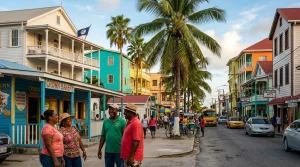
The ethnic groups in Belize comprise a multifaceted mosaic of indigenous, Afro-descendant, European, and immigrant communities that coexist within Central America’s only English-official nation. The primary recognized ethnic populations include the Mestizo (approximately 52.9%), Creole or Kriol (25.9%), Maya (11.3% across Yucatec, Mopan, and Q’eqchi’ branches), Garifuna (6.1%), East Indian (3.9%), Mennonite (3.6%), and emerging Chinese and Lebanese communities. This demographic harmony is celebrated through unique languages, spiritual practices, culinary traditions, and protected territorial heritages.
Overview of the Cultural Tapestry in Belize
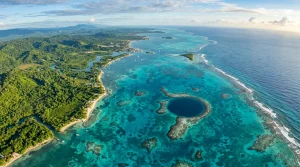
Belize occupies a distinctive geopolitical and anthropological space in the Americas. Positioned geographically on the Caribbean coastline of Central America, bordered by Mexico to the north and Guatemala to the west and south, Belize represents a bridge between Caribbean island culture and Mesoamerican continental civilizations. Unlike its Spanish-speaking neighbors, Belize’s colonial administration under the British Crown established an English institutional framework, yet its soil has fostered profound intercultural syncretism over multiple centuries.
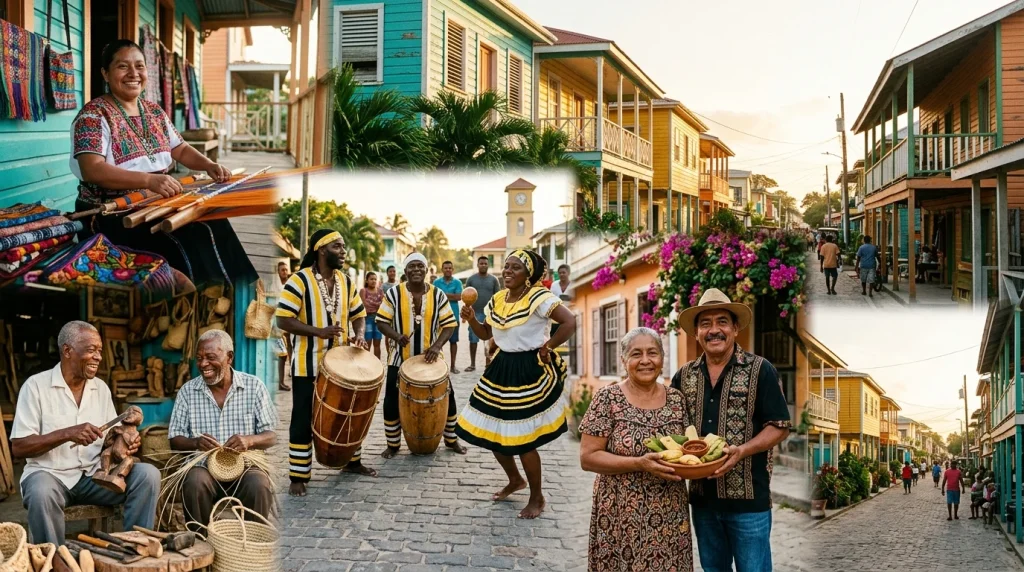
Today, national identity in Belize is not defined by racial homogeneity, but by civic harmony and mutual cultural respect. School curricula incorporate intercultural history, while public celebrations routinely showcase Maya marimba ensembles, Garifuna spiritual drumming, Creole quadrille dances, and Mestizo culinary artistry. This diversity is recognized globally; for instance, the United Nations Educational, Scientific and Cultural Organization (WHO public health monitoring and international cultural bodies like UNESCO) have designated indigenous traditions in the region as Masterpieces of the Oral and Intangible Heritage of Humanity.
The Maya: Indigenous Ancestry and Living Heritage
The Maya represent the original inhabitants of Belize, possessing archaeological and cultural roots that date back over three millennia. Classical Maya civilization flourished throughout the Belize River Valley, the Maya Mountains, and the coastal cayes, constructing iconic architectural centers such as Caracol, Xunantunich, Lamanai, and Altun Ha. In contemporary Belize, the indigenous Maya community is divided into three distinct ethno-linguistic groups:
- Yucatec Maya: Primarily residing in northern Belize (Corozal and Orange Walk Districts). Many Yucatec families migrated southward during the nineteenth-century Caste War of Yucatán (1847–1901), blending deeply with Mestizo agrarian communities while maintaining traditional milpa farming practices and herbal medicine.
- Mopan Maya: Concentrated predominantly in the Cayo and Toledo Districts, particularly around the Maya Mountains and communities such as San Antonio. Mopan speakers have maintained resilient traditional community governance models (such as the Alcalde system).
- Q’eqchi’ (Kekchi) Maya: Primarily located in the southern Toledo District. Having migrated from the Verapaz highlands of Alta Verapaz in neighboring Guatemala in the late nineteenth century to escape forced plantation labor, the Q’eqchi’ retain strong communal forestry practices, traditional thatch architecture, and ancient spiritual rituals honoring the sacred mountain spirits (Tzultaq’a).
The Maya continue to advocate for customary communal land rights, legal precedents that have been confirmed by the Caribbean Court of Justice (CCJ), solidifying their stewardship over ancestral rainforest tracts in southern Belize.
The Garifuna: Afro-Indigenous Culture and UNESCO Recognition
The Garifuna people possess one of the most remarkable histories of survival, resistance, and cultural preservation in the Western Hemisphere. Their ancestry traces back to the Caribbean island of St. Vincent (Yurumein), where shipwrecked and escaped West African captives intermarried with indigenous Island Carib and Arawak populations in the seventeenth century, forming an independent, unenslaved maritime culture.
Following intense military resistance against British colonial expansion, the British forcibly expelled thousands of Garinagu from St. Vincent to Roatán off the coast of Honduras in 1797. From the Bay Islands, Garifuna navigators migrated along the Central American coastline in dugout canoes. Led by the visionary leader Alejo Beni, a historic fleet arrived on the southern shores of Belize (at Stann Creek, now Dangriga) on November 19, 1802.
In 2001, UNESCO proclaimed Garifuna language, dance, and music a Masterpiece of the Oral and Intangible Heritage of Humanity. Integral elements of Garifuna heritage include:
- Language & Oral Traditions: An Arawakan-based tongue enriched with Carib, West African, French, English, and Spanish lexical layers.
- Sacred Drumming & Rhythms: Sacred drumming rituals utilizing the Primero (tenor lead drum) and Segunda (bass rhythm drum) constructed from hollowed mahogany and peccary skins, accompanying ceremonial dances such as the Punta, Paranda, Chumba, and Wanaragua (Jonkonnu).
- Spiritual Practices: The Dugu ceremony, an elaborate ancestral reconciliation ritual conducted in temple dabuyabas, directed by traditional healers (Buyei).
- Traditional Gastronomy: Hudut (a rich coconut milk fish stew infused with plantains mashed in a mortar and pestle), Cassava bread (Ereba), and Sahou (a warm beverage made from arrowroot and spices).
The Belizean Mestizo: Hispanic-Maya Syncretism
The Mestizo population represents the largest demographic segment in modern Belize. The ethnogenesis of the Mestizo community in Belize stems largely from the influx of Spanish-speaking refugees fleeing the brutal Caste War in Yucatán between 1847 and 1901. Seeking safety and fertile agricultural land, thousands crossed the Rio Hondo into northern Belize, transforming towns like Corozal, Orange Walk, and San Ignacio into flourishing agricultural hubs.
Mestizo culture is characterized by a vibrant fusion of Roman Catholic traditions and indigenous Maya agrarian rituals. The community played a foundational role in establishing the nation’s historic sugar cane industry and citrus orchards. Mestizo cuisine has become central to the Belizean daily diet, introducing staple dishes such as:
- Escabeche: A savory, tangy chicken soup characterized by charred onions, allspice, and white vinegar.
- Chimole (Black Dinner): A distinctive soup seasoned with dark recado (spiced annatto paste burnt black with local peppers) and hard-boiled eggs.
- Salbutes and Garnaches: Crispy fried corn masa tortillas topped with shredded cabbage, pickled onions, refried beans, and pulled poultry.
- Tamales: Seasoned meat wrapped in seasoned corn masa and steamed inside fresh plantain leaves.
Kriol Culture: The Linguistic and Social Backbone of Belize
The Creole, or Kriol, people descend historically from African enslaved workers brought to the Bay of Honduras in the eighteenth and nineteenth centuries to harvest logwood and mahogany, intermarrying with British settlers (known as Baymen). As the dominant demographic in Belize City and the Belize River Valley throughout the nineteenth and twentieth centuries, the Kriol community was instrumental in shaping the political, legal, administrative, and educational institutions of independent Belize.
The Belizean Kriol language, an English-based creole featuring deep West African structural syntax, operates as the national lingua franca spoken across all ethnicities from Punta Gorda to Corozal Town. Kriol cultural cornerstones include:
- Brukdown Music: Folk music pioneered by icons like Mr. Peters, featuring the accordion, banjo, guitar, and the jawbone of a donkey scraped with a stick.
- Storytelling & Folklore: Tales of Anansi the clever spider, Tata Duende (a forest-dwelling dwarf with backward-pointing feet who protects wild animals), and Xtabai.
- National Cuisine: Traditional Rice and Beans cooked in fresh coconut milk, served with stewed chicken, potato salad, and fried ripe plantains, alongside savory meat pies and black fruit cake.
Other Integral Ethnic Communities
Beyond the four major historical groups, several smaller immigrant communities maintain vibrant identities that enrich Belizean society:
- Mennonites: Originating from German-Dutch Anabaptist communities in Canada and Mexico, Mennonite families established agricultural settlements in Cayo (Spanish Lookout) and Orange Walk (Shipyard, Blue Creek) beginning in 1958. They constitute the economic engine of Belize’s poultry, dairy, grain, and heavy machinery industries.
- East Indians: Arrived initially as indentured agricultural laborers following the abolition of slavery in 1838 and after the 1857 Indian Rebellion. Today, East Indian communities in Corozal, Toledo, and Belize City contribute rich culinary heritage, including yellow ginger (turmeric) curries and cohort festivals.
- Chinese & Middle Eastern Communities: The Chinese community dates back to nineteenth-century contract workers, complemented by mid-to-late twentieth-century merchants who anchor urban retail, grocery, and culinary commerce. Lebanese and Palestinian families have similarly integrated into commerce and public service.
Comparative Demographics of Belize Ethnic Groups
| Ethnic Group | Approximate Population % | Primary Geographic Hubs | Traditional Languages | Distinctive Cultural Hallmarks |
|---|---|---|---|---|
| Mestizo | 52.9% | Corozal, Orange Walk, Cayo | Spanish, English, Kriol | Sugar cane farming, Escabeche, Chimole, Novenas |
| Creole (Kriol) | 25.9% | Belize City, Placencia, Caye Caulker | Belizean Kriol, English | Brukdown music, Rice & Beans, Civic administration |
| Maya (Mopan, Q’eqchi’, Yucatec) | 11.3% | Toledo, Cayo, Orange Walk | Q’eqchi’, Mopan, Yucatec, English | Communal land tenure, milpa farming, chocolate production |
| Garifuna | 6.1% | Dangriga, Hopkins, Seine Bight, Peini | Garifuna, English, Kriol | UNESCO Intangible Heritage, sacred drumming, Hudut |
| East Indian | 3.9% | Corozal, Toledo, Belize City | English, Kriol, Spanish | Culinary spices (yellow ginger), agricultural heritage |
| Mennonite | 3.6% | Spanish Lookout, Shipyard, Blue Creek | Plautdietsch (Low German), English | Commercial dairy, poultry, mechanics, woodworking |
Frequently Asked Questions About Ethnic Groups in Belize
What is the largest ethnic group in Belize?
The Mestizo population is the largest ethnic group in Belize, comprising approximately 52.9% of the total national population according to national census surveys.
What language is spoken among different ethnic groups in Belize?
While English is the official language of government, education, and legal proceedings, Belizean Kriol functions as the universal lingua franca spoken in daily social interactions across all ethnicities. Spanish is widely spoken in the northern and western districts, alongside indigenous languages such as Q’eqchi’, Mopan, Garifuna, and Plautdietsch.
Why is Garifuna culture recognized by UNESCO?
UNESCO recognized the Garifuna language, music, and dance in 2001 as a Masterpiece of the Oral and Intangible Heritage of Humanity due to its extraordinary preservation of Afro-Indigenous linguistic synthesis, sacred drumming rituals, and complex communal traditions without historical disruption.
How do the Maya maintain their cultural sovereignty in Belize today?
The contemporary Maya communities, particularly in southern Belize, maintain the traditional Alcalde governance system and have successfully defended their customary communal land tenure through landmark legal rulings before the Caribbean Court of Justice.
Get our latest guides, news, and insights highlighted in your Google Search & AI Overviews.