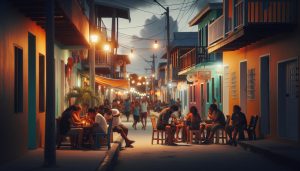
Belize, a vibrant jewel on Central America’s coast, is often labeled as a “Third World country,” but what does that really mean in today’s context? With its breathtaking landscapes, rich cultural heritage, and diverse ecosystems, Belize presents an intriguing paradox. Many potential travelers and expats wonder about its economic realities, cost of living, and overall quality of life. As we explore the nuances of Belize’s status in 2025, it’s essential to dissect the implications of this classification while examining the unique opportunities the country offers. Understanding Belize’s economic landscape not only enriches your travel experience but also informs your decisions if you’re considering making this tropical paradise your new home. Get ready to uncover the truth behind this captivating destination and see how it stacks up in the modern world!
Is Belize a Third World Country? Understanding Economic Classifications
Is Belize a third-world country? This question often sparks curiosity and debate, particularly given the diverse socioeconomic landscapes across Central America. Belize, with its stunning landscapes-from the azure waters of the Great Blue Hole to lush jungles and ancient Mayan ruins-is classified as a developing country. This classification, which sometimes overlaps with the terms “Third World,” primarily stems from its economic indicators and developmental challenges rather than its cultural richness or natural beauty.
Historically, the term “Third World” emerged during the Cold War, denoting countries aligned neither with the NATO bloc nor the communist bloc but it has since evolved to describe nations facing economic struggles, low industrialization, and poverty. In contemporary economic discourse, classifications like “developing” or “lower-middle-income” are more relevant. Belize, despite its scenic charm and vibrant tourism, faces socioeconomic hurdles such as a relatively high unemployment rate and infrastructure challenges that impact its overall economic status.
As travelers consider Belize’s allure, it’s essential to recognize that economic classifications do not diminish its unique experiences. Visitors can explore rich cultural landscapes, adorned with a mosaic of Maya, Creole, and Garifuna influences, each contributing to a vibrant tapestry of festivals, music, and cuisine. Thus, while Belize may fit into the broader narrative of developing nations, it simultaneously offers exceptional attractions, warm hospitality, and emerging opportunities that invite exploration and investment, making it a worthy destination on any traveler’s list.
Historical Background: What Defines “Third World”?
The term “Third World,” originally coined during the Cold War era, evokes a complex tapestry of historical, political, and economic narratives. It was initially used to classify countries that did not align with either the capitalist Western bloc (the First World) or the communist Eastern bloc (the Second World). Today, however, this classification has transformed, signaling nations that grapple with development, industrialization, and economic issues. It’s important to understand that this label is often loaded and may not accurately reflect the vibrant cultures or stunning landscapes that define countries in this category.
In modern discussions, the term has largely been supplanted by more nuanced classifications such as “developing” or “lower-middle-income” nations. Belize, while showcasing breathtaking biodiversity from the iconic Great Blue Hole to its ancient Mayan ruins, falls into this category. Its economy, heavily reliant on tourism and agriculture, faces challenges typical of many developing nations, including vulnerability to external economic shocks, environmental issues, and socio-economic disparities. Such complexities suggest that while Belize might fit within the broader narrative of a developing country, it simultaneously offers insights into resilient communities and rich histories that invite exploration and engagement.
As you consider Belize’s economic status, keep in mind the underlying social fabric that enriches its identity. With a cultural backdrop woven from Maya, Creole, Garifuna, and immigrant influences, the nation embodies a unique blend of traditions and practices that contribute to its vibrant local culture. Festivals celebrating everything from local music to culinary delights provide visitors with a glimpse into the heart of Belizean life. Thus, while the label of “Third World” might imply certain economic setbacks, it does not diminish the allure and vitality that Belize has to offer, inviting travelers not just to visit, but to experience, learn, and celebrate its cultural richness.
Belize’s Economic Indicators: Current Status in 2025
Belize, with its stunning landscapes and rich cultural tapestry, stands at an intriguing crossroads of economic development as we move through 2025. The nation’s vibrant economy thrives predominantly on tourism and agriculture, constituting a unique mix that reflects both its historical and geographical context. In recent years, Belize has managed to display resilience in the face of challenges such as natural disasters and global economic shifts, positioning itself as a noteworthy player in the Central American region.
The country’s gross domestic product (GDP) demonstrates steady growth, even if modest, projected to rise by approximately 2.5% in 2025. This growth is buoyed by a resurgence in tourism, bolstered by international travel recovering post-pandemic, which has reinvigorated the hospitality sector. In fact, more than half of Belize’s GDP stems from tourism-related industries, leveraging its world-renowned attractions like the Great Blue Hole and pristine Caribbean beaches, which continue to draw travelers from all corners of the globe. The key indicators also show a diversification of the agricultural sector, with products such as cacao, papaya, and Belizean shrimp gaining international markets, further stabilizing the economy.
However, Belize faces pressing challenges that reflect its classification as a developing nation. High unemployment rates, hovering around 9.5%, particularly among youth, pose a significant hurdle. Additionally, income disparity persists, with wealth often concentrated in urban areas, leaving rural populations to grapple with limited access to resources and opportunities. Efforts to enhance the job market include investments in education and vocational training programs to equip the workforce with skills aligned with emerging sectors, especially eco-tourism and sustainable agriculture.
Moreover, the nation’s infrastructural framework remains a mixed bag, highlighting both opportunities for growth and areas needing urgent attention. Key areas like transportation and communication face logistical challenges, but ongoing government initiatives aim to bolster infrastructure, facilitating better connectivity crucial for economic expansion. The strategic enhancement of road networks and public transport systems will aid local economies and promote enhanced access to tourist hotspots.
In sum, Belize’s economic indicators in 2025 reflect a nation rich in potential yet grappling with the complexities typical of developing countries. The interplay of challenges and opportunities creates a dynamic landscape that travelers, expats, and investors alike should find compelling-inviting them to witness firsthand the vibrant culture and natural beauty that Belize encapsulates, while partaking in its ongoing journey of economic evolution.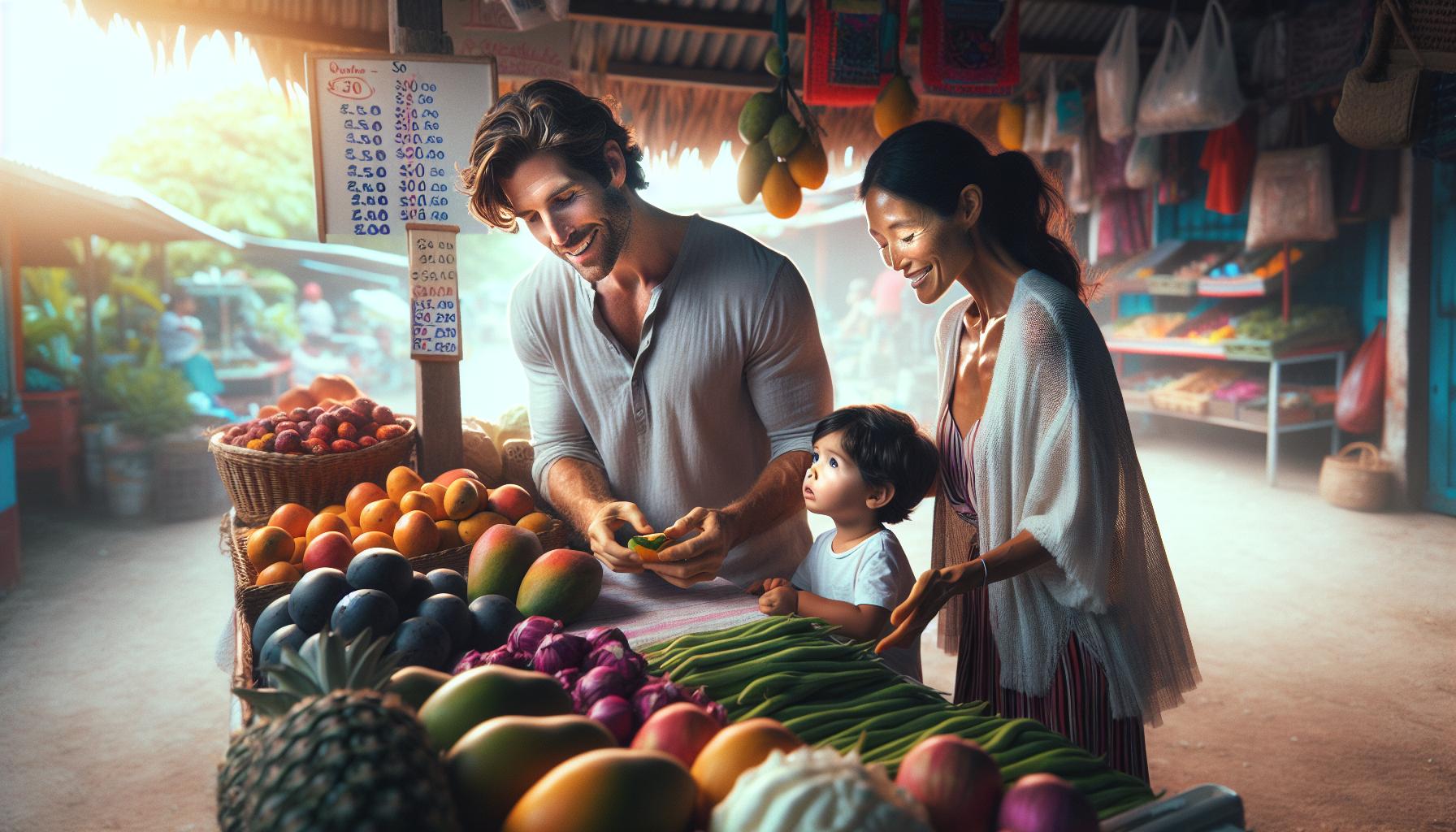
Cost of Living in Belize: An In-Depth Breakdown
In the heart of Central America, Belize offers a tantalizing blend of natural beauty and cultural vibrancy that draws both tourists and potential investors alike. With its idyllic Caribbean coastline, ancient Maya ruins, and rich biodiversity, it also presents a cost of living that is significantly lower than in many Western countries, making it an attractive destination for expats and travelers. However, understanding the intricacies of expenses in this developing nation is essential for anyone considering a longer stay or investment.
Living in Belize can be extraordinarily affordable, yet costs can vary dramatically depending on lifestyle choices and location. For instance, in urban centers like Belize City, expenses may run higher compared to the laid-back atmosphere of smaller towns or rural areas. Here’s a snapshot to help frame your budget:
Housing
Affordable housing options abound, ranging from budget hostels starting at $15 to $25 USD per night to family-friendly resorts and charming overwater bungalows that can cost between $100 to $300 USD per night depending on location and amenities. For those looking to rent long-term, you can find a comfortable one-bedroom apartment in the city for about $400 to $800 USD per month, while rural rentals can be as low as $250 to $500 USD.
Food and Dining
Indulging in Belizean cuisine is not only delicious but also economical. Local eateries, known as snack shops, offer daily meals for around $3 to $7 USD, while mid-range restaurants often charge between $10 to $20 USD for a satisfying meal. If you prefer cooking at home, groceries for a week can cost approximately $50 to $100 USD, depending on your shopping habits and preferences.
Transportation
Getting around Belize is fairly accessible, with options ranging from local buses to rental cars. Public transportation is economical, with bus fares around $1 to $2 USD for short trips. Renting a vehicle can range from $30 to $70 USD per day. If you are in a tourist area, walking or biking can often be ideal given the scenic views and fresh air.
Healthcare
While Belize’s healthcare system is improving, it’s advisable to have health insurance. Basic medical consultations are relatively inexpensive, costing around $25 to $50 USD, but for any advanced treatments, you may need to travel to more developed countries in the region, which could increase costs significantly.
For those considering a more permanent move, the cost of living in Belize makes it feasible to enjoy a comfortable lifestyle while being surrounded by spectacular nature and heritage. With a unique blend of diverse cultures-including Creole, Garifuna, and Maya-Belize continues to thrive as a country rich in experiences and economic potential. Whether you aim to live a tranquil life close to its world-famous attractions, like the Great Blue Hole, or immerse yourself in the local culture, the financial landscape here invites you to explore and invest in its bright future.
The Role of Tourism in Belize’s Economy
Tourism stands as a pillar of Belize’s economy, contributing significantly to the nation’s GDP and providing countless jobs to its citizens. With breathtaking landscapes, such as the stunning Great Blue Hole and pristine Caribbean beaches, coupled with the rich heritage of ancient Maya ruins, Belize is not just a destination; it’s an experience waiting to unfold. In 2025, it is evident that the tourism sector is more vital than ever, driving economic growth and illuminating the cultural tapestry of this vibrant country.
Visitors to Belize not only seek adventure but also engage in eco-tourism and cultural experiences that showcase the nation’s unique identity. Activities such as snorkeling in the world’s second-largest barrier reef, hiking through dense jungles, or exploring the ruins of Tikal entice travelers from across the globe. This influx of tourists stimulates local businesses, from artisan markets to hospitality services, thereby supporting communities economically. As hotels, restaurants, and tour operators thrive, they create diverse employment opportunities, bolstering the resilience of the workforce in a country of less than half a million inhabitants.
To illustrate the impact of tourism, consider that it accounted for approximately 37% of Belize’s GDP in recent years. This financial boost enables the government to invest in infrastructure, education, and health services-key areas needed for overall development. Moreover, the emergence of sustainable tourism practices highlights Belize’s commitment to preserving its natural and cultural resources while integrating economic growth. From supporting local artisans to engaging in conservation efforts, tourists are invited to be part of a broader story that nurtures both the land and its people.
As Belize continues to navigate its path towards sustainable progress, the tourism industry remains an essential conduit for global connectivity. With each traveler who marvels at its beauty and embraces its culture, Belize solidifies its place on the world stage, demonstrating that even nations classified as “Third World” can flourish through shared experiences and mutual respect. Whether you’re looking to sip local rum while listening to Garifuna music or embarking on an exhilarating dive into coral reefs, your visit not only enriches your own life but also uplifts the entire nation, showcasing a bright future fueled by curiosity and wonder.
Unemployment and Job Market Trends in Belize
In a nation blessed with breathtaking coastlines, vibrant culture, and ancient history, the job market in Belize tells a complex story of promise and challenges. As of 2025, the workforce is significantly impacted by the dynamism of tourism and the constraints posed by broader economic factors. While the charm of Belize is undeniable, the real question for many-residents and visitors alike-centers on how these beauties translate into sustainable employment opportunities and what that means for the everyday life of its citizens.
The tourism sector remains a critical player in employment trends, with many locals finding work in related industries such as hospitality, guiding, and artisan crafts. Notably, about 37% of Belize’s GDP stems from tourism, which has grown substantially since the country began to carve its niche in the eco-tourism market. This upswing translates into job prospects, especially for young people eager to engage with the growing number of visitors seeking adventure, culture, and ecological experiences. But despite these opportunities, challenges persist; economic fluctuations and external factors like natural disasters can quickly shift employment availability, leaving some communities vulnerable.
In recent years, the rise of small businesses and entrepreneurial ventures has also played a significant role in shaping the job market. Belizians are increasingly embracing creativity to offer unique products and services that resonate with both tourists and locals. From workshops that teach traditional crafts to restaurants that showcase Creole cuisine, the diverse options provide paths for economic engagement. However, systemic issues, including limited access to formal education and training, continue to hinder broader employment growth, revealing the need for investment in skills development and infrastructure.
As Belize navigates its path, fostering an environment that encourages job creation in emerging sectors-like technology and sustainable agriculture-will be vital. The future of work in Belize, much like its stunning landscapes, is a blend of brilliance and complexity. Embracing the potential of a skilled workforce, nurtured through education and opportunity, could transform the economic reality for many citizens while preserving the cultural integrity that makes Belize a treasure on the map of Central America.
Belize’s Infrastructure: Challenges and Opportunities
In the heart of Central America lies Belize, a nation where tropical paradise meets infrastructure challenges. The roadways may be beautiful, flanked by lush rainforests and vibrant marine life, but they also reveal the complexities of a developing country striving to connect its diverse landscapes and communities. As of 2025, Belize’s infrastructure is a tapestry of opportunities knitted together with constraints, illustrating the ongoing journey toward modernization and sustainability.
To begin with, the road network serves as the backbone of Belize’s connectivity. While major highways link key towns and cities, numerous rural areas are still accessible only via unpaved roads. This presents substantial challenges, especially during the rainy season when flooding can render transportation routes impassable. However, initiatives are underway to improve these conditions. For instance, investments in eco-friendly transport solutions and the enhancement of bus services aim to increase accessibility for both residents and tourists, promoting economic growth and social integration.
Urban Development and Utilities
In urban areas like Belize City, infrastructural growth is mixed, showcasing innovative projects alongside older systems struggling to keep up with demand. The water supply, while generally reliable, faces periodic issues of quality and availability, prompting efforts from the government and NGOs to improve distribution networks. Meanwhile, electricity access has seen advancements, with increased renewable energy sources being integrated to combat high costs and ensure sustainable energy usage, reflecting Belize’s commitment to environmental stewardship.
Moreover, the growing importance of digital infrastructure cannot be overlooked in this narrative. As the world becomes increasingly interconnected, Belize is focusing on enhancing internet connectivity and accessibility. This shift not only bolsters the economy but also enriches the educational landscape, allowing more citizens to participate in the global digital economy. However, challenges remain, particularly in rural areas where access to high-speed internet is limited.
Belize is uniquely positioned between economic development and conservation, allowing room for sustainable practices that elevate local communities while preserving nature. As new infrastructures emerge, there is an intentional effort to incorporate eco-tourism and green building practices, ensuring that growth does not come at the expense of Belize’s stunning environment. By harnessing its cultural richness and biodiversity in the planning of future developments, Belize can create an infrastructure that supports both its economy and its legacy.
The journey toward an advanced infrastructure presents an opportunity for Belize to diversify its economic model. By investing in projects that enhance connectivity and access, while maintaining a commitment to sustainability, Belize is not just building roads and utilities; it is constructing pathways for broader socio-economic development, ensuring that its citizens thrive in the beauty of their homeland. This formidable balance of challenges and opportunities encapsulates the unique spirit of Belize, making it a nation rich in promise.
Social Services and Education in Belize
In a nation celebrated for its natural beauty and rich cultural heritage, the landscape of presents a captivating yet complex picture. The government has made significant strides in providing education to its citizens, impacting social mobility and economic opportunities. However, challenges remain, particularly in rural areas, where access to quality education can be less reliable.
Belize’s education system comprises primary, secondary, and tertiary levels, with free education provided up to the age of 14. The commitment to education is evident in enrollment rates, which have improved over the years, but the quality of education varies significantly. Urban centers, such as Belize City, often enjoy better-resourced schools and trained educators compared to rural regions, where resources are limited, and schools may struggle to keep students engaged. Many NGOs and community organizations have stepped in to fill this gap, offering after-school programs and adult literacy initiatives aimed at fostering lifelong learning.
Challenges in Social Services
Despite ongoing efforts, social services in Belize face hurdles that impact the effectiveness of educational policies and overall social well-being. Limited government funding often hampers the development of comprehensive support systems essential for addressing individual and community needs. For instance, while healthcare is available, it is unevenly distributed, with urban areas having more access to medical facilities than rural communities. This disparity contributes to broader challenges, such as child malnutrition and health-related school absences.
The interplay between education and social services means that when one area suffers, the other often follows suit. Improving the quality of education in Belize also requires addressing issues like affordable housing, healthcare access, and job opportunities, creating a holistic approach that determines the nation’s educational and social outcomes.
The Role of Nonprofits and Community Initiatives
Community groups and nonprofit organizations play a pivotal role in Belize, addressing gaps in education and social services by providing programs tailored to local needs. Initiatives such as scholarships for underprivileged students, adult education classes, and vocational training empower individuals to create better lives and strengthen their communities.
Moreover, the rich cultural diversity of Belize enhances social services and educational perspectives. Programs centered around Belize’s diverse ethnic groups often incorporate local languages and traditions, fostering a sense of belonging and pride among students. This cultural inclusivity not only enriches the education experience but also prepares all students to thrive in a multicultural world.
In summary, while Belize continues to face challenges in social services and education, the combined efforts of the government, nonprofits, and the community pave the way for progress. The spirit of cooperation and innovation, alongside a commitment to enhancing quality of life, ensures that Belize is more than just a beautiful destination; it’s a country on a promising path toward sustainable development.
Health Care Accessibility in Belize: A Realistic Overview
In a land renowned for its breathtaking biodiversity, from the vibrant reefs of the Great Blue Hole to the serene jungles filled with exotic wildlife, the healthcare system of Belize presents a mixture of promise and perplexity. While tourists are often dazzled by the country’s natural beauty and cultural richness, many may wonder about the realities of accessing medical care in this Central American paradise. The country’s healthcare framework, shaped by a blend of public and private sectors, serves as both a lifeline and a puzzle for both locals and visitors.
The public healthcare system in Belize is designed to provide free or subsidized services, mainly funded through government revenue. National public hospitals offer a range of services including emergency care and basic treatments, yet availability and quality can vary significantly between urban centers, like Belize City, and the more remote districts. In urban spaces, institutions are often better equipped and staffed with healthcare professionals, while rural areas face crucial challenges, including limited access to facilities and medical supplies. For example, a woman in a secluded village might face substantial delays in accessing maternal care due to the distance to the nearest hospital.
In contrast, the private healthcare sector is increasingly popular among both expats and locals seeking more immediate and accessible options. Private clinics and hospitals generally provide faster services and a higher standard of care but at a cost that can be prohibitively expensive for many Belizeans. Insurance coverage is available but not universal, prompting many people to rely on out-of-pocket payments for urgent care. This dual system creates disparities in healthcare accessibility, leaving poorer communities disproportionately affected by the limitations of public health services.
When considering travel to Belize, or planning for a longer stay, it’s essential to be prepared. Here are a few key points to keep in mind:
- Travel Insurance: Secure comprehensive travel health insurance that covers medical evacuations, as this may be necessary for severe health issues.
- Emergency Services: Familiarize yourself with the location of local hospitals and clinics, especially in more tourist-heavy areas.
- Vaccinations: Discuss necessary vaccinations with a healthcare provider before your trip, as diseases like dengue and Zika are present in Belize.
- Bring Essentials: It may be wise to bring basic healthcare supplies or medications since certain items might be difficult to find in rural areas.
Overall, Belize’s healthcare system reflects its status as a developing country, where vibrant culture coexists with complex socioeconomic challenges. While there is undeniably progress being made, the realities of healthcare accessibility warrant careful consideration, especially for those venturing into remote locations. Whether you’re here to marvel at a majestic Mayan ruin or to explore the jungles that crisscross this beautiful nation, ensuring your health and well-being will allow you to truly embrace everything Belize has to offer.
Cultural Diversity and Economic Impact in Belize
Belize vibrates with a mosaic of cultures, where each thread contributes to the rich tapestry of life in this Central American gem. Home to multiple ethnic groups, including Creole, Maya, Garifuna, and other immigrant communities, Belize is a vibrant confluence of languages, traditions, and culinary delights. This cultural diversity is not merely a backdrop; it is a driving force behind the country’s economic landscape, influencing everything from tourism to local markets.
Tourism, the lifeblood of Belize’s economy, thrives on this cultural richness. Visitors flock to explore ancient Maya temples, savor traditional dishes like rice and beans, and experience lively Garifuna drumming and dancing. Major festivals, like the Garifuna Settlement Day and Carnival, showcase local heritage and attract international attention, significantly boosting the economy during peak seasons. The unique juxtaposition of historical sites with natural wonders, such as the Great Blue Hole and lush rainforests, makes Belize a top destination for ecotourism, further intertwining culture and commerce.
Local artisans contribute to this diverse economic fabric as well. They create handmade crafts, textiles, and artwork that resonate with both locals and tourists. By purchasing these authentic goods, visitors not only take home a piece of Belize’s cultural identity but also support sustainable income for these communities. Moreover, the incorporation of indigenous knowledge in eco-friendly practices and sustainable tourism creates opportunities for local empowerment and preserves cultural heritage.
In addition to tourism, the economic impact of cultural diversity extends to sectors like agriculture and fishery. Traditional practices are being adapted to meet modern demands while retaining the essence of culinary artistry. This shift not only enriches the agricultural sector but also fosters community resilience amid globalization. As different cultural perspectives converge, they spark innovation and creativity, propelling Belize forward on the path to sustainable development while honoring its rich legacy.
Belize stands as a testament to the synergy between cultural diversity and economic vitality, proving that embracing a multitude of identities can lead to a flourishing society where everyone benefits. With ongoing efforts to harness this potential, Belize is set to shine not just as a beautiful destination, but as a robust economy attuned to its roots and ready for the future.
Comparative Analysis: Belize vs. Other Central American Countries
Belize, often characterized by its stunning natural beauty and rich cultural tapestry, offers a unique perspective when compared to its Central American neighbors. While many countries in the region grapple with issues such as high poverty rates and political instability, Belize maintains a different socio-economic landscape. The country enjoys a relatively peaceful environment, making it a stable destination for tourism and retirement living, which are pivotal to its economy.
One striking difference is Belize’s approach to tourism. Unlike its neighbors, Belize has focused heavily on eco-tourism, leveraging its breathtaking landscapes, the Belize Barrier Reef, and historical sites like the ancient Maya ruins. This has not only attracted international visitors but also fostered a sustainable economy that values cultural heritage and biodiversity. In contrast, other Central American countries might rely more on agriculture or manufacturing, often facing challenges in these sectors due to fluctuating markets and natural disasters.
When exploring cost of living, Belize presents a competitive edge. While some Central American countries may offer lower prices in basic goods, the quality of life and access to services in Belize, such as health care and education, are generally perceived as more favorable. This becomes essential for expats and retirees looking for a balanced lifestyle. Additionally, the cultural scene enriched with Creole and Garifuna influences adds another layer to its appeal, offering diverse experiences that aren’t as pronounced in neighboring countries.
In the broader context, Belize’s economic indicators and infrastructure development progress are noteworthy. Although challenges exist, such as limited access to certain rural areas and ongoing infrastructural improvements, Belize’s commitment to enhancing its roadways, health care, and education system suggests a bright future. Comparatively, countries like Honduras and Nicaragua may face higher hurdles in economic stability and development due to political unrest and natural calamities.
Overall, Belize is not merely a distinct island in a sea of Central American nations; it represents a unique case where cultural richness, eco-tourism, and a commitment to stability have positioned it favorably on the global stage, allowing it to thrive amidst regional challenges. The combination of vibrant natural attractions, a focus on sustainability, and a welcoming atmosphere makes Belize not only an attractive travel destination but also a potential haven for those considering expat life.
Future Projections: Economic Growth and Development Trends
As we look towards the future, Belize emerges as a beacon of potential in Central America, driven by its unique natural assets and a growing commitment to sustainable development. Nestled between the Caribbean Sea and lush jungles, the nation’s economic landscape is poised for exciting transformation by 2025, primarily due to strategic investments in tourism, infrastructure, and green energy.
Belize’s economy is heavily reliant on tourism, which currently accounts for a significant portion of its GDP. The stunning Belize Barrier Reef and the allure of ancient Maya ruins continue to attract visitors worldwide. To harness this, the government is prioritizing eco-tourism and eco-friendly practices, encouraging sustainable interactions with the natural environment. By enhancing accessibility to remote attractions and developing more eco-conscious accommodations, Belize aims to not only boost tourist numbers but also ensure the preservation of its breathtaking ecosystems for future generations.
Infrastructure plays a critical role in Belize’s development trajectory. Significant investment in roadways, telecommunications, and public utilities is ongoing, aimed at bridging the gap between urban centers and rural communities. This connectivity will not only enhance the travel experience for visitors but also support local economies by facilitating the movement of goods and services. The ongoing modernization of Belize’s infrastructure is expected to generate new jobs, further reducing unemployment and improving overall living standards for residents.
In addition to tourism and infrastructure, Belize is exploring renewable energy sources to reduce dependency on imported fossil fuels. The government has initiated programs to harness solar and wind energy, aiming to create a more sustainable and resilient energy grid. This focus on green energy is not only environmentally responsible but is also expected to attract investment and innovation in the energy sector, fostering greater economic stability.
With a robust commitment to education and health care improvements, Belize is setting the stage for a well-rounded economic growth model. Initiatives aimed at upgrading schools and healthcare facilities will nurture a more skilled workforce, ready to meet the demands of a diversifying economy. By investing in its people, Belize is preparing to tackle future challenges head-on, ensuring that progress is inclusive and equitable for all.
As we envision the years ahead, Belize stands at a crossroads of tradition and modernity, poised to redefine its economic identity. By harnessing its natural beauty, investing in essential infrastructure, and promoting sustainable practices, Belize not only seeks to improve its economic standing but also aims to create a vibrant environment where both locals and visitors can thrive.
Frequently Asked Questions
Q: Is Belize considered a developing country?
A: Yes, Belize is classified as a developing country. This classification is based on various economic indicators, including its GDP, infrastructure, and social services. While it has seen growth, challenges in areas like healthcare and education affect its developmental status.
Q: What are the major economic challenges faced by Belize in 2025?
A: Belize faces several economic challenges, including high unemployment rates, reliance on tourism, and infrastructure deficiencies. Additionally, external economic pressures and climate change impact its fragile economy, requiring strategic planning for sustainable development.
Q: How does Belize’s economy compare to other Central American countries?
A: Belize’s economy is relatively small and heavily reliant on tourism. Compared to its Central American neighbors, it has unique challenges like a higher cost of living and lower economic diversity. However, its natural resources and cultural heritage present significant growth opportunities.
Q: What is the cost of living like in Belize as of 2025?
A: As of 2025, the cost of living in Belize varies significantly by region. Coastal areas are generally more expensive due to tourism demand, while inland regions offer lower costs. Overall, living expenses can be manageable for locals and expatriates alike when budgeting wisely.
Q: What impact does tourism have on Belize’s economy?
A: Tourism is a crucial component of Belize’s economy, contributing significantly to GDP and employment. It drives investment in infrastructure and services, but over-reliance on this sector poses risks, especially during global downturns or natural disasters.
Q: Are there job opportunities in Belize for expatriates in 2025?
A: Yes, there are job opportunities for expatriates in Belize, particularly in tourism, education, and skilled trades. However, the competitive job market requires work permit regulations to be adhered to, and many expatriates find success by networking within local industries.
Q: How is Belize addressing education as part of its economic development?
A: Belize is making strides in improving education to foster economic development, focusing on access, quality, and vocational training. By investing in human capital, the government aims to equip the workforce with skills necessary for diverse economic growth.
Q: What are the future economic projections for Belize?
A: Future economic projections for Belize are cautiously optimistic, with anticipated growth driven by sustainable tourism, agricultural development, and investments in infrastructure. However, balancing growth with environmental and social considerations will be vital for long-term success.
The Way Forward
As we’ve explored, the question of whether Belize is a Third World country cannot be answered solely by economic indicators. This vibrant nation is rich in culture, natural beauty, and opportunities for both adventure seekers and those considering a fresh start. With its stunning Caribbean beaches, lush jungles, and unique culinary traditions, Belize offers a wealth of experiences that go beyond conventional categorization.
Ready to dive deeper into this breathtaking destination? Check out our detailed travel guides on the Great Blue Hole and eco-tourism opportunities, or read about expat life and cost of living in Belize. We encourage you to share your thoughts in the comments below! If you found this article helpful, subscribe to our newsletter for the latest travel tips and insights. Don’t miss out on uncovering all that Belize has to offer!