The Government Structure of Belize Explained
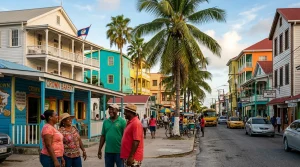
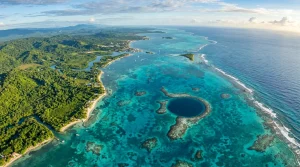
Belize boasts a fascinating and distinct governmental structure that reflects its rich, diverse heritage and history. As a parliamentary democracy, the country operates under a constitutional framework characterized by a system that combines both executive and legislative elements. Unlike many countries that use states as primary divisions, Belize is organized into six administrative districts: Belize, Cayo, Corozal, Orange Walk, Stann Creek, and Toledo. Each district serves not only as an administrative region but also as a vital part of the nation’s identity and community dynamics.The government of Belize is led by a Prime Minister, who is the head of government, accompanied by a Cabinet made up of ministers appointed from elected members of the National Assembly. This assembly consists of the House of Representatives and the Senate, working collaboratively to create laws and manage the affairs of the country. The judicial branch operates independently, ensuring a balance of power, which is essential for fostering democracy and protecting citizens’ rights.Local governance plays a crucial role in the management of Belize’s communities. Each district is divided into subdivisions, which are further segmented into villages and towns governed by local councils. These councils are responsible for local development initiatives, resource allocation, and community services, thus bringing governance closer to the people and allowing for tailored solutions that meet specific local needs. In doing so, local governments support Belize’s vision of sustainable development, health, and educational initiatives that benefit their residents and enhance the overall quality of life.This intricate web of governance and community engagement positions Belize not just as a destination of breathtaking natural beauty and cultural richness, but also as a nation that actively involves its citizens in shaping their future. Whether exploring the Great Blue Hole or engaging with the vibrant local communities, visitors to Belize can witness firsthand the interplay between governance and daily life, making their adventure not only enjoyable but also enlightening.
Understanding the Districts of Belize
When exploring Belize, you’ll find that instead of states, this vibrant country is divided into six distinct administrative districts: Belize, Cayo, Corozal, Orange Walk, Stann Creek, and Toledo. Each district is a uniquely woven tapestry of culture, landscapes, and communities, offering visitors a deeper understanding of the nation’s rich heritage.Belize District serves as the commercial heart and capital, Belize City, offering an array of attractions, from historical sites to lively markets. Visitors can immerse themselves in the city’s vibrant atmosphere and enjoy its beaches along the Caribbean Sea.Cayo District is a haven for eco-tourism and adventure, boasting natural wonders like the Mountain Pine Ridge Forest Reserve and the famous ATM Cave, where ancient Maya artifacts are hidden. This district attracts hikers and birdwatchers eager to experience Belize’s extraordinary biodiversity.In Corozal, located near the northern border with Mexico, you can experience a mix of cultures, notably the charming coastal town of Corozal Town. Here, fresh seafood and cultural festivals reflect the area’s proximity to the Caribbean lifestyle.Orange Walk District is often referred to as the sugar capital of Belize, known for its lush cane fields and the famous Lamanai ruins. Visitors can take boat tours through the New River, observing wildlife, and would delight in the local cuisine that celebrates traditional methods of cooking, influenced by the Mestizo culture.Stann Creek is synonymous with stunning beaches, including the idyllic Placencia Peninsula. It’s an exceptional spot for diving, snorkeling, and enjoying the laid-back vibe of beach life. Here, the Garifuna culture thrives, celebrated through their music, dance, and traditional foods that delight the senses.Finally, Toledo District, the least populated of the districts, is a treasure for those seeking a more remote experience. The district is rich in indigenous cultures, and you can explore Maya villages while savoring the untouched beauty of the rainforest along with exquisite wildlife.Understanding these districts not only enriches your travel plans, but also gives you insights into the diverse cultures, geographies, and histories that shape Belize. As you traverse each region, from bustling urban centers to tranquil jungles, you’ll uncover the profound ways in which these districts contribute to the collective identity of this remarkable nation.
The Role of Local Governments in Belize
Local governments play a pivotal role in maintaining the vibrancy and functionality of Belize’s unique districts. Each district, rather than functioning as a standalone entity, is integrated into a system that empowers local administrations to address the needs of their communities effectively. These local governments are instrumental in decision-making processes that influence not only infrastructure development and service delivery but also cultural initiatives and community health.The structure of local government is primarily apportioned into councils, which are elected bodies responsible for local matters. Each district is governed by a district council, while towns may have municipal councils. These councils are charged with vital tasks, such as managing local markets, providing sanitation and waste management services, and overseeing community programs. Communication and engagement with residents are critical, as councils regularly hold meetings to discuss pressing issues and gain feedback. This collaborative approach fosters a sense of community ownership and encourages citizen participation, ensuring that development aligns with the people’s desires and needs.Moreover, local governments in Belize act as a bridge between the national government and the communities. They facilitate the implementation of national policies and programs at a local level, transforming overarching mandates into applicable actions that resonate within the unique cultural context of each district. For instance, local councils may promote sustainable tourism initiatives that protect Belize’s rich biodiversity while supporting the livelihoods of local artisans. Such initiatives often highlight the unique characteristics and cultural heritage of individual districts, making them appealing destinations for travelers seeking authentic experiences.In summary, the local governments in Belize are crucial not only for governance but also for preserving and promoting the country’s cultural richness and natural beauty. By engaging communities, implementing localized initiatives, and acting as mediators between residents and the national government, these councils enhance the quality of life in Belize’s diverse districts while making travel within the nation a richer, more meaningful experience. Whether you’re hiking through the jungles of Cayo or enjoying the sea views in Corozal, the impact of local governance is felt in every interaction, beautifully interwoven into the fabric of Belizean life.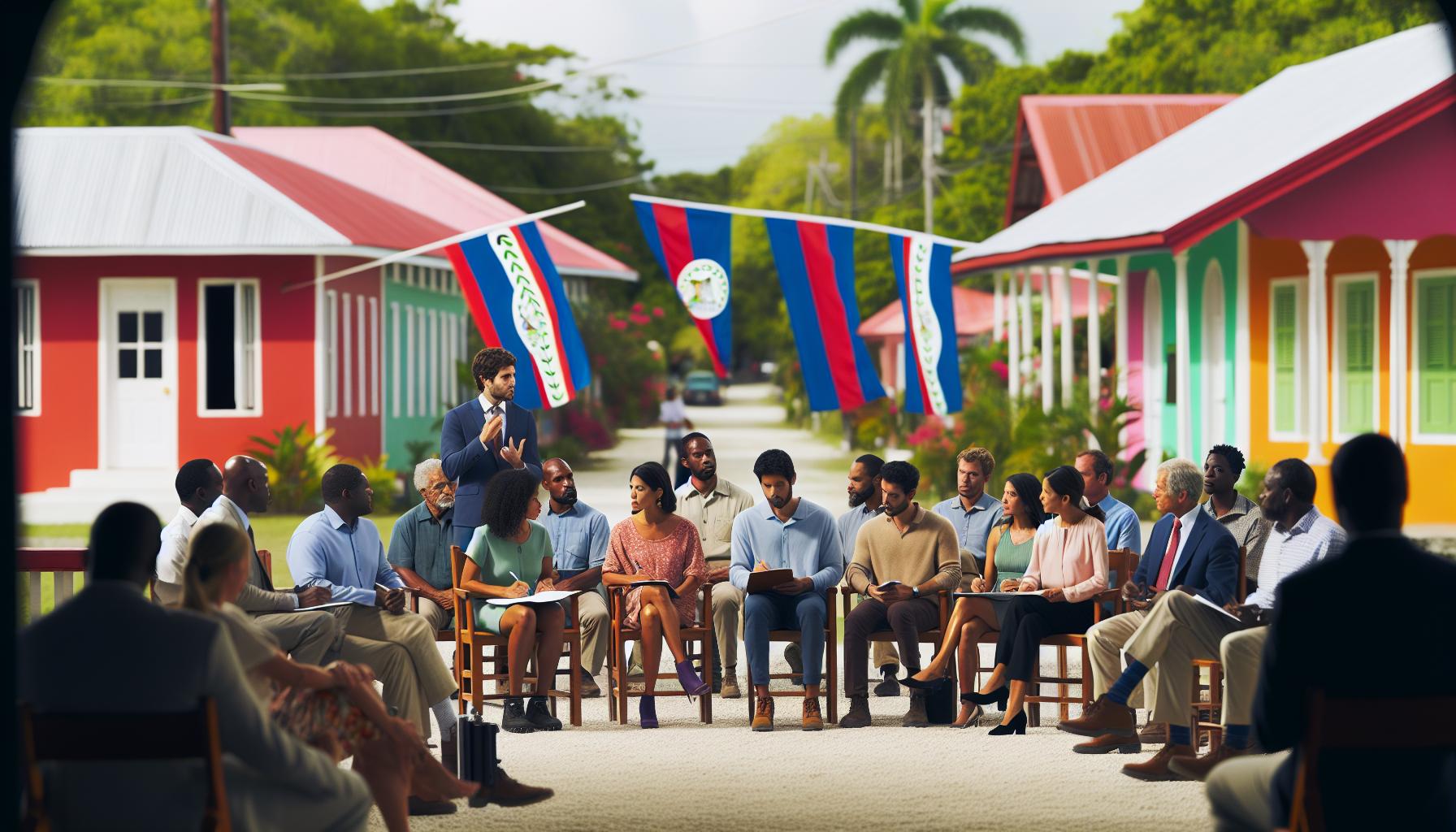
Comparing Belize’s Districts: Key Differences
Belize is a colorful tapestry of regions, each district weaving its unique thread into the national narrative. From the bustling urban landscape of Belize City to the serene coastlines of the Cayes, investing time in understanding these districts can enrich any travel experience. While Belize may not have states in the traditional sense, its six districts-Belize, Cayo, Corozal, Orange Walk, Stann Creek, and Toledo-offer distinct characteristics that deserve a closer look.H3: The Texture of Each DistrictEach district in Belize comes alive with its own identity, shaped by geography, culture, and history:- Belize District: Home to the capital city, Belize City, this district is a cultural and economic hub bustling with activity. Visitors can explore the rich Creole and Garifuna cultures, evident in the city’s vibrant festivals and delicious cuisine, including seafood dishes that pay homage to the beautiful Caribbean Sea.
- Cayo District: Known for its lush jungles and Mayan ruins, Cayo is the go-to destination for adventure seekers. Whether you’re navigating through the cave systems of Actun Tunichil Muknal or hiking in the Mountain Pine Ridge, this region offers a perfect blend of natural beauty and archaeological intrigue.
- Corozal District: With its proximity to Mexico, Corozal boasts a blend of cultures and is a peaceful retreat for those seeking a quieter experience. The tranquil shores of the Corozal Bay are perfect for sunset strolls, and the local Mexican influence adds a layer of richness to the area’s culinary scene.
- Orange Walk District: Often referred to as “Sugar City” for its extensive sugarcane production, Orange Walk offers a fascinating glimpse into Belizean agriculture. The nearby Lamanai archaeological site is a must-visit, where ancient ruins are enveloped by nature, providing a unique photo opportunity for visitors.
- Stann Creek District: This district is a paradise for beach lovers, featuring the popular destinations of Placencia and Hopkins. Known for its pristine beaches and vibrant Garifuna culture, Stann Creek is a hotspot for water sports, and its charming villages are filled with lively music and dance.
- Toledo District: The southernmost district is renowned for its biodiversity and rich indigenous culture. Its lush rainforests are home to an abundance of wildlife, and the tranquil Sapodilla Cayes invite travelers to immerse themselves in Belize’s untouched beauty. Engaging with local communities, particularly the Maya, offers an authentic experience of Belize’s heritage.
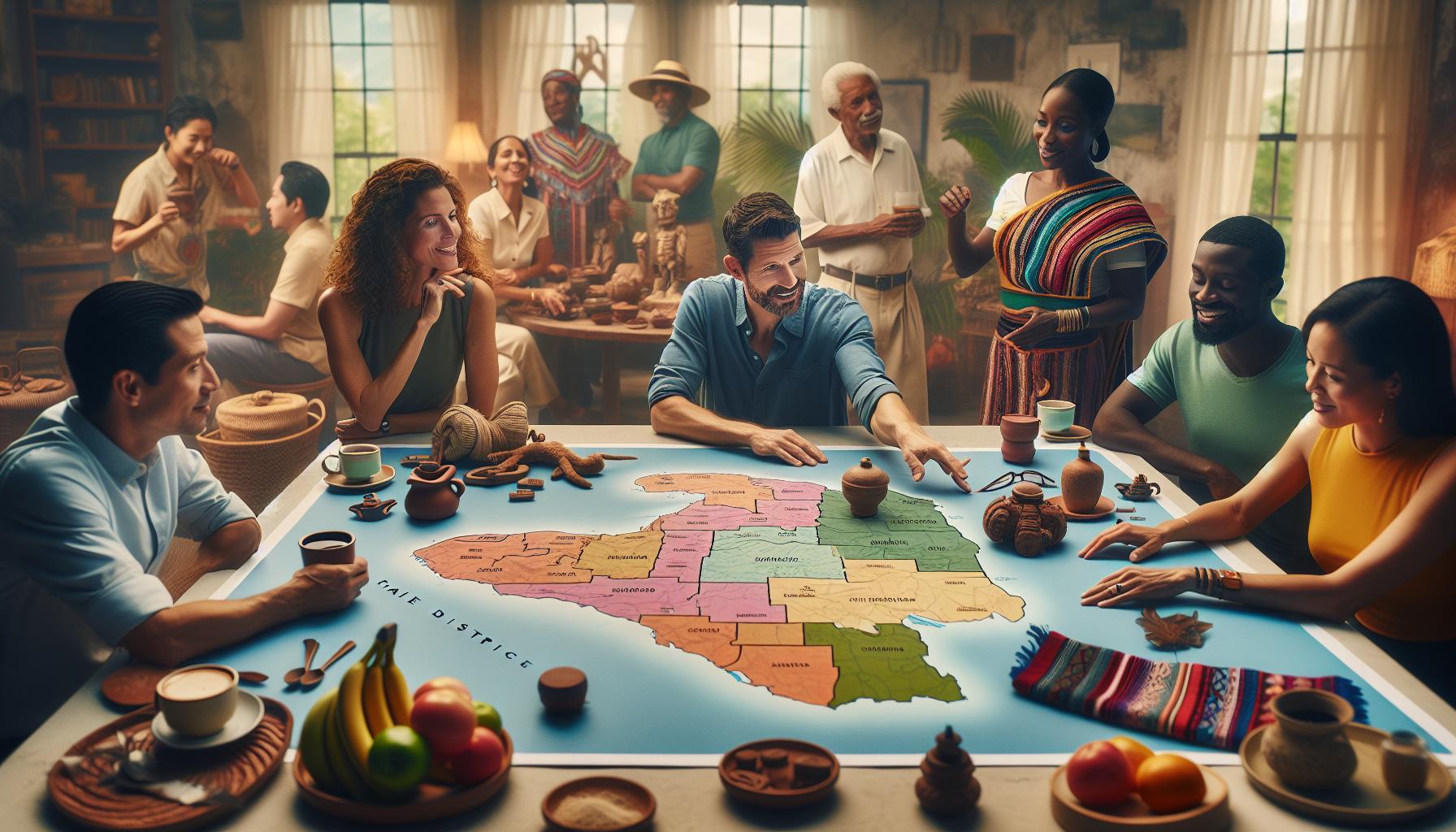
Population and Demographics of Each District
Understanding the population dynamics of Belize’s districts is essential for appreciating the richness of its cultural mosaic. Each district not only showcases its unique landscapes but also a diverse demographic landscape that contributes to Belize’s identity. The total population of Belize is around 450,000, with a significant portion concentrated in specific districts, revealing the interplay of geography, economy, and culture in shaping these communities.In the Belize District, which includes the bustling Belize City, the population hovers around 100,000. This area is characterized by a vibrant urban life, where a mix of ethnic groups including Creoles, Garifunas, and Mestizos add to its dynamic culture. The capital city acts as a melting pot, showcasing a blend of traditions, festivals, and culinary delights that attract tourists and showcase Belize’s rich heritage.Moving to Cayo District, you will find a more rural setting, home to around 45,000 residents. This district is known for its natural beauty and significant Mayan heritage, evident in its population mix that includes a notable percentage of indigenous people. Cayo is a playground for adventure seekers, and the demography reflects a community heavily involved in eco-tourism and agriculture.Corozal District, with a population of approximately 40,000, offers a unique cultural blend due to its proximity to Mexico. This district is a tranquil haven where the influence of Mexican culture is palpable, from the cuisine to cultural festivals. Residents here embrace a slower-paced lifestyle, enjoying the picturesque landscapes along Corozal Bay.Orange Walk District, famously known as “Sugar City,” supports a population of over 40,000. Agriculture remains a pillar of its economy, largely driven by sugarcane production. Orange Walk has a diverse demographic, with a notable presence of Mayan and Mestizo communities. The district’s agricultural traditions are celebrated through local festivals that highlight its rich heritage.Stann Creek, with about 40,000 inhabitants, is a vibrant community anchored in Garifuna culture, particularly evident in the coastal towns of Placencia and Hopkins. The population thrives on tourism, fishing, and music, offering visitors a chance to immerse themselves in authentic Belizean life.Lastly, Toledo District, known for its striking biodiversity, has a smaller population of around 30,000. This region is home to several indigenous cultures, particularly the Maya. Efforts to preserve the cultural identity and traditions of the communities can be seen in various eco-tourism initiatives that benefit both locals and travelers.In essence, exploring the demographics of Belize’s districts not only enriches visitors’ understanding of the country’s culture but also enhances the appreciation for its diverse communities. Engaging with each district’s distinct character reveals the shared history and multifaceted identities that make Belize a truly unique destination.Cultural Highlights Across Belize’s Regions
Belize is a vibrant tapestry of cultures, where each district hosts its own unique traditions, flavors, and artistic expressions. From the rhythmic beats of Garifuna drumming in the coastal towns to the rich heritage of the Maya in the jungle, the cultural highlights of Belize are as diverse as its stunning landscapes. This Central American gem is not just a paradise for nature lovers but a true cultural hotspot, making it a fascinating destination for both travelers and potential residents.In the Belize District, the dynamic culture of Belize City is a melting pot of ethnic groups including Creoles, Mestizos, and Garifunas. Festivals such as the Carnival and the September Celebrations illuminate the streets with parades, colorful costumes, and traditional music, inviting visitors to immerse themselves in the local community spirit. Culinary enthusiasts will appreciate the area’s fusion of flavors, where dishes like rice and beans pair beautifully with stewed chicken or freshly caught seafood.Travel a few miles inland to Cayo District, and you’ll find a region steeped in history and natural beauty. The local Mayan heritage is palpable, with ancient ruins like Xunantunich standing as silent witnesses to centuries-old traditions. The Cayo area is also a hub for eco-tourism, where visitors can experience authentic Mayan cooking and learning workshops, giving them insight into the sustainable practices that have endured through generations.Moving north to Corozal and Orange Walk, the influence of Mexican culture is unmistakable. In Corozal, the Bay’s tranquil waters provide a backdrop for local fishing communities, where the residents celebrate vibrant traditions steeped in their heritage, especially during the annual Fiesta de San Juan. Orange Walk, known as “Sugar City,” is famous for its sugarcane industry and hosts the annual Sugar Cane Festival, where visitors can taste local treats and experience folk music and dance in a lively atmosphere.In the southern districts like Stann Creek and Toledo, the rich tradition of the Garifuna people unfolds. Stann Creek is renowned for its coastal charm, especially in the towns of Placencia and Hopkins, where Garifuna culture thrives through music, dance, and culinary offerings. The annual Garifuna Settlement Day on November 19 celebrates the arrival of the Garifuna people to Belize with vibrant parades and cultural performances. Toledo, home to various indigenous groups, offers a quieter experience where the focus is on sustainable living and preserving biodiversity, with opportunities for eco-tours to discover its pristine flora and fauna.Belize’s culture is not merely a collection of attractions; it’s a living tapestry woven from the interactions between its diverse communities. For travelers, engaging with these cultural highlights will deepen your experience and understanding of this stunning country. Whether you’re sampling local dishes, dancing to the rhythmic beats of traditional music, or exploring ancient ruins, Belize beckons with the promise of unforgettable adventures and enriching connections.How to Navigate Belize’s Government Services
Navigating the intricate web of government services in Belize can be a rewarding adventure, especially for new residents and eager travelers. With Belize’s unique blend of cultures and the charm of its districts, understanding how to access government resources becomes essential for making the most of your stay. Whether you’re seeking permits for an eco-tour, need assistance with residency paperwork, or want to learn about local regulations, Belize has a structured yet accessible government system that can guide you.Local government offices, often referred to as district councils, are the central hubs for administrative services. These offices are scattered throughout Belize in each of the six districts, and they are equipped to provide information on everything from housing permits to public health services. When you visit, you’ll find friendly staff eager to help you navigate forms and procedures. It’s also beneficial to check for any public notices posted outside these offices, as they often contain valuable information about upcoming community meetings or local initiatives.To make the process smoother, it’s advisable to equip yourself with the following:- Identification: Always have a valid ID, such as your passport or resident card.
- Documentation: Gather any necessary documents relating to permits or registrations you might need.
- Local Knowledge: Familiarize yourself with specific regulations unique to your district, as they may vary significantly.
The Impact of Tourism on Belizean Districts
The crystal-clear waters of Belize, adorned with vibrant coral reefs and ancient Maya ruins, make it a paradise that attracts visitors from across the globe. Tourism plays a critical role not only in the country’s economy but also in shaping the development and character of its six districts. Each region, from the bustling streets of Belize City to the serene beauty of Cayo and the rich biodiversity of Toledo, has its unique challenges and opportunities stemming from the influx of visitors eager to explore its wonders.In districts like Ambergris Caye and Caye Caulker, the tourism sector is the beating heart of the local economy. The flow of tourists has led to increased investment in infrastructure, including improved roads, transportation services, and amenities that cater specifically to visitors. Consequently, the local government has embraced a proactive stance on sustainable tourism practices to ensure that the natural beauty and cultural integrity remain intact. Initiatives to minimize environmental impact, such as waste management programs and eco-tourism certifications, are often spearheaded by local councils in collaboration with the Belize Tourism Board.However, this treasure trove of tourists also poses challenges, such as managing the delicate balance between economic growth and environmental conservation. For instance, the overdevelopment of coastal areas can threaten fragile ecosystems, leading communities to vocalize their concerns about loss of habitat and cultural identity. In response, many districts actively engage the community in decision-making, emphasizing the importance of preserving local customs and biodiversity. This dialogue not only empowers local residents but also enriches the visitor experience by connecting them more deeply with Belizean culture and its natural surroundings.Ultimately, extends beyond mere economics; it fosters a sense of community and encourages collaboration between residents and visitors. As travelers explore this magical destination, they help weave a vibrant tapestry of experiences, supporting local economies while also participating in the preservation of Belize’s extraordinary environment and rich heritage. Embracing this symbiosis is essential for anyone seeking to appreciate the true essence of Belize as both a tourist and a potential long-term resident.Historical Context of Belize’s Government Structure
The history of Belize’s government structure is as rich and diverse as the country itself, deeply intertwined with its colonial past and the vibrant cultures of its people. Originally inhabited by the Maya civilization, Belize was later Europeanized by British settlers who arrived in the 17th century. This transition laid the groundwork for a unique blend of governance that reflects both indigenous traditions and colonial influences.In 1981, Belize gained independence from British rule, becoming a parliamentary democracy within the Commonwealth. The country adopted a system that combines elements of British-style governance with local customs, establishing a dual government structure consisting of national and local levels. At the national level, the government is led by a Prime Minister and a bicameral legislature composed of the House of Representatives and the Senate. Meanwhile, at the local level, Belize is divided into six districts, each managed by a district council that plays a vital role in local governance and development initiatives.Throughout its history, Belize’s government has prioritized community engagement, particularly regarding local councils. These councils serve as a bridge between the central government and local populations, allowing for a participatory approach to decision-making in matters such as public services, infrastructure development, and cultural preservation. The ongoing development of these councils reflects an evolving commitment to inclusivity, ensuring that the voices of diverse communities-including indigenous groups, Creole, Garifuna, and Mestizo populations-are heard in the governance process.Understanding the historical and contemporary framework of Belize’s government enhances the appreciation of its unique identity and resilience. As a haven of natural beauty and cultural richness, Belize continues to navigate the challenges of modern governance while preserving the traditions and values that define its people.Economic Activities by District in Belize
Belize’s diverse economic landscape is as vibrant and multi-faceted as its breathtaking natural scenery. Each of the country’s six districts offers a unique blend of industries and activities that reflect the local culture, resources, and community needs. From bustling urban markets to serene rural farms, understanding these economic activities provides valuable insights into the heart of this Central American paradise.H3: District Breakdown of Economic Activities
- Belize District
- Cayo District
- Corozal District
- Orange Walk District
- Stann Creek District
- Toledo District
H3: The Blend of Tradition and Modernity
The economic activities across Belize’s districts often intertwine traditional practices with modern developments. This duality enhances the local economy while ensuring that traditional ways of life are preserved. For instance, many artisans continue to create beautiful handcrafted goods using age-old techniques, appealing to both tourists and local buyers alike.Moreover, the increasing focus on eco-tourism reflects a growing consciousness about sustainability. Many districts are working towards protecting their natural resources while also generating income through tourism, cultivating a harmonious balance that benefits both the community and the environment.Understanding these economic activities by district not only enhances your appreciation of Belize but also illustrates how this enchanting nation balances its rich heritage with modern economic needs, making it an ideal destination for exploration, investment, or even expat living. Whether you’re drawn to the tropical allure of the cayes or the cultural depth of Maya sites, Belize’s diverse districts promise an experience filled with adventure and meaningful connections.Future Developments in Belize’s Governance
Belize stands on the threshold of an exciting transformation in its governance! The nation is taking bold steps to enhance local governance structures, embracing innovative practices that promise to foster transparency, inclusivity, and greater citizen participation. With governmental efforts increasingly focused on decentralization, local authorities are gaining more power to manage their communities, which not only strengthens democracy but also empowers citizens to address their unique challenges.One of the most significant developments is the establishment of Community Development Committees across various districts. These committees enable residents to voice their needs directly, shaping initiatives that range from sustainable tourism strategies to community health programs. As these grassroots movements grow, they pave the way for a new dynamic within Belize’s governance landscape, encouraging a dialogue between local governments and communities.In addition, Belize’s commitment to environmental governance is reshaping how districts manage their natural resources. With a booming eco-tourism sector that relies heavily on the preservation of its exquisite biodiversity, local governments are being urged to adopt sustainable practices. This not only serves to protect Belize’s stunning natural beauty-from its majestic reef systems to its lush rainforests-but also actively engages the public in conservation efforts, bridging governance with community stewardship.Moreover, Belize’s ongoing engagement with international partners is leading to enhanced infrastructural projects that aim to bolster the economic backbone of the country. Investments in roads, electricity, and internet connectivity are expected to not only improve local economies but also ensure that products and services can be easily transported across districts. This infrastructural uplift will undoubtedly boost opportunities for business and tourism, reflecting the rich cultural heritage and natural allure of Belize.As the future unfolds, Belize’s innovative governance approaches inspire both confidence and excitement. With citizens at the heart of these developments, the evolution of Belize’s government structure promises to cultivate a more connected, empowered, and vibrant society, allowing all to thrive amid the enchanting backdrop of this Central American paradise.Frequently Asked Questions
Q: Does Belize have states like larger countries? A: No, Belize does not have states. Instead, it is divided into six administrative regions known as districts. Each district has its own local government that caters to the needs of its residents, facilitating local governance and community services.Q: What are the districts of Belize? A: Belize comprises six districts: Belize, Cayo, Corozal, Orange Walk, Stann Creek, and Toledo. Each district features unique cultural aspects, economic activities, and geographic characteristics, allowing for diverse experiences across the country.Q: How is the government structured in Belize? A: Belize operates under a parliamentary democracy. The government consists of three branches: the executive, legislative, and judiciary. Local governance is managed by district councils, which enable community participation and decision-making at the local level.Q: What is the role of local governments in Belize? A: Local governments in Belize, represented by district councils, handle administrative responsibilities, such as infrastructure development, waste management, and local economic initiatives. They empower communities to address specific needs and priorities.Q: How many people live in each district of Belize? A: Population sizes vary significantly among Belize’s districts. For example, Belize District has the highest population, primarily due to the capital city, Belmopan, while districts like Toledo have fewer residents. Demographic details are crucial for understanding regional dynamics.Q: What are key cultural differences among the Belizean districts? A: Each district in Belize showcases distinct cultural influences. The Belize District is known for its Creole heritage, while Stann Creek boasts Garifuna culture. Exploring these differences enriches the travel experience, highlighting Belize’s cultural diversity.Q: How do I navigate government services in Belize? A: To navigate government services in Belize, familiarize yourself with local district offices, which provide information on permits, services, and civic tools. Understanding the specific functions of each district council can also help streamline your interactions with local governance.Q: What influences economic activities in Belize’s districts? A: Economic activities in Belize’s districts are often influenced by geographical resources and local demographics. For instance, tourism significantly impacts coastal districts like Belize and Stann Creek, while agriculture is predominant in the more rural Cayo and Toledo districts.The Conclusion
Belize’s unique government structure and district breakdown offer intriguing insights into this vibrant country. Whether you’re planning a visit to explore its stunning Caribbean beaches or ancient Maya ruins, understanding the local governance can enhance your travel experience. If you want to dive deeper into Belize’s rich culture, check out our articles on Garifuna music festivals and the diverse culinary scene or explore practical travel tips on visas, transportation, and accommodation options.Don’t miss your chance to stay updated on everything Belize! Sign up for our newsletter to receive travel guides, expert tips, and exciting updates. Share your thoughts or experiences in the comments below-your insights matter to our community! Finally, explore the wonders of eco-tourism in Belize and prepare for an adventure filled with wildlife, history, and breathtaking scenery. Make your next trip unforgettable!Comprehensive Guide and In-Depth Analysis: Belize Six Districts Official Government
When exploring the details surrounding belize six districts official government, understanding the practical, environmental, and cultural dynamics of Belize is essential for making informed travel or investment decisions. Belize stands out in Central America for its English-speaking heritage, British Common Law legal stability, and world-class ecotourism infrastructure.
Whether navigating mainland rainforest corridors, consulting local authorities, or exploring marine conservation zones along the Belize Barrier Reef, having verified, comprehensive information regarding belize six districts official government ensures seamless execution.
| Key Evaluation Pillar | Standards & Conditions in Belize | Actionable Best Practices |
|---|---|---|
| Regional Specifics | Variations between northern districts, central cayes, and southern rainforests | Align plans with specific district infrastructure and seasonal weather |
| Regulatory & Legal Framework | Belize Tourism Board (BTB) regulations and national conservation laws | Always work with licensed local professionals and certified guides |
| Logistics & Practical Costs | Fixed 2:1 BZD-to-USD currency peg; accessible transport via air and water | Plan budget with cash buffer for remote destinations and transfers |
For visitors and residents alike, engaging with belize six districts official government through authorized, sustainable practices contributes directly to local community development and the preservation of Belize’s pristine marine and terrestrial ecosystems.
Frequently Asked Questions: Belize Six Districts Official Government
Why is understanding belize six districts official government important for Belize visitors?
It provides essential context for choosing the right regional destinations, understanding local pricing, and ensuring full compliance with environmental and tourism standards.
How do seasonal factors affect belize six districts official government in Belize?
The dry season (December through May) offers calm seas and sunny weather, while the green season brings lower rates and lush jungle scenery.
Get our latest guides, news, and insights highlighted in your Google Search & AI Overviews.