Understanding the Concept of a Third World Country
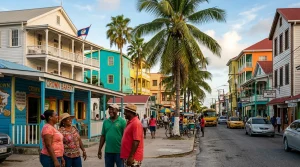
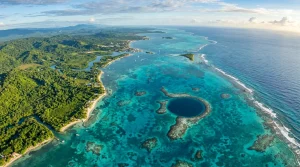
Belize, a country rich in biodiversity and vibrant culture, often finds itself categorized as a “Third World” nation in economic discussions. This label is rooted in historical contexts, often reflecting income levels, industrialization, and other socio-economic indicators rather than a nation’s potential or beauty. Understanding this classification requires a deeper dive into Belize’s dynamics, particularly how it navigates challenges while embracing its unique identity.Despite being labeled a developing country, Belize shines in various areas that challenge traditional notions of a Third World nation. The tourism sector, enriched by breathtaking natural resources such as the Great Blue Hole and ancient Maya ruins, plays a pivotal role in the economy. This vibrant tourism industry not only provides employment opportunities but also promotes sustainable practices that respect and preserve the ecology and cultural heritage of the region. The confluence of these assets showcases Belize as a nation striving for progress, blending economic development with environmental stewardship.Furthermore, Belize’s socio-economic landscape reveals both challenges and opportunities. While it faces issues like income inequality and infrastructural deficits, progressive initiatives focused on renewable energy and climate resilience position it more favorably on the global stage. Investing in education and healthcare services demonstrates a commitment to improving quality of life, enhancing literacy rates, and fostering an informed citizenry-key components for any nation aspiring to escape the confines of traditional Third World classification.In exploring Belize, it is crucial to appreciate its complexities beyond the labels it may carry. With a diverse cultural heritage that includes influences from the Maya, Creole, and Garifuna peoples, along with a range of languages and festivals, Belize embodies a rich tapestry of human experience. This cultural wealth fosters a welcoming environment for tourists and potential expatriates alike, celebrating not only its natural beauty but also the resilience and vibrancy of its communities. As Belize evolves, it redefines its narrative, striking a balance between development and the preservation of its unique identity.Belize’s Economic Landscape in 2025
Belize’s economy in 2025 reveals a tapestry of resilience and growth, characterized by its rich natural resources, tourism potential, and a commitment to sustainable practices. With its breathtaking beaches, lush jungles, and remarkable biodiversity, Belize attracts travelers and investors alike, stimulating economic activities that challenge traditional perceptions of developing nations. The tourism sector, a keystone of the economy, continues to flourish, drawing visitors to iconic sites such as the Great Blue Hole, ancient Maya ruins, and vibrant coral reefs. This influx of tourists not only enriches the local culture but also provides countless employment opportunities, from hospitality to eco-tourism ventures, which directly supports community development.As Belize forges ahead, more emphasis is being placed on sustainable practices. Initiatives in renewable energy, such as solar and wind projects, aim to reduce dependence on fossil fuels, fostering energy security and environmental responsibility. The government has been proactive in seeking investments that align with these sustainable goals, encouraging businesses that prioritize eco-friendly practices and respect for the rich cultural heritage of the nation. For potential investors and expatriates, the Belize Development Finance Corporation offers financing options aimed at diverse sectors, which can be a gateway to engaging with this evolving landscape[3].Additionally, the economic challenges Belize faces-such as income inequality and infrastructural development-present unique opportunities. The commitment to improving education and healthcare systems is evident, with ongoing reforms aimed at fostering a better quality of life for citizens. For instance, programs targeting literacy rates and vocational training are crucial for empowering the local workforce, thereby driving further economic growth. Meanwhile, growing international interest in Belize’s pristine environment offers opportunities for sustainable real estate developments, particularly in key tourism areas, creating vibrant communities that celebrate both cultural heritage and modern living.is a vivid illustration of a nation poised between rich tradition and progressive aspirations. As the country continues its journey towards balanced development, the narrative around Belize shifts-moving beyond conventional labels and showcasing a nation rich in potential, ready to welcome those who seek to explore its wonders or settle within its diverse, welcoming communities.
Key Indicators of Development in Belize
In 2025, Belize stands as a microcosm of development potential, boasting key indicators that reflect its evolving economic landscape amidst challenges typical of developing nations. The country’s nominal Gross Domestic Product (GDP) is estimated at approximately $6.13 billion, with a robust growth trajectory evident in its private consumption and investment figures, which sit at around $3.86 billion and $1.26 billion, respectively. This growth is powered by a diverse economy that increasingly seeks to harness its natural resources and cultural heritage.Key Economic Indicators
| Indicator | 2023 Value (Estimated) |
|---|---|
| Nominal GDP | $6,133,660,955 |
| Private Consumption | $3,855,143,749 |
| Investment | $1,263,320,992 |

Belize’s Political Stability and Governance
In the heart of Central America lies Belize, a nation that possesses an intrinsic charm marked by its stunning landscapes and vibrant culture. This blend of natural beauty and rich heritage is underpinned by a relatively stable political framework, which significantly influences the country’s development trajectory. As of 2025, Belize has carved a niche for itself as a beacon of peace and democratic governance in a region often characterized by political turbulence.The governance structure in Belize is anchored in a parliamentary democracy, where the Prime Minister oversees executive powers, while the legislative assembly plays a crucial role in shaping laws and policies. Belizians enjoy a relatively free press and the right to assemble, fostering an environment where civic engagement and public discourse flourish. This democratic landscape is essential for attracting foreign investment and tourism, two pillars of Belize’s economy, by signaling political stability and a commitment to upholding the rule of law. Furthermore, the Belizean government has initiated comprehensive reforms aimed at enhancing transparency and combating corruption, further bolstering investor confidence.Local governance is equally significant, with municipalities benefiting from autonomy to address community-specific issues, fostering governance that resonates with the needs of the populace. This decentralized approach encourages participation from local citizens in decision-making processes, strengthening the social fabric and promoting grassroots development.In an era where geopolitical uncertainties can cloud investment decisions, Belize’s political stability emerges as a vital asset. The nation has successfully navigated regional challenges, maintaining diplomatic relations with neighboring countries and ensuring that international partnerships flourish. This stability not only nurtures a conducive environment for tourism-drawing visitors to its breathtaking beaches, ancient Mayan ruins, and lush jungles-but also positions Belize as an appealing destination for expatriates seeking a harmonious balance between work, life, and adventure.As travelers explore Belizean wonders like the Great Blue Hole and the bustling local markets showcasing Creole cuisine, they are often left with a sense of gratitude for the peace that envelops the nation. Embracing its unique cultural diversity, Belize reassures potential visitors and expatriates alike that it is not just a destination, but a vibrant community ready to welcome the world. The synergy of political stability and vibrant culture stands as a testament to Belize’s commitment to sustainable progress and enriched living for all its citizens and guests.
The Role of Tourism in Belize’s Growth
In the vibrant tapestry of Belize’s economy, tourism shines as one of the most brilliant threads, weaving together stunning natural beauty, rich cultural heritage, and sustainable development initiatives. With its idyllic beaches, ancient Mayan ruins, and diverse ecosystems, Belize has emerged as a premier destination that not only captivates the hearts of visitors but also significantly bolsters the national economy. In 2025, the tourism sector is expected to contribute a substantial share to Belize’s GDP, driven by eco-tourism, adventure travel, and cultural experiences that prioritize sustainability and community engagement.The Belizean government has recognized the potential of tourism as a catalyst for economic growth and environmental stewardship. Through innovative programs such as the Sustainable Tourism Program II, Belize aims to enhance the contributions of its tourism sector while promoting resilience against climate change and socio-economic challenges. Visitors can immerse themselves in the pristine beauty of the Great Blue Hole or explore the lush jungles of the Cayo District, all while knowing their presence supports local communities and conservation efforts. This progressive approach to tourism not only prioritizes environmental conservation but also ensures that the benefits of travel extend to local populations, fostering a sense of ownership and pride among residents.For those planning a visit, experiencing Belize goes beyond mere sightseeing; it’s about engaging with the local culture and celebrating its diversity. Culinary experiences highlighting Creole and Garifuna cuisines invite travelers to savor the flavors of Belize, while festivals like the Garifuna Settlement Day create avenues for cultural exchange and community participation. Whether staying in cozy jungle lodges or upscale resorts, there are accommodation options for every traveler. Practical travel information, including insights on transportation, currency, and health considerations, ensures that every visitor can navigate their journey with confidence.As tourism continues to thrive amid Belize’s enchanting landscapes, it creates opportunities not only for economic growth but also for social development. Local artisans and small businesses flourish as tourists seek authentic experiences, thereby fostering a sustainable model that respects Belize’s heritage and environment. In this light, tourism is not simply a drive for profit; it serves as a powerful instrument for progress and a testament to Belize’s commitment to building a thriving and resilient society while safeguarding its natural wonders for generations to come.Infrastructure Developments and Challenges
As Belize strides forward into 2025, its infrastructure development narrative is marked by both impressive strides and significant hurdles. One of the most critical aspects of this tropical nation’s development lies in its road infrastructure, which links remote communities to urban centers and supports the burgeoning tourism sector. The Climate Resilient Infrastructure Project exemplifies ongoing efforts to enhance the resilience of roadways against potential climate-related disasters, such as flooding and hurricanes, which are frequent occurrences in this region. By improving access and safety, this project not only facilitates the movement of locals and tourists but also bolsters economic activities across the country.However, challenges remain. While major roadways are being upgraded, rural areas often grapple with poorly maintained access roads that can hinder the transportation of goods and services. This disparity is felt most acutely by the many small businesses and artisans who rely on steady supply chains to thrive in the tourism economy. Travelers venturing beyond the popular tourist hotspots, such as the Great Blue Hole or Ambergris Caye, may find themselves navigating tricky terrain, making it essential for visitors to plan their routes and travel methods carefully. Rental cars, guided tours, and shuttles can bridge the gap, offering reliable transport options even in less-accessible areas.The water and sanitation infrastructure also warrants attention as Belize seeks to enhance its sustainability efforts. Access to clean drinking water is vital for tourism, especially as visitors flock to experience the unrivaled beauty of Belize’s natural landscapes. Investments in water treatment facilities and comprehensive waste management systems are critical for maintaining the pristine environments that tourists cherish and ensuring that local communities enjoy a high quality of life. Furthermore, addressing climate challenges through innovative engineering solutions can help protect these ecosystems, aligning with global sustainability goals.In summary, while Belize’s infrastructure development in 2025 promises significant progress geared towards enhancing connectivity and sustainability, it also highlights the persistent challenges that need to be addressed to ensure equitable growth. By engaging with local communities and prioritizing resilient infrastructure projects, Belize is poised to build a future that not only supports its economic ambitions but also honors the country’s commitment to preserving its breathtaking heritage and natural resources.Access to Education and Literacy Rates
In 2025, Belize stands at a crucial juncture in its pursuit of educational advancement, where are vital indicators of its development journey. Despite being labeled as a developing nation, Belize is committed to fostering an inclusive educational environment that encourages learning among all age groups. The country boasts a literacy rate of 76.9%, a figure that reflects both progress and the challenges that still lie ahead in ensuring that every citizen can access the power of reading and writing effectively [2[2].Education in Belize is structured into a variety of programs ranging from primary schooling to higher education institutions like the University of Belize. These institutions offer diverse fields of study, catering to the local populace and international students alike, enhancing the country’s human capital. However, the education system faces hurdles, particularly in rural areas where under-resourced schools struggle to meet the needs of their communities. The government’s initiatives to improve access and quality of education aim to address these disparities, with efforts to enhance teacher training, upgrade school facilities, and introduce innovative teaching methods, sometimes in collaboration with international organizations [1[1].Furthermore, literacy programs targeting adults aim to uplift those who missed formal education opportunities. Initiatives are being implemented in various communities, focusing on practical skills that empower individuals economically while simultaneously fostering a culture of lifelong learning. Projects often emphasize local languages and culturally relevant content, which resonates with Belize’s rich tapestry of Creole, Garifuna, and Maya heritages, bridging the gap between traditional knowledge and modern education.As Belize embarks on its path toward achieving educational excellence, the intertwining of accessibility and literate societies will be essential in facing broader global challenges. By investing in education, Belize not only enriches its citizens but also nurtures a more informed society that can engage constructively with the world stage-one that is ready to embrace the opportunities that lie in its breathtaking natural landscape and cultural diversity, making it a promising destination for both visitors and future residents.Healthcare Services and Accessibility in Belize
In the heart of Central America, Belize offers more than just stunning landscapes and vibrant cultures; it presents a complex healthcare system that reflects both its challenges and advancements. With a commitment to improving the health status of its citizens, Belize has made strides in healthcare accessibility, yet significant disparities remain, particularly in rural areas where access to medical facilities can be limited.The Belizean government operates a mix of public and private healthcare services, catering to the diverse needs of its population. Public healthcare is predominantly funded by the government, providing free or low-cost services to residents. However, while urban centers like Belize City boast accessible hospitals and clinics, rural communities often rely on mobile clinics or outreach programs. Organizations such as Hillside Health Care International play a vital role in these areas, sending teams of medical professionals and students to provide ongoing care and establish sustainable relationships with local healthcare providers [[1]]. This model not only addresses immediate healthcare needs but also improves health education within the community.Despite these efforts, challenges persist, particularly regarding the availability of specialized services and the ratio of healthcare workers to citizens. The nation’s healthcare infrastructure is still developing, and while healthcare professionals are dedicated, they often face overwhelming patient loads and limited resources. The focus remains on primary healthcare, with higher-level services often accessed through private providers, which can result in unequal access based on socioeconomic status.To navigate the healthcare landscape effectively, travelers and residents should familiarize themselves with the health facilities available. Larger cities offer well-equipped hospitals, while rural areas may require preparation for limited access. Vaccinations and health insurance are highly recommended for visitors, ensuring a safer experience in this diverse nation. Culturally, Belize promotes a holistic view of health, integrating traditional practices with modern medicine, which visitors might find enriching during their travels.Belize is on a transformative journey as it navigates the complexities of healthcare in a developing nation, emphasizing community-oriented solutions and partnerships that bridge gaps in access. As the country continues to evolve, its commitment to improving health outcomes represents a crucial aspect of its development, highlighting a unique resilience amidst challenges-a testament to the spirit of the Belizean people and their vibrant culture.Cultural Heritage and Social Diversity
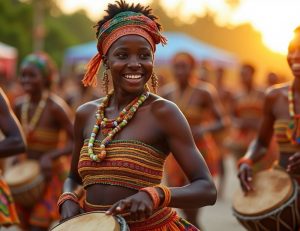
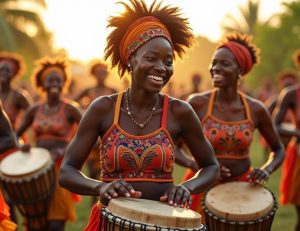
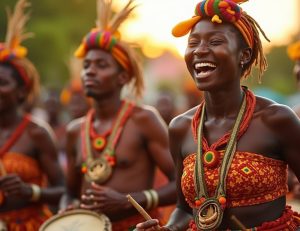
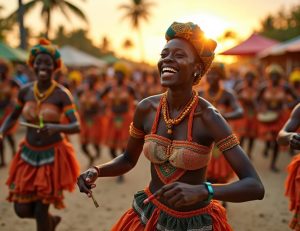
With its stunning landscapes, colorful streets, and a rich tapestry of cultures, Belize stands as a vibrant testament to the beauty of diversity. This Central American nation is home to a mosaic of ethnic groups that contributes to its unique cultural heritage, encompassing a variety of languages, music, culinary flavors, and traditions. The cultural landscape is not only intriguing but offers travelers a chance to engage deeply with the local community, facilitating authentic experiences enviable in many parts of the world.Belize’s population reflects a vibrant mix of ethnic backgrounds, including Kriol, Maya, Garifuna, Mennonite, Mestizo, and East Indian communities, among others. Each group brings its own traditions, stories, and celebrations, creating a colorful cultural mosaic. For example, the Garifuna people influence the music scene with lively rhythms and dances that showcase their African and Caribbean heritage. Festivals, such as Garifuna Settlement Day celebrated each November, demonstrate the importance of these traditions while inviting both locals and visitors to join in the festivities, offering an immersive experience that highlights the nation’s rich cultural fabric.When exploring Belize, one cannot overlook the gastronomic diversity that is as varied as its peoples. The local cuisine is a reflection of its multicultural heritage, blending traditional Maya ingredients with Creole, Spanish, and Caribbean flavors. Popular dishes like stewed chicken, rice and beans, and the national dish, tamales, provide visitors with a taste of Belize’s culinary history. Street food offerings, such as salbutes and fry jacks, further invite food enthusiasts to indulge in authentic flavors in vibrant settings.Outdoor activities also provide cultural insights; visiting ancient Maya ruins such as Lamanai and Altun Ha not only allows for exploration of breathtaking landscapes but also immerses travelers in the history of the region. Eco-tourism adventures, from exploring the rainforest to diving in the world-renowned Great Blue Hole, offer extensive interaction with Belize’s stunning biodiversity, making the experience even more enriching.As you navigate through Belize, consider learning a few basic phrases in Kriol or Spanish to engage more meaningfully with locals, and remember to participate in cultural events and activities. This open-minded approach not only enriches your journey but also supports the locals, fostering the cultural heritage that makes Belize such an extraordinary destination. Embrace the spirit of this island paradise, and experience firsthand the joy that comes from its vibrant social diversity and rich cultural heritage.Comparative Analysis: Belize and Other Central American Nations
In the landscape of Central America, Belize stands as a distinctive gem, characterized by its unique blend of stunning natural beauty and rich cultural heritage. While often labeled as a “developing” or “third world” country, this designation masks a more nuanced reality when compared to its Central American neighbors. Nations like Guatemala, Honduras, and El Salvador grapple with higher levels of poverty and violence, whereas Belize boasts a more stable political environment and a growing economy driven primarily by tourism and agriculture.Belize is often compared with Costa Rica, which has become synonymous with eco-tourism and conservation. While both nations cherish their natural surroundings, Costa Rica has made significant investments in sustainable development and education, positioning itself as a global leader in sustainable practices for tourism. In contrast, Belize is on the cusp of similar transformations, with a burgeoning ecotourism sector that attracts adventure seekers to its pristine beaches and ancient Mayan ruins. However, Belize still faces challenges in infrastructure development and public services, which can be barriers to rapid growth.One of the most significant comparative advantages Belize has is its linguistic diversity and cultural richness. Unlike most of its neighbors, Belize is the only country in Central America where English is the official language, making it more accessible for English-speaking tourists and expatriates. Additionally, the country’s cultural mosaic, which includes Creole, Garifuna, Maya, and Mestizo influences, provides a richer tapestry of experiences compared to countries with less diversity in cultural expressions. This cultural dynamism contributes to an environment ripe for creative industries and tourism that celebrates heritage, arts, and culinary arts.As Belize progresses towards its 2025 goals, understanding its comparative landscape is crucial. The government’s focus on enhancing tourism infrastructure, improving education, and fostering social programs seeks to elevate Belize’s status and quality of life for its residents. While it may still navigate the challenges that accompany development, the potential for sustainable growth and a more interconnected, resilient society is within reach, making Belize not just a beautiful destination but also a promising country on the path to advancement amidst its Central American counterparts.Future Prospects: Sustainable Development Goals for Belize
The lush landscapes and vibrant cultures of Belize are not just aesthetic treasures but pivotal components of a sustainable future, deeply intertwined with the nation’s Sustainable Development Goals (SDGs) for 2025. Embracing its ecological uniqueness, Belize aims to harness its rich natural resources responsibly, fostering a sustainable approach that aligns with global standards while catering to its local community’s needs. The ongoing initiatives towards eco-tourism and conservation reflect a growing recognition that protecting the environment is essential for cultivating economic opportunities. As such, Belize is keenly aware that its future prosperity lies not only in attracting tourists to its paradisiacal beaches and ancient Mayan ruins but also in preserving the environments that draw visitors from around the globe.Diving into the specifics, Belize’s commitment to sustainable development manifests in various projects targeting crucial areas such as health, education, and climate resilience. For instance, the government’s collaborations with organizations like the World Bank focus on enhancing infrastructure, particularly in rural areas, to improve access to essential services and bolster economic activities. These efforts are vital for elevating living standards and nurturing a society where every individual has access to quality education and healthcare. In tandem with its ecotourism initiatives, Belize is also positioning itself as a leader in environmental conservation, adopting practices to protect its fragile ecosystems from the impacts of climate change and overexploitation.Tourism plays a transformational role, as the government prioritizes responsible investment in the sector to balance economic growth with environmental care. Visitors are increasingly choosing Belize not just for its beauty but for its commitment to sustainability, further fueling the economy. Engaging in community-led tourism initiatives allows travelers to participate in cultural exchanges that celebrate Belize’s rich tapestry of Creole, Garifuna, and Maya heritage while supporting local artisans and businesses. This interconnected approach not only enhances the visitor experience but also ensures that tourism revenue contributes directly to local communities, fostering resilience against economic fluctuations.As the nation moves towards 2025, it becomes clear that Belize’s path is not just about growth; it’s an intricate dance between progress and preservation. With a populace increasingly aware of the broader implications of their actions, initiatives that celebrate cultural diversity and environmental stewardship are expected to thrive. By prioritizing sustainable practices, Belize is not merely aiming for economic improvement but is also cultivating a legacy of environmental and social responsibility-transforming its identity from a quaint tourist destination into a model for sustainable development in Central America and beyond. This holistic approach will ensure that Belize remains a beautiful and vibrant place not only for future generations of locals but also for adventurers seeking the splendors of its unique landscapes and rich cultures.Expat Life in Belize: Opportunities and Challenges
The allure of Belize, with its stunning Caribbean coastlines, lush jungles, and rich cultural heritage, draws expats from around the globe seeking a new chapter in life. Here, the palm-fringed beaches offer a backdrop to daily life, while the vibrant ecosystems teem with wildlife, creating an undeniable sense of paradise. However, while the dream of a more idyllic lifestyle is compelling, it is essential for potential expatriates to recognize the opportunities and challenges that accompany such a move.Thriving Opportunities
Living in Belize presents a unique opportunity to engage with a welcoming community and immerse yourself in a tapestry of cultures, including Creole, Maya, and Garifuna. The country’s burgeoning expat community often organizes events that promote social connections and cultural exchange, making it easier for newcomers to feel at home. Additionally, the expat-friendly environment offers various prospects, particularly in tourism, ecotourism, and real estate. Many find the charming coastal towns, such as San Pedro and Placencia, ripe for investment, whether opening a boutique, a restaurant, or engaging in community-led eco-projects.Moreover, the cost of living in Belize can be significantly lower than in many Western nations. For those who smartly navigate housing opportunities, such as renting spacious homes or opting for adorable beach bungalows, financial freedom is often within reach. An average monthly expenditure of around $1,500 can ensure a comfortable lifestyle, which includes housing, utilities, groceries, and leisure activities, allowing for an enriching experience without breaking the bank.Facing Challenges
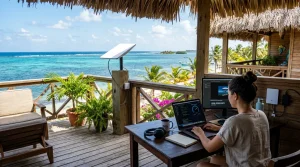
However, the journey is not without its hurdles. Expats may encounter challenges like infrastructure limitations, occasional healthcare access difficulties, and sometimes a slower pace of life that diverges from their previous experiences. As highlighted by current expats, issues such as unreliable cell service and intermittent internet can create obstacles, particularly for those operating remote businesses or who rely on connectivity for daily life[[[3]](https://www.liveandinvestoverseas.com/infocus-belize/the-benefits-and-challenges-of-living-in-belize/). Furthermore, while Belize is known for its natural beauty, some areas still struggle with crime rates, which can raise safety concerns for newcomers.Healthcare is another critical consideration; while major towns offer hospitals and clinics, options may be limited in rural areas. Expats are often advised to secure comprehensive health insurance and familiarize themselves with local healthcare services. The differing standards of healthcare between countries can also necessitate adapting to various practices that might not align with what one is accustomed to. This aspect emphasizes the importance of building a support network and staying informed about local resources.In conclusion, moving to Belize is an adventure filled with vibrant energy and enchanting landscapes that can offer a fulfilling lifestyle. However, successful adaptation requires one to embrace the cultural nuances and navigate challenges thoughtfully. Those who are adventurous at heart, who remain open to learning, and who seek community connections will undoubtedly find Belize a special place to call home.Frequently Asked Questions
Q: Is Belize considered a developing country in 2025? A: Yes, Belize is categorized as a developing country. While it shows progress in various sectors, including tourism and agriculture, challenges related to infrastructure, healthcare, and education persist. The government focuses on sustainable development to improve living standards and economic stability.Q: What are the main challenges to development in Belize? A: Major challenges in Belize include high unemployment rates, inadequate infrastructure, and vulnerability to climate change. Additionally, issues such as healthcare accessibility and educational quality impact overall development efforts, necessitating targeted government initiatives and international support.Q: How does tourism contribute to Belize’s economy? A: Tourism is a vital contributor to Belize’s economy, generating substantial revenue and employment opportunities. The government prioritizes tourism development to enhance infrastructure and services, aiming to maintain sustainable practices that benefit local communities and preserve natural resources.Q: How is Belize addressing climate change for its development goals? A: Belize is actively addressing climate change through initiatives focused on building resilient infrastructure and sustainable agriculture. Projects supported by international organizations aim to enhance energy resilience and improve disaster management, ensuring a sustainable future for the country.Q: What role does education play in Belize’s development strategy? A: Education is central to Belize’s development strategy, as improving literacy and skills is essential for economic growth. The government is working to enhance educational access and quality, aiming to equip the workforce with the necessary tools for various sectors, including tourism and agriculture.Q: How does Belize’s political stability affect its development? A: Belize’s political stability is crucial for development, as it fosters a conducive environment for investment and policy implementation. A stable political climate attracts foreign investments and supports the growth of key sectors like tourism and agriculture, enhancing overall economic resilience.Q: What are the future prospects for Belize’s development by 2030? A: By 2030, Belize aims to achieve significant advancements in sustainable development goals, focusing on economic diversification, environmental protection, and social equity. continued investment in infrastructure and human capital will play a pivotal role in realizing these prospects.Q: What opportunities exist for expats in Belize? A: Expats in Belize can find opportunities in tourism, real estate, and small business ventures. The country’s favorable tax laws for non-residents and vibrant culture also attract retirees and digital nomads, making it a popular destination for diverse lifestyles.In Summary
Now that you’ve gained insight into the complexities of Belize’s development status, it’s clear that this vibrant nation is more than just its classification. With a rich tapestry of culture, stunning natural beauty, and a welcoming spirit, Belize offers a unique travel experience. If you’re itching to explore its breathtaking destinations-from the Great Blue Hole to the lush jungles and ancient Maya ruins-consider diving deeper into our travel guides on local accommodations and practical tips.Don’t miss out on our curated articles about Belize’s culinary delights, vibrant festivals, and eco-tourism opportunities, ensuring you’re well-equipped for your journey. Ready to uncover the beauty of Belize for yourself? Check out our resources on planning your visit, from transportation options to health and safety information. Join the adventure, leave a comment, and share your thoughts or experiences in Belize; we’d love to hear from you! Your exploration doesn’t stop here-discover what makes Belize truly special.Comprehensive Guide and In-Depth Analysis: 3Rd World Countries In 2025
When exploring the details surrounding 3rd world countries in 2025, understanding the practical, environmental, and cultural dynamics of Belize is essential for making informed travel or investment decisions. Belize stands out in Central America for its English-speaking heritage, British Common Law legal stability, and world-class ecotourism infrastructure.
Whether navigating mainland rainforest corridors, consulting local authorities, or exploring marine conservation zones along the Belize Barrier Reef, having verified, comprehensive information regarding 3rd world countries in 2025 ensures seamless execution.
| Key Evaluation Pillar | Standards & Conditions in Belize | Actionable Best Practices |
|---|---|---|
| Regional Specifics | Variations between northern districts, central cayes, and southern rainforests | Align plans with specific district infrastructure and seasonal weather |
| Regulatory & Legal Framework | Belize Tourism Board (BTB) regulations and national conservation laws | Always work with licensed local professionals and certified guides |
| Logistics & Practical Costs | Fixed 2:1 BZD-to-USD currency peg; accessible transport via air and water | Plan budget with cash buffer for remote destinations and transfers |
For visitors and residents alike, engaging with 3rd world countries in 2025 through authorized, sustainable practices contributes directly to local community development and the preservation of Belize’s pristine marine and terrestrial ecosystems.
Frequently Asked Questions: 3Rd World Countries In 2025
Why is understanding 3rd world countries in 2025 important for Belize visitors?
It provides essential context for choosing the right regional destinations, understanding local pricing, and ensuring full compliance with environmental and tourism standards.
How do seasonal factors affect 3rd world countries in 2025 in Belize?
The dry season (December through May) offers calm seas and sunny weather, while the green season brings lower rates and lush jungle scenery.
Get our latest guides, news, and insights highlighted in your Google Search & AI Overviews.