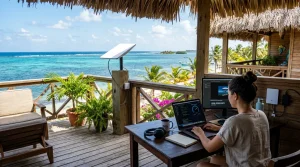
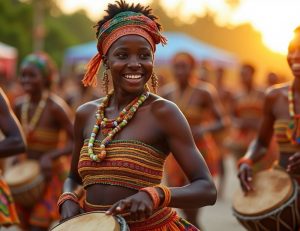
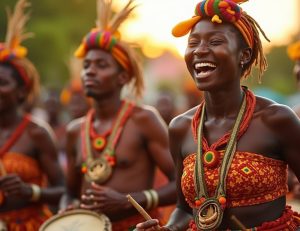
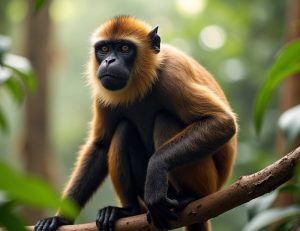
Belize, often celebrated for its stunning landscapes and rich biodiversity, raises an intriguing question for geography enthusiasts: is it in North America? Nestled between Mexico and Guatemala, this small yet vibrant country serves as a cultural melting pot, with influences from its Mayan heritage, Caribbean roots, and British colonial past. Understanding Belize’s geographical positioning is essential for travelers and expats alike, providing insights into its climate, tourism hotspots like the Great Blue Hole, and thriving cultural scene. This guide not only unravels the geographical complexities of Belize but also delves into the adventures and experiences that await within its borders. As you explore this unique destination through our guide, you’ll uncover the perfect blend of natural beauty, cultural richness, and practical travel information to make your journey unforgettable. Let’s embark on this exploration together!
Geographic Overview of Belize’s Location
Belize is a captivating destination that enchants visitors with its stunning natural beauty and rich cultural tapestry. Nestled on the northeastern tier of Central America, this small nation is bordered by Mexico to the north, Guatemala to the west and south, and the sparkling Caribbean Sea to the east. It encapsulates a diverse array of ecosystems, from lush jungles to serene coastlines, making it a unique geographic treasure that is often overlooked. Displaying its charm at coordinates 17°15′ north of the equator and 88°45′ west of the Prime Meridian, Belize serves as a bridge between the North American and Caribbean regions, enhancing its identity as a multifaceted melting pot of cultures, traditions, and histories.
Known for its incredible biodiversity, Belize offers a vibrant mix of land and marine habitats, including coral reefs, rainforests, and unique cave systems. The Great Blue Hole, a mesmerizing underwater sinkhole, and sprawling national parks abound in wildlife, amaze and attract adventurers and nature lovers alike. Beyond the stunning landscapes, Belize prides itself on its cultural diversity, where the influences of the Maya, Creole, Garifuna, and Mennonite peoples have led to a vibrant, multicultural society. Whether you’re drawn to the whistle of a toucan in the jungle or the rhythmic beats of Garifuna drumming, the geography of Belize isn’t just a backdrop; it is the heartbeat of its culture and community, inviting travelers to experience rich traditions intertwined with breathtaking scenery.
Visitors will find that Belize is not just a place to explore but a journey through its historic identity shaped by geography. Settled along ancient trade routes, it has a legacy that includes both indigenous Mayan civilization and colonial influences. As you traverse this nation, whether exploring ancient ruins nestled in the jungle or strolling along the golden beaches by the Caribbean, you grasp that the landscape tells a story of connection, survival, and harmony with nature. As the topography varies from the towering Maya mountains to the tranquil cayes, each region of Belize beckons with opportunities for adventure, relaxation, and immersion into the vibrant local life. The stunning geographic features allow for various activities, including diving, jungle trekking, and cultural festivals, making Belize an ideal spot for diverse types of travelers, from thrill-seekers to those looking to unwind amidst nature’s spectacular offerings.
In essence, Belize’s geographic location plays an instrumental role in shaping not only the stunning vistas that greet visitors but also the rich tapestry of life that thrives here, making it an exceptional destination worth exploring.
Is Belize Part of North America or Central America?

Belize occupies a unique geographical position that often sparks curiosity about its classification. Situated on the northeastern coast of Central America, this small but vibrant country is bordered by Mexico to the north, Guatemala to the west and south, and the Caribbean Sea to the east. While physically located in Central America, Belize is frequently associated with North America geographically and culturally. This duality reflects its historical connections and the diverse influences that have shaped its identity over centuries.
The classification of Belize as part of Central America is crucial for understanding its rich tapestry of cultures and ecosystems. It is a nation steeped in history, influenced by the ancient Maya civilization and various colonial eras. The diverse landscapes-from lush rainforests and majestic mountains to serene coastal areas-showcase the ecological variety that thrives within its borders. Peaks of the Maya Mountains provide breathtaking views and an adventure seeker’s paradise, while the pristine coastlines offer sun-soaked beaches that beckon travelers year-round.
In addition to its physical and historical identity, Belize’s cultural landscape is markedly influenced by its geographical location. The country serves as a cultural crossroads, with the presence of various ethnic groups, including the Maya, Creole, Garifuna, and others, contributing to the vibrant society found today. This blend of cultures not only enhances the local cuisine, with delicious dishes such as rice and beans and fresh seafood but also brings life to colorful festivals that celebrate music, dance, and art throughout the year.
Travelers exploring Belize will find that its central location in the Caribbean region makes it an accessible destination. With numerous flights connecting it to major North American and Central American cities, Belize acts as a bridge between two significant cultural realms. Whether you’re diving into the depths of the Great Blue Hole, trekking through exotic jungles, or exploring ancient ruins, Belize offers an adventure that is undeniably part of the Central American experience while echoing the influences of its North American neighbors. Embrace the warm hospitality and diverse offerings of this enchanting nation, and you’ll discover that Belize is more than just a geographical point-it’s a destination teeming with life, spirit, and beauty.
Cultural Significance of Belize’s Location

Nestled between Mexico and Guatemala, Belize stands as a vibrant testament to the cultural richness forged by its unique geographic position. This small Central American nation is not just a place on the map; it serves as a cultural crossroads where diverse ethnic groups converge. From the ancient Maya who once carved their existence in the rainforests to the Creole and Garifuna communities that infuse the nation with music, dance, and culinary delights, this tapestry of cultures creates an atmosphere unlike any other.
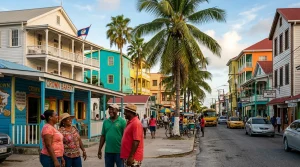
The harmonious blend of influences can be felt in the bustling markets of Belize City, where the fragrances of spices intermingle with the sounds of reggae and punta music. Travelers can indulge in authentic dishes such as rice and beans, accompanied by freshly caught seafood, served in local eateries that reflect a mosaic of culinary traditions. Festivals, such as Garifuna Settlement Day and Maya Day, showcase the vibrant dances, traditional clothing, and storytelling that honor the past and celebrate the present.
Belize’s scenic geography further enhances its cultural significance. The breathtaking landscapes-from the lush jungles of the south to the serene Caribbean coast-serve as backgrounds for numerous cultural practices and rituals rooted in belizian traditions. Actively seeking to maintain cultural heritage, many communities engage in eco-tourism and community-based projects that allow visitors to experience artifacts and practices handed down through generations.
As visitors explore Belize, they can appreciate not only its natural beauty but also the spirit of its people who welcome them with open arms. The geographical position enables Belize to play a pivotal role in the regional dialogue, embodying a fusion of Central and North American cultures that provides a rich, irresistible experience for travelers and is a celebration of diversity and unity. This welcoming essence not only enriches the travel itinerary but also leaves a lasting impression on everyone who walks its vibrant streets.
Historical Context: Belize’s Geographic Identity

The rich history of Belize’s geographic identity is deeply interwoven with its unique position as a cultural and geographical crossroads. Nestled between Mexico to the north and Guatemala to the west and south, this small, yet significant nation serves as both a physical and symbolic link between North America and Central America. The ancient Maya civilization flourished in the area, leaving behind remarkable ruins that tell tales of a time when Belize was at the heart of trade and cultural exchange. The remnants of their sophisticated society can be explored at sites like Caracol and Lamanai, offering travelers a glimpse into a civilization that thrived in harmony with the region’s natural bounty.
Throughout the centuries, the geography of Belize has attracted various groups-from Spanish colonizers in the 16th century to British settlers who established logwood camps in the 17th century. This colonial history is reflected in the country’s official language, English, a testament to the British influence that shaped Belize’s identity. As a result, Belize stands out in a region where Spanish predominates, creating a unique blend of cultures and languages. This diversity not only enriches the everyday life of its citizens but also allows visitors to experience a flavorful fusion of Creole, Garifuna, and Maya traditions that permeate the air, music, and culinary landscape.
As the nation moved toward independence in 1981, its geographic positioning continued to play a crucial role in defining its identity. Surrounded by rich biodiversity and stunning landscapes, Belize became an important site for conservation efforts and sustainable tourism. The establishment of the Belize Barrier Reef, a UNESCO World Heritage Site, exemplifies the country’s commitment to preserving its natural heritage amid increasing tourism and development pressures. Travelers flock to this coastal paradise to explore coral reefs teeming with marine life, while the lush jungles offer opportunities for ecotourism and adventure.
Belize’s geographic identity does not just reflect where it is, but also who its people are- a blend of cultures, histories, and environments coalescing into one vibrant nation. This tapestry makes Belize a captivating destination for travelers seeking not only adventure but a deeper understanding of how geography shapes culture and identity. As a melting pot of experiences, Belize invites you to explore its ancient ruins, indulge in its diverse cuisines, and participate in lively festivals, all while connected to the natural rhythms of the land and sea that have fostered its unique heritage over centuries.
Understanding Belize’s Borders: Neighboring Countries
Nestled between Mexico to the north and Guatemala to the west and south, Belize’s borders not only define its geographic boundaries but also immerse travelers in a rich tapestry of cultural interconnections and natural beauty. Sharing land borders with these two countries positions Belize as a crucial link in Central America, offering a unique blend of experiences influenced by both its neighboring cultures. As you venture into Belize, you’ll see how these cross-border interactions shape the nation’s vibrant lifestyle, traditions, and even its language.
Crossing into Belize from Mexico is a popular option for many travelers, especially those venturing from the bustling Yucatán Peninsula. The entry point at the Corozal Free Zone allows for a quick transition into Belize’s serene beauty, where you can discover stunning Caribbean coasts, ancient Maya ruins, and lush jungles teeming with biodiversity. The border experience here isn’t just functional; it’s a vibrant market where the cultures collide, offering delicious street food, handcrafted goods, and lively interactions with local vendors.
Guatemala, with its stunning highlands and rich Mayan heritage, also shares a border with Belize that adds to the latter’s allure. The western border allows easy access to popular tourist destinations such as Tikal, known for its towering pyramids hidden within deep rainforest. This proximity enhances Belize’s appeal for travelers looking to immerse themselves in a diverse array of experiences, from exploring the historical ruins of both countries to enjoying a rich tapestry of cultural exchanges.
As you navigate the Belizean landscape, knowledgeable guides are invaluable for bridging cultural and historical nuances that come from Belize’s connections with its neighbors. Whether you’re trekking through the jungles of the Cayo District or lounging on the pearly beaches of Ambergris Caye, understanding and embracing these bordering relationships amplifies your appreciation for Belize as a unique and diverse destination. From the vibrant festivals celebrating Mayan ancestry to the rich culinary scene that reflects influences from both north and south, Belize stands as a captivating land of exploration enriched by its geographical neighbors.
Exploring Belize’s Diverse Geographic Features
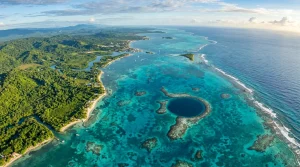
In the heart of Central America, Belize offers a mesmerizing tapestry of geographic features that draw adventurers from around the globe. From its breathtaking Caribbean coastline dotted with white-sand beaches to lush rainforests teeming with exotic wildlife, Belize is a treasure trove for nature enthusiasts and travelers alike. The country’s surreal landscapes are punctuated by the Great Blue Hole, a UNESCO World Heritage site and one of the most famous diving spots on Earth. This giant marine sinkhole, measuring over 300 meters across, captivates divers with its crystal-clear waters and vibrant marine ecosystem.
Belize is home to a rich variety of geographic landscapes. The coastal areas are characterized by barrier reefs that house a myriad of marine life, making it a haven for snorkeling and diving. Venture inland, and you’ll find the majestic Maya Mountains and verdant jungles where ancient Mayan ruins like Xunantunich and Caracol await exploration. These ruins not only provide insight into the country’s rich history but are also enveloped in the lush greenery of the surrounding forests, offering hikers and explorers an immersive experience in both culture and nature.
In addition to its celebrated natural landmarks, Belize provides various accommodation options that cater to diverse travelers. From budget-friendly hostels in bustling coastal towns like San Pedro to luxurious overwater bungalows in Ambergris Caye, visitors can find the perfect base to explore the country’s natural splendors. Wildlife enthusiasts should not miss a stay in one of the jungle lodges in the Cayo District, where morning birdwatching tours lead to encounters with colorful toucans and the elusive jaguar.
Belize’s unique geographical location in Central America not only influences its natural beauty but also enriches its cultural heritage. The fusion of Caribbean and Central American cultures is evident in its music, cuisine, and festivals, connecting the land and its people in a vibrant celebration of diversity. Whether traversing its breathtaking landscapes or participating in local festivities, every traveler will discover that Belize is a geographically and culturally dynamic destination, offering countless opportunities for exploration and connection.
Climate Variations: Weather Patterns in Belize
The weather in Belize is as diverse as its landscapes, offering an inviting climate year-round that entices travelers from all corners of the globe. Nestled along the Caribbean coast of Central America, Belize experiences a tropical climate characterized by a distinct wet and dry season. The dry season, typically running from late November to mid-April, showcases ideal conditions for outdoor activities and exploration. During this time, temperatures range between 75°F (24°C) and 85°F (29°C), with clear skies and plenty of sunshine-a perfect setting for diving in the Great Blue Hole or hiking through the lush rainforests.
As the seasons change, so does the weather. The wet season, spanning from June to November, brings increased humidity and regular rainfall, particularly in the afternoons and evenings. While it’s essential for travelers to prepare for rain, this season also provides the opportunity to witness Belize’s verdant landscapes in their fullest glory. The rain nurtures the vibrant flora and fauna, and exploring places like the Cayo District becomes an enchanting experience amid the vivid colors of blooming flowers and the sounds of wildlife.
Though the wet season coincides with hurricane season (June to November), Belize is well-equipped for hurricanes with early warning systems and established protocols for safety. Travelers planning trips during this time should stay informed on weather updates and consider travel insurance for peace of mind. Additionally, many eco-lodges and accommodations offer reduced rates during the off-peak wet season, allowing budget-conscious travelers to experience the beauty of the country amid the splendor of nature.
Understanding the climate variations can significantly enhance any traveler’s experience in Belize. Embrace the opportunity to engage with local culture during festivals, sample delicious Creole cuisine, or relax on the stunning beaches with the gentle tropical breeze at your back. Whether planning a trip to explore ancient Mayan ruins or simply unwind in a tranquil jungle lodge, knowing what to expect from the weather allows for seamless itineraries and unforgettable memories.
Traveling to Belize: Accessibility and Transportation
Traveling to Belize is not just a journey-it’s an adventure set against a backdrop of vibrant culture, stunning scenery, and diverse ecosystems. With major international airports located in Belize City (Philip S.W. Goldson International Airport) and the idyllic island of San Pedro, reaching this Central American gem is both easy and rewarding. Direct flights from various cities in the United States, Canada, and Central America make traveling to Belize accessible for a range of visitors. Additionally, local airlines operate a variety of inter-island flights, allowing for convenient connections to other destinations like Ambergris Caye and Caye Caulker.
Transportation Options
Once you arrive, getting around Belize can be an experience in itself! The country offers several transport options that combine convenience and charm:
- Public Buses: A budget-friendly way to travel, these colorful buses run on main roads and connect major cities. They offer an authentic glimpse into daily Belizean life.
- Taxis: Readily available in urban areas, taxis are a comfortable and safe option. Always confirm the fare before your journey begins, as most taxis do not use meters.
- Water Taxis: Given Belize’s stunning coastal landscape and numerous islands, water taxis are essential for island hopping and accessing remote beaches. Services operate frequently between major points like Belize City, San Pedro, and Caye Caulker.
- Rental Cars: While Belize’s road conditions can vary, renting a vehicle offers freedom and flexibility to explore off-the-beaten-path destinations, such as the lush jungles of the Cayo District or the ancient ruins scattered across the landscape.
- Bicycles and Golf Carts: In laid-back towns like San Pedro and Caye Caulker, cycling or renting a golf cart is a popular way to navigate and soak in the surroundings at a leisurely pace.
Visa Requirements and Safety
Before you embark on your adventure, it’s essential to understand visa requirements. Many nationalities, including those from the U.S., UK, Canada, and the EU, do not need a visa for stays of up to 30 days. However, ensure your passport is valid for at least six months upon entry. As for safety, Belize is generally welcoming to tourists, but as with traveling anywhere, staying alert and following common safety measures is advisable.
Traveling to Belize promises unforgettable memories, whether you’re driving through lush rainforests, lounging on sparkling Caribbean beaches, or exploring ancient Mayan ruins. With its diverse transport options, gaining access to this beautiful country’s unique offerings is seamless, allowing you to focus on the remarkable experiences that await you. Prepare for adventure, and let the spirit of Belize captivate your heart.
Key Cities and Regions in Belize: A Geographic Focus
Belize is a vibrant tapestry of culture and natural beauty, with key cities and regions that beckon explorers. The country’s geographical layout shapes its communities and attractions, making travel through its unique landscapes an adventure in itself. From the bustling capital of Belmopan nestled in the interior to the coastal vibrancy of Belize City, each area offers a distinctive flavor of Belizean life, revealing its rich cultural heritage and breathtaking environment.
Belize City
As the largest city and the former capital, Belize City serves as the gateway for many travelers. It’s an urban hub blending colonial history with modern commerce, where visitors can stroll along the scenic waterfront and explore historic sites like St. John’s Cathedral and the Belize Museum. The city is also a launch point for adventures to the coveted Belize Barrier Reef, renowned for its coral gardens and marine biodiversity.
San Pedro and Ambergris Caye
For those enchanted by island escapes, San Pedro on Ambergris Caye is an idyllic haven. Crystal-clear waters and friendly locals create a welcoming atmosphere perfect for snorkeling, diving, or simply relaxing on sandy beaches. The local cuisine is delightful, with numerous restaurants serving fresh seafood and traditional Garifuna dishes, making it a culinary journey as well.
Placencia
Travel a bit further south to Placencia, often termed “the best beach in Belize.” This charming fishing village boasts a stunning peninsula with golden beaches and a laid-back vibe. It’s also a perfect spot for eco-tourism, featuring nearby cayes and the Cockscomb Basin Wildlife Sanctuary, home to jaguars and numerous bird species. Visitors can explore traditional Garifuna culture or take part in water sports and sailing excursions.
Cayo District and the Maya Ruins
Venturing into the Cayo District reveals a lush landscape filled with adventure and history. This area is home to spectacular Maya ruins like Xunantunich and Cahal Pech, where history enthusiasts and nature lovers alike will find their thrills. The rivers and jungles here are perfect for hiking, bird watching, and discovering the diverse wildlife. Eco-lodges in this region offer immersive experiences, whether it’s exploring ancient cities or engaging with local communities.
Each key city and region in Belize encapsulates a piece of the nation’s rich mosaic, making for an unforgettable journey through this Central American gem. Whether you seek relaxation on a beach, an adrenaline rush in the jungle, or vibrant cultural experiences, Belize’s geography and its welcoming spirit guarantee memories that linger long after the trip ends.
The Impact of Geography on Belize’s Biodiversity
Belize is a striking example of how geography can influence biodiversity, earning its reputation as one of the most biologically diverse countries in the world. Nestled between the Caribbean Sea and the mountainous terrains of Guatemala and Mexico, Belize boasts a unique mosaic of ecosystems ranging from lush rainforests to vibrant coral reefs. This geographical variation acts as a natural corridor for a multitude of species, offering habitats for approximately 118 internationally threatened species and an array of unique flora and fauna that thrive in both terrestrial and aquatic environments.
The country’s extensive system of national parks and protected areas-covering around 35.8% of its total land area-enhances biodiversity conservation efforts and attracts eco-tourists seeking to experience Belize’s rich wildlife. Notable locations such as the Belize Barrier Reef, the largest unbroken barrier reef in the Western Hemisphere, showcase a plethora of marine life. Here, visitors can encounter colorful coral formations, playful dolphins, and a variety of fish species that find refuge in these pristine waters. Inland, the Cockscomb Basin Wildlife Sanctuary stands out as a critical habitat for jaguars and other rainforest inhabitants, offering trails that immerse adventurers in the heart of Belize’s wilderness.
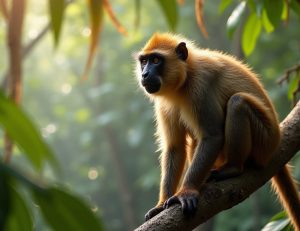
Moreover, Belize’s geographical position in the Mesoamerican biodiversity hotspot allows it to support countless endemic species not found anywhere else on Earth. The interplay between coastal, marine, and terrestrial ecosystems creates a unique environment that fosters biodiversity. Travelers exploring the jungles will be enchanted by the serenade of howler monkeys, while those venturing to the coast can marvel at the diverse birdlife that includes the majestic toucan and the elusive scarlet macaw. This confluence of habitats not only enriches the ecological tapestry of Belize but also provides endless opportunities for wildlife observation and education.
In summary, the geographic attributes of Belize-its varied ecosystems, protected areas, and strategic location-play a pivotal role in shaping its extraordinary biodiversity. For travelers and eco-enthusiasts alike, Belize offers an avenue to witness firsthand the intricate relationships within its natural environments, making each visit a breathtaking adventure into the heart of nature.
Real Estate Insights: Living and Investing in Belize
Investing in real estate in Belize presents a unique opportunity for both property buyers and investors, especially given its enchanting landscapes, rich culture, and flourishing tourism sector. Did you know that Belize has become one of the top destinations for retirees and expatriates, drawn by its stunning Caribbean coastline, lush jungles, and welcoming atmosphere? Its favorable tax policies, such as no capital gains tax, make it even more appealing for long-term investments.
When considering real estate options, Belize offers a variety of choices to suit different tastes and budgets. From cozy beach bungalows on Ambergris Caye to luxurious villas in Placencia, prospective homeowners can find properties that align with their lifestyle aspirations. Many buyers also seek investment opportunities in the form of vacation rentals, capitalizing on the surge of tourism throughout the year. The Belize Barrier Reef draws snorkelers and divers, while ancient Maya ruins attract history buffs, ensuring a steady stream of visitors eager for lodging.
To successfully navigate the real estate market, it’s important for potential buyers to familiarize themselves with the local landscape. Engaging with a trustworthy local real estate agent can provide valuable insights into market trends, pricing, and property values. Additionally, understanding Belize’s land ownership laws is crucial; foreigners can purchase properties, but due diligence is essential to avoid pitfalls.
For those considering a permanent move, the cost of living in Belize is generally lower than in many Western countries, making it an appealing option for retirees or those seeking a fresh start. Expenses such as housing, utilities, and food tend to be affordable, allowing for a comfortable lifestyle without breaking the bank. However, it’s wise to evaluate different locations, as prices can vary widely between urban areas and more remote regions.
In summary, Belize’s real estate market offers diverse opportunities, from investing in vacation rentals to establishing a permanent home. With its breathtaking beauty and warm culture, living in Belize can be both an adventure and a wise financial decision. Whether dreaming of sandy beaches or verdant jungles, this gem of Central America welcomes those ready to call it home.
Navigating Belize’s Geographic Landscape: Tips for Travelers
Belize is a traveler’s paradise, where vibrant culture meets stunning landscapes-from the turquoise waters of the Caribbean to lush jungles adorned with impressive Maya ruins. When navigating Belize’s geographic terrain, it’s essential to be well-prepared to fully embrace the beauty and adventure that awaits. Here are key tips to help you explore this Central American gem effectively.
First off, understanding the layout of the country can enhance your travel experience. Belize is relatively small-about 8,867 square miles-and can be traversed with ease. Transportation options include renting a car, taking a bus, or booking domestic flights to reach the more remote regions like the spectacular Great Blue Hole or the diverse wildlife found in the Cayo District. For those preferring water travel, a variety of ferries connect the mainland to the islands, making excursions to Caye Caulker or Ambergris Caye straightforward and enjoyable.
Accommodations in Belize range widely to suit different budgets and preferences. Whether you’re looking for a charming hostel, an all-inclusive resort, or an eco-friendly jungle lodge, options abound. Consider staying in places that offer guided tours, such as Tikal day trips or snorkeling adventures at the Belize Barrier Reef, to enrich your experience and provide insights into the rich biodiversity and historical significance of your surroundings.
Moreover, it’s important to stay informed about health and safety. Make sure to drink bottled water and apply insect repellent to avoid mosquito bites, especially in jungle areas. Familiarize yourself with the local currency-the Belize dollar (BZD)-and consider bringing a multi-currency card to enhance convenience while traveling. Additionally, the country has a friendly attitude towards LGBTQ+ travelers, ensuring a welcoming environment for everyone.
Lastly, immerse yourself in the rich cultural tapestry of Belize. Enjoy traditional Creole cuisine, vibrant Garifuna music, and the colorful festivities celebrated throughout the year. Each region offers unique culinary and cultural experiences, so make sure to try local delicacies like rice and beans, and partake in community events. As you travel through Belize, you’ll discover not just a destination, but a deeply woven heritage and breathtaking landscapes that promise an unforgettable adventure.
Frequently Asked Questions
Q: Is Belize considered part of Central America?
A: Yes, Belize is considered part of Central America. Geographically, it is located on the northeastern coast of Central America and borders Mexico to the north and Guatemala to the west and south. This makes it a unique blend of Central American and Caribbean cultures [2[2].
Q: What countries border Belize?
A: Belize shares its borders with two countries: Mexico to the north and Guatemala to the west and south. Additionally, it has a coastline on the Caribbean Sea to the east, contributing to its diverse geography and culture [3[3].
Q: How does Belize’s location influence its biodiversity?
A: Belize’s diverse geographic features, including coastal areas, forests, and reef systems, contribute to its rich biodiversity. This unique positioning allows for a variety of ecosystems, supporting a wide range of flora and fauna, making it a hotspot for eco-tourism and wildlife enthusiasts [2[2].
Q: What are the climate variations in Belize?
A: Belize has a tropical climate with distinct wet and dry seasons. The dry season typically runs from December to April, while the wet season lasts from June to November, featuring higher rainfall and potential hurricanes. This climate affects travel plans and outdoor activities [3[3].
Q: What is the significance of Belize’s geographic location for travel?
A: Belize’s location makes it easily accessible for travelers from both North and South America. Major international airports and a network of local flights facilitate travel within and to Belize, allowing visitors to explore its beautiful beaches, jungles, and Mayan ruins [1[1].
Q: Does Belize have any unique geographic features?
A: Yes, Belize boasts several unique geographic features, including the Great Blue Hole, a UNESCO World Heritage Site, and the Belize Barrier Reef, which is the second largest reef system in the world. These features attract divers and nature lovers from around the globe [1[1].
Q: What cities are important for tourism in Belize?
A: Key cities for tourism in Belize include Belize City, the largest urban area, and San Pedro, popular for its beautiful beaches and vibrant culture. Other notable places include Placencia for its coastal charm and Cayo for access to lush jungles and ancient Mayan sites [3[3].
Q: How does Belize’s history influence its geographic identity?
A: Belize’s history, including its colonial past and indigenous cultures, has shaped its geographic identity. The integration of different cultural influences reflects in its cities, languages, and traditions, creating a unique blend that is geographically and culturally significant [2[2].
Wrapping Up
Belize is a fascinating destination with its unique geographic position and vibrant culture. As you explore whether Belize is in North America, consider delving deeper into the wonders this Central American gem has to offer. From the breathtaking Great Blue Hole to the ancient Maya ruins, your adventure in Belize awaits! If you need accommodation tips, check out our comprehensive guides for everything from budget hostels to luxurious jungle lodges, ensuring a stay that suits your needs.
Don’t overlook the rich cultural experiences that await you-taste the flavors of Creole cuisine and immerse yourself in the rhythm of Garifuna music. Whether you’re planning a solo trip or a family vacation, we’ve got valuable resources to support diverse travelers. Ready to dive in? Subscribe to our newsletter for the latest updates and insights, and start planning your unforgettable journey in Belize today! Explore more about Belize’s stunning wildlife and eco-tourism activities that will leave you with memories to cherish forever.
Get our latest guides, news, and insights highlighted in your Google Search & AI Overviews.