Geographic Overview of Belize’s Location
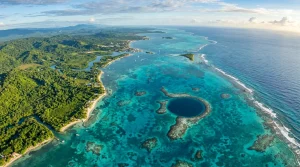
Belize, a gem on the northeastern edge of Central America, offers a rich tapestry of landscapes and cultures that captures the essence of its vibrant uniqueness. Nestled between Mexico to the north and Guatemala to the west and south, Belize boasts a stunning Caribbean coastline to the east, featuring some of the world’s most beautiful beaches and the renowned Belize Barrier Reef. This natural wonder not only attracts scuba divers and snorkelers from every corner of the globe but also serves as a critical habitat for countless marine species.The geographical diversity of Belize includes lush jungles filled with wildlife, ancient Maya ruins like those found in the famous city of Tikal, and the breathtaking Great Blue Hole, a UNESCO World Heritage Site. With its varied ecosystems, Belize stands out as a vital area for biodiversity, housing a wealth of flora and fauna, many of which are endemic to the region. As visitors navigate through the Belizean landscape, they can experience the exhilarating contrast between the serene turquoise waters of the Caribbean and the thriving greenery of central mangroves and tropical forests.Travelers looking to explore Belize will find that its compact size makes it easy to traverse. The country’s extensive network of highways and roads connects major attractions, ensuring that adventures can range from lounging on idyllic beaches to trekking through ancient jungle paths or visiting local villages rich in cultural heritage. For those venturing into the vibrant cities of Belize City or San Ignacio, the warmth of the locals and the infusion of different ethnic heritages-from Creole to Garifuna-add layers to the experience, allowing for deeper connections with this enchanting land.In terms of accessibility, Belize is well placed to welcome international travelers. Major airlines provide service to Philip S.W. Goldson International Airport, and once you’re in the country, various transportation options, including buses, taxis, and even domestic flights to outlying islands, make it convenient to discover every corner. The climate, characterized by a tropical atmosphere with a dry season from December to May and a rainy season from June to November, creates ideal conditions for year-round travel adventures. Whether you’re an adventurer, a nature lover, or a history buff, Belize serves as a remarkable entry point to the wonders of Central America, proving it’s indeed a melting pot of beauty and culture on the map of Latin America.Understanding Latin America: A Geographic Perspective
Belize, with its stunning landscapes and vibrant cultures, often raises questions regarding its classification within Latin America. Although it occupies a geographical space on the northeastern edge of Central America, its historical and cultural links extend beyond mere geography. The COUNTRY boasts a unique blend of influences-from the indigenous Maya civilizations to British colonial legacies, infused with rich African, Caribbean, and Mestizo cultures. This multicultural tapestry reflects in everyday life, language, and traditions, making Belize a fascinating case study in what it means to be part of Latin America.Geographically, Belize is primarily located in Central America, bordered by Mexico to the north and Guatemala to the west and south, while the Caribbean Sea graces its eastern coastline. This strategic position not only accentuates its Central American identity but also highlights its Caribbean influences, particularly evident in the coastal towns where Creole languages and reggae rhythms thrive. The contrast between the dense jungles and the azure waters creates a paradise that beckons adventurers. Visitors can explore ancient ruins such as Caracol or Altun Ha, seamlessly integrating Belize’s rich history into their travel experiences.Travelers often find that the geographic diversity enhances the region’s allure. Belize is a treasure trove of biodiversity, home to the iconic Great Blue Hole and myriad marine hotspots, forests rich in wildlife, and a plethora of national parks. This extraordinary ecological variety allows Belize to shine within the broader context of Latin America’s environmental significance. Each eco-system offers unique opportunities for exploration, from scuba diving in the barrier reef to hiking through lush trails inhabited by exotic birds and creatures.Engaging with the local communities can measurably enrich the understanding of Belize’s cultural perspective. The country celebrates its heritage through festivals, music, and cuisine, welcoming travelers into its vibrant world. For instance, the Garifuna Settlement Day represents a vital expression of cultural identity, celebrated with drumming, dancing, and traditional dishes like hudut. By delving into these experiences, visitors can genuinely appreciate how Belize navigates its identity within the Latin American framework, merging its geographical location with a rich historical narrative that celebrates diversity.In short, while Belize undeniably lies within Central America, its profound cultural connections, varied landscapes, and historical influences cement its status as a unique piece of the Latin American mosaic, inviting all to discover its treasures.
Belize’s Cultural and Historical Connections to Latin America
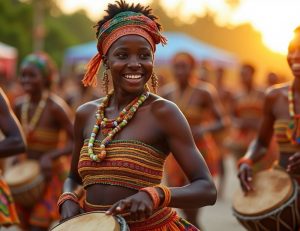
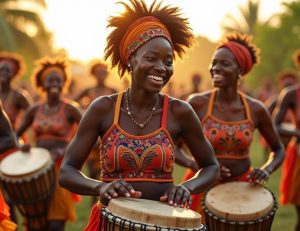
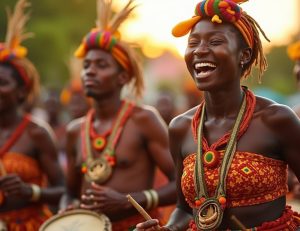
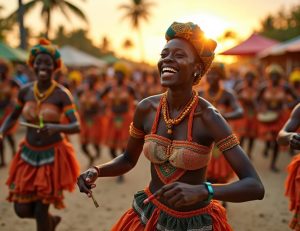
Belize is more than just a geographical location; it is a vibrant tapestry woven from a rich historical narrative and diverse cultural influences that exemplify the spirit of Latin America. The country is home to the ancient Maya civilization, whose remnants, including majestic temples and sprawling cities like Caracol and Altun Ha, provide a glimpse into a remarkable pre-Columbian society that thrived long before European contact. Visitors can immerse themselves in this heritage as they explore these archaeological sites, gaining a deeper appreciation of the sophisticated culture that once dominated the region.The legacy of colonization also plays a pivotal role in shaping Belize’s identity. Following its time as British Honduras, Belize developed a unique blend of indigenous, African, and Caribbean influences that is evident in its language, music, and cuisine. English is the official language, yet a rich tapestry of dialects, including Creole and Garifuna, reflects the country’s multicultural society. Traditional dishes such as rice and beans, hudut, and ceviche bear testimony to the melting pot of flavors and culinary practices that grace the tables of Belizean homes.Festivals and cultural celebrations are essential to Belize’s national identity, offering a lively showcase of its multifaceted heritage. Events like the Garifuna Settlement Day, celebrated on November 19, highlight the vibrant traditions of the Garifuna people-marked by pulsating drumming, spirited dance, and delicious traditional foods. Such joyous celebrations invite travelers to participate and experience a community’s commitment to preserving its cultural roots and history.As visitors traverse the lush jungles and stunning coastlines, they discover not only breathtaking landscapes but also stories of a land where ancient Maya spirits mingle with the rhythms of Garifuna drums and Creole lullabies. This blend of historical depth and cultural vibrancy positions Belize as a unique, enriching destination worthy of exploration within the broader context of Latin America. Whether you are wandering through bustling markets or relaxing on pristine beaches, Belize’s cultural essence invites you to delve deeper into its story-a narrative that is both relatable and extraordinary.Is Belize Part of Central America or Latin America?
Nestled between Mexico to the north and Guatemala to the west and south, Belize holds a unique geographical position that straddles the line between Central America and the broader Latin America. On the surface, it may seem straightforward: since Belize is located in Central America, it is automatically part of this region. However, the classification adopts more nuance when delving into linguistic, cultural, and historical contexts.While Belize’s geographical coordinates place it securely in Central America, it resonates with the diverse social and cultural tapestry that characterizes Latin America. The official language, English, a remnant of colonial influence as British Honduras, sets Belize apart from its predominantly Spanish-speaking neighbors in the Central American corridor. Yet, this English-speaking populace also embraces a rich blend of languages and cultures, including Creole and Garifuna, reflecting its indigenous and Afro-Caribbean roots. This multiculturalism enhances Belize’s identity, allowing it to draw connections to both Central and Latin American experiences.When considering the historical context, Belize’s colonial past and its development as a diverse society contribute to its classification within Latin America. The cultural syncretism-where Mayan artifacts, African rhythms, and Caribbean flavors come together-emphasizes Belize’s unique position on the continent. Festivities, such as the Garifuna Settlement Day, celebrate this rich heritage, inviting visitors to experience the lively and colorful traditions that define Belizean culture.Moreover, as travelers seek to explore Belize, acknowledging its blend of geographical locations enhances their journeys. From the awe-inspiring Great Blue Hole to the ancient Maya ruins in the jungle, Belize promises adventure and excitement unique to this multifaceted land. As a travel destination, Belize not only serves as a vibrant representation of Central America but also proudly embodies the broader cultural essence of Latin America, making it a must-visit location for those wishing to immerse themselves in its enchanting atmosphere.The Role of Language in Belize’s Classification
The linguistic landscape of Belize is as dynamic and multifaceted as its cultural heritage. With English as the official language, Belize stands out distinctly in a region where Spanish predominates. This colonial remnant from its past as British Honduras has shaped a unique identity that not only provides a sense of continuity with its historical lineage but also facilitates communication with the English-speaking world. However, the vibrancy of Belizean language includes more than just English; it serves as a vibrant tapestry woven with diverse tongues reflective of its multicultural society.Belizeans often communicate in Creole, an English-based creole language that resonates with the rhythms of African languages and embodies local cultural nuances. Additionally, Spanish is widely spoken, particularly in communities near the Mexican border and among those of Latin American descent. Indigenous languages such as Maya and Garifuna also play crucial roles in the identity of various communities, further enriching Belize’s linguistic diversity. This linguistic blend not only reflects the country’s historical migrations and exchanges but also enhances the cultural fabric, offering a sense of inclusivity and acknowledgment of its varied heritage.The role of language extends beyond simple communication; it encapsulates identity, connection, and cultural pride. Events such as the Garifuna Settlement Day celebrate the richness of the Garifuna language and culture, highlighting the communal bonds that language fosters. Such celebrations invite both locals and visitors alike to partake in the shared stories and traditions that define the Belizean experience.For travelers eager to immerse themselves in the local culture, engaging with the language can deepen their connection to Belize. Familiarity with basic phrases in Creole or Spanish can lead to more authentic interactions with local communities, unveiling stories and experiences that would otherwise remain hidden. In this way, the linguistic diversity of Belize provides a vivid lens through which to appreciate its classification, straddling the realms of Central America and Latin America, while offering each visitor enriching encounters as they explore this captivating nation.Biodiversity: How Belize Compares to Latin American Nations
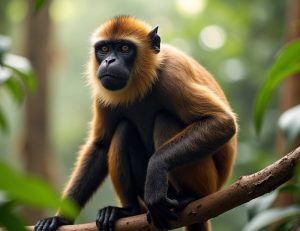
Belize is a haven of biodiversity, boasting an astonishing array of flora and fauna that rivals many larger Latin American nations. With less than 23,000 square miles of territory, the country is an ecological treasure trove, making it an ideal destination for ecotourism enthusiasts and nature lovers alike. Approximately 60% of Belize is covered in lush rainforest, while the other 40% features coastal environments, including the world’s second-largest barrier reef-a UNESCO World Heritage Site where vibrant coral reefs teem with marine life.One of the most captivating aspects of Belize’s biodiversity is its status as a vivid tapestry of ecosystems ranging from coastal mangroves and coral reefs to dense jungles and savannahs. This diverse landscape is home to over 500 species of birds, including the majestic Jaguar and the endangered Scarlet Macaw. Birdwatchers will find sovereignty here, with hotspots like Crooked Tree Wildlife Sanctuary and the Mountain Pine Ridge providing memorable viewing experiences.Additionally, Belize serves as an important corridor for various migratory species and is a crucial breeding ground for numerous fish and marine mammals. Travelers can embark on snorkelling or diving excursions in places like Hol Chan Marine Reserve and Shark Ray Alley to explore the underwater wonders, including sea turtles, rays, and an array of fish that paint the waters with their vivid colors. Emphasizing conservation, Belize combines economic incentives with ecological awareness, making efforts to protect these vital habitats an integral part of its national identity.For those looking to explore further inland, Belize is also dotted with national parks such as Cockscomb Basin Wildlife Sanctuary-the world’s first jaguar sanctuary-where visitors can trek through pristine rainforests and immerse themselves in the region’s rich biodiversity. Taking a guided tour not only enhances your wildlife-watching experience but also supports local communities invested in sustainable practices. Ultimately, Belize’s extraordinary biodiversity not only places it in the spotlight within Central America but significantly enriches its cultural and natural heritage, inviting all visitors to experience its wonders firsthand.Economic Factors: Belize’s Place in the Latin American Economy
Belize’s vibrant economy is often considered a blend of its remarkable natural assets and strategic positioning in the region, making it a captivating player on the broader stage of the Latin American economy. Dominated by agriculture, tourism, and services, Belize boasts unique opportunities that draw both investors and travelers alike. In fact, tourism alone contributes significantly to the gross domestic product (GDP), fueled by the allure of the Great Blue Hole, snorkeling adventures, and the rich cultural tapestry woven by its diverse communities.The agricultural sector remains the backbone of Belize’s economy, with its fertile land producing key exports such as sugar, bananas, and citrus fruits. This sector reflects a deep cultural connection to the land, where traditional practices coexist with modern agricultural methods, enhancing sustainability. For visitors interested in understanding local culture, exploring a cacao farm or participating in a culinary tour highlights this intrinsic link between Belizean identity and its agricultural heart.Industry has made strides too, adapting in the face of globalization and shifts in trade dynamics. Belize has emerged as a hub for offshore services, which have created new employment opportunities while bringing foreign investments into the country. However, it’s imperative to consider the delicate balance between economic growth and environmental sustainability, particularly given Belize’s ecological treasures that attract ecotourism. This dual focus creates a unique economic landscape where ecological integrity is seen as vital to long-term success.Despite its challenges, such as limited infrastructure and vulnerability to climate change, Belize remains a beacon of opportunity within the Latin American region. Economic development initiatives aimed at boosting education, enhancing infrastructure, and promoting sustainable tourism are paving the way for a prosperous future. Visitors to Belize can support this growth by engaging in eco-friendly practices during their stay and participating in local community initiatives, thus fostering a tourism model that respects both people and the planet.In summary, Belize’s economy is not just a collection of statistics; it is a living, breathing entity that intertwines the country’s cultural richness, environmental diversity, and resilience, offering a vibrant backdrop for the discerning traveler or potential investor. Whether you’re indulging in a culinary exploration or trekking through lush jungles, engaging with Belize’s economy offers an enriching dimension to your experience in this captivating land.Travel Implications: Visiting Belize as a Latin American Destination
Belize is a treasure trove of natural beauty and cultural richness, poised at the heart of Central America while embracing an identity that resonates with both the Caribbean and Latin America. For travelers looking to explore this enchanting destination, understanding the implications of visiting Belize as part of the broader Latin American tapestry enhances the experience. From the lush jungles and ancient Maya ruins to the azure waters of the Caribbean Sea, Belize offers a unique journey that caters to every kind of adventurer.When planning your trip, consider Belize’s accessibility and the varied travel options available. The international airport in Belize City serves as the main gateway, offering direct flights from major cities in the United States and some connections from Europe and Canada. Once in Belize, transportation options range from domestic flights to buses and water taxis, providing seamless access to both popular sites and hidden gems. For those passionate about eco-tourism, exploring national parks like Mountain Pine Ridge or visiting the UNESCO World Heritage Site of the Belize Barrier Reef showcases the country’s commitment to preserving its verdant landscapes and vibrant marine life.Accommodations in Belize are as diverse as its cultural heritage. Whether you prefer a charming jungle lodge surrounded by nature, a beachfront resort with stunning views, or a cozy budget-friendly hostel, Belize has it all. Family-friendly resorts offer activities like snorkeling, zip-lining, and guided jungle treks, while overwater bungalows provide an unforgettable experience for couples and honeymooners. Be sure to sample the local cuisine, which features a delightful blend of Creole, Mestizo, and Garifuna influences, from mouthwatering rice and beans to fresh seafood dishes that reflect Belize’s coastal bounty.As a visitor, it’s essential to stay informed about travel essentials, including visa requirements, currency exchange, and health precautions. Belize operates using the Belize Dollar (BZD), which is pegged to the American Dollar (USD), making currency exchange straightforward for most travelers. Health-wise, standard vaccinations and travel insurance are recommended, with malaria prophylaxis for specific regions, especially during the rainy season. Combine this practical knowledge with a spirit of adventure to delve into Belize’s lively annual festivals, rich music scene-highlighting Garifuna rhythms-and the stunning biodiversity showcased in its nature reserves.In summary, visiting Belize not only provides an exciting escape but also deepens the connection to the cultural and geographical nuances that define it as a Latin American destination. Embrace the warmth of the Belizean community, explore the lush wilderness, and discover the vibrant essence of a land where every visit leaves an indelible mark on your heart.Belizean Identity: Culture, Cuisine, and Community
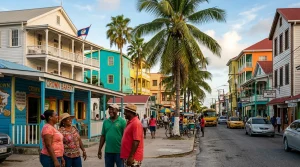
In the vibrant tapestry of Belizean identity, cultures converge in a delightful fusion that mirrors the country’s diverse population. Belize stands at a unique cultural crossroads, where Creole, Mestizo, Garifuna, and Maya influences blend harmoniously, creating a rich cultural landscape that is both welcoming and intriguing. The prevailing spirit of community is palpable, inviting visitors to engage, celebrate, and, most importantly, savor the alluring essence of Belize.Belizean cuisine is a testament to this confluence, boasting an enticing array of flavors and dishes that reflect its multifaceted heritage. Traditional plates like rice and beans, often accompanied by fried plantains and stewed chicken or fresh fish, showcase the practicality and flavor beloved by locals. The Garifuna community introduces its signature dishes, such as cassava-based bread and fish stew, revealing the bounty of the Caribbean coastal waters. Street vendors serve up delectable snacks like salbutes and panades, offering a taste of Belizean life in its most authentic form. For food enthusiasts, culinary tours are a fantastic way to experience this diverse gastronomy, as they often lead you through local markets and kitchens where the heart of Belizean traditions beats strong.Beyond its culinary delights, Belize has a rich cultural rhythm that resonates through the sounds of Garifuna music and dance, recognized by UNESCO as an Intangible Cultural Heritage. Festivals like Garifuna Settlement Day and the February Carnival bring communities together to celebrate with vibrant music, dance, and traditional costumes, showcasing the island’s cultural spirit for all to see. Visitors are encouraged to participate, dance, and revel in these lively moments, which are of utmost importance to the Belizean community.Understanding and appreciating Belizean identity is crucial for anyone visiting or considering a longer-term stay. With English as the official language, communication is generally straightforward for most travelers. However, it is the local dialects and languages, including Spanish, Creole, and Garifuna, that pepper everyday interactions and provide authentic experiences. Engaging with locals about their customs and traditions enhances your journey and creates connections that last well beyond your visit.Embracing Belizean culture is not merely about observation; it’s an invitation to partake in the community’s heart and soul. Whether through the flavors of its culinary scene, the rhythms of its music, or the warmth of its people, Belize offers a unique opportunity to explore a rich identity that is continuously evolving yet deeply rooted in tradition.Exploring Belize’s Relationship with Neighboring Countries
Geographically nestled between Mexico and Guatemala, Belize boasts a unique relationship with its neighboring countries, enabling a rich exchange of culture, customs, and economic activities. This compact Central American nation, bordered to the north by Mexico’s Quintana Roo state, shares its southern border with Guatemala. This strategic location not only ties Belize to the broader Central American community but also enhances its role as a bridge between the Caribbean and the mainland.Travelers often find that crossing borders is a seamless experience, making Belize an ideal base for exploring the vibrancy of both Mexican and Guatemalan influences. For instance, many visitors take day trips to the Mayan ruins of Tikal in Guatemala or enjoy the beaches of Cancun by crossing into Mexico. Such accessibility means that travelers can easily blend their itineraries to include the stunning landscapes and diverse attractions of its neighbors while still enjoying the distinct Belizean flavor.Cultural exchanges are equally profound, with the influences of both nations reflected in Belizean life. The blend of Mexican cuisine is evident in popular local dishes, such as tacos and tamales, often enjoyed alongside traditional Belizean fare. Similarly, the Garifuna community’s music and dance elements resonate with Caribbean styles, while integrating certain indigenous aspects from both Mexico and Guatemala.In the realm of economic factors, Belize’s relationship with its neighbors is significant. The country relies on trade with both nations to support its economy, while Mexico remains a top source of imports, and Guatemala serves as an important trading partner. The movement of goods and services across borders facilitates not just commerce but also tourism, presenting opportunities for travelers to experience the region’s unique blend of cultures, food, and hospitality.For those planning to explore Belize and its neighboring countries, understanding local customs, entry requirements, and transportation options is essential. Travelers are advised to carry necessary documentation for border crossings, as well as familiarize themselves with local currency practices, health guidelines, and safety measures in both Belize and its neighboring territories. Embracing this interconnectedness enriches the travel experience, allowing visitors to appreciate the vast tapestry of life that defines this vibrant region.Tourism in Belize: A Blend of Central American and Caribbean Influences
The allure of Belize lies in its captivating blend of Central American and Caribbean influences that create a unique tapestry of experiences for travelers. This small, English-speaking nation is not only known for its stunning natural beauty-spanning the world-famous Great Blue Hole, lush jungles, and pristine beaches-but also for its rich cultural heritage. Visitors can fully engage with Belizean culture through local delicacies and festivities, offering an authentic taste of both worlds.Whether you’re exploring the ancient Maya ruins that dot the landscape or luxuriating on the soft sandy beaches of the Caribbean coast, Belize presents a variety of experiences that reflect its diverse heritage. Expect to find Creole cuisine, enriched by Afro-Caribbean flavors, where dishes like rice and beans, stewed chicken, and fresh seafood are staples. Local festivals, such as the Garifuna Settlement Day and the Carnaval, showcase vibrant drumming and dancing, providing travelers with a chance to connect with the local culture.Accommodation Options
Belize caters to all types of travelers, with accommodation ranging from budget-friendly hostels to luxurious overwater bungalows. Here are some popular options:- Budget Hostels: Many hostels in Belize City provide a social atmosphere, making them ideal for backpackers and solo travelers.
- Family Resorts: Numerous family-oriented resorts offer spacious accommodations, kids’ clubs, and family-friendly activities.
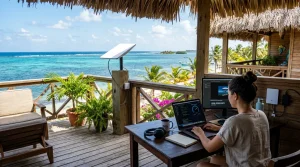
- Overwater Bungalows: For a touch of luxury, consider staying in overwater bungalows in destinations like Ambergris Caye, where stunning views await you.
- Jungle Lodges: Venture into the rainforest for an eco-friendly experience with guided tours, wildlife spotting, and natural beauty.
Essential Travel Information
Travel to Belize comprises essential knowledge about visas, transportation, currency, health, and safety, especially for diverse visitors such as solo female travelers and LGBTQ+ vacationers. Here are key points to remember:- Visas: Many countries, including the USA and Canada, do not require a visa for short stays. Always check the latest requirements before you go.
- Transportation: Local buses (known as “chicken buses”) and taxis are available for intercity travel, while water taxis can ferry you between islands.
- Currency: The Belizean dollar (BZD) is the official currency; it is advisable to have some cash for local purchases.
- Health and Safety: Basic health precautions include drinking bottled water and ensuring vaccinations are up-to-date. Belize is generally safe for travelers, but standard safety measures should still be followed.
The Future of Belize’s Geopolitical Classification
A small nation with a unique combination of cultural influences and stunning natural landscapes, Belize occupies a fascinating position in geopolitical discussions, particularly concerning its classification within Central America and Latin America. As the world becomes increasingly interconnected, Belize’s identity continues to evolve, adapting to both regional dynamics and international perceptions.Belize’s classification as part of Latin America or Central America has significant implications, especially when considering its relationships with neighboring countries and its cultural heritage. While geographically located in Central America, Belize’s history of British colonialism and enduring English language influence often position it differently in the eyes of the world. This duality shapes the future of its geopolitical identity, where, despite being surrounded by Spanish-speaking nations, Belize’s cultural elements such as Creole cuisine and Garifuna traditions highlight its rich, diverse tapestry. As conversations around identity evolve, so too may Belize’s role on the global stage, possibly leading to a redefined connection with both Central and Latin American communities.Travelers and expats alike can play a vital role in shaping Belize’s future geopolitical landscape. By engaging with local businesses, communities, and cultures, visitors not only contribute to the economy but also help bridge Belize’s connection to both regions. Cultural exchange programs, eco-tourism initiatives, and community involvement can enhance Belize’s visibility on the international stage, fostering recognition of its distinct identity. The beauty of Belize lies not just in its breathtaking landscapes-from the Great Blue Hole to the lush jungles but also in its vibrant communities that celebrate their heritage and look towards a hopeful future.In conclusion, understanding Belize’s classification requires a nuanced appreciation of its historical, cultural, and geographical context. As Belize continues to navigate its path, the participation and engagement of both locals and visitors may well redefine its geopolitical identity, blending elements of Central American charm with a Caribbean spirit. This intriguing fusion not only enriches Belize but also stimulates interest and respect from the wider world, making it a dynamic part of the global narrative.Frequently Asked Questions
Q: Is Belize considered part of Latin America? A: Yes, Belize is considered part of Latin America due to its geographical location in Central America and its historical and cultural connections with Latin American countries. While it has distinct Caribbean influences, its ties to the Spanish-speaking region classify it within Latin America.Q: How is Belize classified geographically? A: Geographically, Belize is located in Central America, bordering Mexico to the north and Guatemala to the west and south. Its Caribbean coastline also contributes to its unique identity, blending influences from both Central America and the Caribbean.Q: What are the cultural ties of Belize to Latin America? A: Belize shares various cultural ties with Latin America, including a multicultural population that includes Creole, Mestizo, and Mayan communities. Festivals, languages, and customs exhibit significant Latin American influences, reflecting its historical connections to both Spanish and indigenous cultures.Q: Is Belize more Caribbean or Latin American in its identity? A: Belize features a blend of Caribbean and Latin American identities. While its cultural practices and languages display Caribbean influences, its geopolitical position in Central America and historical connections to Latin American nations shape its identity as both Caribbean and Latin American.Q: What is the official language of Belize, and does it affect its classification? A: The official language of Belize is English, which sets it apart from most Latin American countries where Spanish is predominant. However, the presence of Spanish as a widely spoken second language and cultural ties justify its classification within Latin America.Q: How does Belize’s biodiversity compare to other Latin American countries? A: Belize is renowned for its rich biodiversity, home to unique species and ecosystems, similar to other Latin American nations. Its emphasis on conservation and eco-tourism showcases its importance within the broader Latin American ecological landscape.Q: Are there economic connections between Belize and Latin American countries? A: Yes, Belize has economic connections with Latin America through trade, tourism, and investment relationships. Its proximity and cultural ties foster economic interactions with regional partners, making it an integral part of the Latin American economy.Q: What are the tourism implications of Belize being in Latin America? A: As a Latin American destination, Belize attracts tourists interested in diverse cultural experiences, natural beauty, and adventure. Understanding its classification helps travelers appreciate its unique offerings, such as Mayan ruins and vibrant local cultures, expanding their travel options in the region.Key Takeaways
Now that you understand Belize’s unique geographic classification, it’s time to dive deeper into this captivating destination! Whether you’re dreaming of exploring the iconic Great Blue Hole, relaxing on picturesque Caribbean beaches, or delving into rich Maya history, Belize offers adventures for every type of traveler.Don’t miss out-check out our detailed guides on top Belize destinations and accommodation options that cater to every budget, from family resorts to jungle lodges. For more on Belize’s vibrant culture, including must-try Creole cuisine and exciting festivals, explore our rich cultural section. Your next adventure awaits, so start planning your Belize experience today!Join our newsletter for more insights and tips on traveling in Belize, and feel free to share your thoughts in the comments below-your journey is just beginning!Comprehensive Guide and In-Depth Analysis: Is Belize Part Of Latin America
When exploring the details surrounding is belize part of latin america, understanding the practical, environmental, and cultural dynamics of Belize is essential for making informed travel or investment decisions. Belize stands out in Central America for its English-speaking heritage, British Common Law legal stability, and world-class ecotourism infrastructure.
Whether navigating mainland rainforest corridors, consulting local authorities, or exploring marine conservation zones along the Belize Barrier Reef, having verified, comprehensive information regarding is belize part of latin america ensures seamless execution.
| Key Evaluation Pillar | Standards & Conditions in Belize | Actionable Best Practices |
|---|---|---|
| Regional Specifics | Variations between northern districts, central cayes, and southern rainforests | Align plans with specific district infrastructure and seasonal weather |
| Regulatory & Legal Framework | Belize Tourism Board (BTB) regulations and national conservation laws | Always work with licensed local professionals and certified guides |
| Logistics & Practical Costs | Fixed 2:1 BZD-to-USD currency peg; accessible transport via air and water | Plan budget with cash buffer for remote destinations and transfers |
For visitors and residents alike, engaging with is belize part of latin america through authorized, sustainable practices contributes directly to local community development and the preservation of Belize’s pristine marine and terrestrial ecosystems.
Frequently Asked Questions: Is Belize Part Of Latin America
Why is understanding is belize part of latin america important for Belize visitors?
It provides essential context for choosing the right regional destinations, understanding local pricing, and ensuring full compliance with environmental and tourism standards.
How do seasonal factors affect is belize part of latin america in Belize?
The dry season (December through May) offers calm seas and sunny weather, while the green season brings lower rates and lush jungle scenery.
Get our latest guides, news, and insights highlighted in your Google Search & AI Overviews.