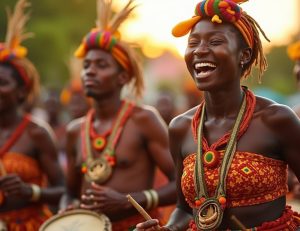
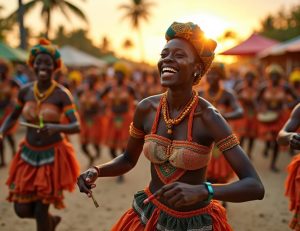
Belize, the enchanting gem of Central America, boasts a vibrant mix of cultures and breathtaking natural beauty. With its stunning Caribbean coastline and rich biodiversity, understanding the population dynamics of this captivating country is key for travelers, expats, and anyone curious about its allure. As the population evolves, so do the exciting opportunities for cultural immersion and adventure. Discover the latest demographics of Belize, from its diverse ethnic groups to age distribution, painting a vivid picture of a nation that harmoniously blends tradition with modernity. Delve into this exploration, and unlock insights that will enhance your experience, whether you’re planning a visit or considering making Belize your new home.
What is Belize’s Current Population?

As of 2025, Belize’s population stands at around 430,000, a significant marker that reflects not just numbers, but the vibrant life and culture that fills this Central American gem. Known for its stunning coastal vistas, lush jungles, and rich historical sites, Belize is a sanctuary for biodiversity and a melting pot of cultures. This small nation is nestled between Mexico and Guatemala, offering visitors a unique mix of Caribbean charm and Central American heritage. The population density is relatively low, with approximately 19 people per square kilometer, allowing for an intimate connection with nature – a key reason many choose to explore or settle in this beautiful country.
Belize has experienced a steady population growth rate, recorded at around 2.06% for 2023, indicating a healthy demographic expansion despite the challenges faced due to external factors such as economic fluctuations and climate change. This increase is largely attributed to natural population growth, alongside some migration inflows, which infuse the country with diverse perspectives and experiences. As you traverse Belize, from the bustling streets of Belize City to the tranquil shores of Placencia and Ambergris Caye, you witness a community ripe with potential, brimming with opportunities for engagement and adventure, all set against the backdrop of nature’s breathtaking beauty.
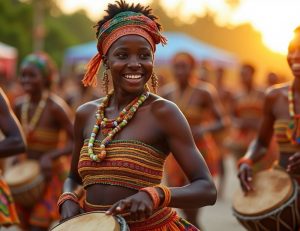
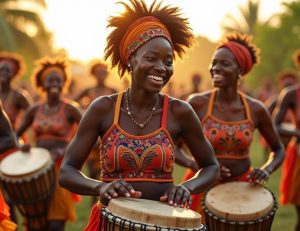
Whether seeking to immerse in the harmonious notes of Garifuna music, exploring the ancient Maya ruins, or simply enjoying the exquisite culinary scene that represents Belize’s multicultural identity, the population here embodies the spirit of resilience and warmth. Living in harmony with the lush ecosystems, the people of Belize make it a destination not just for vacationers, but also for those looking to create a new life in a culturally rich and environmentally stunning locale.
Historical Population Growth and Trends

The story of Belize’s population is one of resilience and gradual evolution, marked by notable growth trends over the decades. The nation has transformed from a sparsely populated British colony, establishing a unique identity shaped by diverse cultures, to a vibrant, multicultural society. In the early 20th century, Belize’s population was under 50,000, but as the country gained independence in 1981, it experienced a more rapid increase, reflecting improvements in healthcare and living conditions. By 2025, Belize’s population is around 430,000, showcasing a steady increase fueled by both natural growth and migration.
Over the years, Belize has witnessed an average annual population growth rate of about 2.06% as of 2023. This growth is largely attributable to a higher birth rate compared to death rates, coupled with immigration that enriches the cultural fabric of the nation. With significant increases noted in urban areas, like Belize City, the population dynamics are shifting, highlighting a trend toward urbanization as citizens seek opportunities in bustling environments. This movement also brings challenges associated with infrastructure and services that need to keep pace with an expanding populace.
Geographic factors play a pivotal role in shaping population trends, with settlements concentrated along the coast and major towns, leaving much of the interior lush jungles and scenic landscapes less populated. While nature continues to enchant both residents and visitors alike, these trends of urban migration and population growth create a blend of challenges and opportunities. For those contemplating moving to Belize or exploring its wonders, understanding these historical trends provides critical insights into the ever-evolving demographic landscape and what it means for communal life, economic opportunities, and cultural exchanges in this Caribbean-style oasis.
Understanding Belize’s Demographics by Age and Gender

Understanding the age and gender dynamics of Belize’s population reveals a youthful society brimming with potential and vibrant cultural richness. As of the latest estimates, about 34% of the population is under 15 years old, highlighting a robust foundation for future growth and development. This youthful demographic not only signifies a dynamic labor force but also presents opportunities for educational initiatives and community engagement programs to foster skills and innovation among the younger generations.
In contrast, the elderly population, defined as those aged 65 and over, accounts for approximately 6.5% of the total demographic. This smaller segment may pose unique challenges as Belize navigates the balance between catering to the needs of older citizens while ensuring that resources and opportunities are available for the younger populace. The median age in Belize is around 25 years, reflecting a population that is just beginning to enter its most productive years, contributing to the country’s cultural and economic vitality.
Gender distribution is relatively balanced, with a slight female majority, sitting at around 51% of the population. This demographic detail is essential for understanding social structures and planning services. For travelers and potential expats considering making Belize their home, engaging with this diverse population can open doors to enriched cultural experiences, whether it’s through community festivals that celebrate local heritage or educational systems that welcome contributions from newly arrived residents. The combination of youth and cultural diversity makes Belize a unique destination, ripe for connection and discovery.
Overall, grasping the nuances of Belize’s demographics by age and gender offers critical insights not only into the country’s current societal makeup but also its aspirations and direction moving forward. Regularly engaging with local communities and understanding their values will enhance any visitor’s experience, turning a trip into a journey of genuine connection and shared growth in this enchanting country.
Ethnic Composition of Belize’s Population
The mosaic of Belize’s population is a vibrant tapestry woven from various ethnic groups, each contributing to the nation’s unique identity. Approximately 53% of the population identifies as Mestizo, blending Indigenous and European ancestry, which creates a cultural rhythm rooted in both indigenous traditions and colonial remnants. This rich heritage can be seen in the country’s lively festivals, art, and culinary practices, offering an immersive experience for travelers eager to explore the local culture.
Another significant community in Belize is the Creole population, comprising about 25% of the residents. This group, descended primarily from African slaves and British colonists, serves as the backbone of Belize’s diverse cultural landscape. In towns and villages, the French-speaking Garifuna, originating from the island of St. Vincent and brought to Belize in the 18th century, add another layer of cultural richness. They represent around 4% of the population and are renowned for their music and dance, making contributions that resonate throughout the country.
Belize also boasts a mix of other ethnicities, including Mestizo, Maya, East Indian, and a quaint number of expatriates from around the globe. The presence of East Indians (approximately 3.9%) and Asians (totaling roughly 1.4%) adds to the multicultural environment. These communities too play a pivotal role in the culinary scene and local businesses, enhancing the flavors and diversity of Belize.
In summary, understanding the ethnic composition of Belize not only reveals the country’s historical complexities but also allows visitors to engage more profoundly with the local culture. Whether you’re tasting Creole dishes infused with spices, enjoying a Garifuna drumming session, or exploring Maya ruins, the ethnic diversity of Belize paints a picture that’s as colorful and inviting as its landscapes. Travelers keen on experiencing this blend should connect with local communities, participate in festivities, and savor the myriad expressions of cultural heritage found in this enchanting Central American jewel.
Geographical Distribution of Belizeans Across Regions
The geographical distribution of Belizeans offers a fascinating glimpse into the unique landscapes that define the country. With a population density of approximately 19 people per square kilometer, the Belizean population is largely concentrated in specific areas, mainly along the coastal regions and in urban centers, while vast stretches of the interior remain sparsely populated.
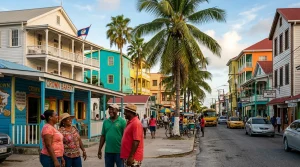
Belize City, the largest urban area and former capital, is home to roughly one-quarter of the country’s population, acting as a vibrant hub of culture and commerce. Here, visitors can experience the lively atmosphere of local markets, historic sites, and a diverse culinary scene that reflects the multicultural fabric of the nation. Shifting to the north, the town of San Ignacio serves as the gateway to the lush jungles and Mayan ruins, attracting both tourists and expatriates seeking adventure in a backdrop of stunning natural beauty.
The coastal districts, such as Ambergris Caye and Caye Caulker, are not only popular among tourists but also among locals seeking a laid-back lifestyle intertwined with beach culture. The population in these areas often fluctuates due to the influx of travelers and seasonal residents, creating a dynamic blend of locals and visitors. Meanwhile, rural areas like Toledo, in southern Belize, offer a more tranquil atmosphere, characterized by its agricultural communities and indigenous cultures, creating an inviting space for those interested in eco-tourism and authentic cultural exchanges.
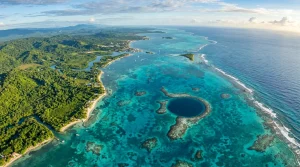
In summary, whether you find yourself exploring the vibrant streets of Belize City or basking in the sun on pristine beaches, the geographical distribution of Belizeans underscores a rich tapestry of life that is intricately connected to its stunning natural surroundings and cultural heritage. This diversity not only fuels the nation’s economy through tourism but also invites travelers to immerse themselves in its enchanting charm, from diving in the Great Blue Hole to trekking through the jungles to witness ancient Maya sites.
Economic Factors Influencing Population Change
The rich tapestry of Belizean life is woven through its economic landscape, which plays a pivotal role in shaping the population dynamics of this Central American jewel. The Belizean economy, primarily powered by agriculture, tourism, and natural resources, has evolved significantly over the years, influencing migration patterns, settlement trends, and overall population growth. As visitors explore this nation’s stunning landscapes-from the breathtaking Great Blue Hole to the ancient Mayan ruins-they will discover how these elements interconnect to create a thriving society.
Belize’s economy is heavily rooted in agriculture, with about 23% of the population engaged in this sector. Key exports-including sugar, bananas, and seafood-provide a stable income, sustaining local communities and encouraging rural residency. In contrast, the tourism sector has burgeoned into a major economic driver, attracting visitors from all over the world. With an increasing influx of tourists eager to experience the natural beauty and vibrant culture, job creation in hospitality, services, and guiding has risen. This not only supports urban migration but also spurs growth in secondary industries, such as construction and retail, contributing to a shift in population distribution towards urban areas.
Despite the growth, economic disparities exist across regions, influencing where people live and work. Urban centers like Belize City and San Pedro flourish with opportunities, attracting both locals and expatriates seeking employment, education, and business ventures. These urban hubs bustle with life, offering amenities that rural areas often lack. Consequently, the appeal of urban living drives many Belizeans from the countryside to the city, affecting demographic metrics, such as age distribution, family composition, and housing needs.
Additionally, Belize’s economic climate is susceptible to external factors, such as global market trends and the impacts of climate change on agriculture and tourism. The challenges of maintaining a sustainable economy while balancing the demands of growing populations necessitate concerted efforts from both government and private sectors. Initiatives aimed at promoting eco-tourism, renewable energy, and sustainable agriculture are vital for preserving the natural environments that draw visitors and residents alike, ensuring that Belize remains a vibrant and flourishing destination for generations to come.
Migration Patterns: Inflows and Outflows
In a nation as vibrant and multifaceted as Belize, migration patterns reveal the intricate dance between its cultural heritage and economic prospects. Known for its stunning coastal beauty and lush jungles, Belize attracts not only tourists but also a diverse population of expatriates seeking opportunity and a taste of its rich lifestyle. The migration dynamics have shifted significantly in recent years, marked by both inflows and outflows that reflect both economic condition changes and social factors impacting local communities.
Belize has seen a marked increase in net migration, with numbers reported at 490,000 persons in December 2024, down from 595,000 in December 2023, indicating a trend of fluctuating but persistent in-migration [[2]](https://www.ceicdata.com/en/belize/population-and-urbanization-statistics/bz-net-migration). This influx is fueled by job opportunities in key sectors like tourism and agriculture, where the demand for labor remains robust. The alluring prospect of life in a tropical paradise, coupled with the chance to participate in burgeoning industries, continues to lure individuals, particularly from neighboring countries.
However, the story of migration is not solely one of inflows. Many Belizeans also seek opportunities abroad, particularly in the United States and Canada. This out-migration often stems from the pursuit of higher education or more lucrative job prospects, driven by economic challenges at home. Those who leave often maintain strong ties to their roots, sending remittances back, which play a vital role in supporting families and local economies. This bi-directional flow of people and resources enriches Belize’s cultural tapestry while posing challenges in sustaining population levels and community cohesion.
As tourists flock to experience the natural wonders from the Great Blue Hole to the ancient Maya ruins, the resulting economic benefits can alter the demographic landscape. The intermingling of cultures, economic dependencies, and continual migration helps shape Belize into a unique melting pot. Recognizing these patterns provides insight into not only the current demographic landscape but also the social factors influencing future growth and sustainability in this Central American jewel.
Urban vs. Rural Population Dynamics
In Belize, the urban versus rural population dynamics paint a vivid picture of life in this diverse nation. Approximately 45% of the population resides in urban areas, primarily in the capital city of Belmopan and the bustling town of Belize City. These urban hubs are characterized by their economic opportunities and amenities, attracting a young workforce eager to engage in tourism, trade, and other burgeoning industries. The vibrant mix of cultures, reflected in local cuisine, festivals, and day-to-day life, creates an enticing atmosphere for both locals and visitors alike.
On the other hand, rural areas in Belize, which make up about 55% of the population, offer a different experience entirely. With sprawling landscapes, dense jungles, and access to various natural wonders, rural communities maintain a slower pace of life. Here, agriculture remains a significant economic driver, with many families engaged in farming, fishing, and eco-tourism. The intricate relationship between the land and its people is palpable, as traditional practices and local customs thrive, often more robustly than in urban centers.
Challenges and Opportunities
Despite the allure of urban living, rural areas face challenges such as limited access to healthcare, education, and employment facilities. Many young people migrate to cities looking for better opportunities, creating a cycle of rural depopulation that threatens cultural traditions. However, this rural exodus also offers opportunities for urban areas to thrive economically, as the inflow of new residents brings fresh perspective and labor to growing sectors.
The government and various NGOs are recognizing these dynamics, implementing initiatives aimed at boosting rural development. Programs focused on sustainable agriculture, eco-tourism, and community engagement are designed to improve living conditions in rural areas, allowing them to retain their unique identities while integrating modern economic opportunities. This duality of life in Belize-where urban vibrancy meets rural tranquility-invites exploration, whether you’re visiting for leisure or considering a more permanent relocation. The rich tapestry of cultures, lifestyles, and landscapes makes Belize an enchanting destination for all.
Belize Population in Context: Comparisons with Neighbors
In the vibrant mosaic of Central America, Belize stands out not just for its breathtaking natural beauty and rich cultural heritage, but also for its distinct demographic characteristics that set it apart from its neighbors. With a current population estimated around 450,000, Belize maintains a relatively small population compared to nearby countries like Guatemala, which boasts over 17 million people, and Honduras, with about 10 million. Despite its small size, Belize’s demographic profile is diverse, marked by a unique blend of ethnicities, languages, and traditions that contribute to its colorful identity.
Geographically, Belize shares borders with Mexico to the north and Guatemala to the west and south, both of which have significantly larger populations. This proximity creates a dynamic where Belizeans often find themselves interacting with these neighboring cultures, enhancing their own identity with elements from across the borders. Additionally, the influence of the Caribbean can be felt in Belize’s coastal towns and islands, where Creole and Garifuna cultures thrive, enriching the local atmosphere with music, cuisine, and festivals that draw residents and tourists alike.
Demographic Comparisons
When comparing Belize to its neighbors, several factors are noteworthy:
- Population Density: Belize’s land area of about 22,966 square kilometers results in a population density of roughly 20 people per square kilometer, a stark contrast to Guatemala’s 141 people per square kilometer. This low density illustrates Belize’s vast expanses of uninhabited land and protected natural reserves, ideal for eco-tourism and outdoor adventures.
- Age Distribution: The median age in Belize is approximately 27 years, indicating a young population. In contrast, neighboring countries often report higher median ages, which can influence economic growth and labor markets. Belize benefits from a youthful workforce eager to engage in the tourism sector, an essential pillar of its economy.
- Ethnic Diversity: Nearly 52% of Belize’s population identifies as Mestizo, followed by significant groups such as Creole, Maya, and Garifuna. This contrasts with Guatemala, where indigenous populations make up a larger proportion of the demographic, highlighting Belize’s unique cultural blend.
As you explore the diverse landscapes of Belize-from the verdant jungles teeming with wildlife to the stunning beaches along the Caribbean-you’ll discover a nation that mirrors the complexity and enchantment of Central America itself. Embracing this diversity not only enriches your travel experience but also allows you to appreciate the intricate tapestry of cultures that makes Belize a uniquely captivating destination.
Challenges Facing Belize’s Population Today
Despite its natural beauty and cultural richness, Belize faces several challenges that impact its population and development. One pressing issue is poverty, which affects nearly one-quarter of the population, with rural areas often experiencing higher rates. This socioeconomic divide hampers access to education, health care, and employment opportunities, causing a cycle of disadvantage for many families. Urban migration trends have intensified as individuals seek better prospects in towns and cities, leading to increased population density in those regions while rural communities struggle to maintain their populations and local economies.
The nation also grapples with environmental concerns that threaten its unique ecosystems and, consequently, the livelihoods of its inhabitants. Climate change poses significant risks, including rising sea levels, and unpredictable weather patterns that affect agriculture-a primary source of income for many Belizeans. As the population grows, the pressure on natural resources increases, leading to deforestation and habitat loss, which can further destabilize local economies and ecological balance. The tourism sector, vital for Belize’s economy, is also vulnerable to climate impacts, necessitating sustainable practices to safeguard this critical industry.
In addition, the health care system in Belize faces challenges of accessibility and quality, particularly in remote regions. Limited resources and healthcare personnel can hinder timely medical attention, exacerbating health disparities. Public health initiatives must continue to evolve to address the needs of the populace, especially in response to global health crises.
Overall, addressing these challenges requires a multi-faceted approach that encompasses economic development, improved resource management, and dedicated attention to social equity. With concerted effort and collaboration, Belize can navigate these obstacles, fostering a community that thrives amidst its vibrant diversity.
Impact of Tourism on Population Development
The allure of Belize, with its stunning barrier reefs and rich cultural tapestry, has made tourism a driving force behind its demographic and economic shifts. In 2024, the country celebrated a remarkable milestone, welcoming 562,405 overnight visitors, a staggering 21% increase from the previous year. This influx of tourists not only surpasses the local population of approximately 410,000 but also calls into question the dynamics of population development within this vibrant nation.
The thriving tourism sector significantly impacts Belize’s population growth by creating jobs and stimulating investment in infrastructure. As local communities adapt to the burgeoning influx of visitors, they are often faced with increased opportunities in hospitality, guiding, and related services. For many Belizeans, this means better economic prospects, fostering a sense of hope and progress. However, it also puts pressure on local resources, leading to rapid urbanization as people move to tourist hotspots like Ambergris Caye and Placencia in search of work. The allure of steady income in bustling areas can lead to a rural-urban divide, with vibrant town centers thriving while some rural areas face decline.
Tourism also influences demographic trends by attracting expatriates and retirees seeking the idyllic lifestyle that Belize offers. This demographic shift introduces diverse backgrounds and experiences into the local fabric, enriching the cultural landscape. Moreover, the intermingling of cultures can enhance social cohesion or present challenges, depending on how well local communities navigate the changes brought on by new residents and visitors. It’s essential for sustainable development to balance economic gain from tourism with maintaining the unique cultural and ecological heritage that makes Belize a paradise for travelers.
However, Belize’s heavy reliance on tourism as a key economic driver necessitates caution. While the immediate benefits are evident, long-term strategies must prioritize sustainable practices to mitigate environmental impact and invest in local communities. This ensures that tourism benefits are equitably distributed, fostering resilience against market fluctuations and external shocks, ultimately leading to a balanced and thriving population. As Belize continues to enchant travelers with its natural beauty and unique culture, addressing these challenges thoughtfully will be crucial for a sustainable future.
Future Projections: What Lies Ahead for Belize?
While the breathtaking beauty of Belize continues to draw tourists from around the world, the future projections for the country’s population hint at both challenges and opportunities. As we delve into the coming years, it becomes clear that Belize’s demographic landscape will be shaped significantly by its reliance on tourism, internal migration trends, and the broader economic environment.
Emerging from the pandemic, the nation is experiencing a resurgence in visitors, which significantly boosts local economies and, consequently, influences population growth. The influx of tourists not only enhances business prospects in urban areas but also attracts many expatriates, further diversifying Belize’s demographic makeup. Welcoming retirees seeking a tranquil lifestyle amid stunning Caribbean vistas, Belize is poised for a transformative phase that could see its population grow beyond the current estimates.
However, this growth comes with inherent challenges. Strain on infrastructure, housing, and public services is likely as urban areas expand to accommodate the increasing number of inhabitants. The rapid urbanization, while beneficial for economic growth, risks exacerbating existing inequalities between urban and rural communities. It is essential for policymakers to address these disparities to ensure that all Belizeans benefit from national growth.
To mitigate potential negative impacts and foster sustainable development, Belize must focus on enhancing its infrastructure and investing in local communities. Continued emphasis on green tourism practices and environmental conservation will be critical as the country navigates this complex landscape. By balancing growth with sustainability, Belize can uphold its unique cultural heritage while inviting a new generation of visitors and residents to experience its unmatched natural beauty.
Ultimately, the future of Belize’s population is intertwined with its ability to adapt to these shifting dynamics while preserving the rich tapestry of experiences that make it an extraordinary destination. As the nation continues to evolve, one can only imagine the possibilities that lie ahead in this magnificent Central American jewel.
FAQ
Q: What is the total population of Belize in 2023?
A: As of 2023, Belize has a population of approximately 440,000 people. This figure reflects the country’s gradual growth trend, influenced by factors like migration and natural increase.
Q: How does the population density of Belize compare to other Central American countries?
A: Belize is the most sparsely populated nation in Central America, with a low population density due to its small population and extensive land area. In comparison, other countries like Guatemala and Honduras have much higher population densities.
Q: What are the main ethnic groups in Belize?
A: The ethnic composition of Belize features a diverse mix: about 43.7% of the population is Mestizo, 29.8% Afro-Belizean, 3.9% East Indian, and smaller percentages of Caucasians and others[3[3].
Q: How has Belize’s population changed over the last decade?
A: Over the last decade, Belize’s population has been steadily increasing, with notable growth in urban areas due to migration and improved living conditions. The demographic trends indicate a youthful population with a significant proportion under 25 years of age.
Q: What is the religious composition of Belize?
A: The majority of Belizeans identify as Christian, with Catholics making up approximately 40.1% and Protestants around 31.7%. Other religious groups include Jehovah’s Witnesses, who account for about 1.7% of the population[2[2].
Q: What impact does tourism have on Belize’s population dynamics?
A: Tourism contributes significantly to Belize’s economy, attracting expatriates and temporary residents, which can lead to local population growth. The influx of tourists also influences housing, infrastructure, and job markets.
Q: What are the age demographics of Belize’s population?
A: Belize has a relatively young demographic profile, with a substantial portion of its population under the age of 30. This age distribution impacts various aspects of society, including education and employment opportunities.
Q: Are there any migration trends affecting Belize’s population?
A: Yes, Belize experiences both inflows and outflows of migrants. Many individuals from neighboring countries relocate to Belize for better opportunities, while some Belizeans emigrate for education or work abroad. This trend affects the overall demographic composition.
Feel free to explore further details about Belize’s demographics in the respective sections of the article!
In Conclusion
As we delve into the vibrant demographics of Belize, it’s clear that this nation is not just about numbers but a rich tapestry of cultural diversity. With a population reflecting varied ethnic backgrounds and religious beliefs, Belize stands as a unique melting pot in Central America. If you’re curious about how these demographics influence Belize’s culture, be sure to check out our articles on Belize’s stunning destinations like the Great Blue Hole and the historical Maya ruins.
Ready to explore more? Dive into our travel guides for essential tips on accommodations ranging from budget hostels to luxurious jungle lodges, or discover local culinary delights and annual festivals that celebrate Belize’s heritage. Don’t miss out on the adventure! Subscribe to our newsletter for the latest insights and updates, and join the community of travelers who share your passion for discovering the wonders of Belize. Your journey awaits-let’s explore together!
Get our latest guides, news, and insights highlighted in your Google Search & AI Overviews.