Where is Belize Located on the World Map?
Nestled on the northeastern coast of Central America, Belize is a vibrant country characterized by its stunning Caribbean beaches, lush jungles, and Mayan ruins. When you look at a world map, you’ll find Belize bordered by Mexico to the north, Guatemala to the west and south, and the Caribbean Sea to the east. Its geographical coordinates are approximately 17.1899° N latitude and 88.4976° W longitude, placing it within the tropical climate zone, which blesses the nation with warm weather year-round.Belize’s unique geography is a melting pot of cultures and ecosystems, offering visitors a rich tapestry of experiences. From the second-largest barrier reef in the world for snorkeling and diving to extensive rainforests home to exotic wildlife, the country is a treasure trove for nature lovers. A mere two-hour flight from major U.S. cities like Miami and Houston, Belize provides easily accessible adventure and relaxation.The capital city, Belmopan, is situated inland, providing a different experience compared to the bustling Belize City, which lies on the coast. Here, you can enjoy the essence of the Caribbean lifestyle, including beautiful beaches like Ambergris Caye and Caye Caulker, or explore the ancient ruins of Xunantunich and Caracol in the heart of the jungle. This diverse array of locations highlights Belize’s appeal, making it an ideal destination for travelers looking for both cultural enrichment and natural beauty.
Understanding Belize’s Geographic Coordinates
Situated at the crossroads of North and Central America, Belize proudly boasts geographic coordinates of approximately 17.1899° N latitude and 88.4976° W longitude. This enchanting location places it squarely within the warm embrace of the tropics, where the allure of Caribbean waves meets lush jungle habitats. Understanding these coordinates not only helps pinpoint Belize on a map but also highlights its unique ecological and cultural diversity, making it a remarkable destination for travelers.The eastern coastline of Belize fronts the Caribbean Sea, an expanse known for its vibrant coral reefs and stunning marine life. Meanwhile, to the north, Belize shares a border with Mexico, allowing for a delightful blend of cultural influences and convenient travel options for those wishing to explore further. To the west and south lies Guatemala, enriching Belize’s cultural tapestry with historical connections to the ancient Maya civilization, evident in the country’s numerous archaeological sites.Belize is characterized by a variety of geographical features, from coastal plains and barrier reefs to rolling hills and magnificent rainforests. This variety not only supports an astonishing range of biodiversity but also creates distinct microclimates across the country. For adventure seekers, the opportunity to engage with nature through activities like hiking the lush trails of the Cayo District or exploring the depths of the Great Blue Hole is irresistible. Each eco-region serves as a backdrop for the diverse experiences awaiting visitors, all the while reinforcing Belize’s reputation as an eco-tourism hotspot.Navigating Belize is facilitated by its accessible geographic layout. Major roads connect the capital, Belmopan, to coastal destinations like the bustling Belize City and the serene islands of Ambergris Caye and Caye Caulker. Visitors can readily explore the cultural and natural landmarks that define this captivating nation, making Belize not just a location on a map, but a richly woven tapestry of experiences waiting to be uncovered.
Exploring Belize’s Neighboring Countries
Located at the crossroads of Central America, Belize is flanked by two culturally rich neighbors that significantly influence its heritage and tourism. To the north, Belize shares a border with Mexico, known for its vibrant culture, delicious cuisine, and historic sites. Just a short drive across the border, visitors can explore the ancient Maya ruins of Tikal, located in Guatemala, or dip into the vibrant markets of Chetumal in Mexico, filled with local handicrafts and culinary delights.Belize’s western and southern borders meet Guatemala, a country renowned for its lush landscapes and archaeological treasures. This proximity allows travelers to dive deep into the rich tapestry of Maya culture that spans both countries. For instance, a visit to the breathtaking ruins of Caracol in Belize can be complemented by a trip to the colorful town of Flores in Guatemala, sitting prettily on the shores of Lake Petén Itzá. The blend of cultures is palpable, enhancing the experience through food, music, and festivals celebrated across the region.As you traverse Belize’s borders, take advantage of the easily accessible transportation options available. Regular shuttle services and bus routes connect Belize to both Guatemala and Mexico, making day trips a feasible adventure. This connectivity not only enriches your travel experience but also opens doors to diverse landscapes-from jungles to ancient Maya cities, and bustling markets to tranquil lakes. Each country offers unique opportunities for eco-tourism, where the thrill of exploration is matched by the beauty of their natural environments and cultural heritage.Belize’s geographical position not only enriches its diversity but also makes it a gateway for travelers keen on exploring Central America. The shared influences of its neighbors create a unique cultural mosaic that is reflected in Belizean food, music, and traditions, making it a destination that feels both familiar and exotic to visitors from all over. Whether you’re enjoying a traditional Garifuna dance in Belize or savoring fresh tamales from a local vendor just across the border, the essence of the region’s shared heritage is undeniable and adds an exciting layer to your travel experience.Major Cities and Landmarks in Belize
Belize is a treasure trove of vibrant cities, breathtaking landmarks, and historical sites that reflect its rich cultural heritage and natural beauty. From the picturesque Caribbean coastline to dense jungles, each location offers unique experiences that delight travelers of all kinds.Belmopan, the capital city, was created in the 1970s after Hurricane Hattie devastated Belize City. This small but bustling city is dotted with governmental buildings and parks, and it’s famous for the National Assembly Building and the Belize Zoo, where visitors can encounter local wildlife up close. Just a short drive from Belmopan, you can explore the intriguing Maya ruins of Xunantunich, perched dramatically on a hillside; its iconic temple, El Castillo, offers stunning vistas of the surrounding landscape.Belize City, the largest urban area, is steeped in history and culture. It boasts colonial architecture and vibrant markets, where you can savor authentic Belizean dishes such as rice and beans, accompanied by stewed chicken or the traditional Creole dish, hudut. The city also serves as an ideal launchpad for day trips to the Great Blue Hole-a UNESCO World Heritage site and a diver’s paradise, known for its azure waters and diverse marine life.San Ignacio, located in the Cayo District, is a charming town surrounded by idyllic hills and rivers, making it the gateway for activities such as river rafting and jungle hikes. Nearby, the impressive ruins of Caracol and the scenic Río Frío Cave await adventurous travelers eager to immerse themselves in the region’s Maya history. In the coastal area, the charming island of Ambergris Caye is celebrated for its sandy beaches and vibrant nightlife, where visitors can experience the laid-back island vibe while enjoying water sports like snorkeling and paddleboarding in the Belize Barrier Reef, the second-largest reef system in the world.For those keen on a unique experience, Placencia offers not just stunning beaches but also a quaint village atmosphere filled with colorful murals and welcoming locals. It’s the perfect place to unwind after exploring the jungles, whether you want to indulge in a beachside hammock or taste local seafood delicacies. With so much to see and do, Belize’s cities and landmarks are integral parts of the rich tapestry that makes this Central American nation an appealing destination for tourists and expatriates alike.
The Importance of Belize’s Geographic Position
Belize’s geographic position on the northeastern coast of Central America makes it a unique entry point between the Caribbean Sea and the vibrant cultures of its mainland neighbors. Bordered by Mexico to the north and Guatemala to the west and south, Belize sits in a relatively safe and accessible area that offers travelers a rich tapestry of experiences, from its stunning coral reefs to its lush jungles teeming with wildlife. This strategic placement not only enhances its attractiveness as a tourism hotspot but also establishes it as a cultural crossroads influenced by a variety of traditions, languages, and cuisines.The importance of Belize’s geographic location extends beyond mere aesthetics. With its Caribbean coastline stretching over 240 miles, Belize serves as a gateway for maritime travel and trade in the region. The world-famous Belize Barrier Reef shelters an incredible diversity of marine life, making it an essential area for ecotourism and conservation efforts. Moreover, the easy access to the Caribbean opens avenues for adventure seekers eager to explore snorkeling, scuba diving, and sailing. The proximity to vibrant cities like Cancun in Mexico and the rich heritage sites of Guatemala means that in a single trip, travelers can indulge in both beach bliss and cultural exploration.In addition to tourism, Belize’s physical location fosters economic opportunities that benefit both locals and visitors. The country plays an essential role in the Central American trade network and has been focusing on sustainable tourism to preserve its natural treasures. By strategically leveraging its biodiversity, Belize not only encourages eco-friendly practices but also sets a precedent for balancing economic growth with conservation. Travelers can experience this commitment firsthand, from visiting eco-lodges nestled in enchanting rainforests to engaging in community-driven tours that highlight the local culture and environment.From its captivating natural assets to its welcoming communities, the geographic significance of Belize is not merely a backdrop but a core aspect of the country’s identity. It serves as an invitation for visitors from all walks of life to immerse themselves in an experience that is both enriching and unforgettable. Whether you’re exploring ancient Mayan ruins, enjoying a thrilling dive in the blue depths of the Caribbean, or simply relaxing under swaying palm trees, Belize’s position on the map signifies a gateway to boundless adventure and heritage in a truly stunning setting.Belize’s Climate and Weather Patterns
The convergence of warm tropical breezes and the cooling caress of the Caribbean Sea paints Belize with a palette of mesmerizing weather patterns that delight visitors year-round. Nestled on the northeastern coast of Central America, Belize experiences a tropical climate characterized by two main seasons: the dry season and the rainy season. The dry season typically spans from late November to mid-April, offering sunny days and balmy temperatures, perfect for beach excursions and outdoor adventures in its stunning national parks.Conversely, the rainy season runs from mid-May to November, during which brief but intense rain showers can occur. This season is also when Belize’s vibrant flora flourishes and wildlife becomes more active, providing a unique opportunity for nature enthusiasts to witness the lush landscapes in their full glory. While rain is more prevalent during these months, it usually occurs in short bursts, with plenty of clear skies to follow, allowing visitors to make the most of their days exploring.High humidity often accompanies the warm tropical days, with average monthly temperatures ranging from around 75°F (24°C) at night to 88°F (31°C) during the day. The coastal areas benefit from refreshing sea breezes, while inland jungles can be habitually warmer and more humid. When planning a visit, it’s vital to consider these weather factors, as the end of the rainy season signals the onset of the hurricane season that lasts until November. Although hurricanes are rare, staying aware of weather advisories helps ensure a safe and enjoyable trip.For travelers eager to bask in the sun or dive among the enchanting coral reefs, choosing to visit during the dry season allows for optimal conditions. However, those seeking to immerse themselves in the rich biodiversity of Belize may find the rainy season surprisingly enchanting, as the landscapes teem with vibrant life. Whether you’re hiking through misty jungles, swimming in crystalline waters, or simply lounging on a sandy beach, Belize’s distinct climate offers an unforgettable adventure tailored to the desires of any traveler.Cultural Diversity in Belize: A Geographic Perspective
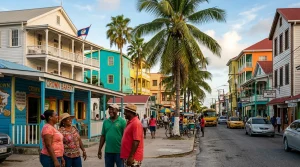
The tapestry of culture in Belize is as vibrant and diverse as its stunning landscapes, shaped by its unique geographic location at the intersection of the Caribbean Sea and Central America. This mosaic of influences can be seen in the rich traditions, languages, and culinary delights that define Belizean life. Visitors are often enchanted by the sight of Garifuna drummers performing traditional dances along the coast or the aroma of smoky barbecued jerk chicken wafting through bustling markets. Each cultural piece tells a story of the people who have called this land home, making each encounter a journey through its historical narrative.Belize is home to several distinct ethnic groups, each contributing to the country’s cultural fabric. The mestizo population, descendants of the Spanish and indigenous Maya, forms a significant part of the national identity, celebrating their heritage through vibrant festivals like the Fiesta de la Cruz. The Creole culture, rich in African influence, is celebrated through music, dance, and the delectable Creole cuisine, which features dishes made from fresh seafood and local ingredients. Additionally, the Garifuna community, recognized for its unique language and drumming traditions, enriches the cultural landscape with celebrations like the Garifuna Settlement Day. Each group plays a vital role in the country’s cultural narrative, offering visitors a chance to experience a blend of languages, traditions, and music that reflects the heart of Belize.Exploring the cultural diversity of Belize goes hand in hand with understanding its geography. The country boasts charming towns like San Ignacio and vibrant cities such as Belize City, where multicultural influences abound in daily life. Nestled within lush jungles and bordered by the turquoise waters of the Caribbean, these locations act as gateways to both historical sites and natural wonders, such as the renowned Great Blue Hole and ancient Mayan ruins like Xunantunich. Travelers can immerse themselves fully by participating in local festivities, sampling diverse cuisines, and engaging with friendly locals eager to share their colorful stories.This rich cultural diversity, rooted in Belize’s geographic uniqueness, is reflected in its art, music, and daily life, making each exploration a deeper understanding of the land and its people. Whether you’re wandering through a bustling street market or attending a local dance, each experience in Belize beckons with the promise of discovery-inviting every traveler to be a part of its unfolding story.Transportation Options for Getting to Belize
Getting to Belize opens a gateway to a realm of breathtaking landscapes and rich cultural experiences. With its strategic location along the northeastern coast of Central America, bordered by Mexico to the north and the Caribbean Sea to the east, this tropical paradise invites visitors from all corners of the globe. Most international travelers start their journey at Philip S.W. Goldson International Airport, located just outside Belize City. This airport welcomes direct flights from major cities in the United States, Canada, and a few destinations in Central America, making it a convenient entry point for exploring Belize’s stunning attractions, including the Great Blue Hole and ancient Maya ruins.For those seeking alternative routes, crossing into Belize by land from neighboring countries is an option as well. The primary land borders are located at Corozal (from Mexico) and Benque Viejo del Carmen (from Guatemala). There, travelers can expect to experience a lively and culturally rich passage, often enhanced by the sight of local vendors and the warm greetings of Belizean border officers. Public buses run regularly from destinations like Mexico and Guatemala, providing an affordable way to immerse oneself in local culture while savoring scenic views along the journey.Once in the country, getting around is seamless thanks to a variety of transportation options. Domestic flights serve the more remote and scenic regions, such as the islands of Caye Caulker and Ambergris Caye. For those preferring a more grounded approach, buses, taxis, and shuttles are widely available, with routes connecting major tourist attractions. Rental vehicles are also an option, offering the freedom to explore at your own pace; however, be mindful that road conditions vary, and driving is on the left side of the road.In the spirit of adventure, water taxis provide a charming and efficient means of transport, especially for reaching exquisite islands and coastal destinations. Whether basking on sunlit beaches or wandering through rustic jungle paths, the journey to and through Belize is as much a part of the adventure as the vibrant experiences that await. The warm, welcoming atmosphere of this diverse nation awaits every traveler, offering the promise of unforgettable encounters with both nature and culture.Top Tourist Attractions Based on Location
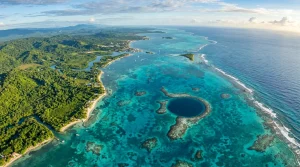
Nestled along the northeastern coast of Central America, Belize is a treasure trove of breathtaking natural wonders and rich cultural experiences waiting to be uncovered. This small yet vibrant country enchants travelers with an array of stunning tourist attractions, each offering unique glimpses into its diverse heritage and unspoiled landscapes. From iconic marine sites to majestic jungle vistas, the locations you choose to explore will undoubtedly shape your Belizean adventure.One of the most awe-inspiring destinations is the Great Blue Hole, a UNESCO World Heritage Site and a diver’s paradise. Located about 70 kilometers from Belize City, this giant marine sinkhole is renowned for its crystal-clear waters and vibrant marine life, making it an essential stop for snorkeling and scuba diving enthusiasts. Nearby, the Belize Barrier Reef stretches along the coast, inviting visitors to embark on unforgettable underwater explorations teeming with colorful corals and tropical fish.Travelers seeking a taste of Belize’s rich history should not miss the ancient Maya ruins scattered throughout the country. Xunantunich, easily accessible from San Ignacio, offers an impressive glimpse into the past with its towering pyramids and breathtaking jungle views. Similarly, Caracol provides a more remote experience, where adventurers can explore one of the largest Maya archaeological sites, enveloped in lush greenery and surrounded by diverse wildlife.For those looking to immerse themselves in Belize’s lush wilderness, the Cockscomb Basin Wildlife Sanctuary is a must-visit destination. Known as the world’s first jaguar reserve, this sanctuary is perfect for hiking enthusiasts and nature lovers eager to witness the country’s diverse ecosystem, including rare birds and exotic plants. Off the coast, the idyllic islands of Ambergris Caye and Caye Caulker offer pristine beaches and laid-back atmospheres, making them ideal spots for relaxation, beachcombing, and water sports.Accommodations throughout Belize cater to a variety of preferences and budgets. For travelers seeking budget-friendly options, charming hostels in San Pedro and Belize City provide cozy stays. Families will enjoy the variety of resorts along the coastline with family activities and spacious accommodations. Adventure seekers may opt for eco-lodges nestled in the jungle, while those looking for a touch of luxury can indulge in overwater bungalows on the islands.In addition to the breathtaking locations, the vibrant cultural tapestry of Belize is displayed through its culinary delights, music, and festivals. Enjoy traditional dishes such as rice and beans or fry jacks, and immerse yourself in the soulful rhythms of Garifuna music during local celebrations that often occur throughout the year. Engaging in these cultural experiences not only enriches your travel but also deepens your connection to the heart of Belize.Set your sights on Belize, where every corner you turn presents a new adventure or discovery waiting to be made, making this gem in the Caribbean one of the most captivating destinations on the map.Wildlife Regions and Eco-Tourism Hotspots
In the heart of Central America lies Belize, a wonderland of biodiversity and natural beauty that beckons eco-tourists and wildlife enthusiasts from around the globe. This small but captivating country is home to a rich tapestry of ecosystems, from lush rainforests to pristine coral reefs, serving as a sanctuary for countless plant and animal species. Exploring Belize’s unveils not only the breathtaking scenery but also the urgent need for conservation efforts that protect these unique environments.Among the must-visit wildlife regions is the Cockscomb Basin Wildlife Sanctuary, the world’s first jaguar reserve. Sprawling over approximately 150 square miles, this sanctuary offers visitors a chance to spot jaguars in their natural habitat, along with a plethora of other wildlife, including howler monkeys, ocelots, and pink river dolphins. Hiking trails meander through dense jungle, providing a perfect backdrop for birdwatchers eager to spot vibrant species like the resplendent quetzal and the endangered harpy eagle. Be sure to visit during the early morning or late afternoon for the best wildlife sighting opportunities.Another eco-tourism hotspot is Shark Ray Alley, located within the Hol Chan Marine Reserve. This renowned snorkeling and diving destination is famous for its clear waters and the chance to swim with nurse sharks and stingrays. Here, the Belize Barrier Reef-a UNESCO World Heritage Site-teems with life, showcasing vibrant coral formations and an array of marine species. Snorkel tours typically depart from nearby Ambergris Caye and Caye Caulker, making it an accessible adventure for all levels of experience.For those interested in both history and ecology, the ancient Maya ruins of Tikal and Xunantunich are surrounded by lush jungles inhabited by diverse wildlife. Visitors can explore these archaeological sites while also encountering exotic birds, monkeys, and other fauna that call this rich ecosystem home. Many local tour operators offer packages that include guided tours of these ruins along with nature experiences, giving travelers a comprehensive look at Belize’s cultural and natural heritage.In terms of accommodations, eco-lodges present the perfect option for those wishing to immerse themselves in nature without sacrificing comfort. Locations like the Chaa Creek Lodge and Belize Tree House offer unique stays that integrate environmentally friendly practices and local culture. These lodges not only provide comfortable lodging but also facilitate activities such as guided nature walks, birding tours, and community initiatives that support sustainable tourism.Whether you’re venturing into the depths of the jungle or exploring the vibrancy of the coral reefs, Belize stands as a testament to nature’s beauty and biodiversity. As you plan your adventure, keep in mind the vital role that responsible tourism plays in preserving this stunning destination for generations to come. Embrace the opportunity to engage with local communities, support conservation efforts, and connect deeply with Belize’s thriving ecosystems.Safety and Travel Considerations in Belize
Traveling to Belize promises an unforgettable experience, but like any journey, it’s essential to be mindful of safety and practical considerations to enhance your adventure. This small Central American nation, nestled between Mexico and Guatemala, is known for its cultural richness and stunning natural beauty, attracting eco-tourists and adventurers alike. However, understanding the local landscape and taking necessary precautions can ensure a smooth and enjoyable trip.When exploring Belize, it’s crucial to stay informed about your surroundings and practice common-sense safety measures. Though many areas welcome tourists with open arms, it’s advisable to remain vigilant in urban centers like Belize City, where crime rates can be higher. Always opt for reputable transportation options such as licensed taxis or shared shuttles, especially after dark. Advisably, avoid displaying valuables and keep essential items like passports and cash secured while hiking in the picturesque jungles or lounging on the beautiful beaches.In terms of health considerations, ensure you’re prepared by visiting a healthcare provider before your trip. It’s wise to get vaccinations for diseases like Hepatitis A and B, as well as Typhoid. Additionally, consider packing insect repellent to ward off mosquitoes, especially in jungle areas where diseases like Zika virus can be a concern. Drinking bottled or purified water is recommended to avoid gastrointestinal issues common when traveling in tropical regions.Moreover, understanding local customs can greatly enhance your interactions with the friendly Belizean people. The country is multicultural, and being receptive to diverse traditions-from Creole to Garifuna-will enrich your experience. Belizians appreciate politeness, so a smile and “thank you” in English or in Spanish can go a long way.On the transportation front, being aware of your options is key to a hassle-free journey across Belize’s varied landscapes, from the bustling streets of its cities to the serene beauty of its islands. Domestic flights, buses, and water taxis are readily accessible, connecting you to destinations like Ambergris Caye and Caye Caulker, famed for their stunning beaches and vibrant marine life.No matter your travel style-whether you’re an adventurous backpacker, a family seeking fun, or a couple looking for a romantic getaway-Belize is brimming with opportunities to create lasting memories. By staying informed and prepared, you’ll navigate the beauty and culture of this Central American gem with confidence and ease. Let the enchanting harmony of jungle sounds and the whisper of the Caribbean waves guide you through your Belizean adventure!Practical Tips for Exploring Belize’s Geography
Exploring Belize is like stepping into a vibrant tapestry of natural beauty, where the Caribbean Sea kisses lush jungles and ancient ruins whisper tales of a rich cultural heritage. To make the most of this stunning destination, understanding its geography is essential. The country spans approximately 22,965 square kilometers and is bordered to the north by Mexico and to the south and west by Guatemala, making it a unique fusion of Caribbean and Central American influences.Navigating Belize’s landscape can be exciting but also requires some practical considerations. The country’s terrain varies significantly, from the expansive coral reefs off the coast to the mountainous areas inland. When traveling from the coast to the jungle regions, it’s advisable to prepare for a range of climates-beachwear will serve you well on the islands, but sturdy hiking boots are a must for trekking through the jungles, where wildlife abounds amidst the vibrant flora. Alongside packing the right clothing, consider a versatile travel guide or app that includes detailed maps to help you navigate this diverse geography.In Belize, transportation options are aplenty but can vary by region. Domestic flights are a convenient way to cover larger distances, especially between popular destinations like Belize City, Ambergris Caye, and the jungles around San Ignacio. Meanwhile, water taxis provide a picturesque, breezy way to hop between the islands. For those looking to immerse themselves deeper into local culture, renting a bicycle is a fantastic way to explore quaint villages and scenic roads at your own pace, allowing you to enjoy the sights and sounds of everyday Belizean life.Wildlife enthusiasts will be thrilled to know that Belize hosts several national parks and protected areas, such as the Belize Barrier Reef Reserve System, a UNESCO World Heritage site renowned for its stunning marine biodiversity. Make sure to plan visits to the various eco-tourism hotspots like the Cockscomb Basin Wildlife Sanctuary, which is famous for its jaguar population. Always remember to respect local wildlife and follow guidelines provided by your guides, as they can lead you to the most breathtaking spots while ensuring you appreciate the ecosystem responsibly.In summary, approaching your exploration of Belize with a keen understanding of its geography will enable you to appreciate the country’s multifaceted beauty and cultural richness fully. Engaging with local customs, trying the diverse cuisine, and wandering through its natural wonders will create memorable experiences that blend adventure with relaxation in this Central American gem.FAQ
Q: What continent is Belize located in? A: Belize is located in Central America, which is part of the continent of North America. It is situated on the northeastern coast, bordered by the Caribbean Sea to the east, making it a popular destination for visitors seeking beautiful beaches and eco-tourism opportunities.Q: Which countries border Belize? A: Belize shares its borders with Mexico to the north and Guatemala to the west and south. Its location allows for unique cultural exchanges and influences, attracting travelers interested in both its Caribbean charm and its rich Mayan history.Q: What are the geographic coordinates of Belize? A: Belize is situated approximately between 15° and 18° N latitude and 88° and 89° W longitude. This positions it strategically just below the Tropic of Cancer, contributing to its warm tropical climate and diverse ecosystems.Q: How far is Belize from the United States? A: Belize is about 1,000 miles (1,600 kilometers) south of the United States, making it accessible for travelers from major cities like Houston and Miami, which offer direct flights to Belize City.Q: What is the climate like in Belize? A: Belize has a tropical climate characterized by warm temperatures year-round, with a wet season from June to November and a dry season from December to May. This variety in weather makes it an excellent destination for various outdoor activities throughout the year.Q: What major cities are in Belize? A: The two major cities in Belize are Belize City, which is the largest city and a cultural hub, and Belmopan, the capital city known for its government buildings and lush surroundings. Each city offers visitors unique attractions and insights into Belizean life.Q: What is Belize’s significance in terms of biodiversity? A: Belize is significant for its rich biodiversity, with its diverse ecosystems ranging from coral reefs to jungles. This makes it a hotspot for eco-tourism and wildlife enthusiasts looking to explore its many national parks and marine reserves.Q: Why should I visit Belize? A: Visiting Belize offers a unique blend of stunning natural beauty, rich cultural heritage, and diverse activities such as snorkeling, diving, and exploring ancient Mayan ruins. Its friendly atmosphere and relatively small size make it an inviting destination for tourists looking for adventure and relaxation alike.In Summary
Now that you’ve discovered where Belize is located on the world map, it’s time to explore all this remarkable country has to offer! From the stunning Great Blue Hole to vibrant coral reefs and ancient Maya ruins, Belize is a treasure trove of adventure waiting to be experienced. Don’t miss our detailed guides on the best accommodations, from budget-friendly hostels to luxurious jungle lodges, and insider tips on local cuisine and culture that will enhance your travel experience.Feeling inspired? Dive deeper into practical information about visas, transport, and seasonal travel tips to plan your perfect getaway. Whether you’re looking for eco-tourism hotspots or unique local festivals to immerse yourself in, our wealth of resources is designed to help you navigate your journey. Explore more on Belize’s diverse attractions, and unlock the secrets of this beautiful destination today! Your adventure starts now, so don’t hesitate-bookmark our site, leave a comment, and share your Belize dreams with us!Comprehensive Guide and In-Depth Analysis: Where Is Belize Located
When exploring the details surrounding where is belize located, understanding the practical, environmental, and cultural dynamics of Belize is essential for making informed travel or investment decisions. Belize stands out in Central America for its English-speaking heritage, British Common Law legal stability, and world-class ecotourism infrastructure.
Whether navigating mainland rainforest corridors, consulting local authorities, or exploring marine conservation zones along the Belize Barrier Reef, having verified, comprehensive information regarding where is belize located ensures seamless execution.
| Key Evaluation Pillar | Standards & Conditions in Belize | Actionable Best Practices |
|---|---|---|
| Regional Specifics | Variations between northern districts, central cayes, and southern rainforests | Align plans with specific district infrastructure and seasonal weather |
| Regulatory & Legal Framework | Belize Tourism Board (BTB) regulations and national conservation laws | Always work with licensed local professionals and certified guides |
| Logistics & Practical Costs | Fixed 2:1 BZD-to-USD currency peg; accessible transport via air and water | Plan budget with cash buffer for remote destinations and transfers |
For visitors and residents alike, engaging with where is belize located through authorized, sustainable practices contributes directly to local community development and the preservation of Belize’s pristine marine and terrestrial ecosystems.
Frequently Asked Questions: Where Is Belize Located
Why is understanding where is belize located important for Belize visitors?
It provides essential context for choosing the right regional destinations, understanding local pricing, and ensuring full compliance with environmental and tourism standards.
How do seasonal factors affect where is belize located in Belize?
The dry season (December through May) offers calm seas and sunny weather, while the green season brings lower rates and lush jungle scenery.
Get our latest guides, news, and insights highlighted in your Google Search & AI Overviews.