As Central America garners attention for its stunning landscapes and rich cultures, safety concerns often linger for potential travelers. With contrasting perceptions of Belize and Mexico, it’s essential to delve into their crime statistics to uncover which destination may provide a safer haven for your adventures. By understanding the crime trends, visitors can make informed decisions aligned with their travel goals, whether seeking relaxation on Belize’s pristine beaches or exploring its vibrant jungles. Join us as we compare crime rates and explore safety measures, guiding you through the nuances that could enhance your travel experience. With this knowledge, you can confidently navigate your journey and immerse yourself in all that Belize has to offer!
Current Crime Trends in Belize and Mexico
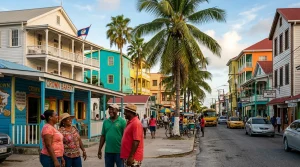
In recent years, crime trends in Belize and Mexico have garnered attention from both locals and international observers, particularly concerning tourism safety. While both countries experience issues related to crime, the nature and prevalence can vary significantly. Belize, with its vibrant rainforests and stunning coastlines, has witnessed fluctuating crime rates that largely stem from gang-related violence in urban areas like Belize City. This city has experienced spikes in violent crime, particularly homicides, leading to a growing concern among visitors and expats alike.
Meanwhile, Mexico has been grappling with a well-documented wave of drug-related violence, with cartels exerting significant influence over various regions. While popular tourist destinations such as Cancun and Playa del Carmen maintain a relatively low crime rate for visitors, areas with active cartel territories often see shocking levels of violence. This disparity highlights an important nuance; not all areas in Mexico pose the same risks to travelers.
Travelers contemplating a visit to Belize or Mexico often seek insights into the underlying factors driving these crime trends. In Belize, socioeconomic challenges, like poverty and lack of opportunities, contribute to crime rates, while Mexico’s issues are more deeply interwoven with organized crime syndicates. Understanding these dynamics can empower tourists to make informed decisions about where to go and stay safe. Thus, staying updated on local news and following travel advisories is crucial, allowing travelers to enjoy the stunning landscapes and rich cultures without unnecessary concern.
For those planning a trip or considering a longer stay, engaging with local communities and understanding the social fabric of each destination can further enhance their experience, ensuring that they embrace all the beauty and adventure these vibrant nations have to offer.
Understanding Crime Statistics: A Comparison
Understanding the nuances of crime statistics in Belize and Mexico can be vital for travelers contemplating a visit to these captivating Central American destinations. Both countries offer stunning landscapes and rich cultural experiences, but they also face challenges linked to crime that can impact visitor safety. In Belize, for instance, the crime rate is markedly influenced by gang activity, particularly in urban settings like Belize City. Over the past few years, Belize has recorded fluctuations in violent crime rates, with spikes in homicides drawing attention to the need for caution among tourists.
In contrast, Mexico’s crime landscape is often dominated by the activities of drug cartels, which operate in various regions. While areas frequented by tourists, like Cancun or Playa del Carmen, typically report lower crime rates, the proximity to regions affected by cartel violence creates a complex picture. The dramatic differences in crime between tourist hotspots and other areas can leave travelers bewildered about where it’s safe to roam. Understanding that not all parts of Mexico carry the same risks is crucial for informed decision-making.
When comparing crime statistics, it is essential to look beyond the numbers and delve into the causes behind them. In Belize, issues like poverty and limited economic opportunities frequently fuel crime, whereas in Mexico, the entrenchment of organized crime syndicates plays a more significant role. This disparity highlights the importance of local context in evaluating safety perceptions. Travelers can enhance their experience by maintaining awareness of local news, engaging with the community, and respecting social norms to navigate safely through both these vibrant nations.
Ultimately, safety is not solely defined by crime statistics but rather by understanding the broader context of each destination. By taking practical steps-such as choosing safer neighborhoods to stay in, avoiding risky areas, and being vigilant-travelers can immerse themselves in the beauty of Belize’s beaches, the majesty of its ancient Maya ruins, and the warmth of its diverse culture with greater confidence and peace of mind.
Safety Perceptions: Belize vs. Mexico
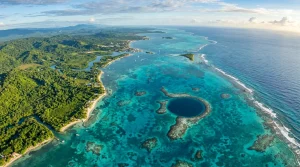
In the heart of Central America, the allure of Belize-and the broader spectrum of travel experiences-is often juxtaposed against the complexities of safety perceptions in neighboring Mexico. While both nations boast breathtaking scenery and rich cultural tapestries, the nuance of crime and safety can significantly influence the lens through which visitors perceive their journeys. Belize, known for its stunning coastline, the Great Blue Hole, and ancient Maya ruins, may evoke thoughts of tropical paradise, yet it faces challenges associated with urban crime, particularly in areas like Belize City, where gang violence can unexpectedly penetrate the tourist experience.
On the other hand, Mexico’s vastness presents a more intricate safety landscape. Tourist-friendly destinations like Cancun and Playa del Carmen are often reported to have lower crime rates, contrasting sharply with regions plagued by drug cartel activities, where violence can surge dramatically. The reality of traveling through Mexico hinges on informed decision-making; understanding that safety varies fluidly across geographical lines is essential. Tourists in Mexico typically engage with a vibrant culture filled with culinary delights, lively music, and festive traditions, yet must navigate the setting with caution, often favoring the well-trod paths of established tourist zones.
To enhance safety perceptions while traveling, consider these actionable tips:
- Stay informed: Keep up with local news and advisories to understand current conditions.
- Connect with locals: Engaging with residents can provide insights into both attractions and potentially hazardous areas.
- Choose accommodations wisely: Opt for well-reviewed hotels or hostels in safe neighborhoods, minimizing risk while enhancing comfort.
- Travel during the day: Most crime tends to happen after dark; planning day trips can boost personal safety.
By blending excitement with precaution, travelers can immerse themselves in Belize’s natural splendor or Mexico’s cultural richness without compromising safety. The warmth and hospitality of both nations promise unforgettable experiences, and as long as visitors approach with awareness and respect for the local contexts, they can revel in explorations that are as secure as they are enriching.
Top Cities in Belize and Their Crime Rates
In the vibrant landscape of Belize, visitors are often drawn to the stunning natural beauty and the warm embrace of its local culture. However, as with any destination, it’s essential to be informed about safety, particularly regarding crime rates in its notable cities. Each town and city varies widely, not only in attractions but also in residents’ experiences regarding safety and crime.
Belize City, as the largest urban center, presents a mixed picture. While it boasts an array of cultural sites and is often the gateway to stunning Caribbean destinations, it also grapples with higher crime rates, which can be attributed to gang-related activities. The urban environment, rich with history, means that tourists should remain vigilant, particularly in less traveled areas during nightfall.
San Ignacio and Cayo District
In contrast, San Ignacio, nestled in the enchanting Cayo District, is frequently noted as one of the safer cities in Belize. Its picturesque surroundings and proximity to amazing sites such as the Maya ruins at Xunantunich add to its appeal. Visitors here can engage with local markets and enjoy an unparalleled sense of community. The crime rates are considerably lower compared to Belize City, making it a favorite for adventurous travelers keen on eco-tours and cultural experiences.
Ambergris Caye
Ambergris Caye, known for its turquoise waters and proximity to the Belize Barrier Reef, offers not only pristine beaches but also a generally safe environment for tourists. The town of San Pedro, while lively and popular among travelers, is generally safe. Crime here tends to be low, with most incidents being petty theft rather than violent crime. The local community is actively involved in hospitality, enhancing the sense of security felt by visitors.
Placencia
Placencia stands out for its idyllic beaches and laid-back atmosphere, with crime rates that are among the lowest in the country. This charming village, with its locally-owned businesses, welcomes guests looking for a relaxing retreat without significant concerns over safety. The friendly local population contributes to a welcoming environment, reinforcing the notion that this is a sanctuary for tourists.
In summary, while Belize does face challenges regarding urban crime, many areas, particularly those frequented by tourists, offer welcoming and comparatively safe environments. By staying informed and choosing accommodations wisely, visitors can enjoy the rich tapestry of Belizean culture and natural beauty with peace of mind, ready to explore everything from stunning beaches to ancient ruins.
Exploring Crime Hotspots in Mexico
In the vibrant tapestry of Mexico, certain areas attract more attention when it comes to crime rates, making it crucial for travelers to stay informed about their safety. While Mexico is rich in culture and breathtaking landscapes, some regions sadly also bear the weight of violence, often linked to drug trafficking and organized crime. Recent statistics highlight that states like Guerrero, Michoacán, and Sinaloa are among the top hotspots for violence, with the bustling city of Acapulco frequently referenced for its high incidence of crime, including homicides.
Understanding the Hotspots
A closer look reveals that these crime hotspots often correspond with areas where drug cartels are active. Visitor perceptions can be skewed by sensationalized media portrayals, but it’s essential to note that these incidents often occur in specific neighborhoods and may not extend to tourist districts. For example, Acapulco, while notorious for crime, also has vibrant tourist areas where the local government has increased police presence to ensure safety for visitors.
Among the notable cities, Tijuana and Ciudad Juárez should also be mentioned. Tijuana, located just south of California, is famous for its nightlife and culinary scenes, yet it continues to struggle with crime, particularly related to gang activity. In contrast, cities like Mérida and Querétaro offer a different narrative, boasting lower crime rates and welcoming atmospheres, making them ideal for travelers concerned about safety.
Traveling Safely in Mexico
For those venturing into these booming but complex locales, it’s essential to exercise caution. Here are practical tips for navigating safety in Mexico:
- Stay Informed: Regularly check travel advisories from your country’s foreign office.
- Choose Accommodations Wisely: Opt for reputable hotels in safe neighborhoods, preferably those with strong security measures.
- Avoid Risky Areas: Steer clear of known trouble spots, especially after dark.
- Use Trusted Transportation: Rely on registered taxis or rideshare services instead of public transport in unsafe regions.
- Be Discreet: Avoid flaunting valuables and be cautious with your digital presence, particularly on social media.
Travelers to Mexico should also embrace the culture and hospitality of the country, balancing their excitement for exploration with an awareness of their surroundings. By doing so, they can uncover the rich historical narratives, delectable cuisine, and friendly people that define this enchanting destination, while minimizing the risks associated with specific crime-laden areas.
Tourism Safety: The Impact of Crime
Traveling to Belize can be an enchanting experience, where the shimmering Caribbean waters meet lush jungles and ancient Maya ruins. However, like any destination, understanding the safety landscape is essential for a worry-free experience. Crime rates, though concerning, should be placed in context to appreciate the vibrant culture and breathtaking environments Belize offers. The country has seen fluctuations in crime, with certain areas experiencing higher incidents, often linked to socio-economic factors rather than impacting tourist zones directly.
When visiting Belize, it’s vital to remain informed and proactive about safety. The tourism industry works diligently to ensure visitor safety, with numerous hotels and resorts implementing enhanced security measures. Areas such as Ambergris Caye and Caye Caulker are known for their hospitality and safety, drawing travelers looking to immerse themselves in beach life and water sports. Conversely, Belize City is advised to be approached with caution, particularly after dark, as it has higher crime rates compared to other locations.
Overall, tourism safety hinges on making smart choices. Consider the following tips to enhance your safety while enjoying the wonders of Belize:
- Stay in well-known tourist areas: Familiarize yourself with safe neighborhoods and popular spots.
- Travel in groups: There’s safety in numbers, especially in unfamiliar areas.
- Secure your belongings: Use hotel safes and be mindful of your personal items in busy areas.
- Engage with locals: They can offer valuable insights about the area and help navigate potential safety concerns.
- Trust your instincts: If a situation feels unsafe, don’t hesitate to leave that environment.
Exploring the cultural heart of Belize is deeply rewarding, and by remaining mindful of safety, you can embrace all that this stunning country has to offer, from the Great Blue Hole to the vibrant heritage of Creole cuisine. A little caution goes a long way in safeguarding against crime, enabling travelers to create unforgettable memories amid the warmth and beauty of Belize.
Travel Precautions for Belize and Mexico
Traveling to Belize and Mexico can be a remarkable adventure, filled with stunning landscapes, rich cultures, and vibrant communities. However, being mindful of safety and taking appropriate precautions can enhance your travel experience significantly. Both destinations, while beautiful, feature varying safety landscapes influenced by local crime rates and cultural attitudes towards safety.
One effective approach to ensuring a safe journey is to plan your itinerary with careful consideration of the areas you wish to explore. Research shows that tourist-friendly zones in Belize, such as Ambergris Caye or the laid-back atmosphere of Caye Caulker, generally experience lower crime rates and a welcoming local philosophy. In contrast, certain areas in Mexico can be known for higher risks, especially in urban centers. Here are some key travel precautions to consider:
- Stay Updated: Regularly check local news and travel advisories from your government regarding safety concerns in both Belize and Mexico.
- Choose Accommodations Wisely: Select reputable hotels or resorts that prioritize guest security and have positive reviews regarding safety measures.
- Be Aware of Your Surroundings: Always remain alert, especially in crowded places or at night. Trust your instincts; if a situation feels off, it’s best to leave.
- Limit Cash Carrying: Bring only what you need for the day and use secure methods for transactions to reduce the risk of theft.
- Utilize Trusted Transportation: Opt for reputable transportation services or guided tours when navigating unfamiliar areas instead of using public transport alone.
Moreover, engaging with local communities can provide insights that enhance your understanding of safe practices. Locals often know the best routes to take, safe vs. risky neighborhoods, and can even guide you to hidden gems off the beaten path. Remember, both Belize and Mexico offer breathtaking natural beauty-from the Great Blue Hole’s spectacular dive sites to Mexico’s colorful coastal towns-making it worth being proactive about safety. With thoughtful planning and a cautious mindset, your travels can be as enjoyable and immersive as they are safe.
Local Law Enforcement: How Do They Compare?
The effectiveness of local law enforcement can significantly influence the overall safety perception in different countries. In Belize, the police force is relatively small and operates under limited resources, with efforts often concentrated on tourist areas to promote safety in these vital economic zones. The Belize Police Department focuses on community policing, aiming to build relationships with local residents and visitors. Officers are often approachable, which fosters a sense of trust among the community. However, challenges such as manpower shortages and underfunding mean that some remote areas may experience slower response times. As a visitor, it’s beneficial to familiarize yourself with the local police stations, especially in popular tourist destinations, where you can expect a more focused level of service.
In contrast, Mexico’s law enforcement landscape is more complex. The country has a larger police presence, but it consists of various forces, including federal, state, and municipal police. Unfortunately, issues of corruption and ties to organized crime have led to a lack of public trust in some areas. Tourists in certain Mexican cities might encounter a visible police presence, particularly in tourist hotspots, but this can vary widely depending on the region. Engaging with local communities in Mexico can provide beneficial insights into safe practices and how best to navigate various areas.
While both countries face unique challenges, understanding the local law enforcement dynamics can help you feel more secure. When traveling, it’s always wise to inquire about safety measures and police procedures from locals or your accommodations. Connecting with community resources, such as local tourism boards or expat forums, can also provide valuable updates on safety and law enforcement practices, ensuring a more confident travel experience. Taking the time to understand the different law enforcement environments in Belize and Mexico will empower you to make informed decisions, enhancing your overall adventure in these culturally rich destinations.
Cultural Attitudes Towards Violence in Each Country
In the vibrant tapestry of Central America, cultural attitudes toward violence play a decisive role in shaping the experiences of locals and visitors alike. In Belize, the influence of diverse ethnic groups-Maya, Garifuna, Creole, and others-creates a rich cultural backdrop where communal values often prioritize harmony and conflict resolution through dialogue. While Belize does face challenges with crime, the overall societal response tends to emphasize community solidarity and the importance of peaceful coexistence. Belizeans often discuss conflicts openly within families and friend groups, seeking to resolve issues without resorting to violence, which is frequently seen as a failure to uphold social harmony.
Contrastingly, Mexico’s relationship with violence is intricately tied to its prolonged struggles with organized crime and drug trafficking. This has fostered a complex and sometimes ambivalent cultural narrative around violence. In some areas, especially where drug cartels exert significant influence, there is a palpable concern about safety, but many locals maintain resilience through a vibrant cultural life characterized by festivals, music, and community gatherings. In the face of adversity, Mexicans often illustrate a remarkable spirit-celebrating life through colorful traditions such as Día de los Muertos, emphasizing the importance of community support during tough times. Yet, in regions grappling with violence, fear can seep into everyday life, leading to a cautious attitude regarding safety and social interactions.
In both countries, the prevailing narratives around violence significantly impact tourism. Travelers to Belize may find themselves enveloped in the warmth of its natural beauty and integrated community events that encourage interaction with locals. The practice of engaging with the community can foster a deeper understanding of cultural nuances and enhance one’s sense of safety. Meanwhile, visitors to Mexico, particularly in tourist hot spots, are often met with friendly locals eager to share their customs and traditions, even as travelers remain vigilant due to the varying safety perceptions across different regions.
When it comes to personal safety and navigating cultural attitudes toward violence during travel, it’s essential for visitors to adopt an open-minded yet cautious approach. Educating oneself about local customs, seeking recommendations from reputable sources, and prioritizing engagement with local communities will not only enrich the travel experience but also contribute positively to the overall atmosphere of safety and respect. As you journey through these culturally rich countries, remain aware and mindful of the prevailing attitudes, as they often inform the rhythm of life in Belize and Mexico, bringing you closer to understanding their unique environments.
Expat Living: Safety Insights for Relocators
When considering a move to Central America, many expats are drawn to the allure of Belize, with its pristine Caribbean beaches, lush jungles, and rich cultural heritage. However, safety concerns are paramount for those contemplating relocation. The crime landscape in Belize, while presenting challenges, tends to differ significantly from neighboring Mexico, where organized crime and drug trafficking pose a more pronounced threat in certain areas. Understanding the nuances of safety in Belize can empower future residents to make informed choices about where to settle.
In Belize, crime rates vary widely depending on the region. Urban centers like Belize City and certain parts of Belize District experience higher crime rates, often linked to gang activity. However, many of the most popular expat destinations, such as Ambergris Caye and Placencia, report lower crime instances. These areas are not only vibrant with local culture and stunning natural scenery but also emphasize community-oriented values that contribute to a sense of safety. Connecting with local residents can provide invaluable insights into neighborhood dynamics and help expats navigate the landscape more effectively.
Safety tips for relocators include establishing routines that prioritize personal security. Consider living in gated communities, which are prevalent in popular expat areas, as they often feature security measures that enhance peace of mind. Additionally, familiarize yourself with the local law enforcement protocol-police in Belize are generally approachable and responsive to community needs. It’s also crucial to engage in community events and build relationships with neighbors; this not only creates a sense of belonging but also fosters a supportive network that can be beneficial in emergencies.
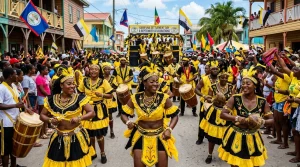
As part of the broader lifestyle in Belize, many expats find solace in the laid-back atmosphere and supportive local culture, which celebrates its diversity through food, music, and annual festivals. Enjoying a traditional meal of rice and beans or participating in a Garifuna drumming session offers an opportunity to blend in and appreciate the local customs while enhancing personal safety. By staying informed, open to local traditions, and adaptable to the rhythm of life in Belize, potential expats can navigate the path to a fulfilling and secure life in this beautiful setting.
Emergency Response: What Travelers Need to Know
In the vibrant atmosphere of Belize, where the azure waters meet lush jungles, understanding emergency response options is crucial for any traveler. Not only does it enhance your safety, but it also allows you to immerse yourself fully in the local culture, knowing you have a reliable safety net. Belize’s healthcare system may not be as expansive as that of larger countries, but it still offers a decent level of medical care, particularly in major tourist hubs like Belize City, San Pedro, and Placencia. Here are some key points to keep in mind when navigating emergency responses in Belize:
- Emergency Numbers: Familiarize yourself with the local emergency numbers. For police assistance, dial 911. Medical services can be contacted through the same number, but it’s advisable to memorize the number of your nearest hospital or clinic as well, especially those in tourist areas.
- Accessing Healthcare: While larger towns generally have private clinics and hospitals, rural areas may have limited medical facilities. Keeping a list of hospitals-such as Belize Medical Center in Belize City or Dr. Otto Rodriguez PolyClinic II in San Pedro-can be invaluable.
- Travel Insurance: Before your trip, invest in comprehensive travel insurance that covers emergency medical and evacuation services. Ensure it includes coverage for activities you intend to pursue, like diving or hiking in national parks.
- Local Allies: Engage with your hotel staff or local guides, as they can provide critical information on nearest medical facilities and reliable transportation in case of emergencies. They often know the quickest routes and local protocols, significantly reducing your response time.
- Health Precautions: Belize’s tropical environment presents unique health challenges, such as mosquito-borne diseases. Taking precautions-like using insect repellents and ensuring vaccinations are up-to-date-can help minimize health risks.
Additionally, while crime in Belize is generally lower than in some regions of Mexico, it’s prudent to remain aware and avoid high-risk areas, especially at night. If you encounter an uncomfortable situation, don’t hesitate to contact the local authorities or your hotel for assistance. They are usually very responsive and willing to support you as a visitor.
In this paradise filled with adventure, from exploring the Great Blue Hole to trekking through jungle ruins, having a plan for emergencies ensures you can focus on what truly matters-enjoying the breathtaking beauty and rich culture of Belize. Embrace the warmth of the local community and let your senses indulge in the vibrant life around you, all while knowing that your safety measures are well in place.
Resources for Reporting Crime While Traveling
Navigating the enchanting landscapes of Belize, where the allure of the Caribbean oceans meets the depths of lush jungles, is an experience many dream of. However, as with any travel adventure, understanding how to report crime if you become a victim is vital for ensuring your safety and peace of mind. Being informed about local protocols not only helps you in emergencies but also contributes to a safer environment for everyone visiting this beautiful destination.
In the unfortunate event that you need to report a crime while in Belize, start by contacting the local authorities through the universal emergency number, 911. This number connects you to police, medical assistance, and fire services. When making a report, try to provide as much detail as possible about the incident, including the location, time, and description of any suspects or vehicles involved. The police are typically responsive, and reports can often be filed in person at nearby police stations. Major tourist areas like Belize City or San Pedro have police stations familiar with foreign visitors.
For travelers who might encounter language barriers, having a phrasebook or translation app can ease communication with local law enforcement. Additionally, consider reaching out to your hotel staff or local tour guides, who can assist you in navigating the reporting process; they often have established relationships with local services and can facilitate communication.
Furthermore, it’s wise to document any incidents thoroughly. Taking photos of your surroundings, collecting witness information, and retaining any related receipts or correspondence can strengthen your report. While crime is relatively lower in Belize than in other regions, maintaining awareness and preparedness enhances your overall experience. Enjoying the vibrant culture, incredible landscapes, and warm hospitality of Belize is certainly possible with a little planning and awareness of local resources.
Frequently asked questions
Q: Is Belize safer than Mexico for tourists?
A: Generally, Belize is considered safer than some regions of Mexico for tourists, with lower rates of violent crime in popular tourist areas. However, visitors should remain vigilant and informed about specific locations, as crime can vary greatly within each country.
Q: What are the current crime rates in Belize compared to Mexico?
A: Crime rates in Belize are lower than in many parts of Mexico, particularly regarding violent crime. However, property crimes like theft can occur in both countries. Travelers should check recent crime statistics before planning their trips for updated insights.
Q: Which cities in Belize are considered the safest for travelers?
A: Cities like San Pedro and Placencia are often noted as safer for travelers in Belize. These areas have lower crime rates and are popular among tourists, providing a good balance of safety and local culture. For detailed safety information, refer to the section on “Top Cities in Belize and Their Crime Rates.”
Q: What travel precautions should I take when visiting Belize or Mexico?
A: Always stay informed about your surroundings, avoid displaying valuables, and use reputable transportation. In both countries, travelers should remain cautious in less populated areas and follow local travel advisories for the safest experience.
Q: How do local law enforcement practices differ between Belize and Mexico?
A: Belize’s law enforcement is generally perceived as more accessible and responsive to tourists, while Mexico can experience significant regional disparities. In Belize, police are often cooperative and help tourists in distress. For more, check the “Local Law Enforcement: How Do They Compare?” section.
Q: Are violent crimes common in tourist areas of Belize?
A: Violent crimes are rare in Belize’s main tourist areas but can occur. Tourists should stick to well-traveled locations, travel in groups, and be cautious at night. Refer to the section on “Tourism Safety: The Impact of Crime” for further guidance.
Q: What factors contribute to the perception of safety in Belize vs. Mexico?
A: Perceptions stem from crime statistics, media portrayal, and firsthand experiences. Belize is often seen as more laid-back and less violent than certain Mexican areas, but it’s essential to consider that experiences can vary widely within each country.
Q: What should expats looking to move to Belize know about safety?
A: Expats should research specific neighborhoods and connect with local communities. Understanding local laws, cultural attitudes towards crime, and establishing good relationships with neighbors can greatly enhance safety. See the “Expat Living: Safety Insights for Relocators” section for more information.
In Conclusion
As you weigh the safety of Belize compared to Mexico, remember that the extensive crime statistics indicate Belize presents unique challenges yet fosters welcoming communities and breathtaking destinations. If you’re eager to explore the lush jungles, stunning beaches, and ancient Maya ruins, now is the perfect time to consider a visit. Dive deeper into our detailed guides on discovering the Great Blue Hole, or find the perfect accommodation for your stay, whether a cozy jungle lodge or a beachfront resort.
For more insights, don’t miss our comprehensive travel tips and cultural highlights, including the vibrant Creole cuisine and seasonal festivals that embody Belize’s rich heritage. Ready to plan your adventure? Sign up for our newsletter for the latest updates and exclusive offers, and join the conversation in the comments below. Your journey to experiencing Belize awaits-take the next step today!
Get our latest guides, news, and insights highlighted in your Google Search & AI Overviews.