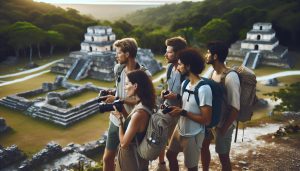
As you explore the breathtaking jungles and picturesque landscapes of Belize, the allure of its wildlife is undeniable. However, certain species, including a few venomous snakes, can pose risks to the unwary traveler. Understanding these creatures is essential not only for your safety but also to enhance your appreciation of Belize’s rich biodiversity. In this guide, we’ll delve into the types of poisonous snakes you might encounter, along with vital safety measures and first aid tips. Equip yourself with the knowledge to navigate Belize’s natural wonders confidently and enjoy every moment of your adventure. Prepare to embark on an exhilarating journey while ensuring you stay informed and safe!
Are There Poisonous Snakes in Belize? Understanding the Threat

In the lush landscapes of Belize, where jungles teem with biodiversity, understanding the presence of venomous snakes is crucial for any adventurous traveler. These snakes play a vital role in the ecosystem, yet their potential threat cannot be understated. While the majority of visits to Belize occur without incident, it is important to be aware of the types of venomous snakes and the environments they inhabit. The most notable include the fer-de-lance and the coral snake, which possess potent venom capable of causing serious harm.
Travelers venturing into Belize’s natural wonders, such as the expansive jungles and remote Maya ruins, should exercise caution in areas where snakes might be present. These habitats provide an ideal setting for snakes to thrive, often obscured among dense foliage or beneath rocky outcrops. Understanding the risks associated with their presence can help mitigate the chances of an encounter. It is advisable to stay on well-trodden paths and avoid tall grass or underbrush where snakes may be concealed.
The local culture often harbors a deep respect for snakes, and jumping into investigations of local myths and stories can enrich your experience. Engaging with guides who are knowledgeable about the region’s ecosystems can enhance your appreciation of Belize’s wildlife while educating you on safe practices. As you embark on hiking adventures or explorations in nature, being informed will empower you to enjoy the rich, vibrant environment of Belize, while also respecting its more dangerous inhabitants.
Identifying the Most Common Venomous Snakes in Belize

In the serene jungles and coastal regions of Belize, the vibrant ecosystem includes some of the most remarkable creatures, including a few venomous snake species that command respect. By recognizing these snakes, travelers can stay informed and enhance their overall experience in this captivating paradise. The two most notorious snakes that inhabit Belize are the Bothrops asper, commonly known as the fer-de-lance, and the coral snake, both of which possess potent venom.
The fer-de-lance is often characterized by its robust size, ranging between 3 to 6 feet in length. It boasts a distinctive appearance with a triangular-shaped head and a pattern of dark brown or gray with lighter colored bands that run along its body, allowing it to blend seamlessly into the forest floor. This snake is particularly swift and can be aggressive when threatened, making it essential to maintain a safe distance.
On the other hand, the coral snake, identifiable by its bright red, yellow, and black bands, is smaller, usually measuring around 2 to 3 feet. Its vivid colors serve as a warning to potential predators, as it is one of the most venomous snakes in the Americas. Despite its timid nature, the coral snake can deliver a potent bite when provoked. A crucial identifier is its band pattern: remember, “red on yellow kills a fellow,” which helps distinguish it from the non-venomous milk snake that shares similar coloring-where the pattern has black between the red and yellow bands.
By familiarizing yourself with these common venomous snakes, you not only enhance your safety but also cultivate a deeper appreciation for Belize’s unique wildlife. Engaging with knowledgeable local guides and embracing the educational opportunities surrounding this aspect of Belizean culture can enrich your adventure, providing insights into the delicate balance of nature and the importance of respecting all its inhabitants. Whether you’re discovering ancient Maya ruins or traversing lush trails, this knowledge can empower you to enjoy your surroundings wholeheartedly while prioritizing safety.
Snake Bite Incidents: What You Need to Know

Exploring the natural beauty of Belize is an adventure like no other, with lush jungles and pristine beaches waiting to be discovered. Yet, amid this breathtaking scenery, there’s a real and important topic that travelers should be aware of: snake bites. Although incidents are relatively rare, understanding the risks associated with venomous snakes such as the fer-de-lance and coral snake can help you stay safe during your journey.
Most snake bite incidents happen when people inadvertently disturb a snake, either by stepping on it or getting too close. The fer-de-lance, known for its speed and aggression, is responsible for a significant percentage of snake bites in the region, particularly in rural areas where people might be more exposed to their habitats. Contrary to popular belief, wearing sturdy boots does augment safety, but awareness of your surroundings is paramount. Initial reactions to being bitten are critical; seeking immediate medical attention is vital, as effective antivenom is available, but the clock is ticking.
To mitigate potential risks while hiking or engaging in outdoor activities, it’s essential to stay informed and prepared. Many local tour guides are well-versed in the habits of these snakes and can provide invaluable insights into safer hiking practices. Additionally, participating in guided excursions minimizes the chance of unwanted encounters, allowing you to relish Belize’s rich ecosystems without added anxiety.
Education is crucial; understanding how to identify venomous snakes can empower you. For example, a fer-de-lance can often be spotted basking on trails, while the coral snake typically prefers forested areas. Knowledge of their behavior and habitats can reduce the likelihood of surprise encounters, enriching your travel experience while ensuring your safety. Remember: appreciating Belize’s wildlife means respecting its creatures; with awareness and preparedness, you can enjoy all the splendor this incredible destination has to offer.
Essential Safety Tips for Exploring Belize’s Nature

Exploring the vibrant ecosystems of Belize is a thrilling experience, where the rich tapestry of nature effortlessly intertwines with adventure. To ensure your explorations are not only exhilarating but also safe, keeping some essential safety tips in mind is crucial, especially regarding the presence of venomous snakes in the region.
First and foremost, always remain aware of your surroundings. When hiking through jungles or along remote trails, it’s easy to get lost in the sights and sounds of nature. However, staying attentive to the path ahead can help you spot snakes before they become a risk. Look for areas of dense foliage and avoid stepping over logs or rocks without checking first, as many snakes like to bask in the sun and can be well-camouflaged. Ideal hiking times are during the cooler hours of the morning and late afternoon, when snakes are less active.
Consider wearing appropriate gear that protects your feet and ankles. Sturdy hiking boots and long pants can reduce the chances of a snake bite. Additionally, using trekking poles can help you gauge the terrain in front of you, providing both stability and an extra measure of safety. When choosing hiking paths, opt for well-trodden trails wherever possible. Travelers should engage local guides who are knowledgeable about the terrain and the creatures within it. They can not only enhance your experience but also help navigate potential risks, ensuring you explore with confidence.
Preparation is key for safe outdoor adventures. Make sure to carry a small first aid kit that includes essentials for snake bites, such as adhesive bandages, antiseptic wipes, and a compression bandage. Familiarize yourself with emergency contacts and medical facilities in the area prior to your journey, so that if an incident occurs, you can act quickly. Understanding the basics about venomous snakes, their habitats, and their behaviors will also empower you as you navigate the beautiful wilderness of Belize.
Lastly, engage in community conservation efforts. Being a responsible traveler includes respecting local wildlife and understanding the role snakes play in the ecosystem. By promoting awareness and participating in conservation initiatives, you contribute to maintaining the delicate balance of Belize’s natural environments. With the right precautions and respect for nature, your exploration of Belize’s stunning landscapes can be both safe and unforgettable.
First Aid Protocols for Snake Bites in Belize
In the lush, exotic landscapes of Belize, encounters with its diverse wildlife-especially snakes-are part of the adventure. While the vast majority of snake species in Belize are harmless, the presence of a few venomous varieties, such as the fer-de-lance and the coral snake, makes understanding first aid for snake bites crucial. Recognizing the signs and knowing how to respond can mean the difference between a minor scare and a serious medical emergency.
Upon receiving a snake bite, the first step is to stay calm. Panic can increase heart rate and blood circulation, exacerbating the spread of venom. If you or someone else has been bitten, keep the affected limb immobilized and at or below heart level to slow the rapid flow of venom. Avoid applying ice, cutting the wound, or attempting to suck out the venom, as these methods are ineffective and can worsen the situation.
Immediate Actions to Take
Here’s a quick list of essential first aid protocols to follow if bitten by a snake in Belize:
- Seek Medical Attention Immediately: Locate the nearest hospital or medical facility. Having a list of emergency contacts handy is important.
- Keep the Victim Still: Limit movement and keep the bite site still to reduce the spread of venom.
- Remove Tight Clothing and Jewelry: They can constrict blood flow and become increasingly tight as swelling occurs.
- Document the Snake: If safe to do so, try to remember the color, size, and markings of the snake or take a photo from a distance to aid medical personnel.
- Monitor Vital Signs: Keep an eye on the affected person’s breathing and pulse while waiting for medical assistance.
It’s vital to avoid home remedies, such as tourniquets, as they can lead to tissue damage and worsen the situation. Instead, focus on reaching a medical facility where professionals can provide appropriate treatment, which often includes antivenom.
Aftercare and Recovery
After initial treatment for a snake bite, follow-up care is essential for recovery. Adhere to the medical advice provided, which may include rest, wound care instructions, and any necessary follow-up appointments.
Understanding first aid protocols empowers adventurers to explore the wild beauty of Belize with confidence. Equip yourself with knowledge and maintain an awareness of your surroundings, so your unforgettable journey through the natural wonders of Belize remains a positive experience.
How to Avoid Snake Encounters While Hiking
Hiking through the stunning jungles and lush landscapes of Belize is a captivating experience, yet it comes with its share of responsibilities, particularly when it comes to avoiding snake encounters. The tranquil beauty of the Great Blue Hole and the cultural richness of the Mayan ruins do not entirely mask the fact that Belize is home to several venomous snake species, including the notorious fer-de-lance. To fully enjoy your adventure while minimizing risks, it’s essential to take some precautionary steps.
One effective way to avoid snake encounters is to wear the right footwear and clothing. Opt for sturdy hiking boots that cover your ankles and long pants tucked into your socks. This not only protects you from potential bites but also from cuts and scratches from the dense underbrush. When moving through thick vegetation, make noise by talking or clapping your hands; snakes are often startled by vibrations and will retreat. Staying on marked trails is equally vital-wandering off-site increases the likelihood of crossing paths with these elusive creatures.
Choosing the right time for hiking can also make a significant difference. Snakes tend to be more active during warmer daytime hours, so planning your hikes during the early morning or late afternoon can help reduce the chances of an encounter. Moreover, be vigilant around rocks, logs, and underbrush where snakes might hide. Always scan your surroundings before placing your hands or feet onto an unfamiliar surface. If you encounter a snake, adopt a calm demeanor; most snakes will slither away if undisturbed.
In summary, while hiking in the enchanting landscapes of Belize, being prepared and informed can enhance your adventure while ensuring your safety. By dressing appropriately, remaining alert, and respecting the natural habitats around you, you can embrace all that Belize has to offer without unnecessary risks. Whether you’re trekking towards the majestic Maya ruins or through the vibrant rainforests, your encounter with nature will be unforgettable-just ensure you’re equipped to appreciate it safely.
Understanding the Habitats of Belize’s Poisonous Snakes
Belize is a tropical haven known for its breathtaking landscapes, from dense jungles to pristine coastlines, but this paradisiacal setting also serves as a natural habitat for several venomous snakes. Understanding where these snakes prefer to reside is essential for ensuring safety while you explore the country’s diverse ecosystems. The most notorious of these snakes, the fer-de-lance, can often be found lurking in humid, lowland forests, and they thrive in areas with abundant prey and cover. Their habitats typically include forest edges, agricultural lands, and occasionally even urban settings where they search for rodents.
Beyond the fer-de-lance, Belize is also home to the yellow-bellied sea snake, often seen in coastal waters, and the coral snake, which prefers more arid regions. These snakes tend to favor specific environments that align with their dietary needs and behavioral patterns. For instance, the coral snake enjoys the drier, sandy areas where it can easily hunt lizards and other small animals, while the yellow-bellied sea snake is well-adapted to life in marine environments, where it feeds on fish. Both species highlight the dramatic variety of habitats available across Belize, showcasing the intricate connections between wildlife and their surroundings.
When venturing into Belize’s beautiful wilderness, it’s crucial to be aware of your environment. Snakes often camouflage themselves among leaves and rocks; therefore, travelers should actively observe their surroundings to avoid surprise encounters. The rainy season transforms the landscape, allowing vegetation to flourish and providing more cover for snakes, so it’s important to be extra vigilant during this time. By walking carefully, making noise to alert wildlife, and sticking to established trails, you help minimize the chances of a snake encounter while appreciating everything Belize has to offer.
In essence, not only enhances your adventure but also serves as a critical safety measure. Whether you are traversing the lush jungles or exploring coastal trails, being informed about the local wildlife enriches your experience, allowing you to embrace the beauty and excitement of Belize safely.
Emergency Contacts and Medical Facilities in Belize
In the lush landscapes of Belize, where vibrant jungles meet sparkling coastlines, ensuring your safety during outdoor adventures is paramount-especially when it comes to encounters with venomous snakes. While the chances of a snake bite are relatively low, understanding how to access medical care and emergency services can provide peace of mind for travelers exploring this Central American gem.
In Belize, the primary healthcare facilities are located in urban areas, with a mix of public and private hospitals and clinics. Among the notable institutions, Karl Heusner Memorial Hospital in Belize City is the largest referral hospital, equipped with emergency services and staffed by trained medical professionals. For those venturing to more remote locations, smaller clinics, such as those in San Pedro and Placencia, can provide immediate care, but it may be necessary to travel to a larger facility for more serious incidents.
In the event of a snake bite, quick access to treatment is crucial. If bitten, it is recommended to call for local emergency services using the following contacts:
- Emergency Services: 911
- Public Health Institution: Karl Heusner Memorial Hospital – +501 223-8888
- Private Medical Clinics: Belize Medical Associates – +501 223-5092
- San Pedro Polyclinic: +501 226-2710
Additionally, many tour operators and eco-lodges offer their guests briefings that include safety protocols and emergency contact numbers, helping visitors feel prepared in case of any incidents. It’s wise to keep these numbers handy, even documenting them on your mobile device for easy access during your explorations.
Belizeans are known for their hospitality and willingness to assist, so if you’re in distress, don’t hesitate to ask locals for help if you’re unsure where to go. Many communities also have volunteer first responders trained in providing initial care before professional medical help arrives.
Exploring Belize’s diverse environments can be exhilarating, filled with opportunities to engage with incredible wildlife and rich cultural experiences. By familiarizing yourself with local emergency contacts and medical facilities, you ensure that your adventures remain safe and enjoyable, allowing you to fully immerse yourself in the breathtaking beauty of Belize.
Connecting with Local Wildlife Experts and Guides
As you wander through the vibrant jungles and exotic landscapes of Belize, the rich tapestry of its wildlife extends beyond breathtaking views and majestic ruins-it invites an immersive experience with local experts who are passionate about the natural world. Engaging with experienced wildlife guides not only enhances your adventure but also equips you with critical knowledge to navigate the potential encounters with the country’s venomous snakes. These guides, often with years of training and local insight, offer a unique perspective on understanding snake behavior and habitats, allowing you to enjoy the natural beauty safely.
In Belize, numerous tour operators focus on eco-tourism, connecting visitors with nature and wildlife insights that highlight the importance of conservation. Whether you’re trekking through a national park like Cockscomb Basin Wildlife Sanctuary, renowned for its jaguars, or exploring the rivers of the Belize Barrier Reef, local guides provide in-depth information on the species that inhabit these areas-snakes included. Their firsthand accounts and storytelling can illuminate the hidden wonders around you, while also imparting knowledge on how to safely observe these reptiles in their natural environments. Many guides are certified in first aid and can demonstrate basic safety protocols for dealing with encounters, ensuring that thrill-seekers are prepared and informed.
Connecting with local wildlife experts can also lead you to educational workshops and community initiatives focused on snake conservation. Many organizations conduct outreach programs that not only educate the public on the ecological roles of snakes but also dispel myths that create fear around them. Learning about the actual risks and understanding the ecological significance of these reptiles fosters a more profound respect and appreciation, enhancing your travel experience in Belize. Visitors can participate in guided night walks, where they might spot the elusive Fer-de-lance or other nocturnal wildlife, all while benefiting from the guidance and safety knowledge of an expert.
As you branch out into the many wonders that Belize has to offer, remember that local expertise is invaluable. Whether you’re spotting a colorful Coral Snake or observing the delicate ecosystems within the jungles, these knowledgeable guides are your partners in adventure. Their passion for Belize’s biodiversity not only enriches your visit but also contributes to the ongoing conservation efforts vital for the survival of these fascinating creatures. So as you plan your exploration of this remarkable country, consider reaching out to local experts who can make your journey both safe and unforgettable.
Educational Resources on Belizean Wildlife and Safety
When exploring the biodiverse ecosystems of Belize, understanding wildlife safety, especially regarding the potentially venomous snakes in the region, is crucial for a safe and enjoyable adventure. Educational resources abound for those eager to learn about the rich tapestry of life in Belize and the best practices for staying safe amidst its lush jungles.
A prime avenue for education are local wildlife conservation organizations that host workshops and community outreach programs. These groups often collaborate with governments and educational institutions to provide hands-on experiences that not only discuss the species of snakes found in Belize but also highlight the ecological roles they play. Participating in these programs, travelers can gain insight into the behavior, habitats, and significance of animals like the Fer-de-lance or the Coral Snake.
Additionally, visitors can engage with certified local guides who offer eco-tours and informative hikes. These experts can share vital safety tips and first aid procedures, ensuring that knowledge is both practical and rooted in the local culture. Popular destinations like the Cockscomb Basin Wildlife Sanctuary or the Belize Zoo emphasize educational experiences that illuminate conservation efforts while promoting safe ways to appreciate wildlife.
Online resources such as Belize’s Ministry of Tourism and various eco-tourism blogs provide valuable information on wildlife encounters, safety protocols, and emergency contacts in the event of a snake bite. Utilizing these digital platforms can help familiarize travelers with safety practices before embarking on their journeys. For those less technologically inclined, local libraries and visitor centers can serve as excellent hubs for information on wildlife safety and conservation education.
By immersing themselves in available educational resources, travelers not only enhance their understanding of Belize’s natural beauty but also contribute to the ongoing efforts to protect its unique wildlife. This commitment to learning fosters a deeper appreciation for the vibrant ecosystems and helps promote responsible tourism practices that benefit both visitors and the local environment.
The Importance of Snake Conservation in Belize
In the heart of Belize’s lush jungles, snakes glide silently through the underbrush, playing essential roles in their ecosystems. These often-misunderstood creatures, including venomous species like the Fer-de-lance and Coral Snake, are invaluable to maintaining the balance of nature. They help control rodent populations and serve as prey for larger wildlife, making their conservation crucial not only for ecological health but also for the overall biodiversity of this vibrant region.
The preservation of snake populations is vital as human encroachment into their habitats threatens their existence. Increasing deforestation, urban development, and agricultural expansion lead to habitat loss. Organizations dedicated to wildlife conservation are spearheading efforts to educate the public about the importance of snakes and their role in the ecosystem. By fostering a sense of appreciation and understanding, these organizations aim to reduce the fear associated with snakes, ultimately leading to more robust conservation initiatives. Engaging programs, from guided eco-tours to community workshops, allow travelers and locals alike to learn about native snake species, their behavior, and their contributions to the environment.
Moreover, visiting natural reserves like the Cockscomb Basin Wildlife Sanctuary offers opportunities to see these creatures in their natural habitat and understand the surrounding ecosystems. Tourists and locals can participate in conservation activities that directly benefit snake populations, such as habitat restoration projects or educational outreach. Not only does this investment enrich the experience of exploring Belize’s breathtaking landscapes, but it also empowers individuals to become advocates for wildlife conservation.
In conclusion, prioritizing snake conservation in Belize is crucial for sustaining its rich biodiversity and promoting the health of its ecosystems. As visitors immerse themselves in the wonders of Belize, they also hold the potential to impact wildlife conservation positively. Through education, responsible tourism practices, and a commitment to understanding these fascinating reptiles, everyone can play a part in ensuring that Belize’s natural legacy thrives for generations to come.
Frequently asked questions
Q: What types of venomous snakes can be found in Belize?
A: Belize is home to several venomous snakes, including the fer-de-lance, coral snake, and the spectacled caiman. Each snake poses different levels of risk to humans, so it’s vital to identify them during outdoor activities. For more information on specific snakes, refer to the section on identifying common venomous snakes.
Q: How often do snake bites occur in Belize?
A: Snake bites in Belize are relatively rare, but they do happen, especially in rural areas where people venture into natural habitats. Awareness and caution are essential when exploring wilderness areas. For details on bite incidents, see the section about snake bite incidents in Belize.
Q: What preventive measures can I take to avoid snake bites in Belize?
A: To prevent snake bites, wear sturdy boots and long pants when hiking, stay on designated paths, and watch where you step or place your hands. Keep a safe distance from any snake you encounter. More tips can be found in the safety tips section.
Q: What should I do if bitten by a snake in Belize?
A: If bitten by a snake, remain as calm as possible, immobilize the affected limb, and seek medical help immediately. Avoid applying ice or tourniquets, as these can worsen the injury. For detailed first aid protocols, refer to the first aid protocols section.
Q: Are there emergency contacts for snake bites while in Belize?
A: Yes, it is crucial to have local emergency contacts readily available, including the nearest medical facility and local wildlife experts. Always carry a phone or know the location of help when in remote areas. More information can be found in the emergency contacts section.
Q: How can I identify venomous snakes while hiking in Belize?
A: Look for specific physical features: venomous snakes often have vibrant colors, triangular heads, and slit-like pupils. Coral snakes have distinctive red, yellow, and black banding. For identifying common venomous snakes, consult the identification section of your guide.
Q: Are snake bites in Belize dangerous to humans?
A: Yes, snake bites can be dangerous and potentially life-threatening without prompt treatment. However, fatalities are uncommon with swift medical attention. Understanding the risks can help mitigate danger while exploring the great outdoors in Belize.
Q: What wildlife safety resources are available for travelers in Belize?
A: Travelers can access wildlife safety resources through local tour guides, national parks, and educational centers. Connecting with local experts enhances safety and understanding of the environments. Check the section on connecting with wildlife experts for more information.
Insights and Conclusions
When exploring the stunning landscapes of Belize, understanding the potential risks, such as poisonous snakes, is crucial for a safe and fulfilling adventure. Remember, knowledge is power-equipping yourself with safety tips and first aid information will ensure you’re prepared for anything nature throws your way. Don’t hesitate; dive deeper into our guides on tropical wildlife safety and explore recommended areas like the Great Blue Hole or ancient Maya ruins, where you can truly appreciate Belize’s natural beauty.
Curious about more insider tips for your trip to Belize? Check out our articles on top eco-tourism activities, local dining experiences, and cultural festivals that showcase the vibrant heritage of this enchanting destination. Stay informed, stay safe, and embrace the adventure that awaits you in Belize!