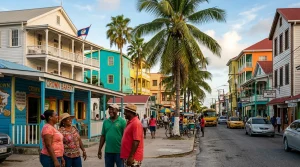
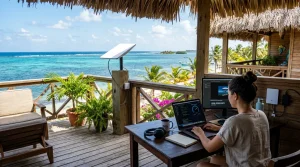
Belize, with its stunning landscapes and rich cultural tapestry, is a paradise for travelers and potential expats alike. However, understanding the natural environment, including the question of earthquakes, is essential for anyone considering a visit or a long-term stay. While Belize is not known for frequent seismic activity, it is important to be informed about the potential for natural disasters in this tropical haven. This guide delves into the realities of earthquake risks, safety tips, and preparation strategies to help you enjoy the allure of Belize with confidence. Whether you’re exploring coastal beaches, ancient ruins, or vibrant cities, staying informed empowers you to navigate your adventure safely. Join us as we unravel the facts, concerns, and practical knowledge you need to enjoy your time in this remarkable country.
Is Belize Prone to Earthquakes? Understanding the Risks
Belize, with its breathtaking beaches, lush jungles, and vibrant culture, is not typically known for seismic activity. However, it is essential for residents and travelers alike to be aware of the potential risks associated with earthquakes. Situated near the boundary of the Caribbean and North American tectonic plates, Belize does experience occasional seismic events, though most are minor and go unnoticed. The country’s geological makeup, characterized by limestone and coral formations, can amplify certain seismic waves, making it crucial to understand the context and risks associated with earthquakes in this beautiful destination.
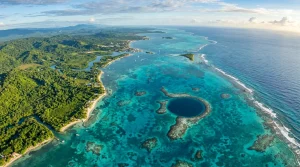
Earthquakes in Belize can be categorized into two primary types: tectonic earthquakes caused by the movement of the Earth’s plates and induced earthquakes related to human activities, such as mining or drilling. While tectonic earthquakes are the primary concern, the frequency of significant seismic events in Belize has historically been low. Most recorded tremors have a magnitude below 4.0, which generally causes little to no damage. Nevertheless, being informed and prepared can mitigate the risks, allowing you to fully enjoy the stunning beauty and rich biodiversity of Belize, from the Great Blue Hole to the ancient Maya ruins.
Travelers should pay attention to local guidance regarding earthquake preparedness. Familiarize yourself with emergency protocols and procedures that can help you respond swiftly should you feel a tremor. Because many of Belize’s buildings are designed for tropical climates rather than seismic resilience, assessing the structural safety of accommodations is wise. When planning your trip, consider seeking lodgings that are up to code and prioritize safety in their design. Engaging with local communities also provides valuable insights into traditional practices around natural disaster preparedness, enhancing your travel experience while ensuring you are in good hands should the earth shift.
Types of Earthquakes and Their Causes in Belize

Belize’s geographical location, resting at the convergence of the Caribbean and North American tectonic plates, influences the types of earthquakes that might occur in this vibrant Central American haven. While it may not be widely recognized for seismic activity, understanding the earthquake types and their underlying causes is critical for both residents and visitors.
The predominant type of earthquake felt in Belize is tectonic, resulting from the shifting of these enormous geological plates. These earthquakes are typically triggered by natural processes where immense pressure builds up along fault lines-the fractures in the Earth’s surface where these plates meet. When this stress is released, it causes the ground to shake, sometimes felt as minor tremors and, on rare occasions, as more significant quakes. The seismic events in Belize predominantly register very low magnitudes, often below 4.0, which generally do not cause structural damage but can be alarming for unaccustomed travelers.
In addition to tectonic earthquakes, induced seismic events can occur as a result of human activities, such as drilling or mining operations. While these are less common in Belize, they can still contribute to local seismicity. It’s important for those engaging in such activities, as well as communities near these operation sites, to maintain awareness of potential impacts on the geological stability of the region.
Awareness and understanding of these types help travelers appreciate the natural dynamics that shape Belize’s stunning landscapes, from the lush rainforests to the captivating coral reefs. The natural beauty of Belize can sometimes mask the complexities of its geological activities, making it all the more essential to prepare and inform oneself-even as you embark on adventures through picturesque settings or while exploring ancient Maya ruins. Whether taking in the view from a serene beach or hiking through the jungle, knowing about the nature of earthquakes can empower visitors with confidence to enjoy all that Belize has to offer while ensuring safety and preparedness.
Historical Earthquake Activity: What to Know

The elusive nature of seismic activity in Belize may surprise many, especially given the country’s picturesque landscapes and vibrant culture. Throughout its history, Belize has experienced a series of earthquakes that, while often minor, have shaped both the geological terrain and the resilience of its communities. Despite the absence of significant earthquakes that cause widespread destruction, historical records indicate that minor tremors are not uncommon, often occurring as the earth adjusts to the pressures of plate tectonics.
A noteworthy aspect of Belize’s seismic history is its relationship with tectonic movements. Most tremors are the result of the slow, gradual shift of the North American and Caribbean plates, which occasionally leads to small quakes that might rattle windows or startle residents. For example, a series of minor earthquakes were recorded in the late 20th century, with magnitudes typically ranging between 3.0 and 4.0. While these events rarely pose a threat, they remind residents and visitors alike of the dynamic natural forces at play in this region.
Preparing for any seismic activity involves understanding these past events. Local agencies encourage residents and travelers to stay informed about emergency protocols and safety measures, even for minor tremors. Communities have shown remarkable solidarity in creating awareness programs that educate the public on earthquake preparedness, including the creation of emergency plans and the establishment of community drills. Such initiatives not only empower the local population but also enhance the safety of tourists venturing into Belize’s stunning jungles and coastal areas.
In conclusion, while the likelihood of experiencing a significant earthquake in Belize is relatively low, its historical context serves as a valuable reminder to remain vigilant. Embracing the beauty of Belize must go hand in hand with awareness of the earth beneath our feet, allowing travelers to enjoy their adventures with a sense of confidence and security. The rich tapestry of wildlife, culture, and history awaits, inviting all to explore every corner of this breathtaking destination while being informed and prepared.
How to Prepare for Earthquakes in Belize
Belize, a land celebrated for its stunning coastlines and vibrant jungles, also has its share of natural phenomena, including minor seismic activity. With this in mind, preparing for the possibility of earthquakes, however modest, is an integral aspect of enjoying your experience in this beautiful country. As you soak in the sunshine or explore ancient Maya ruins, having a plan in place can provide peace of mind and ensure that your adventure remains safe and enjoyable.
Understanding the geography of Belize can help inform your preparation. Situated near the boundary of the North American and Caribbean tectonic plates, Belize may experience minor tremors from time to time. While significant earthquakes are rare, they remind residents and visitors alike of the dynamic earth beneath their feet. Here are practical steps you can take to prepare:
Practical Steps for Earthquake Preparedness
- Stay Informed: Familiarize yourself with earthquake warnings and local emergency procedures. Check regional government or disaster management websites for updates.
- Create an Emergency Kit: Pack essential items such as water, non-perishable food, a flashlight, batteries, basic first-aid supplies, and important documents. Tailor your kit to your group’s specific needs.
- Develop a Communication Plan: Ensure all travel companions know whom to contact and where to meet after a seismic event. Have a designated safe spot where everyone can regroup.
- Know Safe Areas: Identify safe spots in your accommodation-under sturdy furniture or against interior walls-where you can take cover during tremors.
- Join Local Drills: Engage in community earthquake drills, if available, to familiarize yourself with best practices in a real-life scenario.
Each of these steps can be crucial should a small quake occur while you’re exploring the amazing landscapes of Belize-from the vibrant streets of Belize City to the serene beaches of Ambergris Caye. Educating yourself on the region’s seismic risk and preparing accordingly will allow you to minimize any disruptions to your travels.
Incorporating these safety measures into your Belizean adventure not only enhances your experience but also enriches your connection with the local culture, as many Belizeans take these preparations seriously. Whether it’s discussing emergency plans with your hosts in a cozy jungle lodge or laughing about past tremors during dinner at a local eatery, your awareness of the region’s natural dynamics can foster deeper, more meaningful interactions. Enjoy the remarkable beauty of Belize, always ready to embrace whatever nature may offer!
Safety Measures for Earthquakes: A Comprehensive Guide
In the heart of the Caribbean, where lush rainforests meet crystal-clear waters, the beauty of Belize can give a false sense of security. Yet, understanding safety measures for earthquakes is crucial for anyone wishing to explore this enchanting nation. While major seismic events are rare, Belize does experience occasional tremors due to its location near tectonic plate boundaries, making it valuable for travelers to be informed and prepared.
To begin with, adopting a proactive mindset can greatly enhance your safety. Familiarize yourself with the local earthquake alerts and emergency response systems. Many hotels and lodges have protocols in place; ask your hosts about them upon arrival. Additionally, ensuring your travel companions are aware of the plans fosters a cooperative atmosphere should an earthquake occur.
Creating a personalized emergency kit is also fundamental. Your kit should include essential supplies tailored to your group’s needs-think water, non-perishable snacks, a flashlight, batteries, and a basic first-aid kit. In the stunning surroundings of a Belizean jungle lodge, having these items on hand not only prepares you for tremors but enhances your overall travel experience by offering peace of mind.
When exploring Belize’s historical treasures or stunning coastlines, knowing safe spots in your accommodations is crucial. These are areas where you can take cover-under sturdy furniture or against an interior wall-during a tremor. Engaging with the local community through earthquake drills can provide firsthand experience that reassures both novice travelers and seasoned adventurers alike. By understanding the earthquake risks while immersing yourself in the vibrant local culture, you’ll forge deeper connections with the Belizean people and landscape.
In embracing both adventure and prudence, you’re not only safeguarding your trip but also paying homage to the resilient spirit of Belize. The interconnectedness of preparing for natural events while enjoying the unparalleled beauty of this country adds a layer of richness to your journey that transcends mere sightseeing and fosters lasting memories.
Emergency Protocols: What to Do During an Earthquake
In the enchanting realm of Belize, where diverse ecosystems and vibrant cultures thrive, understanding what to do during an earthquake is essential for every traveler. While seismic events are infrequent, being prepared can significantly enhance your safety and peace of mind. When the ground begins to tremble, staying calm and acting swiftly are your best allies.
First and foremost, if you find yourself indoors, drop, cover, and hold on. Get down on your hands and knees to prevent being knocked over, cover your head and neck under sturdy furniture like a table or desk, and hold onto your shelter until the shaking stops. If no cover is available, crouch in an interior corner, protecting your head with your arms. In a hotel or lodging, familiarize yourself with the fastest escape routes beforehand and look for marked safe zones, often indicated on emergency exit plans.
If you’re outdoors when an earthquake strikes, move away from buildings, trees, streetlights, and utility wires. The open spaces of Belize’s coastal parks and natural reserves are ideal spots to seek safety. Once in a safe area, remain alert for other hazards, as aftershocks may occur, which can cause additional damage or displace items in your surroundings.
In the case of being in a vehicle, stop in a clear area away from overpasses and bridges, and remain in the car with your seatbelt fastened until the shaking ceases. Afterward, drive cautiously to avoid hazards like fallen debris or downed power lines.
Emergency Communication is another crucial aspect during such events. Have a plan to check in with family or friends, and make sure everyone in your group knows how to contact each other post-earthquake. Local authorities often distribute information through designated channels, so staying tuned to radio broadcasts or official social media notifications can provide you with updates and instructions.
Even amidst the stunning beauty of Belize, it’s vital to remember that safety must always come first. By knowing these essential protocols, you can explore this remarkable destination with an adventurous spirit while being equipped to navigate unexpected challenges confidently. The warmth of Belizean hospitality and the richness of its culture will surely welcome you back to safety, adding a unique layer to your unforgettable journey.
Belize’s Infrastructure: Are You Safe?
In a country celebrated for its stunning landscapes, rich biodiversity, and warm culture, the question of infrastructure safety during natural disasters like earthquakes looms large for both locals and travelers alike. Belize’s infrastructure may not be as advanced as that found in more developed nations, but significant strides have been made in bolstering the resilience of buildings and facilities against seismic activity. Most structures in major urban areas like Belize City undergo strict building codes that promote safety, particularly in earthquake-prone zones. This means that hotels, schools, and public buildings are increasingly designed to withstand not only earthquakes but other natural threats too, such as hurricanes.
While exploring Belize’s gorgeous landscapes or the vibrant streets of its cities, it is crucial to consider any accommodations you choose. Many hotels and lodges implement safety measures and emergency protocols to ensure guests remain secure during unforeseen events. For instance, many resorts near the coast are built with reinforced materials and include sentinel practices to monitor seismic activity. In addition to this, it’s always a wise move to inquire about safety measures and evacuation protocols upon arrival at your lodging. They may provide valuable information on how to quickly reach safe areas, should the need arise.
When venturing into rural areas, however, one should exercise a degree of caution. Some smaller villages and remote eco-lodges might not adhere to stringent building codes, leading to greater vulnerability during seismic events. This is not to discourage exploration; rather, it emphasizes the importance of being educated about the safety standards of your chosen destinations. Engaging with local guides can further enhance your adventure by providing insights into the risks and reinforcing the knowledge of the region’s natural hazards.
One of the most effective ways to ensure safety amidst the breathtaking beauty of Belize is through preparation. Familiarizing yourself with local emergency services, knowing the nearest shelters, and having communication plans in place can significantly enhance your security. Ultimately, being informed and aware transforms an ordinary travel experience into a remarkable and secure journey, allowing you to enjoy the wonders of Belize-the Great Blue Hole, lush jungles, and Mayan ruins-while keeping safety at the forefront of your adventure.
Earthquake Insurance: Do You Need It?
In the vibrant setting of Belize, where tropical landscapes and rich culture intertwine, the notion of earthquake preparedness is often overshadowed by the allure of its natural beauty. However, understanding whether earthquake insurance is necessary for your stay can be crucial for both peace of mind and financial safety. While Belize is not as seismically active as some regions, it does experience its share of seismic activity, making insurance a wise consideration for homeowners, renters, and even travelers who want to safeguard their investments.
Understanding Earthquake Insurance
Earthquake insurance typically covers damage to your property as a result of seismic events. In Belize, this type of insurance can be beneficial for property owners, especially in areas where building codes may not fully mitigate earthquake risks. Although basic home insurance policies often do not include earthquake damage, adding this coverage can protect you from the financial implications of repair costs and lost personal belongings.
Is It Worth It?
For visitors staying in hotels or resorts with robust construction practices, you may not need specific earthquake insurance. Many of these establishments are equipped to handle natural disasters, implementing safety protocols to ensure guest safety. However, if you are renting a property or staying long-term in a home with less stringent building practices, consider the potential risks. Investing in earthquake insurance is not just about protection for property; it can also cover additional living expenses if you’re temporarily displaced due to an earthquake.
- Assess Your Location: Areas near tectonic plate boundaries may have higher risks.
- Review Property Standards: Understand the building codes of your accommodation.
- Consult Local Experts: Engage with local insurance agents to explore tailored earthquake insurance options.
In conclusion, while the picturesque allure of Belize invites exploration, a prudent approach involves weighing the benefits of earthquake insurance. Amid the backdrop of lush jungles and stunning coastlines, ensuring that your stay is not only exhilarating but also safeguarded against unforeseen events can enhance your overall experience in this magical destination. Whether you are delighting in the Great Blue Hole or wandering through ancient Mayan ruins, confidence in your protection allows you to immerse yourself completely in all that Belize has to offer.
Natural Disaster Preparedness: All Hazards Approach
In a country as stunning and diverse as Belize, where vibrant rainforests meet the turquoise hues of the Caribbean Sea, it’s essential to develop a well-rounded approach to natural disaster preparedness. Belize may not be the most earthquake-prone region in Central America, but this tropical paradise is not immune to the wrath of nature, which can manifest through hurricanes, floods, and yes, even seismic activities. Preparing for multiple disaster scenarios enhances safety and ensures that both residents and visitors can enjoy the extraordinary beauty of Belize with confidence.
A holistic disaster preparedness plan begins at home. It’s crucial to understand not only potential hazards specific to the region you’re in but also your unique risks based on your location within Belize. For instance, properties closer to coastal areas may be more impacted by hurricanes and storm surges, while inland homes might need to fortify against flooding. Know your local emergency plans and resources; familiarize yourself with the evacuation routes and community shelters, which are often located in schools or community centers.
As part of your all-hazards approach, ensure you have an emergency kit ready. This kit should include basic supplies such as non-perishable foods, water (at least a gallon per person per day), flashlights, batteries, first-aid supplies, and important documents stored in a waterproof container. In addition to these essentials, consider including items specific to Belize’s unique environment-like mosquito repellent and sunscreen, which are vital during tropical storms or after heavy rains when mosquitos may thrive.
Finally, do not overlook the importance of community involvement and resource sharing. Engage with local organizations or community groups focused on disaster preparedness; they often provide critical training and information to help individuals and families become resilient. Whether it’s through participating in community drills or adhering to safety protocols, fostering a culture of safety can significantly impact how well individuals respond during a natural disaster.
By embracing an all-hazards approach, you can fully immerse yourself in Belize’s splendor, whether you are diving into the Great Blue Hole, exploring ancient Maya ruins, or simply relaxing on a sun-kissed beach. Preparedness ensures that your adventures are not only memorable but also safe, allowing you to soak in the rich culture and stunning landscapes of this extraordinary destination without the burden of uncertainty.
Impact of Climate Change on Earthquake Activity
In the vibrant landscape of Belize, where stunning coral reefs meet rich rainforests, the influence of climate change extends beyond the realms of rising sea levels and increased hurricane activity. As the global climate continues to shift, the potential for natural disasters, including earthquakes, faces a dynamic transformation. While Belize itself is not located on major tectonic fault lines, the interplay between climate change and geological activity raises important considerations for the future.
Extreme weather events, exacerbated by climate change, can lead to increased soil erosion and changes in land use that may contribute to seismic instability. Heavy rainfall can saturate the soil, affecting the integrity of underground structures and potentially leading to landslides or minor tremors. Although these occurrences may not register on the Richter scale as significant earthquakes, they can impact local ecosystems and communities. For instance, as the rainforests of Belize absorb more water while combating deforestation, the shifting earth can create conditions ripe for weaker ground stability.
Adopting preventative measures is crucial in a changing climate. Awareness and understanding of local geology are essential for both residents and visitors. Regular community workshops on geology and understanding earthquake risks can equip individuals with knowledge about potential impacts in their area. Furthermore, engaging with local conservation efforts can help bolster the resilience of the ecosystems that act as natural buffers against both climate-driven and geological disturbances.
Staying prepared also extends to ensuring that buildings comply with modern safety codes that account for seismic activity, even if minor. Retrofitting older structures to withstand potential quakes can save lives and reduce property damage. Engaging in sustainable practices, such as responsible land management and reforestation, can play a vital role in maintaining the delicate balance between climate stability and geological health in this breathtaking region. By embracing a proactive mindset, Belizeans and travelers alike can navigate the secure beauty of Belize while respecting the powerful forces of nature that shape it.
Community Resources and Support in Case of Disasters
In the heart of Belize’s stunning landscapes, community resilience shines brightest when disasters strike. Although the likelihood of a significant earthquake is relatively low in this Central American paradise, having a solid support system in place can make all the difference for residents and visitors alike. The sense of community in Belize is a profound asset, offering resources and networks that empower individuals with the knowledge and comfort needed to navigate emergency situations.
Local municipalities and government agencies have established disaster preparedness initiatives, including training programs and awareness campaigns tailored to educate the public about earthquake safety and other natural hazards. Community centers often serve as hubs for distributing vital information, including workshops on emergency procedures and building safety standards. These gatherings create an open space for locals to exchange ideas and experiences, fostering a culture of preparedness that resonates through families and neighborhoods.
Additionally, organizations such as the Belize National Emergency Management Organization (NEMO) play a crucial role in disaster response and management. They provide essential services like regular safety drills and the distribution of emergency kits, ensuring that both locals and travelers have access to the resources they need. Engaging with these community efforts can significantly enhance one’s understanding of local risks and safety protocols.
For travelers keen on accessing support systems, it’s beneficial to familiarize yourself with the nearest hospitals, police stations, and emergency shelters during your stay. Many resorts and hotels in Belize also have plans in place for emergency situations and can assist guests in understanding local protocols. Effective communication networks, including social media groups and local apps, further bolster community ties, allowing for real-time updates on safety measures and emergency alerts. By being aware and proactive, both visitors and residents can enjoy their Caribbean adventure with peace of mind, knowing they are part of a strong, interconnected community ready to face the challenges together.
Faq
Q: Does Belize commonly experience earthquakes?
A: Yes, Belize does experience earthquakes, although they are generally mild. The country is located near tectonic plate boundaries, which can result in seismic activity. It’s important to stay informed about potential risks, especially during travel.
Q: What magnitude can earthquakes in Belize reach?
A: Earthquakes in Belize can vary in magnitude, with most being minor, typically below 5.0 on the Richter scale. However, stronger earthquakes can occasionally occur, so it’s crucial to be prepared. Refer to the “Is Belize Prone to Earthquakes?” section for more insights.
Q: How can I prepare for an earthquake while in Belize?
A: Preparing for an earthquake involves knowing safe spots (like under sturdy furniture), keeping an emergency kit, and having a communication plan. Familiarize yourself with local emergency protocols, as outlined in the “How to Prepare for Earthquakes in Belize” section.
Q: What should I do during an earthquake in Belize?
A: During an earthquake, drop, cover, and hold on until the shaking stops. Stay indoors if you’re there, and avoid windows. After the shaking, check for hazards, and follow local emergency guidance.
Q: Are there any earthquake insurance options in Belize?
A: Yes, earthquake insurance is available in Belize. It’s advisable to look into policies that cover seismic-related damage, especially if you’re planning to stay long-term. Consult the “Earthquake Insurance: Do You Need It?” section for details.
Q: How does climate change affect earthquake activity in Belize?
A: While climate change primarily influences weather patterns, some research suggests it may indirectly affect seismic activity. Understand the broader implications by visiting the “Impact of Climate Change on Earthquake Activity” section.
Q: What emergency resources are available in Belize for earthquakes?
A: Belize has various community resources for emergencies, including local government initiatives, NGOs, and safety drills. The “Community Resources and Support in Case of Disasters” section provides more details on available support.
Q: Is the infrastructure in Belize safe during an earthquake?
A: Building codes in Belize are improving, but the safety of structures can vary. It’s wise to research the infrastructure of your specific accommodations. Refer to the “Belize’s Infrastructure: Are You Safe?” section for more information.
The Conclusion
As you explore the fascinating world of Belize, remember that understanding its natural dynamics, including earthquake safety, can enhance your travel experience. For an adventure that balances thrill and tranquility, consider diving into the beauty of the Great Blue Hole or relaxing on the stunning Caribbean beaches. Equip yourself with knowledge about local culture, cuisine, and eco-tourism opportunities by checking out our detailed accommodation guides and practical travel tips for diverse travelers, including solo adventurers and expats looking to settle down.
Don’t hesitate-dive deeper into our resources on Belize’s unique wildlife and vibrant festivals to enrich your journey. If you have any questions or tips to share, drop a comment below! Your next unforgettable adventure in Belize awaits, so explore more and stay prepared. For more insights on living comfortably in Belize or planning your next trip, our comprehensive guides await your visit!
Get our latest guides, news, and insights highlighted in your Google Search & AI Overviews.